Ca l'Agut occupies a corner of Barceloneta's old fishing quarter that predates the city's tourist economy by several centuries. The kitchen draws on traditional Catalan recipes, positioning the restaurant firmly within the tradition-led tier of Barcelona dining rather than the progressive creative bracket that dominates the city's international reputation. For visitors seeking grounded, produce-driven cooking in a room that reads as genuinely local, it represents a deliberate counterpoint to the tasting-menu circuit.
Pearl is the En Primeur Club membership app — saves, bookings, and concierge access live there. Same editors, same standards.
- Address
- Carrer d'en Gignàs, 16, Ciutat Vella, 08002 Barcelona, Spain
- Phone
- +34933151709
- Website
- opentable.com
- Directions
- Get directions
 Saves & bookings on Pearl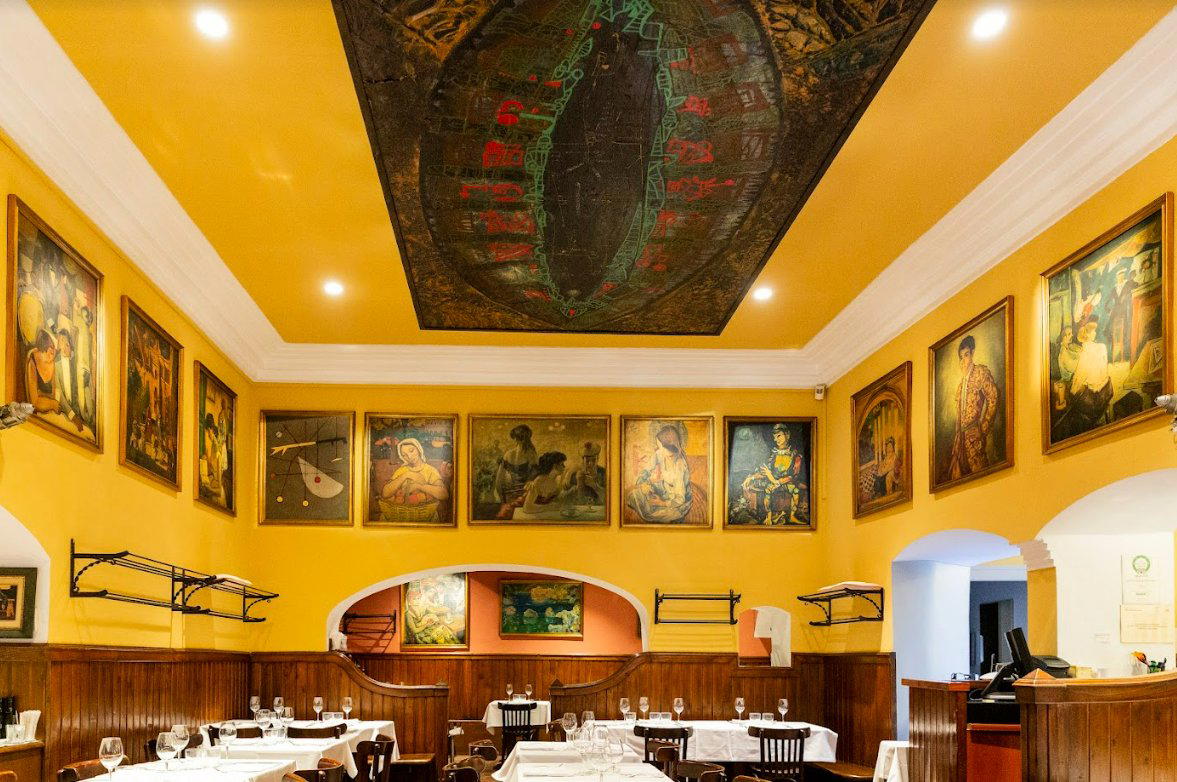
Old Barcelona, Older Recipes
The streets around Carrer d'en Gignàs, deep in Ciutat Vella's medieval grid, have housed traders, sailors, and market workers for centuries. The architecture here is dense and undecorated: stone facades, narrow passageways, doors that open directly onto cobblestones worn smooth by generations of foot traffic. Ca l'Agut sits in this fabric as something that looks and feels like it grew from it. Walking in, the room reads as a working Catalan restaurant from an era before hospitality was a category separate from feeding people well.
That physical continuity is the first signal worth paying attention to. Barcelona's dining conversation is dominated by a cluster of high-concept creative houses, Disfrutar, Enigma, ABaC, Lasarte, and Cocina Hermanos Torres among them, that pursue technical transformation of Catalan and Spanish ingredients as their primary mode. Ca l'Agut operates in a different register entirely, anchored in the kind of direct, seasonal cooking that predates any conversation about innovation.
Where Catalan Tradition Meets an Emerging Sustainability Argument
Spain's most talked-about kitchens are, in different ways, engaged with ethical sourcing and environmental accountability. Azurmendi in Larrabetzu has built a bioclimatic structure and integrated on-site growing into its model. Aponiente in El Puerto de Santa María frames its entire program around marine ecosystem recovery and neglected species. Even El Celler de Can Roca in Girona has formalised sustainability commitments as part of its operational identity. These are deliberate, documented positions.
The tradition-led tier that Ca l'Agut represents makes a quieter, older argument. Cooking from local markets, rotating dishes with what is available rather than what is engineered, keeping supply chains short by default: these are the practical habits of traditional Catalan restaurants that predate the sustainability vocabulary attached to them. The fishing port economy that shaped Barceloneta and the surrounding Gòtic quarter was, by necessity, a low-waste, proximity-based system. Restaurants that grew from that culture carry its logic even when they do not brand it explicitly.
This matters for the reader making a decision about where to eat in Barcelona. The creative houses listed above offer technically demanding, frequently extraordinary meals, but they represent a specific kind of investment: financial, temporal, and attentional. The case for a restaurant like Ca l'Agut is different. It sits closer to the way Barcelona actually feeds itself, through proximity to market produce, through recipes with regional roots, through a room that functions as neighbourhood infrastructure rather than destination architecture.
Positioning Within Barcelona's Dining Tiers
Barcelona's restaurant spectrum, when mapped honestly, splits into at least three distinct tiers. At the leading, the creative-progressive bracket competes internationally, with several venues holding Michelin recognition and drawing visitors specifically for their tasting programs. In the middle, a contested modern bistro layer has expanded rapidly, mixing natural wine lists with market menus in rooms designed for social media legibility. Below that, and increasingly rare in the central neighbourhoods, sits the traditional Catalan tier: places where the menu reflects what arrived at the market that morning and where the cooking style has generational depth.
The restaurant operates in that third tier and within walking distance of venues that represent the first. The contrast is instructive. A meal at Disfrutar, currently among the more technically ambitious restaurants in Europe, might run to several hours and multiple tasting sequences. The tradition-led alternative asks a different question of the diner: not what the kitchen can do to an ingredient, but what an ingredient tastes like when cooked with skill and no artifice.
For international visitors building a Barcelona itinerary, this split has practical implications. The creative tier books out weeks or months in advance. Traditional Catalan restaurants operate on a different booking logic, often accessible with shorter lead times.
Catalan Cooking as a Reference System
Understanding what the restaurant represents requires understanding what Catalan cuisine actually is, beyond the tourism shorthand of pa amb tomàquet and seafood. The culinary tradition of Catalonia is one of Europe's more coherent regional systems, built on a set of mother sauces and technique families, sofregit, picada, romesco, allioli, that function as a grammar for a wide range of dishes. It integrates mountain and coastal ingredients within a single cooking vocabulary, and its seasonal logic is genuinely tied to the agricultural and fishing calendars of the region.
The restaurants that hold this tradition most carefully are not usually the ones that attract international critical attention. The Michelin-starred creative houses along the Catalan and Basque coastlines, from Martin Berasategui in Lasarte-Oria to Quique Dacosta in Dénia, use regional tradition as a launching point, departing from it through technique and concept. The tradition-led tier preserves the system itself. In a city where that tier is shrinking as property economics push out long-standing operators, its remaining examples carry more weight than the room itself might suggest.
This is the context in which the restaurant's Ciutat Vella location reads as significant. Ciutat Vella has been under sustained commercial pressure for over a decade, with tourist retail and international chains displacing the neighbourhood fabric. A traditional Catalan restaurant in this part of the city occupies contested real estate in more than one sense.
The Broader Spanish Context
Spain's fine dining circuit has developed an internationally recognised sustainability narrative through a specific set of flagship venues. Beyond the examples already mentioned, Mugaritz in Errenteria and Ricard Camarena in València both operate with documented commitments to local sourcing and reduced-impact production. DiverXO in Madrid occupies a different creative quadrant altogether, while Atrio in Cáceres folds its sustainability approach into a deeply regional Extremaduran identity.
These venues make their environmental commitments explicit and measurable. The traditional tier makes a complementary argument through practice rather than declaration: short supply chains, seasonal menus, minimal processing, high ingredient utilisation. Neither model is inherently superior, but together they represent the full range of how Spanish restaurants are thinking about what they put on the plate and why. For anyone building a broader picture of Spanish dining, the restaurant fits into that picture as a grounding reference point rather than a destination statement.
The dynamic is not distinctive to Spain. Restaurants like Lazy Bear in San Francisco and Le Bernardin in New York City also operate within a tiered city dining culture where tradition-rooted formats and highly technical modern kitchens coexist and serve different diner intentions.
Know Before You Go
- Address: Carrer d'en Gignàs, 16, Ciutat Vella, 08002 Barcelona, Spain
- Neighbourhood: Gòtic / Ciutat Vella, close to the Gothic Quarter's medieval core
- Cuisine tradition: Traditional Catalan
- Booking: Reservation recommended
- Timing: Mon: Closed; Tue: 1–3:45 PM, 7:30–10 PM; Wed: 1–3:45 PM, 7:30–10 PM; Thu: 1–3:45 PM, 7:30–10 PM; Fri: 1–3:45 PM, 7:30–10 PM; Sat: 1–4 PM, 7:30–10 PM; Sun: 1–4 PM
- Context: Positioned in the tradition-led tier; expect Traditional Catalan cooking
Fast Comparison
Comparable venues nearby, for context on price, style, and recognition.
| Venue | Cuisine | Price | Notes |
|---|---|---|---|
| Ca l'AgutThis venue — the venue you are viewing | Traditional Catalan | $$ | Not listed |
| Taller de Tapes | Traditional Spanish Tapas | $$ | Sant Pere, Santa Caterina i la Ribera |
| Buena Vida Bar | Modern Spanish Tapas | $$ | la Vila de Gracia |
| Bodega Pasaje 1986 | Traditional Spanish Tapas Bodega | $$ | la Marina de Port |
| Can Martí Restaurant | Traditional Catalan Grill | $$ | Vallvidrera, el Tibidabo i les Planes |
| SantaGula | Seasonal Catalan Bistro with International Touches | $$ | la Vila de Gracia |
Continue exploring
More in Barcelona
Restaurants in Barcelona
Browse all →
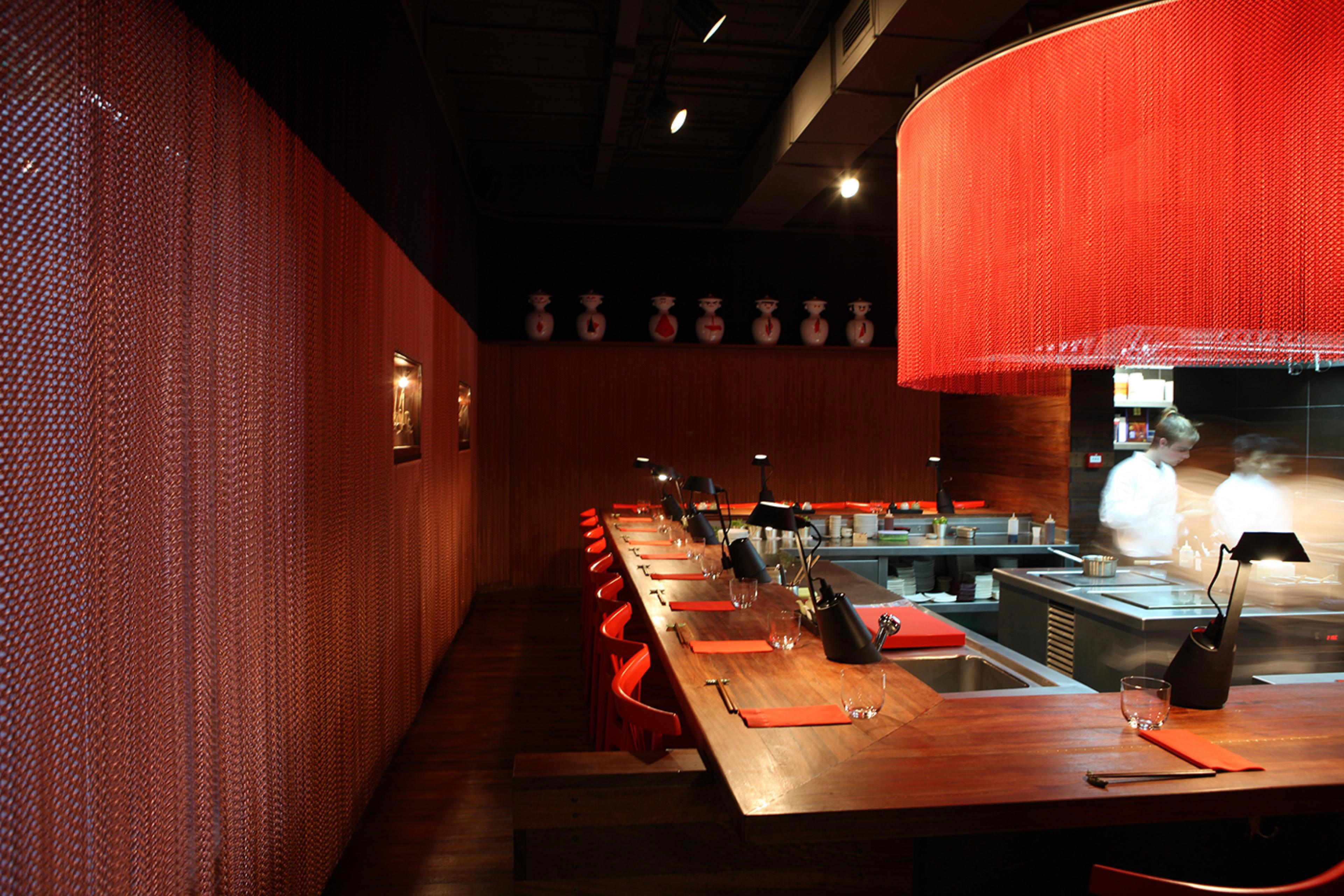
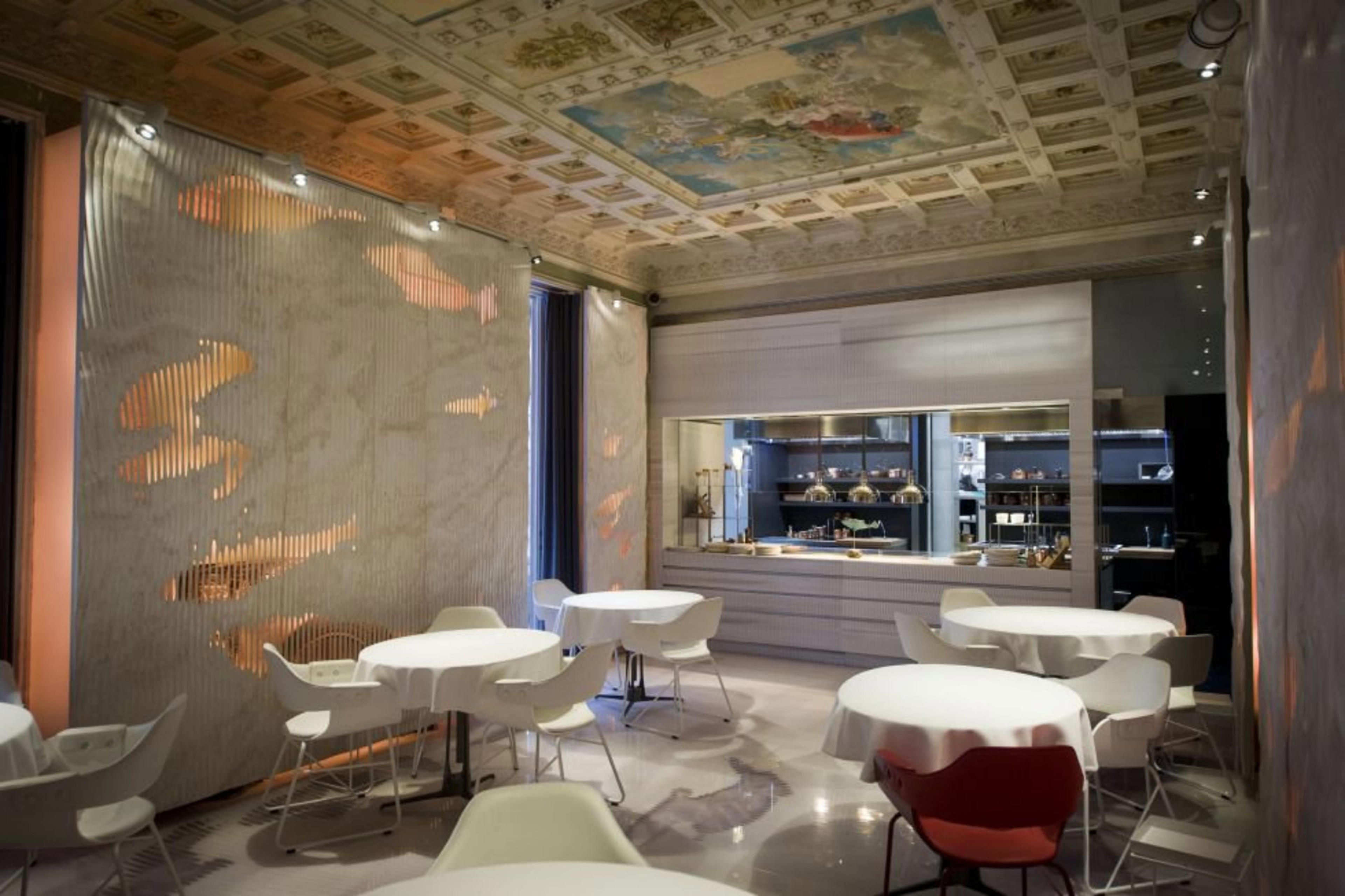
Bars in Barcelona
Browse all →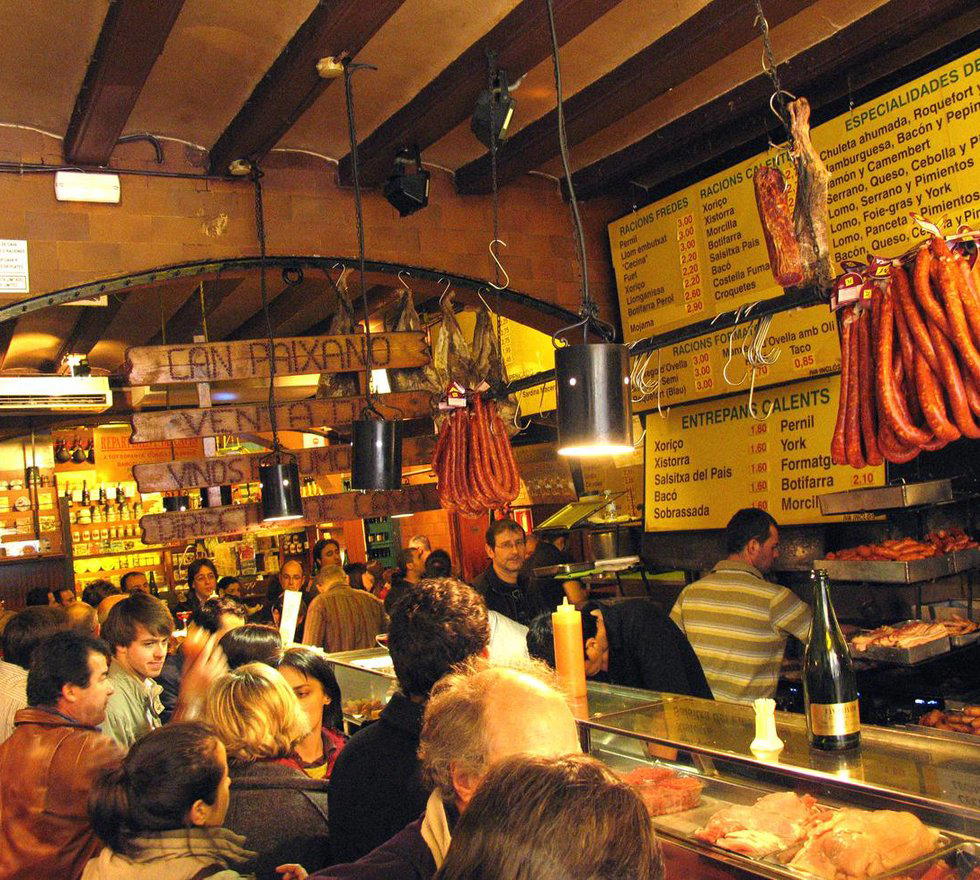
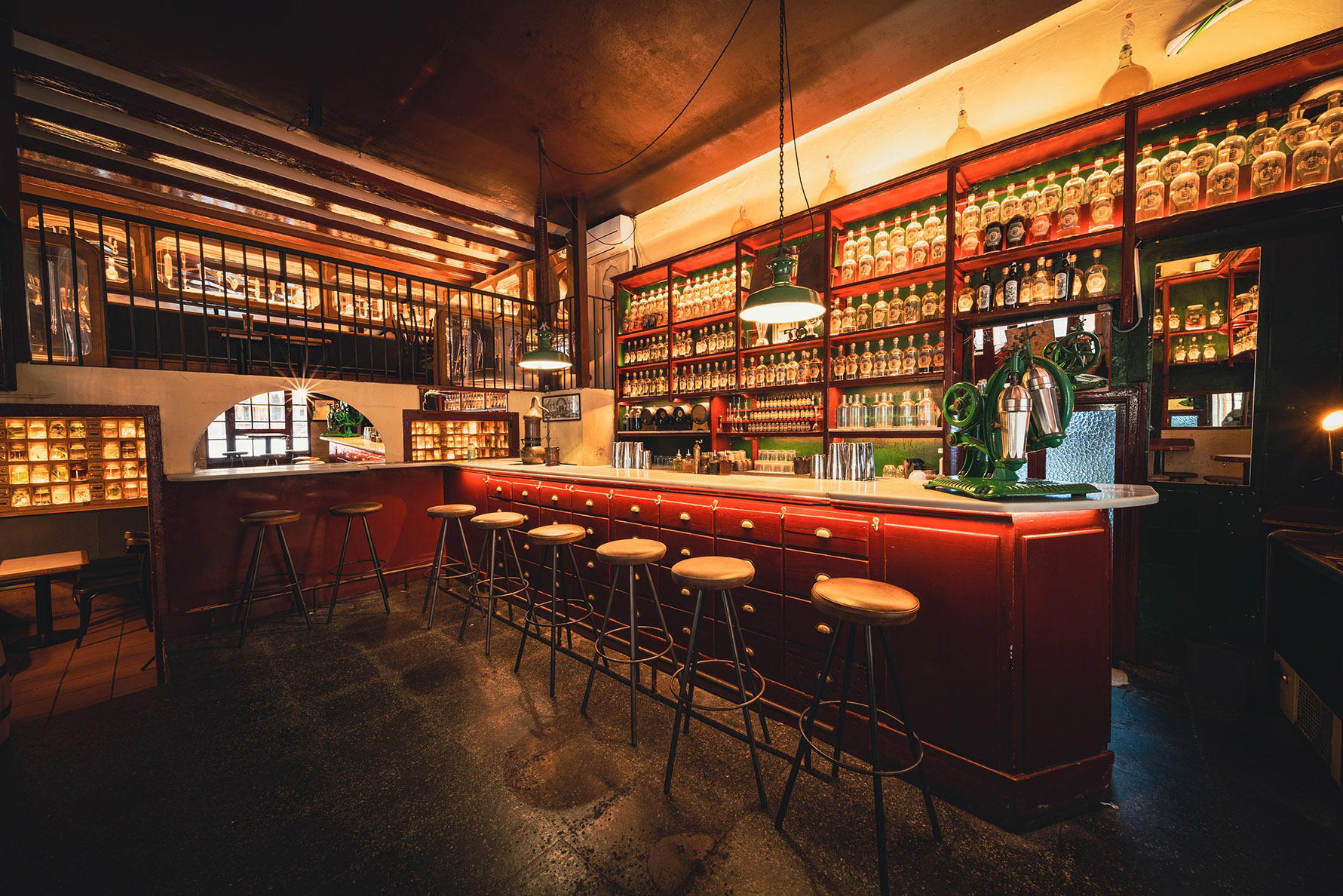
Hotels in Barcelona
Browse all →


At a Glance
- Rustic
- Classic
- Cozy
- Special Occasion
- Casual Hangout
- Historic Building
- Extensive Wine List
- Local Sourcing
Current opening hours
- Monday
- Closed
- Tuesday
- 1–3:45 PM, 7:30–10 PM
- Wednesday
- 1–3:45 PM, 7:30–10 PM
- Thursday
- 1–3:45 PM, 7:30–10 PM
- Friday
- 1–3:45 PM, 7:30–10 PM
- Saturday
- 1–4 PM, 7:30–10 PM
- Sunday
- 1–4 PM
Hours can change for holidays and private events. Last verified .
Warm, inviting, rustic and traditional decor that immerses diners in authentic Catalan culture.