Restaurant "Aladasturi"
Our verdict
Aladasturi sits on Turistskaya Ulitsa in Saint Petersburg's northwestern quarter, bringing the cooking traditions of the South Caucasus into a city whose restaurant scene has spent the last decade reaching well beyond its European roots. The address places it at a remove from the central tourist corridor, which tends to mean a room of regulars rather than passers-by. For those tracking Georgian and Caucasian cuisine across Russia's dining cities, it registers as a reference point worth finding.

Pearl is the En Primeur Club membership app — saves, bookings, and concierge access live there. Same editors, same standards.
- Address
- Turistskaya Ulitsa, 24/42, St Petersburg, Russia, 197082
- Phone
- +7 921 963 96 75
- Hours
- Daily 12 PM–12 AM
- Website
- aladasturi.ru
- Directions
- Get directions
The Northwestern Quarter and What It Signals
Saint Petersburg's most-discussed restaurants cluster around Nevsky Prospekt and the inner islands, so a dining room on Turistskaya Ulitsa, at the city's northwestern edge near the Primorsky district, operates by a different logic. The clientele tends to be residential rather than tourist-driven, and kitchens in this part of the city answer to a local audience with specific and repeated expectations. That context matters when reading Aladasturi's position in the broader Saint Petersburg scene: it is not a restaurant built for visibility in the centre, and that shapes everything from the atmosphere on entry to the pace of service inside.
The Primorsky corridor has developed its own dining identity over the past decade, drawing comparisons with Moscow's outer-neighbourhood restaurant culture, where addresses far from the historic core attract serious food programmes precisely because rents permit ambition without the pressure of high footfall. For a point of comparison within Petersburg itself, Primorskiy Prospekt, 72 in Staraya Derevnya operates on a similar geographic logic, trading central adjacency for a more deliberate, neighbourhood-rooted audience.
Georgian Cooking in a Russian City: What the Cuisine Brings
Georgian cuisine occupies a specific and durable place in Russian food culture. Unlike trends that arrive and cycle out, the cooking of the South Caucasus, with its walnut sauces, clay-baked breads, herb-forward salads, and slow-braised meats, has maintained continuous presence in Russian cities since the Soviet period when Georgian restaurants represented one of the few legitimate encounters with regional variety. In contemporary Saint Petersburg, that tradition has bifurcated: one line runs through inexpensive neighbourhood canteens serving churchkhela and khinkali to working crowds; the other reaches toward more considered presentation of the same source material, where provenance of ingredients and fidelity to regional sub-cuisines become the point of differentiation.
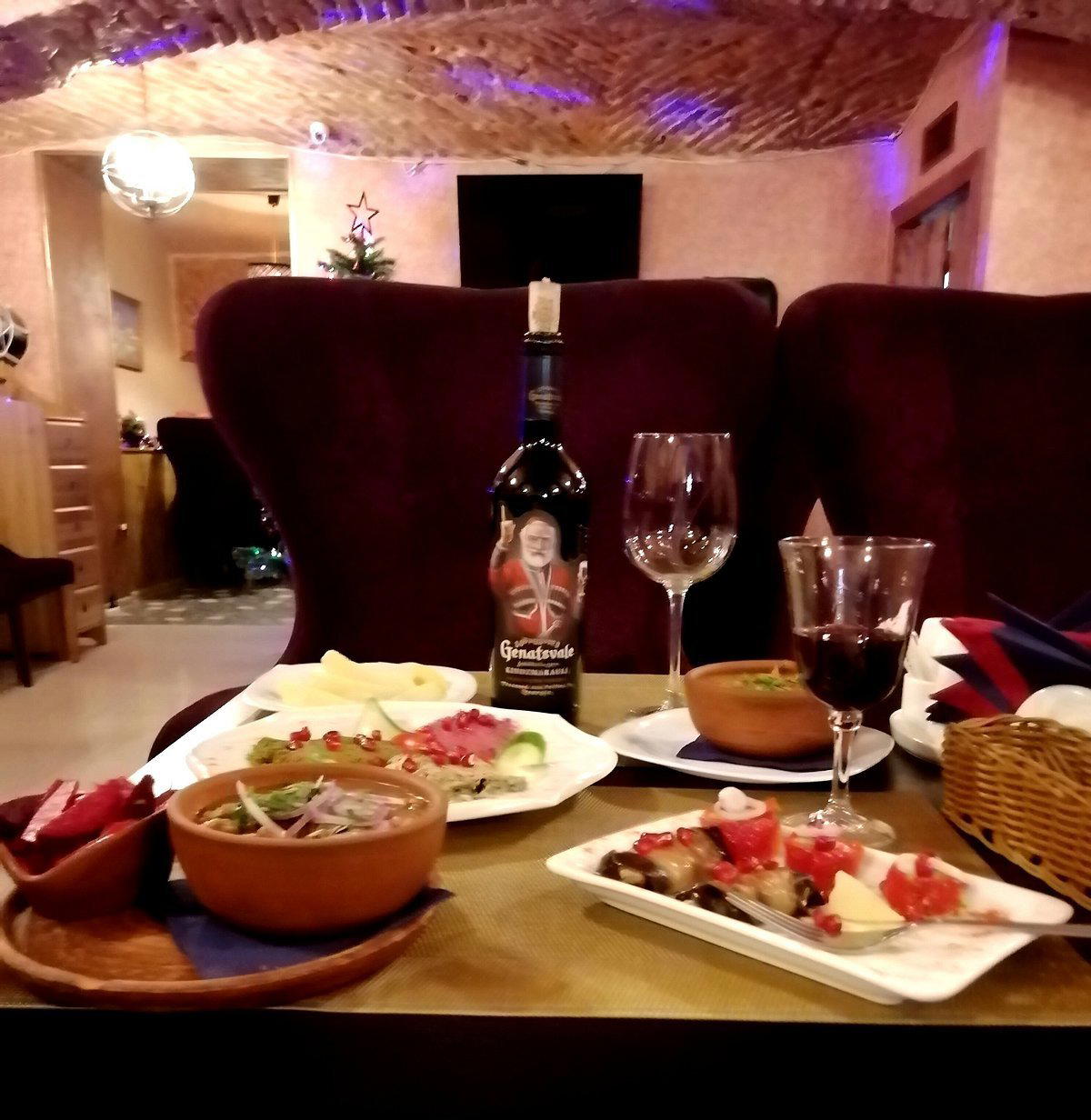
The name Aladasturi itself is a reference to a Georgian grape variety, an amber-skinned, aromatic grape used in natural and skin-contact winemaking that has attracted significant attention from the natural wine movement over the past fifteen years. A restaurant choosing this as its name is making a positioning statement: this is a room that takes the full culture of the Caucasus, including its wine traditions, seriously. Across Russia, a handful of restaurants have made Georgian wine programmes central to their identity, and the Aladasturi grape specifically signals alignment with the qvevri-aged, amber wine style that has moved from regional curiosity to international reference point. For readers tracking similar culinary positioning elsewhere in Russia, Alanskaya Kukhnya in Krasnodar addresses North Caucasian traditions from a different geographic and cultural angle.
The Sensory Register of Caucasian Dining Rooms
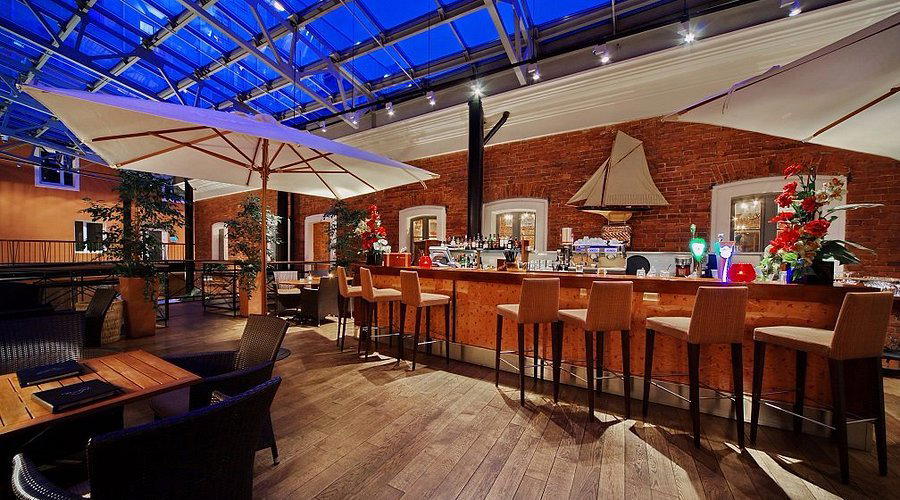
Georgian and Caucasian restaurants across Russian cities share a recognisable atmospheric vocabulary: warm lighting that shifts toward amber in the evening hours, the persistent background note of tkemali and fresh coriander from an open or semi-open kitchen, textiles or ceramic work referencing the region's artisan traditions, and a sound level that sits above the hushed register of European fine dining but below the noise of a Georgian feast hall. The food itself arrives with a particular rhythm, dishes designed for the table rather than individual plating, shared portions that encourage the kind of extended, unhurried meal that makes a Tuesday evening feel like an occasion.
These atmospheric qualities matter because they are not decorative. They reflect a genuine dining culture in which the table is understood as a social institution, not merely a transactional space. In this, Georgian restaurant culture aligns more closely with the Levantine or Spanish tradition of the extended communal meal than with the sequential tasting formats dominant in Petersburg's European-oriented fine dining tier, represented by venues like COCOCO Bistro, which applies new-Russian fine dining logic to local ingredients. Aladasturi operates in a different register, one where the food's cultural specificity is the experience rather than a backdrop to technique.
Where Aladasturi Sits in the Petersburg Scene
Saint Petersburg's restaurant scene has matured considerably since 2015, with venues like Bourgeois Bohemians establishing that the city could sustain genuinely ambitious, concept-driven hospitality. The scene now spans a wide range of formats and price points, from accessible neighbourhood spots to destination dining that draws visitors from Moscow and internationally. Within this range, Caucasian and Georgian specialists occupy a middle tier that is neither the cheapest nor the most expensive category, and they tend to attract a loyal regular base that returns for specific dishes and the social format of the shared table.
Among Petersburg's more international offerings, venues like Brichmula and Lev I Ptichka address different points on the city's culinary spectrum, while King Pong and Mickey & Monkeys represent the city's appetite for Asian-influenced formats. Aladasturi's positioning in Caucasian cooking places it in a category with deep roots in Russian dining culture but a genuinely distinct sensory and social identity from all of these. The comparison worth making is perhaps less with other Petersburg restaurants and more with how Georgian cuisine is being presented in Moscow: Twins Garden in Moscow illustrates how Russian fine dining can draw on regional and Caucasian traditions within a more technically ambitious frame, a direction that represents one possible evolution for the category in Petersburg as well.
For readers building a wider Russia itinerary, Restaurant Baran-Rapan in Sochi, Leo Wine & Kitchen in Rostov, and SEASONS in Kaliningrad each show how regional identity and local produce function in different Russian dining contexts. Closer to home, Birch in St. Petersburg and La Colline in Bolshoye Sareyevo round out the picture of how the broader northwestern Russian restaurant scene is evolving. The full picture of what the city currently offers is mapped in our full Saint Petersburg City restaurants guide.
Planning a Visit
Turistskaya Ulitsa 24/42 places Aladasturi in the Primorsky district, reachable from the city centre by metro to Staraya Derevnya station or by the surface routes that run along the Gulf of Finland coast. The address is residential rather than commercial, which means the evening atmosphere shifts quickly once the working day ends in the surrounding neighbourhood. Given the shared-table format typical of Georgian dining, visits work leading with at least two people; the communal dishes that define the cuisine lose their logic at a solo table. Contact details were not available at the time of publication, so verification of current hours and reservation policy is advisable before making the journey from the centre.
Frequently asked questions
How do I find Restaurant "Aladasturi"?
Restaurant "Aladasturi" is located at Turistskaya Ulitsa, 24/42, St Petersburg, Russia, 197082, Saint Petersburg City.
What dish is Restaurant Aladasturi famous for?
Aladasturi takes its name from a Georgian grape variety, which signals where the kitchen's priorities lie: the food and drink share equal footing rooted in South Caucasian tradition. A visit to Turistskaya Ulitsa 24/42 is the reliable way to establish what the kitchen is doing right now.
What's the best way to book Restaurant "Aladasturi"?
Reservations are recommended for Restaurant "Aladasturi" in Saint Petersburg City. Confirm current policy via the venue's official channels.
What's the signature at Restaurant "Aladasturi"?
Restaurant "Aladasturi" is best approached by focusing on the core concept and signature offerings.
Can Restaurant "Aladasturi" accommodate dietary restrictions?
Dietary accommodations can vary. Flag restrictions in advance via the venue's official channels.
Similar Picks
Comparable venues nearby, for context on price, style, and recognition.
| Venue | Cuisine | Price | Notes |
|---|---|---|---|
| Restaurant "Aladasturi"This venue — the venue you are viewing | Georgian Cuisine | Not listed | Not listed |
| Lev I Ptichka | Georgian | Not listed | Aptekarskiy |
| Rockets & Bishops | American Gastropub with Craft Beer | Not listed | Admiralteyskaya |
| King Pong | Pan-Asian Wok | $10–20 | Admiralteysky |
| Teplo | Modern European with Russian and Italian influences | $20–30 | Admiralteisky |
| Mickey & Monkeys | American Cafe with Overshakes | $10–20 | Nevskiy |
Continue exploring
More in Saint Petersburg City
Restaurants in Saint Petersburg City
Browse all →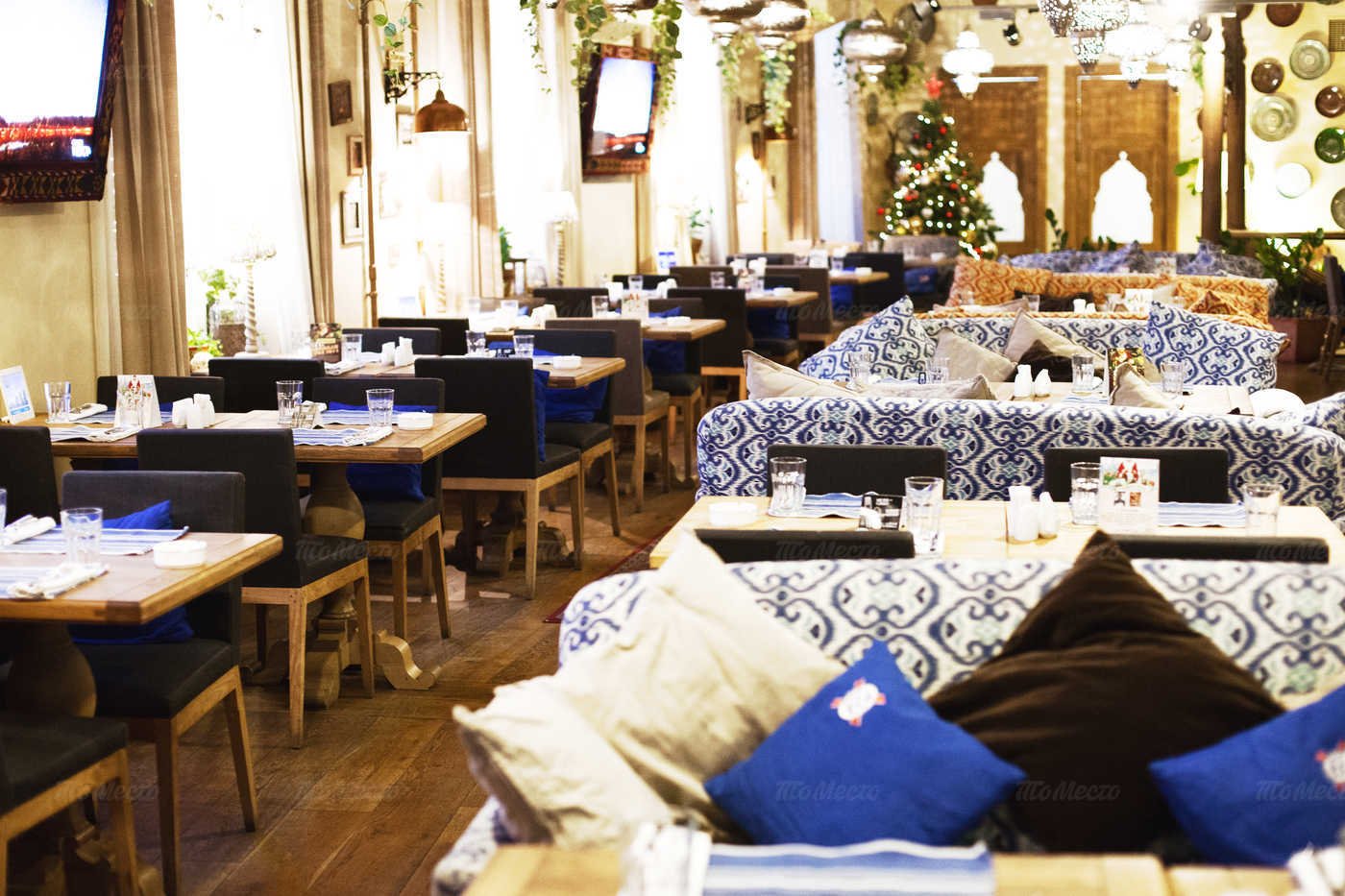
Bars in Saint Petersburg City
Browse all →


Restaurant "Aladasturi"
The wine
- Wine program
- Curated wine list
- Sake program
Details
- Modern
- Cozy
- Lively
- Group Dining
- Celebration
- Live Music
- Sake Program
- A La Carte
Current opening hours
- Monday
- 12 PM–12 AM
- Tuesday
- 12 PM–12 AM
- Wednesday
- 12 PM–12 AM
- Thursday
- 12 PM–12 AM
- Friday
- 12 PM–12 AM
- Saturday
- 12 PM–12 AM
- Sunday
- 12 PM–12 AM
Hours can change for holidays and private events. Last verified .
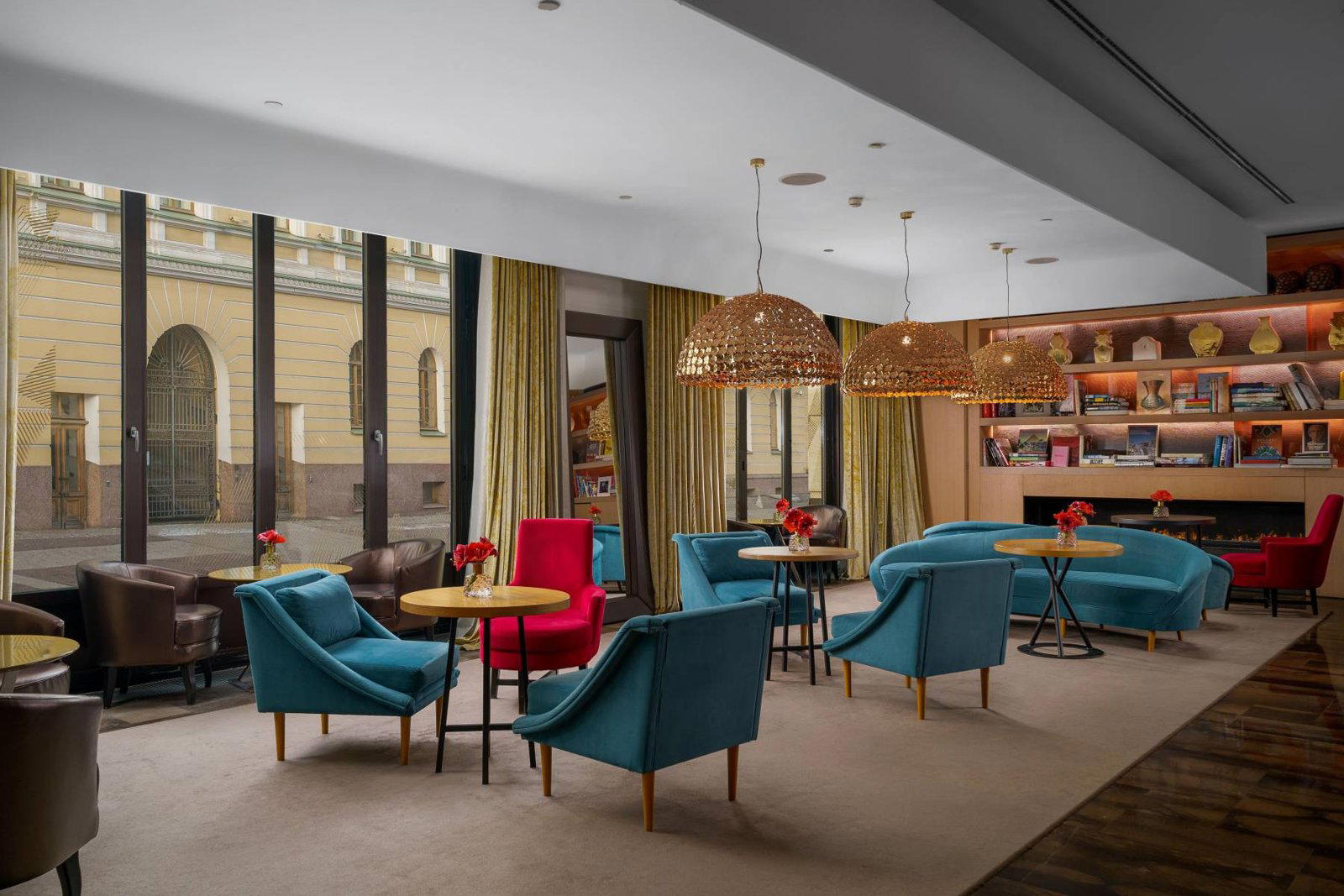
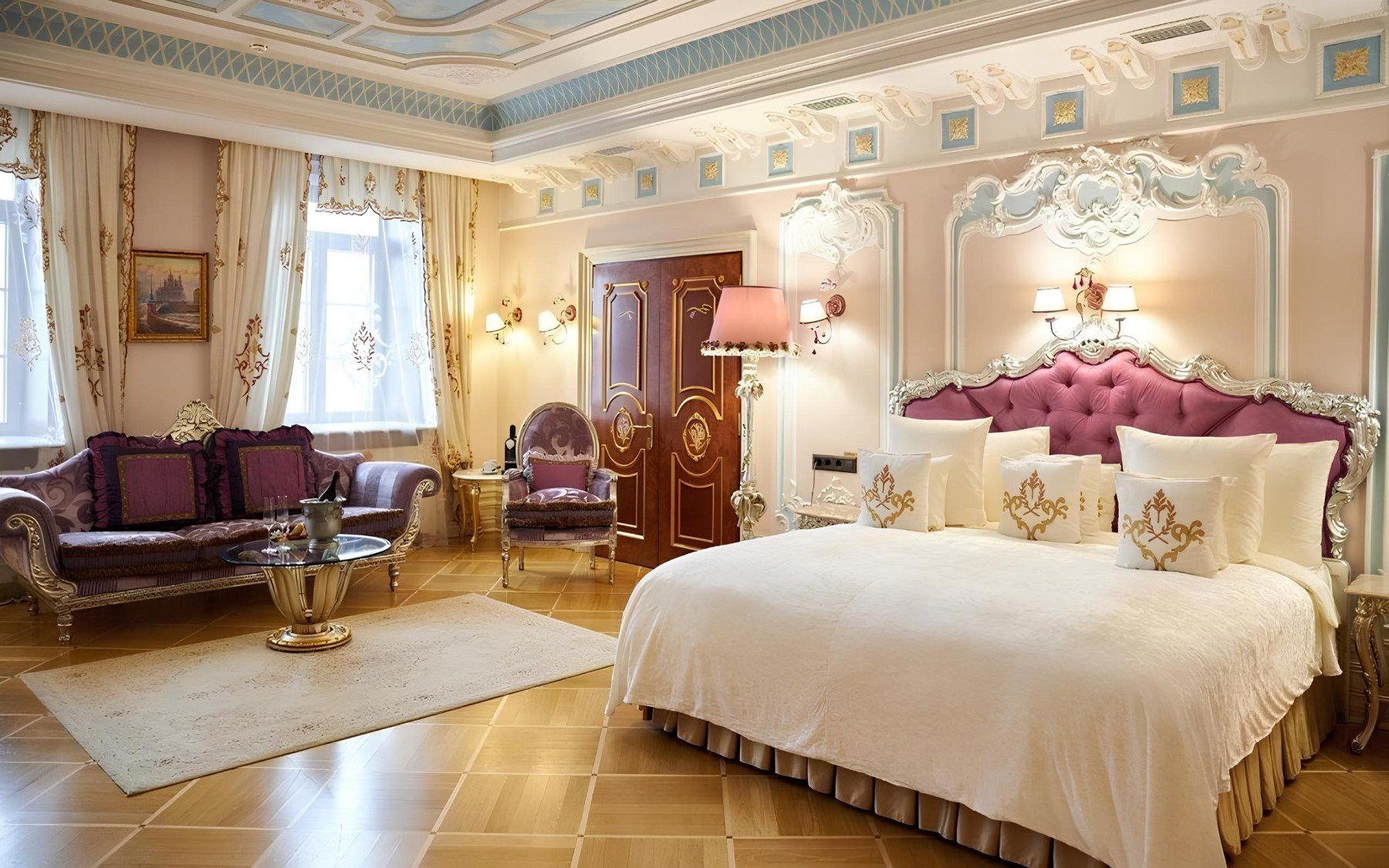
Warm atmosphere in modern interiors.