Brichmula
Brichmula sits on Komendantskiy Prospekt in Saint Petersburg's northwestern residential belt, operating at a remove from the city's tourist-facing dining corridor. The venue occupies a district where locals, not visitors, set the room's tone, a useful signal for anyone reading the city's restaurant scene beyond its historic centre. Contact and booking details are best confirmed directly on arrival or through local reservation platforms.
Pearl is the En Primeur Club membership app — saves, bookings, and concierge access live there. Same editors, same standards.
- Address
- Komendantskiy Prospekt, 13, St Petersburg, Russia, 197371
- Phone
- +7 812 640 16 16
- Website
- ginza.ru
- Directions
- Get directions
 Saves & bookings on Pearl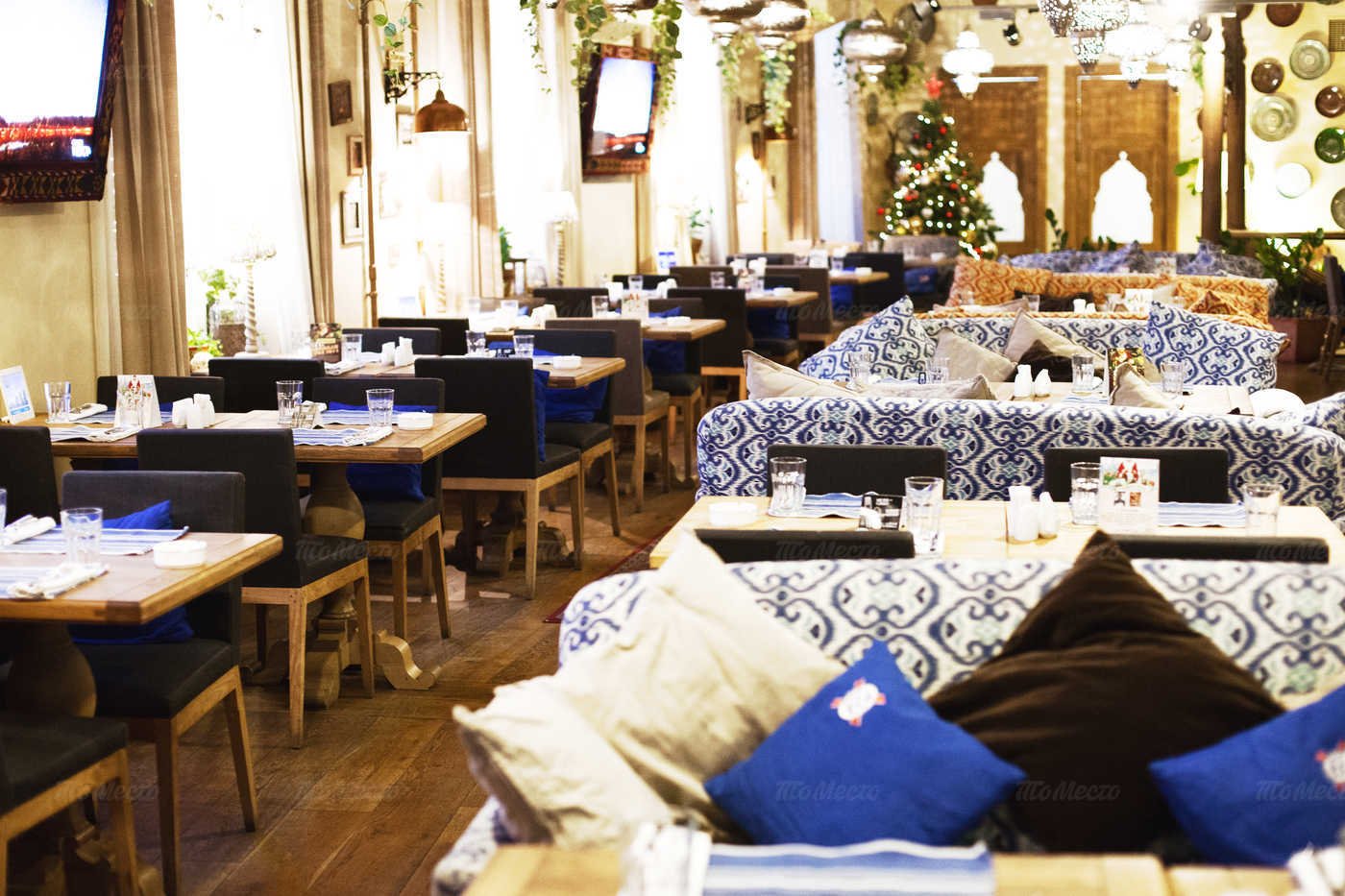
The Northwestern Margin and What It Tells You
Saint Petersburg's dining reputation is built on its historic centre: the embankments, the islands, the grand avenues radiating from the Winter Palace. That concentration is real, and it has produced places worth serious attention, COCOCO Bistro among them, with its rigorous Russian regional sourcing program. But the city's residential districts, particularly the northwestern corridor stretching toward Komendantskaya Ploshchad, operate on a different logic. Brichmula sits on Komendantskiy Prospekt, address 13, in a part of the city where the customer base is predominantly local and the competitive pressure comes from neighbourhood regulars rather than review-site traffic. It is a casual Uzbek & Middle Eastern restaurant in Saint Petersburg, and it is permanently closed. That positioning matters when reading a venue like this one.
In most European cities, the restaurant districts farthest from the tourist core tend to divide sharply: either stripped-back neighbourhood spots where the cooking is honest but the ambition is modest, or destination-minded places that have chosen a residential address deliberately, banking on the audience finding them. Saint Petersburg follows that pattern. Its northwestern reaches, the Primorsky and Komendantsky districts, have developed a quieter dining culture that rewards local knowledge over guidebook browsing. Understanding where Brichmula fits within that geography is the first thing a visitor should establish.
Russia's Dining Moment and the Saint Petersburg Scene
Russian restaurant culture has been reshaping itself for over a decade. The period of conspicuous continental mimicry, French technique presented as status, Italian imports dressed as aspiration, has given way in most serious cities to something more considered. Moscow has led that shift with institutions like Twins Garden, where hyper-local sourcing and fermentation-forward menus have placed Russian ingredients at the centre of the plate rather than the margin. Saint Petersburg has followed, if at a slightly different tempo, shaped by its Baltic orientation and its proximity to the Gulf of Finland's fishing culture.
That broader reorientation toward Russian culinary identity, toward preserved vegetables, lake and river fish, game proteins, black bread traditions, and dairy-forward fermented preparations, has filtered into venues across the city's price spectrum, not just its flagship addresses. The interesting question for any Saint Petersburg restaurant operating outside the historic centre is how deeply that reorientation has penetrated neighbourhood dining, and whether it shows up in the menu architecture or remains a posture adopted only by the city's headline tables. Venues like Lev I Ptichka and Bourgeois Bohemians represent one end of that spectrum in the city, the design-conscious, editorially visible end. Brichmula's Komendantskiy address places it in a different register.
Cultural Roots and the Cuisine Question
The name Brichmula itself carries resonance. Brichmula is a settlement in Uzbekistan, in the Chimgan mountains east of Tashkent, associated historically with summer retreats and, through that, with the generous hospitality culture of Central Asian table traditions. Whether the venue takes its name directly from that reference or from some other etymology, the cultural signal is worth parsing. Central Asian cuisine, Uzbek cooking in particular, has a significant presence in Russian cities, rooted in the large diaspora communities that moved through Soviet and post-Soviet migration patterns. In Saint Petersburg as in Moscow, Uzbek restaurants operate across a wide range of registers, from canteen-format plov houses serving the lunchtime trade to more composed sit-down formats with a broader menu.
Uzbek and wider Central Asian cooking traditions are among the more structurally interesting of the cuisines that have become part of Russia's urban restaurant fabric. Plov, the rice dish cooked in rendered fat with carrot, onion, and meat, is the anchor dish of Uzbek table culture, a preparation that looks simple and conceals considerable technique in the ratio management and the quality of the kazan (cast iron cauldron) used. Beyond plov, the tradition includes samsa (baked stuffed pastries), lagman (pulled noodle soups with lamb and vegetable broths), shashlik grilled over charcoal, and an array of cold vegetable and herb preparations that function as the table's textural counterweight to the rich protein-forward mains. For context on how regional cuisines express themselves in serious restaurant formats across Russia, Alanskaya Kukhnya in Krasnodar offers a useful parallel, a venue anchored in the culinary identity of a specific regional culture.
The social function of Central Asian restaurant dining in Russian cities also differs from European analogues. These spaces frequently operate as extended-table venues, where groups rather than couples or solo diners set the room's rhythm. Sharing formats are the default. The expectation of a long meal, multiple courses arriving over time, tea served throughout, dessert as a genuine separate act rather than an afterthought, reflects a hospitality culture where duration is itself a form of welcome. That context shapes how you approach a booking, how long you should plan to stay, and how the menu reads.
Situating Brichmula in Its comparable set
Saint Petersburg's restaurant scene, mapped against other Russian cities, shows a particular concentration of ambitious European-format dining in the centre alongside a quieter but substantial neighbourhood restaurant culture in the outer districts. The outer districts' venues rarely appear in the publications that track the headline tables, they don't surface in the coverage that follows Birch or Primorskiy Prospekt, 72 in Staraya Derevnya, but they sustain the day-to-day dining life of the city. Brichmula's Komendantskiy Prospekt address puts it in that tier. The comparable set here is local neighbourhood restaurants serving a regular clientele, where consistency matters more than novelty and where the room fills on a Tuesday because the food is reliable, not because a publication ran a feature.
For visitors comparing Saint Petersburg's broader dining options, the contrast with the city's more internationally oriented formats is instructive. Oh! Mumbai and King Pong represent the city's appetite for Asian-format dining in different registers. Mickey & Monkeys occupies a lighter, more casual end of the spectrum. For comparison across the wider Russian scene, Restaurant Baran-Rapan in Sochi and La Colline in Bolshoye Sareyevo show how regional Russian dining expresses itself in different geographic contexts. Internationally, the contrast with a technically demanding tasting-menu format like Lazy Bear in San Francisco or a precision seafood institution like Le Bernardin in New York City illustrates how different the ambitions and metrics are for neighbourhood venues operating outside the award-circuit tier. For a seasonal comparison in Russia's northwest, SEASONS in Kaliningrad and Leo Wine & Kitchen in Rostov offer useful reference points on how Russian regional dining has developed outside the two major cities. Tsarskaya Okhota in Zhukovka represents the country-estate end of the Russian dining spectrum, a useful counterpoint to an urban neighbourhood address like this one.
Planning a Visit
Brichmula is located at Komendantskiy Prospekt, 13, in the northwestern residential district of Saint Petersburg, accessible via the Komendantskiy Prospekt metro station on Line 5. The neighbourhood sits outside the historic centre, which means journey times from the main hotel belt around Nevsky Prospekt and the Hermitage area run to twenty-plus minutes by metro, manageable, but worth factoring into an evening plan. For a broader orientation to Saint Petersburg's dining options across the city's districts, see our full Saint Petersburg City restaurants guide.
Budget and Context
Comparable venues nearby, for context on price, style, and recognition.
| Venue | Cuisine | Price | Notes |
|---|---|---|---|
| BrichmulaThis venue — the venue you are viewing | Staraya Derevnya, Uzbek & Middle Eastern | $$ | Not listed |
| Teplo | Not listed | $$ | Admiralteisky, Modern European with Russian and Italian influences |
| Restaurant "Aladasturi" | Staraya Derevnya, Georgian Cuisine | $$ | Not listed |
| Rockets & Bishops | Not listed | $$ | Admiralteyskaya, American Gastropub with Craft Beer |
| COCOCO Bistro | Novaya Gollandiya, Modern Russian Bistro | $$$ | Not listed |
| King Pong | Admiralteysky, Pan-Asian Wok | $ | Not listed |
Continue exploring
More in Saint Petersburg City
Restaurants in Saint Petersburg City
Browse all →
Bars in Saint Petersburg City
Browse all →

At a Glance
- Cozy
- Family
- Casual Hangout
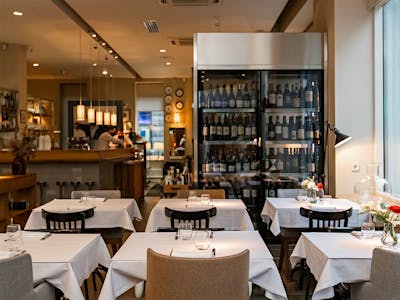
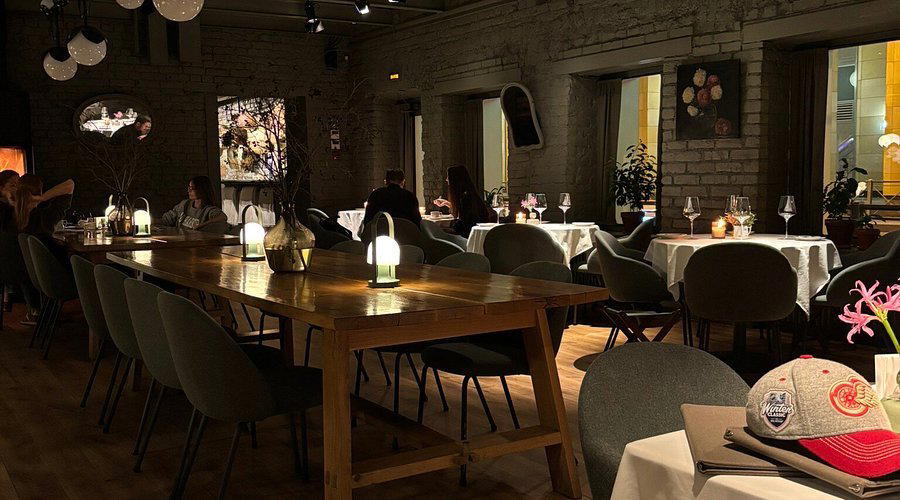
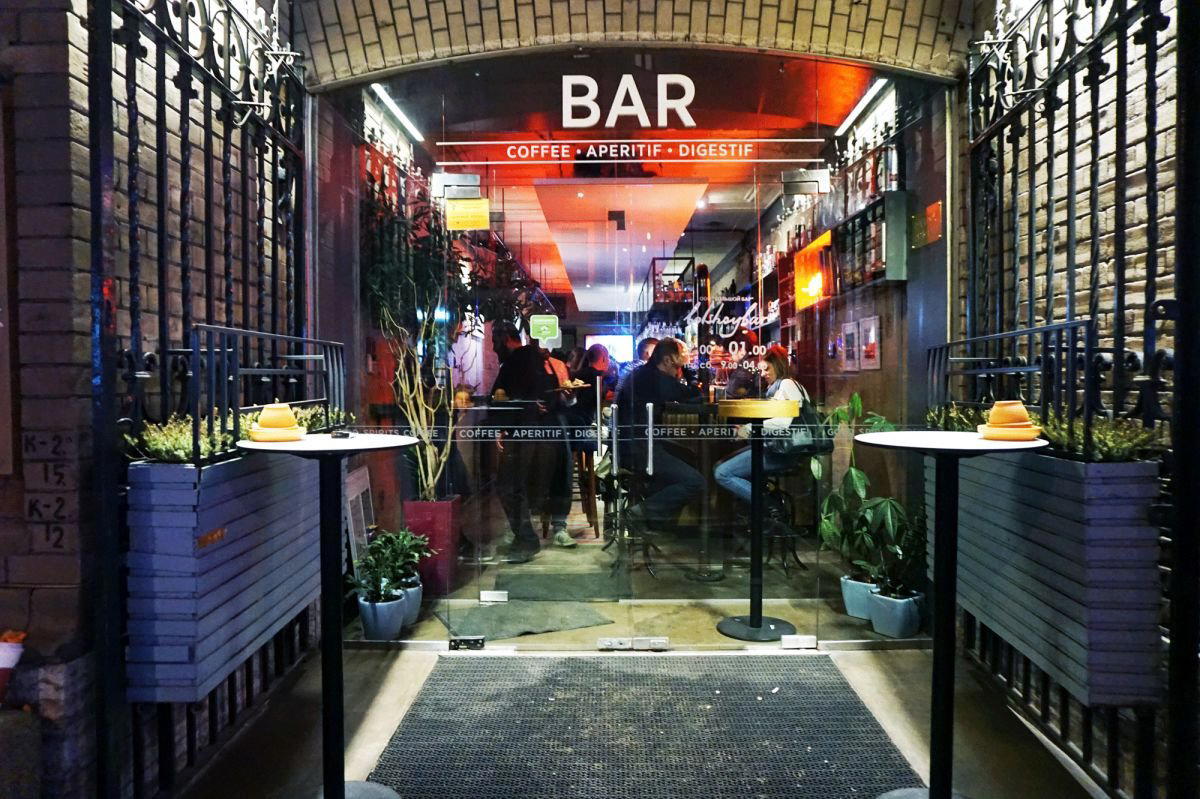
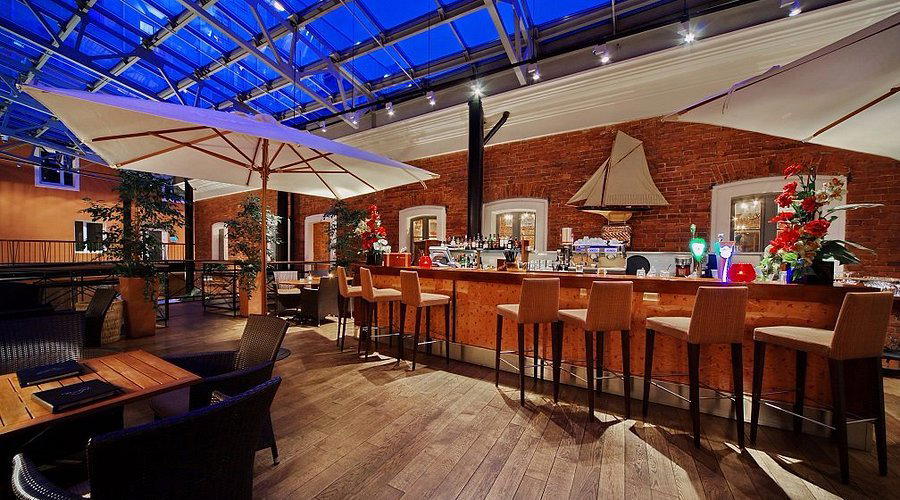
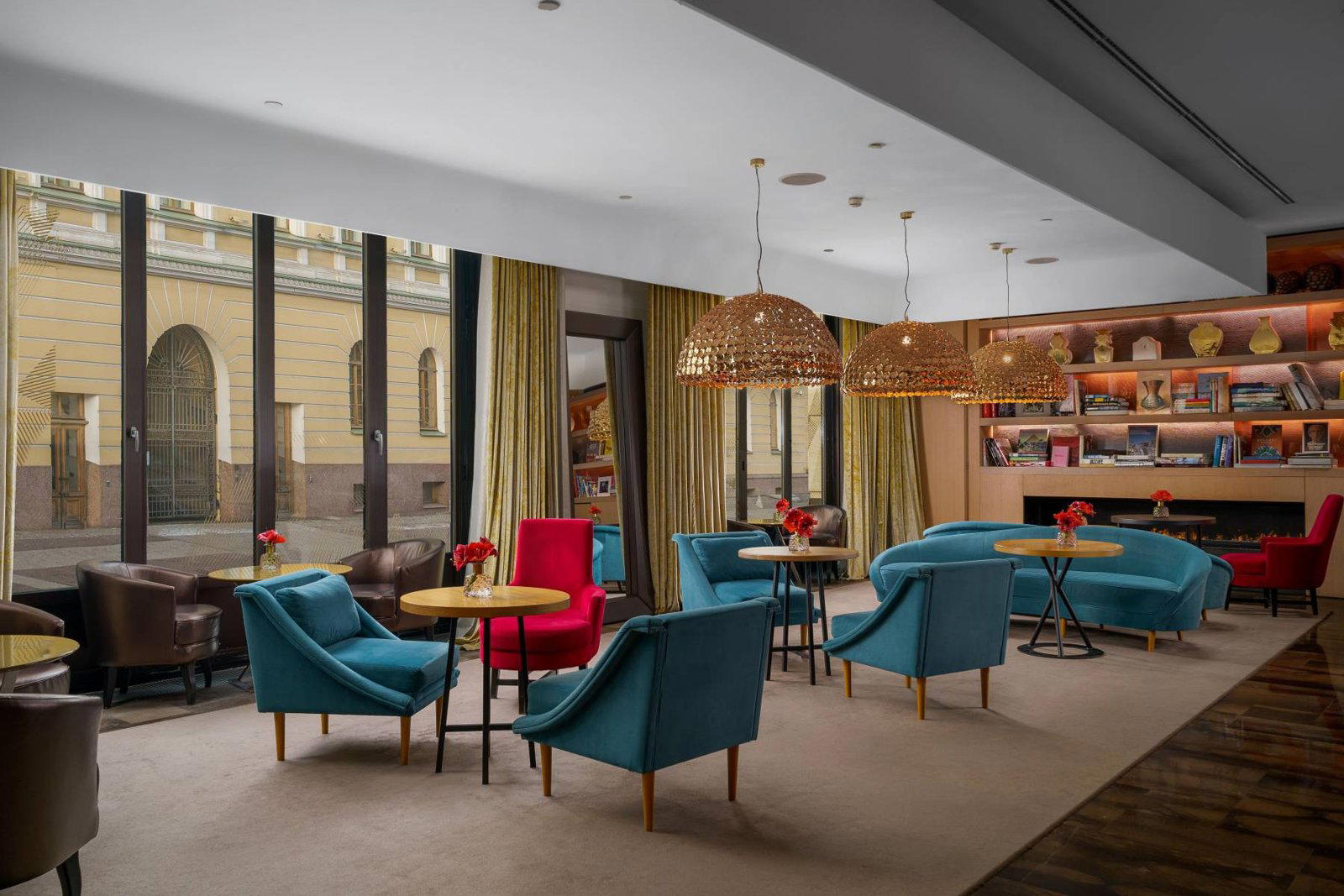
Warm and comfortable with comfy couches, ideal for resting and family dining.