Restaurant Aan de Spuihaven
Our verdict
On the Spuiboulevard waterfront in Dordrecht, Restaurant Aan de Spuihaven occupies a compelling position in a city that sits quietly outside the usual Dutch fine-dining circuit. The address alone signals intention: a harbour-facing setting in one of the Netherlands' oldest cities, where the kitchen's relationship to regional produce and water-born ingredients forms the backbone of the proposition.

Pearl is the En Primeur Club membership app — saves, bookings, and concierge access live there. Same editors, same standards.
- Address
- Spuiboulevard 3, 3311 GM Dordrecht, Netherlands
- Phone
- (078) 785 3147
- Hours
- Mon–Thu ClosedFri–Sat 12–11 PMSun Closed
- Website
- spuihaven.nl
- Directions
- Get directions
- Booking
- Book on the venue's website
The menu
What to order
- Hamachi with Miso and Green Algae
- Wagyu with Ash, Eggplant and Roasted Vegetables
- Coconut and Peach Dessert
Dordrecht's Waterfront and the Logic of Cooking Near Water
Dordrecht does not appear on most Dutch restaurant itineraries, and that absence says more about the itineraries than the city. Founded in 1220 and holding the title of the oldest city in Holland, Dordrecht sits at the confluence of three rivers — the Oude Maas, the Noord, and the Beneden Merwede — which has shaped its economy, its architecture, and, for those paying attention, its food culture. Riverside addresses here are not decorative. They carry the logic of proximity: to the water, to the delta's produce, and to a mercantile tradition that once made this port one of the most active in Northern Europe.
Restaurant Aan de Spuihaven occupies a position on the Spuiboulevard that puts it directly in that context. A restaurant with "haven" (harbour) in its name at a harbour address is not incidental branding. In Dutch coastal and river cities, the proximity of a kitchen to its water sources has historically shaped what ends up on the plate. The delta surrounding Dordrecht provides access to freshwater and brackish species, eel, perch, pike, crayfish, that do not feature prominently in Amsterdam-facing dining culture but remain central to the culinary identity of this part of the Netherlands.
What the Region Puts on the Table
The Zuid-Holland and Zeeland delta region has an ingredient story that rarely gets the editorial attention it deserves. The tidal estuaries around Dordrecht and the adjacent Biesbosch, the largest freshwater tidal delta in Western Europe, produce a range of wild and farmed ingredients shaped by the specific salinity levels, temperatures, and ecology of brackish water. Eel from this region has been a staple for centuries. So have mussels from the Eastern Scheldt, lamb from the salt marshes of Zeeland to the south, and seasonal vegetables from the polders that ring the river islands.
In the wider Dutch fine-dining context, restaurants that anchor their sourcing to this specific geography occupy a distinct position. The comparison set is not Amsterdam's canal-district tasting menus. It is closer to the approach found at places like De Nieuwe Winkel in Nijmegen, which has made regional ecological sourcing a formal part of its identity, or Brut172 in Reijmerstok, where the South Limburg landscape informs both the kitchen and the wine list. The argument in each case is that the ingredient defines the cuisine more reliably than technique or trend.
A harbour-facing address in Dordrecht supports that argument structurally. Deliveries from local fishers, direct relationships with Zeelandic mussel and oyster producers, and the seasonal availability of Biesbosch waterfowl are all logistically possible in a way they are not for a restaurant in a Dutch city centre. Whether Aan de Spuihaven uses this geography aggressively or as ambient backdrop is something that a visit would establish more clearly than a street address alone can confirm.
Dordrecht's Restaurant Scene in Perspective
The dining scene in Dordrecht has been developing steadily, if without the attention that Rotterdam (30 kilometres north) commands. The city's restaurants range from casual waterfront eating to more considered modern European cooking. Among the addresses drawing interest, La Cebolla at the €€€ tier represents the modern cuisine end of the local market, while Villa Augustus takes a different approach, centred on a hotel-garden format with its own kitchen garden. Bistro Twee33 and De Stroper fill the more casual registers, and De Kop van't land rounds out a scene that is more layered than the city's low profile suggests. You can find our full assessment across these addresses in the Dordrecht restaurants guide.
Within this context, a waterfront restaurant with a name that foregrounds its harbour position is making a statement about where it sits in the scene, closer to ingredient-led, place-specific cooking than to technique-forward or trend-chasing menus. That positioning aligns it with a direction that has gained traction nationally, visible in the ambitions of De Librije in Zwolle and the quieter consistency of Aan de Poel in Amstelveen, both of which have used strong regional sourcing logic as part of their Michelin cases. For reference on how a seafood-first sourcing philosophy can anchor a world-recognised kitchen, Le Bernardin in New York City remains the clearest example of what happens when proximity to source becomes the structural principle of a restaurant rather than a marketing add-on.
The Wider Dutch Fine-Dining Reference Frame
The Netherlands has been producing Michelin-recognised work outside Amsterdam at an increasing rate. Ciel Bleu in Amsterdam and De Bokkedoorns in Overveen represent the longer-established coastal and city fine-dining tier. Newer or more rural addresses like De Groene Lantaarn in Staphorst, De Lindehof in Nuenen, and De Lindenhof in Giethoorn demonstrate that the guide's attention has moved well beyond the Randstad. t Nonnetje in Harderwijk reinforces that pattern from a harbour city not dissimilar in scale and character to Dordrecht itself.
The implication for Dordrecht is that a serious kitchen here does not need Amsterdam's foot traffic or Rotterdam's media profile to be nationally relevant. It needs a clear sourcing position, a coherent format, and the patience to build a reservation base from a city that rewards discovery eating. Aan de Spuihaven's address on the Spuiboulevard positions it to be exactly that kind of address. A restaurant that earns attention from beyond the local postcode, not through spectacle, but through the specific logic of cooking where the ingredients already are.
Planning a Visit
Dordrecht is reached from Rotterdam Centraal in under 20 minutes by direct train, making it a viable lunch or dinner destination from the Rotterdam day-trip circuit. The Spuiboulevard sits close to the historic centre, walkable from the main station in roughly 15 minutes. For restaurants at this address type in Dutch cities, reservation-led formats are standard rather than walk-in, particularly on weekend evenings.
Frequently asked questions
Would Restaurant Aan de Spuihaven be comfortable with kids?
The waterfront setting on Spuiboulevard 3 in Dordrecht is an inherently open, harbour-facing environment, which tends to suit families better than tight intimate dining rooms.
What kind of setting is Restaurant Aan de Spuihaven?
The restaurant sits on the Spuihaven, one of Dordrecht's working inner harbours in a city founded in 1220 and shaped by centuries of river trade. The address on Spuiboulevard places it directly along the waterfront, which in Dordrecht means a view onto the confluence of the Noord, Oude Maas, and Beneden Merwede rivers. It is a distinctly Dutch water-city setting, unlike the canal geometry of Amsterdam or the industrial port scale of Rotterdam.
Is Restaurant Aan de Spuihaven worth the trip from Rotterdam for dinner?
Dordrecht sits under 20 minutes from Rotterdam Centraal by direct train, which removes the usual friction of a cross-city detour. The restaurant's position on the Spuihaven places it in one of the oldest harbour cities in the Netherlands, a context that Rotterdam's post-war restaurant scene simply cannot replicate. For diners already tracking the growing number of Michelin-recognised kitchens operating outside Amsterdam across the Netherlands, Dordrecht represents a logical next city to assess.
What's the signature dish at Restaurant Aan de Spuihaven?
Given the restaurant's position within the Zuid-Holland and Zeeland delta region, the local ingredient story centres on tidal estuary seafood, including Zeeland oysters and regional fish, which are staples across serious kitchens in this part of the Netherlands. For current menu detail, checking directly with the restaurant is the reliable route.
How do I find Restaurant Aan de Spuihaven?
Restaurant Aan de Spuihaven is located at Spuiboulevard 3, 3311 GM Dordrecht, Netherlands, Dordrecht.
Can I walk in to Restaurant Aan de Spuihaven?
Dordrecht is accessible from Rotterdam Centraal in under 20 minutes by direct train, making it a realistic destination for a planned lunch or dinner rather than a spontaneous stop. Contacting the venue at Spuiboulevard 3 in advance is the sensible approach. Check the venue's official channels for the latest details.
Side-by-Side Snapshot
Comparable venues nearby, for context on price, style, and recognition.
| Venue | Cuisine | Price | Awards | Notes |
|---|---|---|---|---|
| Restaurant Aan de SpuihavenThis venue — the venue you are viewing | Classical French Fine Dining with International Influences | $50–100 | Not listed | Not listed |
| Bistro Twee33 | French-Dutch Bistro | $50–100 | Not listed | historical centre |
| De Kop van't land | Modern Vegetarian Fine Dining | $50–100 | We're Smart World 4 Radishes | Biesbosch |
| De Stroper | Dutch Seafood | $30–50 | Not listed | historic center |
| La Cebolla | Modern Mediterranean | $50–100 | Michelin Plate | Centrum |
| Villa Augustus | Dutch Farm-to-Table | $20–30 | We're Smart World 3 Radishes | Dordrecht |
Continue exploring
More in Dordrecht
Restaurants in Dordrecht
Browse all →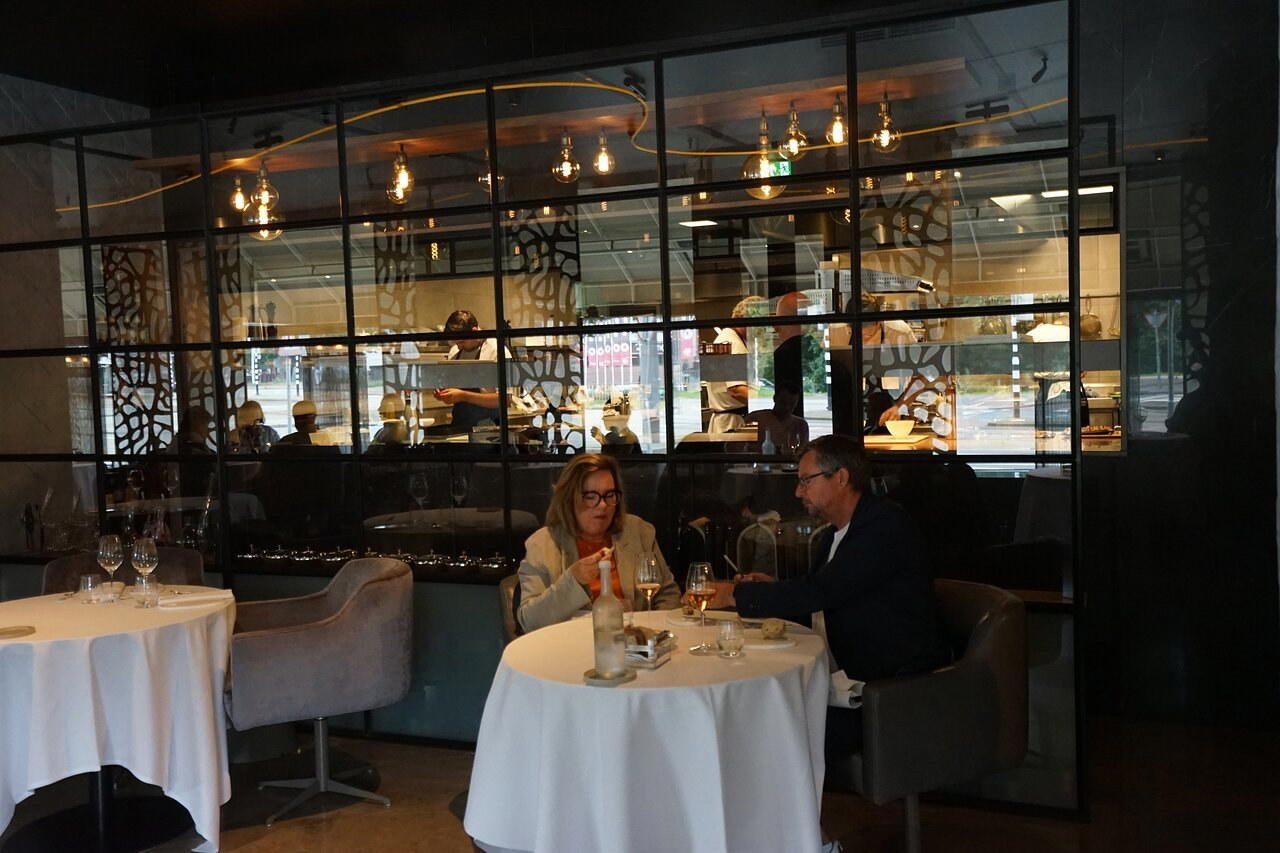
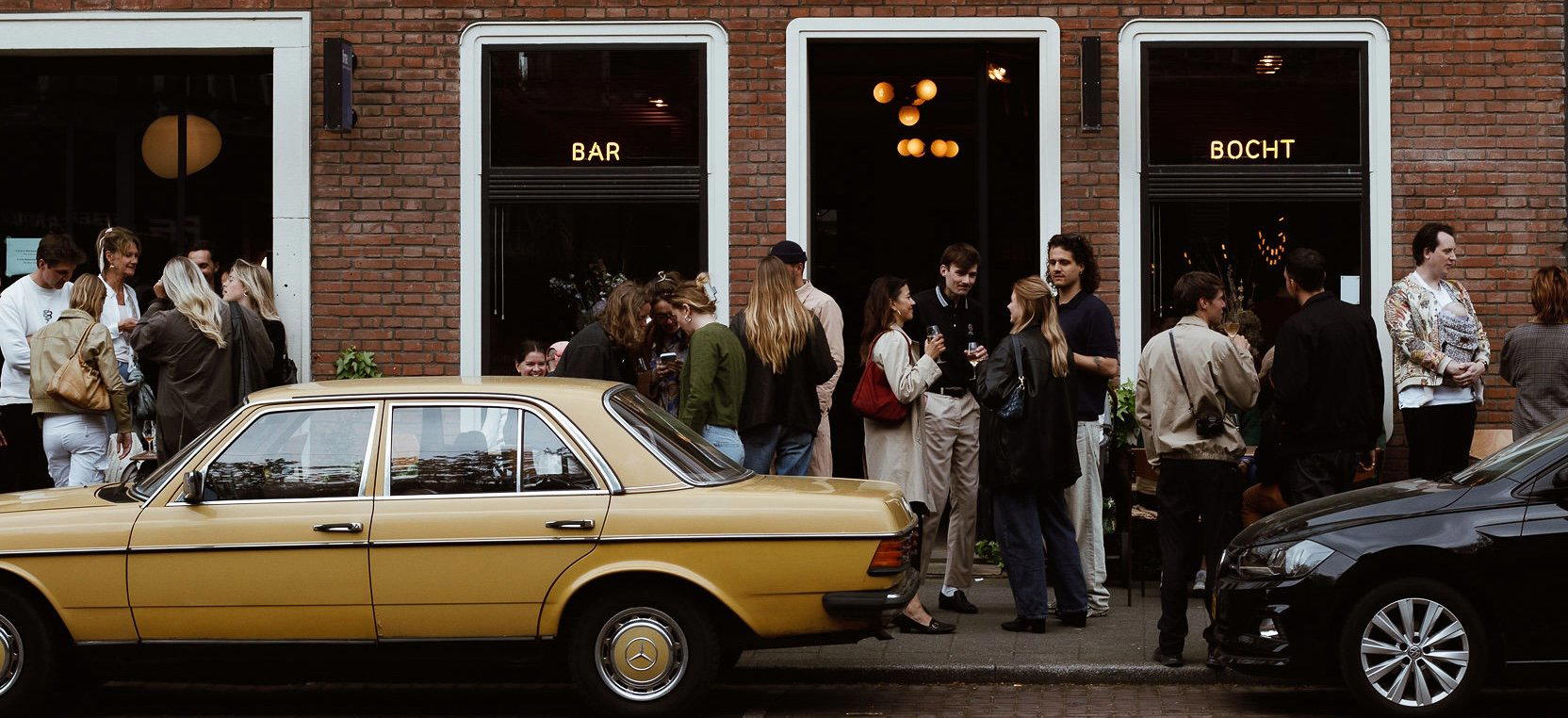
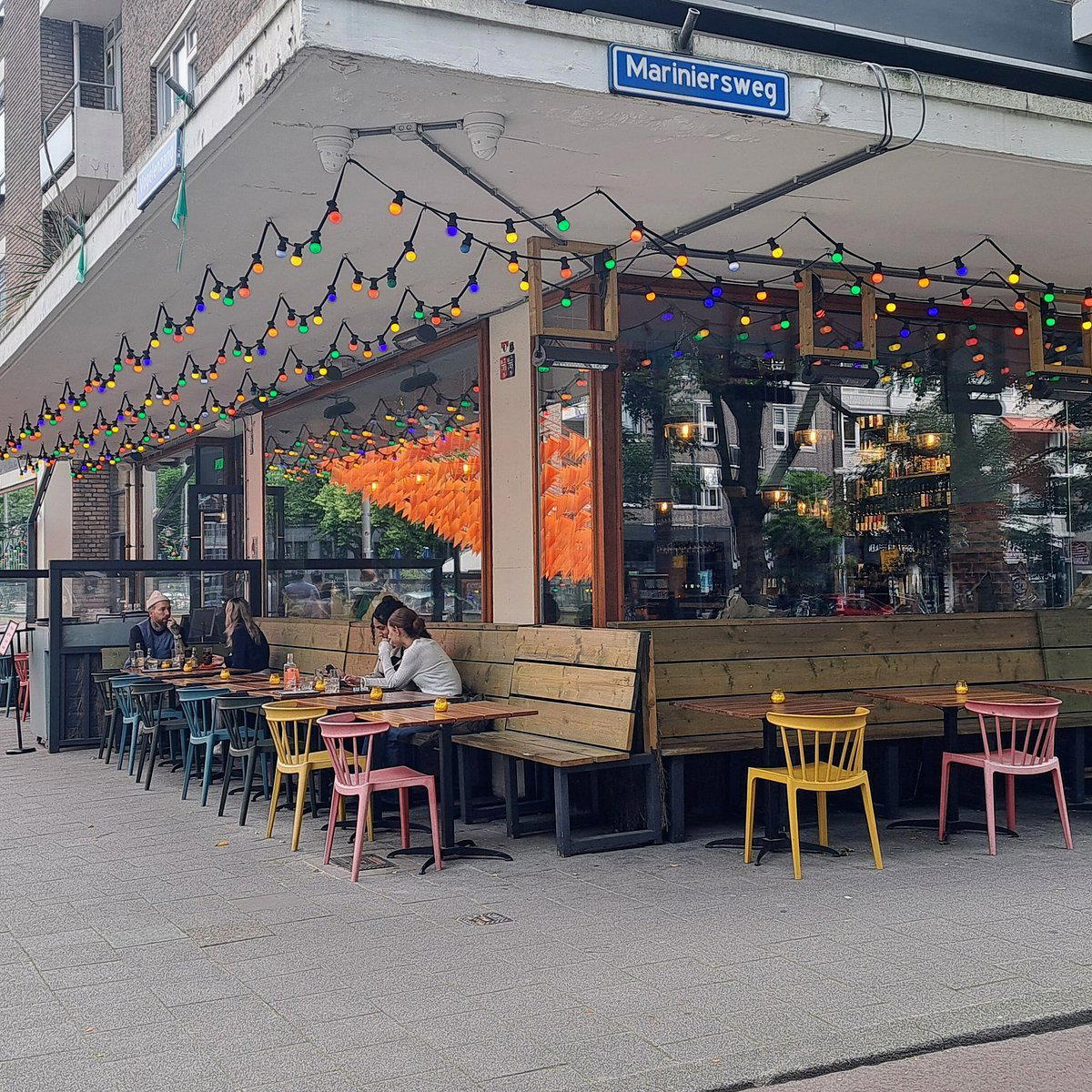
Bars in Dordrecht
Browse all →
Hotels in Dordrecht
Browse all →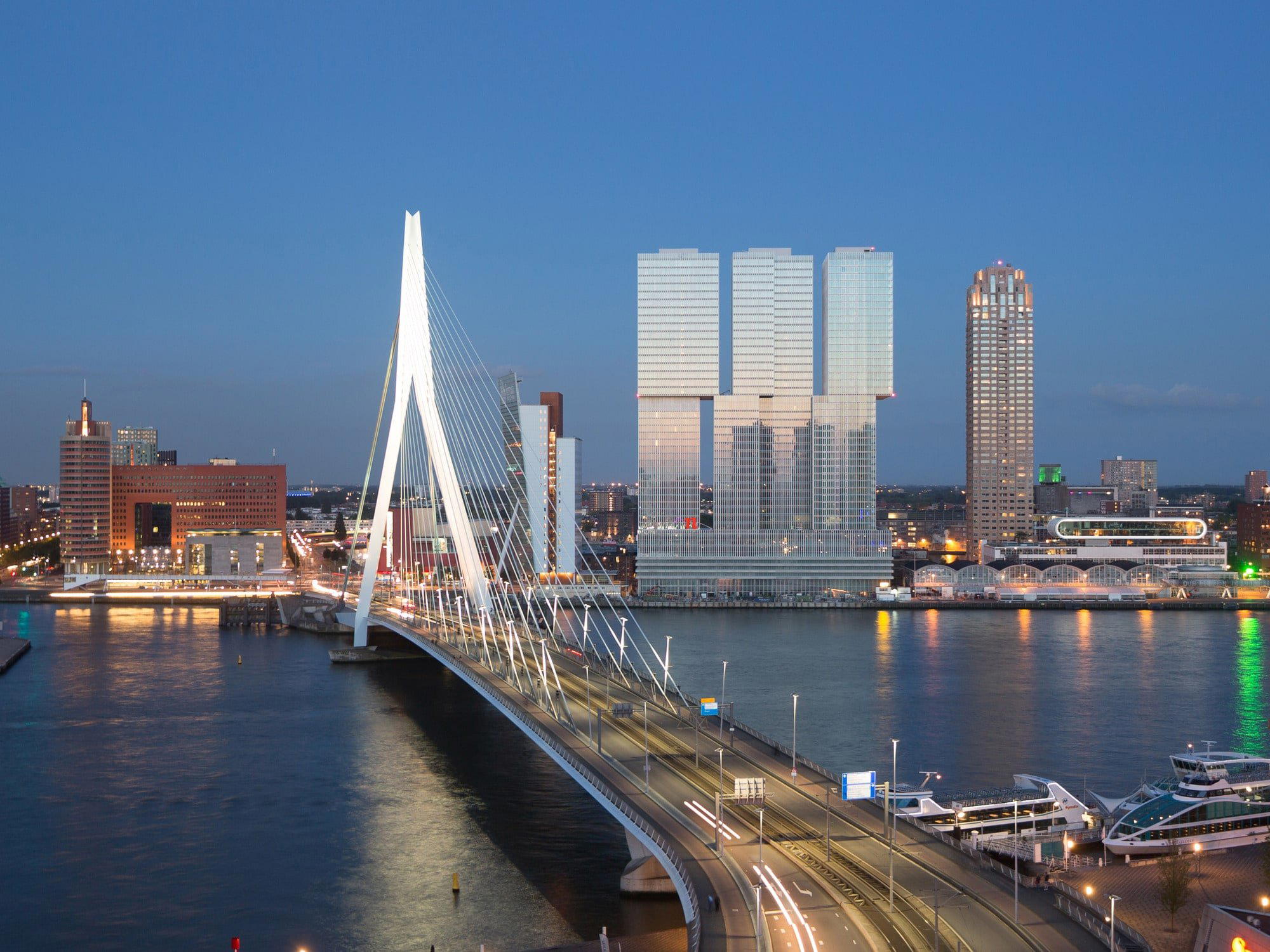
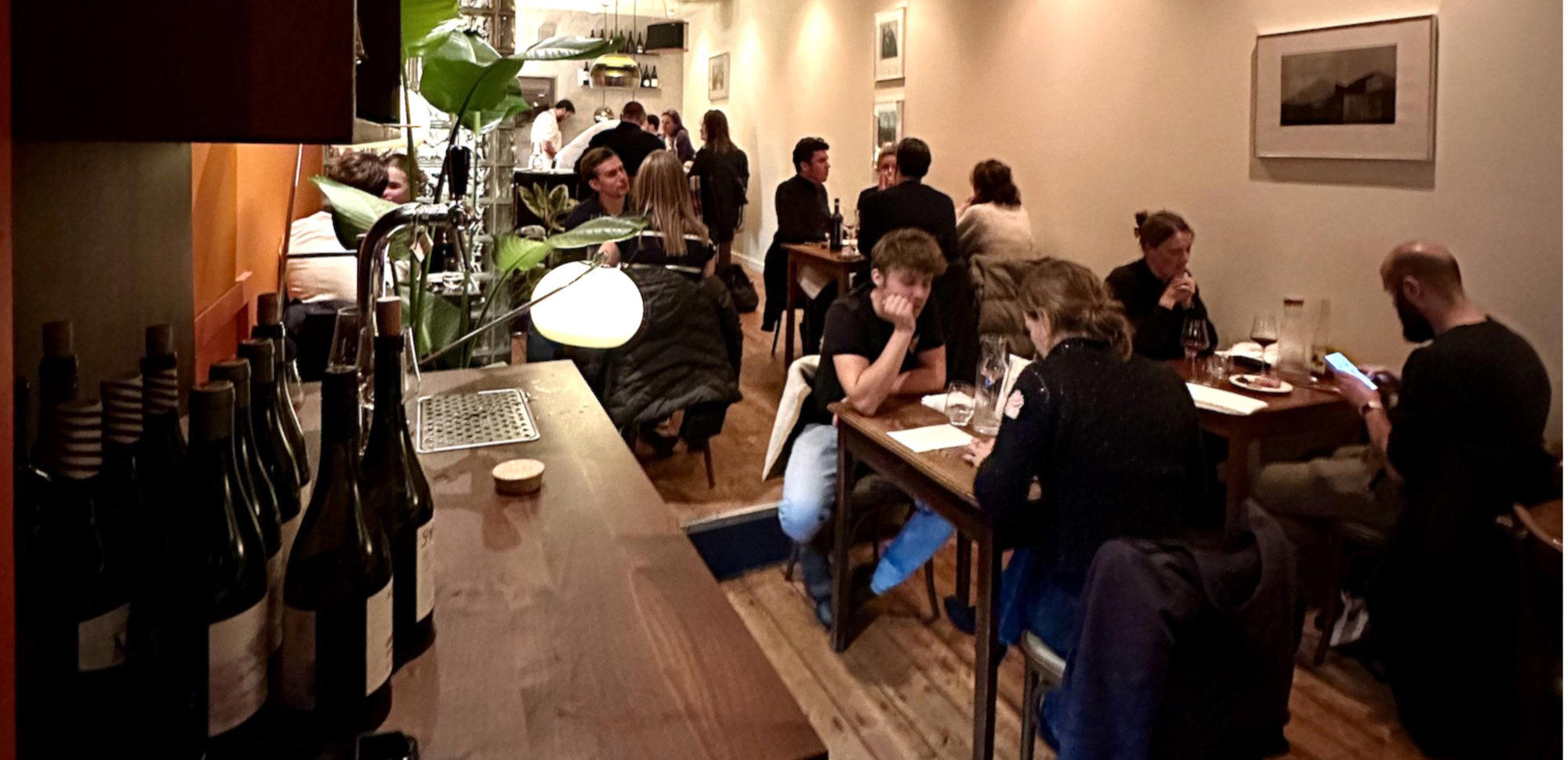
Wineries in Dordrecht
Browse all →
Restaurant Aan de Spuihaven
The wine
- Wine program
- Curated wine list
- Sommelier-led
Details
- Elegant
- Romantic
- Sophisticated
- Scenic
- Date Night
- Business Dinner
- Special Occasion
- Celebration
- Waterfront
- Terrace
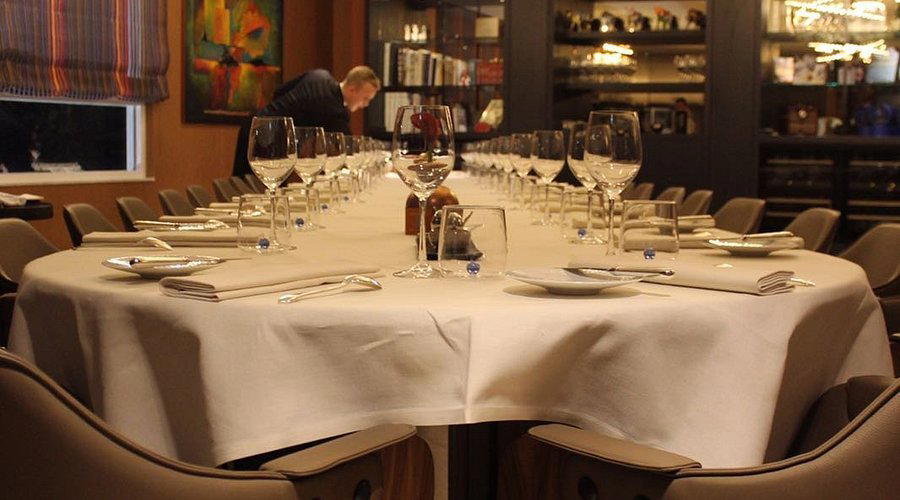
- Private Dining
- Standalone
- Sommelier Led
- Waterfront
- Tasting Menu
- A La Carte
- Prix Fixe
- Wine
- Beer
Current opening hours
- Monday
- Closed
- Tuesday
- Closed
- Wednesday
- Closed
- Thursday
- Closed
- Friday
- 12–11 PM
- Saturday
- 12–11 PM
- Sunday
- Closed
Hours can change for holidays and private events. Last verified .
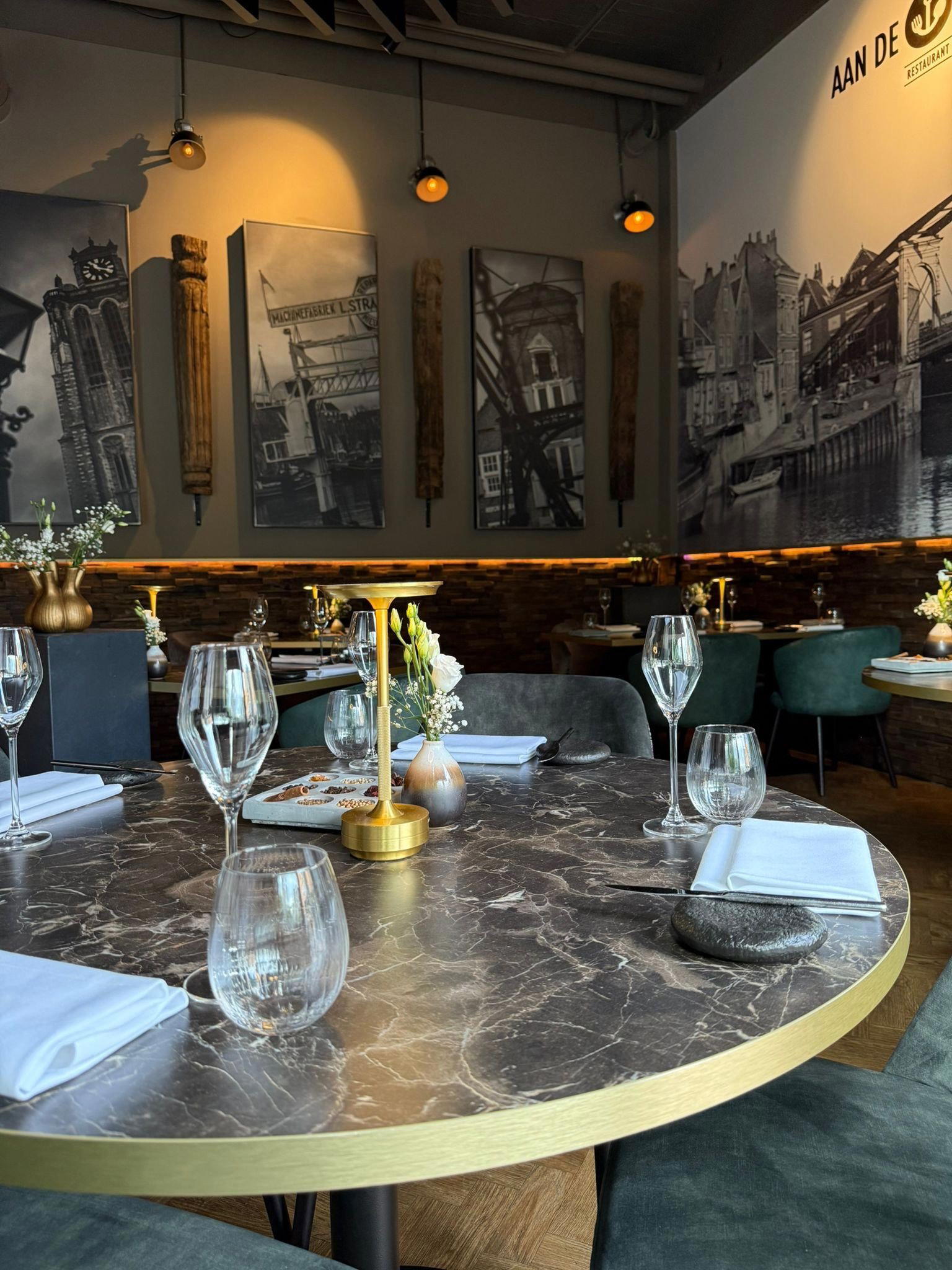
Hotel chique ambiance with refined, elegant atmosphere; bright and airy during day with sunny terrace, sophisticated evening setting with attention to detail and refined presentation.