Villa Augustus

Set inside a 19th-century water tower on the edge of Dordrecht, Villa Augustus runs its kitchen around a working garden that supplies vegetables, fruit, and herbs across all four seasons. A wood oven at the centre of the open kitchen drives a menu that moves from garden-roasted vegetables to wood-fired pizza, fish, and meat. Thirty-seven hotel rooms occupy the tower itself, making it one of the few places in the Netherlands where garden, kitchen, and overnight stay occupy the same grounds.
Pearl is the En Primeur Club membership app — saves, bookings, and concierge access live there. Same editors, same standards.
- Address
- Oranjelaan 7, 3311 DH Dordrecht, Netherlands
- Phone
- +31 78 639 3111
- Website
- villa-augustus.nl
- Directions
- Get directions
 Saves & bookings on Pearl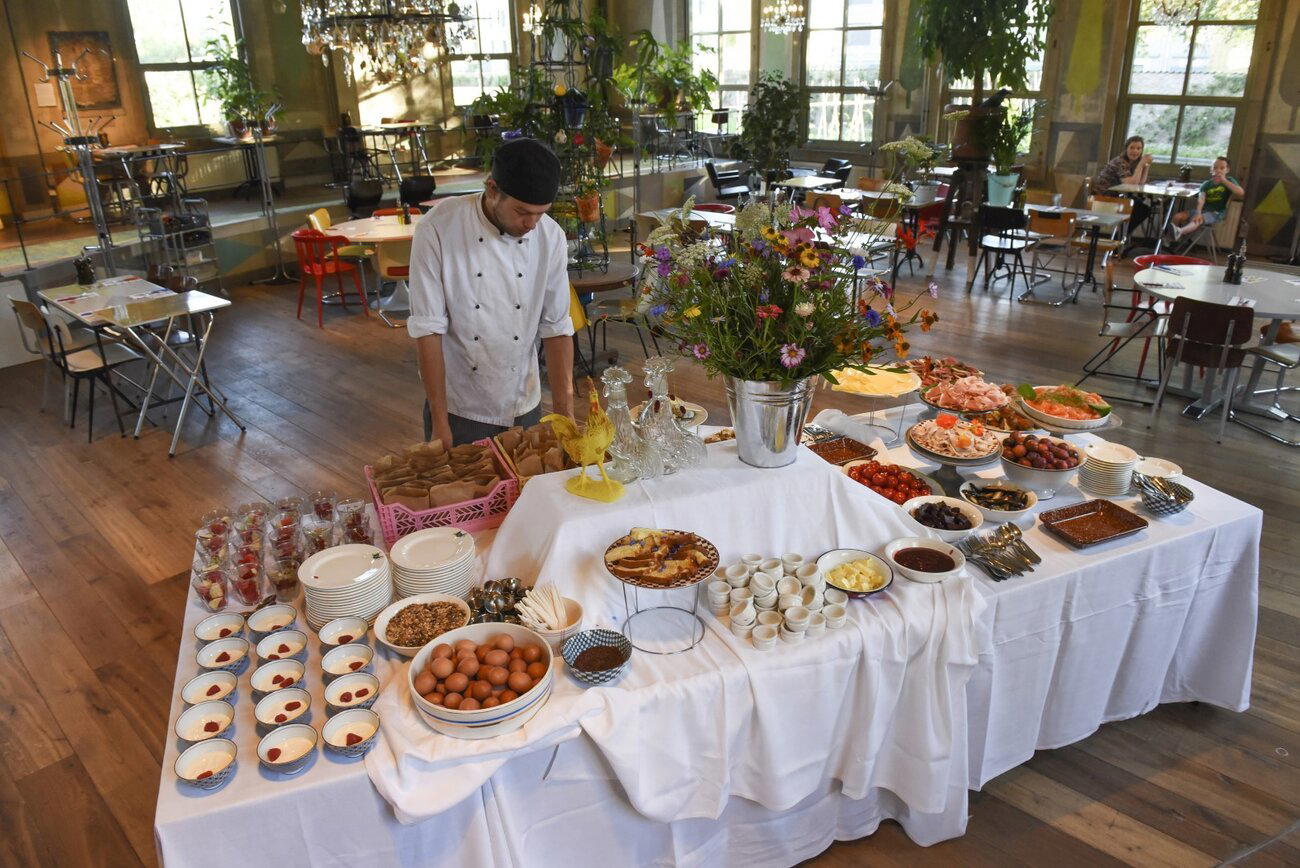
A Water Tower, a Working Garden, and a Kitchen That Connects Them
Approaching Villa Augustus along Oranjelaan, the first thing that registers is the water tower: a late-19th-century industrial structure rising above the tree line of a quiet Dordrecht street. It reads less like a restaurant address and more like a public institution repurposed with care, which is precisely what happened. The garden surrounding it is open to anyone who walks in, and that democratic quality sets the tone for everything inside. This is not a destination that positions itself through exclusion.
The relationship between garden and kitchen here is not decorative. The site includes a vegetable garden, a berry garden, a grape greenhouse, a vegetable greenhouse, and an orchard, all of which feed directly into the seasonal decisions made at the pass. In a country where Dutch cuisine has spent the last two decades rebuilding its identity around producers and land, Villa Augustus represents one of the more literal expressions of that shift: the supply chain is visible from the dining room window.
Wood Fire as the Organising Principle
Dutch restaurant culture at the premium end has largely moved toward the tasting menu format, with kitchens at places like De Librije in Zwolle, 't Nonnetje in Harderwijk, and Aan de Poel in Amstelveen operating within tightly sequenced, high-technique frameworks. Villa Augustus does something structurally different. The open kitchen is organised around a wood oven, and that single piece of equipment shapes the entire register of the cooking. Roasting, baking, and wood-fired heat produce results that are inherently less controlled than induction or combi-oven cooking, and the menu leans into that quality rather than working against it.
Pizza is a fixture on the menu, sitting alongside roasted vegetables, fish, and meat without apology or irony. In the context of Dutch fine dining, where menus often carry the weight of conceptual framing, the inclusion of pizza as a permanent offering is a considered position. It signals that the kitchen is interested in feeding people well rather than signalling ambition through complexity.
The Cultural Context: Dutch Cuisine and the Garden Tradition
The Netherlands has a specific agricultural heritage that its leading kitchens are increasingly drawing on directly. The country's horticultural infrastructure, built around glass greenhouse production, means that ingredient quality can be maintained across seasons in ways that purely field-based operations in colder climates cannot sustain. Villa Augustus plants itself within that tradition while extending it: the greenhouse on site is not a marketing installation but a working part of the supply chain, and the seasonal market inside the restaurant, where guests can buy seasonal fruit and vegetables, bread from the house bakery, and other house-made products, reflects a broader European movement toward the restaurant as a node in a food community rather than simply a service transaction.
This model has precedents across Europe, from farm restaurants in Provence to the agritourism estates of Emilia-Romagna, but it sits less commonly in a Dutch urban context. Dordrecht, the oldest city in Holland, has a civic scale that suits this kind of proposition: large enough to draw visitors from Rotterdam and Amsterdam, compact enough that a garden-anchored destination does not feel out of place among its canal-edged streets. For reference on what ambitious cooking looks like elsewhere in the Dutch culinary conversation, Ciel Bleu in Amsterdam, De Bokkedoorns in Overveen, and De Lindehof in Nuenen all represent the high-technique, multi-course tier; Villa Augustus is not competing there and does not need to.
The Hotel: Staying Inside the Tower
The 37 hotel rooms in the water tower give Villa Augustus a dimension that most garden restaurants do not have. Staying on site means the rhythm of the place becomes available across a full day: breakfast sourced from the same garden, the market open for browsing before departure, the garden itself walkable at any hour. In the context of Dordrecht's hotel offer, which is modest relative to the city's visitor appeal, this makes Villa Augustus the address of most practical interest to anyone spending more than a day in the region. The tower's architecture also means that the rooms sit within an unusual vertical structure, which gives the overnight experience a character distinct from the standard canal-house hotel format common to Dutch cities.
Dordrecht's Dining Position
Dordrecht's restaurant scene rewards patience. The city draws fewer international visitors than Delft or Leiden despite a comparable historical fabric, which means its better addresses operate without the tourist-pressure pricing common to more-visited Dutch towns. Within the local context, Villa Augustus occupies a different register from neighbours like De Kop van't Land or La Cebolla, each of which serves a distinct slice of the city's dining appetite. For anyone building a broader picture of where to eat and drink in the city, our full Dordrecht restaurants guide maps the full range, while our Dordrecht bars guide, wineries guide, and experiences guide cover the wider scene. For international comparison on what garden-driven, produce-anchored cooking looks like at a different scale and latitude, Le Bernardin in New York City and Emeril's in New Orleans represent the American equivalent of kitchens with a defined culinary point of view built around a specific ingredient philosophy, however different the expression. De Lindenhof in Giethoorn offers another Dutch regional counterpoint worth knowing.
Planning Your Visit
The garden at Villa Augustus is free to enter, which makes the address worth visiting even outside a meal booking. The on-site market sells seasonal produce, house-baked bread, and other products, so a visit can be structured around shopping as much as dining. For the restaurant, advance booking is advisable, particularly on weekends, when the combination of hotel guests and walk-in traffic from Dordrecht residents creates consistent demand. The address is at Oranjelaan 7, in a residential quarter west of the historic centre, reachable on foot from Dordrecht station in under fifteen minutes. Guests staying in the hotel have direct access to the garden and market across all hours, which is the strongest argument for the overnight option over a lunch or dinner visit alone.
How Villa Augustus Dordrecht compares with similar nearby venues.
| Venue | Cuisine | Price | Awards |
|---|---|---|---|
| Villa Augustus | Not listed | Not listed | We're Smart World 2025, 3 Radishes |
| La Cebolla | Modern Cuisine | €€€ | Not listed |
| De Ertepeller | Creative French | €€€ | Not listed |
Recognition history
Dated appearances from independent guides and award organizations, with the underlying list record or original source where available.
We're Smart World 3 Radishes
We're Smart World
Continue exploring
More in Dordrecht
Restaurants in Dordrecht
Browse all →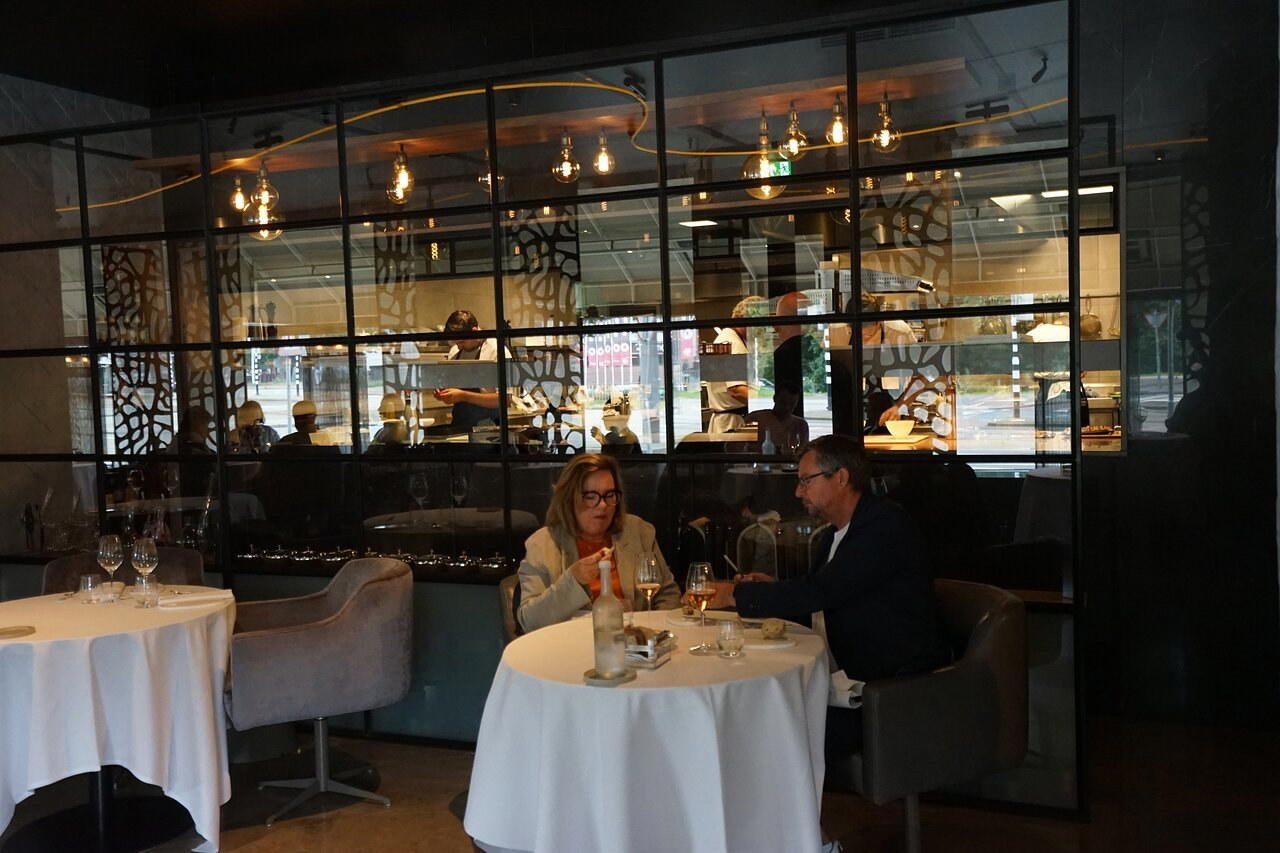
Bars in Dordrecht
Browse all →
Hotels in Dordrecht
Browse all →
Wineries in Dordrecht
Browse all →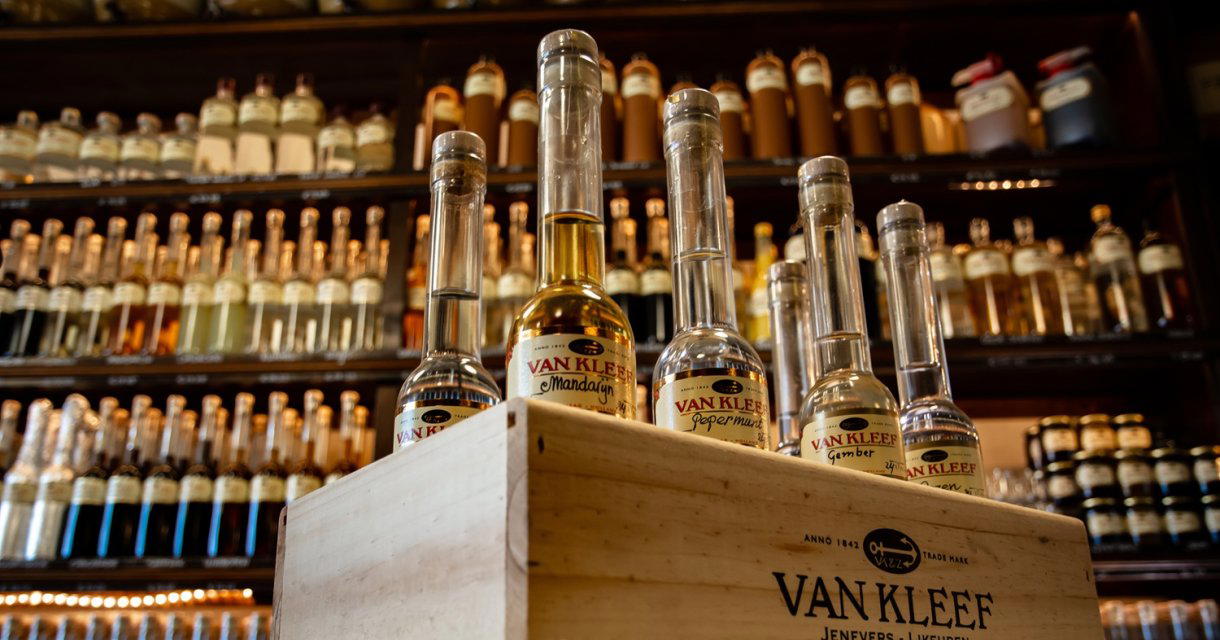
At a Glance
- Scenic
- Rustic
- Cozy
- Casual Hangout
- Brunch
- Garden
- Open Kitchen
- Terrace
- Farm To Table
- Organic
- Local Sourcing
- Garden
- Waterfront
Lovely ambience with natural light from the garden setting, open kitchen views, and terrace overlooking greenery.
Know Before You Go
- Getting there
- Oranjelaan 7, 3311 DH Dordrecht, Netherlands