De Kop van't land

Set on the boundary between the Dordtse polders and National Park De Biesbosch, De Kop van't Land runs one of the Netherlands' more seriously conceived vegetarian hotel-restaurants. Chef Gijs Kemmeren builds a weekly changing biological surprise menu of three to six courses around seasonal organic produce, with flavour combinations that earn the kitchen repeated critical attention. The setting alone makes it worth the detour from central Dordrecht.
Pearl is the En Primeur Club membership app — saves, bookings, and concierge access live there. Same editors, same standards.
- Address
- Zeedijk 32, 3329 LC Dordrecht, Netherlands
- Phone
- +31 78 630 0650
- Website
- kopvanhetland.nl
- Directions
- Get directions
 Saves & bookings on Pearl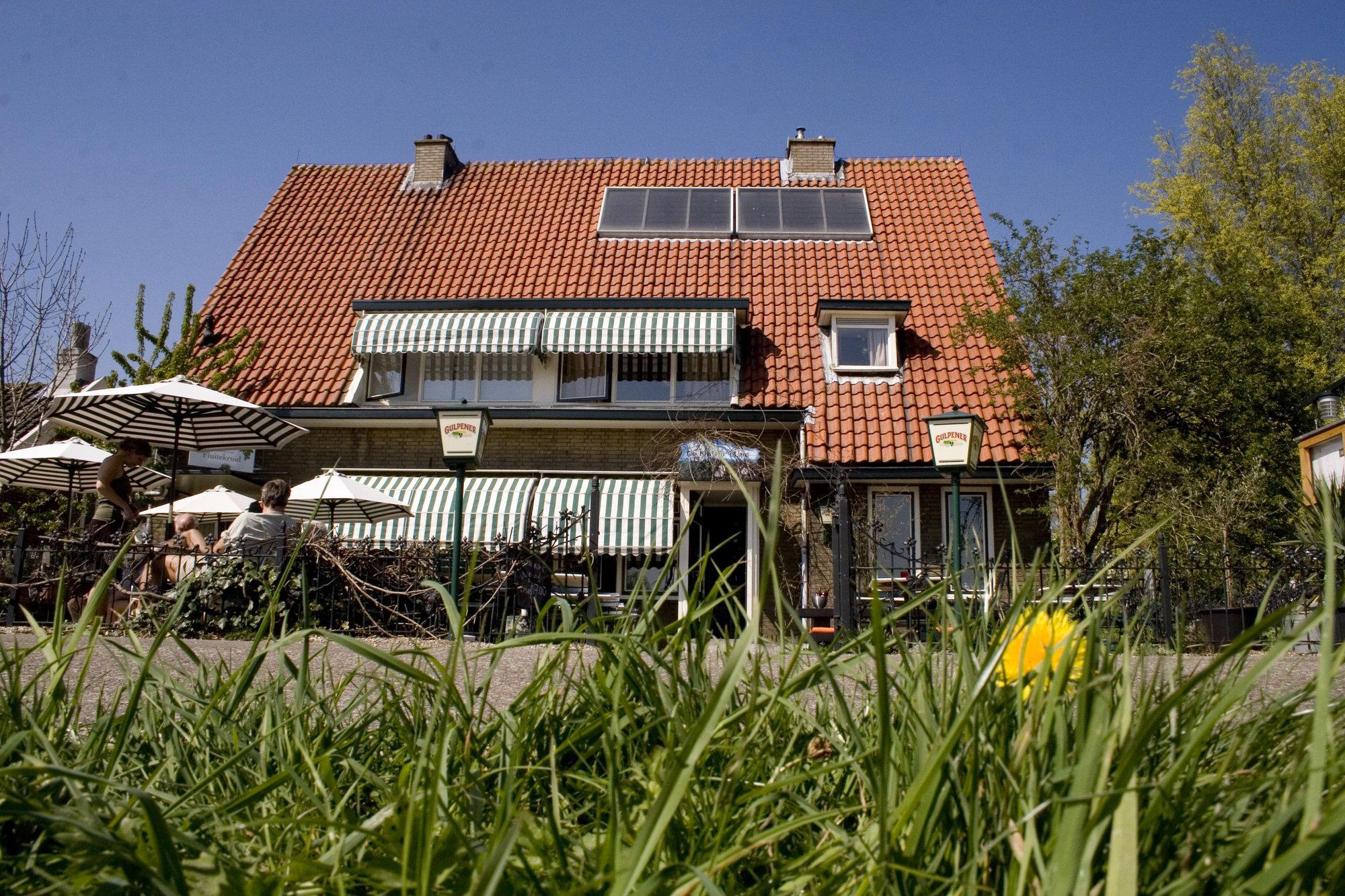
Where the Polders Meet the Plate
The approach to De Kop van't Land establishes the terms of the meal before you reach the door. The hotel-restaurant sits at Zeedijk 32, on the edge where the Dordtse polders give way to National Park De Biesbosch, one of the largest freshwater tidal areas in northwestern Europe. The flat, open horizon, the reed-fringed waterways, the particular quality of light that belongs to river deltas — all of it informs what the kitchen does. This is not a restaurant that gestures at its surroundings through a framed view; the landscape is the larder.
Vegetable-forward fine dining has grown considerably in the Netherlands over the past decade, moving from a niche moral position to a serious culinary category. Kitchens like De Groene Lantaarn in Staphorst have demonstrated that a plant-based framework can sustain technically ambitious, course-structured cooking. De Kop van't Land belongs to the same tradition, and in the context of Dordrecht, it operates without close local competition in the format.
The Biological Surprise Menu: How the Kitchen Works
The menu format here is worth understanding before you book. Each week, Chef Gijs Kemmeren composes a biological surprise menu of three to six courses built entirely from organic produce. The menu changes weekly, not seasonally, which is a more demanding rhythm than most kitchens sustain. It requires close relationships with suppliers, a willingness to work with whatever is available rather than what is convenient, and sufficient technical range to build coherent flavour arcs from ingredients that are not always predictable.
The sourcing logic matters here more than at most restaurants. Biological certification in the Netherlands follows strict EU organic standards, meaning the produce arriving at this kitchen has been grown without synthetic pesticides or fertilisers. For a restaurant positioned between farmland and protected nature reserve, that consistency between setting and supply chain is not incidental — it is the point. The Biesbosch region's agricultural fringe has historically supplied regional markets, and cooking that draws on that proximity reads differently than urban farm-to-table programming that imports the same aesthetic from a distance.
Documented dishes give a sense of the kitchen's register: a cauliflower salad with crème fraîche and a dressing of arugula and grapefruit; scalded leeks with cream of celeriac, oyster mushrooms, smoked whey sauce, parsley oil, puffed mustard seeds, kohlrabi, purslane and fennel. These are not simple preparations. The leek dish, in particular, involves a half-dozen distinct elements working across smoke, acid, fat, and texture, the kind of composition that requires both technique and restraint to keep from collapsing under its own ambition. That balance is where this kitchen has drawn its reputation.
Dordrecht's Dining Position and Where This Fits
Dordrecht is often discussed as one of the oldest cities in the Netherlands, with a port and trading history that predates most of its neighbours. Its restaurant scene reflects a city of that scale and character: considered rather than prolific, with a handful of kitchens worth specific attention. Villa Augustus draws the broadest audience; La Cebolla (€€€ · Modern Cuisine) occupies the modern European end of the spectrum. De Kop van't Land sits in a different register from both, hotel-based, edge-of-city, and structured around a weekly organic surprise menu rather than a fixed à la carte.
For Dutch fine dining at the upper tier, the comparison set extends beyond Dordrecht. De Librije in Zwolle and 't Nonnetje in Harderwijk represent the country's Michelin-starred modern cuisine tradition. Aan de Poel in Amstelveen and Ciel Bleu in Amsterdam hold the metropolitan end. Brut172 in Reijmerstok, De Bokkedoorns in Overveen, and De Lindehof in Nuenen, along with De Lindenhof in Giethoorn, show how the country's serious kitchens have spread into secondary and rural settings, often to better effect than city-centre operations. De Kop van't Land fits that broader pattern: a kitchen that earns its reputation through consistency and sourcing discipline rather than location prestige.
The hotel dimension also places it in a specific category. Combining overnight accommodation with a serious vegetarian restaurant is not common in the Netherlands outside of larger retreats. For visitors arriving from Amsterdam or Rotterdam, the property offers a logical reason to extend the stay rather than return the same evening, the Biesbosch national park alone warrants a full day.
Planning Your Visit
Because the surprise menu changes weekly and is built on organic produce that varies with supply, there is no fixed menu to review in advance. That model rewards flexibility and penalises those who need to know exactly what they will eat before they arrive. If you have significant dietary restrictions beyond vegetarianism, it is worth contacting the kitchen ahead of time, as the menu format does not accommodate substitution the way a standard à la carte does.
Guests combining dinner with an overnight stay at the hotel have the advantage of the setting in the morning, when the polder views are unobscured and the Biesbosch is accessible on foot or by water. The restaurant's position at the edge of the national park means noise, traffic, and the texture of urban dining are entirely absent, a condition that is increasingly hard to find within an hour of Rotterdam or Dordrecht's centre.
For context on where to drink before or after, and on other properties and experiences in the area, see our full Dordrecht bars guide, our full Dordrecht hotels guide, our full Dordrecht wineries guide, and our full Dordrecht experiences guide. For a broader picture of where this kitchen sits among Dordrecht's dining options, our full Dordrecht restaurants guide maps the city's full range. International reference points for vegetable-forward fine dining at a high technical level include Le Bernardin in New York City for its similar discipline around a single-protein framework, and Emeril's in New Orleans for how regional produce identity can anchor a kitchen's long-term reputation.
How De Kop van't land Dordrecht compares with similar nearby venues.
| Venue | Cuisine | Price | Awards |
|---|---|---|---|
| De Kop van't land | Not listed | Not listed | We're Smart World 2025, 4 Radishes |
| La Cebolla | Modern Cuisine | €€€ | Not listed |
| De Ertepeller | Creative French | €€€ | Not listed |
Recognition history
Dated appearances from independent guides and award organizations, with the underlying list record or original source where available.
We're Smart World 4 Radishes
We're Smart World
Continue exploring
More in Dordrecht
Restaurants in Dordrecht
Browse all →
Bars in Dordrecht
Browse all →
Hotels in Dordrecht
Browse all →
Wineries in Dordrecht
Browse all →
At a Glance
- Cozy
- Intimate
- Scenic
- Elegant
- Date Night
- Special Occasion
- Waterfront
- Garden
- Terrace
- Extensive Wine List
- Organic
- Local Sourcing
- Zero Waste
- Waterfront
- Garden
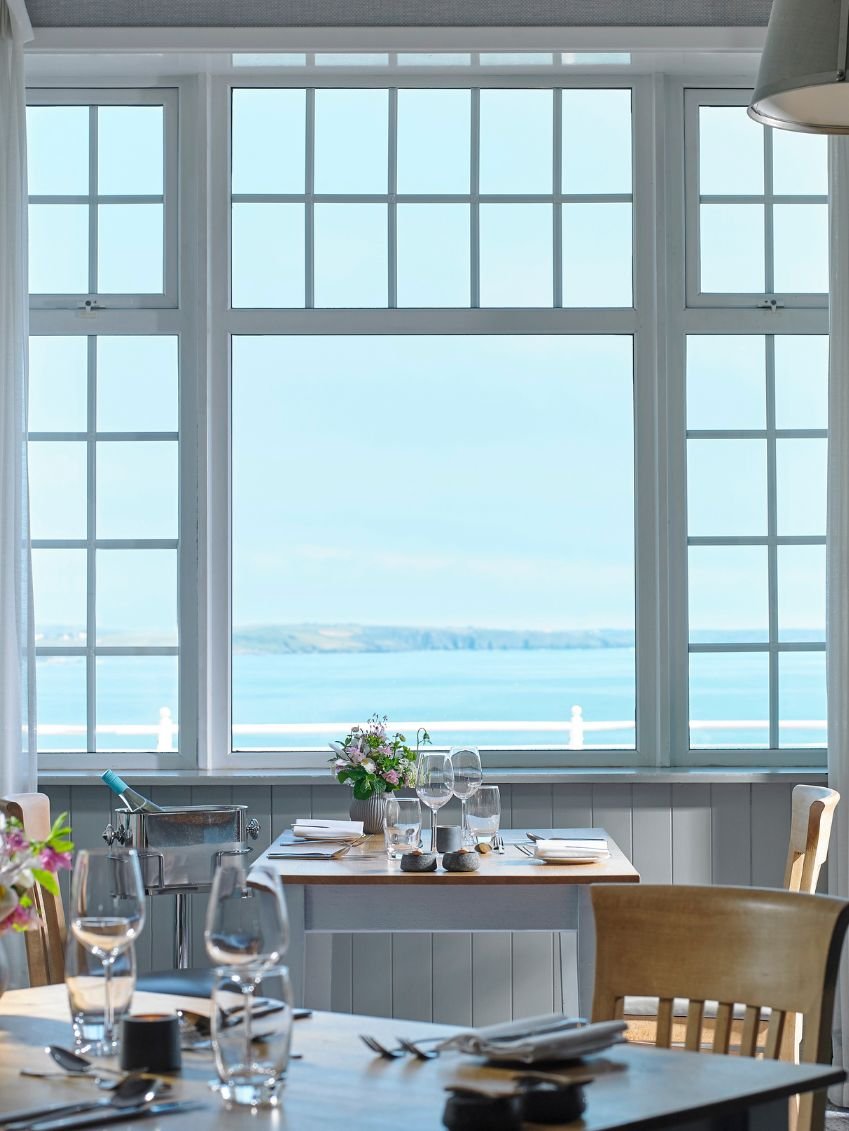
Cozy and relaxed with warm lighting, intimate small-scale setting, and serene garden terrace overlooking the water.
Know Before You Go
- Getting there
- Zeedijk 32, 3329 LC Dordrecht, Netherlands