Restaurant 3 Giebelhaus occupies a address on Frankfurter Strasse in Hennef, a small Sieg Valley town that sits roughly midway between Cologne and the Westerwald. With little public data in circulation, it operates below the radar of Germany's well-documented fine-dining circuit, which, in a region where ingredient provenance increasingly defines the conversation, makes it worth understanding on its own terms.
Pearl is the En Primeur Club membership app — saves, bookings, and concierge access live there. Same editors, same standards.
- Address
- Frankfurter Str. 12, 53773 Hennef (Sieg), Germany
- Phone
- +4922429040414
- Website
- restaurant-3-giebelhaus.de
- Directions
- Get directions
 Saves & bookings on Pearl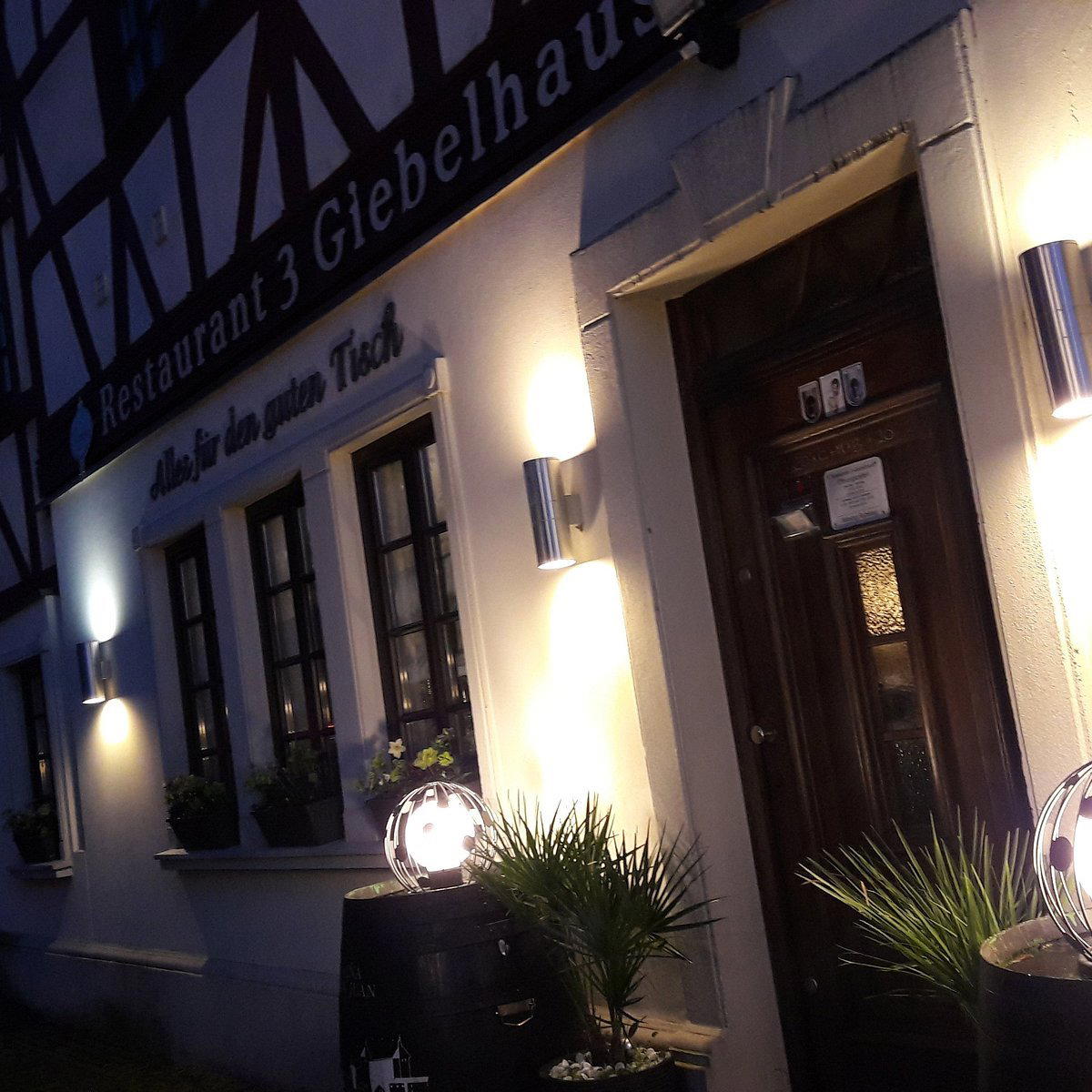
Hennef and the Question of Provenance
Germany's restaurant culture has spent the better part of the last decade renegotiating its relationship with ingredients. The conversation began in the kitchens of major urban centres, Berlin's CODA Dessert Dining, Hamburg's Restaurant Haerlin, but it has moved steadily outward into smaller towns and rural addresses, where proximity to farms, rivers, and forests is not a marketing position but a geographic fact. Hennef, a town of around 50,000 people in the Sieg Valley between Cologne and the Westerwald hills, sits in precisely that kind of territory: agricultural land to the south and east, the Sieg river running through its centre, and the broader Rhine corridor within easy reach of regional produce networks.
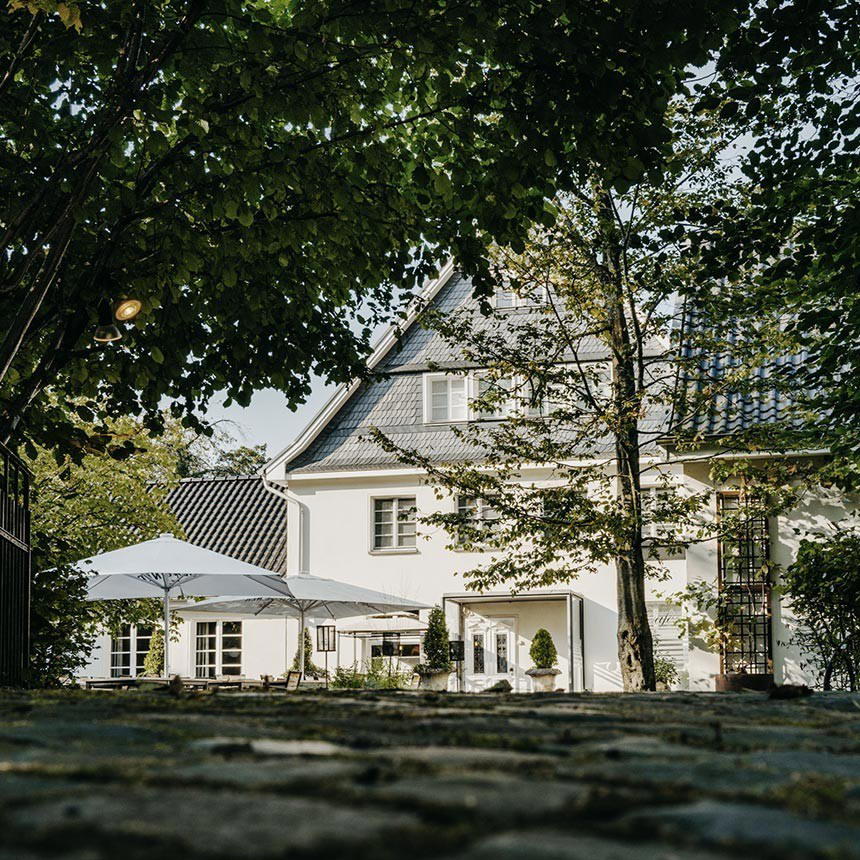
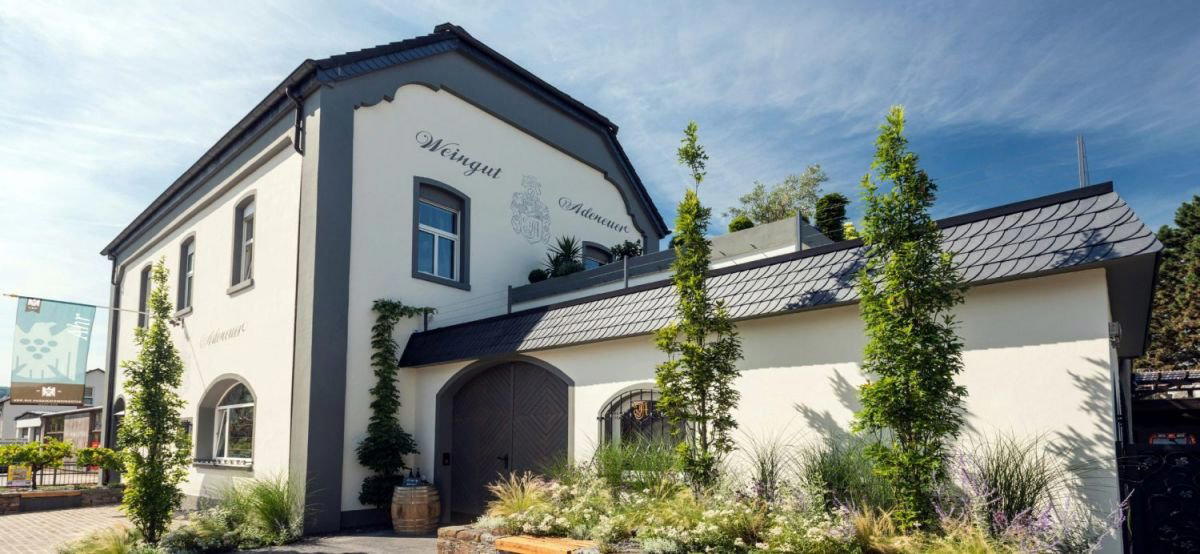
Restaurant 3 Giebelhaus, addressed at Frankfurter Str. 12, occupies this context. The building itself, a gabled structure whose name the restaurant carries, gives the address a physicality that newer urban venues rarely possess. Approaching from the main road, the facade communicates something older and more settled than a purpose-built dining room. That rootedness is, in towns like Hennef, often the first signal that a kitchen takes its sourcing seriously, because the alternative, the anonymous urban storefront with a rotational concept, tends not to survive in markets where regulars drive the trade.
What Ingredient Sourcing Looks Like Outside Germany's Starred Circuit
Germany's most decorated kitchens have made sourcing into a visible credential. Aqua in Wolfsburg and Schwarzwaldstube in Baiersbronn operate at the summit of the Michelin hierarchy, where supplier relationships are named on menus and regional identity is as carefully curated as the wine list. Waldhotel Sonnora in Dreis and Vendôme in Bergisch Gladbach, the latter a short drive from Hennef through the Bergisches Land, occupy a similarly exacting tier. The pattern at this level is consistent: kitchens that commit to traceable sourcing tend to hold their positions across guide cycles, because the product quality absorbs a significant share of the kitchen's credibility.
Below that starred tier, the picture in German provincial dining is less uniform. Some addresses in smaller towns operate as direct neighbourhood restaurants with little attention to provenance; others use their rural or semi-rural location as a genuine supply advantage, building menus around what is available locally and in season. Hennef's position, close enough to Cologne for supplier access, rural enough for direct farm relationships, makes it a town where both models coexist. Sängerheim - Das Restaurant, which operates on a farm-to-table model within the same town, represents one clear commitment to that second approach. Restaurant 3 Giebelhaus, with its established address and building presence, occupies the same local dining conversation.
The Sieg Valley as a Supply Region
The area immediately around Hennef produces the kind of ingredients that drive sourcing-led kitchens: seasonal vegetables from the valley floor, game from the surrounding hills, and fish from the Sieg itself, which supports a small but active angling tradition. The broader North Rhine-Westphalia region sits within reach of the Eifel, a highland plateau known for lamb and dairy, and the Rhine corridor, which connects to fruit and vegetable producers further south. Kitchens in this zone that choose to source locally have genuine options, the supply infrastructure exists in a way that it does not, for example, in more industrialised parts of the Ruhr.
That geographic advantage is not automatically converted into culinary quality. The discipline of ingredient-led cooking, working with what is available rather than building menus around year-round consistency, demands a kitchen willing to adjust its offer seasonally. Germany's most persuasive examples of this discipline are not all in starred addresses. Particularly coherent ingredient-focused cooking in the country happens in exactly the kind of mid-sized provincial restaurant that Hennef's dining scene contains. For the reader whose standard reference points run toward JAN in Munich or Schanz in Piesport, the Sieg Valley offers a quieter version of the same conversation at a different register.
Where Restaurant 3 Giebelhaus Sits in Hennef's Dining Scene
Hennef does not have a large restaurant scene. The town's dining options span a range from casual international formats, Troy Restaurant and Cafe among them, to more considered sit-down addresses. The restaurant, by virtue of its building and its position on Frankfurter Strasse, one of the town's main arterial roads, occupies a central and visible place in that relatively compact offer. In small-town German dining, visibility on a main road combined with a building of some age tends to correlate with a settled local clientele rather than a transient one, and a settled clientele, in turn, tends to exert a stabilising influence on kitchen consistency and sourcing decisions.
The restaurant is best understood on its own terms rather than through guidebook rankings. That absence puts it in a different category from the country's most-discussed fine-dining addresses: the multi-Michelin destinations of Victor's Fine Dining by Christian Bau in Perl, the creative formats of ES:SENZ in Grassau, or the internationally framed kitchens of ATAMA by Martin Stopp in Sankt Ingbert. It belongs instead to the much larger category of provincial German restaurants that sustain regional food culture outside the guide system, a category that, in aggregate, constitutes most of how Germany actually eats.
Planning a Visit
Hennef is accessible from Cologne in under 40 minutes by regional train on the Siegstrecke line, which makes a meal here a viable proposition for visitors to the city who want to move away from the Cologne dining circuit. The address on Frankfurter Str. 12 places the restaurant within walking distance of the town centre. Reservations are recommended, and the restaurant is open Tuesday through Sunday with Monday closed. Readers who follow ingredient-led cooking more broadly may also find useful context in the approaches taken by Le Bernardin in New York City or Atomix in New York City and Bagatelle in Trier, all of which represent different points on the spectrum of how sourcing discipline translates into a dining format.
Fast Comparison
Comparable venues nearby, for context on price, style, and recognition.
| Venue | Cuisine | Price | Awards | Notes |
|---|---|---|---|---|
| Restaurant 3 GiebelhausThis venue — the venue you are viewing | German Grill in Historic Setting | $$ | Not listed | Not listed |
| Sängerheim - Das Restaurant | German Seasonal Fine Dining | $$$ | Michelin Plate | Hennef (Sieg) |
| Troy Restaurant & Cafe | Turkish Grill | $$ | Not listed | Centre |
| Restaurant Camping Paul | Bavarian German | $$ | Not listed | Naafbachtal |
| Feinkost Seemann | Traditional Austrian Specialties | $$ | Not listed | Bayenthal |
| Haus Töller | Traditional Rhenish German Brewery Pub | $$ | Not listed | Altstadt/Süd |
Continue exploring
More in Hennef
Restaurants in Hennef
Browse all →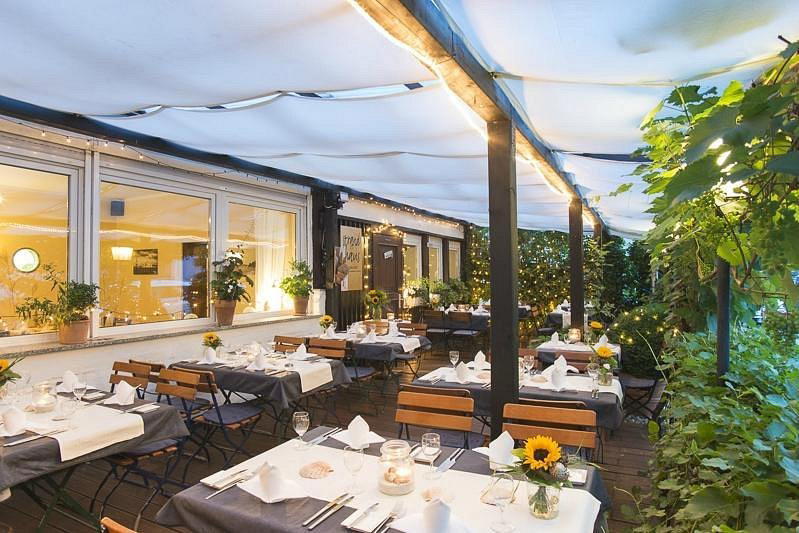
Bars in Hennef
Browse all →

Hotels in Hennef
Browse all →

At a Glance
- Historic
- Cozy
- Classic
- Casual Hangout
- Historic Building
Current opening hours
- Monday
- Closed
- Tuesday
- 5–10:30 PM
- Wednesday
- 5–10:30 PM
- Thursday
- 5–10:30 PM
- Friday
- 5–11 PM
- Saturday
- 5–11 PM
- Sunday
- 11:30 AM–2:30 PM, 5–10 PM
Hours can change for holidays and private events. Last verified .
Historic and charming atmosphere in a beautifully preserved half-timbered house with friendly service.