
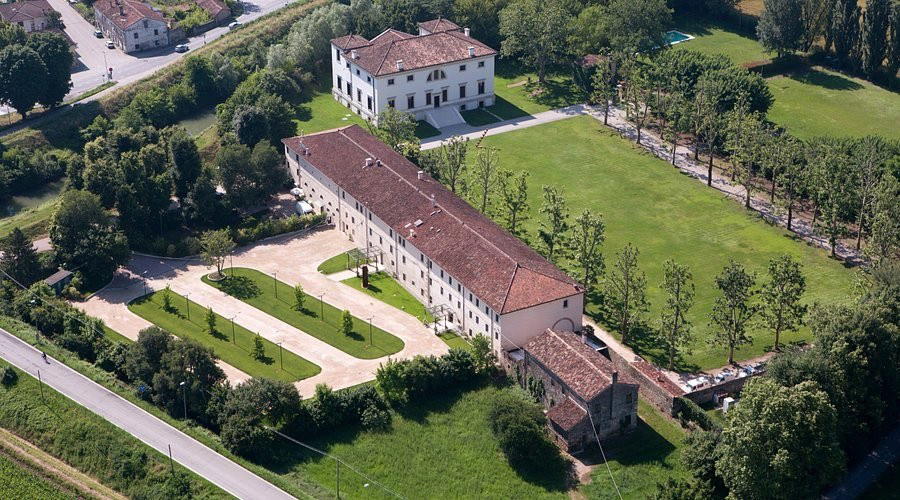
Long recommended by the Michelin Guide and now housed in a historic Veneto villa on Vicenza's outskirts, Remo Villa Cariolato divides its menu cleanly between meat and fish, with seafood sourced almost exclusively from the Chioggia market. Multiple dining rooms across the villa make it a natural choice for group dinners and special events.
Pearl is the En Primeur Club membership app — saves, bookings, and concierge access live there. Same editors, same standards.
- Address
- Str. di Bertesina, 313, 36100 Vicenza VI, Italy
- Phone
- +39 0444 911007
- Website
- removillacariolato.it
- Directions
- Get directions
 Saves & bookings on Pearl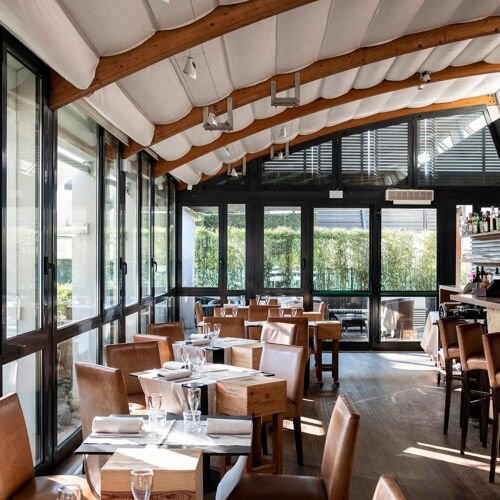
A Villa Setting and the Logic of Regional Restraint
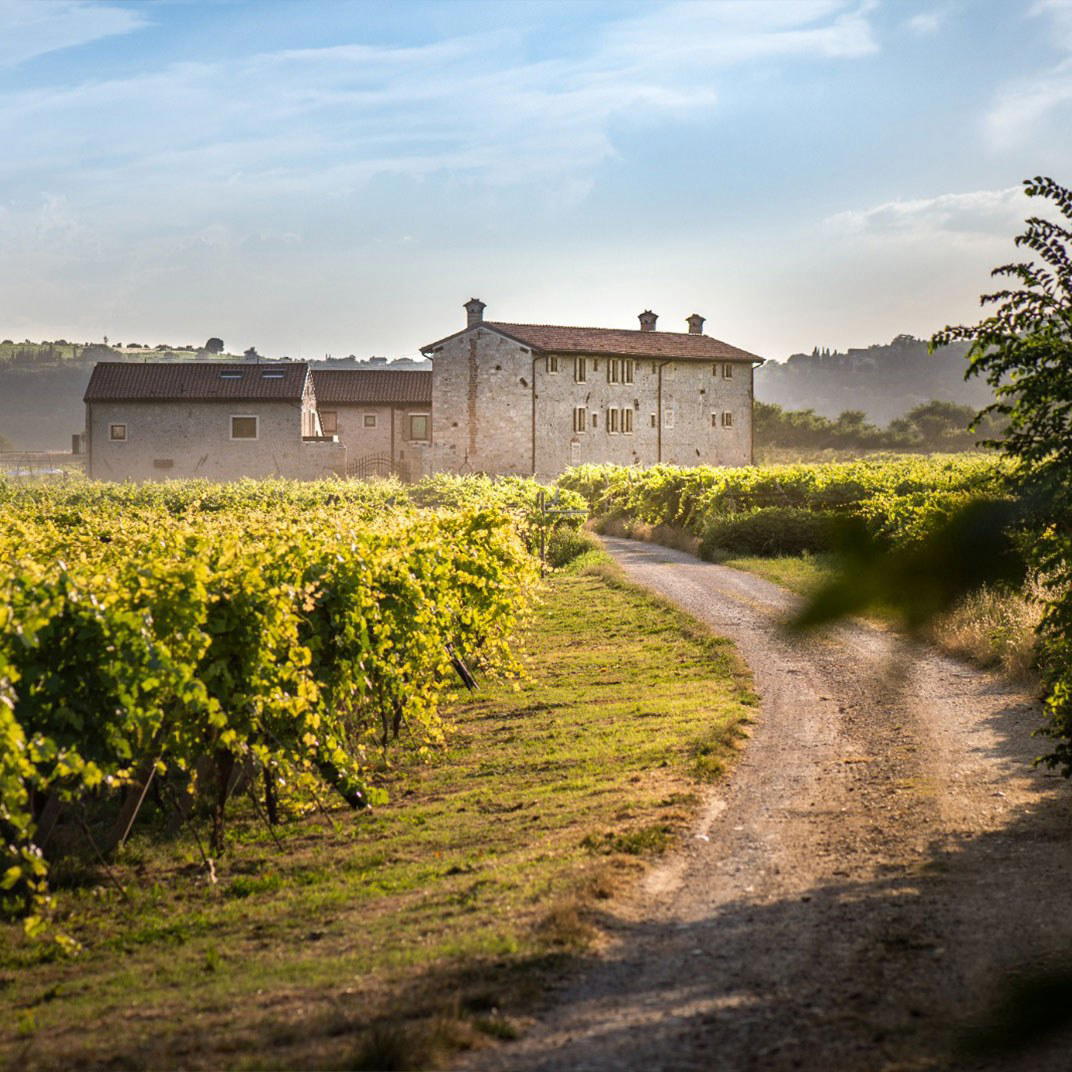
The approach to Remo Villa Cariolato sets up expectations efficiently. The property is a Veneto villa in the tradition of those scattered across the Vicenza plain: symmetrical, solid, vernacular in its use of local materials, and carrying the kind of domestic gravity that comes from genuine age rather than decorative renovation. The building itself was once the home of one of Garibaldi's Thousand, the volunteer corps that shaped the Risorgimento, which places the villa inside Italian civic history before you have ordered so much as a glass of Soave. That backdrop is not incidental. In the Veneto, the connection between place, memory, and table is rarely decorative, it is the operating logic of the meal.
The restaurant occupies both large and small dining rooms within the villa, a configuration that gives it flexibility for private celebrations, corporate dinners, and family gatherings that can be awkward to accommodate in tighter urban trattorie. This puts Remo in a specific category of the Vicenza dining scene: the occasion restaurant that has earned long-term institutional trust rather than positioning itself on trend cycles. Michelin's sustained recommendation over years is the clearest signal of that standing, a mark awarded for consistent, honest cooking rather than for technical ambition or conceptual novelty.
The Chioggia Question: Fish as Editorial Choice
Across Italian regional cooking, among the more reliable indicators of kitchen commitment is where the seafood comes from. The Adriatic's fishing ports each carry distinct reputations: Ancona for brodetto, Rimini for its wholesale volume, and Chioggia, the lagoon city at the southern end of the Venice estuary, for the quality and variety of its daily catch. Remo's decision to source fish almost exclusively from Chioggia market is an editorial position as much as a supply decision. It connects the kitchen to a specific geography and a specific fishing tradition, and it limits the menu to what that geography can honestly deliver on any given day.
This is the Italian principle of simplicity operating at the supply level: rather than assembling a global seafood programme, the kitchen draws a tight circle around one trusted source and builds the fish half of the menu within that circle. The Chioggia market supplies the Veneto coast with everything from seabass and bream to spider crab and cuttlefish, and a kitchen working consistently with that range develops the kind of material familiarity that shows up in the cooking. It is the opposite of the maximalist approach, no imported scallops, no out-of-season additions, just a focused relationship with one market and seasonal honesty as the default.
For context, this regional sourcing logic sits at the less conceptualised end of a broader Italian spectrum. At the far end of ambition, restaurants like Uliassi in Senigallia or Quattro Passi in Marina del Cantone push Adriatic and Mediterranean sourcing into technically complex, multi-starred territory. At the opposite end of the scale, Remo operates with a more direct brief: respect the ingredient, cook it well, serve it in a room worth sitting in. Neither ambition is wrong; they are answering different questions about what dinner should do.
The Menu Structure and the Meat/Fish Division
The menu at Remo divides cleanly between meat and fish options, which reflects a practical intelligence about the customer base. A party of six gathered for a birthday in a Veneto villa is unlikely to be uniformly committed to the catch of the day; the dual-track structure allows the table to order without negotiation. Veneto regional cooking supplies both tracks with material: the meat side draws on traditions that include bollito, braised cuts, and the game-forward autumn repertoire common across Vicenza's hinterland, while the fish side runs on the Chioggia sourcing described above.
The price positioning at €€ on a mid-range scale places Remo well below the tasting-menu tier occupied by venues like Le Calandre in Rubano or Osteria Francescana in Modena. It also separates it from the farm-to-table contemporary approach of Matteo Grandi in Basilica, Vicenza's other notable Michelin-tracked address. Remo is not competing in that register. Its competitive set is the reliable regional restaurant with longevity, a Michelin track record, and a physical setting that can carry a special occasion without demanding that the table perform gastronomic adventurism in return.
A high rating at that volume, sustained over time, is harder to maintain than a high rating at low volume. It suggests the kitchen delivers consistently across a broad range of visitors, not just a self-selecting audience of fine dining regulars. That consistency is exactly what the Michelin Plate designation rewards, and it is also what the occasion-dining market requires: a table of twelve celebrating a retirement has no appetite for variance.
Where Remo Sits in the Wider Italian Picture
Italy's restaurant culture contains a tier that rarely generates international coverage but anchors the actual dining life of provincial cities: the trusted regional table, housed in a building of some significance, with a menu that respects local sourcing and a price that does not require justification. Remo occupies that tier in Vicenza with the added distinction of a genuinely notable address. Internationally celebrated Italian restaurants, Enoteca Pinchiorri in Florence, Enrico Bartolini in Milan, Dal Pescatore in Runate, operate at a scale and ambition that naturally pulls traveller attention. But Italy's depth as a food culture rests on the layer below: restaurants doing regional cooking with integrity, in rooms worth using, at prices that keep them embedded in local life.
For visitors building a picture of Italian cooking beyond the headline addresses, the Veneto offers particularly rich material. The region's cooking is less exported than Emilia-Romagna's, less touristically packaged than Tuscany's, and more connected to specific sub-regional traditions, the fishing culture of the Adriatic coast, the rice culture of the inland plain, the wine culture of the Colli Euganei and Soave zones. Remo, drawing its fish from Chioggia and its setting from Vicenza's villa tradition, is a legible expression of that sub-regional specificity.
Planning a Visit
Remo Villa Cariolato is located at Strada di Bertesina 313, on the outskirts of Vicenza, accessible by car from the city centre in under fifteen minutes. The villa setting and multi-room configuration make it particularly suited to group bookings, and the occasion-dining format suggests advance reservations are advisable for weekend evenings and event periods. The mid-range price positioning makes it accessible without requiring special-occasion budgeting. For visitors exploring Vicenza more broadly, EP Club covers the full range of the city's dining, drinking, and hospitality in the Vicenza restaurants guide, alongside dedicated guides to hotels, bars, wineries, and experiences.
Italian cooking at this level also travels well as a comparative reference point. Those interested in how the Italian commitment to regional sourcing and material simplicity operates at the other end of the ambition scale can follow the thread to Atelier Moessmer Norbert Niederkofler in Brunico, where the same philosophy of sourcing discipline produces one of the country's most architecturally original tasting menus. The principle is the same; the register is entirely different. For Italian cooking that has crossed into international contexts, 8 1/2 Otto e Mezzo Bombana in Hong Kong and cenci in Kyoto offer two distinct readings of how Italian material logic translates when removed from its geographic source. Piazza Duomo in Alba and Reale in Castel di Sangro round out the picture of how Italian regional identity has been reframed at the starred level in recent decades.
Price and Recognition
Comparable venues nearby, for context on price, style, and recognition.
| Venue | Cuisine | Price | Awards | Notes |
|---|---|---|---|---|
| Remo Villa CariolatoThis venue — the venue you are viewing | Italian | $$ | Michelin Plate | Not listed |
| Giorgio & Chiara | Vicenza, Modern Italian Pizzeria | $$ | Not listed | Not listed |
| Angolo Palladio | Not listed | $$$ | Not listed | historic centre, Authentic Italian Pizza and Pasta |
| Acqua & Farina | Viale Crispi, Modern Neapolitan Pizza | $$ | Not listed | Not listed |
| Alle Botti | Not listed | $ | Not listed | Vicenza center, Traditional Italian Osteria |
| Fuorimodena Cucina Km 200 | Vicenza city center, Emilian Trattoria | $$$ | Not listed | Not listed |
Recognition history
Dated appearances from independent guides and award organizations, with the underlying list record or original source where available.
Michelin Plate
Michelin
Michelin Plate
Michelin

At a Glance
- Elegant
- Classic
- Historic
- Intimate
- Sophisticated
- Special Occasion
- Business Dinner
- Date Night
- Group Dining
- Historic Building
- Private Dining
- Extensive Wine List
- Local Sourcing
- Garden
Current opening hours
- Monday
- Closed
- Tuesday
- 12–2:30 PM, 7:30–11 PM
- Wednesday
- 12–2:30 PM, 7:30–11 PM
- Thursday
- 12–2:30 PM, 7:30–11 PM
- Friday
- 12–2:30 PM, 7:30–11 PM
- Saturday
- 12–2:30 PM, 7:30–11 PM
- Sunday
- 12:30–5 PM
Hours can change for holidays and private events. Last verified .
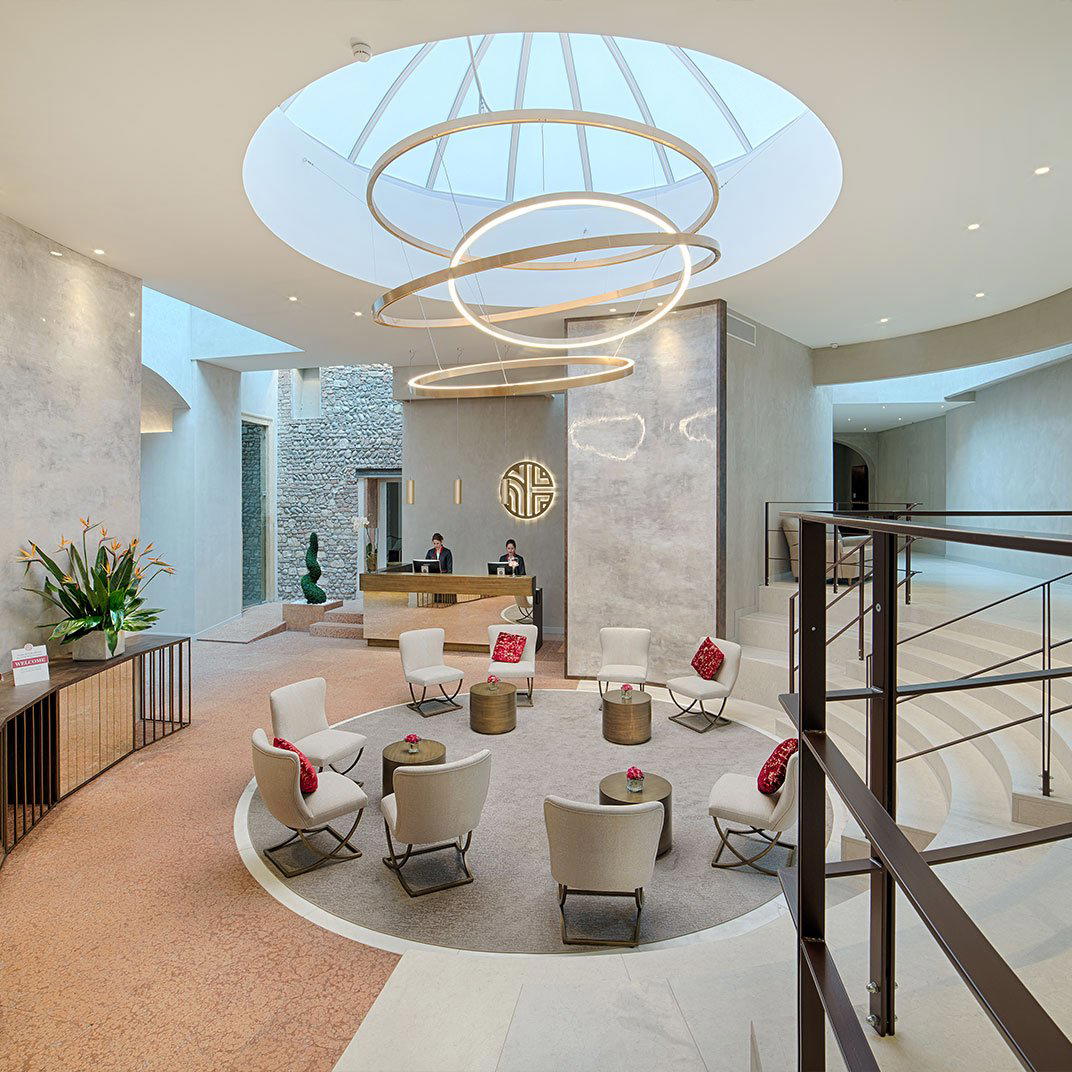
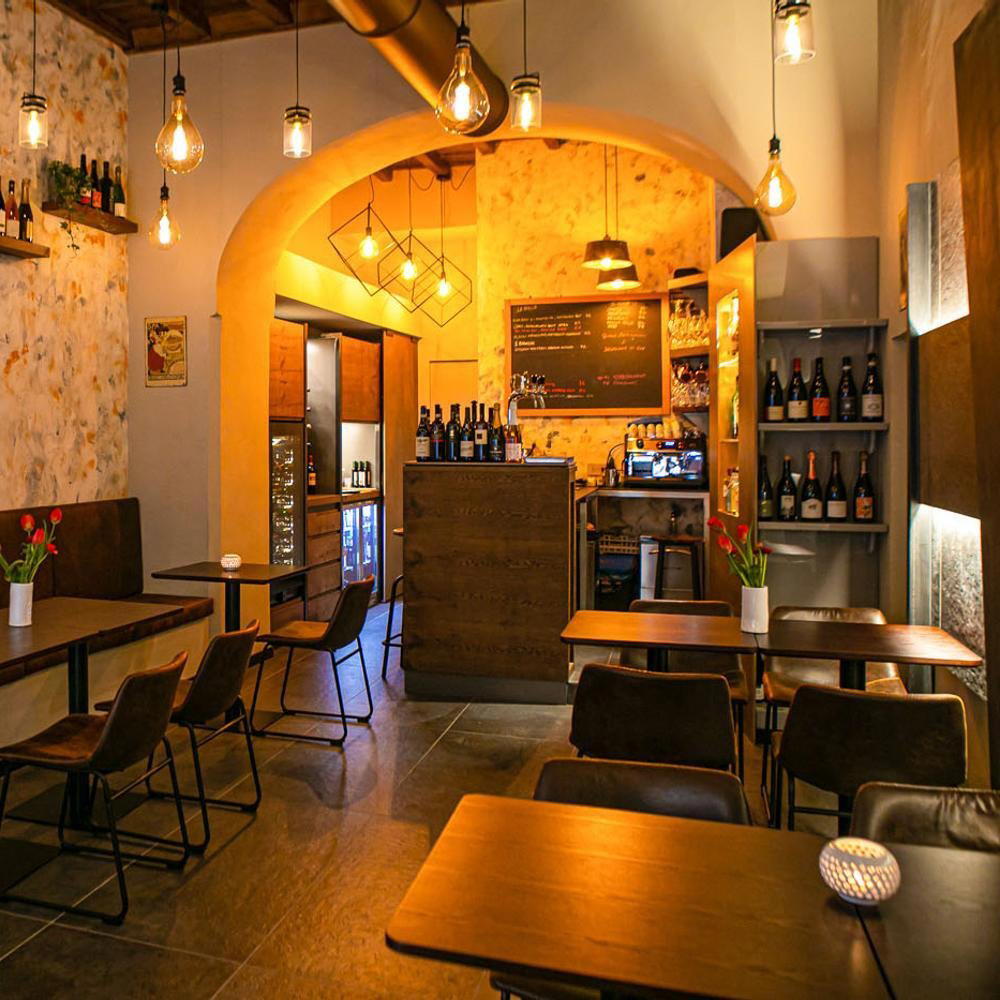
Refined and inviting with warm lighting, preserved period stucco, high ceilings, and elegant surroundings in a historic villa park setting.