REISERS Zehnthof

REISERS Zehnthof holds a Michelin Plate (2024), positioning it among the more creditable regional tables in Nordheim am Main. The kitchen works in the register of Franconian tradition, drawing on the agricultural depth of the Main valley rather than chasing contemporary fine-dining trends. At €€ pricing, it represents the kind of honest, produce-rooted cooking that Germany's village restaurant scene does quietly well.
Pearl is the En Primeur Club membership app — saves, bookings, and concierge access live there. Same editors, same standards.
- Address
- REISERS Zehnthof, Nordheim am Main, BY, Germany
- Phone
- +49 9381 1702
- Website
- der-reiser.de
- Directions
- Get directions
 Saves & bookings on Pearl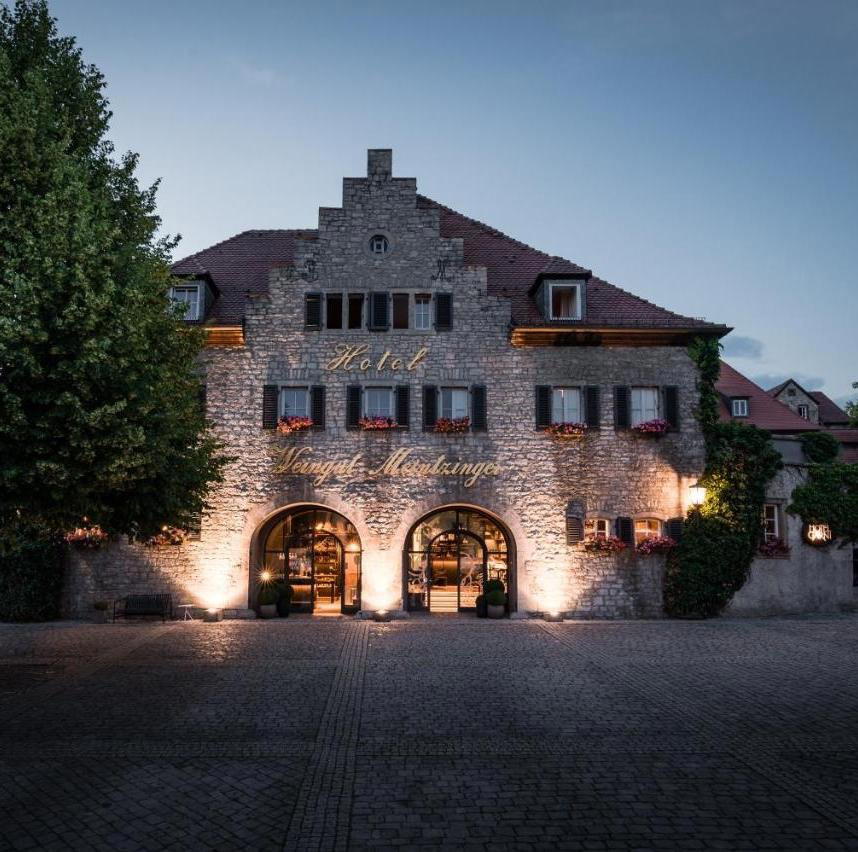
Where the Vineyard Meets the Kitchen Table
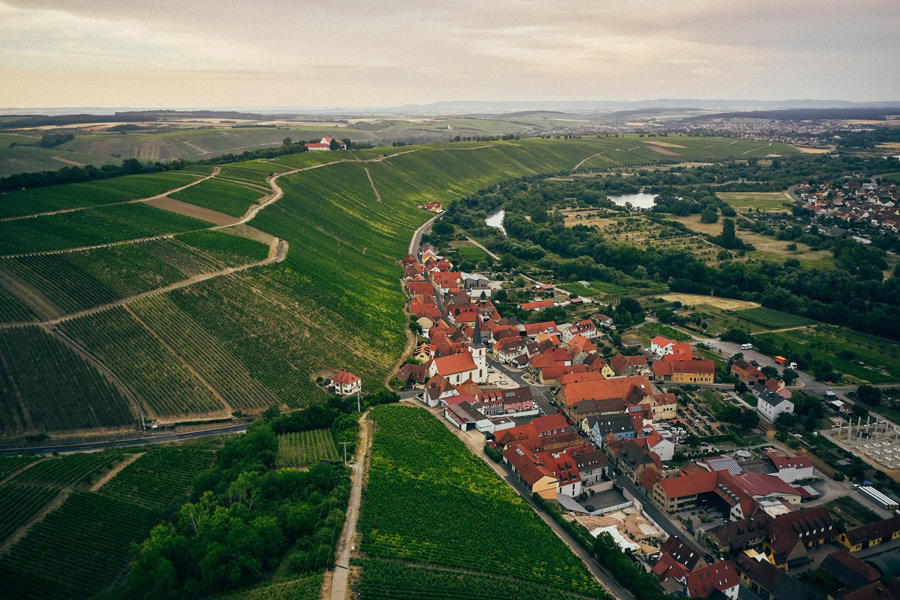
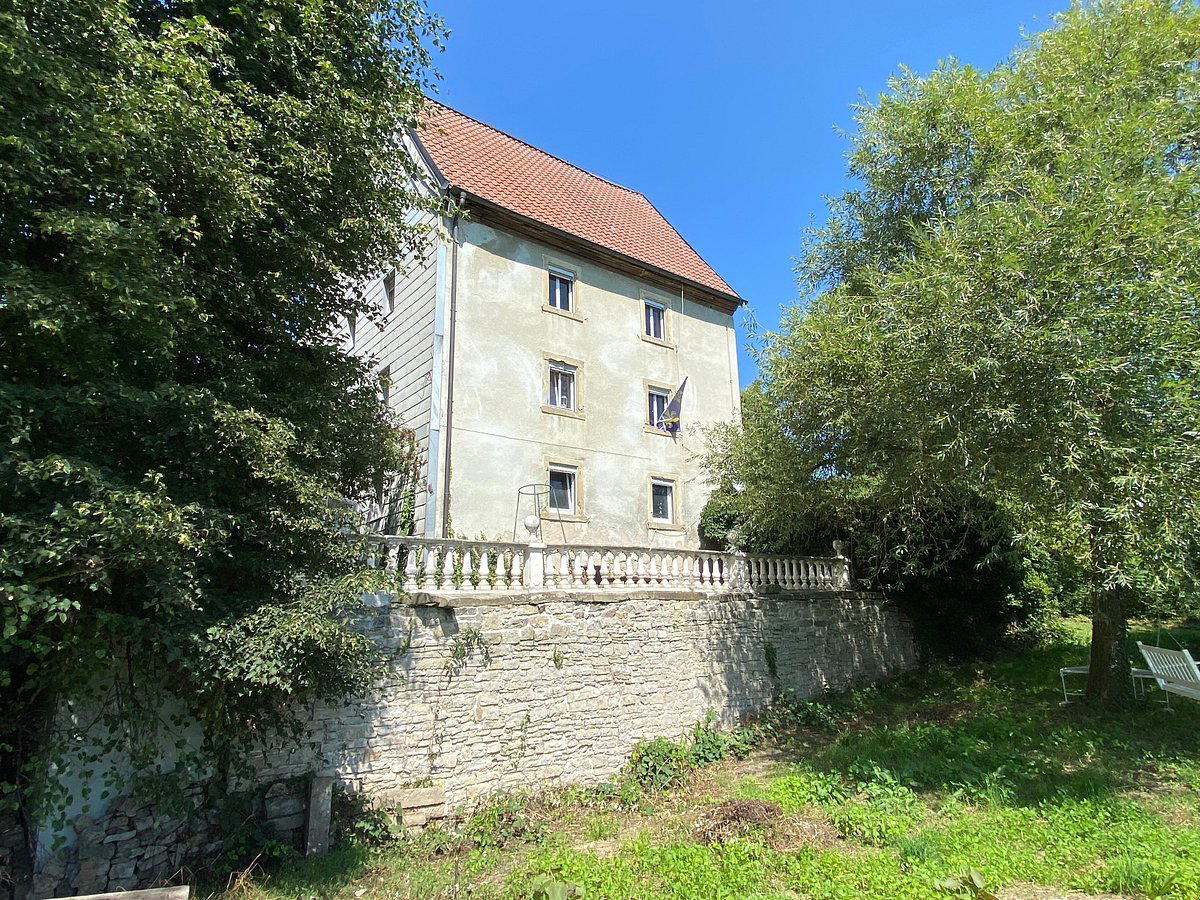
Nordheim am Main sits in the Franconian wine country of northern Bavaria, a stretch of the Main valley where viticulture and arable farming have coexisted for centuries. The villages here are compact, stone-built, and largely unvisited by the kind of food tourism that gravitates toward Munich or Nuremberg. That agricultural density, vines on south-facing slopes and market gardens on the flat, has historically fed a local cooking tradition that is direct and seasonal by necessity rather than by trend. REISERS Zehnthof operates inside that tradition, and the address alone signals its character: a Zehnthof, in German usage, refers to a tithe courtyard, a historical site where agricultural produce was collected and assessed. The building carries that provenance into its atmosphere.
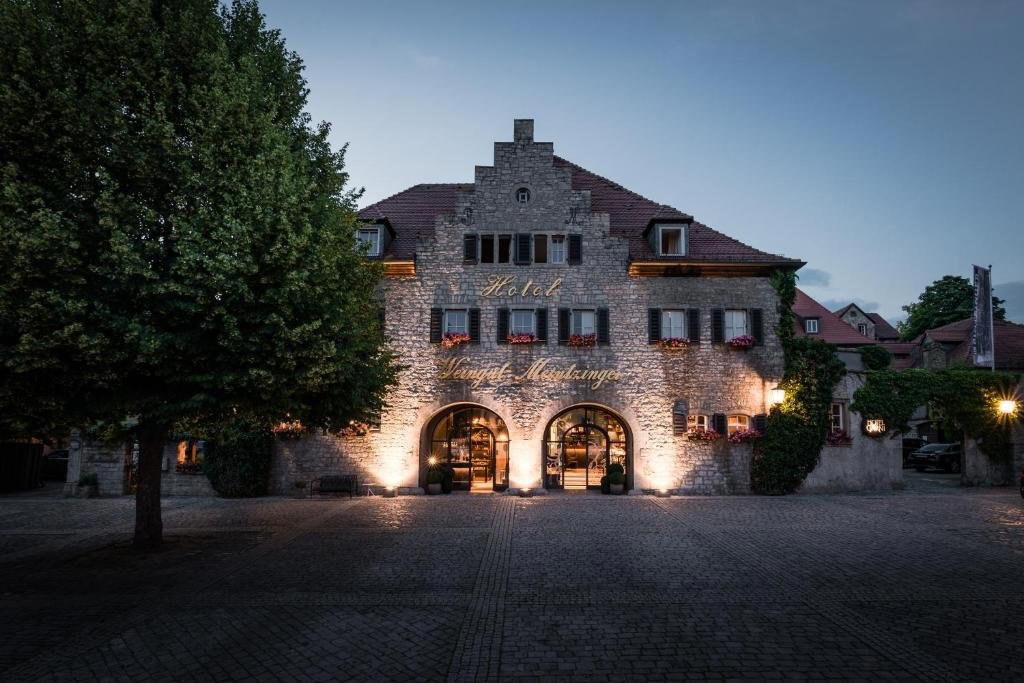
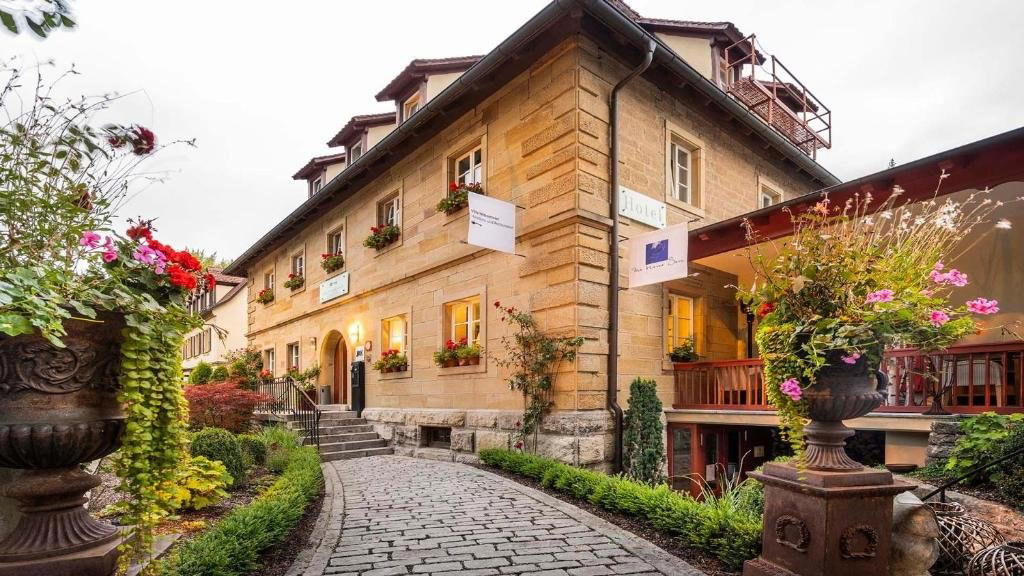
Walking toward the property, the scale is domestic rather than grand. Franconian vernacular architecture, rendered walls, pitched rooftiles, a courtyard orientation that turns slightly away from the road, establishes a sense of enclosure before you have stepped inside. This is not a restaurant designed to announce itself. It earns attention through what comes out of the kitchen, not through the facade.
Regional Cuisine as a Statement of Place
Germany's Michelin-recognized regional cooking has a particular logic that separates it from the country's €€€€ creative tier. At addresses like Aqua in Wolfsburg or Vendôme in Bergisch Gladbach, the kitchen's ambition runs toward international technique and cross-cultural reference. The Michelin Plate tier, by contrast, tends to reward cooking that is honest about where it is. REISERS Zehnthof received its 2024 Michelin Plate on that basis: a kitchen working in a regional register, with produce and preparation that reads as Franconian rather than pan-European.
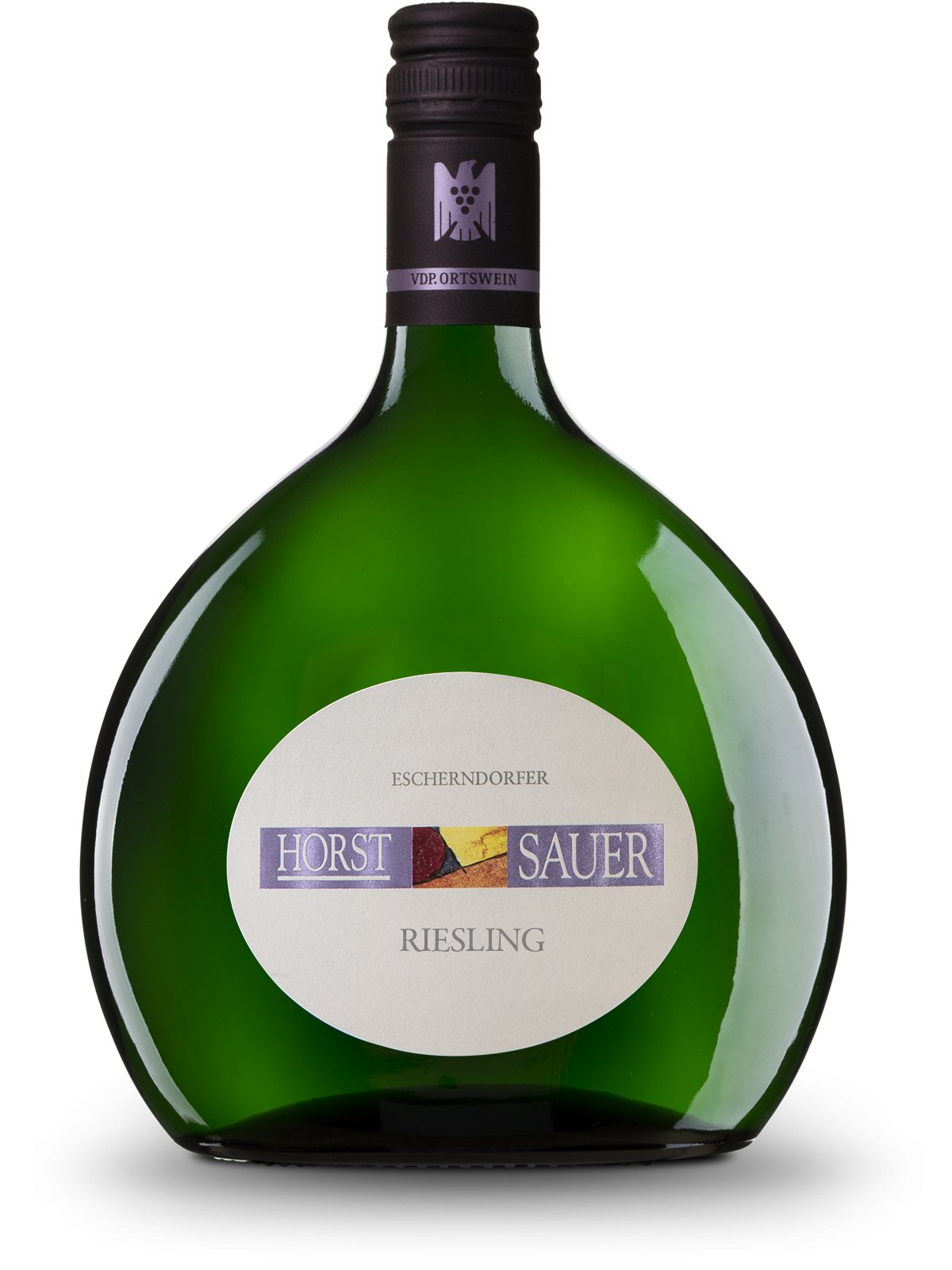
Franconian cuisine is rooted in the agricultural calendar of the Main valley. Carp from the local ponds, asparagus in late spring, game in autumn, the region's distinctive Schäufele (braised pork shoulder), and wines from the Bocksbeutel bottle that appear on nearly every local table. These are not decorative references to locality. They are the actual supply chain that has shaped cooking in this corridor for generations. At the €€ price point, REISERS Zehnthof is engaging with that supply chain at a level of fidelity that more ambitious restaurants sometimes abandon in pursuit of wider sourcing networks.
The Michelin Plate denotes good cooking without the performance framework that stars imply. It is, in practice, a marker for restaurants where the food merits the detour but where the format stays close to the local dining culture rather than repositioning itself for an international audience. Compare this to Schwarzwaldstube in Baiersbronn, which operates at the opposite end of that spectrum, or to ES:SENZ in Grassau, another Bavarian address that has pushed into higher-starred territory.
Ingredient Logic in the Main Valley
The ingredient sourcing argument for Franconian regional cooking is partly geographic and partly economic. The Main valley between Würzburg and Kitzingen concentrates a disproportionate share of Franken wine production, including the Silvaner grape that defines the region's wine identity internationally. Proximity to that viticulture means that kitchen and cellar can work in genuine dialogue. Menus in this corridor have historically aligned their cooking with the acidity and mineral character of local wines, producing pairings that work not because a sommelier has engineered them but because the ingredients grew within a few kilometres of each other.
Beyond wine, northern Bavarian agriculture is notable for its carp farming tradition, a practice with documented roots going back to the medieval monastery economy of the region. Carp ponds are still active throughout Franconia, and the fish appears on menus in ways that have no equivalent in German cuisines further north. The autumn carp season, roughly September through November, is when the fish reach peak condition after a full summer in warm, shallow ponds. A kitchen working at the restaurant's level of regional commitment would be expected to treat this calendar seriously,
For readers interested in how German regional cooking uses local sourcing as a structural principle rather than a marketing overlay, two comparison points are useful: Fahr in Künten-Sulz and Gannerhof in Innervillgraten, both recognized for regional cuisine work that keeps the supply chain local and the format grounded.
Nordheim am Main in Context
Nordheim am Main is a small Franconian wine village, and its restaurant scene reflects that scale. This is not a destination with the dining density of Würzburg, where multiple recognized kitchens compete across price tiers. A Michelin Plate holder in this setting is, by definition, the address that warrants the stop if you are passing through wine country rather than driving through it. The village's position in the Franconian wine corridor means that a meal here sits naturally alongside a morning in the vineyards or an afternoon visiting the Weingüter that line the Main's slopes.
For a fuller picture of what Nordheim am Main offers beyond this single address, the EP Club Nordheim am Main restaurants guide covers the wider dining picture. Accommodation options are mapped in our Nordheim am Main hotels guide, and the wine region's cellar-door culture is detailed in our Nordheim am Main wineries guide. JAN in Munich operates at a different price tier and ambition level, offering a useful contrast for understanding how the state's fine-dining range distributes itself. Further afield, Schanz in Piesport, Waldhotel Sonnora in Dreis, Victor's Fine Dining by Christian Bau in Perl, Bagatelle in Trier, Restaurant Haerlin in Hamburg, and CODA Dessert Dining in Berlin illustrate how Germany's recognized dining scene spreads across regions and formats.
Planning Your Visit
The restaurant sits at the €€ price tier, which in the Michelin Plate context means the cooking is recognized without the cover charge that stars bring with them. This positions it as a realistic midweek or weekend lunch option for anyone touring the Franconian wine country rather than an occasion destination requiring advance financial planning. Given the village setting and limited local competition, booking ahead is advisable, particularly during the asparagus season in May and June and through the autumn carp period.
Comparable Venues
Comparable venues nearby, for context on price, style, and recognition.
| Venue | Cuisine | Price | Awards | Notes |
|---|---|---|---|---|
| REISERS ZehnthofThis venue — the venue you are viewing | Traditional Franconian German | $$$$ | Michelin Plate | Not listed |
| Laesâ | Modern Fine Dining | $$$$ | Michelin Plate | Gablenberg |
| Baron.ess | Creative Seasonal German Fine Dining | $$$$ | Michelin Plate | Sonderhofen |
| HIO | Vegetable-Focused Fine Dining | $$$$ | Michelin Plate | Hilzhofen |
| Käfer-Schänke | Pan-European Fine Dining with Bavarian Heritage | $$$$ | Michelin Plate | Haidhausen |
| Silberstreif | Modern Regional German Fine Dining | $$$$ | Michelin Plate | Südharz |
Recognition history
Dated appearances from independent guides and award organizations, with the underlying list record or original source where available.
Michelin Plate
Michelin
Continue exploring
More in Nordheim am Main
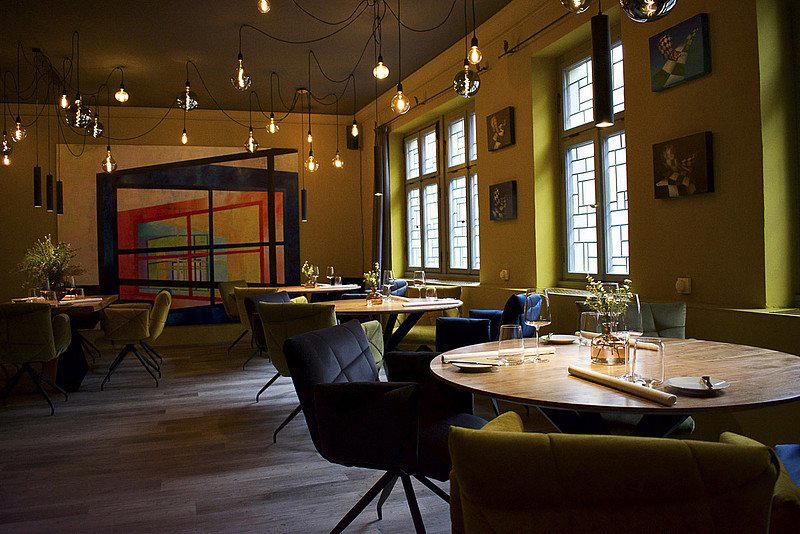
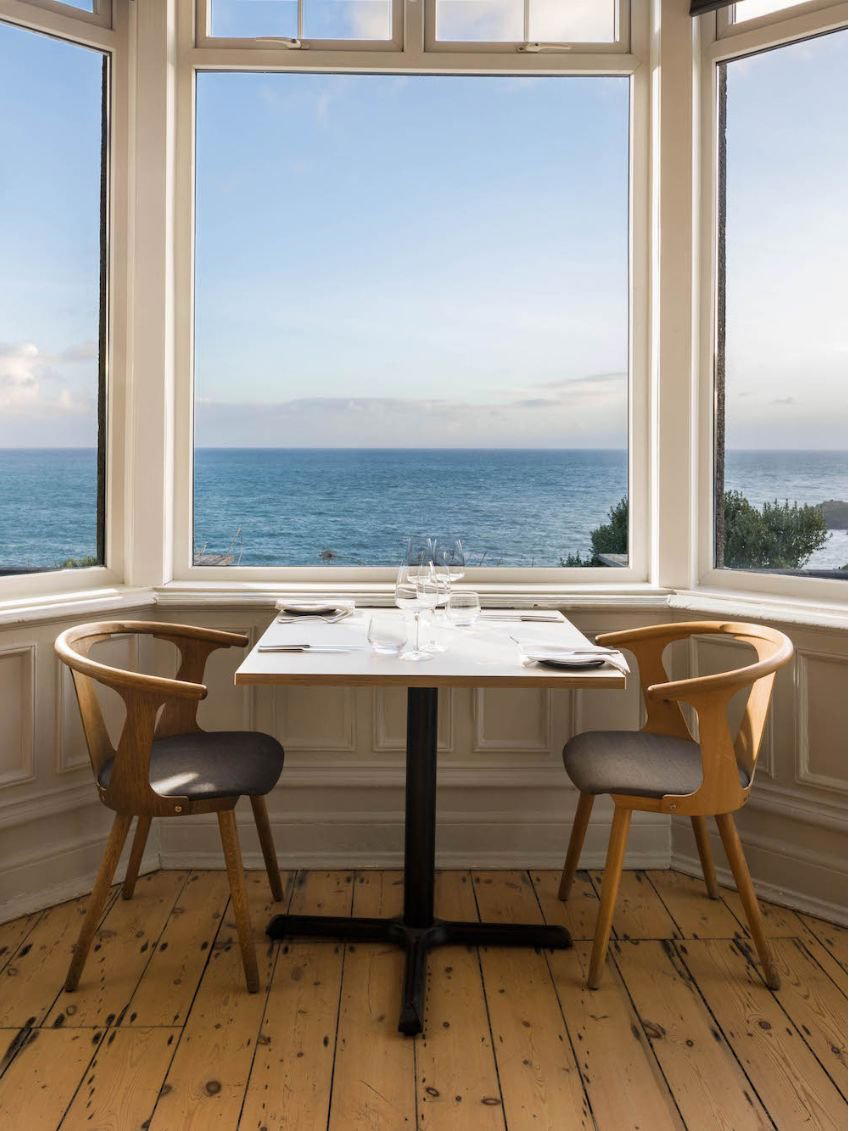
Restaurants in Nordheim am Main
Browse all →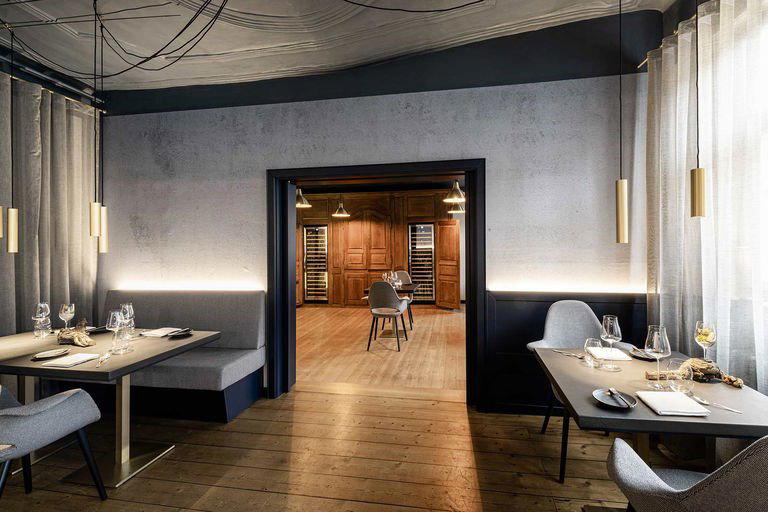
Bars in Nordheim am Main
Browse all →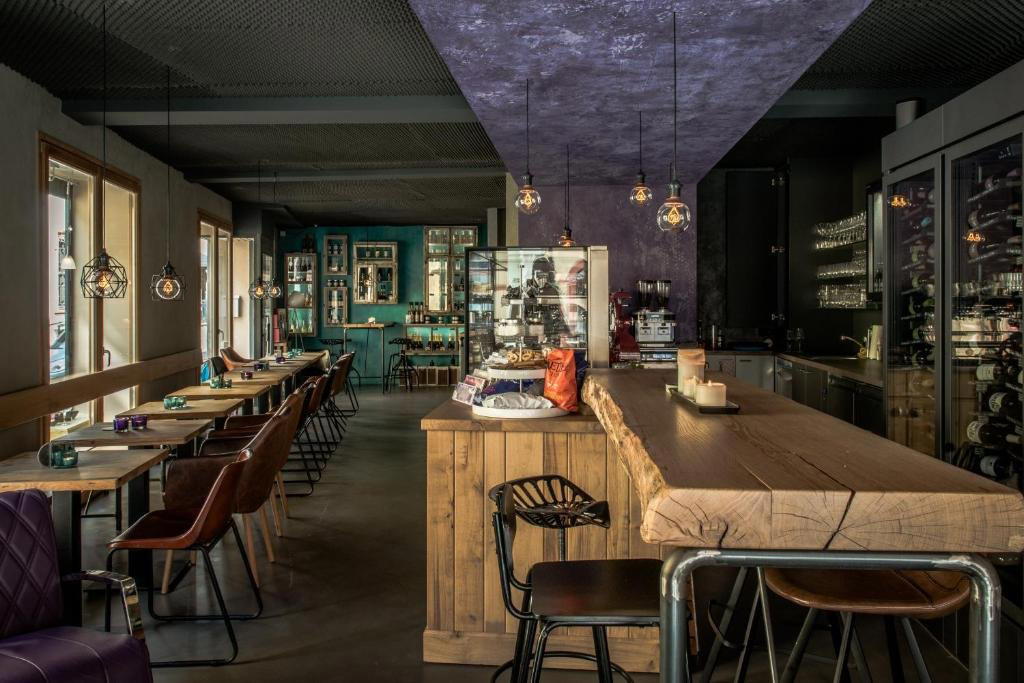
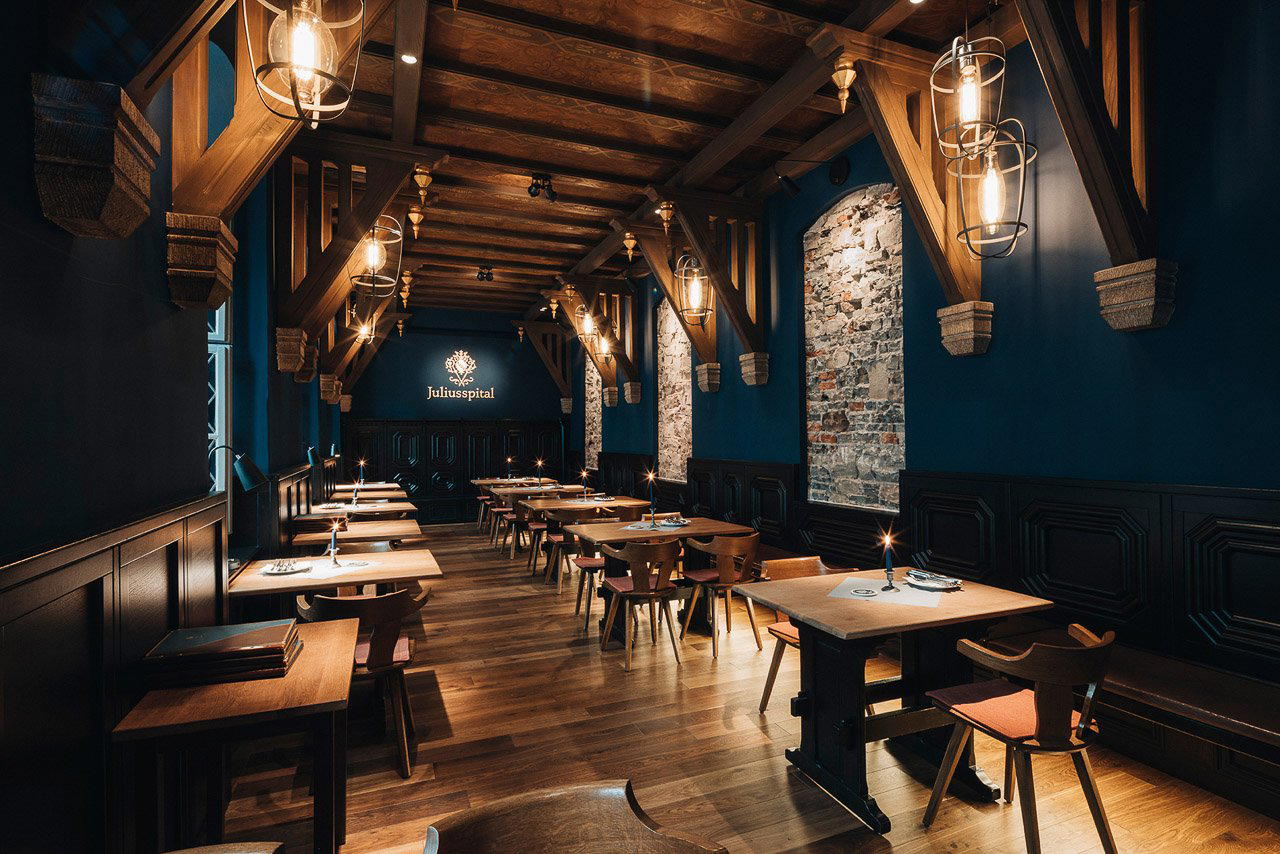
Hotels in Nordheim am Main
Browse all →

At a Glance
- Rustic
- Cozy
- Classic
- Family
- Group Dining
- Casual Hangout
- Terrace
- Historic Building
- Extensive Wine List
- Local Sourcing
Cozy rustic atmosphere with vaulted ceilings, pleasant courtyard terrace in good weather, and classic inn ambiance.