Red Rooster Overtown
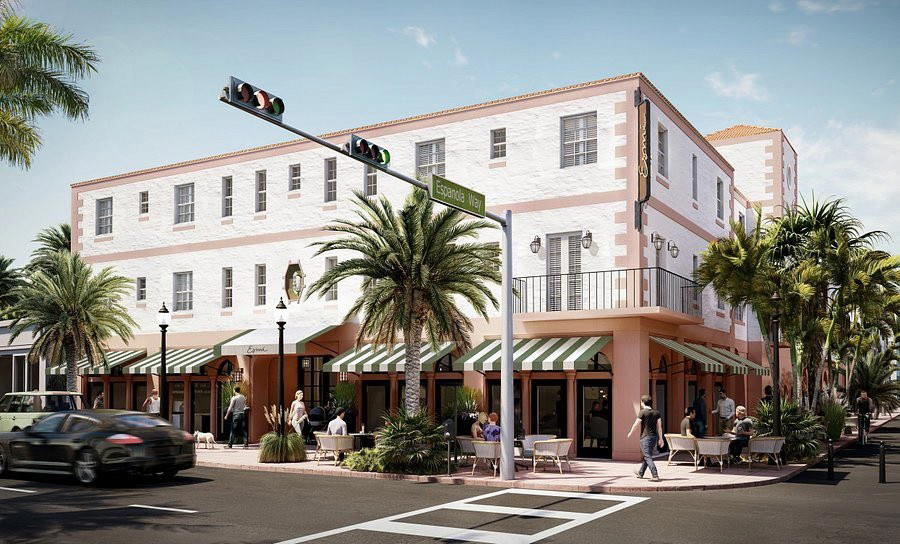
Red Rooster Overtown plants itself in one of Miami's most historically significant neighborhoods, bringing a menu rooted in African-American culinary tradition to a community that shaped American music and culture. The restaurant sits at the intersection of comfort food and cultural memory, drawing both neighborhood regulars and visitors making the deliberate trip north from Brickell and Wynwood.
Pearl is the En Primeur Club membership app — saves, bookings, and concierge access live there. Same editors, same standards.
- Address
- 920 NW 2nd Ave, Miami, FL 33136
- Phone
- +13056409880
- Website
- redroosterovertown.com
- Directions
- Get directions
 Saves & bookings on Pearl
Where Overtown Eats
Overtown did not wait for Miami's dining scene to discover it. Long before Wynwood became a shorthand for the city's creative ambitions, this neighborhood carried its own cultural weight: the Harlem of the South, home to Ella Fitzgerald, Billie Holiday, and Louis Armstrong during segregation-era tours when Miami Beach hotels turned them away. The food at 920 NW 2nd Ave sits inside that history. Red Rooster Overtown is an extension of Marcus Samuelsson's Harlem original, and the choice of location was deliberate. Overtown's story and Harlem's story run parallel, and the restaurant's presence here is an argument about where serious soul food belongs and who it belongs to.
American comfort food in 2024 occupies an interesting position in the broader dining conversation. At one end, the category gets reduced to nostalgia props and oversized portions. At the other, chefs with serious training bring technique and sourcing discipline to fried chicken and collard greens in ways that place those dishes in genuine dialogue with the tasting-menu circuit. Red Rooster sits closer to the latter approach, offering Southern and African-diaspora cooking with a kitchen pedigree that gives the food more structural ambition than a casual exterior might suggest. Samuelsson's James Beard Award background — he has won multiple times across different categories — provides the trust signal that connects this Overtown address to a national conversation about American food.
The Room and Its Register
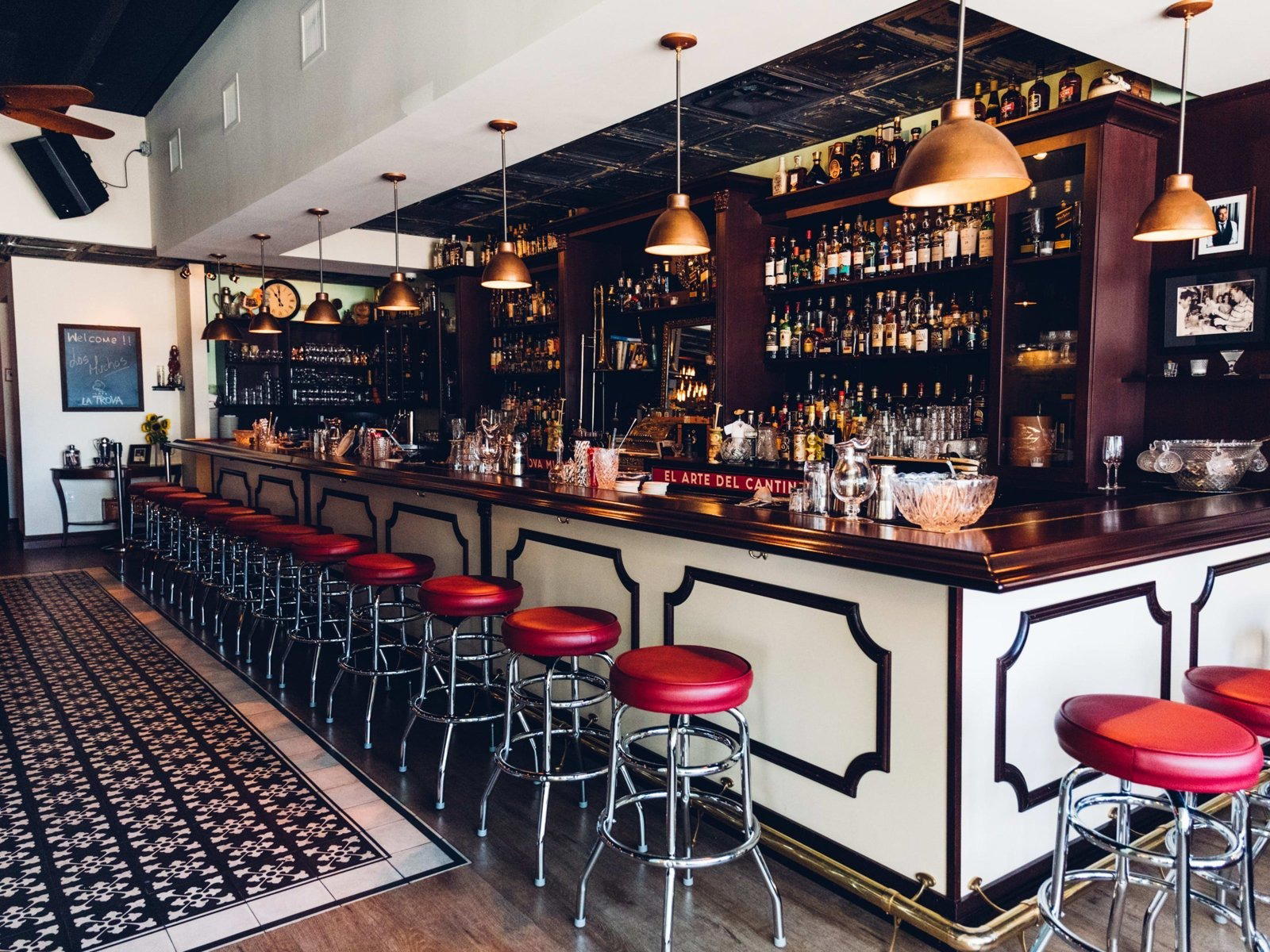
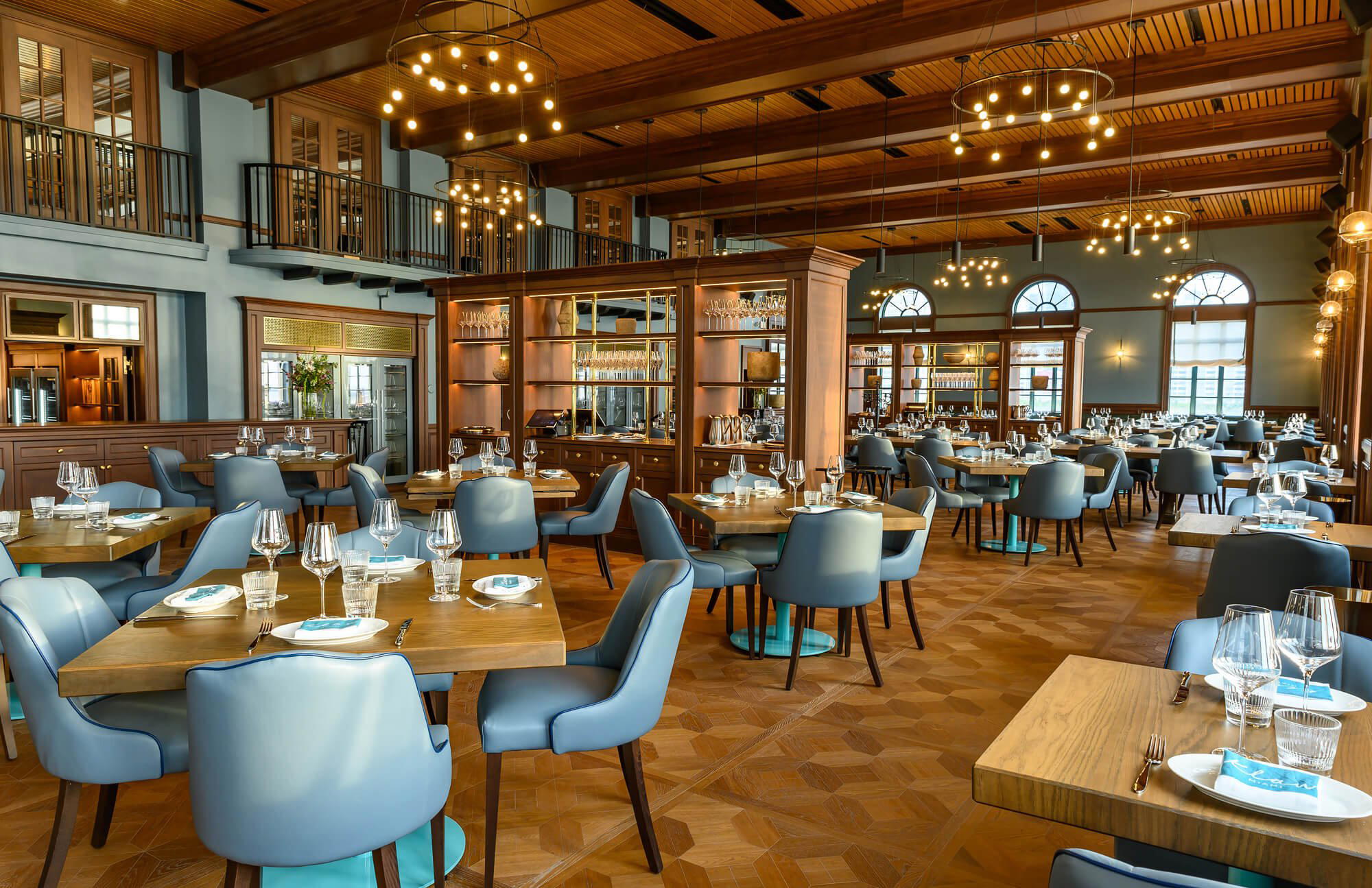
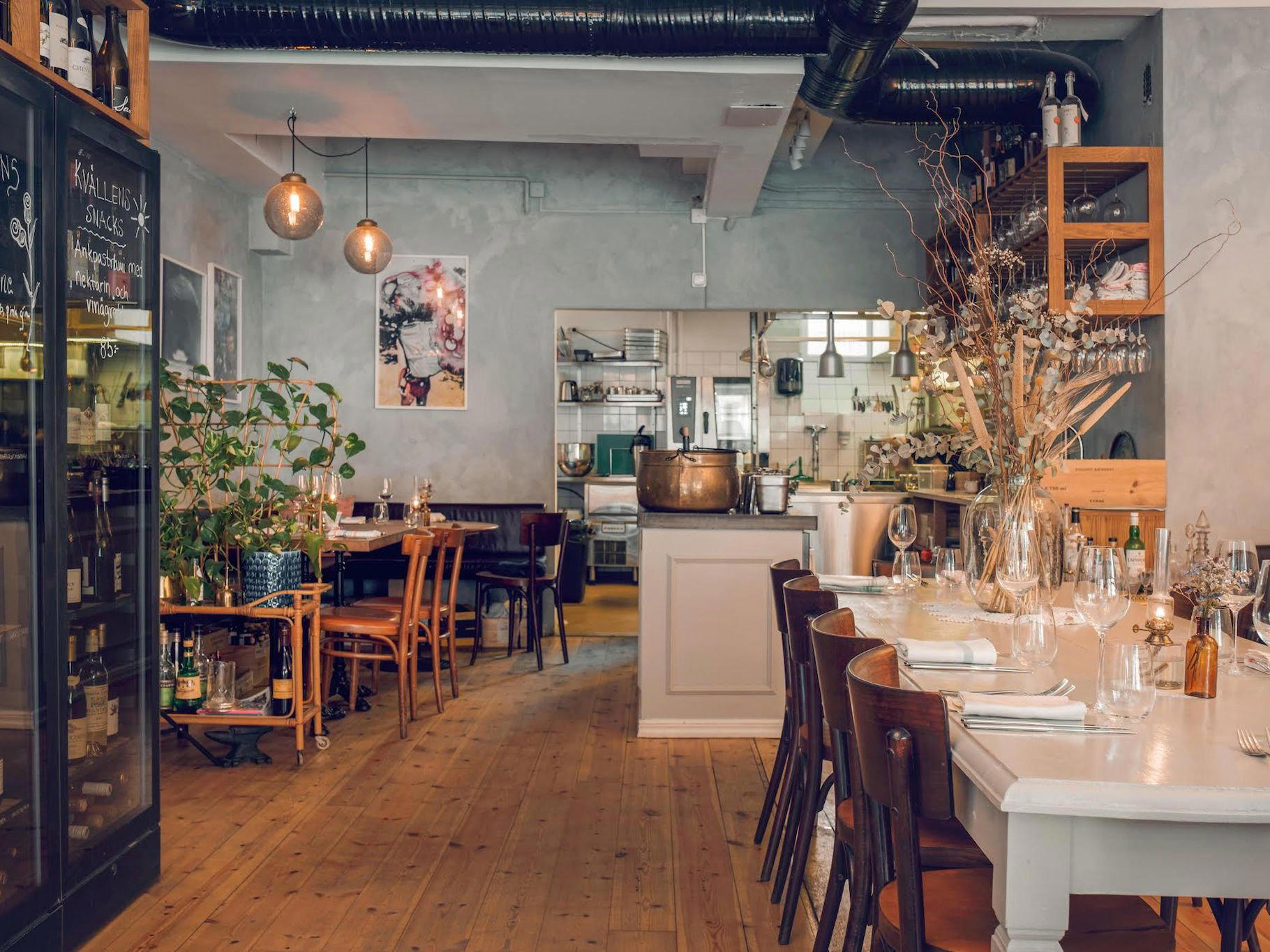
The physical environment at Red Rooster Overtown carries the neighborhood's music history forward rather than decorating around it. Live music programming runs through the week, and on those nights the restaurant operates at a different frequency than standard Miami dining: the sound is not ambient, it is structural. The room was designed to hold performance, not just accommodate it, and that changes how you eat. Conversation competes with the set. You lean in. The meal slows down. For diners conditioned to the controlled acoustics of the higher-end rooms at places like L'Atelier de Joël Robuchon Miami, this register is a deliberate contrast, warmth and volume over precision and quiet.
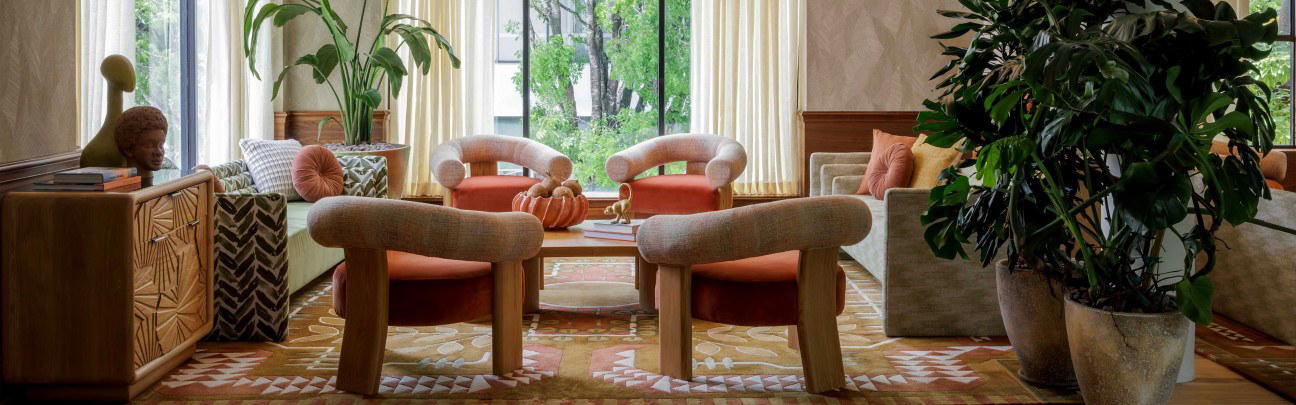
The visual language is community-rooted rather than design-forward. Artwork by local and Black artists lines the walls in a way that reads less like a curated collection and more like an ongoing conversation between the room and the neighborhood outside it. This is not the stripped-back minimalism that characterizes much of Miami's newer dining, nor the tropical maximalism of the beach-adjacent scene. Overtown has its own grammar, and the room respects it.
The Food as Cultural Argument
Southern and African-diaspora cooking has a long, documented relationship with American culinary history that fine dining largely overlooked for decades. The tradition that produced gumbo, fried catfish, and slow-braised greens also shaped the foundational flavor logic of American cuisine, and Red Rooster's menu makes that connection explicit. The dishes draw from a broad African-American culinary lineage, not a single regional tradition, but a composite that reflects movement, migration, and adaptation across generations.
Where Miami's more technically demanding rooms, including Ariete and Boia De, push their respective cuisines toward compression and refinement, Red Rooster operates on a different axis: generosity, legibility, and cultural specificity. The price point sits below the $$$$-tier rooms, making it accessible to a cross-section of diners that the more expensive addresses in Coconut Grove and Brickell do not typically attract. That accessibility is part of the editorial point the restaurant is making about who gets to eat well and where.
Miami's dining scene has expanded considerably across its various neighborhoods, but the pipeline of serious kitchens in historically Black areas has lagged behind the overall growth. Red Rooster in Overtown represents a counterpoint to the pattern that concentrates recognized dining in wealthier zip codes. For a broader view of how Miami's restaurants distribute across neighborhoods and price tiers, the full Miami restaurants guide maps the picture.
Peer Context and the National Frame
Samuelsson's model for Red Rooster has always been community-anchored rather than destination-extraction. The Harlem original earned recognition not only for the food but for how it positioned itself relative to its neighborhood, a distinction that separates it from the pattern of chef-brand restaurants that touch down in underserved areas for the story rather than the long-term relationship. The Overtown outpost carries the same orientation.
In the national frame, restaurants doing serious work with American regional and diaspora traditions include Emeril's in New Orleans, which built its reputation on codifying Southern Louisiana cooking for a wider audience, and Lazy Bear in San Francisco, which approaches American cooking through a communal-table format with a different set of cultural references. The range illustrates how broadly American food can be interpreted when chefs commit to specificity over generic comfort-food positioning. Other rooms doing high-level work in the American tradition include Blue Hill at Stone Barns in Tarrytown, Alinea in Chicago, Single Thread Farm in Healdsburg, The French Laundry in Napa, Addison in San Diego, Providence in Los Angeles, and The Inn at Little Washington, though each operates in a markedly different register from Red Rooster's culturally specific lane. For comparison across Korean-inflected American dining, Cote Miami and Atomix in New York City show how diaspora traditions continue to reshape what American dining means in practice. Latin American perspectives in Miami specifically, including ITAMAE with its Peruvian-Japanese approach, round out the picture of how the city's most interesting kitchens tend to work from a cultural root rather than a generic international playbook. Internationally, rooms like Le Bernardin in New York City and 8½ Otto e Mezzo Bombana in Hong Kong demonstrate the kind of sustained technical authority that earns multi-decade reputations, a different ambition, but a useful benchmark for seriousness.
Know Before You Go
- Address: 920 NW 2nd Ave, Miami, FL 33136
- Neighborhood: Overtown, north of downtown Miami, accessible by car or the free Metromover with a short walk
- Live music: Programming varies by night; check current schedules before visiting if the musical component matters to your experience
- Booking: Reservations are advisable, particularly on nights with live music programming when the room fills faster
- Price tier: Moderate by Miami standards, positioned below the $$$$-tier Brickell and Design District rooms
- Dietary needs: Contact the restaurant directly for allergy and dietary accommodation details, as menu composition and preparation methods can change seasonally
How Red Rooster Overtown Miami compares with similar nearby venues.
| Venue | Cuisine | Price |
|---|---|---|
| 11th Street Pizza | Pizzeria | Not listed |
| Fooq’s | Persian / steakhouse fusion | Not listed |
| Brasserie Laurel | French | $$$$ |
Continue exploring
More in Miami
Restaurants in Miami
Browse all →
At a Glance
- Well Known
- Lively
- Elegant
- Energetic
- Group Dining
- Celebration
- Casual Hangout
- Brunch
- Special Occasion
- Historic Building
- Live Music
- Private Dining
- Open Kitchen
- Craft Cocktails
- Local Sourcing
- Farm To Table
Current opening hours
- Monday
- Closed
- Tuesday
- Closed
- Wednesday
- 5–9:30 PM
- Thursday
- 5–9:30 PM
- Friday
- 5–11 PM
- Saturday
- 11 AM–4 PM, 5–11 PM
- Sunday
- 11 AM–4 PM, 5–9:30 PM
Hours can change for holidays and private events. Last verified .
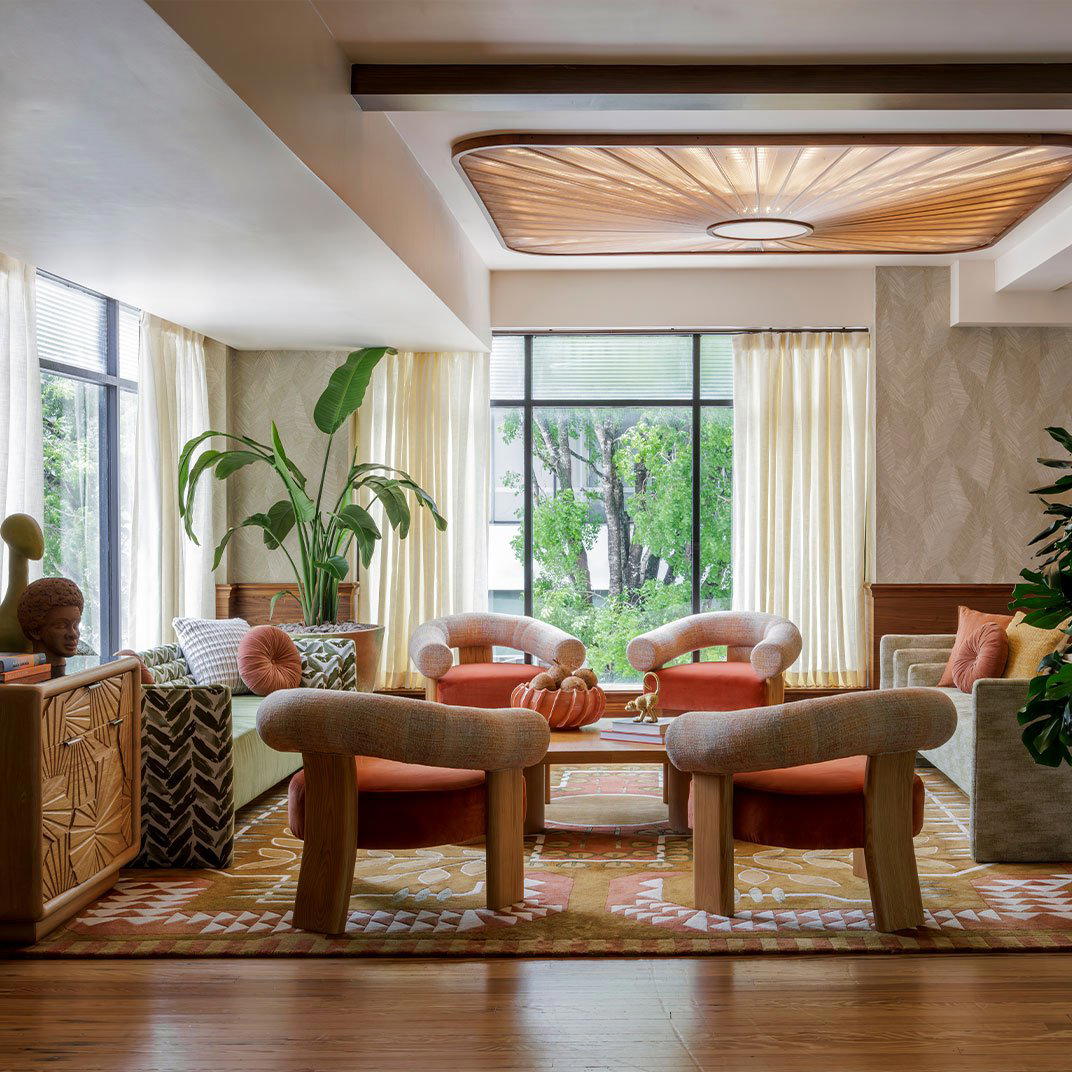
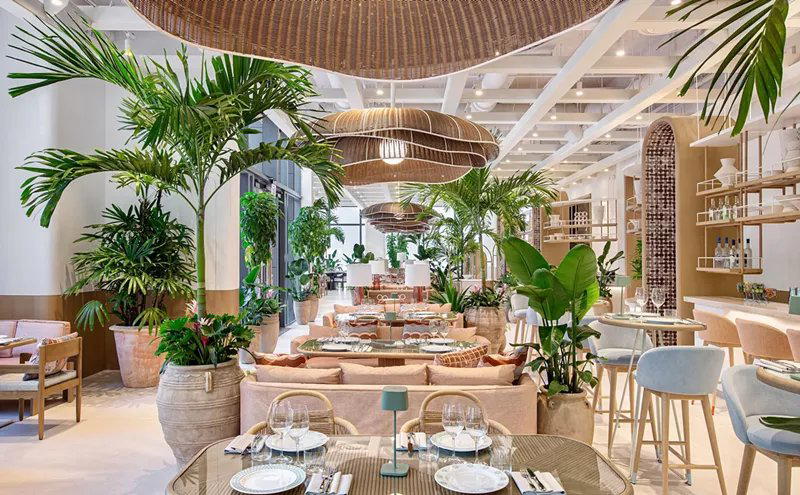
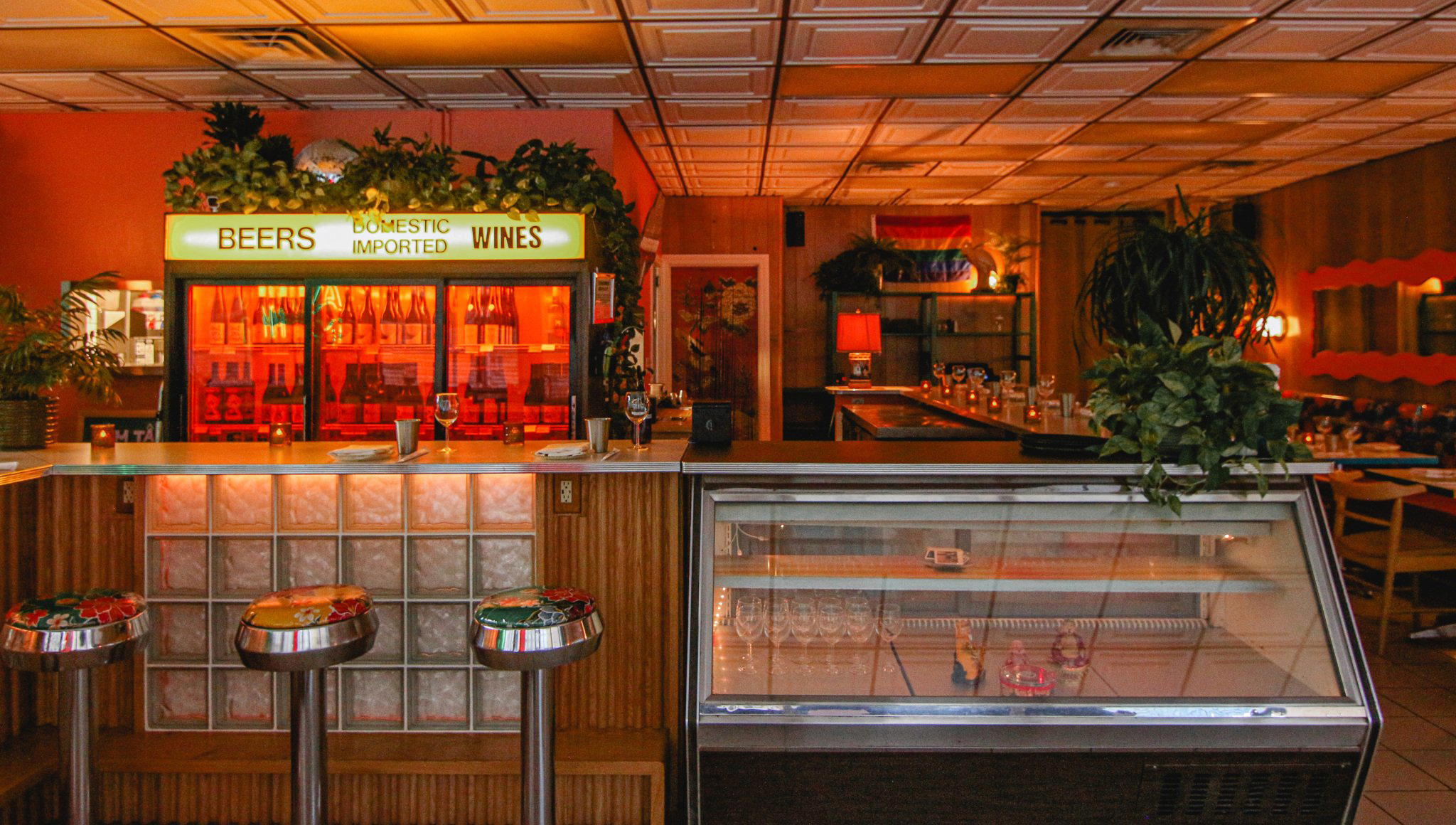
Rich colors, vintage details, and lush tropical accents create a swanky atmosphere honoring the building's well-known past; weekend brunch features 80s and 90s DJ vibes.
Know Before You Go
- Getting there
- 920 NW 2nd Ave, Miami, FL 33136