Greenstreet Cafe
A Coconut Grove fixture on Main Highway, Greenstreet Cafe occupies the kind of shaded, open-air position that Miami's more performative dining rooms spend millions trying to replicate. The kitchen leans toward ingredient-forward cooking in a neighbourhood that has long rewarded casual authority over spectacle. For visitors orienting themselves in Grove, it serves as a useful first reference point for the area's dining character.
Pearl is the En Primeur Club membership app — saves, bookings, and concierge access live there. Same editors, same standards.
- Address
- 3468 Main Hwy, Miami, FL 33133
- Phone
- (305) 444-0244
- Website
- greenstreetcafe.net
- Directions
- Get directions
 Saves & bookings on Pearl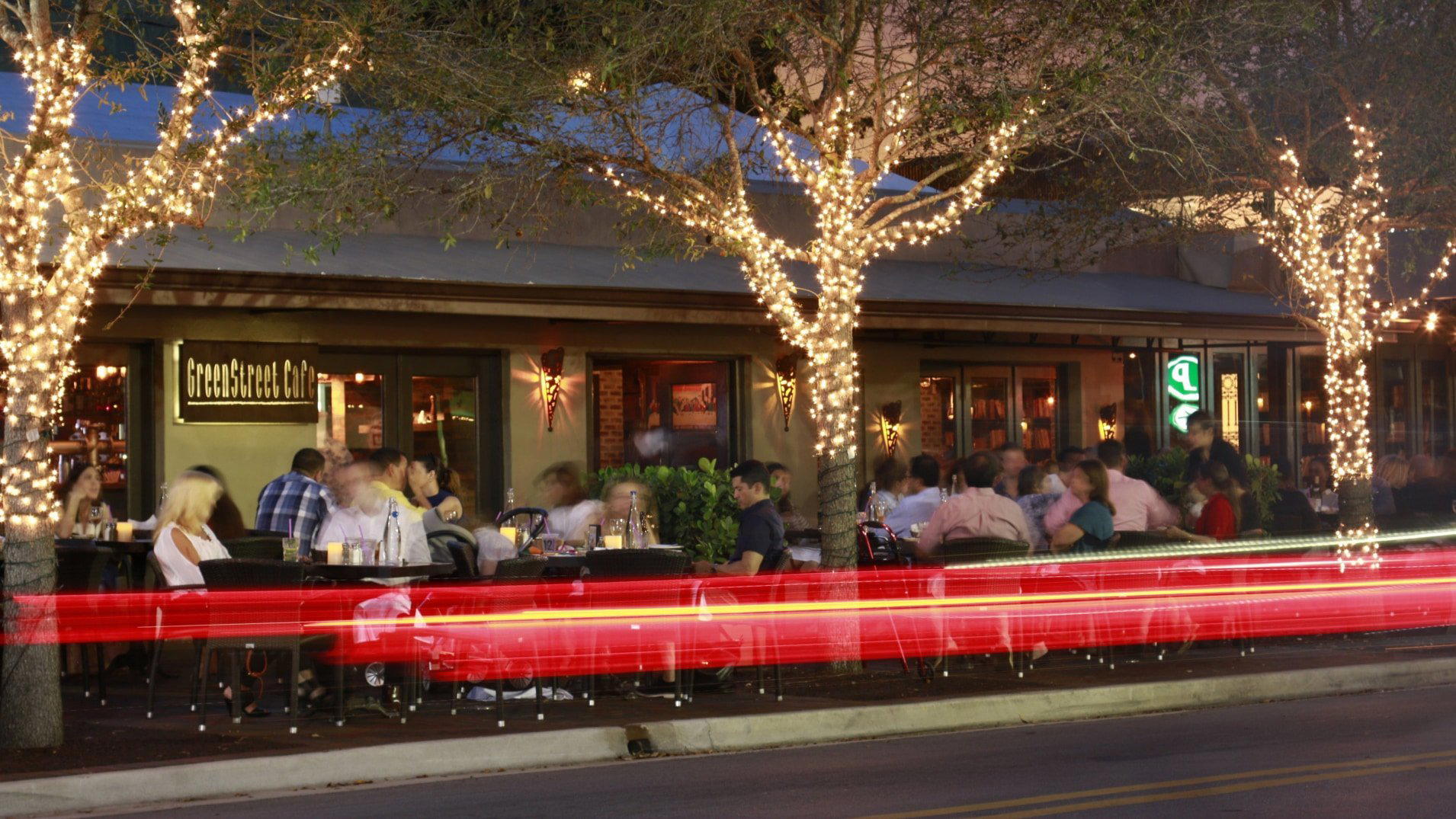
Coconut Grove and the Case for Staying Put
Miami's dining conversation gravitates toward Brickell, Wynwood, and the Design District, where new openings cycle through faster than leases allow roots to form. Coconut Grove operates differently. The neighbourhood's tree-canopy streets and walkable blocks around Main Highway have produced a cluster of restaurants that trade on consistency rather than novelty, and Greenstreet Cafe at 3468 Main Hwy sits at the centre of that pattern. Arriving on foot from the Peacock Park side, the open-air terrace reads immediately as a place that has absorbed the rhythms of the neighbourhood rather than imposed a concept on top of them. That kind of environmental fit is harder to manufacture than a tasting menu.
For context on where Coconut Grove sits within Miami's broader dining map, the full Miami restaurants guide covers the city's key neighbourhoods and price tiers in detail. Grove occupies a mid-register position: less transactional than South Beach, less destination-driven than the Design District, and more suited to the kind of meal you return to rather than photograph once.
The Sourcing Logic Behind Grove's Casual Authority
Florida's agricultural position is frequently underestimated by visitors who associate the state primarily with theme parks and beaches. The southern tip of the peninsula, however, sits within reach of some of the country's most productive year-round growing conditions. Homestead, roughly 35 miles southwest of Coconut Grove, supplies much of Miami's restaurant-quality produce through a network of small farms that operate outside the main commodity chains. Tropical fruits, heritage tomatoes, and greens that would require greenhouse production in northern states arrive in Miami kitchens at the peak of their natural cycle.
Venues in Coconut Grove that commit to sourcing locally operate within that agricultural proximity in a way that more glamorous Miami zip codes don't always use structurally. The editorial point is broader than any single café: when a kitchen in this neighbourhood draws on South Florida's growing season rather than importing standardised produce through national distribution, the gap between a casual open-air lunch and a formal dining room narrows considerably. The plate's integrity comes from the supply chain first, the stove second.
This is the sourcing logic that distinguishes ingredient-forward cooking from technique-forward cooking. Restaurants like Single Thread Farm in Healdsburg and Blue Hill at Stone Barns in Tarrytown have made farm-to-table provenance the structural core of their identity and price point. At the other end of the formality register, Grove's casual venues apply the same geographic logic without the orchestration — and the seasonal output of South Florida makes that possible in a way that few American cities can match year-round.
Where Greenstreet Sits in Miami's Mid-Register
Miami's restaurant market has bifurcated sharply since 2018. At the upper tier, formally structured tasting menus and chef-driven concept restaurants have multiplied: Ariete in Grove itself holds a position in the contemporary American bracket, while Boia De on the NE 2nd Avenue corridor has built a reputation for Italian-leaning small plates that punches well above its physical size. Cote Miami operates in the Korean steakhouse tier with a price point and format that signals destination dining. And further up the formality ladder, L'Atelier de Joël Robuchon Miami represents the city's most expensive counter-format French offer.
Greenstreet Cafe occupies a different register entirely. It belongs to the category of neighbourhood anchors that the upper tier depends on for context: the everyday dining room that defines a neighbourhood's character more accurately than its most celebrated restaurant. In cities where this middle register has been hollowed out by rising rents, the loss is felt disproportionately by residents. In Coconut Grove, the survival of that middle register along Main Highway is part of what keeps the neighbourhood's dining identity coherent.
For comparison across American cities, similar mid-register anchors have shaped dining cultures in ways that proved more durable than the tasting menu moment. Emeril's in New Orleans built its reputation on accessible authority; Providence in Los Angeles occupies a formal seafood position that depends on ingredient sourcing from California and Pacific waters in the same way South Florida venues depend on Homestead. The through-line is geographic honesty about what grows or swims nearby.
Peruvian Influence and Miami's Broader Latin Dining Conversation
Miami's Latin dining identity is plural rather than monolithic. Cuban cuisine anchors the city's foundational food culture, but the contemporary dining scene has absorbed Peruvian, Colombian, Venezuelan, and Argentinian traditions in ways that produce genuinely hybrid results. ITAMAE represents the Peruvian-Japanese Nikkei tradition operating at a formal level, while Argentine wood-fire cooking has found an audience at the upper tier. This diversity sets Miami apart from cities where a single Latin tradition dominates the casual dining tier.
Coconut Grove's position within that conversation is as a neighbourhood that absorbs Latin influence at the casual register without being defined by any single tradition. An open-air café on Main Highway draws from a dining public that understands ceviche, plantains, and tropical citrus as everyday references rather than exotic menu items. That culinary familiarity raises the baseline expectation for ingredient quality, which in turn rewards kitchens that source well.
Planning a Visit
Coconut Grove is accessible from Downtown Miami via the Miami Metrorail's Coconut Grove station, which deposits visitors within a short walk of the Main Highway strip. For drivers, parking along the side streets off Grand Avenue tends to be more reliable than the main commercial lots on weekday mornings. The neighbourhood's open-air dining format means weather matters more here than in fully enclosed restaurants: South Florida's afternoon storms between June and September can interrupt terrace service without notice, making morning or early-lunch timing the most reliable window during summer months. For visitors building a broader Miami itinerary, pairing a Coconut Grove morning with an evening reservation at one of the city's more formally structured rooms, whether Ariete nearby or a destination like Lazy Bear in San Francisco style of committed tasting format, creates a useful contrast in register. Specific booking requirements, current hours, and contact details for Greenstreet Cafe are best confirmed directly through current local listings, as operational details are subject to change.
How Greenstreet Cafe Miami compares with similar nearby venues.
| Venue | Cuisine | Price |
|---|---|---|
| Chug's Diner | Cuban | $$ |
| Krüs Kitchen | Contemporary | $$$ |
| Los Félix | Mexican | $$$ |
At a Glance
- Lively
- Trendy
- Well Known
- Brunch
- Casual Hangout
- Group Dining
- Terrace
- Craft Cocktails
- Street Scene
Current opening hours
- Monday
- 7 AM–12 AM
- Tuesday
- 7 AM–12 AM
- Wednesday
- 7 AM–12 AM
- Thursday
- 7 AM–12 AM
- Friday
- 7 AM–2 AM
- Saturday
- 7 AM–2 AM
- Sunday
- 7 AM–12 AM
Hours can change for holidays and private events. Last verified .
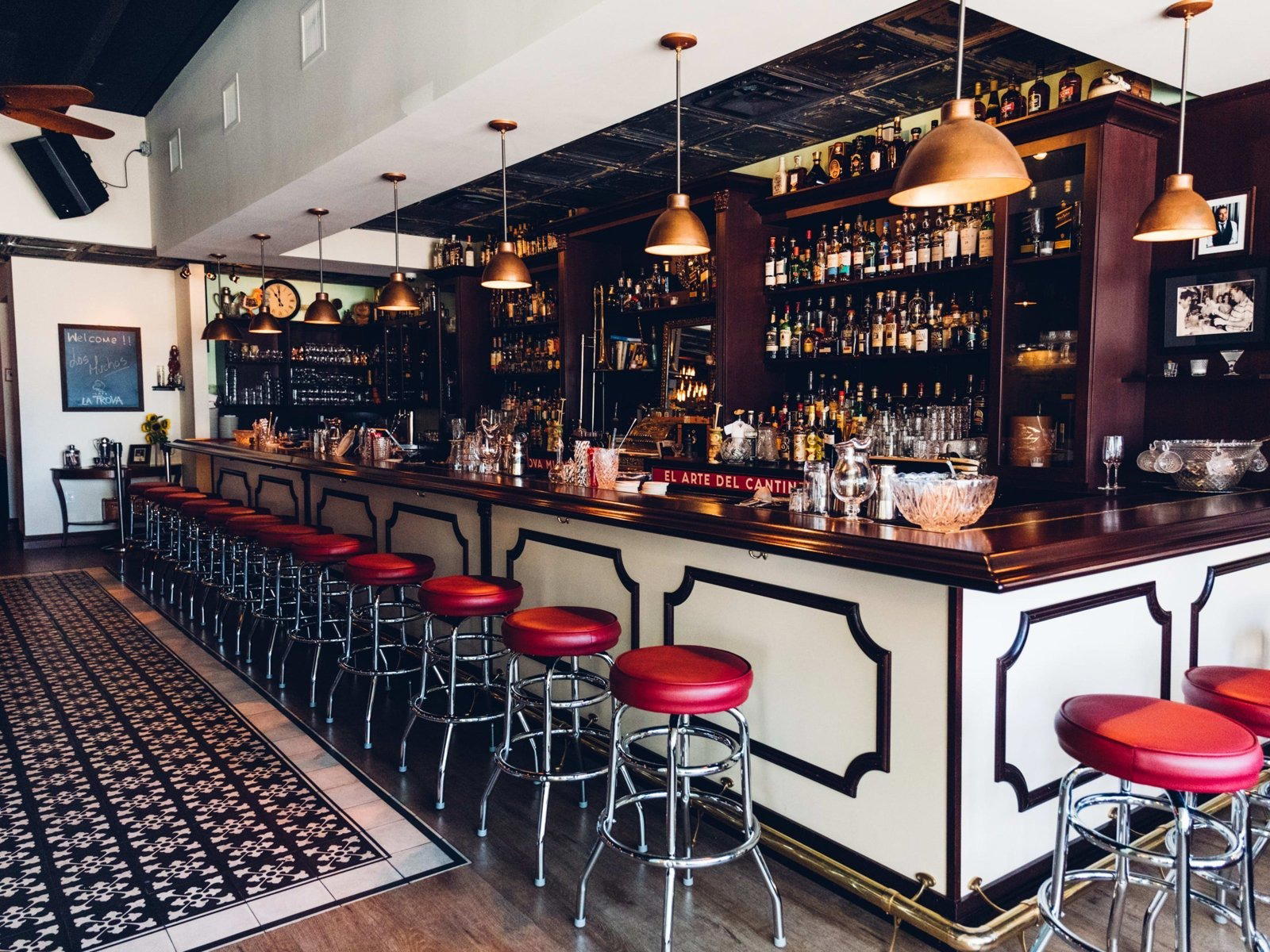
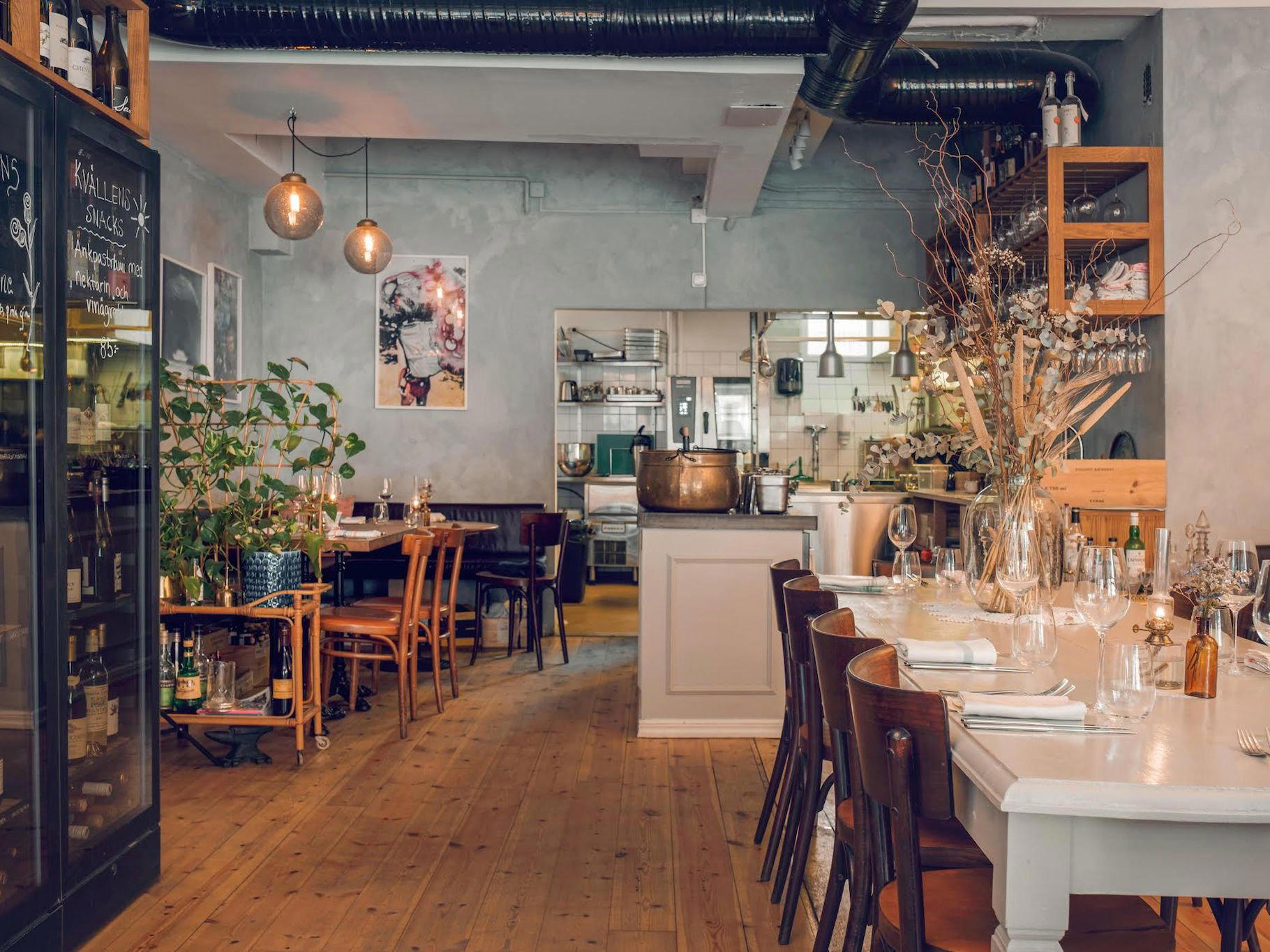
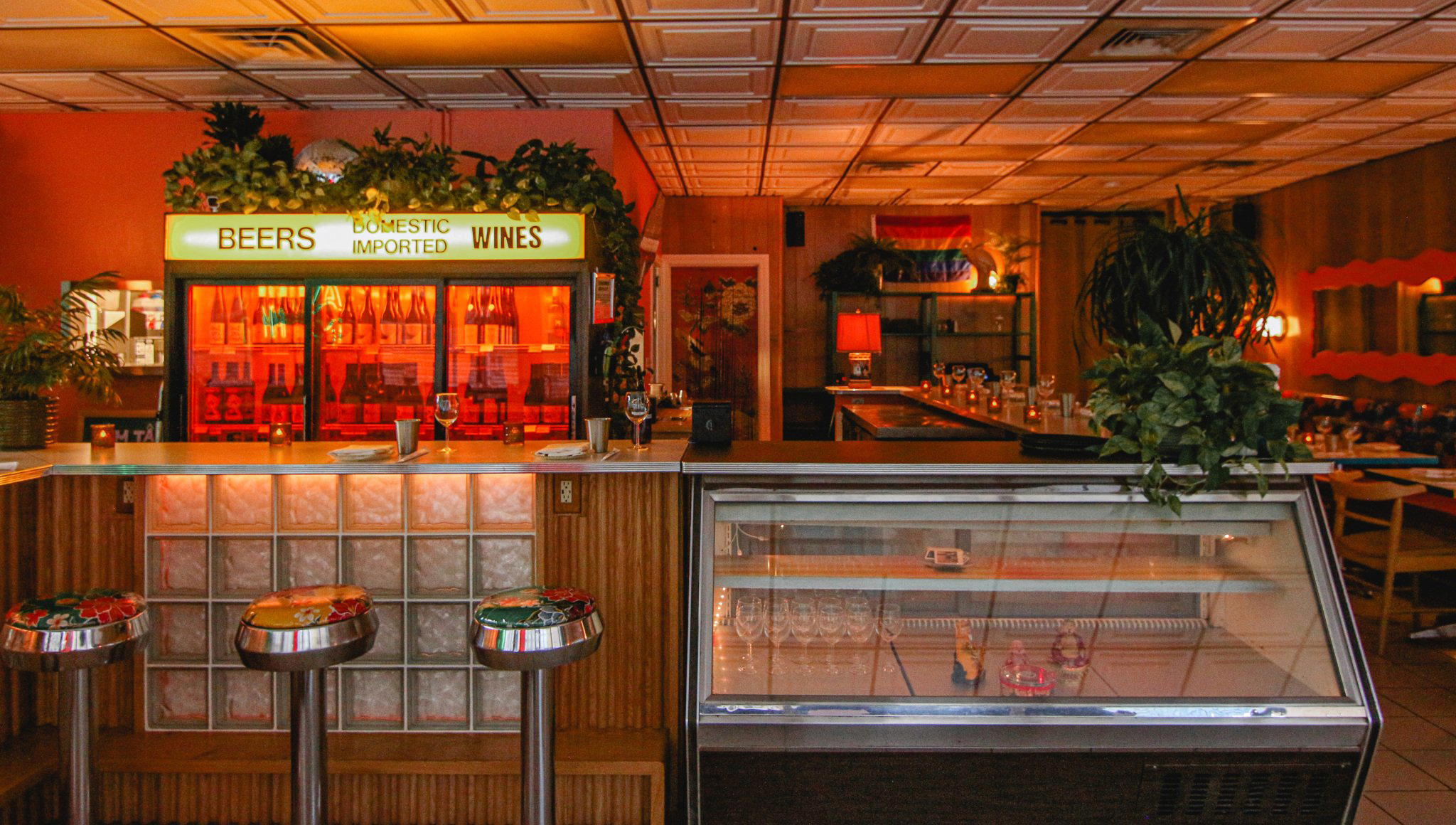
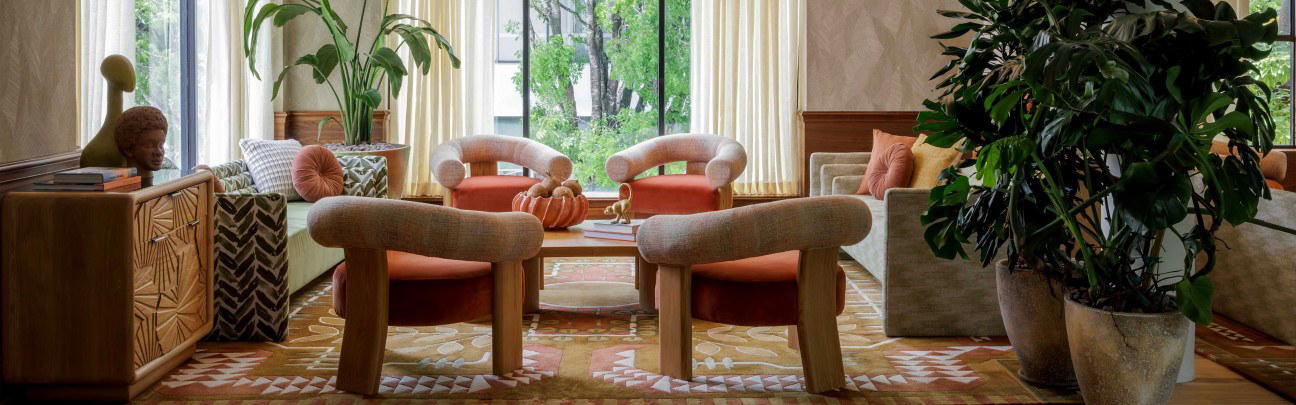
Lively and lively terrace atmosphere with shaded outdoor seating, umbrellas, and plush velvet couches well-suited for casual people-watching.
Know Before You Go
- Getting there
- 3468 Main Hwy, Miami, FL 33133