OTL
Our verdict
OTL occupies a quietly noted address at 160 NE 40th St in Miami's Design District, a neighbourhood that has become a reliable proving ground for the city's more considered dining concepts.

The menu
What to order
- Egg & Cheese Sandwich
- Avocado Toast
- Bagel & Lox
The Design District and the Art of Operating Quietly
Miami's Design District has spent the better part of the last decade resolving its identity. The stretch of NE 40th Street that runs between the luxury retail corridor and the more porous edges of Wynwood is where that resolution gets tested most visibly. The neighbourhood's dining scene now splits between two recognisable modes: the high-visibility flagship anchored by a celebrity name or a major group, and the smaller room that builds its following through repetition rather than launch momentum. OTL, at 160 NE 40th St, sits in that second category, a venue whose profile stays narrow by design and whose clientele tends to arrive through channels that don't start with a press release.
This pattern is not unusual for the Design District's more durable establishments. The addresses that compound over time in this part of Miami are rarely the ones that opened loudest. They are the ones that gave regulars a reason to return on a Tuesday, then a Wednesday, then whenever the need arose. The neighbourhood's proximity to residential Edgewater and the Buena Vista pocket means that the repeat-visit infrastructure is already present; the question is whether a room earns its place in someone's rotation, and that question gets answered in the first few months of operation or not at all.
What the Regulars Know
The guest profile that gravitates toward a venue like OTL is, broadly, the one that has already cycled through the more publicised tier of Miami dining and arrived at something quieter. Miami's restaurant press tends to concentrate attention on a recognisable circuit: the omakase format at ITAMAE, the classical French execution at L'Atelier de Joël Robuchon Miami, the neighbourhood-anchored cooking at Ariete, the Italian precision of Boia De, or the theatrical service format at Cote Miami. That circuit has its own logic and its own rewards. But the diner who has covered that ground and is now looking for something that functions outside the publicity cycle tends to develop a different kind of loyalty, one built around the specifics of a room, a rhythm, and a consistency that doesn't depend on a Michelin announcement to stay calibrated.
Regulars at venues that occupy OTL's register tend to share a few behavioural patterns. They book in advance but not under duress. They know which nights the room runs at full capacity and which nights allow for a more considered pace. They have a working relationship with the floor that goes beyond the transactional, the kind of familiarity where the conversation about the menu is already half-finished before it begins. This is the unwritten contract of the repeat-visit room, and it is something that the Design District's quieter addresses have become reasonably good at honouring.
Placing OTL in Miami's Broader Dining Context
Miami's premium dining tier has expanded considerably over the past five years. The city now sustains concepts that would previously have required a New York or Los Angeles address to find their audience. That expansion has created room for venues to occupy more specific niches, and the Design District has absorbed a meaningful share of the city's more format-conscious rooms. For reference, the kind of cooking discipline and service precision that defines the upper bracket of American fine dining, represented elsewhere by rooms like Le Bernardin in New York City, The French Laundry in Napa, Providence in Los Angeles, or Smyth in Chicago, is increasingly finding Miami-specific expression in rooms that don't yet carry that level of institutional recognition but are building toward a comparable standard of intent.
Venues like Lazy Bear in San Francisco, Single Thread Farm in Healdsburg, Blue Hill at Stone Barns in Tarrytown, Addison in San Diego, Atomix in New York City, Emeril's in New Orleans, The Inn at Little Washington, and Atelier Moessmer Norbert Niederkofler in Brunico illustrate how the most durable dining concepts in this category tend to accumulate their reputations through years of consistent execution rather than opening-week momentum. OTL's Design District address places it in a neighbourhood with the infrastructure to support that kind of long-game approach, assuming the execution holds.
Planning a Visit
The address, 160 NE 40th St, is in the heart of the Design District, accessible by car with street parking available on surrounding blocks and a handful of paid structures within a short walk. The neighbourhood is most navigable on foot once you're parked, and the concentration of dining options on and around 40th Street means that a visit to OTL fits naturally into an evening that might begin or end elsewhere in the district. That, in itself, is a signal worth reading.
Frequently asked questions
What is the atmosphere like at OTL?
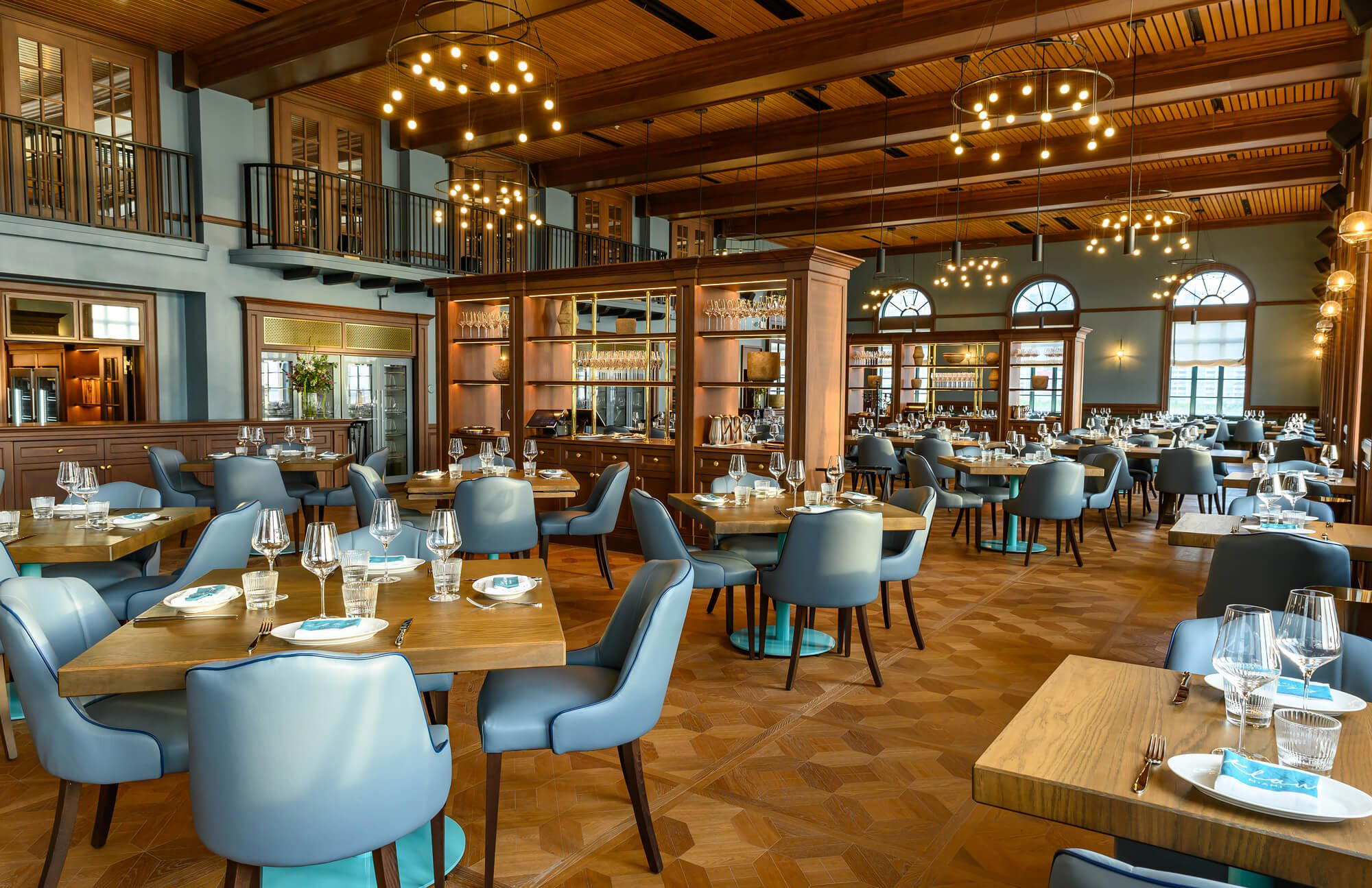
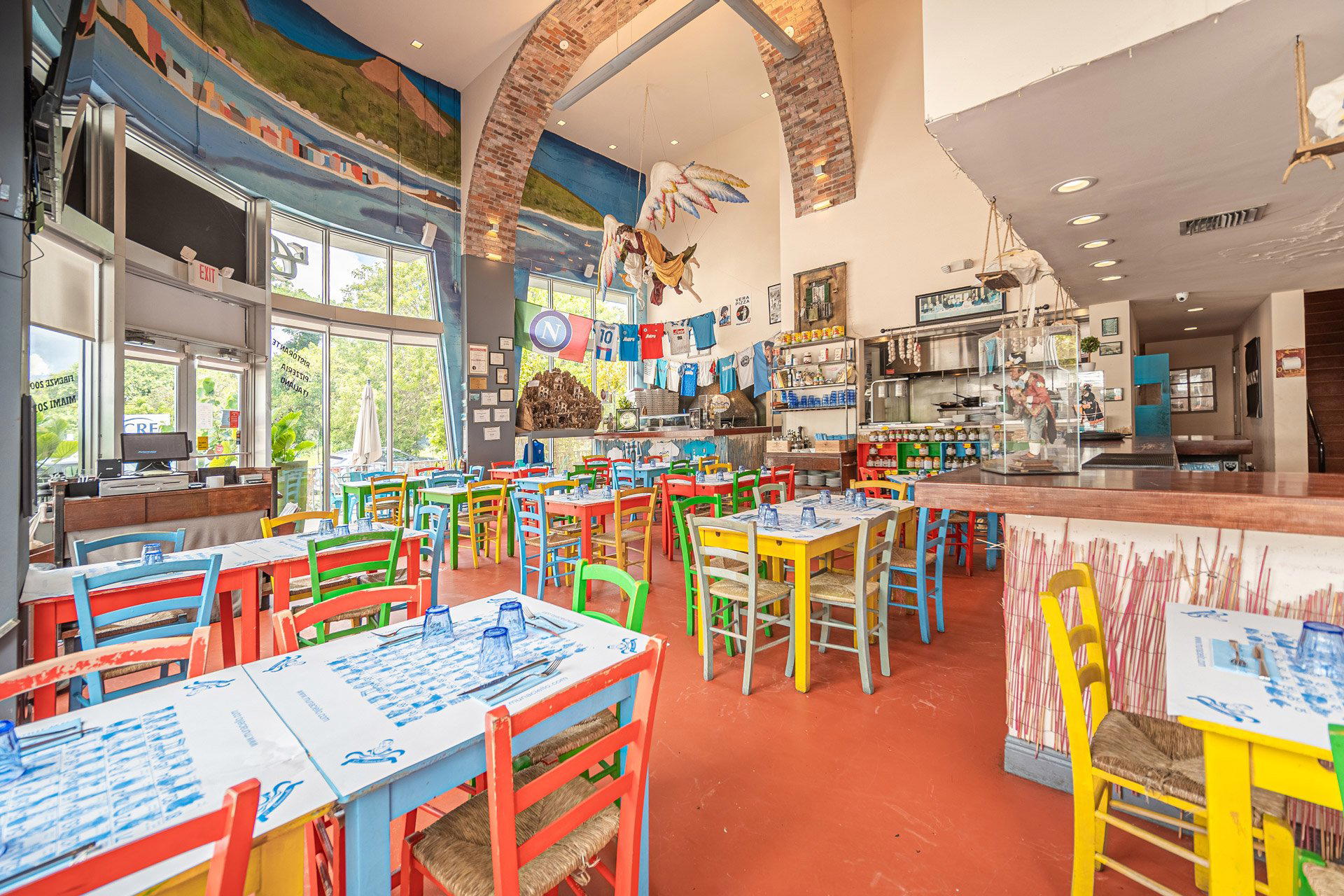
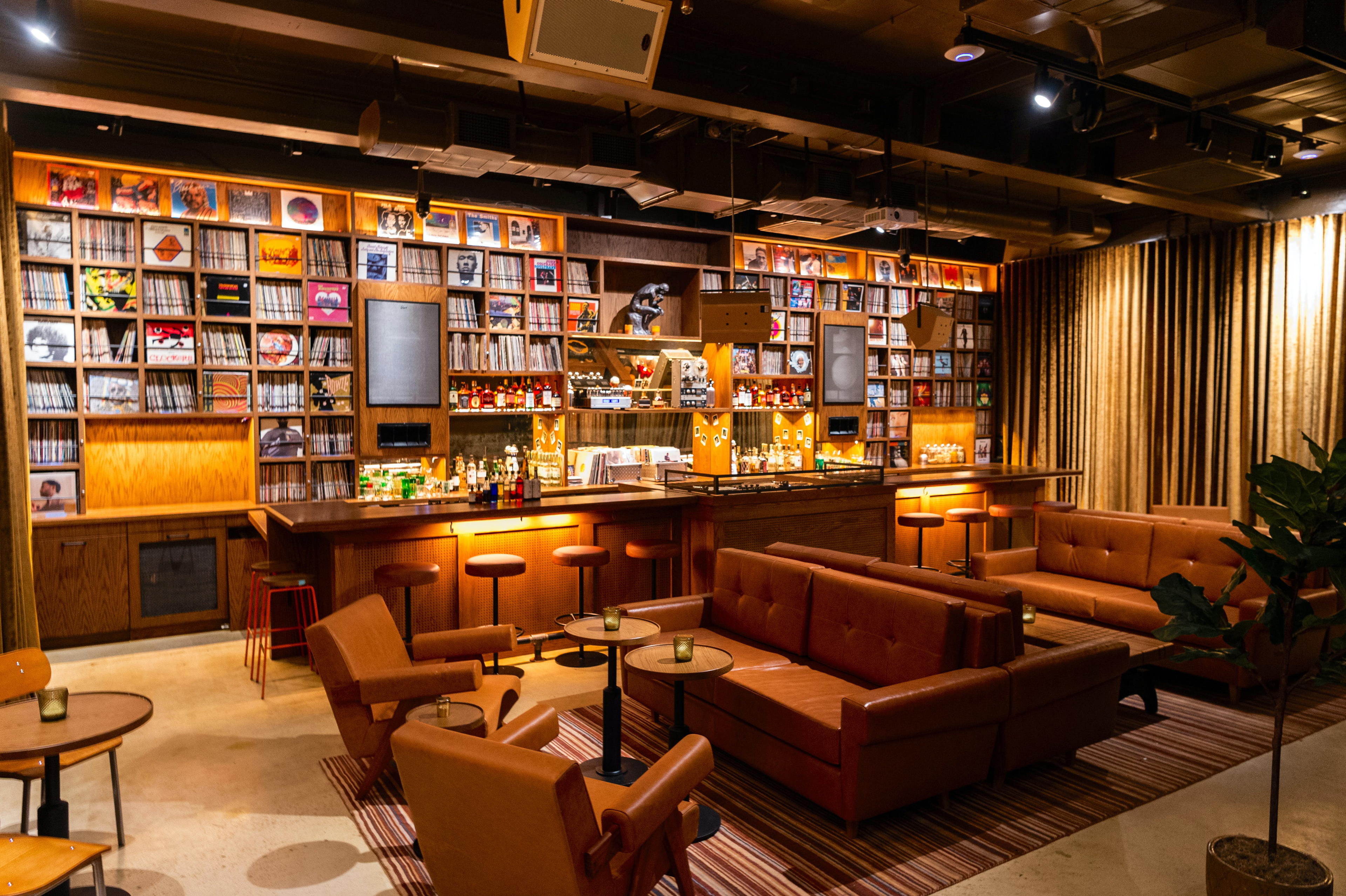
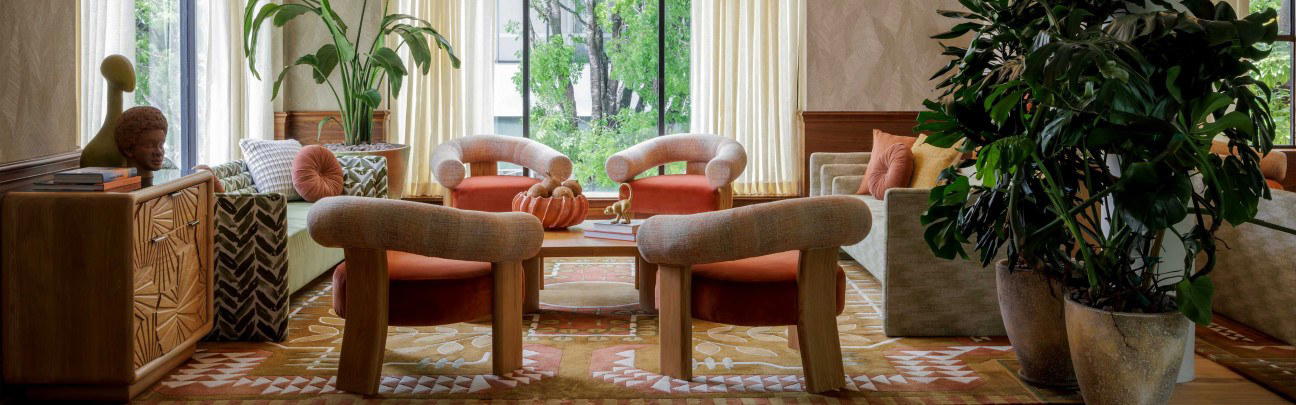
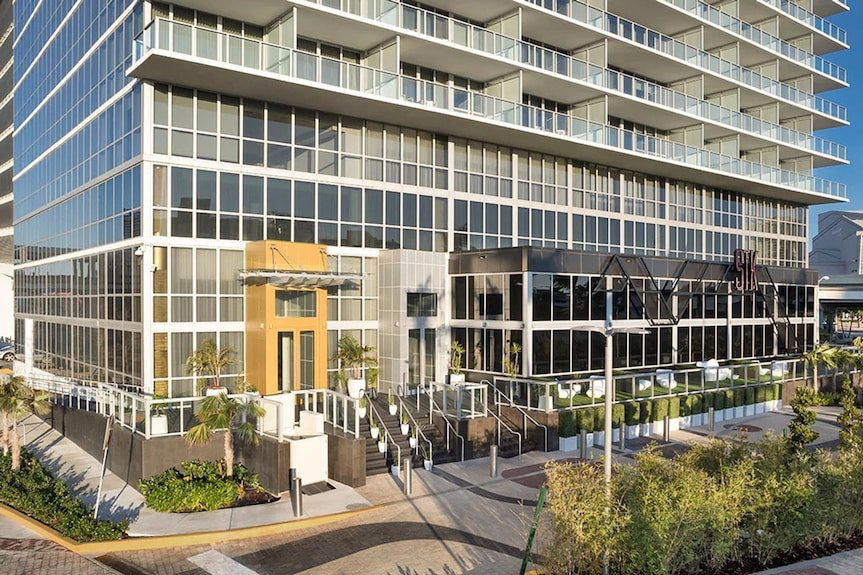
OTL operates within Miami's Design District, a neighbourhood that has spent years calibrating the line between gallery seriousness and restaurant energy. The room draws a guest profile that prefers deliberate restraint over performance, closer in register to the quieter end of NE 40th Street than to the more publicised dining corridors of Brickell or Wynwood. Expect a setting oriented around conversation rather than spectacle.
Where is OTL in Miami?
OTL is located at 160 NE 40th St, Miami, FL 33137, Miami.
Is OTL in Miami's Design District worth visiting if I'm coming specifically for the neighbourhood's galleries and retail?
OTL's address at 160 NE 40th St places it directly inside the Design District's core, making it a practical anchor for a day that already includes the neighbourhood's gallery programming or retail. Miami's Design District has built a dining tier that functions independently of its art-world foot traffic, OTL draws regulars who are not necessarily there for the galleries, which is a reasonable indicator of the restaurant holding its own on the plate rather than on location alone.
How far ahead should I plan for OTL?
OTL sits in Miami's Design District, where demand among a loyal, repeat-visit guest base can compress availability at tighter venues faster than their public profile would suggest.
What's the signature at OTL?
OTL's defining characteristic, based on its position in Miami's Design District, is deliberate restraint, an operating posture that privileges a returning guest base over broader visibility. That approach separates it from the more aggressively publicised tier of Miami dining, particularly along corridors like Brickell and the Upper East Side.
What It’s Closest To
A quick peer reference to anchor this venue in its category.
| Venue | Cuisine | Price | Awards | Notes |
|---|---|---|---|---|
| OTLThis venue (the venue you are viewing) | Modern American Café | Not listed | Not listed | Not listed |
| Cote Miami | Modern Korean Steakhouse with Table-Side BBQ | $150–200 | 1 Michelin Star · La Liste Top Restaurants | Korean Steakhouse, Korean |
| Ariete | Modern Cuban-American Fine Dining | $150–200 | 1 Michelin Star · Star Wine List | Modern American, Contemporary |
| Boia De | Modern Italian-Inspired | $50–100 | 1 Michelin Star · Star Wine List | Italian, Contemporary |
| Stubborn Seed | Modern American Fine Dining | $200–300 | 1 Michelin Star | Progressive American, Contemporary |
| Los Fuegos by Francis Mallmann | Argentinian Open-Fire Asado Steakhouse | $200–300 | Michelin Plate · Forbes 4-Star | Argentinian |
OTL
Featured Guides
Continue exploring
More in Miami
Restaurants in Miami
All restaurants in Miami →
Bars in Miami
All bars in Miami →
Details
- Modern
- Trendy
- Minimalist
- Brunch
- Casual Hangout
- Design Destination
- A La Carte
- Vegetarian Friendly
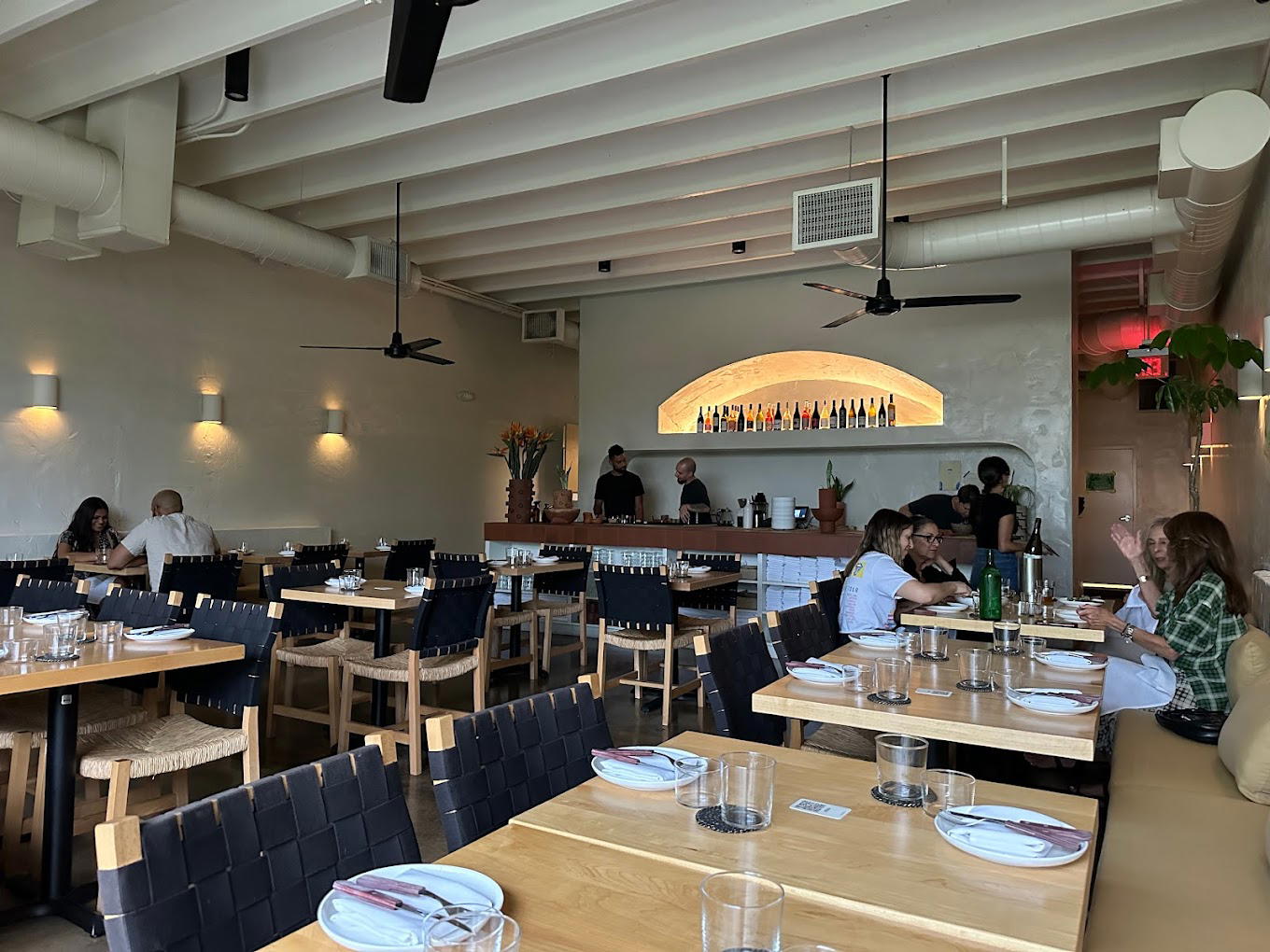
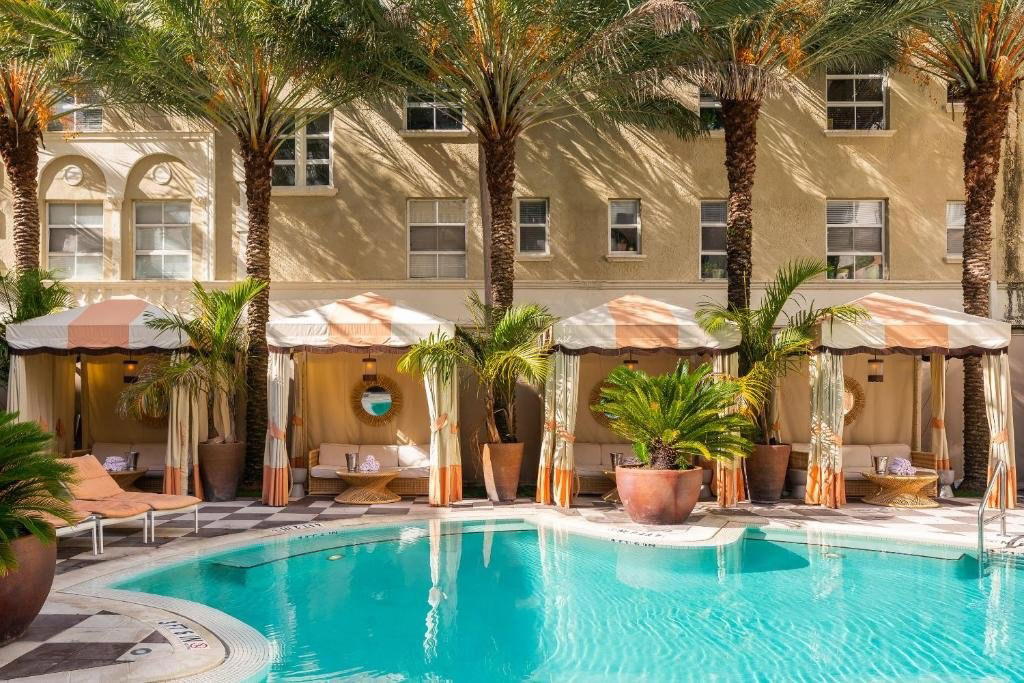
Bright, airy, and inviting with a casual, welcoming atmosphere.