Tam Tam

Michelin Bib Gourmand
Our verdict
Tam Tam brings Vietnamese cooking to Downtown Miami's civic core, holding back-to-back Michelin Bib Gourmand recognition in 2024 and 2025 under chef Ishikawa Satoru. At a $$ price point, it occupies a niche where Southeast Asian technique meets South Florida's appetite for serious food at accessible prices.

Pearl is the En Primeur Club membership app, where members save venues, book tables and use the concierge.
The menu
What to order
- Tam Tam Wings
- Tamarind Glazed Pork Ribs
- Scallop Crudo
- Lamb Wrap Situation
Downtown Miami's Vietnamese Counter in Context
Miami's Vietnamese dining scene has never been large relative to the city's overall restaurant density, which makes Tam Tam's address at 99 NW 1st St, squarely in Downtown's civic and legal district, an interesting positioning choice. The neighbourhood draws weekday lunch traffic from courthouse workers, city employees, and the kind of professional crowd that wants something substantive and fast without crossing into expense-account territory. Vietnamese cooking, built on long-simmered broths, herbaceous contrast, and precise acid balance, is structurally well-suited to that context. Where the cuisine lands in Miami's broader dining map is worth understanding before you arrive.
The city's Vietnamese restaurant count is modest compared to Houston or San Jose, and the options that have attracted critical attention, including Phuc Yea in Miami's Wynwood-adjacent corridor, tend to operate at the intersection of tradition and creative reinterpretation. Tam Tam enters that conversation from the Downtown side, where the real estate economics and the lunch-led crowd push toward tighter menus and faster execution. That constraint has not hurt its critical standing.
What the Bib Gourmand Signal Actually Means
Michelin's Bib Gourmand designation is useful shorthand, but it rewards a specific combination of factors rather than raw quality alone. The Bib identifies restaurants where the inspectors judged the cooking worth a detour and the pricing accessible, typically meaning a three-course meal at or under a defined threshold (in the United States, that has historically sat around $40-$49 per person, excluding drinks and service). The $$ price positioning at Tam Tam aligns with that bracket.
Two consecutive Bib awards matter more than one. A single award might reflect a strong year or a well-timed inspection. Back-to-back recognition, 2024 and 2025, indicates that the kitchen has maintained standards across a meaningful period, which in Miami's frequently turbulent restaurant staffing environment is its own form of evidence. For comparison context, venues like Boia De and Ariete have drawn Miami's critical attention at higher price points, while Tam Tam holds its recognition at half the spend. That is a meaningful distinction for readers planning a multi-venue Miami itinerary.
Vietnamese Coffee Culture and What It Says About the Cuisine
To understand Vietnamese restaurant culture, including what a serious Vietnamese kitchen signals about its sourcing and attention, it helps to start with coffee. Vietnamese coffee traditions are among the most distinct in Southeast Asia: slow-drip robusta brewed through a phin filter, served over condensed milk as cà phê sữa đá, or whipped with egg yolk into the Hanoi-originated trứng cà phê. These are not decorative menu items. They reflect a national relationship with patience, contrast, and the layering of flavour, the same principles that define the cuisine's broader architecture.
A bowl of phở is not made quickly. The bone-and-char broth that gives the dish its depth requires hours of development; the finished bowl arrives clear rather than cloudy, the fat skimmed, the temperature precise. The Vietnamese kitchen's obsession with contrast, between rich broth and raw herb, between warm noodle and cool sprout, between sweet hoisin and sharp lime, runs parallel to the coffee culture's interplay of bitter robusta and sweet condensed milk. When a Vietnamese restaurant holds Michelin recognition two years running, it is partly because the inspectors found that the kitchen respects those contrasts rather than flattening them for a Western audience.
For a deeper read on Vietnamese tradition rooted in the source geography, Tầm Vị in Hanoi offers a useful reference point. Closer to home, Camille in Orlando represents another Florida interpretation of the cuisine at a different price tier.
Chef Ishikawa Satoru and the Japanese-Vietnamese Axis
Chef Ishikawa Satoru's name signals a Japanese culinary lineage applied to a Vietnamese framework, a combination that is less unusual than it might appear. Japanese chefs have long engaged with Southeast Asian cuisines through the shared emphasis on technique, precision, and ingredient respect. The result at Tam Tam is not a fusion concept in the blunt sense of the word, but rather a kitchen where Japanese discipline shapes the execution of Vietnamese forms. That cross-cultural axis appears elsewhere in Miami's dining scene, ITAMAE operates at a comparable intersection of Japanese technique and South American tradition, and it represents a genuine thread in how the city's more ambitious mid-range restaurants are constructing their identities.
Where Tam Tam Sits in Miami's Wider Dining Picture
Miami's restaurant geography has shifted considerably over the past decade. Wynwood and the Design District concentrate the city's higher-end dining, where tasting menus at venues like L'Atelier de Joël Robuchon Miami compete in a national conversation alongside places like Le Bernardin in New York City, Lazy Bear in San Francisco, Alinea in Chicago, The French Laundry in Napa, Single Thread Farm in Healdsburg, and Emeril's in New Orleans. Downtown, by contrast, has historically underperformed its daytime population density in terms of quality food options. Tam Tam's presence at that address, and its ability to sustain Michelin recognition there, suggests the civic core is beginning to attract kitchens that take the cooking seriously.
At $$ pricing, Tam Tam occupies a different tier from the city's other recognised restaurants without sacrificing the critical credibility that drives destination dining decisions. That positioning makes it genuinely useful for EP Club readers assembling a multi-day Miami itinerary: it anchors a lunch or casual dinner without requiring the planning depth of a full tasting-menu commitment. For a broader view of where it fits, see our full Miami restaurants guide, alongside our coverage of Miami hotels, Miami bars, Miami wineries, and Miami experiences.
Know Before You Go
- Address: 99 NW 1st St, Miami, FL 33128
- Cuisine: Vietnamese
- Chef: Ishikawa Satoru
- Price range: $$ (accessible; Bib Gourmand-qualifying spend)
- Awards: Michelin Bib Gourmand 2024 and 2025
- Neighbourhood: Downtown Miami, civic and legal district
Frequently asked questions
Does Tam Tam have a Michelin star or similar recognition?
Tam Tam has received recognition including: Michelin Bib Gourmand (2025); Michelin Bib Gourmand (2024).
What's the signature dish at Tam Tam?
No specific dishes have been confirmed in published data for Tam Tam. What two consecutive Michelin Bib Gourmand awards (2024 and 2025) do confirm is that the kitchen delivers consistent, credible output at a mid-range price point. Chef Ishikawa Satoru brings a Japanese culinary framework to Vietnamese cooking, a combination that typically emphasizes precision in broth work, balance of aromatics, and restrained seasoning rather than volume.
What's the address for Tam Tam?
Tam Tam is located at 99 NW 1st St, Miami, FL 33128, Miami.
Who is the chef or culinary lead at Tam Tam?
The chef associated with Tam Tam is Ishikawa Satoru.
Do I need a reservation for Tam Tam?
Back-to-back Bib Gourmand recognition in a city with limited Vietnamese dining options puts real demand pressure on a small Downtown room. The address at 99 NW 1st St pulls weekday lunch traffic from the surrounding civic and legal district, which compounds that pressure at peak hours. Booking ahead is the practical move; walk-in availability is less predictable than the awards recognition might suggest.
Where It Fits
| Venue | Cuisine | Price | Awards | Notes |
|---|---|---|---|---|
| Tam TamThis venue (the venue you are viewing) | Modern Vietnamese | $50–100 | Michelin Bib Gourmand | Not listed |
| Ariete | Modern Cuban-American Fine Dining | $150–200 | 1 Michelin Star · Star Wine List | Modern American, Contemporary |
| Boia De | Modern Italian-Inspired | $50–100 | 1 Michelin Star · Star Wine List | Italian, Contemporary |
| Cote Miami | Modern Korean Steakhouse with Table-Side BBQ | $150–200 | 1 Michelin Star · La Liste Top Restaurants | Korean Steakhouse, Korean |
| Stubborn Seed | Modern American Fine Dining | $200–300 | 1 Michelin Star | Progressive American, Contemporary |
| Los Fuegos by Francis Mallmann | Argentinian Open-Fire Asado Steakhouse | $200–300 | Michelin Plate · Forbes 4-Star | Not listed |
Recognition history
Dated appearances from independent guides and award organizations, with the underlying list record or original source where available.
Michelin Bib Gourmand
Michelin
Full recognition history (2 entries)
Michelin Bib Gourmand
Michelin
Continue exploring
More in Miami
Restaurants in Miami
All restaurants in Miami →
Bars in Miami
All bars in Miami →

Details
- Trendy
- Cozy
- Lively
- Modern
- Date Night
- Casual Hangout
- Open Kitchen
- Craft Cocktails
- Street Scene
- Small Plates
- A La Carte
- Vegetarian Friendly
Current opening hours
- Monday
- Closed
- Tuesday
- 5:30–10:30 PM
- Wednesday
- 5:30–10:30 PM
- Thursday
- 5:30–10:30 PM
- Friday
- 5:30–11 PM
- Saturday
- 5:30–11 PM
- Sunday
- 5:30–10 PM
Hours can change for holidays and private events. Hours as of .
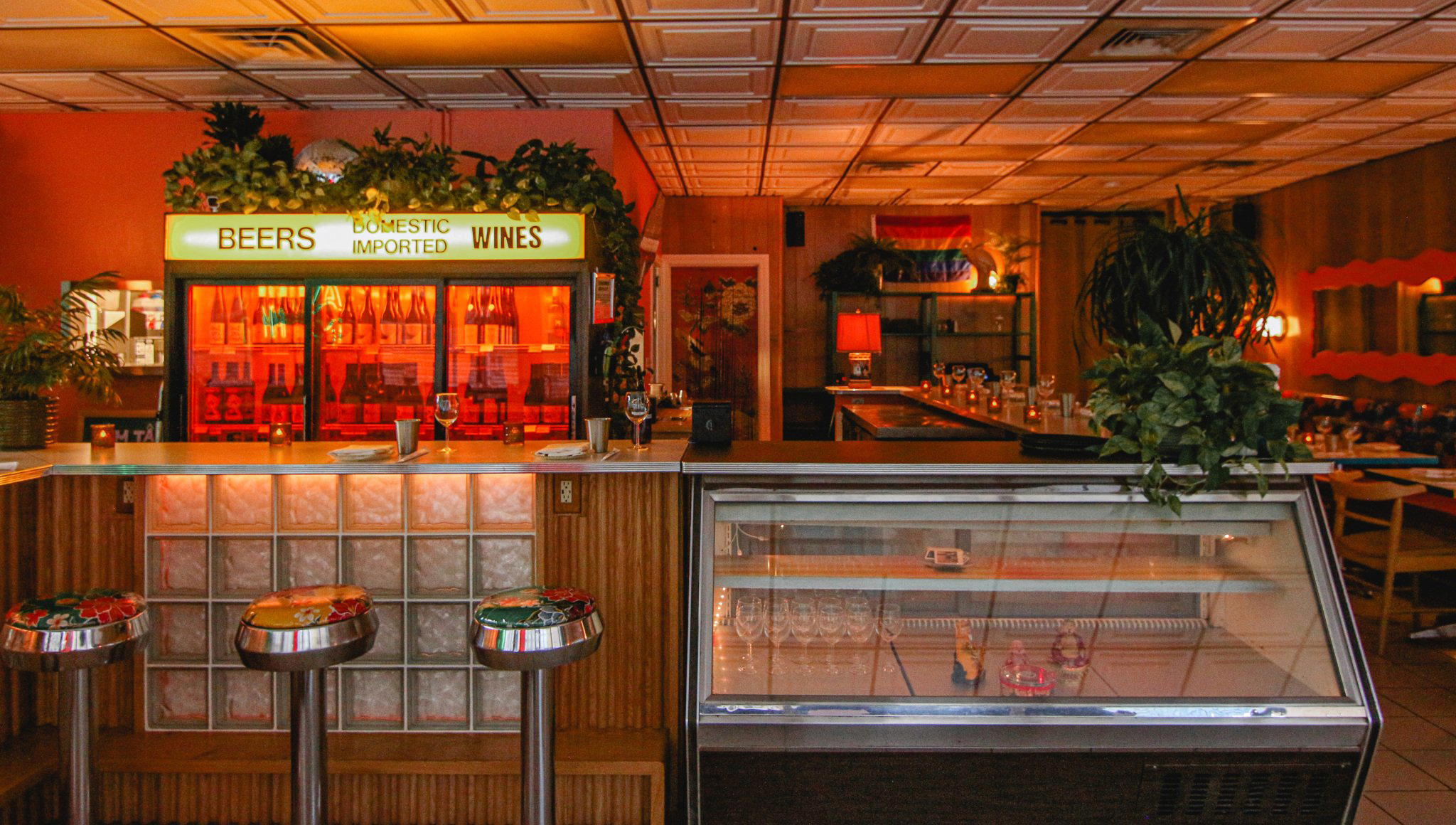
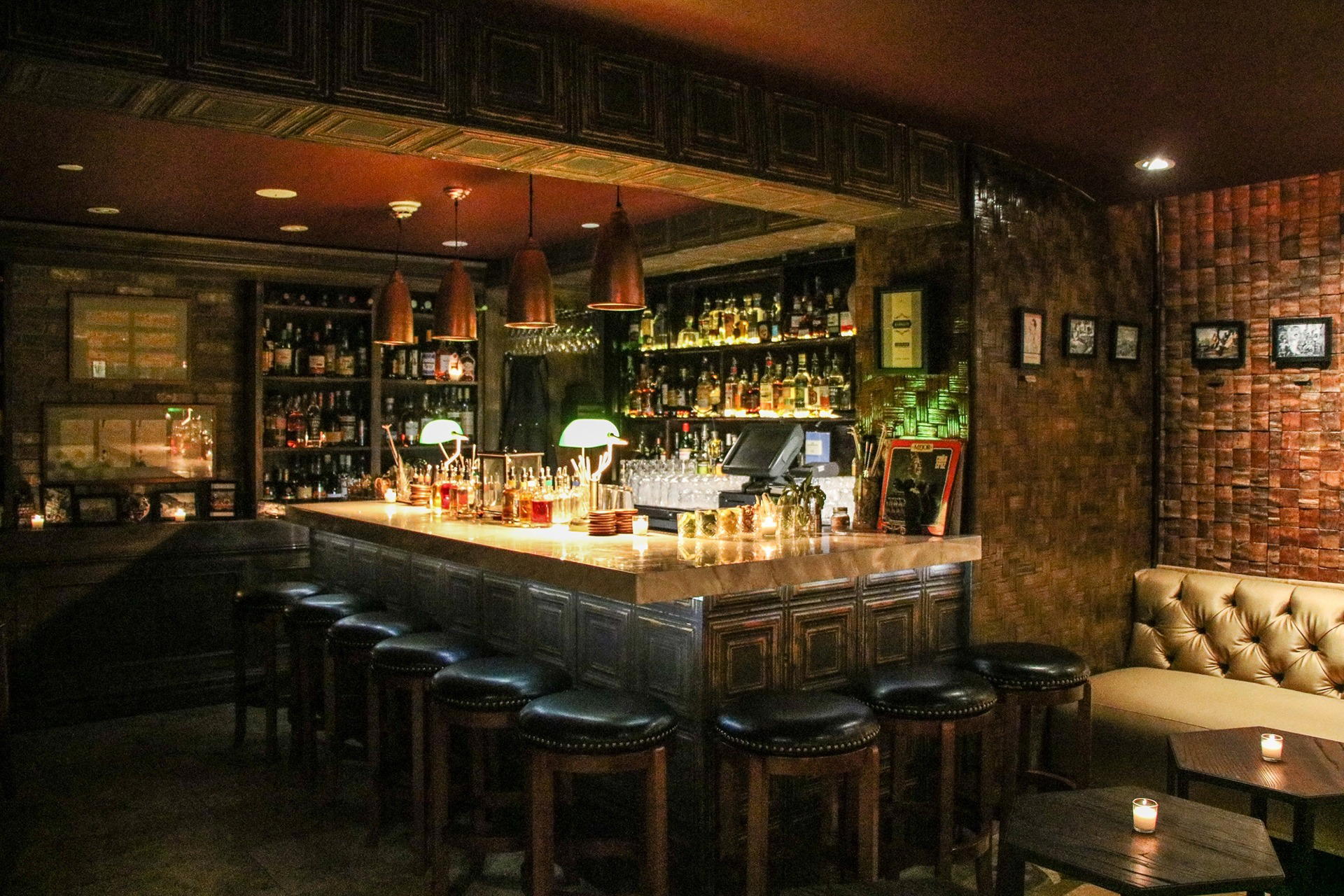
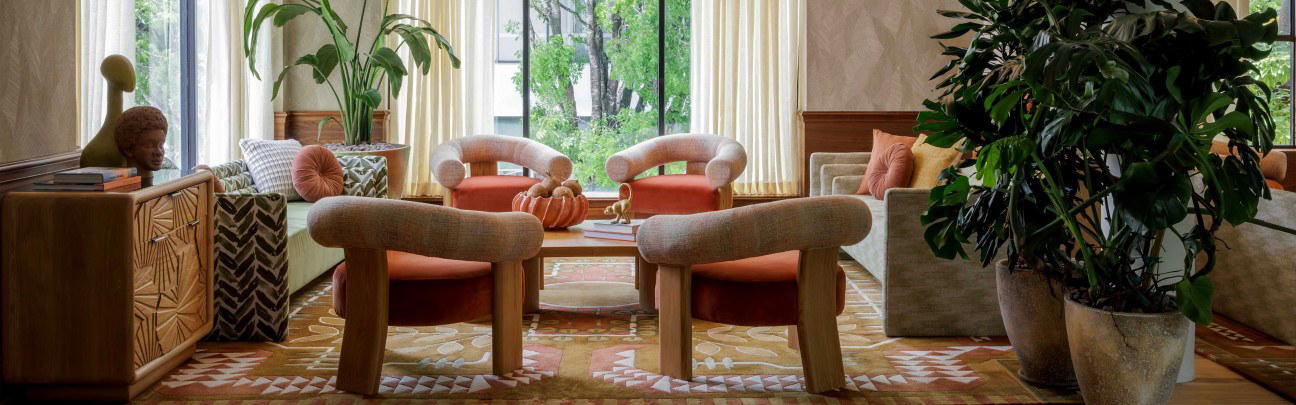
Fun, colorful dining room with low lighting, cozy booths, and a casual, energetic atmosphere conducive to conversation.