Cote Miami





Miami's Design District has absorbed a number of New York transplants, but few have landed as credibly as Cote, the Korean steakhouse that earned a Michelin star in both 2024 and 2025. Backed by a wine list of 1,145 selections and a format built around tableside butchery and Korean barbecue ritual, Cote sits at the point where American steakhouse ambition meets Seoul dining culture.
Pearl is the En Primeur Club membership app — saves, bookings, and concierge access live there. Same editors, same standards.
- Address
- 3900 NE 2nd Ave, Miami, FL 33137
- Phone
- (305) 434-4668
- Website
- cotekoreansteakhouse.com
- Directions
- Get directions
 Saves & bookings on Pearl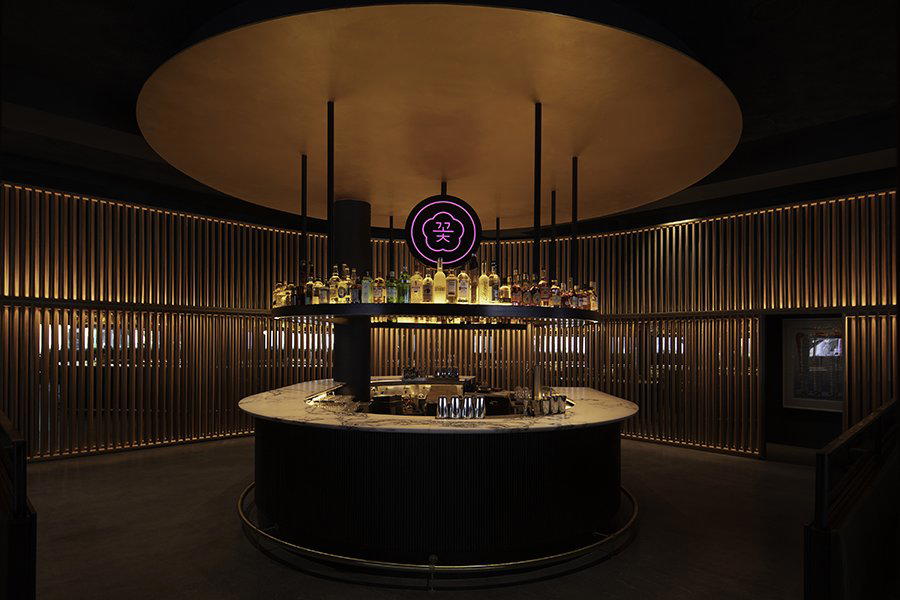
Where the Flames Are the First Thing You Notice
Walk into Cote on a Thursday evening in the Design District and the dominant sensory fact is fire. The charcoal grills built into each table are already live when guests are seated, their heat rising into a room that manages the difficult trick of feeling both charged and composed. The space is dark, deliberately so, with low lighting that pulls attention to the table surface rather than the room's perimeter. This is not incidental design. The tableside grill format places the meal's action squarely between the diners, which is the structural logic of Korean barbecue refined into a fine-dining register.
Miami's Design District has become the city's most reliable address for ambitious restaurant openings. The neighbourhood hosts a concentration of luxury retail and white-cube galleries, and the dining options have followed that demographic northward from South Beach over the past decade. Into that context, Cote arrived as a known quantity: the original Cote in New York City had already established the Korean steakhouse format as a viable fine-dining proposition before the Miami location opened. The question was whether the format would translate, or whether it would arrive as a diluted franchise version of a New York original.
The Michelin Guide answered that question twice, awarding Cote Miami a star in 2024 and retaining it in 2025. These are not the credentials of a satellite outpost coasting on a parent brand's reputation.
The Arc of the Meal
Korean steakhouse dining has a built-in narrative structure that most other formats lack. The meal moves in phases: cold preparations, raw cuts grilled at the table, banchan cycling in and out, then a transition toward something closer to the expansive late-evening mode of Korean dining culture. At Cote, this structure is formalised within a steakhouse context, which means the beef selection carries the same weight it would at a conventional American chophouse, while the surrounding ritual belongs to a different tradition entirely.
The progression typically opens with the kind of composed appetisers that establish the kitchen's register before the grill takes over. At this price point, the expectation is that the cold courses show as much precision as the grilled ones. The grill-side service adds a performative element that the kitchen alone cannot provide: a server managing the fire, rotating cuts, adjusting heat. This is the moment when the experience diverges most sharply from a conventional fine-dining meal and aligns instead with the tableside theatre that places like Atomix in New York City approach from a different Korean fine-dining angle.
The banchan, the small side dishes that arrive alongside the main proteins, function as the meal's connective tissue. In a traditional Korean barbecue context, banchan is communal and refillable, part of the hospitality logic of the format. At Cote, that logic is preserved within a setting that also commands steakhouse-level beef sourcing and a wine list that competes with dedicated wine-programme restaurants. The combination requires the kitchen to hold two formats simultaneously without either collapsing into the other.
The Wine Program as a Parallel Argument
Few Korean steakhouses in any city have built a wine program that earns independent critical recognition. Cote Miami's list received five separate Star Wine List citations in 2025. The list runs to 1,145 selections across a 4,765-bottle inventory, with particular depth in California, Champagne, Burgundy, Bordeaux, and coverage of France, Spain, and Italy. Wine Director Morgan LaCroix oversees a team that includes four sommeliers: Macarena Carillo, Alice Tang, Jalil Chikhaoui, and Killian McQuain.
Wine pricing sits at the $$$ tier, with significant representation above $100 per bottle. A corkage fee of $65 applies for guests bringing their own. The scale of the inventory and the breadth of the critical recognition place this list in the same conversation as dedicated wine-focused restaurants rather than as a secondary feature of a grill house. Among Miami's current Michelin-starred restaurants, this level of wine program depth is not standard. Boia De, operating in the same $$$, Michelin-starred bracket, is known for its natural wine orientation; Cote's program represents a different philosophy, one that prioritises classical regions and vertical depth over counter-culture sourcing.
The pairing question at a Korean steakhouse is legitimately interesting. The fat and char of grilled beef points toward structured reds, but the fermented and pickled banchan elements pull in a different direction, toward acidity and lower tannin. A capable sommelier team navigating that tension has more interesting material to work with than at most steakhouses.
Cote Miami in Its Miami Context
Miami's Design District restaurant scene sits within a city that has absorbed several high-profile New York transplants over the past several years. The pattern raises reasonable questions about whether these arrivals add to Miami's dining identity or simply relocate an existing one. Cote's Michelin retention and rising OAD ranking suggest it has done more than replicate: the Miami location has built its own critical standing rather than borrowing indefinitely from its New York predecessor.
Within the Design District specifically, Cote competes at the upper end of a neighbourhood where the dining options skew toward formal and premium. The contrast with ITAMAE, which operates a Peruvian-Japanese counter in a more informal register, illustrates the range available within a relatively compact area. Further afield, Ariete in Coconut Grove represents Miami's locally-rooted Michelin tier, while Elcielo Miami brings a Colombian fine-dining format that maps a different international influence onto the city's dining scene.
For visitors contextualising Cote within a broader American fine-dining frame, the comparison venues are instructive. The Korean-American fine-dining format that Cote represents sits in a different register from the classical French tradition of Le Bernardin in New York City or the farm-to-table formalism of Single Thread Farm in Healdsburg, closer in spirit to the experiential dinner formats of Lazy Bear in San Francisco or Alinea in Chicago, where the meal's structure is as deliberate as its content.
Know Before You Go
| Address | 3900 NE 2nd Ave, Miami, FL 33137 (Design District) |
|---|---|
| Hours | Monday to Wednesday: 12 to 3 pm, 5 to 11 pm | Thursday to Saturday: 12 to 3 pm, 5 pm to 12 am | Sunday: 12 to 3 pm, 5 to 11 pm |
| Cuisine | Korean Steakhouse |
| Price Range | $$$ (typical two-course meal $66+, not including beverages) |
| Awards | Michelin 1 Star (2024, 2025); OAD Top 163 North America (2025); La Liste 78.5 pts (2025); Star Wine List x5 (2025) |
| Wine Program | 1,145 selections, 4,765-bottle inventory; corkage $65; strengths in California, Champagne, Burgundy, Bordeaux |
| Dress Code | Cote Miami operates a smart casual dress expectation. |
| Reservations | Recommended, particularly Thursday through Saturday evenings |
What Regulars Order at Cote Miami
The format most associated with Cote across both its New York and Miami locations is the butcher's feast: a set progression of cuts managed tableside, structured to move from leaner, more delicate preparations toward richer, fattier proteins as the meal progresses. This is the meal's spine, and it reflects the same logic that defines the leading omakase or tasting-menu formats, the sequence is deliberate, not arbitrary. The banchan selection that runs alongside provides the acidity and fermentation notes that cut through the fat, and the wine list offers the structure to work with both. Regulars tend to anchor their visit around the set formats rather than building an a la carte meal, which allows the kitchen's sequencing logic to operate as intended. For a comparable level of format discipline in Miami's fine-dining scene, L'Atelier de Joël Robuchon Miami offers a counter-based tasting progression in a French idiom, and Miami's wine-focused venues provide additional context for guests building an itinerary around serious beverage programming.
Similar Picks
Comparable venues nearby, for context on price, style, and recognition.
| Venue | Cuisine | Price | Notes |
|---|---|---|---|
| Cote MiamiThis venue — the venue you are viewing | Modern Korean Steakhouse with Table-Side BBQ | $$$$ | Not listed |
| Ariete | Modern Cuban-American Fine Dining | $$$$ | Coconut Grove |
| ITAMAE | Nikkei Peruvian-Japanese | $$$ | Edgewater |
| Boia De | Modern Italian-Inspired | $$$ | Little Haiti |
| Stubborn Seed | Modern American Fine Dining | $$$$ | South of Fifth |
| Hiden | Edomae-style Omakase | $$$$ | Miami Fashion District |
Recognition history
Dated appearances from independent guides and award organizations, with the underlying list record or original source where available.
La Liste Top Restaurants
La Liste
Michelin 1 Star
Michelin
Opinionated About Dining Top Restaurants in North America Ranked #113
Opinionated About Dining
Star Wine List
Star Wine List
Wine Spectator Best of Award of Excellence
Wine Spectator
La Liste Top Restaurants
La Liste
Michelin 1 Star
Michelin
Opinionated About Dining Top Restaurants in North America Ranked #163
Opinionated About Dining
Star Wine List
Star Wine List
Wine Spectator Best of Award of Excellence
Wine Spectator
Michelin 1 Star
Michelin
Opinionated About Dining Top Restaurants in North America Ranked #194
Opinionated About Dining
Opinionated About Dining Top Restaurants in North America Highly Recommended
Opinionated About Dining
Continue exploring
More in Miami
Restaurants in Miami
Browse all →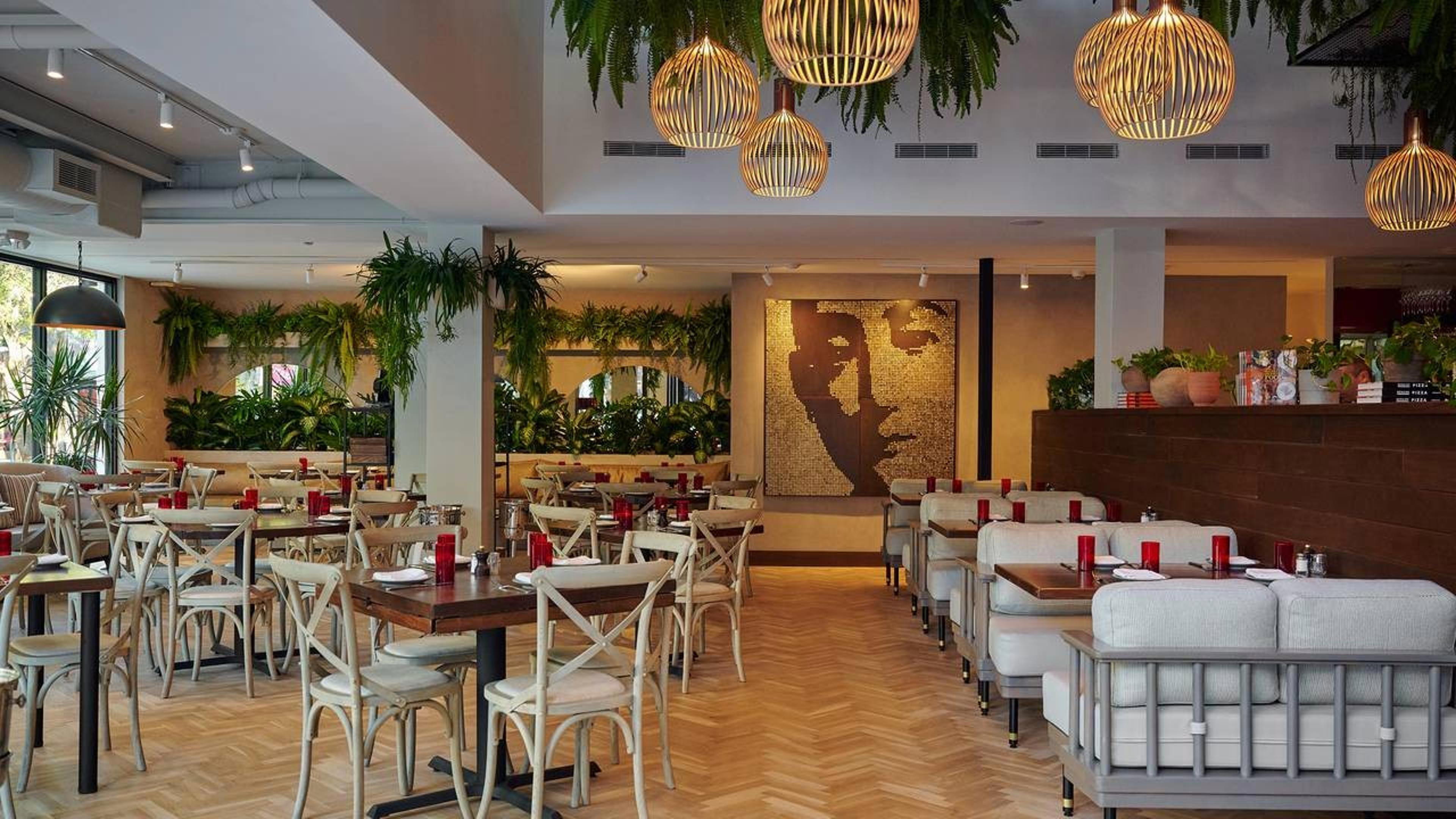

At a Glance
- Trendy
- Elegant
- Modern
- Sophisticated
- Date Night
- Special Occasion
- Celebration
- Business Dinner
- Open Kitchen
- Design Destination
- Chefs Counter
- Extensive Wine List
- Craft Cocktails
- Sommelier Led
Current opening hours
- Monday
- 12–3 PM, 5–11 PM
- Tuesday
- 12–3 PM, 5–11 PM
- Wednesday
- 12–3 PM, 5–11 PM
- Thursday
- 12–3 PM, 5 PM–12 AM
- Friday
- 12–3 PM, 5 PM–12 AM
- Saturday
- 12–3 PM, 5 PM–12 AM
- Sunday
- 12–3 PM, 5–11 PM
Hours can change for holidays and private events. Last verified .
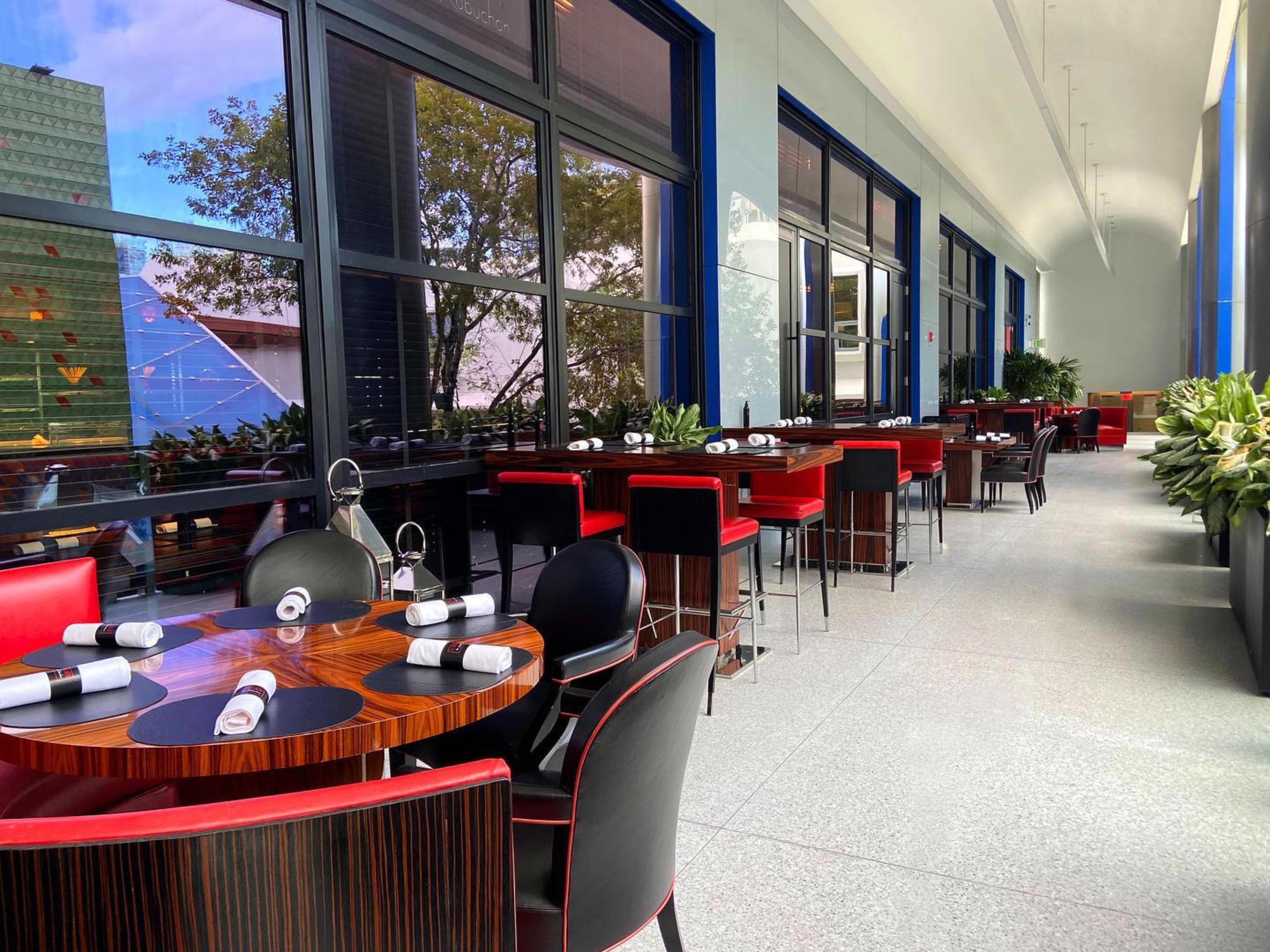
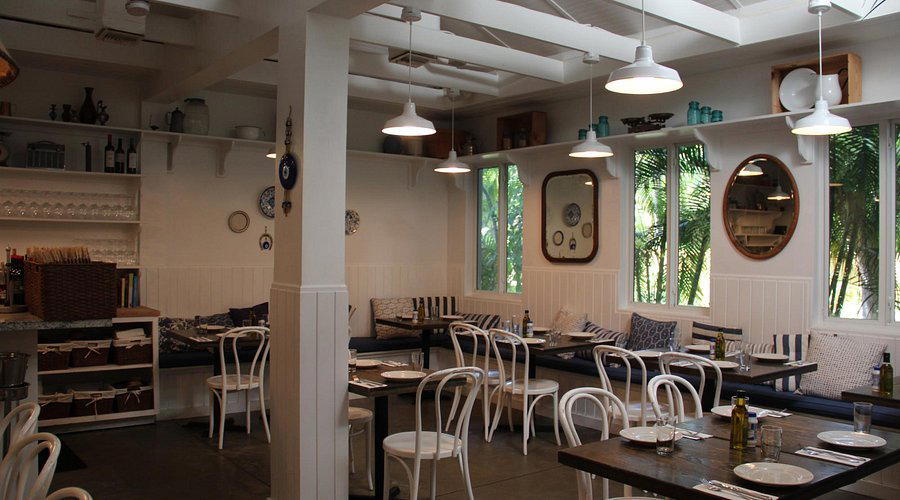
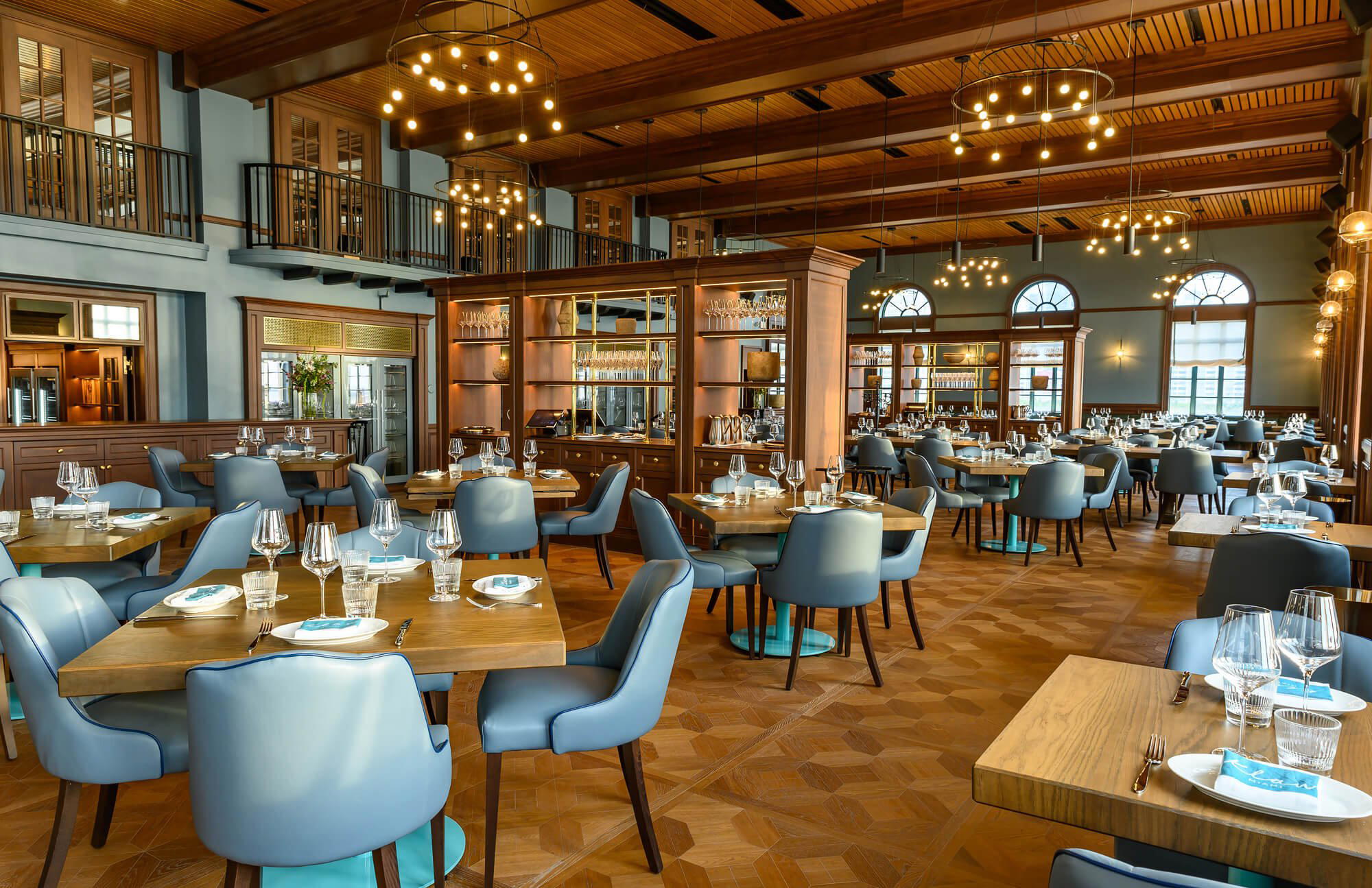
Stylized and modern with a dramatic neon-lit entrance hallway, sophisticated interior with polished decorative acrylic barriers between tables, and an open kitchen design that creates an energetic, performance-like dining atmosphere.