Cafe La Trova




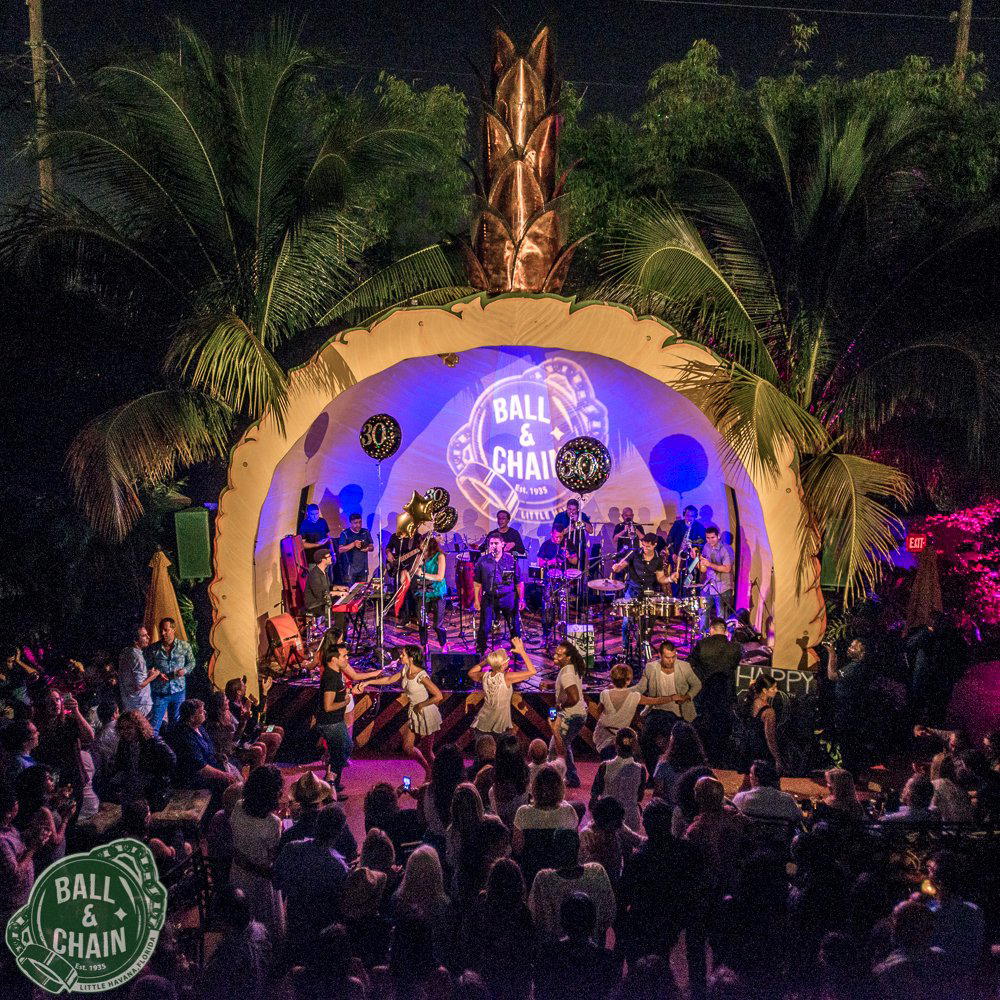
In Little Havana, Cafe La Trova operates at the intersection of serious Cuban cooking and serious bar craft. Chef Michelle Bernstein and cocktail specialist Julio Cabrera run parallel programs that reinforce each other rather than compete. A Michelin Plate recipient and Opinionated About Dining-ranked in 2025, the room on SW 8th Street hums with live music and the particular energy of a dining room that knows exactly what it is.
Pearl is the En Primeur Club membership app — saves, bookings, and concierge access live there. Same editors, same standards.
- Address
- 971 SW 8th St, Miami, FL 33130
- Phone
- (786) 615-4379
- Website
- cafelatrova.com
- Directions
- Get directions
 Saves & bookings on Pearl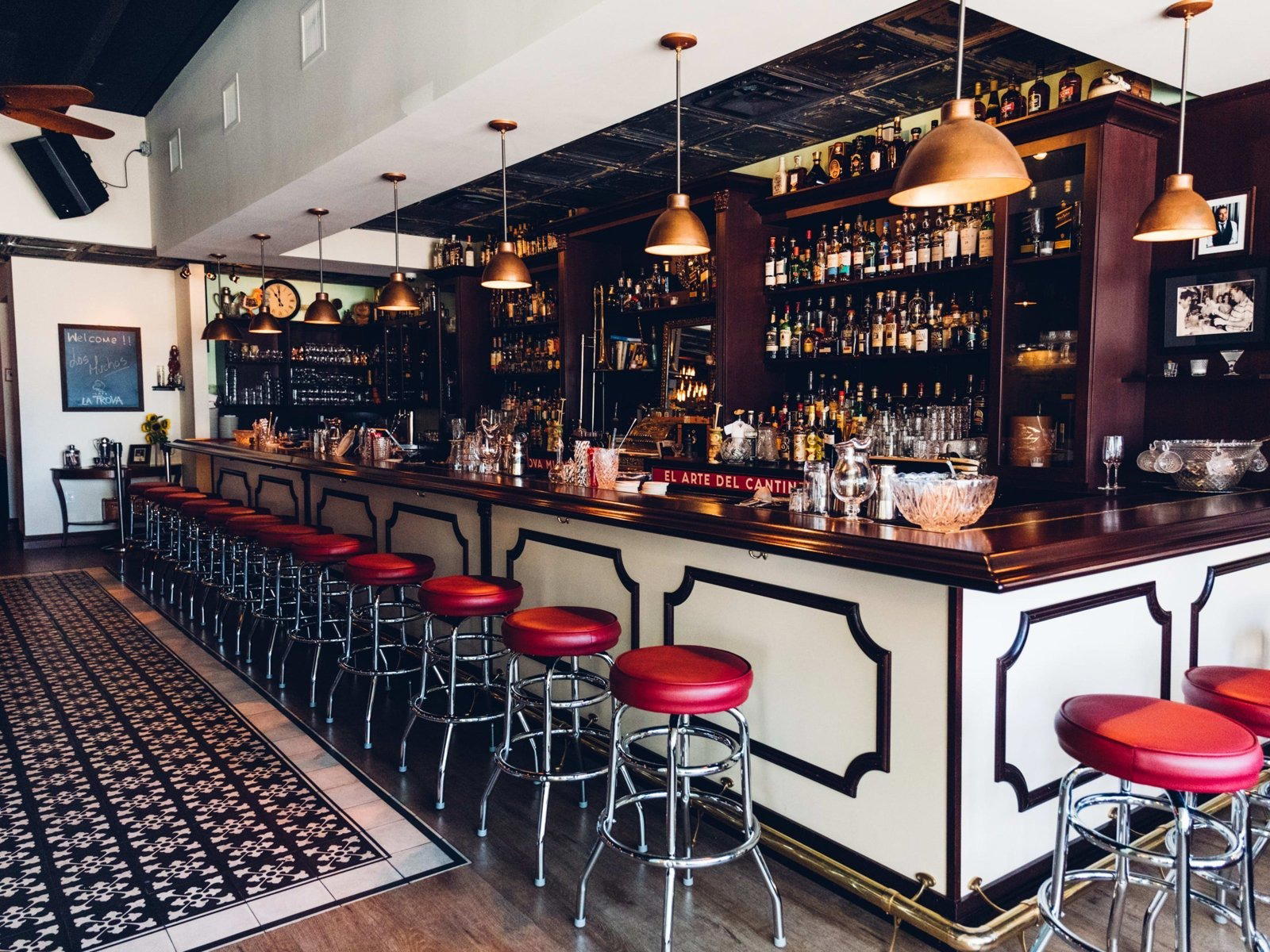
Where the Kitchen and Bar Work as One
On Calle Ocho, Miami's most historically charged dining corridor, the collaboration between kitchen and bar programs is rarely treated as an equal partnership. Most Cuban restaurants on SW 8th Street built their reputations on the food first, with cocktails as an afterthought. Cafe La Trova inverts that assumption. Chef Michelle Bernstein and cocktail specialist Julio Cabrera arrived at this project as co-principals, and the result is a room where the bar program carries as much editorial weight as the kitchen. That structural decision shapes everything about how the place feels and functions.
Bernstein's position in Miami's dining history is a matter of record rather than reputation management. Born and raised in the city, of Jewish and Latin descent, she has spent decades working through Miami's culinary identity in ways that few chefs with comparable credentials have attempted. Her involvement in a Little Havana concept is less a celebrity endorsement than a homecoming with specific culinary intent. Cabrera brings complementary weight from the cocktail side, where his standing in the South Florida bar community has made him a reference point for Cuban-influenced drink culture at a craft level. Neither figure is decorative here. The interplay between their respective programs defines what Cafe La Trova actually is.
The Room on Calle Ocho
Little Havana's dining character has always been shaped by the tension between preservation and evolution. Institutions like Versailles function as living monuments to a particular Cuban-American cultural moment, while newer arrivals attempt to carry that tradition forward without simply reproducing it. El Mago de las Fritas stakes its claim through a single obsessive item. Cafe La Trova operates differently, reaching for something broader: a full-evening format that uses décor, live music, and a complete food-and-drink menu to trace Cuban culture from the island through its Southern Florida evolution.
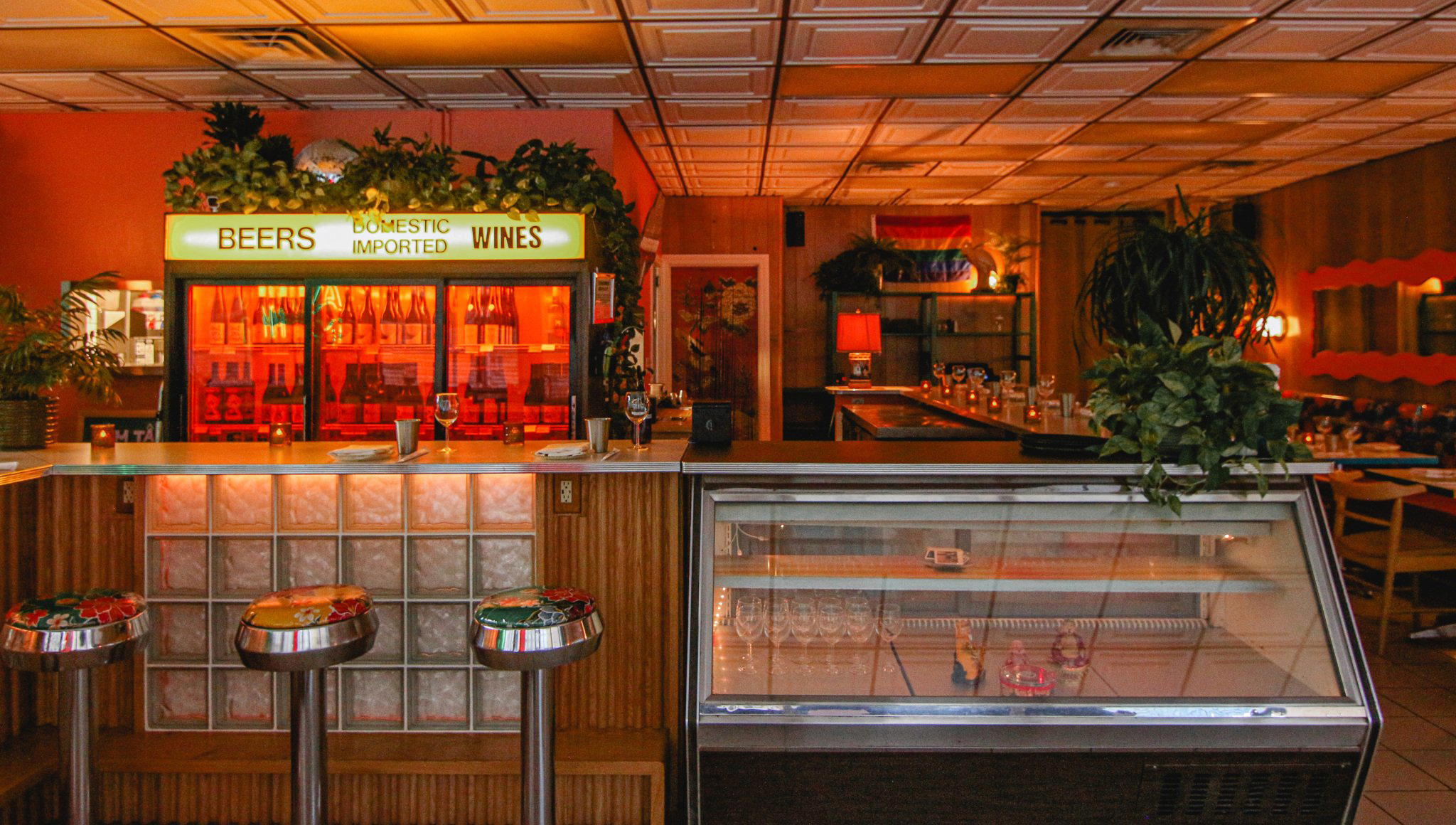
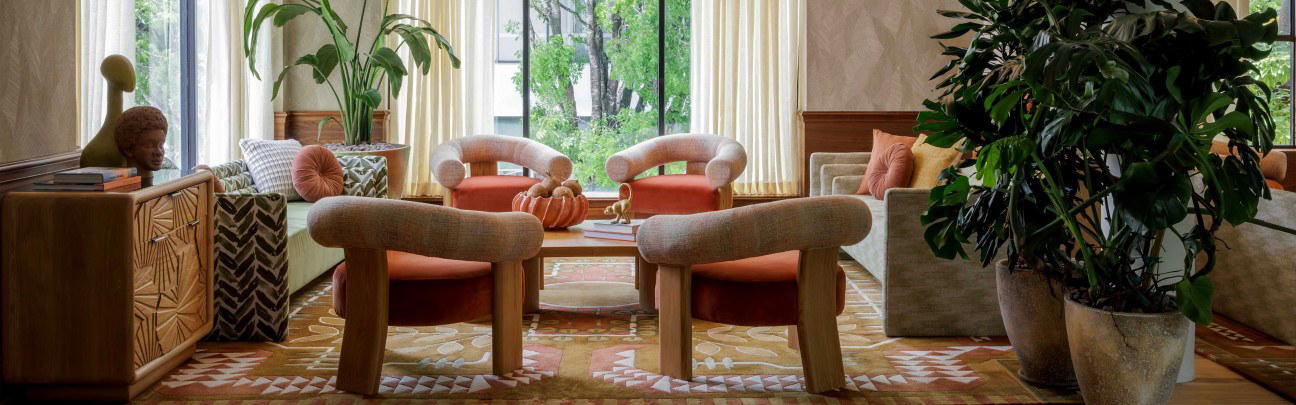
The interior design does visible work in this direction, moving through decades of reference material in a way that functions as context rather than costume. The live music component is not ambient background programming but a structural part of the evening's rhythm. For the dining room to hum the way it does, the timing and energy of the music have to be calibrated against the pace of service. That calibration is the front-of-house's contribution to the three-way collaboration, and when it works, the room operates as a single coordinated experience rather than a restaurant with entertainment added on.
The Food: Cuban Classics Under a Skilled Kitchen
Bernstein's menu reads as a serious engagement with Cuban-American cooking rather than a tour through its greatest hits. Lechon with steamed yuca and tangerine mojo represents the approach at its most direct: a preparation that most Miami diners could benchmark against dozens of other versions, executed here with the precision of a kitchen that has thought carefully about sourcing, timing, and acid balance. The yuca and the mojo are not decoration. They are the technical argument for why this version earns its place on Calle Ocho.
The specials program is where the collaboration between the kitchen's Cuban foundation and Bernstein's broader training becomes most legible. Seared foie gras with Spanish French toast, maduros, and maple syrup is the kind of preparation that would read as gratuitous in less confident hands. Here it functions as a statement about what Cuban-American cooking can absorb and transform. The sweet-savory construction borrows from French technique, Caribbean produce, and the Spanish inheritance that runs through Cuban food, and it holds together because the kitchen understands the logic of each component rather than treating them as novelties to be assembled.
Among the neighborhood's other Cuban-leaning options, Latin Cafe and Enriqueta's Sandwich Shop occupy a more casual, daily-staple register. Chug's Diner tilts toward comfort-food nostalgia. Cafe La Trova positions itself in a different tier, one where the format is suited to a sit-down evening with multiple courses and a cocktail program that demands engagement. Cuban dining in cities without Miami's demographic weight tends to operate at fewer registers; here the full range from counter-service to white-tablecloth is represented, and Cafe La Trova occupies the serious end of a genre that in other markets gets compressed into a single category. For comparison, Café Habana in New York City and Colada Shop in Washington, D.C. demonstrate how Cuban-rooted concepts translate to markets where the culture is present but less historically embedded.
The Cocktail Program as Equal Partner
Cabrera's program at La Trova is one of the better-documented examples of Cuban cocktail culture treated as a serious discipline rather than a tropical shorthand. The digestif list illustrates the approach: the Hotel Nacional, built on pineapple rum and apricot liqueur, is a drink with historical grounding in Havana's golden-age hotel culture, served here in a context where the reference is legible to anyone who knows the source material. The cocktail list functions as a parallel narrative to the food menu rather than a support act, which is what the co-principal structure between Bernstein and Cabrera was designed to produce.
Among Miami's bar programs, the craft cocktail scene has developed its own geography, concentrated partly in Brickell and Wynwood but with significant outposts in neighborhoods where the drinking culture has deeper local roots. A bar program embedded in Little Havana carries different weight than one in a hotel lobby or a newly developed entertainment district. The location does part of the credibility work that a Midtown address could never provide.
Recognition and Competitive Position
A Michelin Plate in 2025 places Cafe La Trova in the tier of Miami restaurants that the guide considers worth a visit without elevating to star status. Within Miami's Michelin-recognized set, the starred properties include Ariete, Boia De, Cote Miami, and Stubborn Seed, all of which operate in the contemporary or fusion register at the $$$-$$$$ price point. La Trova's Plate at the $$$ tier positions it as the recognized Cuban-American option in a star list that skews heavily toward contemporary and international formats. The Opinionated About Dining casual ranking (#819 in North America for 2025) adds a second data point: recognition within the casual dining category from a source that prioritizes repeat-visit, food-first criteria.
For readers building a Miami dining sequence, La Trova functions as the essential Calle Ocho evening in a way that no other single restaurant currently manages. The combination of a serious kitchen, a serious bar program, live music, and a room that understands its own cultural context produces something that the city's more technically ambitious restaurants, operating in the contemporary American or international register, do not attempt. Those interested in the broader Miami dining picture can consult our full Miami restaurants guide, or extend their research to our full Miami bars guide, our full Miami hotels guide, our full Miami wineries guide, and our full Miami experiences guide. For comparable ambition in other American cities, Le Bernardin in New York City, Emeril's in New Orleans, Lazy Bear in San Francisco, Alinea in Chicago, Single Thread Farm in Healdsburg, and The French Laundry in Napa each represent how serious American cooking embeds itself in local identity at the top end of their respective markets.
Planning Your Visit
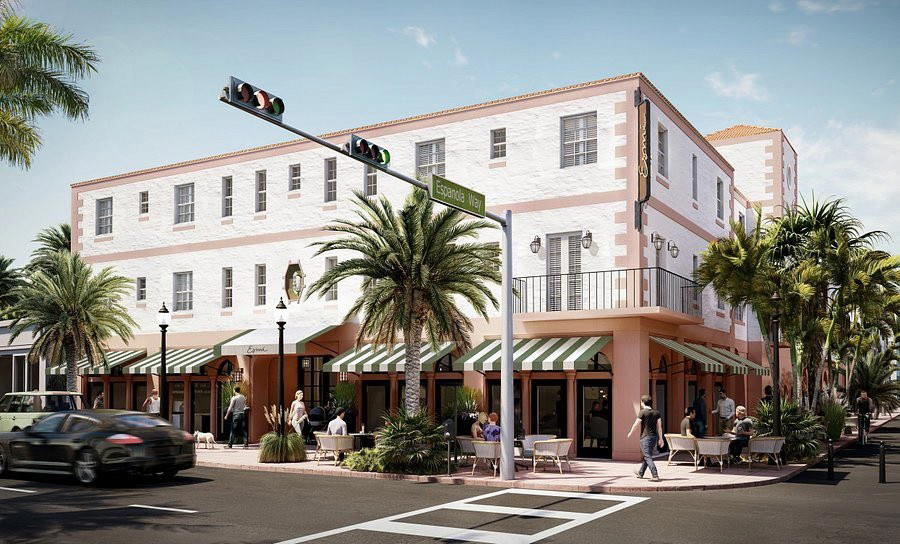
Cafe La Trova is located at 971 SW 8th St in Little Havana, within the Calle Ocho corridor that defines the neighborhood's dining character. The $$$ price point places it in the mid-upper range for Miami's Cuban dining options, consistent with its Michelin recognition and the caliber of both kitchen and bar programs. Given the live music component, timing matters: arriving early in the evening provides a different experience than arriving mid-service when the room has reached its operational temperature. Specific booking information is best confirmed directly with the venue, as hours and reservation policies are subject to change.
Reputation First
| Venue | Cuisine | Price | Awards |
|---|---|---|---|
| Cafe La TrovaThis venue — the venue you are viewing | Cuban | $$$ | Not listed |
| Ariete | Modern American, Contemporary | $$$$ | Michelin 1 Star |
| Boia De | Italian, Contemporary | $$$ | Michelin 1 Star |
| Cote Miami | Korean Steakhouse, Korean | $$$ | Michelin 1 Star |
| Stubborn Seed | Progressive American, Contemporary | $$$$ | Michelin 1 Star |
| Los Fuegos by Francis Mallmann | Argentinian | $$$$ | Argentinian |
Recognition history
Dated appearances from independent guides and award organizations, with the underlying list record or original source where available.
Michelin Plate
Michelin
World's 50 Best North America's Best Bars #42
World's 50 Best
James Beard Award Semi Finalist
James Beard Award
Michelin Plate
Michelin
Opinionated About Dining Casual in North America Ranked #819
Opinionated About Dining
Top 500 Bars Best Bars #58
Top 500 Bars
World's 50 Best Best Bars #82
World's 50 Best
World's 50 Best North America's Best Bars #13
World's 50 Best
Michelin Plate
Michelin
World's 50 Best North America's Best Bars #13
World's 50 Best
World's 50 Best Best Bars #66
World's 50 Best
World's 50 Best Best Bars #24
World's 50 Best
World's 50 Best North America's Best Bars #9
World's 50 Best
World's 50 Best North America's Best Bars #6
World's 50 Best
World's 50 Best Best Bars #28
World's 50 Best
At a Glance
- Lively
- Energetic
- Trendy
- Well Known
- Celebration
- Group Dining
- Special Occasion
- Date Night
- Live Music
- Open Kitchen
- Craft Cocktails
- Local Sourcing
Current opening hours
- Monday
- 4 PM–12 AM
- Tuesday
- 4 PM–12 AM
- Wednesday
- 4 PM–12 AM
- Thursday
- 4 PM–12 AM
- Friday
- 4 PM–2 AM
- Saturday
- 4 PM–2 AM
- Sunday
- 4 PM–12 AM
Hours can change for holidays and private events. Last verified .
Lively and energetic with live music, Cuban memorabilia decor, dim lighting, and a party-like atmosphere that transports guests to old Havana.
Know Before You Go
- Getting there
- 971 SW 8th St, Miami, FL 33130