The Moore


1 Michelin Key · Mr & Mrs Smith Seal of Approval
A 1921 neoclassical building reimagined as a 13-suite boutique hotel in Miami's Design District, The Moore sits at the intersection of architecture, art, and hospitality. With rates from $543, a Zaha Hadid installation anchoring the atrium, and a private club, galleries, and concept dining within the same walls, it positions itself against Miami's design-led independents rather than its resort corridor.

Pearl is the En Primeur Club membership app — saves, bookings, and concierge access live there. Same editors, same standards.
- Address
- 4040 NE 2nd Ave, Miami, FL 33137
- Phone
- (305) 209-2100
- Website
- mooremiami.com
- Directions
- Get directions
A Building That Was Always About Design
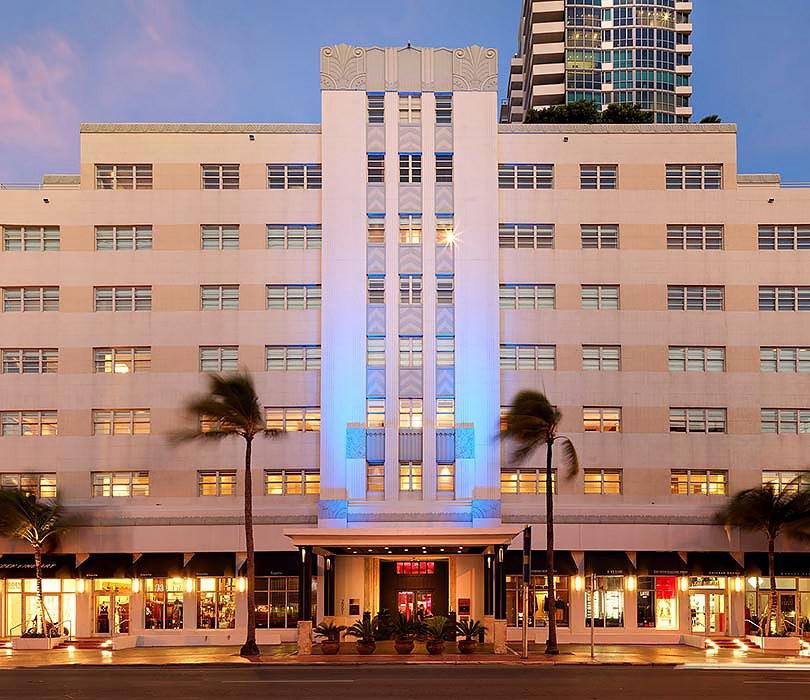
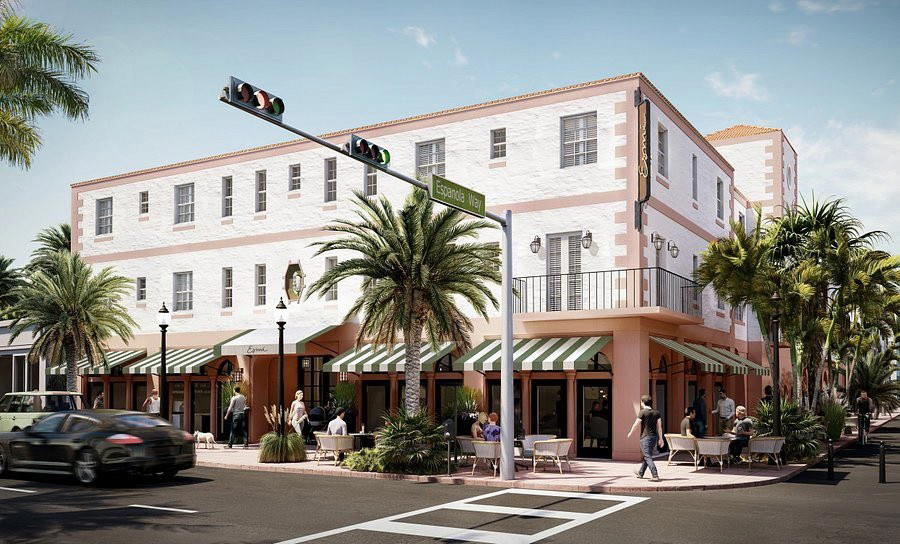
Miami's Design District has spent the better part of two decades consolidating its identity around art, architecture, and the kind of retail that treats objects as cultural statements. The neighbourhood on NE 2nd Avenue is not where visitors go for the beach; it is where they go when the beach is beside the point. Into this context, The Moore makes sense in a way that a conventional hotel would not. The building itself, originally constructed in 1921 as a neoclassical furniture showroom, carries a history that aligns with the district's commercial-to-cultural arc — a trajectory the hotel's current identity continues rather than invents.
Miami's premium hotel market has long bifurcated between large-footprint resort operators and smaller, independently positioned properties where architecture and programming do more work than room count. The Moore belongs firmly to the second cohort. At 13 suites and rates from $543, it prices against the design-led independents rather than the Ritz-Carlton properties along the resort corridor. Compared to the scale and amenity density of Faena Hotel Miami Beach or The Setai, Miami Beach, The Moore operates in a narrower, more deliberately curated register.
What the Rooms Are Actually Doing
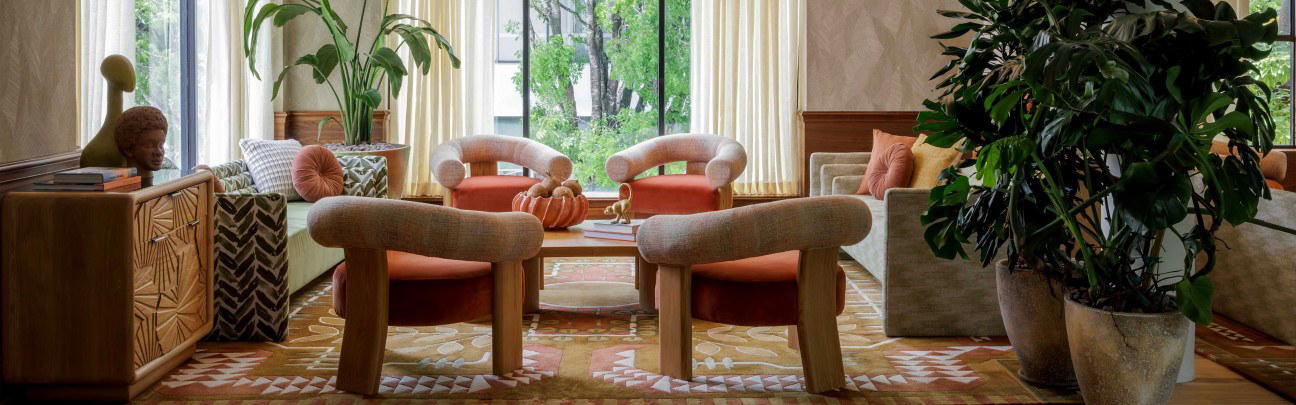
The 13 suites at The Moore are doing something that most hotel interiors avoid: using material honesty as the design language rather than finish polish. Plaster walls, curved wood, clay, and rattan are not decorative gestures here; they form the structural vocabulary of each space. This approach connects to a broader shift in premium hospitality away from high-gloss luxury toward tactile restraint — a direction also visible at properties like 1 Hotel South Beach, though The Moore's execution skews toward art-world austerity rather than biophilic warmth.
The suite count matters. Thirteen rooms means the property functions at a scale where staff-to-guest ratios can be high and the experience stays controlled. For comparison, Betsy on Ocean Drive and Hotel Greystone operate in similarly boutique ranges, but The Moore's programming density, a private club, galleries, concept dining, and a significant art installation all within the same building, creates a vertical stack of experiences that neither property attempts. In terms of what you get within a single address, the comparison is closer to Mr. C Miami in Coconut Grove, where the property functions as a social hub rather than a bedroom with a lobby.
The Atrium and What It Signals
Presence of a Zaha Hadid installation anchoring the atrium is the clearest signal of how The Moore positions its cultural authority. Hadid's work, characterized by fluid geometries and sculptural mass, reads here not as hotel decoration but as a curatorial statement. Properties that commission or display work at this level are communicating something specific to their target guest: that the stay is part of an art experience, not an accommodation experience with art bolted on.
This programming logic connects The Moore to a small subset of US boutique properties where the cultural programme is genuinely primary. Troutbeck in Amenia does this through literary and creative residency programming; SingleThread Farm Inn in Healdsburg integrates agriculture and cuisine as cultural identity. At The Moore, the medium is visual art and architecture. The galleries embedded in the building extend this logic beyond the guest rooms, making the property navigable as a cultural venue for non-guests, a model that also widens the hotel's visibility within the neighbourhood.
The Dining and Club Programme
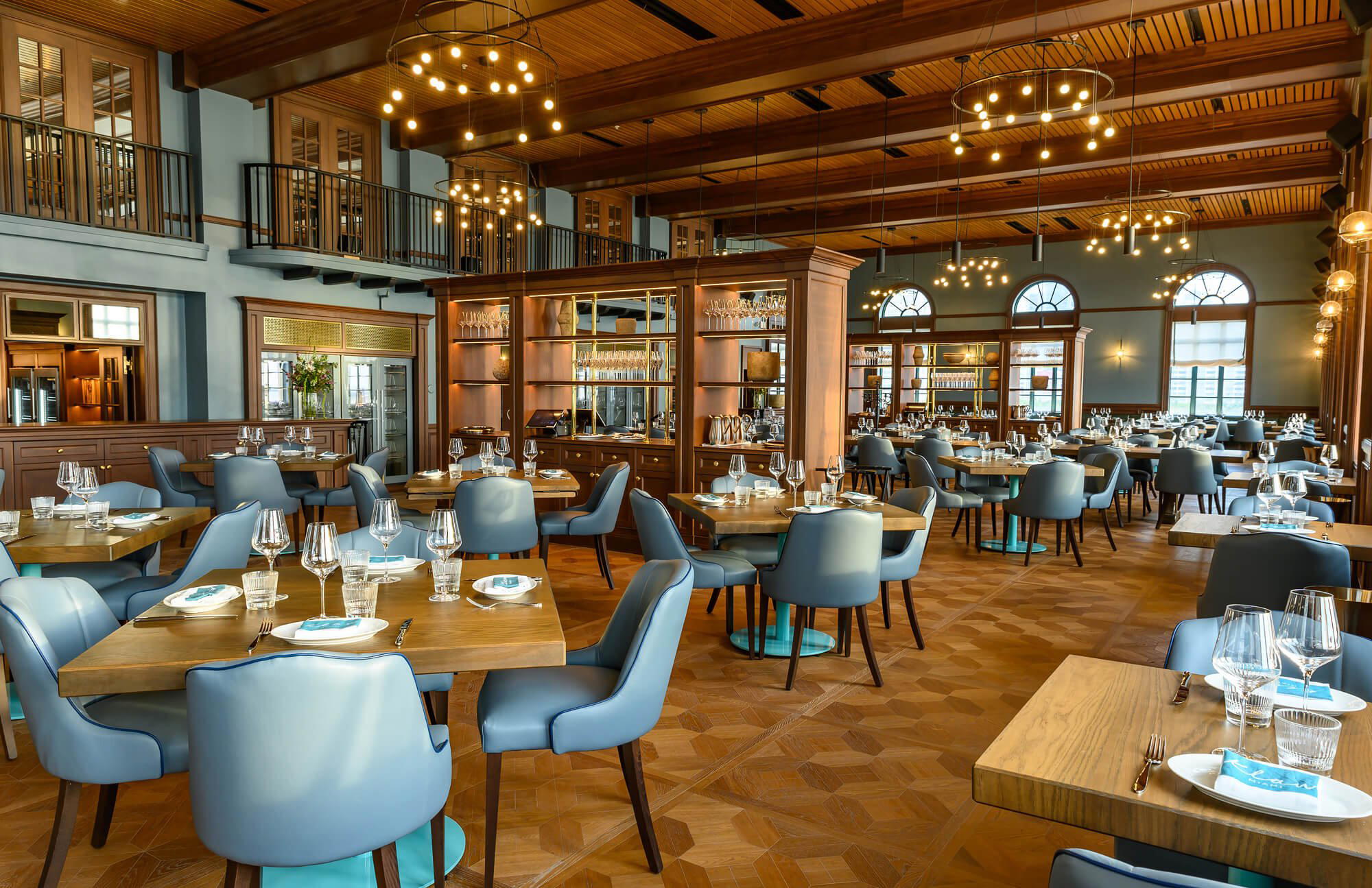
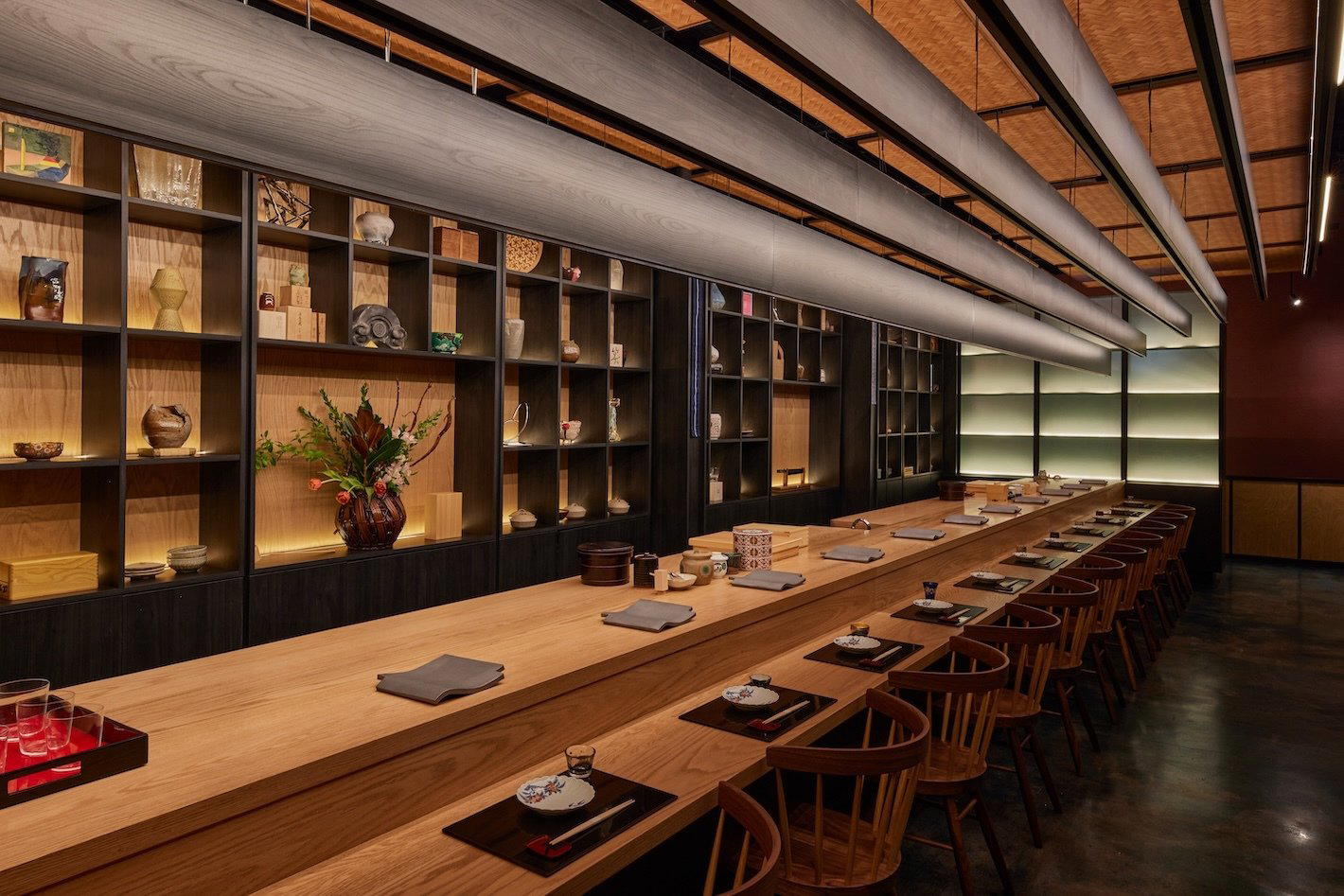
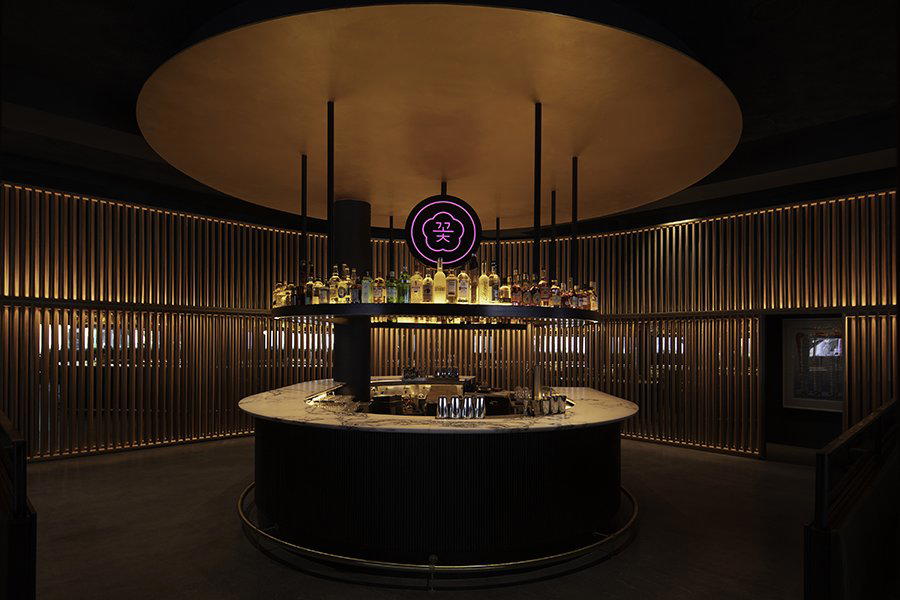
The Moore's concept dining and private club format reflect a programming approach that has become more common in design-forward boutique hotels over the past decade: rather than running a conventional hotel restaurant, the property functions as a node in a broader social and cultural network. Concept dining, in this context, typically means a more controlled, lower-seat-count format with a defined creative brief, closer in spirit to a pop-up residency or chef's table than a full-service restaurant. The private club element adds a membership or access layer that changes the guest-to-visitor dynamic, creating a venue within a venue.
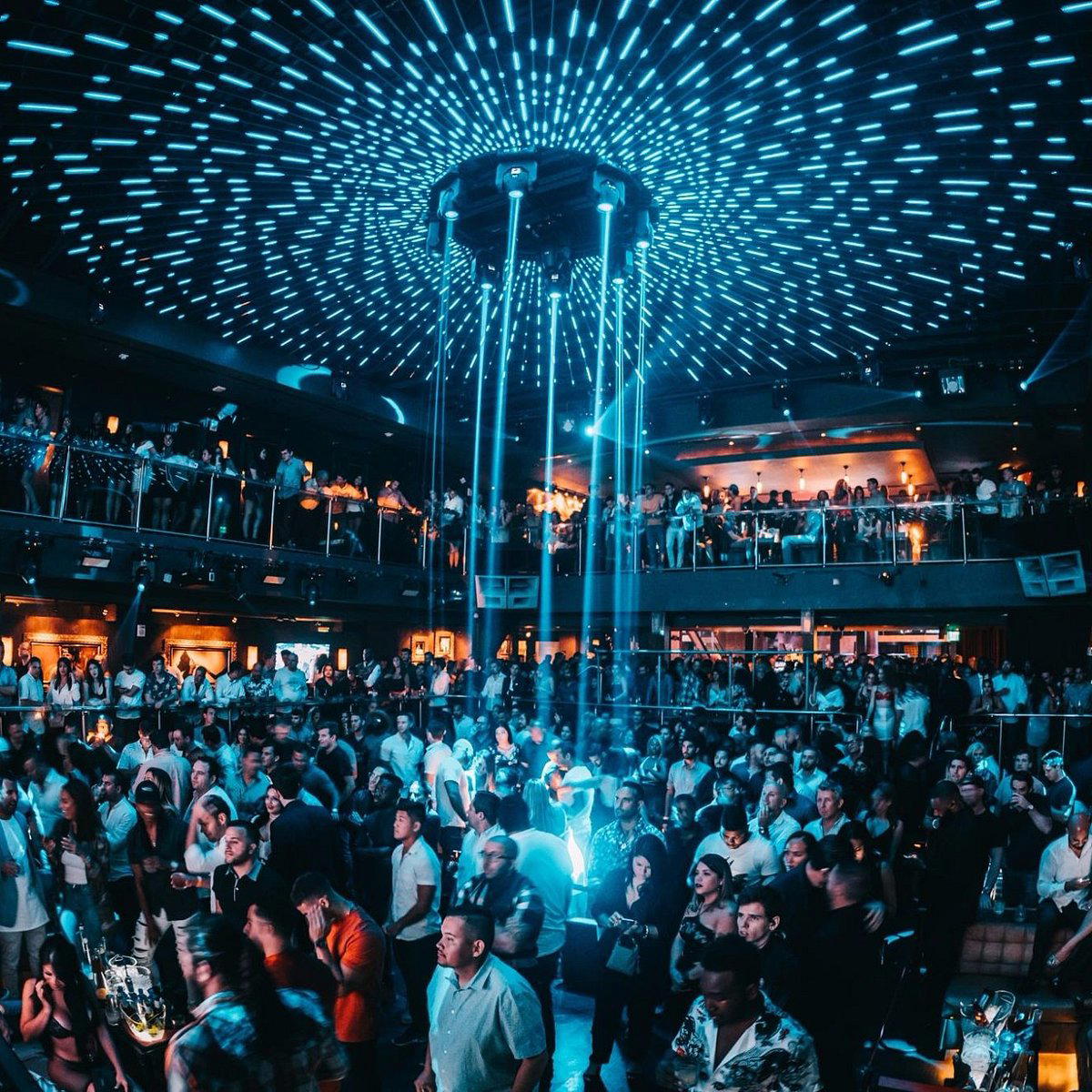
This model is less common in Miami than in cities like New York, where Aman New York has built a similarly layered members-and-guests framework, or Los Angeles, where Hotel Bel-Air operates a distinct social tier. In Miami's hotel scene, where F&B is more often positioned as a high-volume nightlife draw than a curated programme, The Moore's approach is a deliberate departure. The Four Seasons at The Surf Club in Surfside and larger resort operators in the market compete on different terms entirely, volume, name recognition, and poolside theatrics rather than intimacy and editorial curation.
For guests who treat dining and cultural programming as the primary reason to choose a hotel, The Moore's format asks them to engage on the property's terms rather than defaulting to a standard hotel-restaurant experience. That is either an advantage or a friction point depending on what the guest actually wants. Across EP Club's broader coverage, properties that operate this way, Post Ranch Inn in Big Sur, Amangiri in Canyon Point, tend to attract guests who have already decided that the property's specific identity is the point. Browse our full Miami restaurants and hotels guide if you are still mapping the wider field before committing.
Planning Your Stay
The Moore is located at 4040 NE 2nd Avenue in the Design District, one of Miami's most concentrated zones for architecture and contemporary art. At 13 suites, availability is limited year-round, and the property's programming density means peak booking periods align not just with Miami's high season (roughly December through April) but with art-world events including Art Basel Miami Beach in early December, when demand across the Design District is at its highest and rates across the boutique tier move accordingly. Guests considering the area during Basel should book several months in advance. For those whose primary interest is the beach corridor, properties like The Setai or Faena are better positioned geographically. The Moore is the right choice when the Design District's cultural programme is the actual destination.
For reference on how The Moore compares against design-forward boutique properties outside Miami, The Fifth Avenue Hotel in New York City, Raffles Boston, and Aman Venice occupy similar intersections of historical architecture, art programming, and limited inventory. Within the US resort-adjacent tier, Kona Village in Kailua Kona, Little Palm Island in Little Torch Key, and Canyon Ranch Tucson offer different frameworks for what a boutique property with strong programming identity looks like. Auberge du Soleil in Napa, Sage Lodge in Pray, and Badrutt's Palace in St. Moritz extend the comparison internationally across similarly positioned independent or semi-independent properties.
A Minimal comparable set
Comparable venues nearby, for context on price, style, and recognition.
| Venue | Price | Awards | Notes |
|---|---|---|---|
| The MooreThis venue — the venue you are viewing | Not listed | 1 Michelin Key · Mr & Mrs Smith Seal of Approval | Not listed |
| Betsy | $300–500 | 1 Michelin Key · Vogue 2026 Vogue Best Hotels in Miami | Art Deco Historic District, Art Deco luxury boutique with modern upgrades |
| The Ritz-Carlton, South Beach | $500–750 | Michelin Selected · La Liste Top Hotels | Art Deco Historic District, Luxury oceanfront resort with Art Deco heritage and contemporary sophistication. |
| Miami Design Residences Designed by Chipperfield | Not listed | Star Wine List | Design District, Mixed-use luxury residential and boutique hotel tower with retail integration in a design-forward urban setting. |
| SLS LUX Brickell | Not listed | Michelin Selected | Brickell, Contemporary luxury hotel-residences with artistic flair |
| The Miami Beach EDITION | $500–750 | Michelin Selected · La Liste Top Hotels | Miami Beach, Urban resort blending boutique privacy with larger resort amenities |
Recognition history
Dated appearances from independent guides and award organizations, with the underlying list record or original source where available.
Michelin 1 Key
Michelin
Mr & Mrs Smith Seal of Approval
Mr & Mrs Smith
Full recognition history (3 entries)
Michelin 1 Key
Michelin
Continue exploring
More in Miami
Hotels in Miami
Browse all →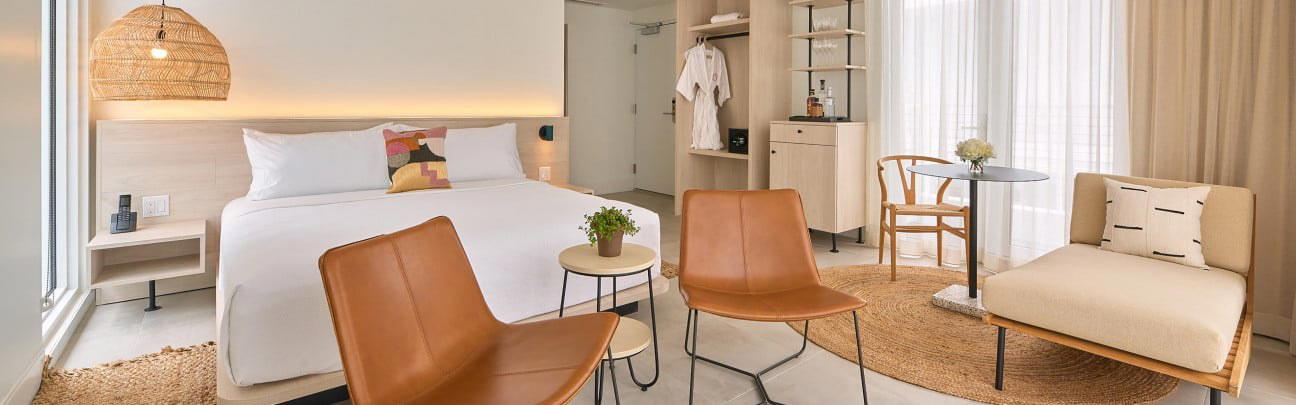
Details
- Modern
- Elegant
- Sophisticated
- Trendy
- Intimate
- Romantic Getaway
- Business Trip
- Weekend Escape
- Design Destination
- Historic Building
- Wi Fi
- Room Service
- Concierge
- Restaurant
- Bar
- Laundry Service
- Street Scene
- Wheelchair Accessible
- Elevator
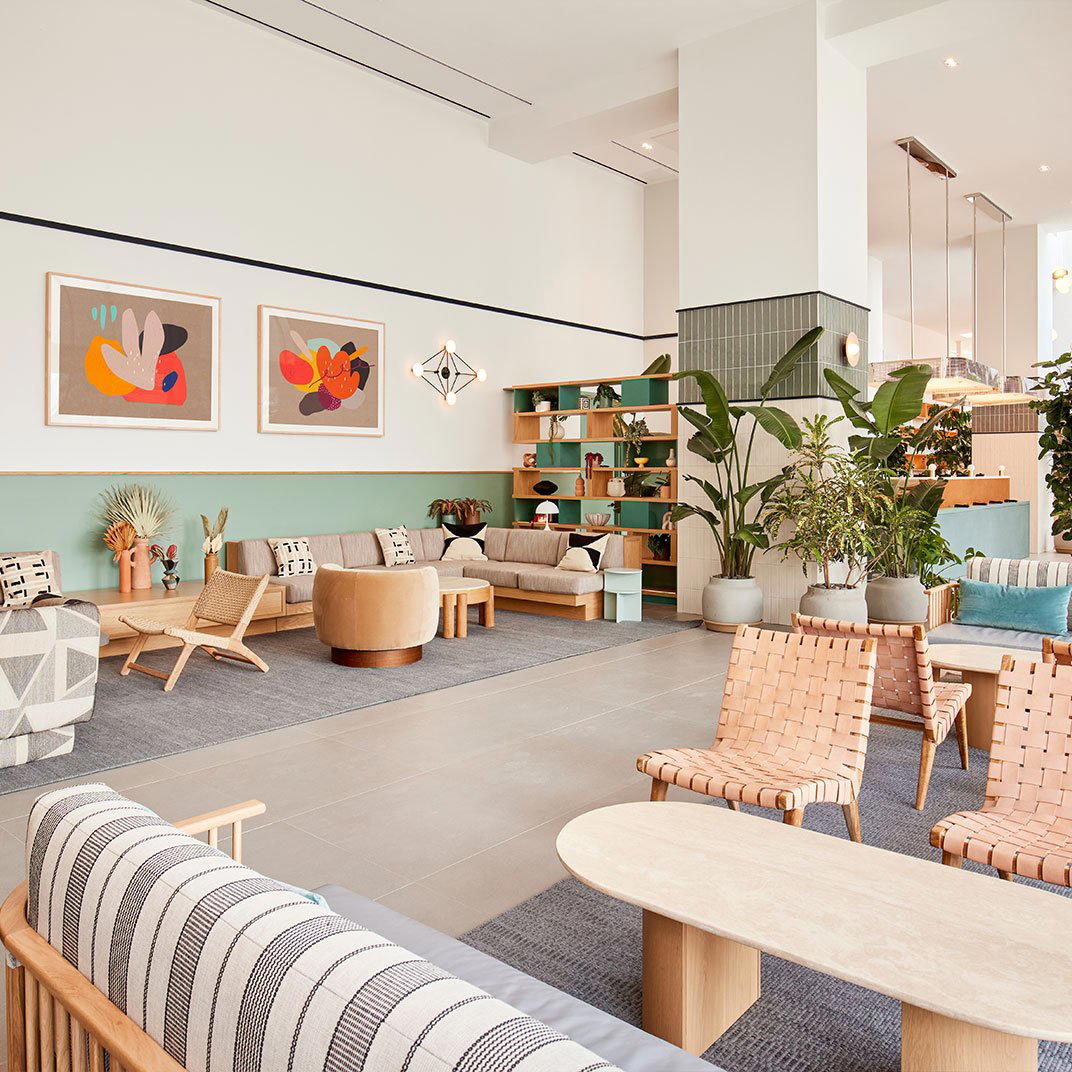
Residential sophistication with art-filled spaces, refined lighting, and elegant atmosphere.