Raymond Vineyards
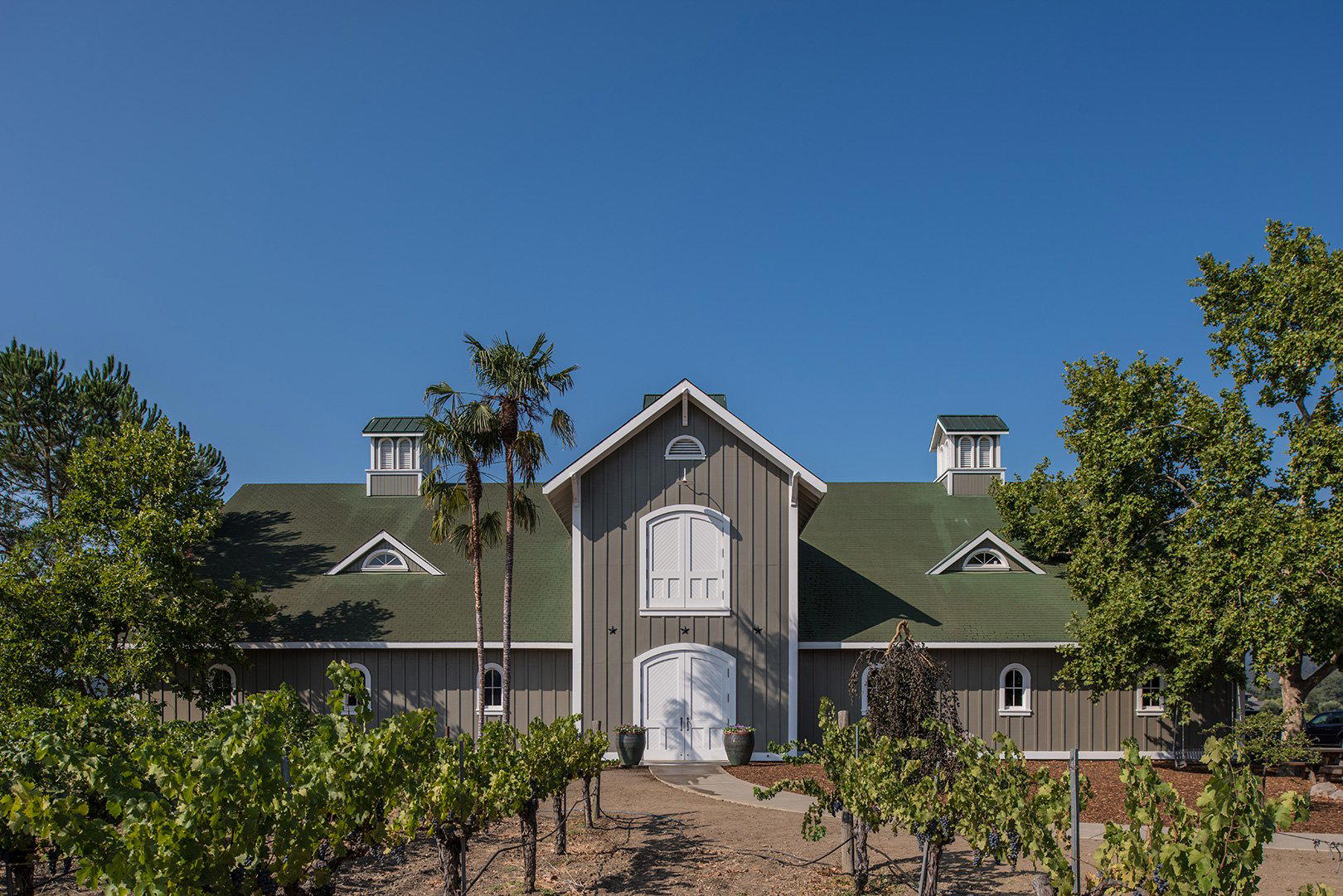
Raymond Vineyards occupies a stretch of St. Helena Highway that has long anchored Napa Valley's mid-valley wine corridor, sitting among properties that define the appellation's Cabernet-forward identity. The winery draws visitors looking for an experience that goes beyond standard tasting-room formats, with a theatrical design sensibility that sets it apart from more restrained neighbors. For those touring the valley's estate wineries, Raymond represents a particular strain of Napa hospitality: immersive, visually dense, and unapologetically theatrical.
 Discover on Pearl
Pearl is the En Primeur Club membership app — saves, bookings, and concierge access live there. Same editors, same standards.
- Address
- 1584 St Helena Hwy: MAIN ENTRANCE 849 Zinfandel Ln: TRUCK ENTRANCE, St Helena, CA 94574
- Phone
- +1 707 963 3141
- Website
- raymondvineyards.com
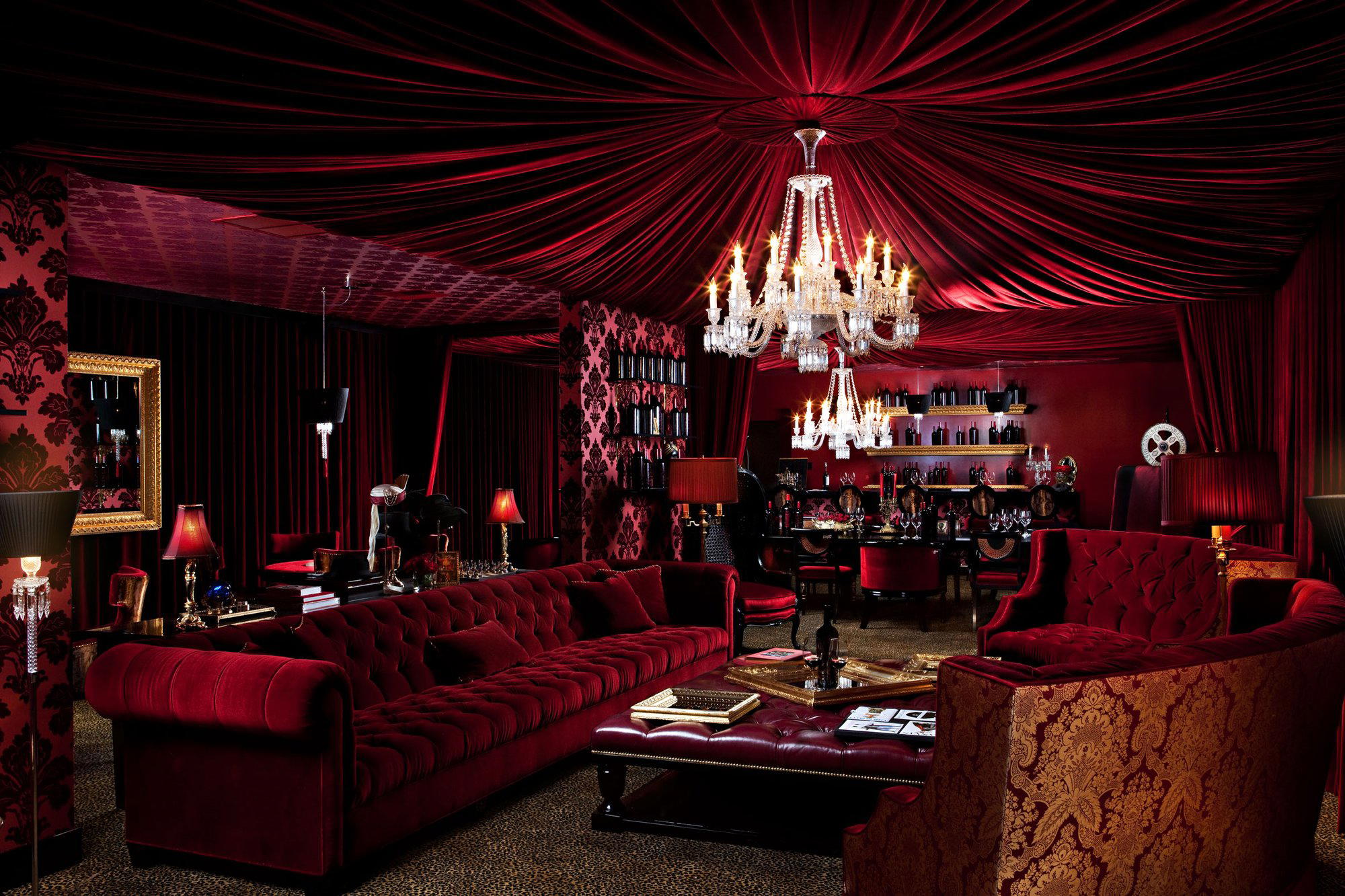
St. Helena and the Theatre of Napa Tasting Rooms
Raymond Vineyards is a seasonal California fine dining venue in St. Helena with a $125 per person price tier and a 4.6 Google rating. Along the St. Helena Highway corridor, tasting rooms follow a spectrum that runs from barn-quiet agricultural simplicity to full-scale theatrical production. Raymond Vineyards sits decisively toward the latter end of that spectrum. Where neighboring estates like Frog's Leap Winery lean into organic restraint and farmhouse calm, and Ashes & Diamonds Winery pursues a mid-century modernist aesthetic, Raymond built its identity around immersive, designed environments that ask visitors to engage physically with the space before they engage with the wine.
Caymus Vineyards operates nearby, representing a more classically structured Napa identity built on decades of critical consensus. Raymond's approach reads as a counterpoint to that model: the architecture and spatial design here function as argument, a claim that the visit itself should be as considered as the viticulture.
Spatial Design as Editorial Statement
Napa Valley has spent the past two decades reconsidering what a winery visit actually is. The old model, a barrel-room walkthrough and a pour at a laminate counter, has given way to a category of experience where interior design, curatorial sensibility, and spatial sequencing carry as much weight as the wine list. Raymond belongs to this later wave of design-forward tasting environments, where different rooms are calibrated for different registers of engagement.
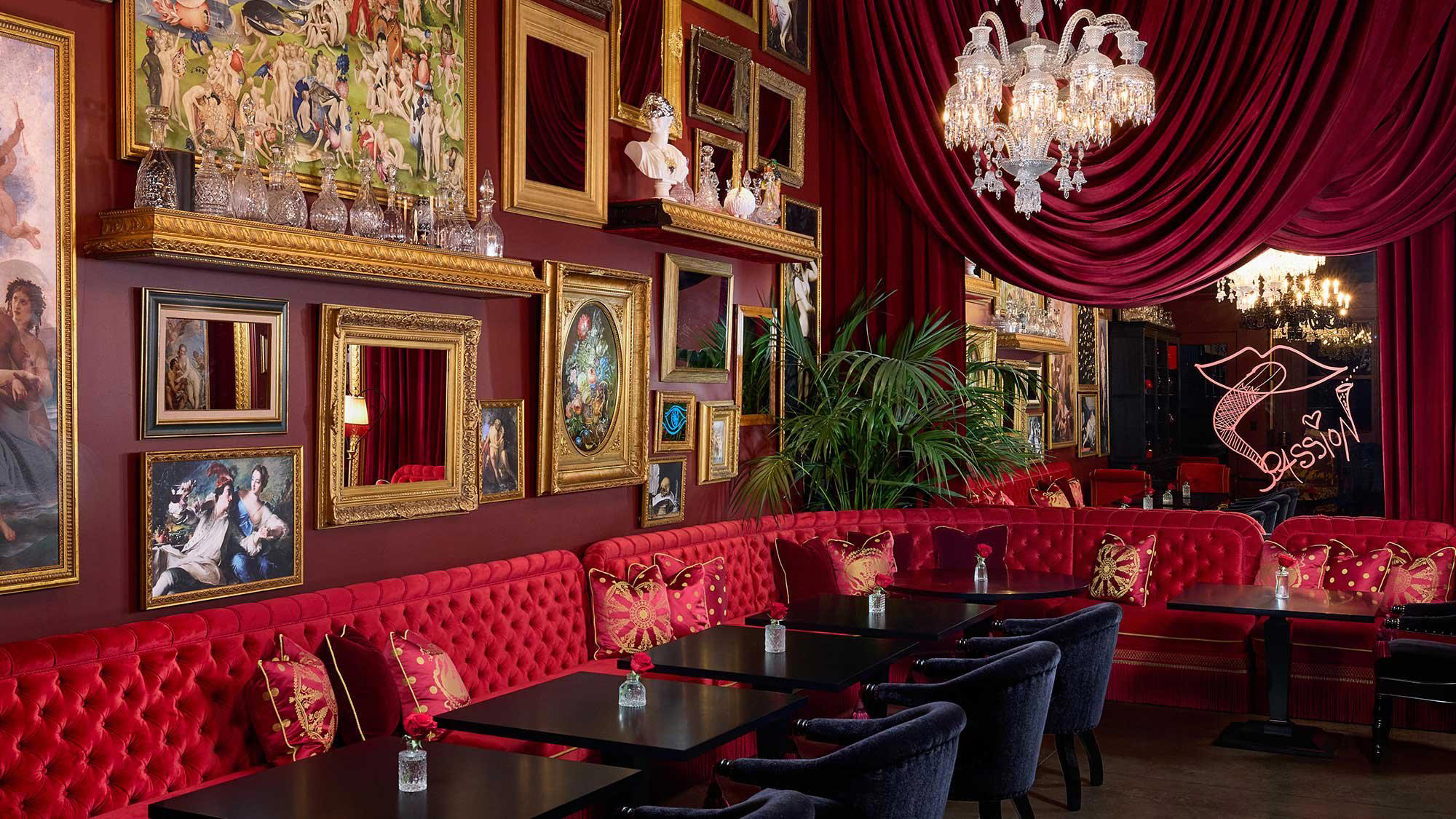
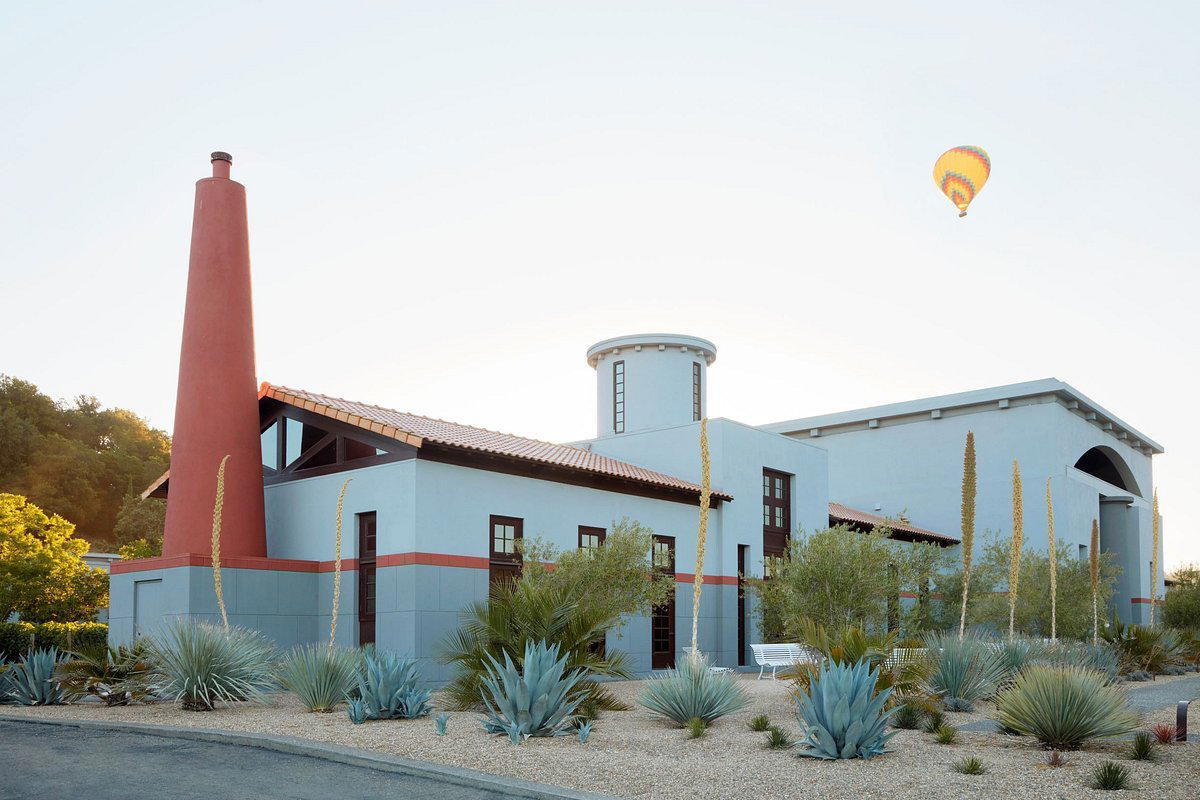
The property's most discussed space is the Red Room, a dramatically lit interior environment that reads more like a theatrical installation than a conventional tasting room. Deep red surfaces, theatrical lighting, and a density of objects create an atmosphere that deliberately separates the visitor from the agricultural landscape just outside. Raymond chooses rupture over continuity, and the space makes that argument emphatically.
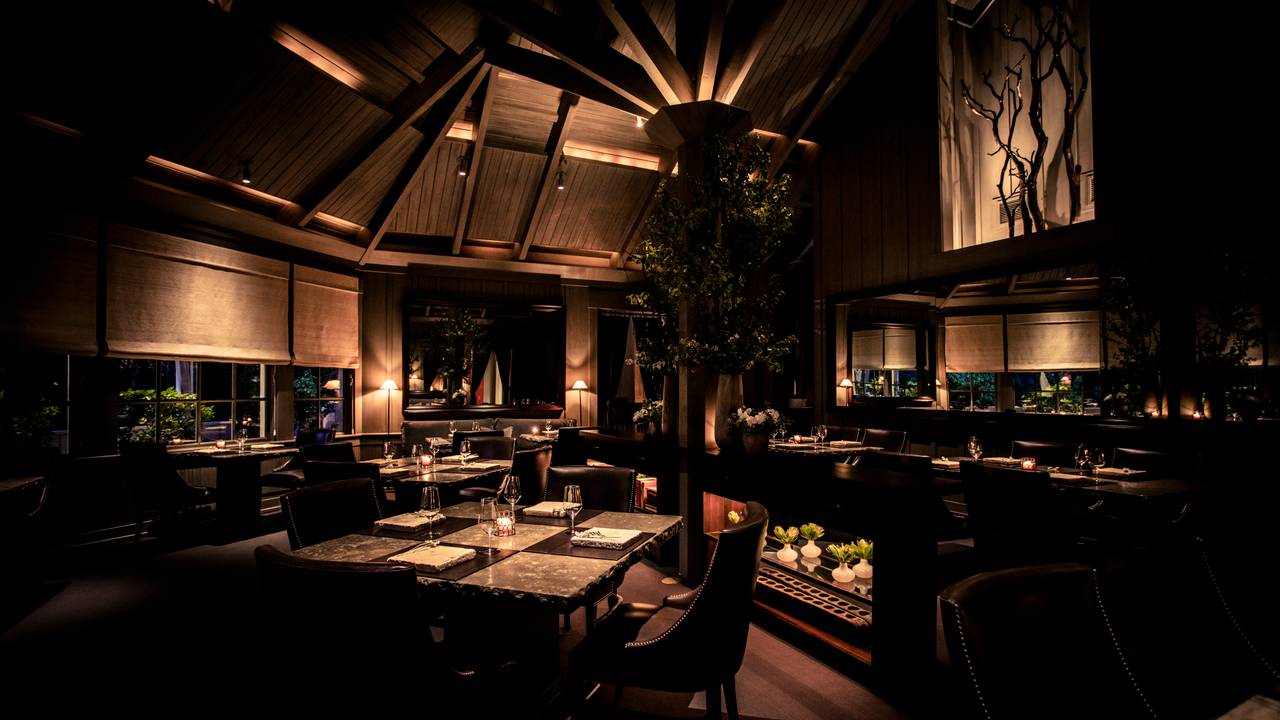
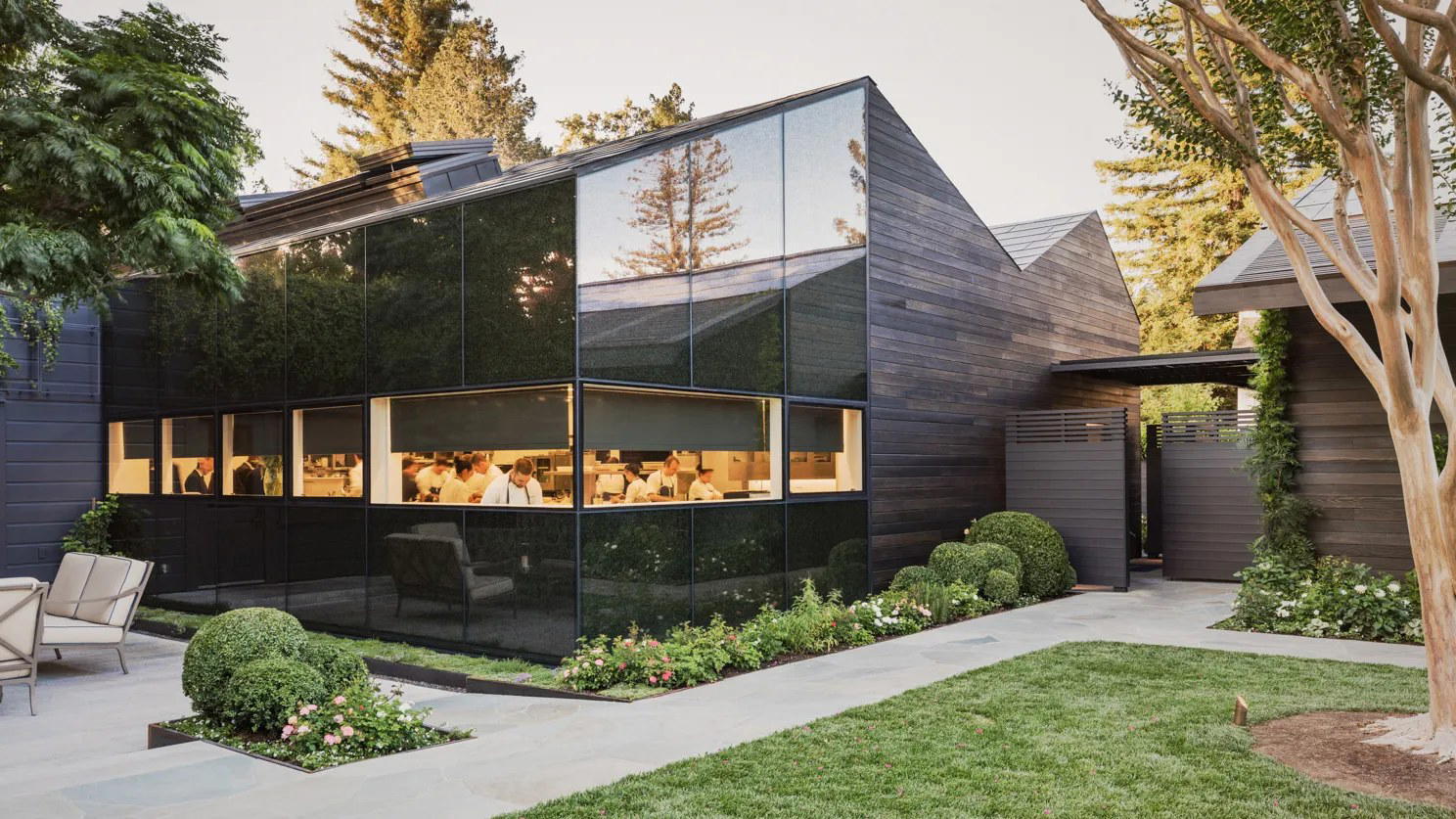
Elsewhere on the property, the design register shifts. Outdoor areas engage more directly with the estate land, offering a counterpoint to the interior drama. This oscillation between immersive enclosure and open agricultural space gives the visit a structural rhythm that functions like a tasting menu: contrast drives engagement. It is a model that properties elsewhere in California have adopted, though few execute the interior-exterior tension as explicitly. Compare this approach with what Brasswood Bar + Kitchen achieves through its food-and-wine integration model, or the farm-rooted spatial logic of Blue Hill at Stone Barns in Tarrytown, which uses landscape as primary design material.
Where Raymond Sits in the Napa Hierarchy
Napa Valley's tasting-room tier has stratified sharply. At the leading, small-production estates with reservation-only access and three-figure tasting fees serve allocation-list clientele and function more like private dining than wine retail. Below that, a larger mid-tier operates destination tasting rooms that compete on experience design, food pairings, and visual identity. Raymond occupies this mid-tier, where the competition is experiential rather than purely vinous.
This is the same competitive logic that drives properties like Boon Fly Café on the Carneros side of the appellation, where the draw is a combination of food, atmosphere, and a particular version of Napa leisure. Raymond's version of that formula skews more visually theatrical, less food-forward. Visitors arriving from San Francisco for a single-day valley circuit, a common pattern, often use Raymond as a deliberate counterpoint to more austere estate visits, treating the sensory contrast as part of the day's editorial structure.
For those building a longer itinerary that includes serious dining, the valley offers reference-point restaurants at some distance from the winery experience: The French Laundry in Napa operates at the far end of the formality spectrum, while Single Thread Farm in Healdsburg represents the farm-to-counter model at its most refined. Raymond does not compete in this register, nor does it try to. Its comparable set is experiential wine tourism, not fine dining.
Planning the Visit
St. Helena sits roughly in the middle of the Napa Valley floor, accessible from the south via Highway 29 or the Silverado Trail from the east. The main entrance is on St. Helena Highway, with a separate truck entrance on Zinfandel Lane. Visiting mid-week reduces competition for appointment times, and reservations are recommended.
For context on what California's most ambitious dining looks like, Lazy Bear in San Francisco and Providence in Los Angeles represent the state's counter-service fine dining tier. Further afield, Addison in San Diego and Smyth in Chicago anchor their respective cities' high-end dining programs. Internationally, Atelier Moessmer Norbert Niederkofler in Brunico and Atomix in New York City illustrate how design and spatial sequencing can function as primary components of a tasting experience, a framework that illuminates what Raymond is attempting at the winery scale.
Compact Comparison
Comparable venues nearby, for context on price, style, and recognition.
| Venue | Cuisine | Price | Notes |
|---|---|---|---|
| Raymond VineyardsThis venue — the venue you are viewing | $$$$ | ||
| Ashes & Diamonds Winery | $$$$ | Oak Knoll District, Seasonal California Wine Country | |
| Round Pond Estate Winery | $$$$ | Rutherford, Estate Farm-to-Table Wine Pairings | |
| Ninebark | downtown, Modern California Fine Dining | $$$$ | |
| Heritage Eats | $$ | Bel Aire Plaza, Global Fusion Fast-Casual | |
| Brix | $$$ | Oakville, Farm-to-Table California with French and Italian Influences |
Continue exploring
More in Napa
Restaurants in Napa
Browse all →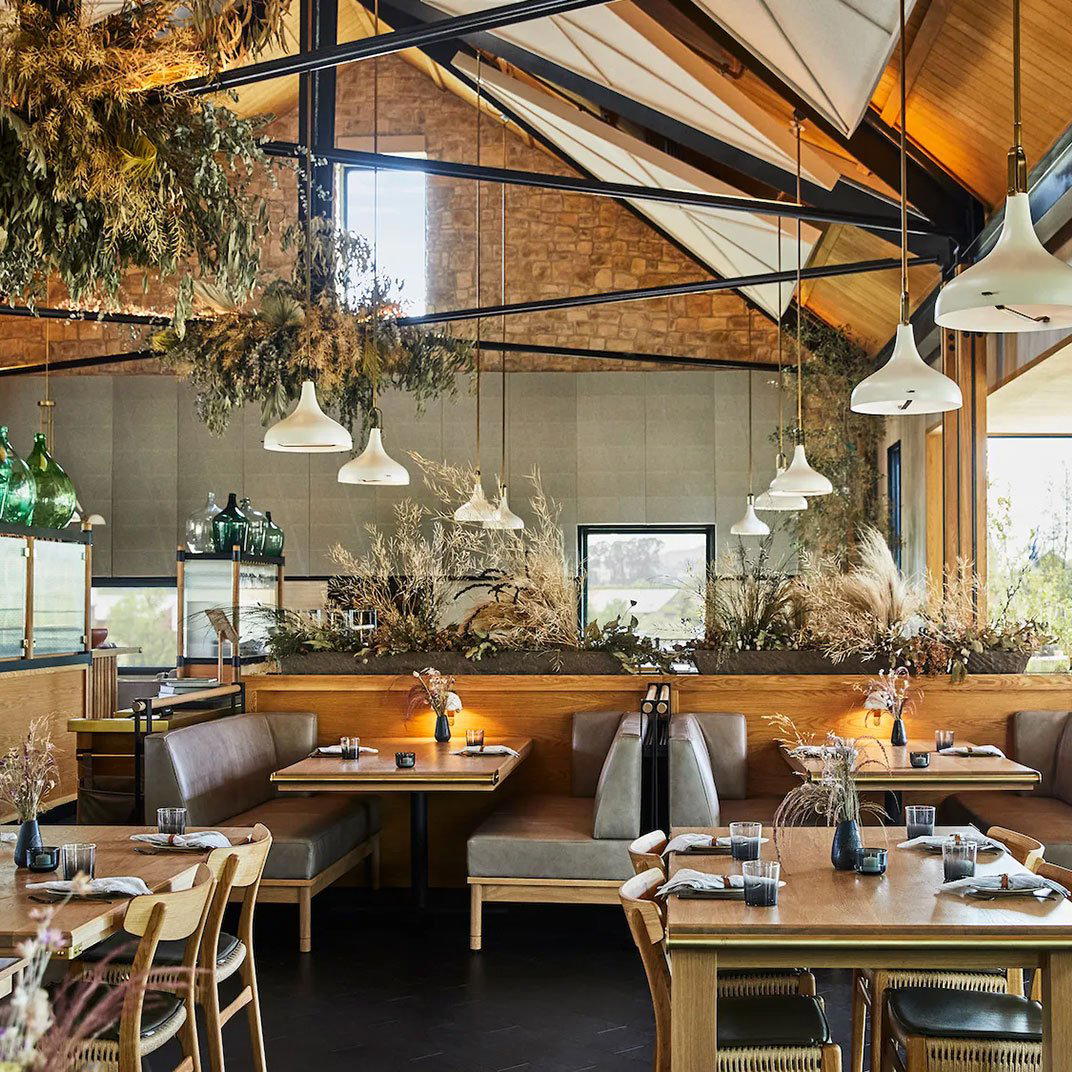
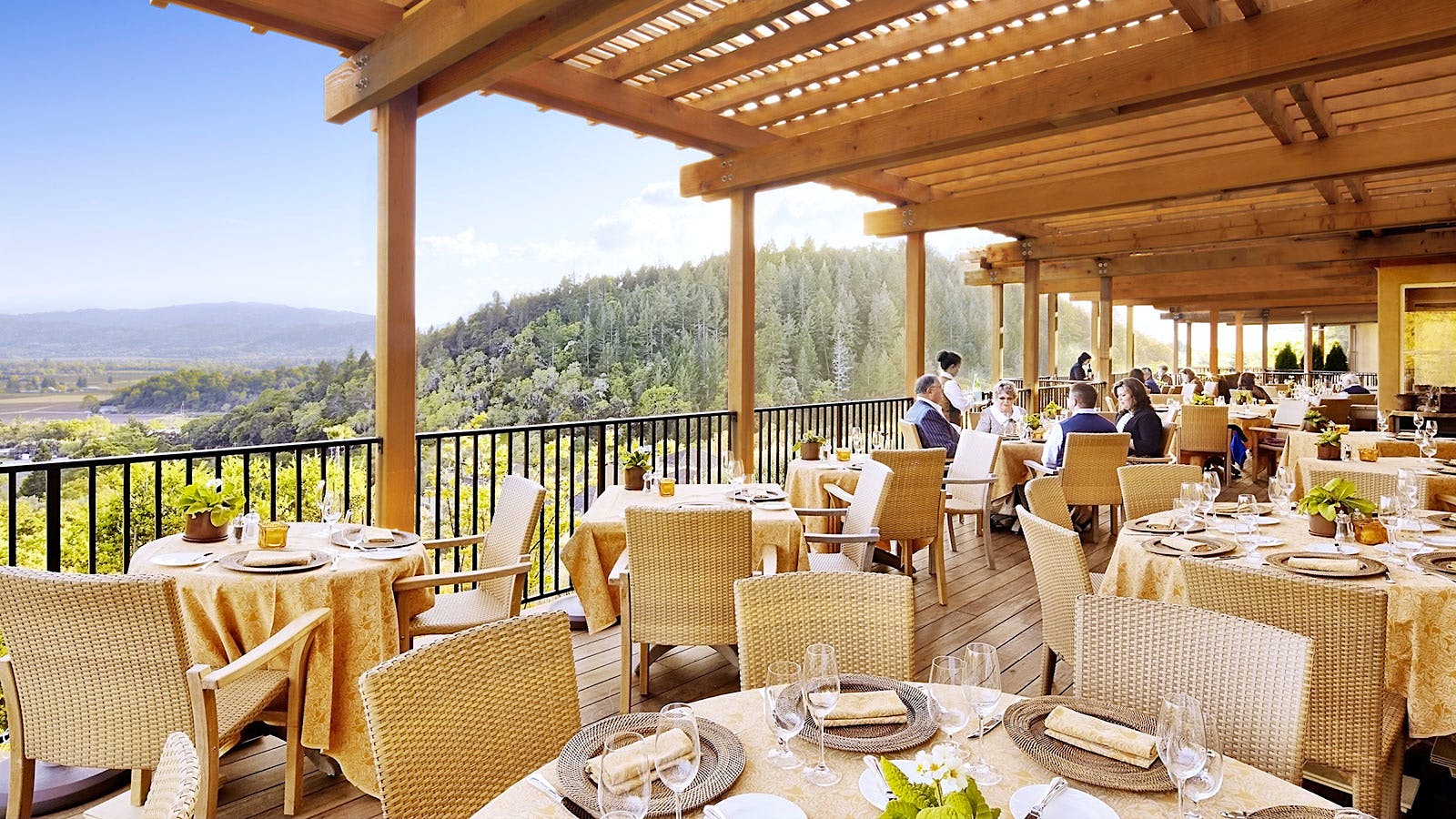
Bars in Napa
Browse all →
Hotels in Napa
Browse all →
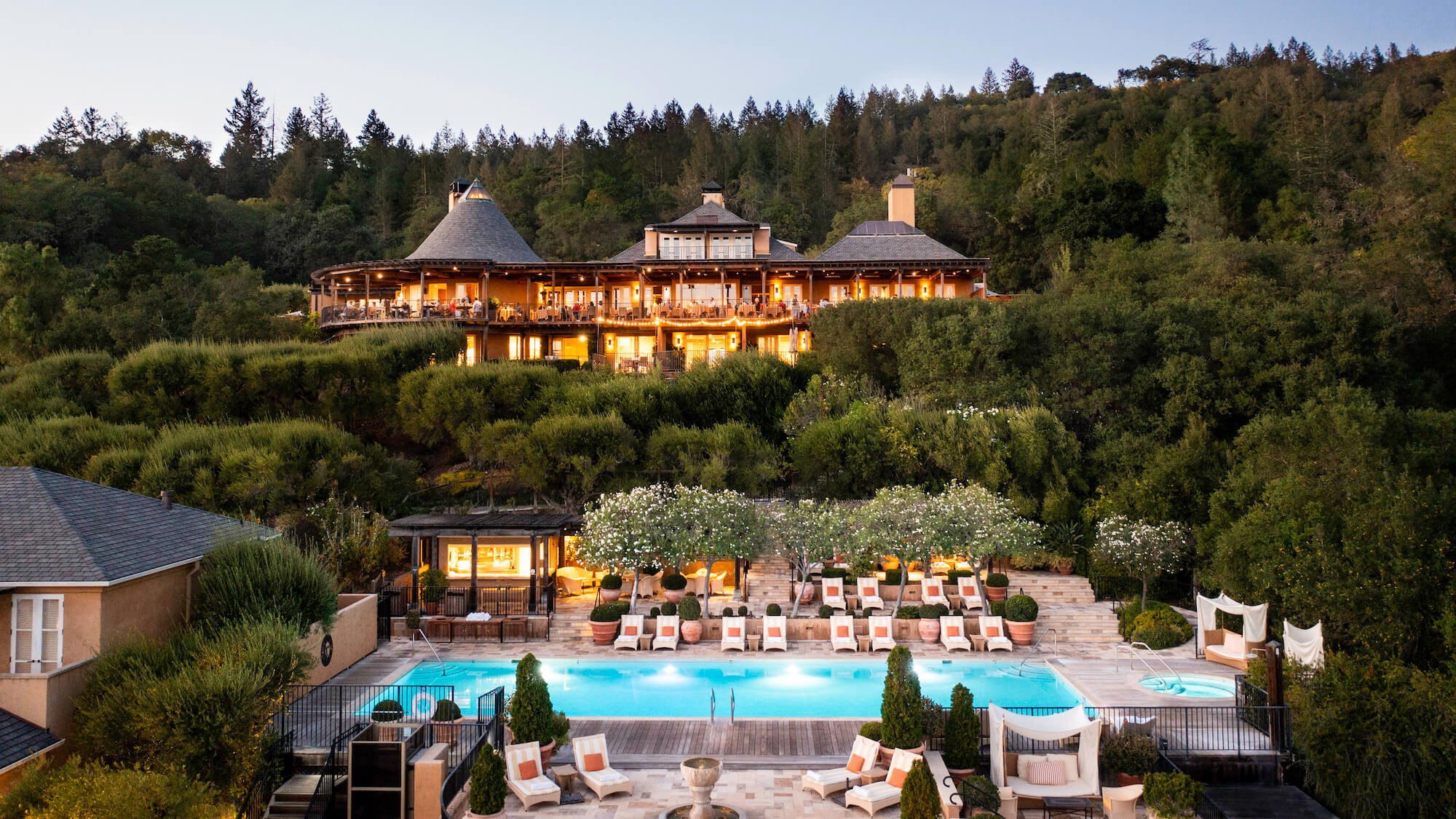
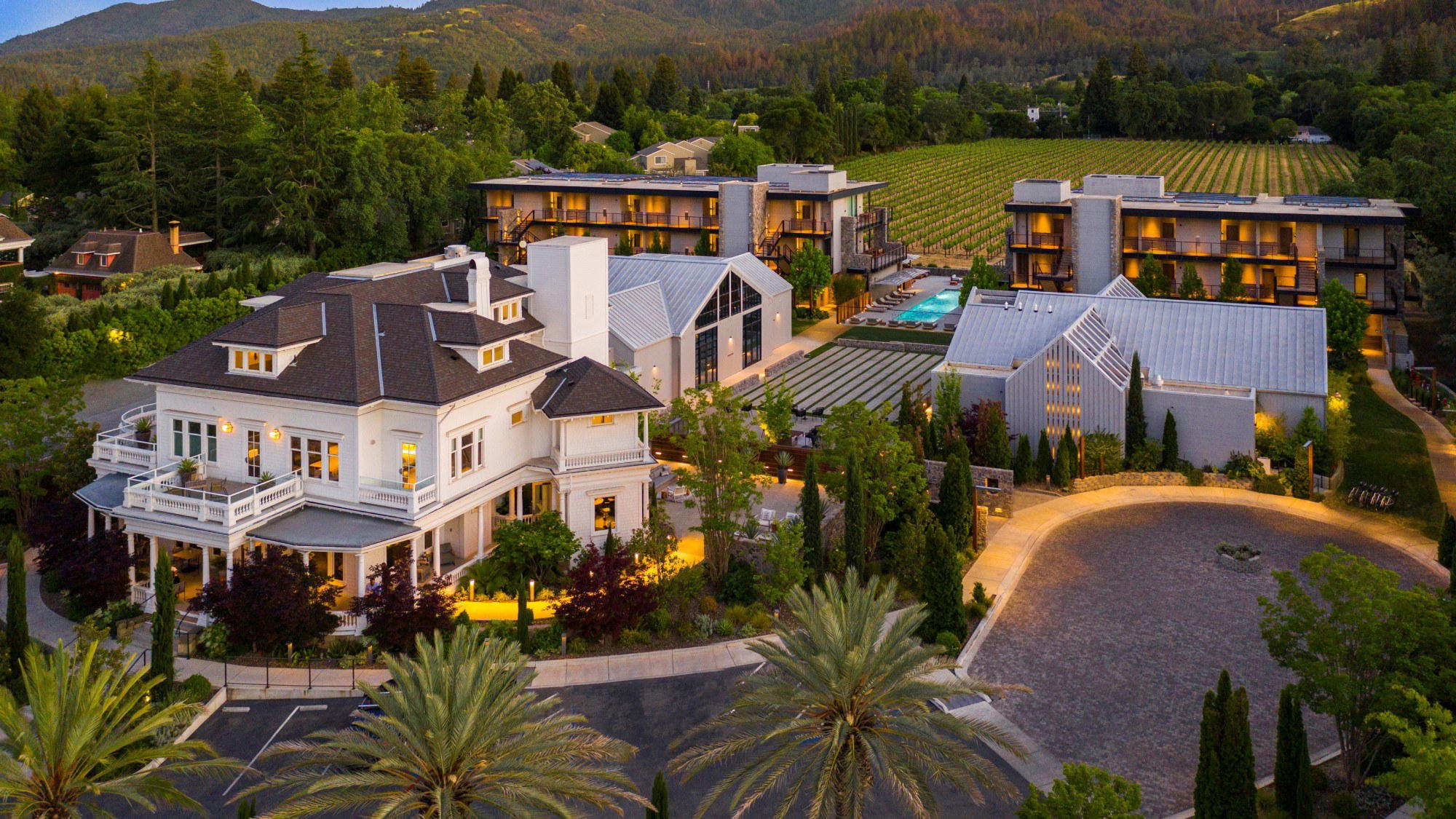
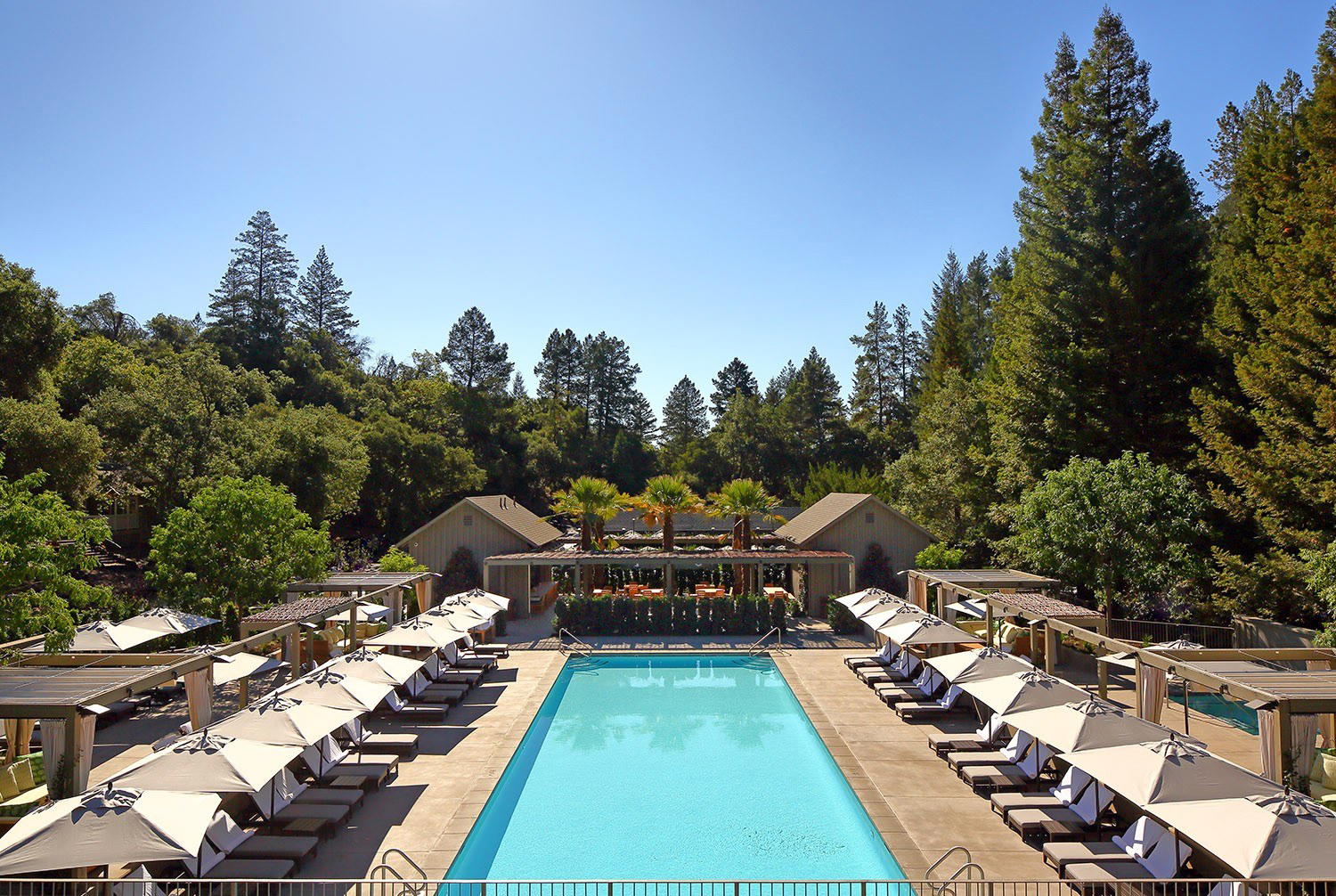
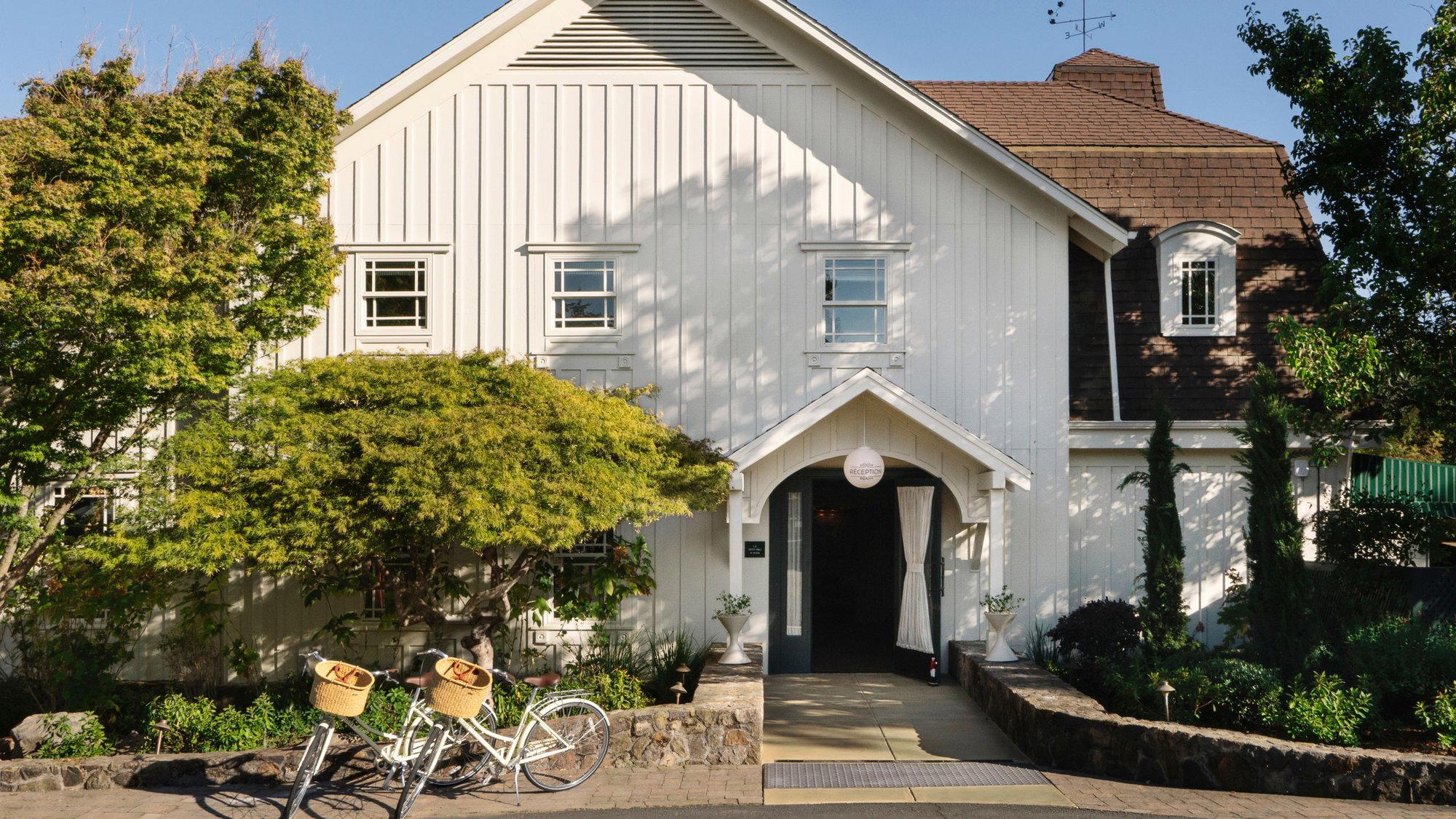
At a Glance
- Elegant
- Scenic
- Rustic
- Sophisticated
- Whimsical
- Special Occasion
- Date Night
- Private Event
- Wine Cellar
- Garden
- Private Dining
- Historic Building
- Extensive Wine List
- Sommelier Led
- Biodynamic
- Organic
- Local Sourcing
- Vineyard
- Garden
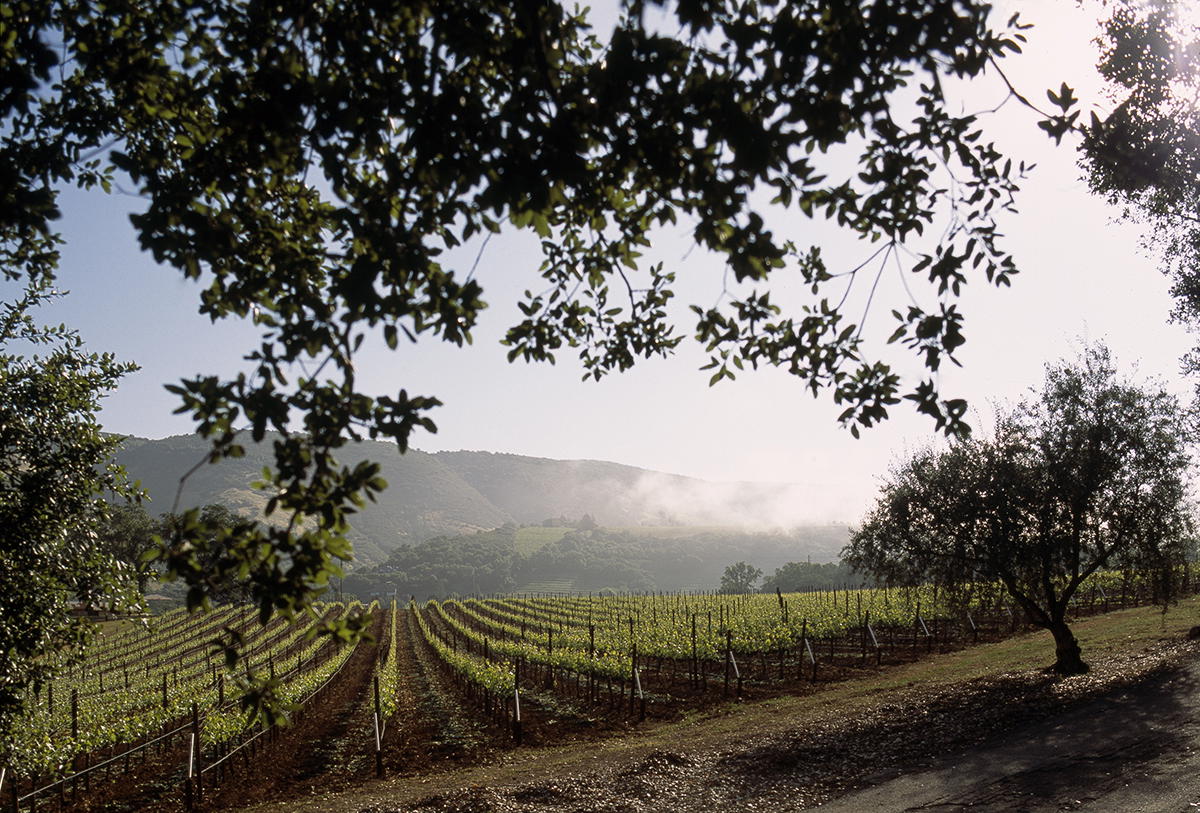
Whimsical and creative atmosphere with scenic vineyard views, exploration-focused design, and an elegant yet relaxed wine country feel.