Our verdict
Pyynikintori and the Square That Anchors It Pyynikintori is one of Tampere's older market squares, set at the foot of the Pyynikki ridge on the western edge of the city centre. The area carries the architectural weight of pre-war Finland: low...

Pearl is the En Primeur Club membership app — saves, bookings, and concierge access live there. Same editors, same standards.
- Address
- Pyynikintori 5, 33230 Tampere, Finland
- Phone
- +35832121205
- Hours
- Mon ClosedTue–Fri 12–10 PMSat 1–10 PMSun 1–5 PM
- Website
- heinatori.com
- Directions
- Get directions
The menu
What to order
- Fried vendace
- Reindeer sirloin
- Traditional Finnish pork sauce
Pyynikintori and the Square That Anchors It
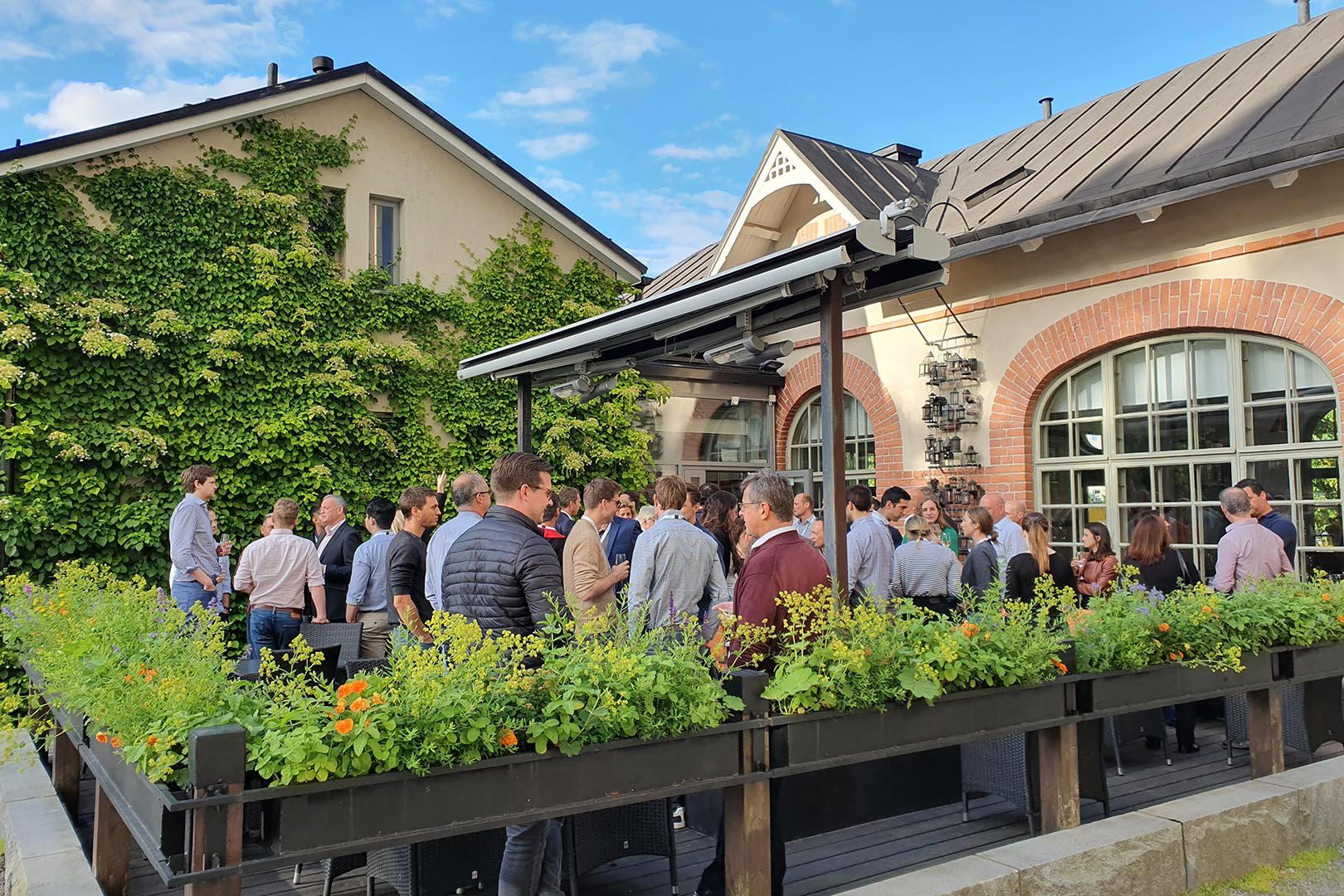
Pyynikintori is one of Tampere's older market squares, set at the foot of the Pyynikki ridge on the western edge of the city centre. The area carries the architectural weight of pre-war Finland: low brick facades, a neighbourhood tempo that resists the frantic pace of Tampere's newer commercial corridors, and a pedestrian rhythm shaped by the square's original function as a trading point. Ravintola Heinätori sits at Pyynikintori 5, positioned within this context rather than against it. Arriving on foot from the ridge trail or from the tram network that serves the broader Pyynikki district, the transition from outdoor air to a restaurant interior is a short, unhurried one. That physical situation, a neighbourhood square address rather than a central boulevard slot, tells you something about the kind of dining the space is built around.
Reading the Menu as a Document
In Finnish restaurant culture, particularly across cities like Tampere where the dining scene has grown considerably without the international visibility of Helsinki or Turku, menu architecture often reflects a negotiation between Nordic ingredient traditions and European technique. Restaurants operating in neighbourhood contexts, away from the tourist corridors that concentrate near Tampere's Nasinneula tower and market hall, tend to commit more overtly to a local identity. Their menus signal this through sourcing language, seasonal rotation, and the proportion of dishes that reference Finnish produce directly. At venues where the menu structure is the most legible expression of a kitchen's priorities, the ordering of courses, the proportion of vegetable-forward plates to protein anchors, and the degree to which fermentation or preservation methods appear as structural elements rather than garnishes all indicate where the chef's reasoning sits within the current Nordic conversation.
What the address and category context suggest is a restaurant participating in the broader Tampere mid-to-upper neighbourhood dining tier, a segment that has grown substantially since Finnish cities outside the capital began attracting more serious kitchen talent through the 2010s. Tampere's restaurant scene now includes destinations like Dining 26 by Arto Rastas and Brasserie Deux at the more formal end, with neighbourhood venues like Bistro Eloisa and Bistro Henriks occupying a conversational, ingredient-led register closer to what a Pyynikintori address implies.
Tampere in the Finnish Dining Conversation
Finland's restaurant scene distributes its ambition unevenly across geographies. Helsinki carries the Michelin weight: Palace in Helsinki operates at the formal fine-dining apex. Turku has produced genuinely influential kitchens, with Kaskis in Turku representing a restrained, produce-led model that has been widely noted. Smaller cities have followed: VÅR in Porvoo, Filipof in Joensuu, Figaro in Jyväskylä, Gösta in Mänttä, Hejm in Vaasa, and Vintti in Hameenlinna each demonstrate that serious cooking has dispersed well beyond the capital. Hai Long in Rovaniemi and JJ's BBQ in Salo illustrate further that Finnish dining ambition is not geographically contained.
Tampere sits in this national picture as Finland's second-largest urban area, with a restaurant scene that has expanded rapidly since the city's industrial decline gave way to a cultural and service economy. The tori, or square, remains a functional civic anchor in Finnish urban life, and restaurants that occupy square-facing positions in working neighbourhoods like Pyynikki carry a local legitimacy that more central addresses sometimes sacrifice for footfall. Within Tampere, venues like Apaja have built recognisable identities against this backdrop. See our full Tampere restaurants guide for a broader map of how the city's dining tiers are currently distributed.
The Neighbourhood Dining Format
Across Finnish cities, the neighbourhood restaurant that prioritises regulars over tourists operates under a different set of pressures than a destination fine-dining room. The menu tends to change with the market rather than anchoring around a fixed tasting structure. Lunch service often carries as much weight as dinner. The wine list tends to be shorter and more purposefully assembled than at venue-portfolio restaurants with access to large buying teams. These are not constraints so much as design choices that reflect a particular relationship with the surrounding community. Internationally, the contrast is readable by comparison with high-capital fine-dining formats: at venues like Le Bernardin in New York City or Atomix in New York City, the menu architecture is a performance of institutional authority. The neighbourhood restaurant proposes a different compact entirely.
Within Tampere, this format sits comfortably alongside the more ambitious end of the dining spectrum. A meal at a Pyynikintori restaurant is not a lesser version of a meal at a central fine-dining room; it is a different proposition structured around different priorities. Menu legibility, portion generosity, price accessibility relative to the city's formal dining tiers, and a pace set by the neighbourhood rather than by a kitchen's production schedule all factor in.
Planning a Visit
Pyynikintori is reachable from central Tampere on foot in under twenty minutes, or by tram to the Pyynikintori stop which connects to the city's main tram network. The square operates as a neighbourhood hub, meaning parking is available in the immediate vicinity and the surrounding streets carry residential rather than commercial traffic. Checking for seasonal closures, a common pattern among smaller Finnish restaurants during summer and around public holidays, is worth doing ahead of any planned visit.
Frequently asked questions
Where is Ravintola Heinätori located?
Ravintola Heinätori is located at Pyynikintori 5, 33230 Tampere, Finland, Tampere.
How does Ravintola Heinätori's location at Pyynikintori compare to Tampere's city-centre restaurant strip?
Pyynikintori sits at the foot of the Pyynikki ridge on Tampere's western edge, a functioning neighbourhood square rather than a tourist-facing commercial zone. That address puts Ravintola Heinätori in a different category from restaurants on Tampere's main thoroughfares, where turnover-driven models dominate. The square draws a local crowd that tends toward repeat visits, which shapes the dining format restaurants there sustain.
What should I eat at Ravintola Heinätori?
Finnish neighbourhood restaurants at a market square address like Pyynikintori 5 typically anchor their menus to seasonal produce and weekly rotating dishes rather than fixed long-term menus. Contacting the venue directly before your visit is the reliable way to know what is being served.
Do they take walk-ins at Ravintola Heinätori?
Restaurants on neighbourhood squares like Pyynikintori in Tampere vary considerably, with some holding tables for walk-ins and others running on a reservations-only basis, particularly on weekends.
What has Ravintola Heinätori built its reputation on?
Its location on Pyynikintori, one of Tampere's established neighbourhood squares, places it within a dining culture that rewards consistency and regular clientele over destination traffic. That local-facing model builds reputation differently than the Michelin-tracked venues concentrated in Helsinki.
What if I have allergies at Ravintola Heinätori?
Finnish food service legislation requires restaurants to declare allergens in their dishes, so staff at Pyynikintori 5 should be able to provide allergen information on request. Flagging specific requirements ahead of your visit, particularly for serious allergies, is standard practice across Finland's restaurant sector.
Standing Among Peers
Comparable venues nearby, for context on price, style, and recognition.
| Venue | Cuisine | Price | Awards | Notes |
|---|---|---|---|---|
| Ravintola HeinätoriThis venue — the venue you are viewing | Traditional Finnish Fine Dining | $50–100 | Not listed | Not listed |
| Brasserie Deux | Classic French Brasserie | Not listed | Not listed | central Tampere |
| Ravinteli Bertha | Modern European Bistro | $50–100 | Not listed | Kyttälä |
| Huber | Charcoal-Grilled Dry-Aged Steaks | Not listed | Star Wine List | central Tampere |
| Dining 26 by Arto Rastas | Modern Mediterranean Fine Dining | $50–100 | Not listed | city centre |
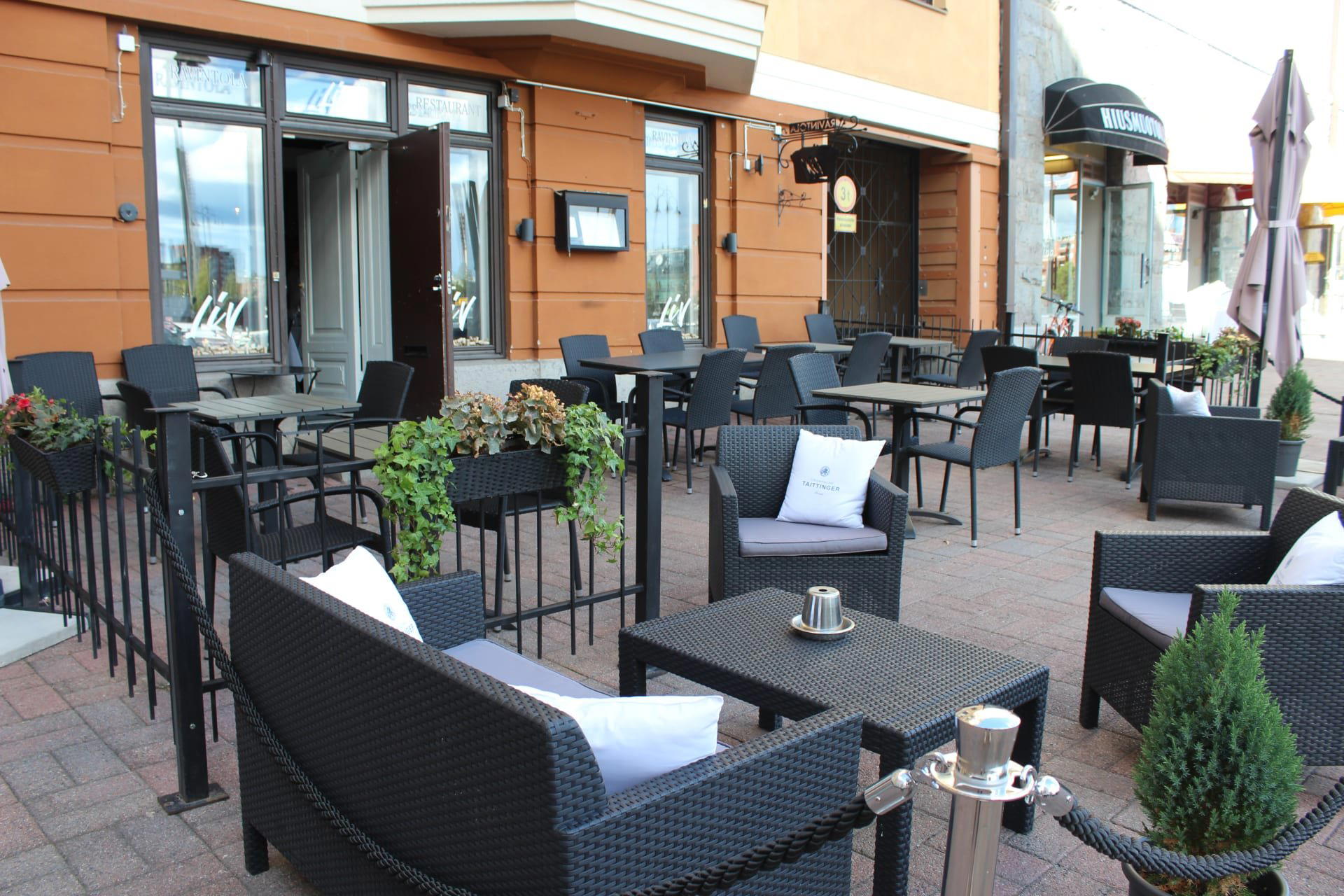
| LiV | French-Italian Fine Dining Bistro | $50–100 | Not listed | Laukontori |
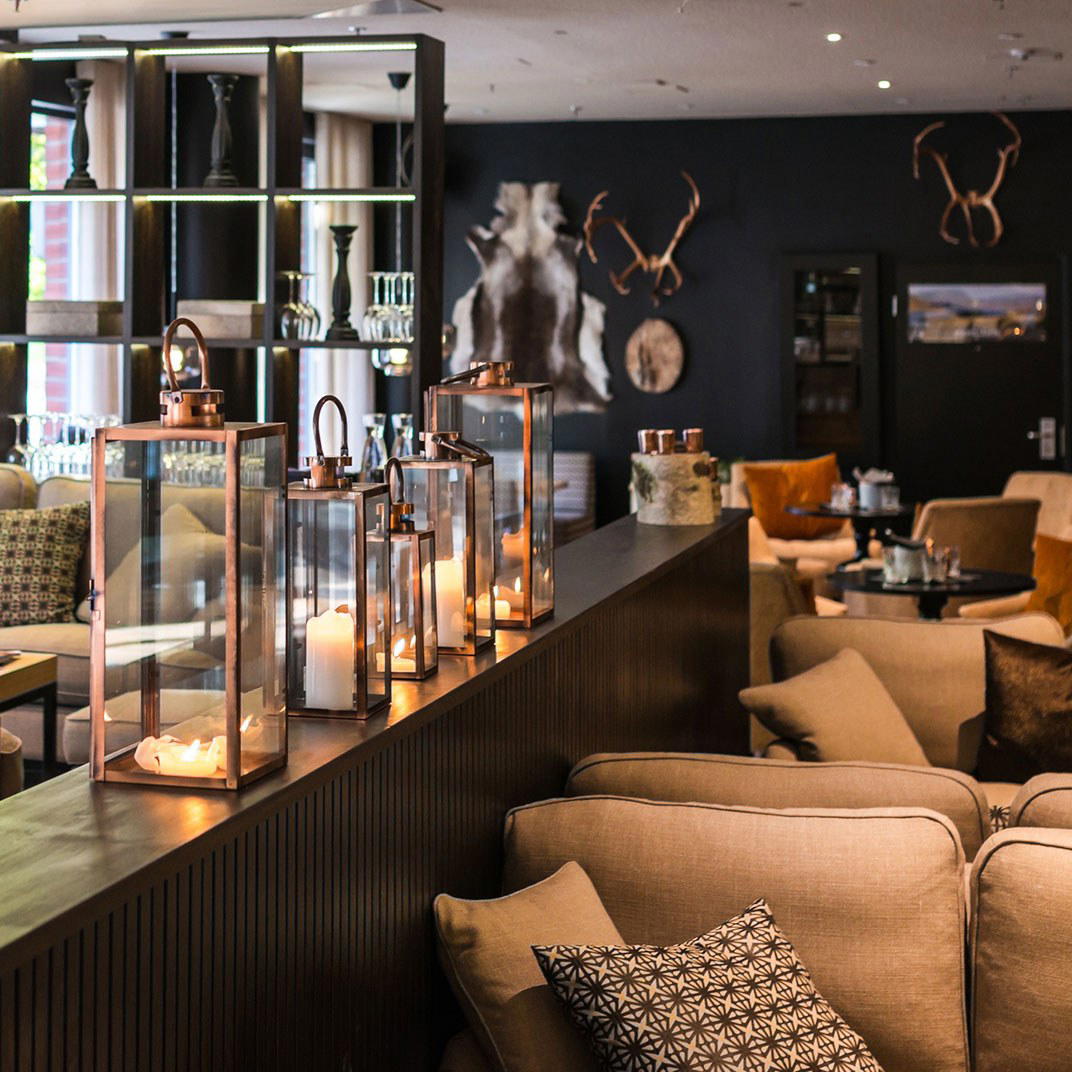
Ravintola Heinätori
The wine
- Wine program
- Curated wine list
- Extensive wine list
Details
- Cozy
- Classic
- Rustic
- Special Occasion
- Family
- Group Dining
- Historic Building
- Terrace
- Extensive Wine List
- Local Sourcing
- A La Carte
- Set Menu
- Vegetarian Friendly
- Gluten Free Options
Current opening hours
- Monday
- Closed
- Tuesday
- 12–10 PM
- Wednesday
- 12–10 PM
- Thursday
- 12–10 PM
- Friday
- 12–10 PM
- Saturday
- 1–10 PM
- Sunday
- 1–5 PM
Hours can change for holidays and private events. Last verified .
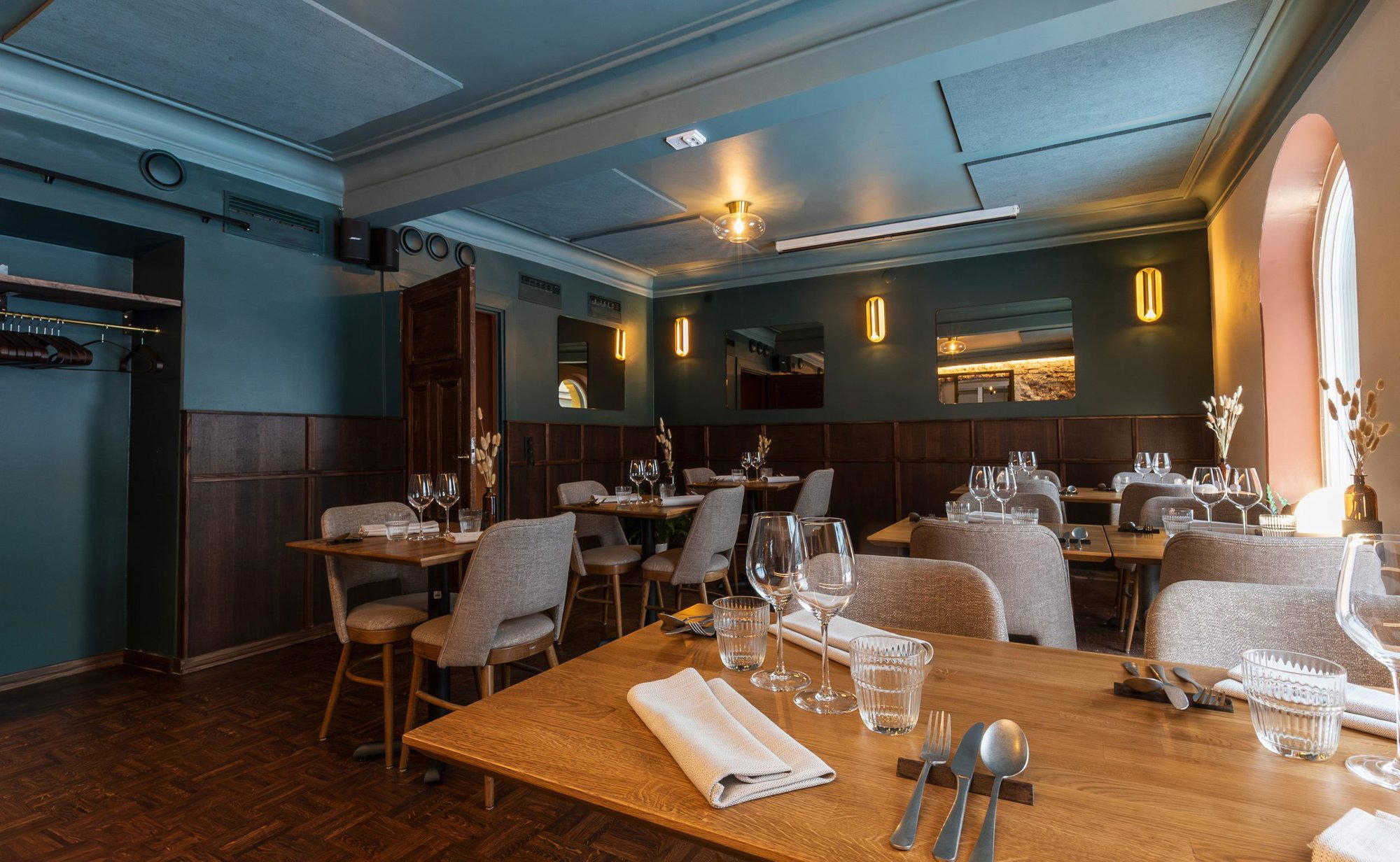
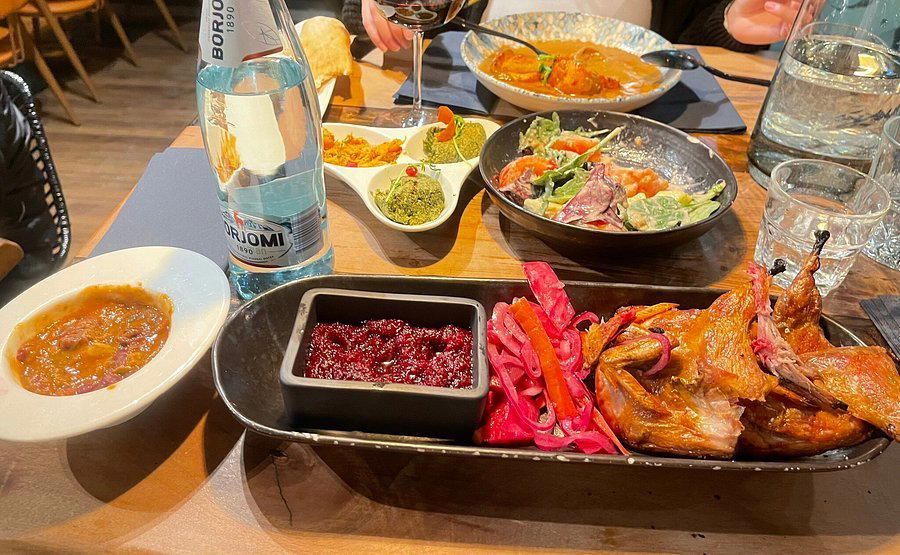
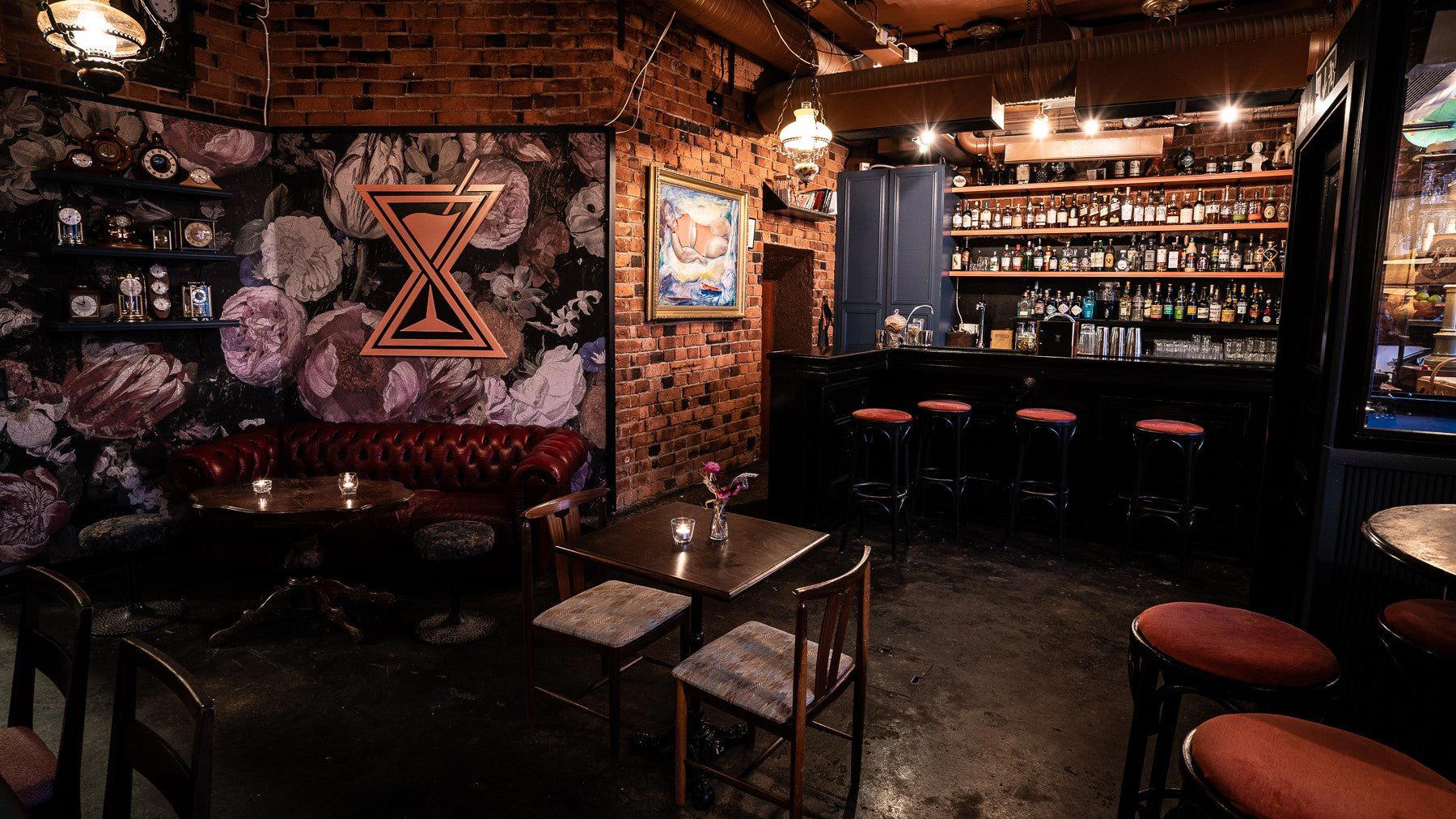
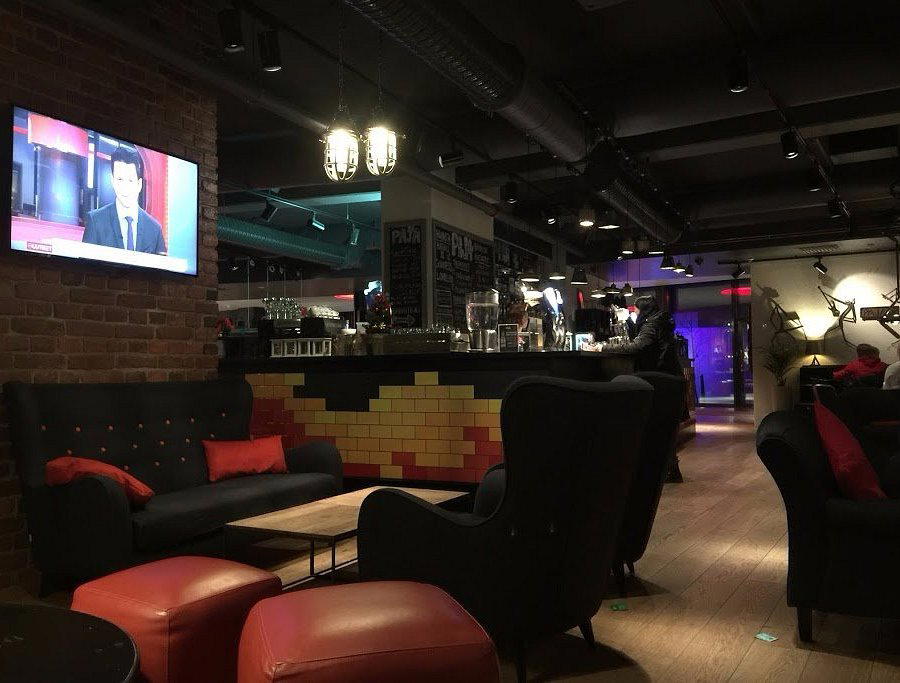
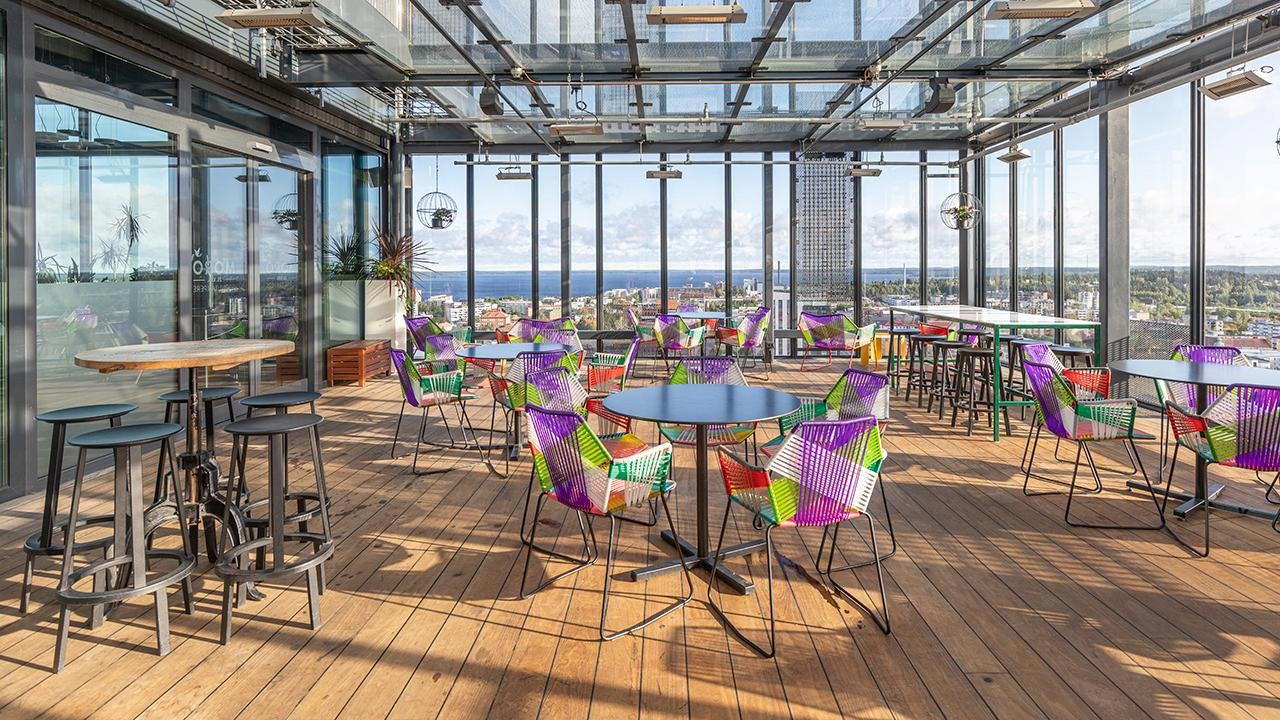
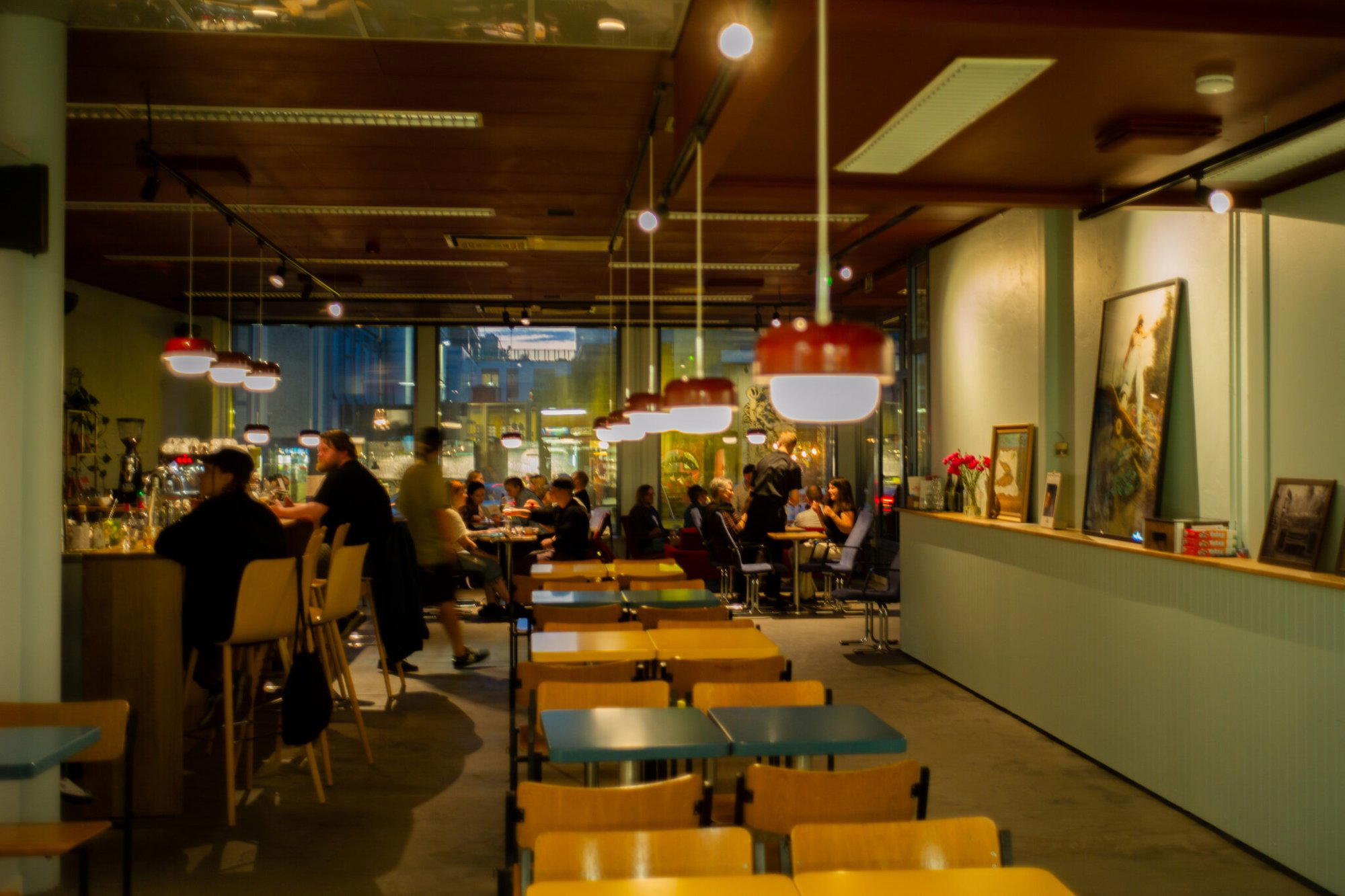
Inviting and sophisticated atmosphere in a cozy historic space with fresh, simple presentations that let ingredient flavors shine.