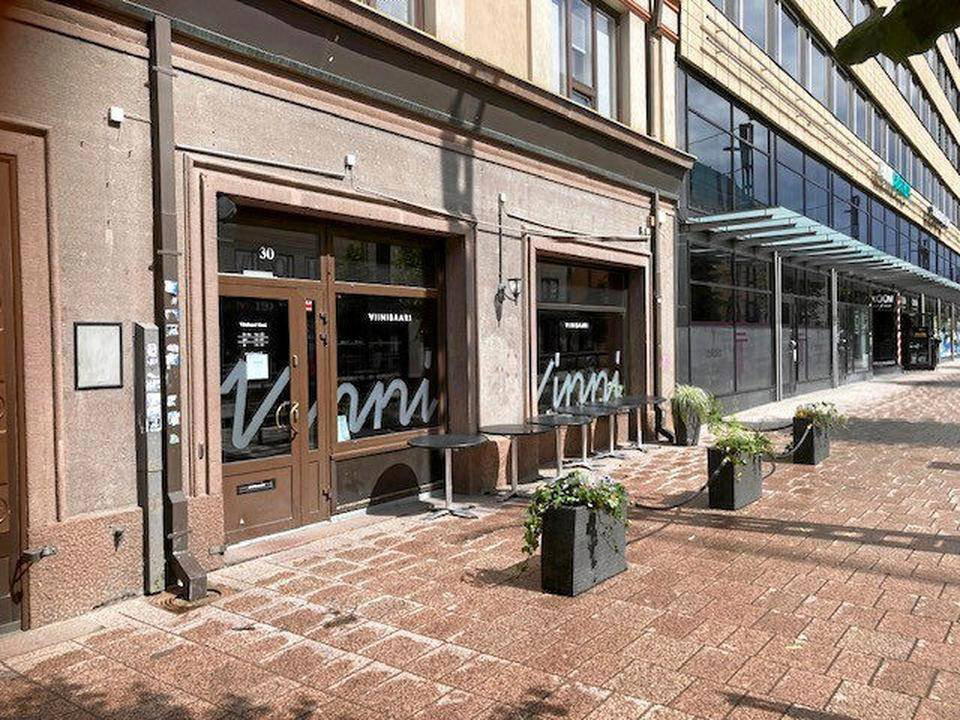
On Aleksanterinkatu, Tampere's main commercial artery, Dining 26 by Arto Rastas occupies a position that signals ambition in a city whose restaurant scene has matured considerably over the past decade. The name itself carries a structural logic: an address, a chef, a format. That clarity of intent tends to define restaurants in the Nordic fine-casual tier that take their menu architecture seriously.
Pearl is the En Primeur Club membership app — saves, bookings, and concierge access live there. Same editors, same standards.
- Address
- Aleksanterinkatu 26, 33100 Tampere, Finland
- Phone
- +358503304100
- Website
- dining26.fi
- Directions
- Get directions
 Saves & bookings on Pearl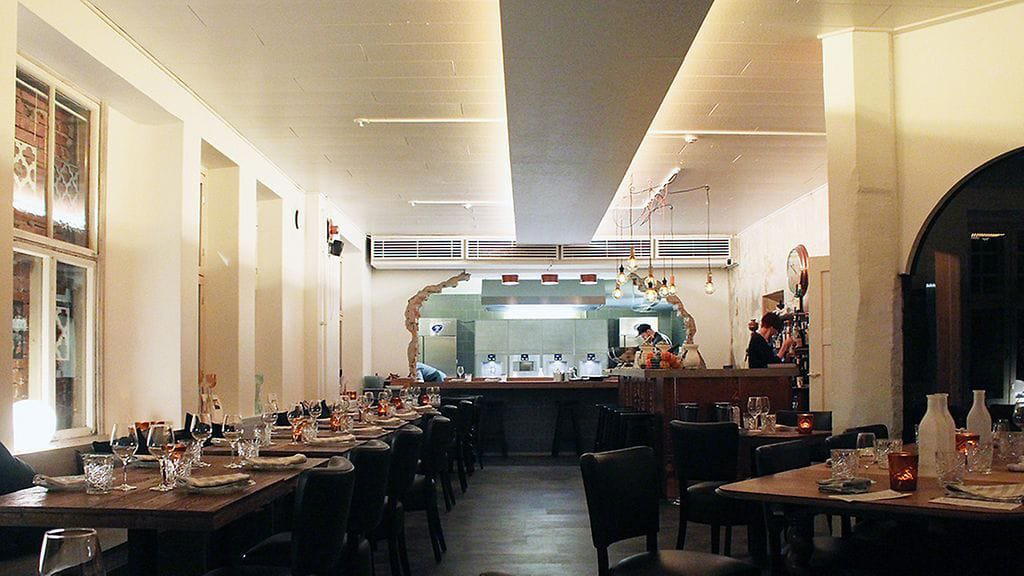
Aleksanterinkatu and What It Says About Tampere Dining
Tampere's restaurant scene has undergone a quiet but measurable shift over the past decade. The city, Finland's third largest, has moved from a regional dining culture anchored in traditional Finnish staples toward a more layered set of options: gastropubs with genuine cellar programs, brasseries applying French technique to Nordic produce, and chef-driven rooms where the menu structure itself carries the argumentative weight. Dining 26 by Arto Rastas, situated at Aleksanterinkatu 26, sits at this intersection. The address, on Tampere's main commercial corridor, places the restaurant in the city's most visible dining stretch, where the room's character has to do more than location alone.
This is the context in which to read Dining 26: not as an outlier but as a participant in a city-wide upgrade in culinary seriousness. Comparable operators like Apaja, Bistro Eloisa, and Brasserie Deux represent a comparable set in which provenance, technique, and format discipline have replaced generic hospitality as the operating standard. Gastropub Tuulensuu and Bistro Henriks fill adjacent tiers. Dining 26 positions itself in the more formal end of that range, where the chef's name in the title signals a specific kind of accountability.
The Menu as Argument
In Nordic fine dining, the menu is rarely a neutral list. It functions as a point of view: on seasonality, on sourcing geography, on how many courses constitute a coherent meal versus an exercise in endurance. Particularly legible menus in this register tend to have a clear opening logic, a middle section that does the heaviest technical lifting, and a close that resolves rather than simply concludes. Restaurants structured around a named chef, as Dining 26 is, usually reflect that individual's training lineage in the architecture of the food.
Across Finland's serious dining rooms, this format has proven durable. Palace in Helsinki and Kaskis in Turku both operate within tasting-menu frameworks where the sequence carries deliberate editorial weight. VÅR in Porvoo and Pöllöwaari in Jyväskylä apply similar logic in smaller cities, each using menu structure to telegraph the kitchen's priorities before a single dish arrives. Dining 26 works within this tradition, where the name on the door functions as a guarantee of a particular editorial standpoint expressed through what gets cooked and in what order.
Finnish seasonal cooking at this tier leans on a familiar but honest pantry: game in autumn, root vegetables through winter, the brief but intense window of summer berries and foraged herbs, pike and perch from inland lakes, and pork raised to a standard that the domestic market increasingly demands. Where restaurants differentiate is in the elaboration: how much French technique sits beneath the Nordic surface, how aggressively the kitchen pursues fermentation and preservation, and whether the wine or drinks program is treated as an extension of the kitchen's logic or an afterthought.
Tampere in the Finnish Fine-Dining Map
Finland's serious restaurant culture has historically concentrated in Helsinki, with a secondary cluster in Turku and scattered practitioners elsewhere. That geography is changing. Musta Lammas in Kuopio, Popot in Lahti, and Lucy in the Sky in Espoo all represent the broader distribution of culinary ambition across Finnish cities. Viinitupa Vuorenmaja in Mänttä and Aurora Restaurant in Luosto demonstrate how far into the Finnish interior that seriousness extends.
Tampere occupies a particular position in this dispersal. It has the population base to support multiple serious restaurants simultaneously, unlike smaller cities where a single destination room captures most of the premium dining spend. The Aleksanterinkatu corridor has benefited from this density, and Dining 26 operates in a local market that has the depth to sustain a chef-named room with genuine culinary ambition. The relevant international comparison point here is less about a single chef-driven room fighting for survival and more about a city reaching the critical mass where restaurant culture can self-replicate. Cities like San Francisco, where Lazy Bear operates within a dense ecosystem of technically serious restaurants, show what that kind of density enables. New York's Le Bernardin represents a different point on the same axis: the fully matured expression of a single chef's sustained argument carried through menu and room over decades. Tampere is earlier in that arc, and Dining 26 is one of the operators shaping what the mature version looks like.
For visitors arriving from outside the region, Tampere is approximately 170 kilometres north of Helsinki and is served by both rail (under two hours from Helsinki Central on the fast service) and domestic flights. The Aleksanterinkatu address is walkable from both the main railway station and the city centre hotels, which matters for evening dining when transport options narrow. Reservations at chef-named rooms in this tier typically run several weeks ahead, particularly on weekend evenings, and direct contact through the restaurant's own channels tends to be more reliable than third-party platforms for availability and dietary communication. Comparable rooms regionally, including DeLorean in Jyväskylä, operate on similar booking timelines, which gives a useful calibration point for planning a broader Finnish itinerary.
What the Name Signals
Naming a restaurant after both an address and a chef is a specific kind of declaration. The address root grounds the room in a place; the chef name attaches responsibility. It is a format that European fine dining has used for decades, from Paris brasseries to London neighbourhood rooms, and it carries an implicit contract: the named chef's sensibility should be legible in every element, from the menu's opening gambit to the close, from the sourcing logic to the plate geometry. Restaurants that make this claim and then fail to carry it through the full experience quickly lose the benefit of the declaration. Those that sustain it build a reputation that attaches to the chef's name regardless of address changes or format evolution.
In Tampere's current dining map, Dining 26 by Arto Rastas occupies a position where that contract is active and visible. The comparable set it competes with, both locally and in the broader Finnish fine-dining conversation, is one in which menu seriousness, kitchen accountability, and a coherent seasonal argument are the relevant measures. By those criteria, the room's ambition is clear, and the city's dining audience, increasingly sophisticated after a decade of rapid improvement, is well-positioned to hold it to account.
Where the Accolades Land
Comparable venues nearby, for context on price, style, and recognition.
| Venue | Cuisine | Price | Notes |
|---|---|---|---|
| Dining 26 by Arto RastasThis venue — the venue you are viewing | Modern Mediterranean Fine Dining | $$$ | Not listed |
| Apaja | Seasonal Scandinavian Fine Dining | $$$ | Tammela |
| Periscope | Global Fusion Shareable Plates | $$ | Ratina |
| Gastropub Tuulensuu | Belgian Gastropub | $$ | Haemeenpuisto |
| Restaurant Tbilisi | Georgian | $$ | Central Tampere |
| Ravinteli Haarla | European Bistro Classics | $$ | Tampere center |
At a Glance
- Elegant
- Modern
- Cozy
- Sophisticated
- Intimate
- Date Night
- Business Dinner
- Special Occasion
- Open Kitchen
- Extensive Wine List
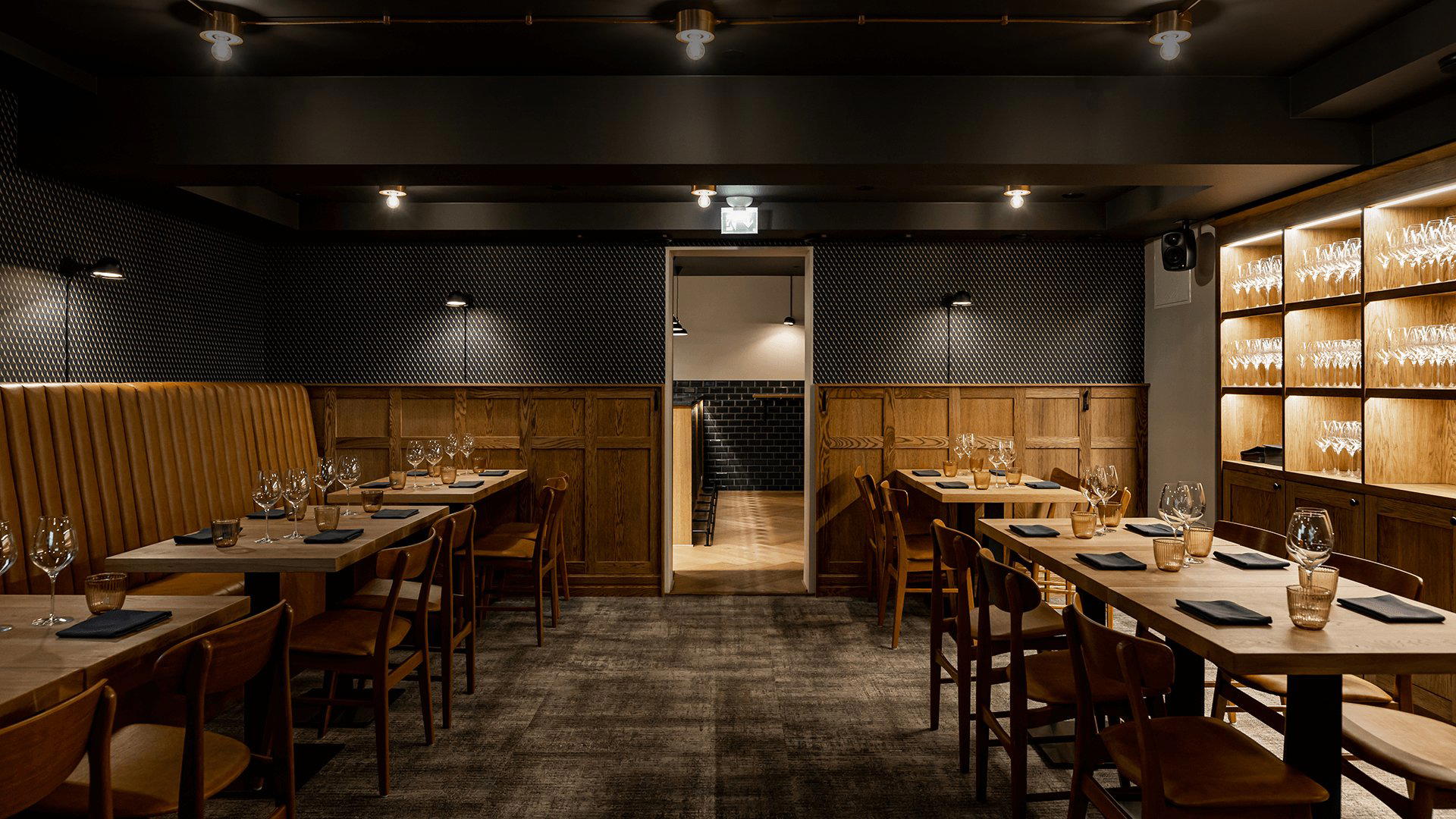
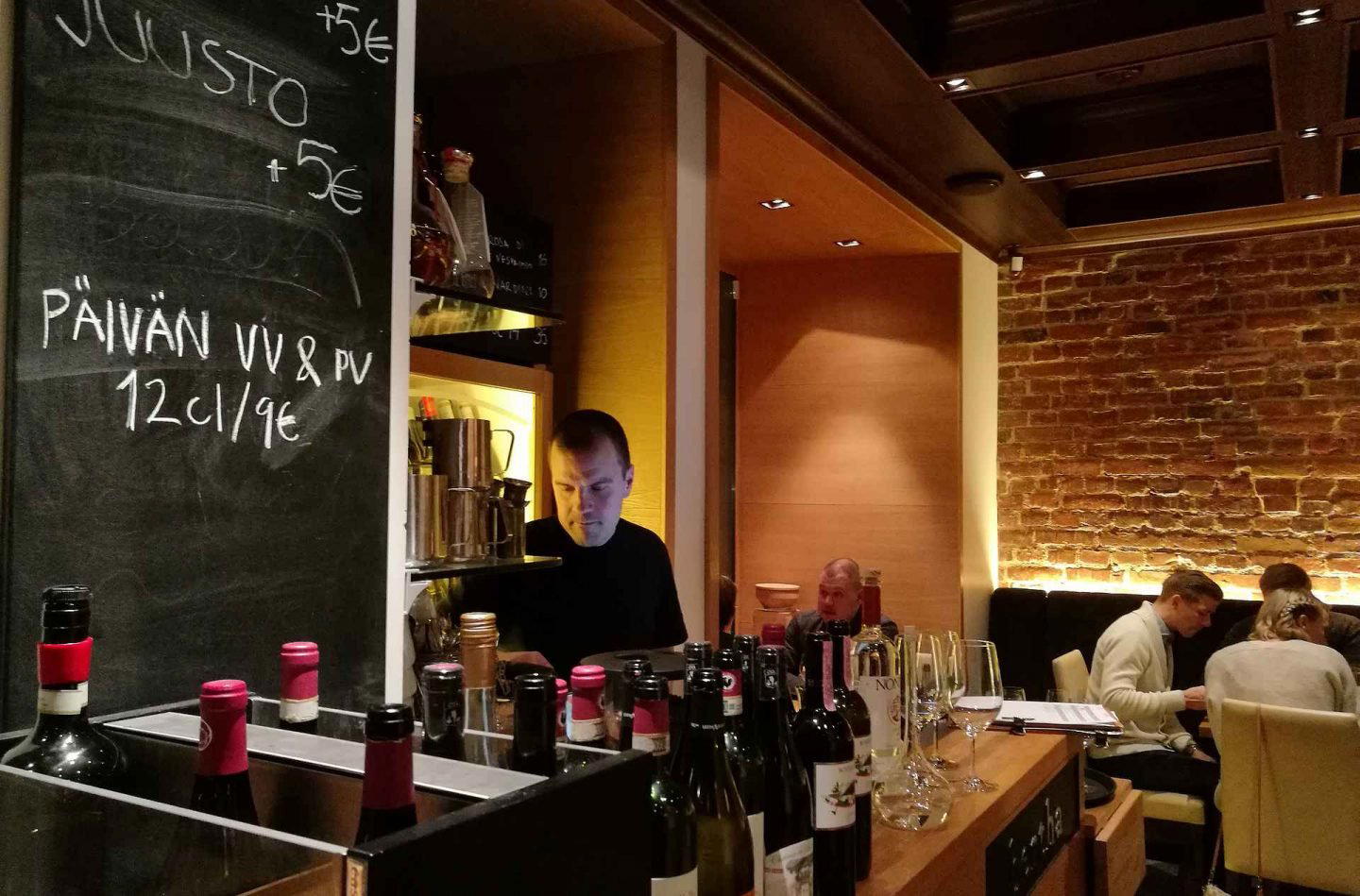
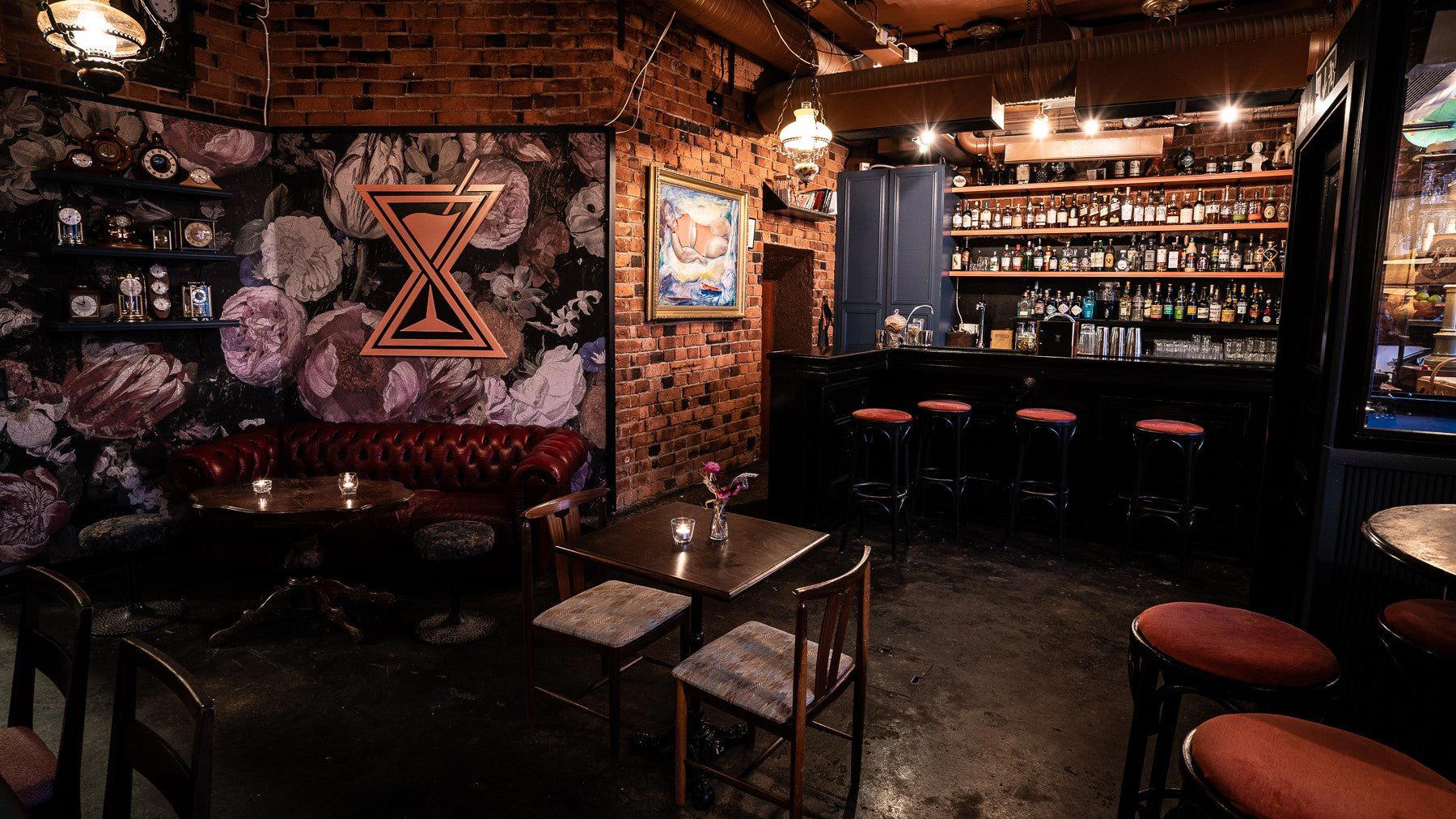
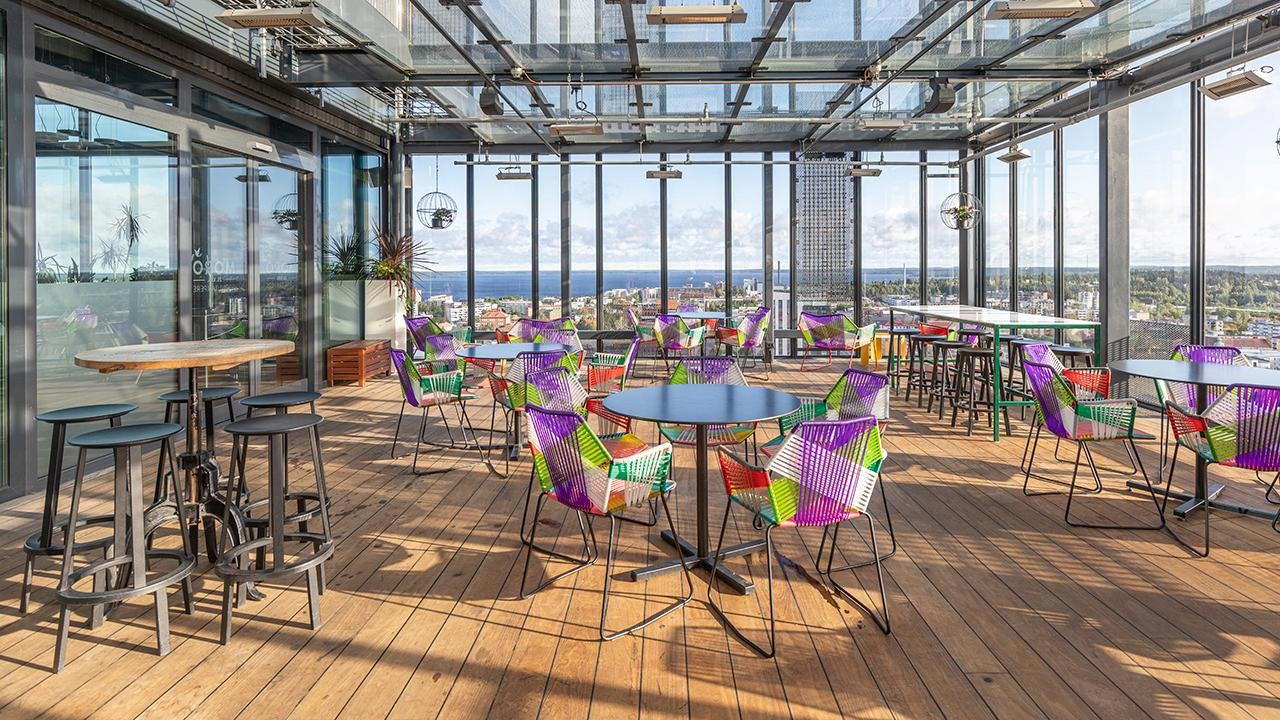
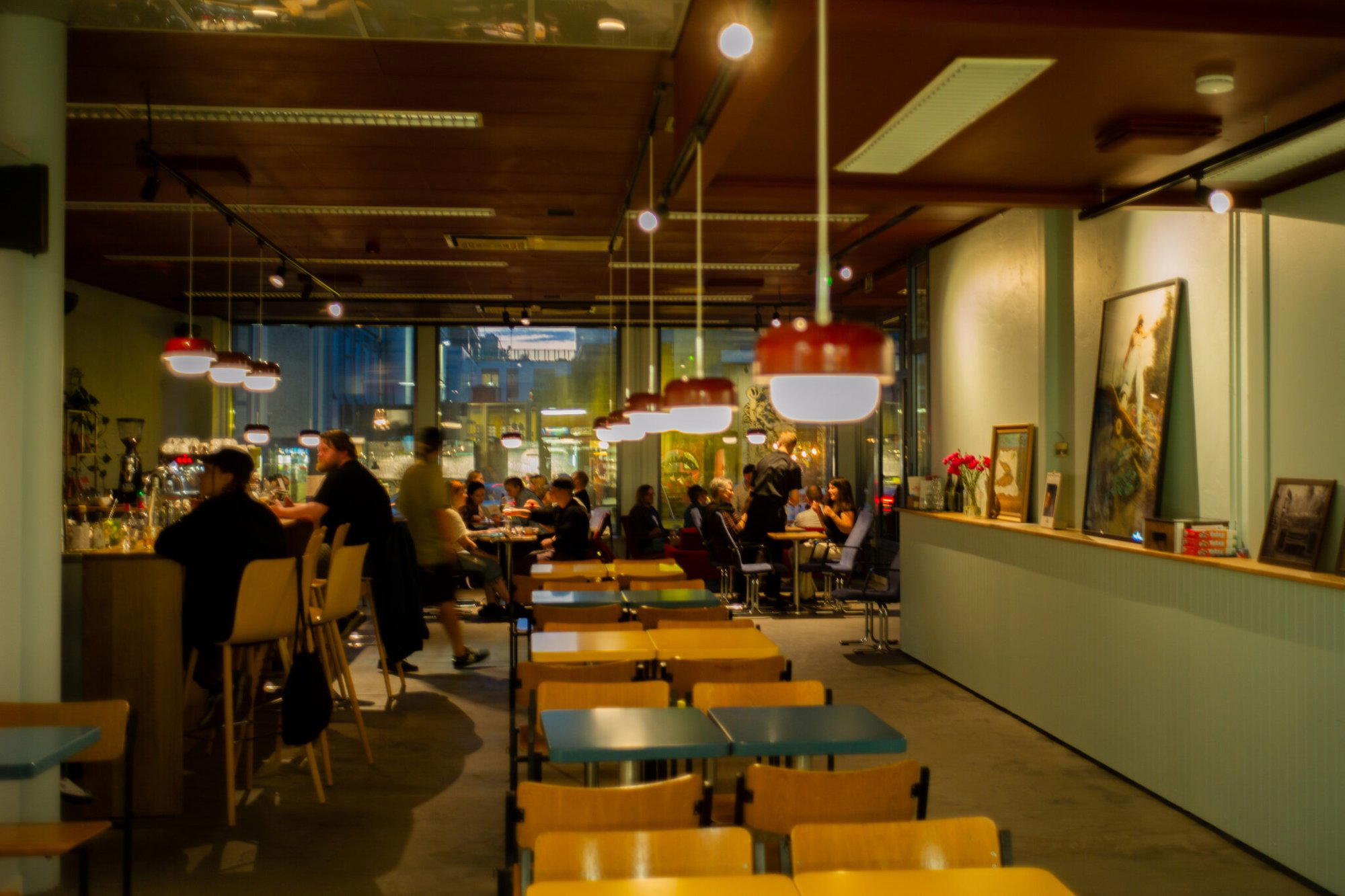
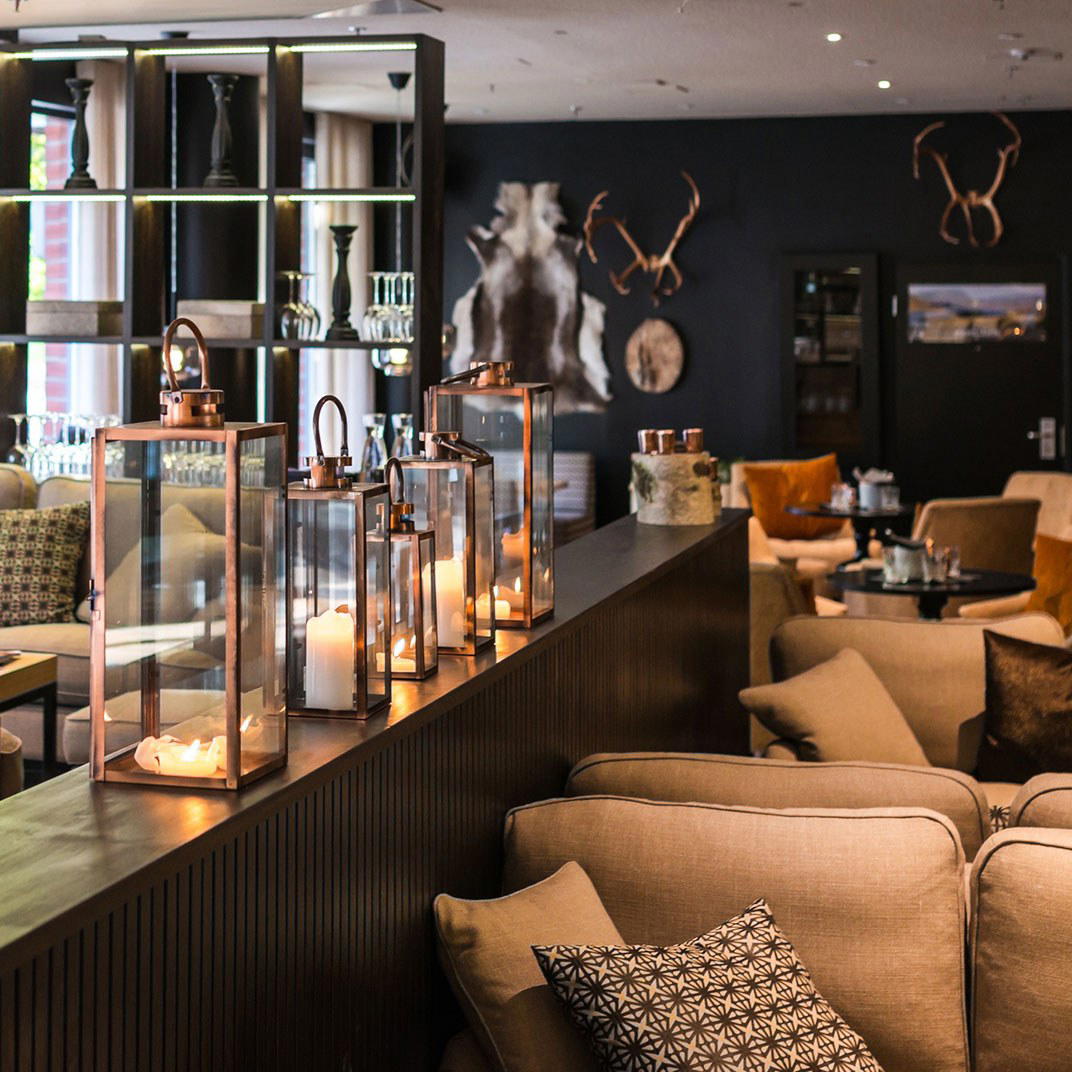
Beautiful and interesting design with a velvety drink bar, offering a fine-diningish yet no-frills atmosphere that echoes an unexplainable attraction.