
Bistro Eloisa occupies a quiet address on Puutarhakatu in central Tampere, sitting within a city that has steadily built one of Finland's more considered mid-market dining scenes. The bistro format here reflects a broader Finnish appetite for European-inflected cooking grounded in local produce, placing it alongside a cohort of neighbourhood-scale restaurants that prize restraint over spectacle.
- Address
- Puutarhakatu 11, 33210 Tampere, Finland
- Phone
- +358505816817
- Website
- gastropub.net
- Directions
- Get directions
Tampere's Bistro Tier and Where Eloisa Sits
Finland's second-largest urban centre has developed a restaurant culture that doesn't simply mirror Helsinki. Tampere earns its own culinary identity through a concentration of mid-scale venues that serve serious food without the ceremony of the capital's more formal rooms. The bistro format, specifically, has found fertile ground here: smaller in ambition than a Nordic tasting-menu institution, more considered than a casual café, and priced for regular visits rather than annual occasions. Bistro Eloisa on Puutarhakatu 11 belongs to that tier, occupying a central address that places it within easy reach of the city's retail and cultural core. It is a Modern European Bistro in Tampere, priced at about $55 per person and now permanently closed.
Understanding where a venue sits in its city's dining hierarchy matters more than reading its menu in isolation. Tampere's mid-market restaurants compete on consistency and atmosphere as much as on ingredient sourcing or technique. Neighbours in that comparable set include Bistro Henriks, which draws a similar weekday crowd, and Gastropub Tuulensuu, which leans harder into the pub-dining hybrid. Eloisa's address and name signal something closer to a European bistro register: the kind of room where the tablecloth and the price point both stay reasonable, but the kitchen takes its work seriously.
The European Bistro Tradition in a Finnish Context
The bistro as a format carries specific cultural weight. In its French origins, it meant a neighbourhood room where wine came by the carafe, the menu changed with the market, and the atmosphere rewarded lingering. That tradition has travelled well into Scandinavian cities, where it has been inflected with local produce sensibilities and a preference for quieter interiors over Parisian density. Finnish bistros, at their considered end, tend to draw on both influences: the structural warmth of a European brasserie and the produce-led restraint associated with Nordic kitchens more broadly.
Tampere's location, roughly equidistant from Helsinki and the country's agricultural heartland, gives its kitchens access to seasonal produce that shapes menus through the year. Winter cooking in this latitude leans on preserved, fermented, and root-vegetable preparations; spring and summer shift toward lighter, fresher treatments as the growing season arrives. A bistro format suits this rhythm well, offering enough menu flexibility to track the seasons without committing to the rigid tasting-menu architecture that defines venues like Dining 26 by Arto Rastas at the more formal end of the Tampere scene.
Across Finland, the bistro-adjacent format has produced some of the country's most consistently rewarding dining. Kaskis in Turku demonstrates how a small, focused room can attract sustained critical attention without adopting a fine-dining price structure. Pöllöwaari in Jyväskylä occupies a comparable position in its own city. Both suggest that the bistro tier, when executed with discipline, can sit comfortably above casual dining without crossing into the rarefied category occupied by Palace in Helsinki or VÅR in Porvoo.
The Puutarhakatu Address and the Neighbourhood Character
Puutarhakatu runs through a part of central Tampere that sits between the city's main commercial thoroughfares and its quieter residential grid. Streets in this zone tend to attract the kind of independent restaurant that relies on neighbourhood regulars as much as destination diners, and the format rewards both. A lunchtime crowd from nearby offices gives way to an evening demographic that is more deliberate in its choices. The address works for Eloisa's format: accessible enough for a spontaneous weekday dinner, specific enough that arriving there feels like a considered decision rather than a default.
For visitors arriving from outside Tampere, the city's compact centre means most of its notable restaurants are within walking distance of each other. Apaja and Brasserie Deux represent adjacent points on the dining map, each pulling a slightly different demographic. Eloisa sits comfortably in that network, readable as part of the city's mid-market dining fabric rather than an outlier requiring special justification to visit.
Planning Your Visit
For international context, Finland's bistro tier sits at price points that register as mid-range against major European capitals but competitive within the Finnish market. Tampere generally prices modestly below Helsinki, which gives venues in its mid-market tier reasonable room to deliver quality without reaching for the upper price brackets that venues like Lucy in the Sky in Espoo or Musta Lammas in Kuopio occupy in their respective cities. Elsewhere in Finland, the bistro format has proven durable across cities from Lahti to Mänttä, and even at more remote addresses like Aurora Restaurant in Luosto. The format travels well precisely because its expectations are defined enough to be met without elaborate infrastructure.
Booking practices at Tampere's mid-market bistros vary. Some operate a walk-in policy for lunch and accept reservations only for dinner; others prefer advance booking across both services. Bistro Eloisa is walk-in friendly. The Puutarhakatu 11 address is the confirmed location; the venue is permanently closed.
For those building a longer Tampere itinerary, the city's dining scene rewards two or three evenings of exploration rather than a single concentrated effort. Bistro Eloisa is permanently closed. The format variety available, from the gastropub register of Tuulensuu to the more formal proposition at Dining 26, means a visitor can move through meaningfully different experiences without leaving the central grid. Eloisa sits in that sequence as a reliable mid-evening option: the kind of place that earns repeat visits rather than demanding them.
Pricing, Compared
Comparable venues nearby, for context on price, style, and recognition.
| Venue | Cuisine | Price | Notes |
|---|---|---|---|
| Bistro EloisaThis venue — the venue you are viewing | Not listed | $$ | Not listed |
| Ravinteli Bertha | Kyttälä, Modern European Bistro | $$$ | Not listed |
| Bistro Henriks | Satamakatu, Modern Finnish Bistro | $$ | Not listed |
| Apaja | Not listed | $$$ | Tammela, Seasonal Scandinavian Fine Dining |
| Gastropub Tuulensuu | Haemeenpuisto, Belgian Gastropub | $$ | Not listed |
| Ravinteli Haarla | Tampere center, European Bistro Classics | $$ | Not listed |
Recognition history
Dated appearances from independent guides and award organizations, with the underlying list record or original source where available.
Falstaff Restaurant - 83 Falstaff Points
Falstaff
At a Glance
- Lively
- Bohemian
- Trendy
- Energetic
- Casual Hangout
- Group Dining
- After Work
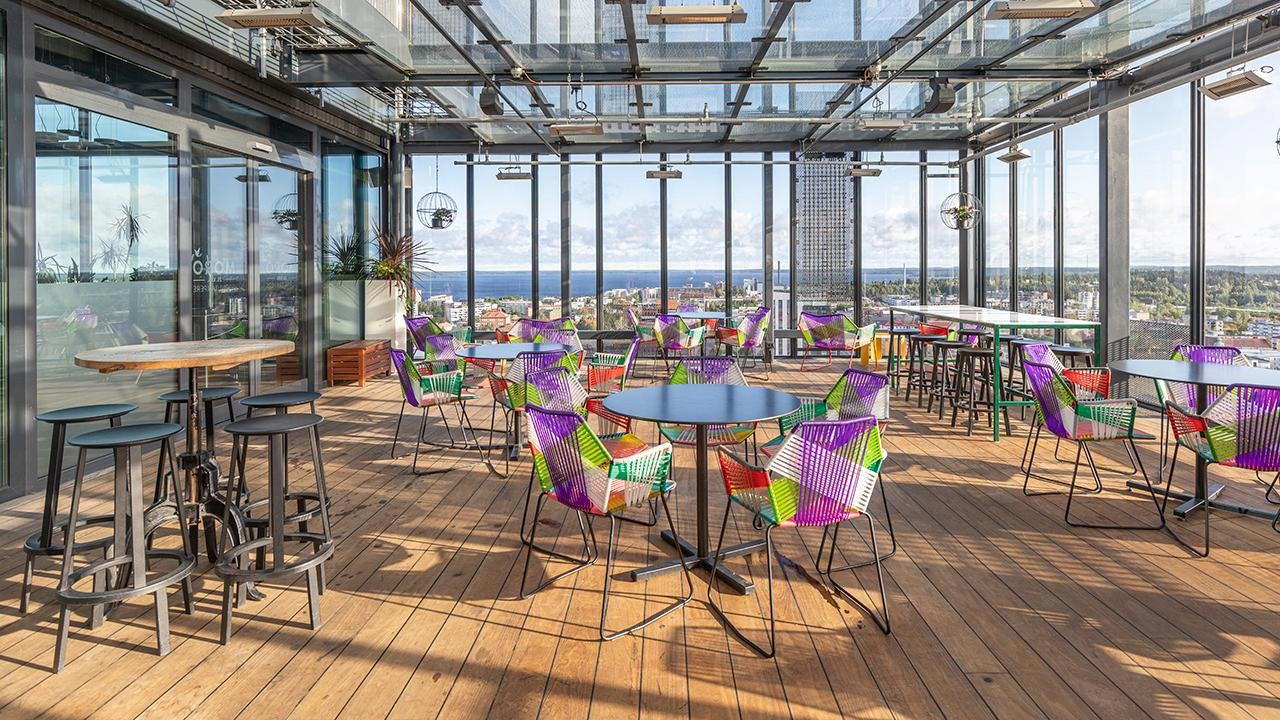
- Terrace
- Courtyard
- Historic Building
- Open Kitchen
- Natural Wine
- Craft Cocktails
- Beer Program
- Natural Wine
- Local Sourcing
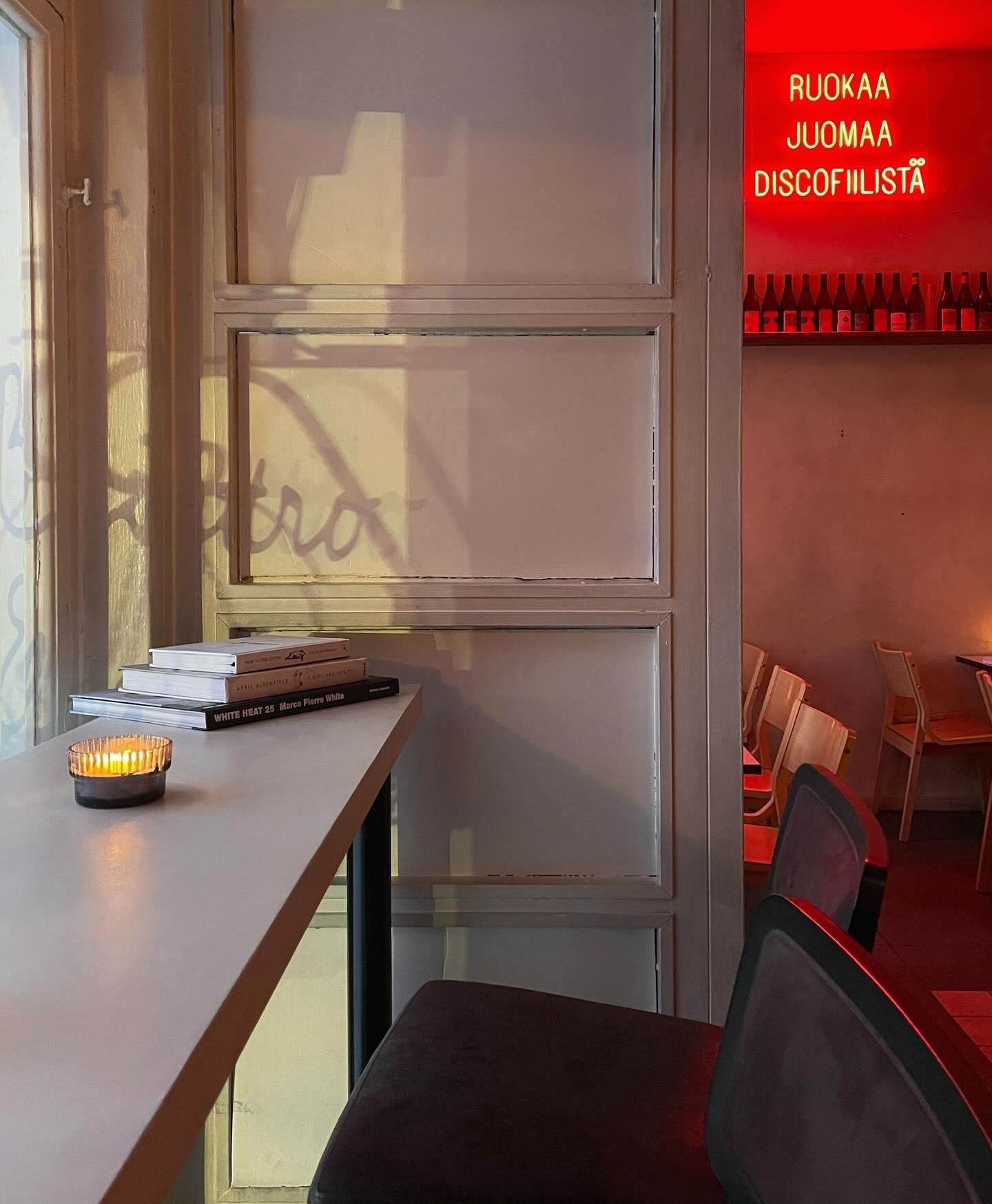
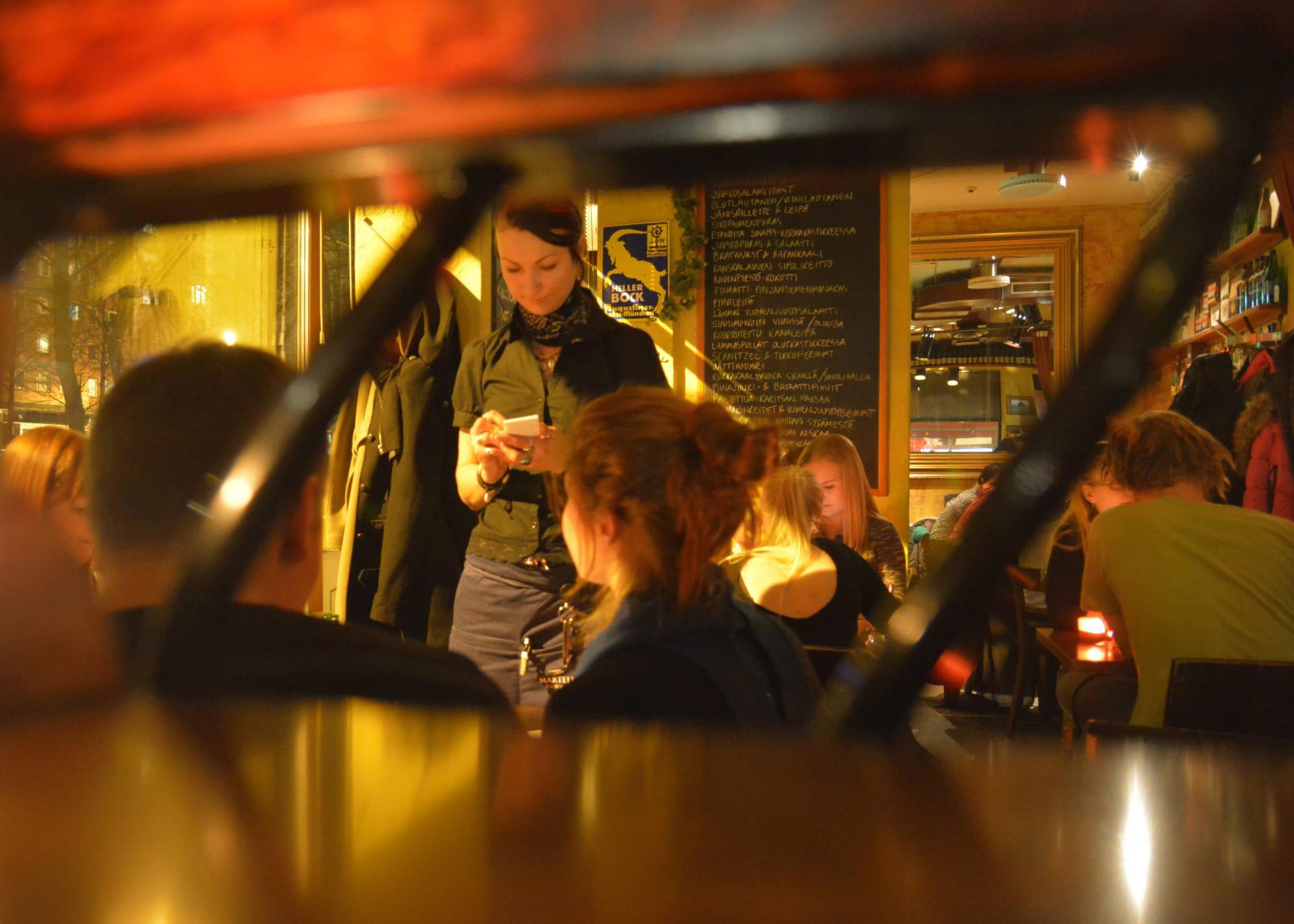
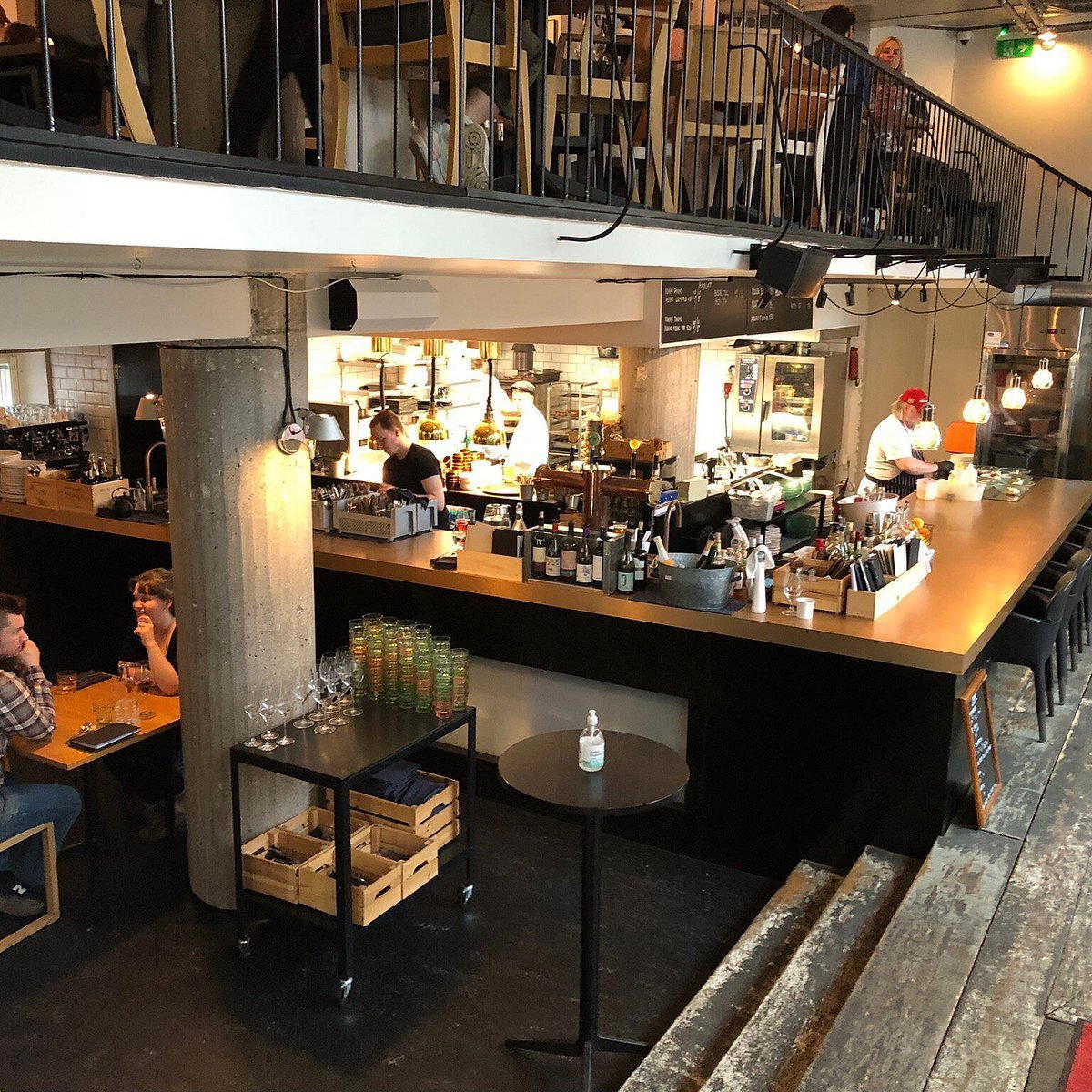
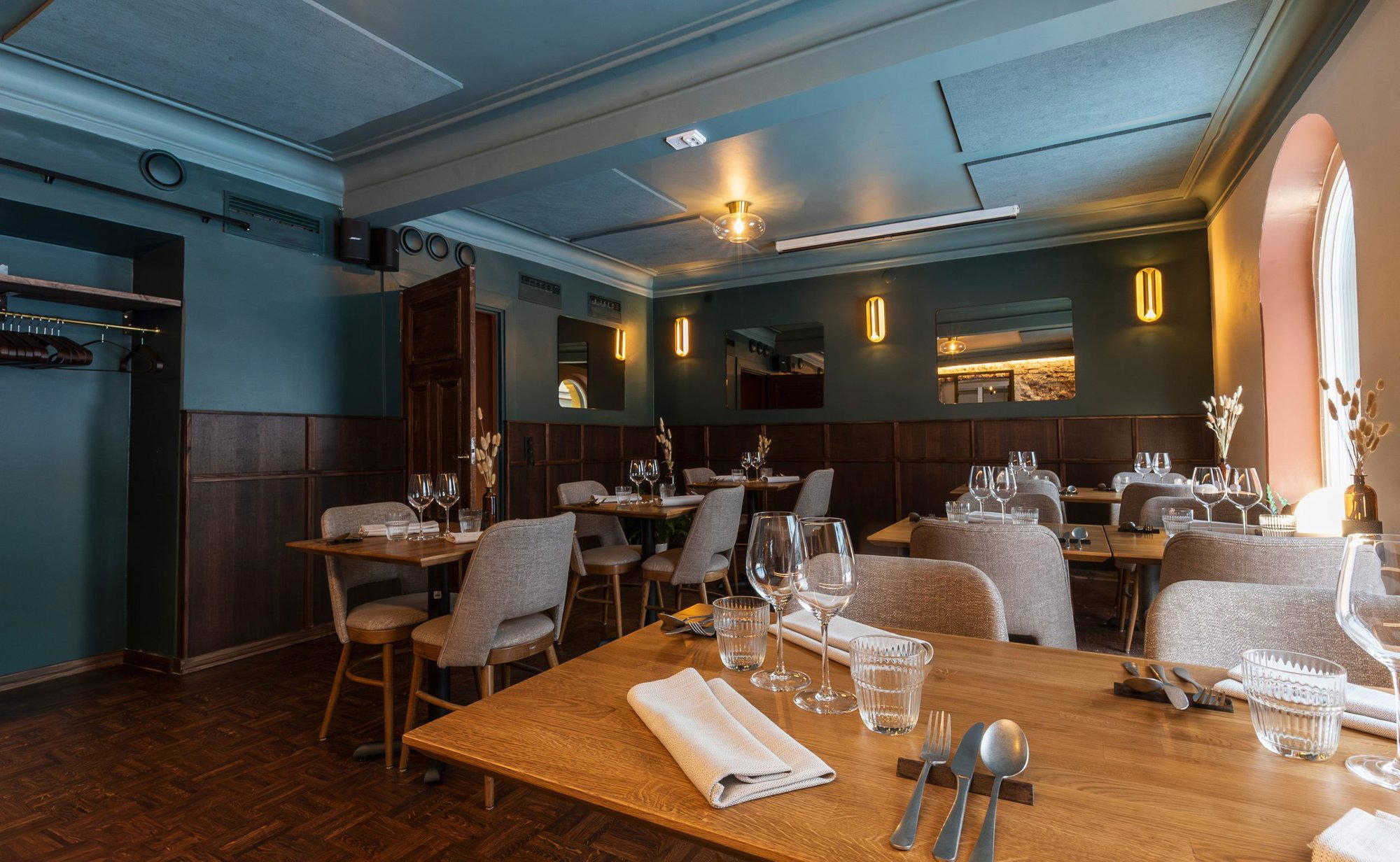
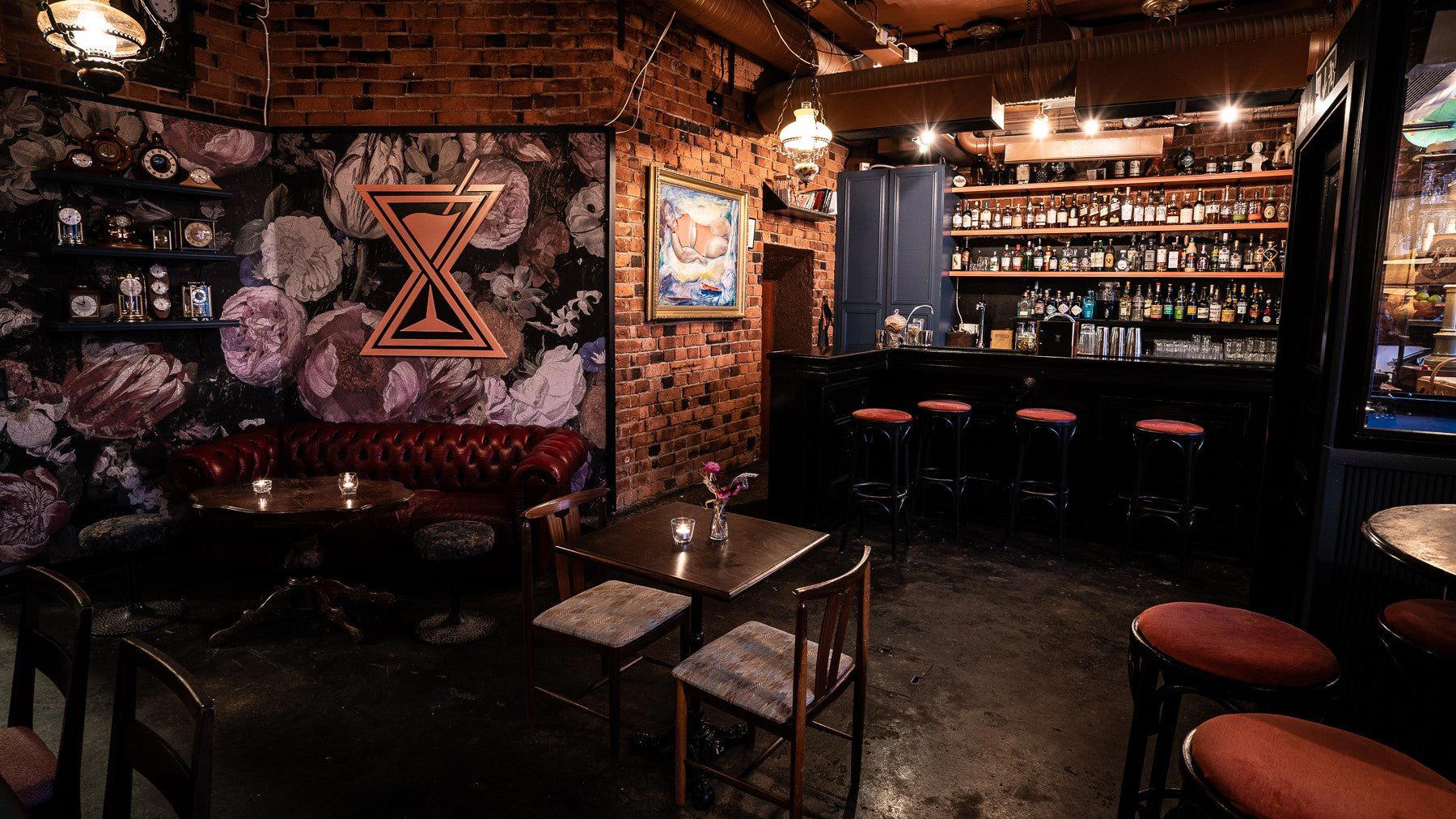
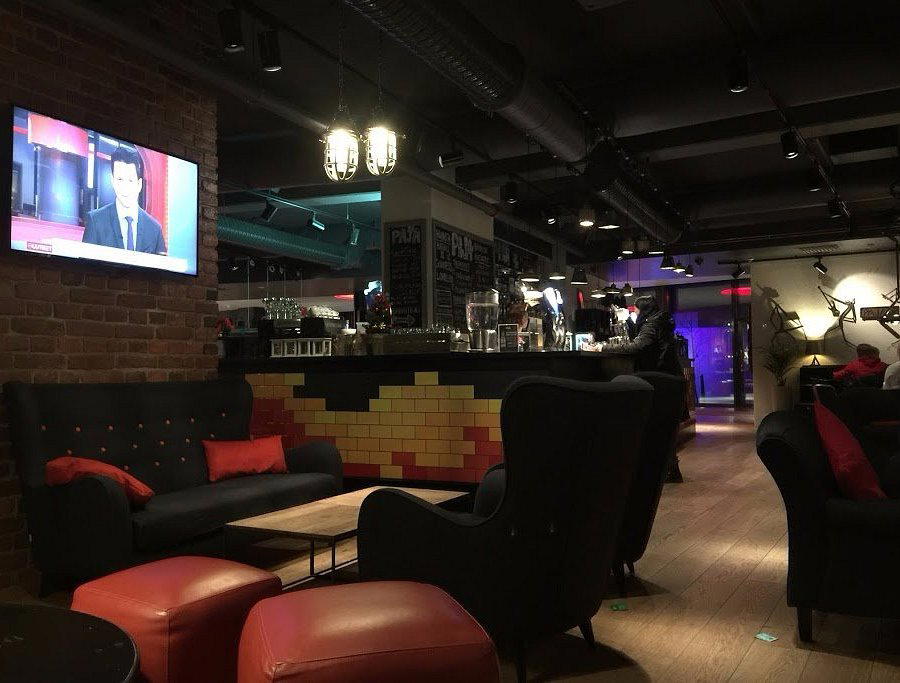
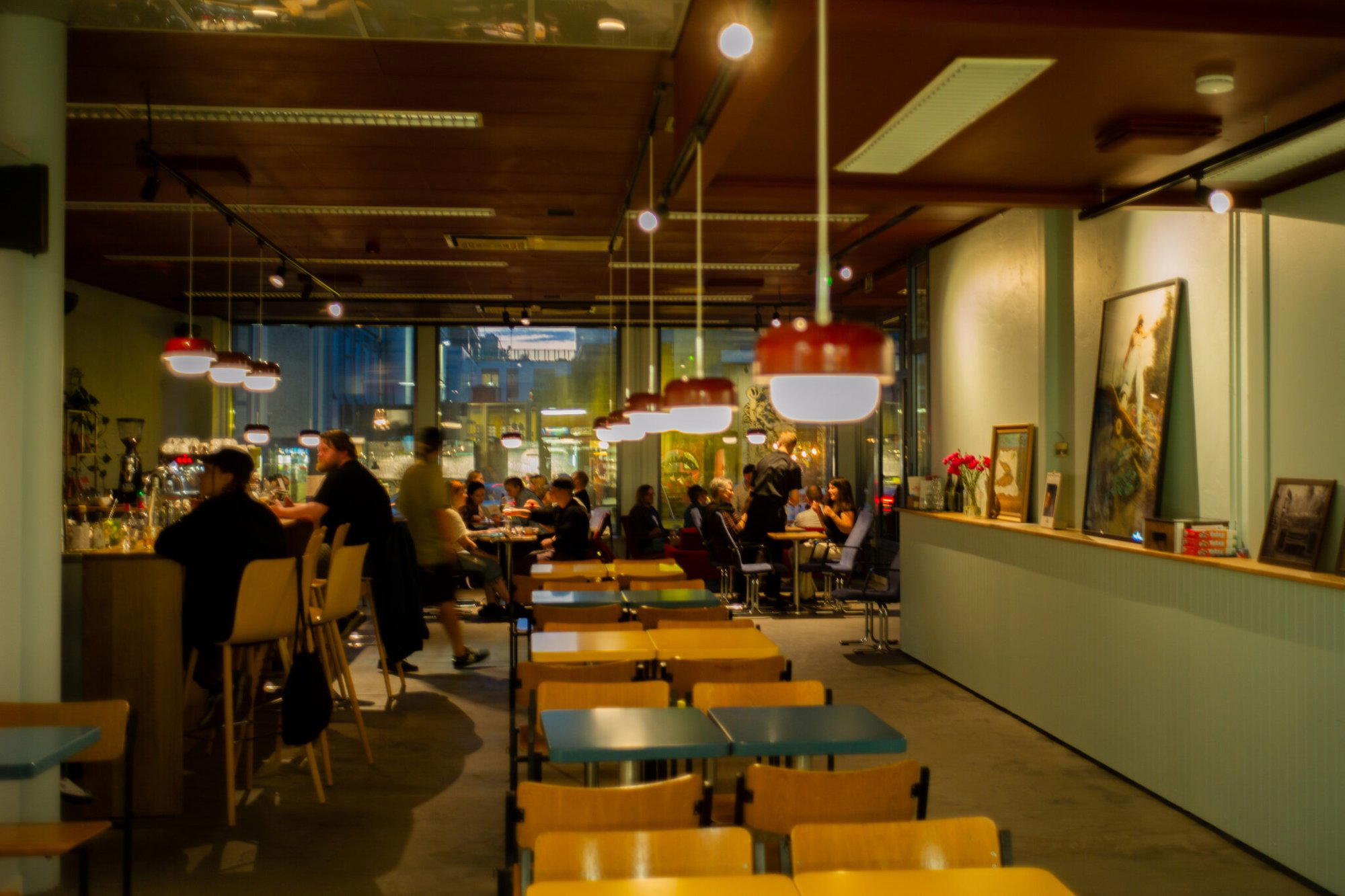
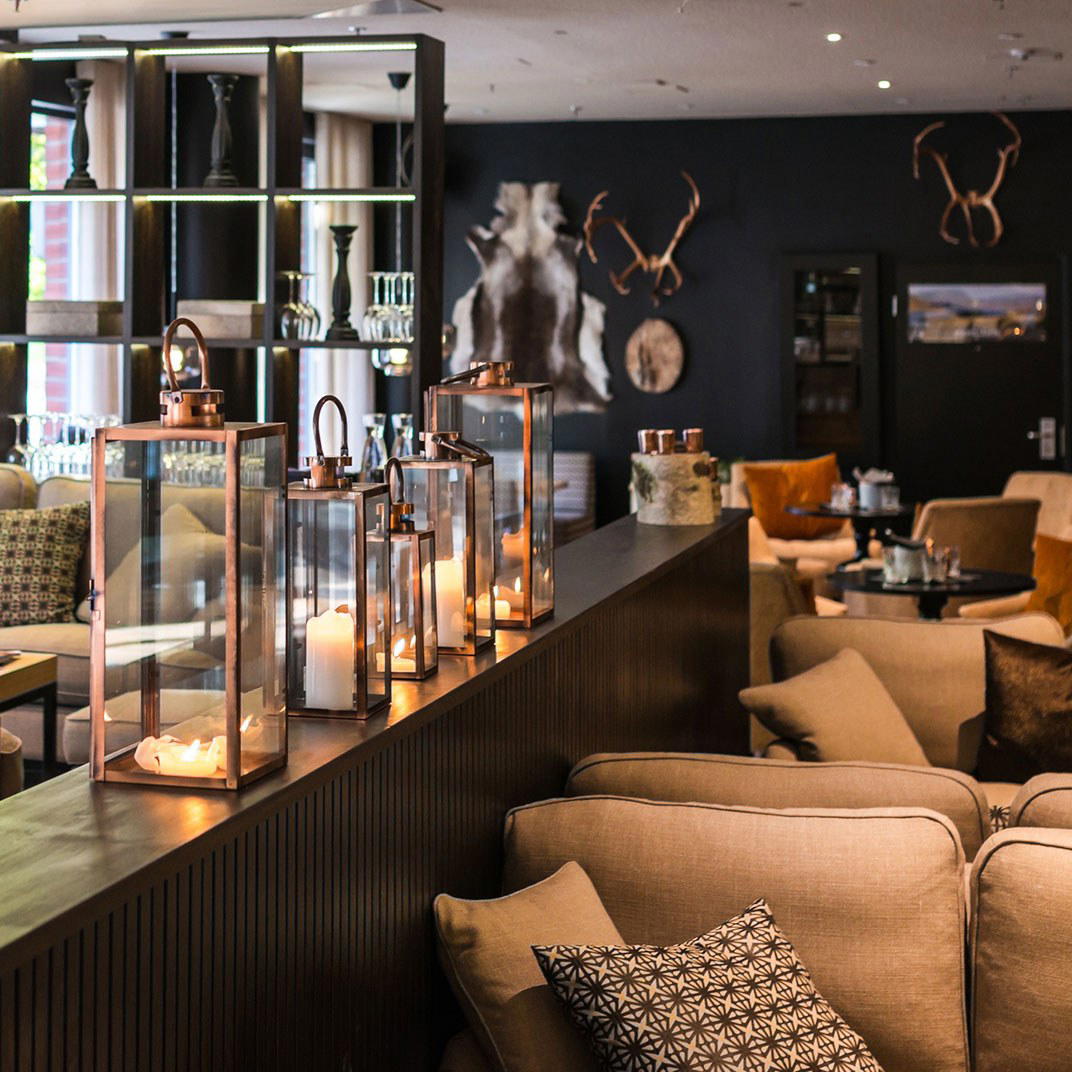
Small and dim ground-floor dining room with wine-red accents, recycled furnishings, mismatched granny-style plates, and a loud neon sign promising 'food drinks disco vibes.' The soundtrack features disco, house, and new wave from the 1970s-1990s, creating a lively, music-forward atmosphere where guests laugh and dance.