Our verdict
Näsinneula sits at the top of Tampere's Särkänniemi tower, putting the city's lake district on the table in every sense. The kitchen leans on Finnish seasonal sourcing, making it a reference point for regional fine dining in a country where provenance increasingly drives the premium tier. Booking well ahead is advisable for this address.

Pearl is the En Primeur Club membership app — saves, bookings, and concierge access live there. Same editors, same standards.
- Address
- Laiturikatu 1, 33230 Tampere, Finland
- Phone
- +358207130234
- Hours
- Mon ClosedTue–Sat 11 AM–11:30 PMSun Closed
- Website
- sarkanniemi.fi
- Directions
- Get directions
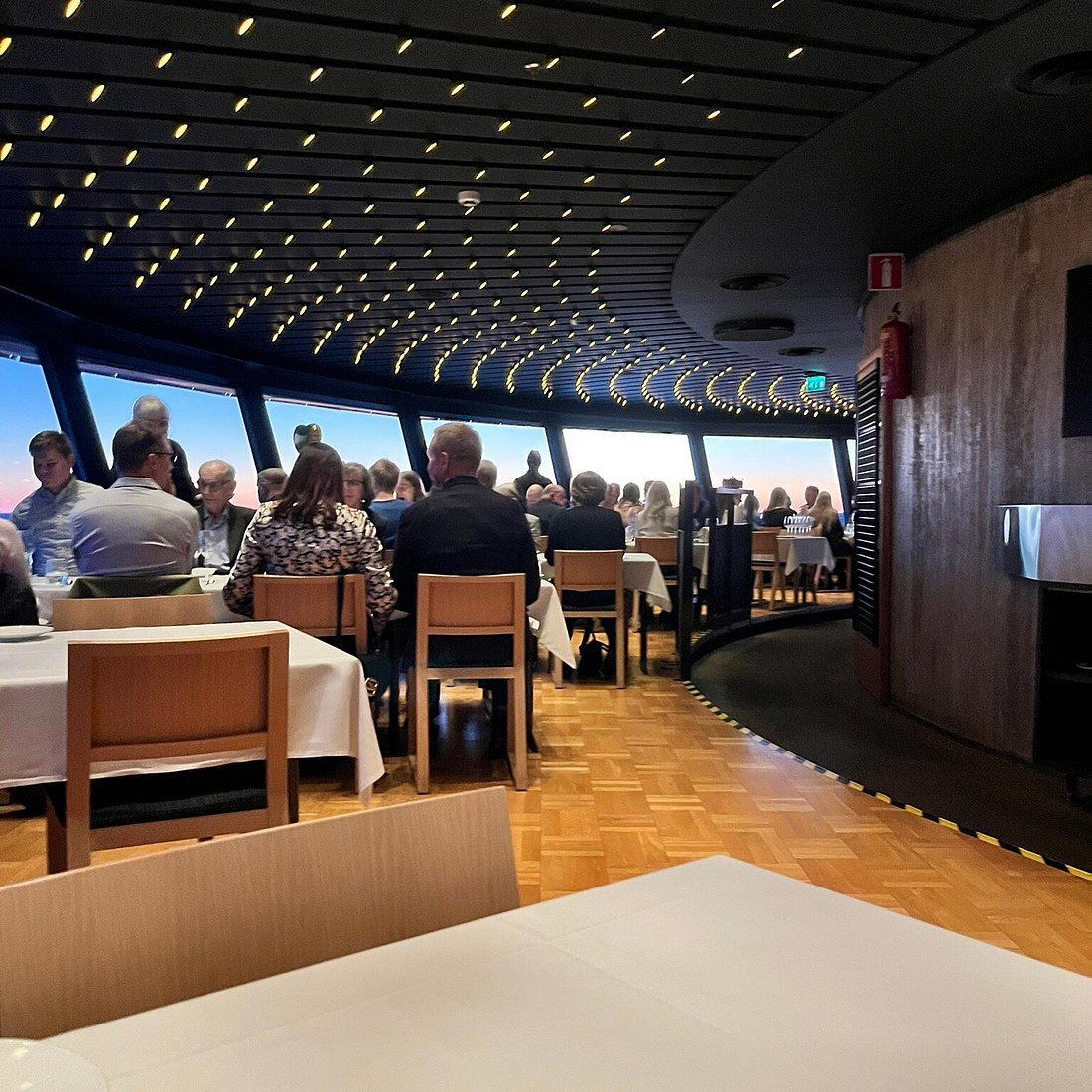
The tower format is common enough in Scandinavia as a novelty proposition, but what separates the serious examples from the tourist traps is whether the food earns attention independent of the altitude. At Näsinneula, the sourcing argument is the primary editorial claim: Finnish fine dining at this level increasingly treats provenance not as a marketing decision but as a structural one, with menus built around what the season and the supplier can actually deliver rather than what a globally sourced larder might permit at any time of year.
What Finnish ingredient-led cooking looks like in practice
The broader movement in Finnish restaurant kitchens, from Helsinki addresses like Palace in Helsinki through to regional operators like Kaskis in Turku and VÅR in Porvoo, has been a consistent compression of the supply chain. Fewer imported proteins, more foraged material, closer relationships with named farms and fishing operations. The menus that result tend to be shorter, more seasonally volatile, and harder to predict from visit to visit, which is the point.
At Näsinneula's elevation, this approach carries specific weight. The lakes visible from the dining room are not decorative backdrop. Finnish inland water systems produce freshwater fish, particularly pike-perch, whitefish, and perch, that rarely appear on menus outside the country and that require a different technical repertoire than the salmon-forward shorthand most visitors associate with Nordic cooking. A kitchen that sources seriously from those lakes is working with ingredients that have no obvious international comparison point, which forces a more original culinary response.
The forest component matters equally. Cloudberries, chanterelles, lingonberries, and spruce shoots are not garnish in serious Finnish kitchens; they are load-bearing flavour elements that define what the menu can be at a given point in the calendar. A late-summer tasting menu in Tampere looks fundamentally different from a February one, and a kitchen committed to that distinction rather than papering over it with stable imports is making a meaningful claim about what Finnish food actually is.
Tampere's restaurant tier and where Näsinneula sits
Tampere's premium dining tier is smaller than Helsinki's but more coherent than its size might suggest. Within the city, the fine dining cohort includes Dining 26 by Arto Rastas and the creative menu at Kajo, alongside more accessible neighbourhood operations like Bistro Henriks, Brasserie Deux, Bistro Eloisa, and the waterfront address Apaja. Näsinneula operates in the upper bracket of that set, with a format that combines the destination-dining proposition of the tower with a kitchen serious enough to justify the visit on its own terms. Addresses like Figaro in Jyväskylä, Filipof in Joensuu, and Apaja and Brasserie Deux within easy reach for lower-key meals on the same trip.
Given the restaurant's profile and its position as a set-menu destination at the top of a landmark tower, reservations are the practical default rather than walk-in availability. Advance booking, particularly for weekend evenings and during the long-daylight summer months when the lake views are at their most dramatic, is advisable. The summer window, roughly June through August, also coincides with the peak of Finnish foraged ingredients, which makes it the most representative season for understanding what the kitchen does at full expression. Beyond Tampere, Palace in Helsinki and Kaskis in Turku anchor the southern tier, while Hai Long in Rovaniemi and Gösta in Mänttä demonstrate how far the country's serious restaurant culture extends beyond its capital. The full picture of what contemporary Finnish kitchens are doing is leading read across multiple cities rather than one. For a mapped overview of Tampere's options, the EP Club Tampere restaurants guide covers the full range of price points and formats.
Frequently asked questions
Where is Näsinneula in Tampere?
Näsinneula is located at Laiturikatu 1, 33230 Tampere, Finland, Tampere.
Is Näsinneula worth visiting from Helsinki for a special occasion dinner?
Tampere is approximately 1 hour 45 minutes from Helsinki by direct train, making Näsinneula a practical destination for a dedicated dinner trip. Within Finland's regional dining scene, it occupies a position that has no direct equivalent in Helsinki: a tasting-format kitchen combined with a rotating tower above lake country. For occasions where setting carries as much weight as the food on the plate, the journey has a clear rationale.
What's the must-try dish at Näsinneula?
Specific menu items are not published in advance at Näsinneula, as the kitchen works with Finnish seasonal produce that shifts the menu throughout the year. Your best approach is to request information directly when booking, since the tasting format at this Tampere address is designed around what is currently available rather than fixed signature plates.
Can I walk in to Näsinneula?
Walk-ins are not a reliable option at Näsinneula. The restaurant operates at the top of the Särkänniemi tower at Laiturikatu 1, with a seating capacity that fills quickly, particularly at weekends. Advance reservations are strongly advised.
What's the signature at Näsinneula?
The defining characteristic of Näsinneula is format rather than a single dish: a rotating dining room positioned above Lake Näsijärvi, placing Finnish ingredient-led cooking in a setting where the view completes a full circuit over the course of a meal. Within Tampere's fine dining tier, no other address offers this combination of elevation and kitchen ambition.
Do they accommodate allergies at Näsinneula?
Finnish fine dining kitchens at this tier routinely accommodate dietary requirements when notified at the time of booking. Contact Näsinneula directly via their reservation channel before your visit to confirm specific allergen needs, as the kitchen's seasonal format allows for adjustments when given adequate notice.
Comparable Spots, Quickly
Comparable venues nearby, for context on price, style, and recognition.
| Venue | Cuisine | Price | Awards | Notes |
|---|---|---|---|---|
| NäsinneulaThis venue — the venue you are viewing | Seasonal Scandinavian Fine Dining | $50–100 | Not listed | Not listed |
| Ravintola Heinätori | Traditional Finnish Fine Dining | $50–100 | Not listed | Pyynikki |
| Dining 26 by Arto Rastas | Modern Mediterranean Fine Dining | $50–100 | Not listed | city centre |
| Huber | Charcoal-Grilled Dry-Aged Steaks | Not listed | Star Wine List | central Tampere |
| Apaja | Seasonal Scandinavian Fine Dining | $50–100 | Not listed | Tammela |
| Brasserie Deux | Classic French Brasserie | Not listed | Not listed | central Tampere |
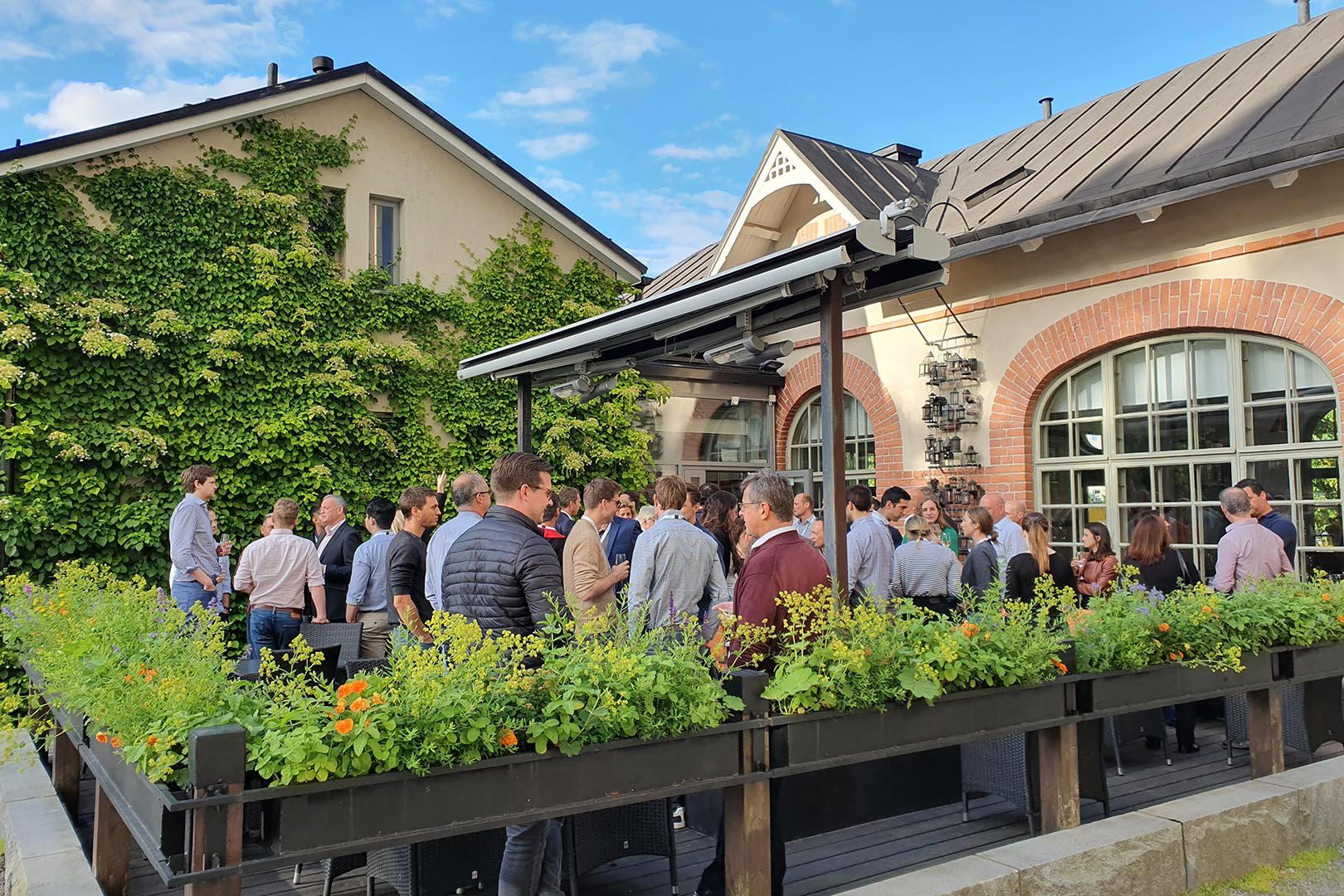
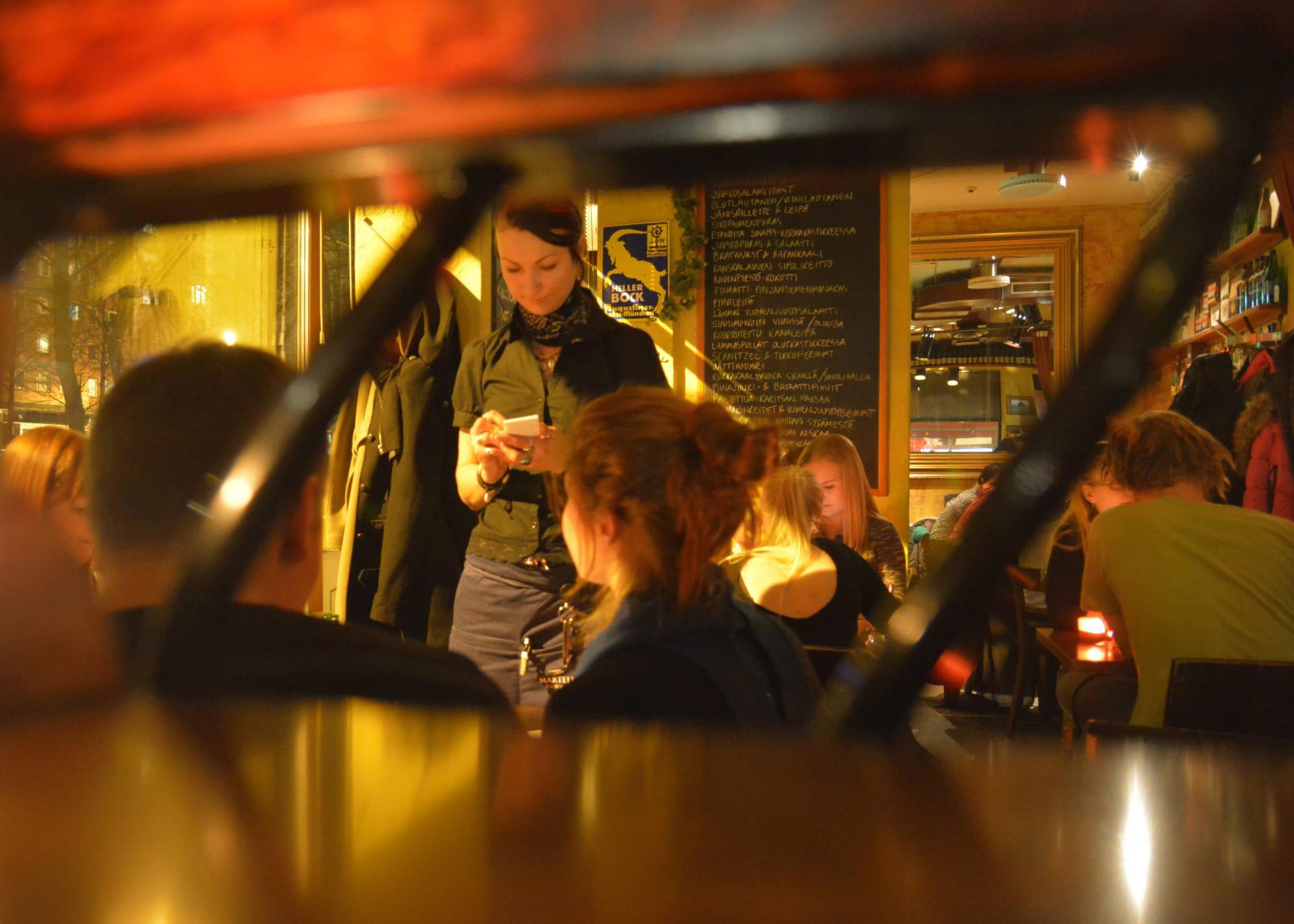
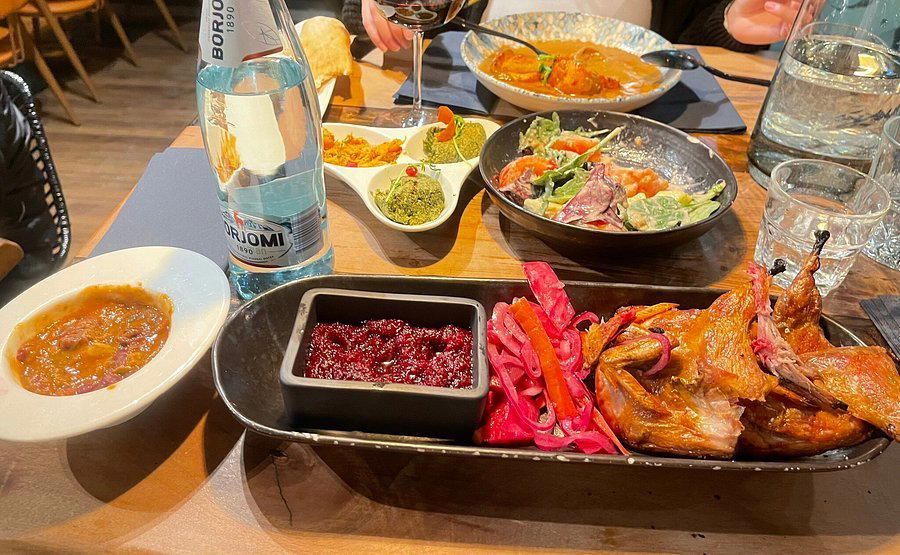
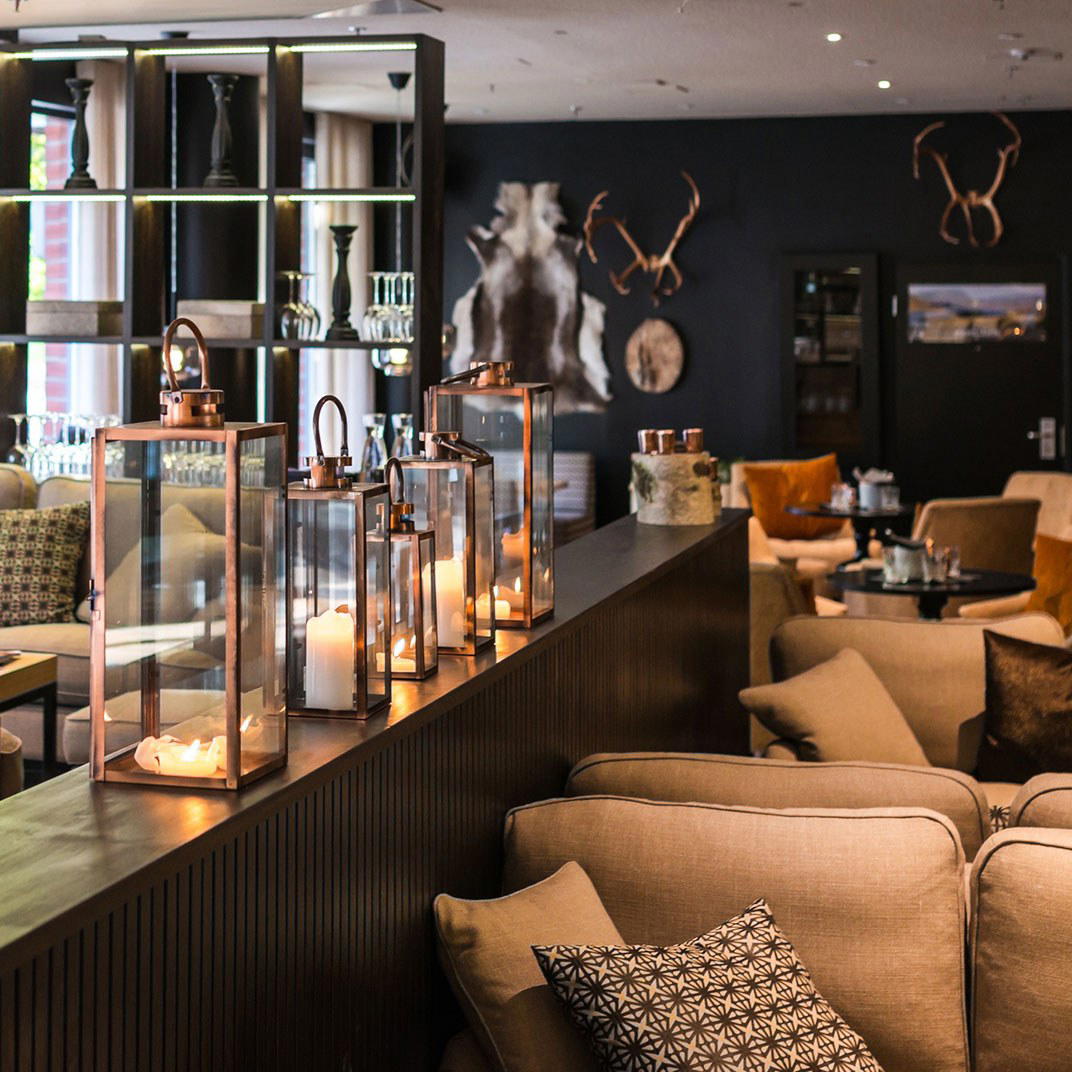
Näsinneula
The wine
- Wine program
- Curated wine list
- Extensive wine list
Details
- Scenic
- Well Known
- Elegant
- Sophisticated
- Date Night
- Special Occasion
- Celebration
- Business Dinner
- Rooftop
- Panoramic View
- Extensive Wine List
- Local Sourcing
- Waterfront
- Skyline
- A La Carte
- Vegetarian Friendly
- Vegan Options
- Gluten Free Options
Current opening hours
- Monday
- Closed
- Tuesday
- 11 AM–11:30 PM
- Wednesday
- 11 AM–11:30 PM
- Thursday
- 11 AM–11:30 PM
- Friday
- 11 AM–11:30 PM
- Saturday
- 11 AM–11:30 PM
- Sunday
- Closed
Hours can change for holidays and private events. Last verified .
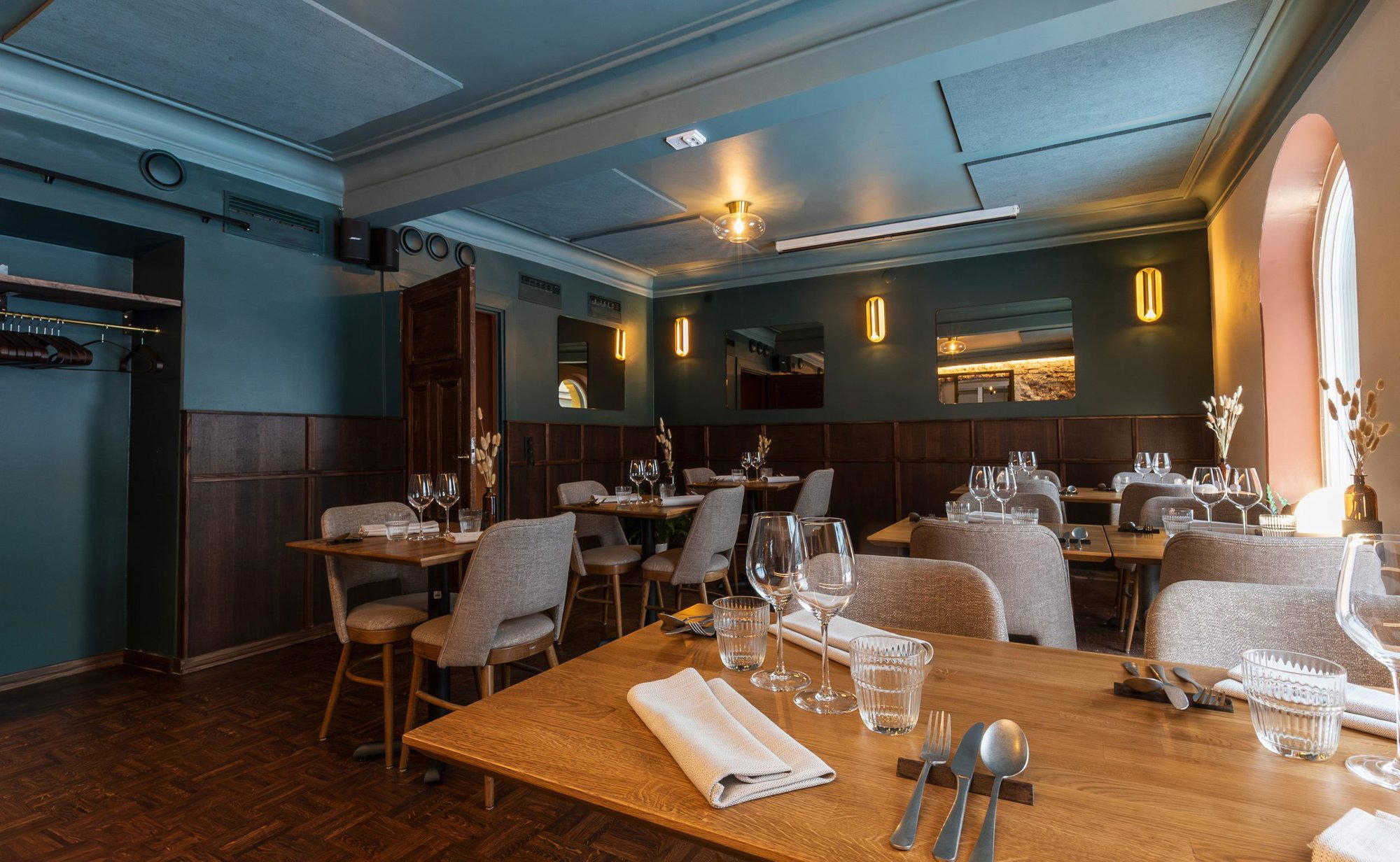
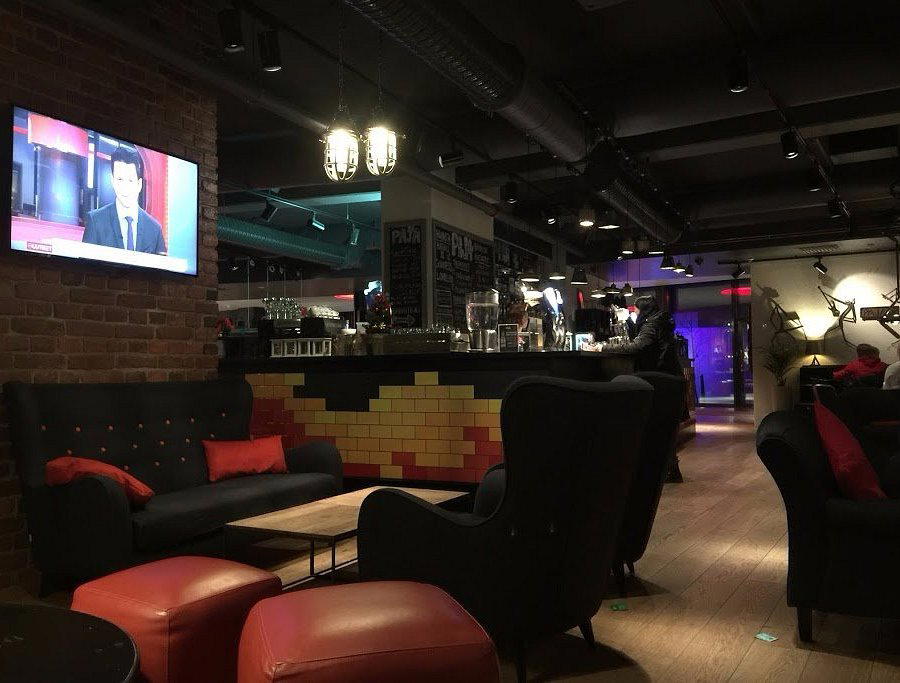
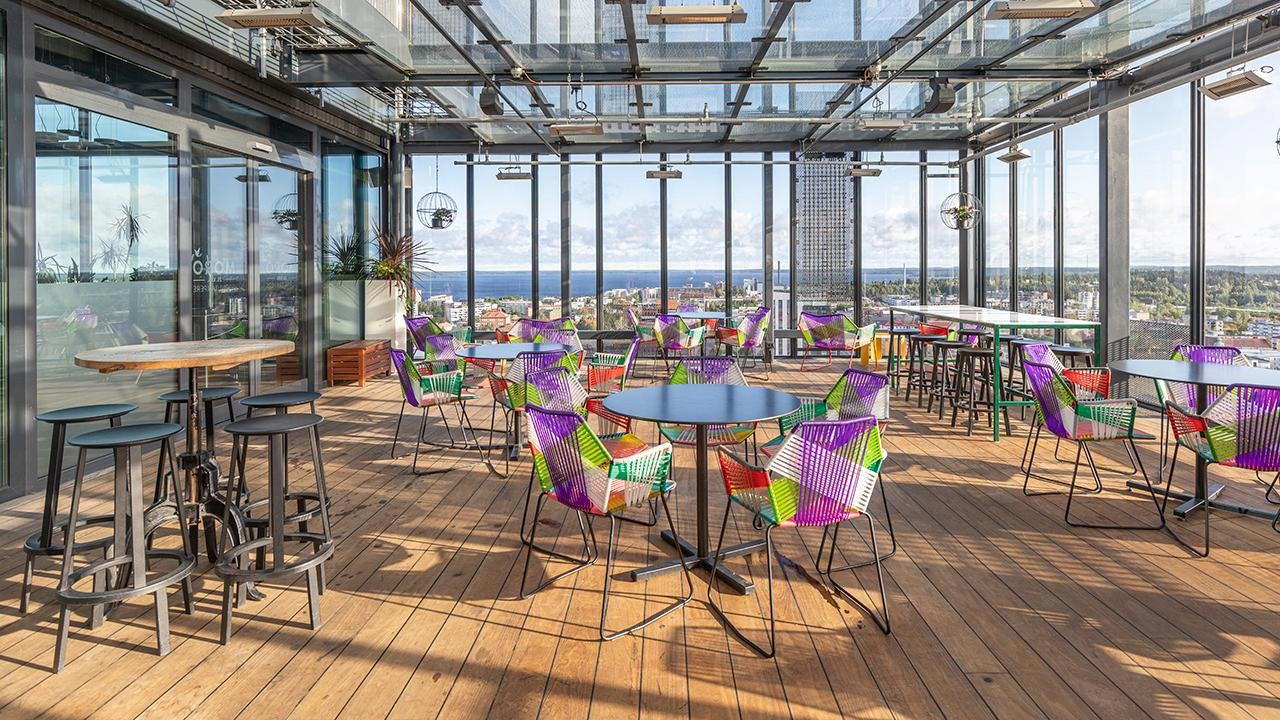
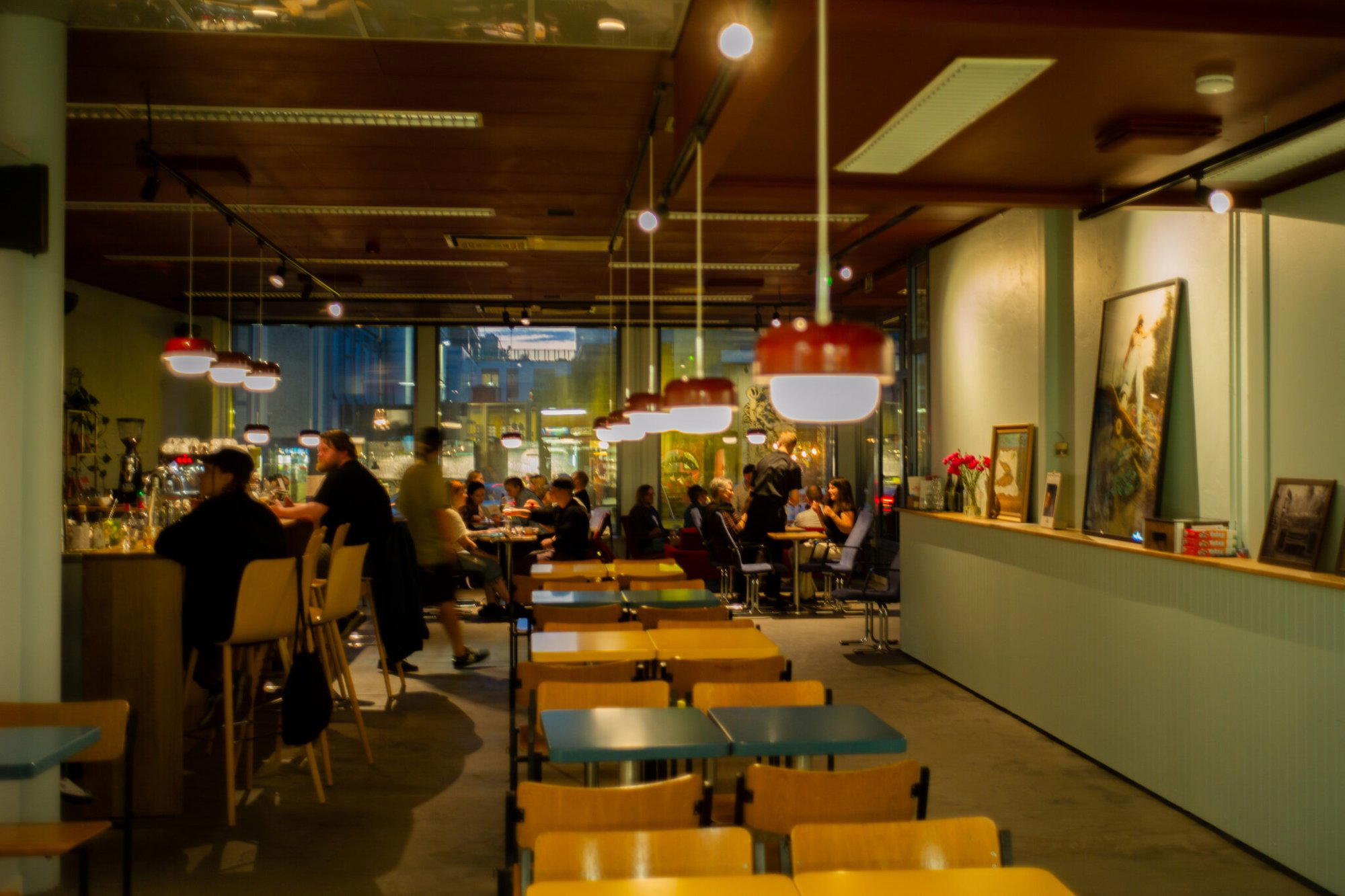
Elegant fine dining atmosphere with slowly rotating panoramic views creating a scenic and memorable setting.