
Solo Sokos Hotel Torni Tampere occupies a commanding position in Tampere's railway district, earning a Regional Winner award for Best Architectural Design. The property sits within the Torni brand's design-forward lineage and makes a considered case for architecture as the primary amenity. For travellers treating Tampere as more than a stopover, it offers a grounded base with genuine spatial interest.
Pearl is the En Primeur Club membership app — saves, bookings, and concierge access live there. Same editors, same standards.
- Address
- Ratapihankatu 43, 33100 Tampere, Finland
- Phone
- +358 20 1234634
- Website
- sokoshotels.fi
- Directions
- Get directions
 Saves & bookings on Pearl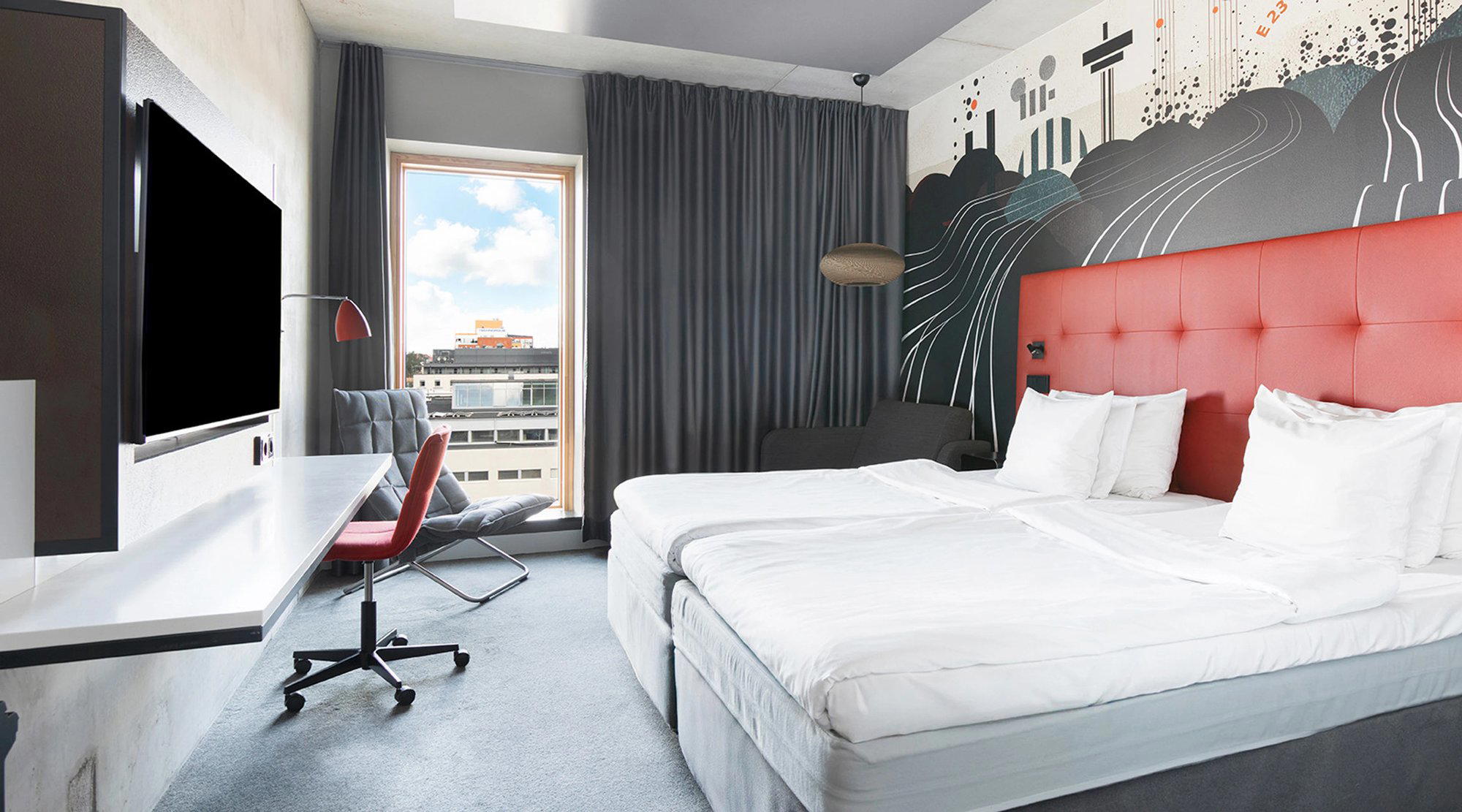
Where the Building Does the Talking
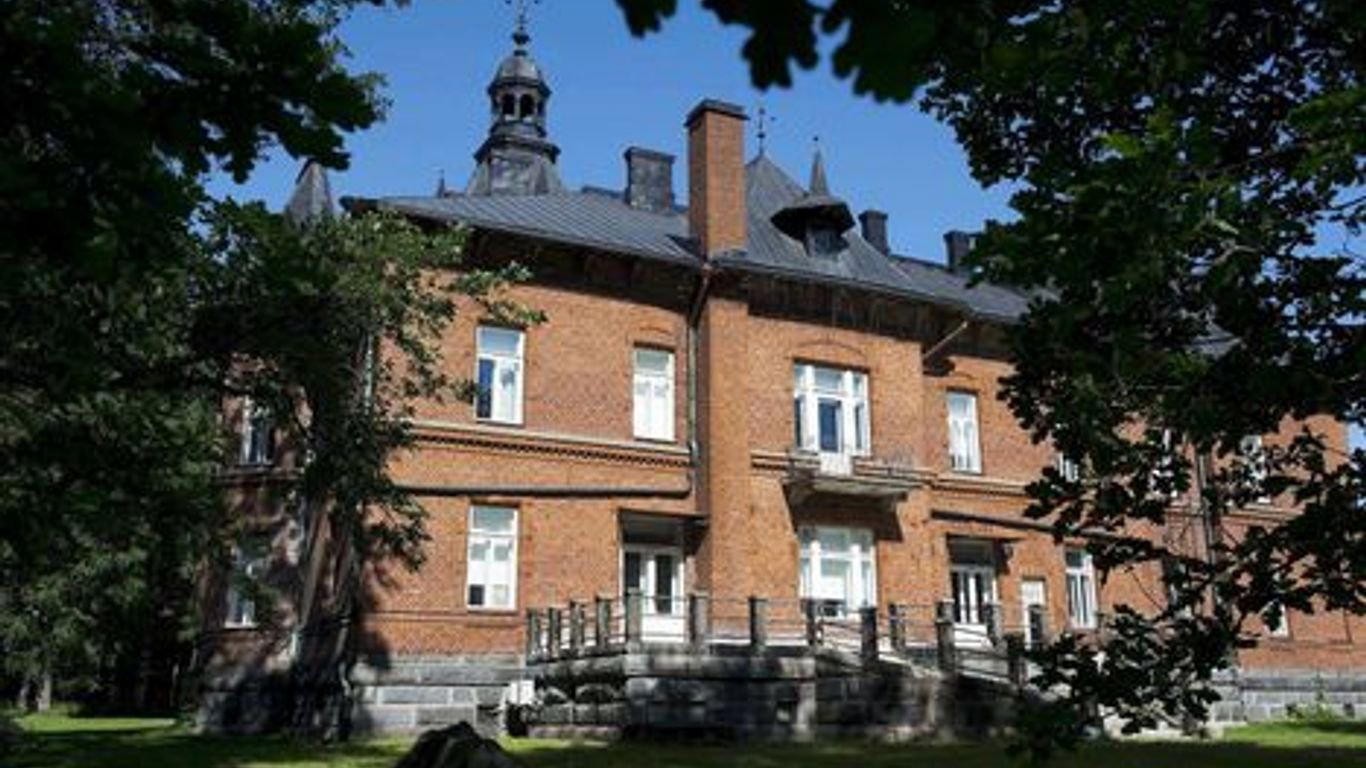
Tampere has been rebuilding its identity for two decades. The former industrial city, once defined by its Finlayson textile mills and Tammerkoski rapids, has steadily repositioned itself as a design and cultural centre. That shift is visible in its hospitality choices. Hotels here increasingly compete not on spa square footage or restaurant tasting menus, but on spatial character, materiality, and the ability to say something coherent about where they are. Solo Sokos Hotel Torni Tampere, located on Ratapihankatu 43 in the railway district, sits inside that current with a Regional Winner award for Best Architectural Design as evidence of its position.
The Torni name carries weight in Finnish hotel culture. In Helsinki, the original Torni, meaning tower, became a reference point for architecturally ambitious hospitality in the post-war era. The Tampere iteration inherits that lineage and operates in a city that now has enough design-literate visitors to reward it. Arriving from Tampere's central station, the railway district context is not incidental. It is part of the read. The building addresses a city in transition, and that address is deliberate.
The Case for Architecture as Amenity
In premium hotel design, the distinction between decoration and architecture is not semantic. Decoration is applied; architecture is structural. The former changes with trends; the latter defines how a building performs across decades. The Regional Winner award for Leading Architectural Design at Solo Sokos Hotel Torni Tampere signals the latter category: recognition that the physical fabric of the property, its volumes, its relationship to the street, its material choices, constitutes the offer rather than ornamenting it.
This matters particularly in the Finnish context. Scandinavian design culture has long held that the quality of a space should be readable in the absence of objects placed inside it. A well-proportioned room should feel considered when it is empty. That discipline is harder to achieve than it sounds, and it is rarer in hotel design than the industry's use of the word "design" would suggest. Across Finland, properties that genuinely operate at this level form a narrow comparable set: Arctic TreeHouse Hotel in Rovaniemi works through its relationship to forest geometry; Design Hotel Levi in Levi operates in the fells with material language drawn from the landscape. Solo Sokos Hotel Torni Tampere makes its argument in an urban register, which is a different discipline and a harder one.
The Railway District as Context
Tampere's railway district has been under sustained development pressure, with the city's growth agenda centered partly on the arrival of high-speed rail connections and the transformation of the surrounding blocks. For a hotel to win architectural recognition in this zone is to make a claim inside an active civic conversation. The address at Ratapihankatu 43 places the property within walking distance of the main station and within the broader corridor connecting the city's transport infrastructure to its emerging commercial core.
That proximity has practical implications. Tampere is increasingly accessible from Helsinki: the two cities sit roughly 180 kilometres apart, and intercity rail makes it a direct day trip or short break destination. But the railway district positioning also means the hotel functions as a first and last impression for guests arriving and departing by train, which raises the architectural stakes. A building that earns design recognition at that threshold is making a civic contribution, not just a commercial one.
For context on what Tampere's dining and cultural scene can offer around the hotel, our full Tampere restaurants guide maps the city's current food and drink programming in detail.
Finland's Design-Led Hotel Tier
Finnish hotel culture has bifurcated. International chains occupy the transactional middle, while a smaller cohort of properties has pursued spatial identity as a differentiator. Hotel Kämp in Helsinki holds its position through historical weight and a specific neo-Renaissance civic grandeur. Lapland Hotels Snow Village in Kittilä operates at the experiential extreme, where architecture is rebuilt from ice each winter. RUNO Hotel Porvoo anchors its identity in historic townscape. Each property in this tier earns its position through a specific spatial argument rather than a points programme or amenity checklist.
The hotel's award places it in that conversation at the urban end of the spectrum. The Sokos Hotels group, part of the Finnish S Group cooperative, operates across Finland with a consistent design sensibility in its Solo sub-brand that targets travellers for whom the physical character of a hotel is a primary criterion. That sub-brand positioning gives the Tampere property a clear comparable set and a clear expectation: guests arriving here are not neutral on architecture.
How to Plan Your Stay
The property sits at Ratapihankatu 43, within walking distance of Tampere's central rail station. For visitors comparing Finland's design-led properties, the Torni Tampere works well as part of an itinerary that combines urban stays with the country's more remote architectural offers, whether that means a subsequent night at Arctic TreeHouse Hotel in Rovaniemi or a contrasting coastal stay at Radisson Blu Marina Palace in Turku.
Tampere draws significant domestic conference and leisure traffic, particularly around its major cultural events and sports fixtures, so advance planning is advisable for peak periods. The hotel's railway district location means that for travellers prioritising walkability to the station and the central city, positioning is one of the property's logistical strengths.
The Barö in Barösund offers a coastal Finnish counterpoint, while internationally, properties such as Castello di Reschio in Lisciano Niccone and Aman Venice represent what happens when architecture at this level of intention scales into different cultural contexts.
Side-by-Side Snapshot
Comparable venues nearby, for context on price, style, and recognition.
| Venue | Cuisine | Price | Awards | Notes |
|---|---|---|---|---|
| Solo Sokos Hotel Torni TampereThis venue — the venue you are viewing | Modern high-rise in historic locomotive sheds area | $$$ | 4-Star | Not listed |
| Lapland Hotel Tampere | Modern Nordic hotel integrated with Nokia Arena | $$$ | 4-Star | Tampere city center |
| Radisson Blu Marina Palace | Upscale riverside palace hotel with Baroque design elements and contemporary renovations, positioned as a premium urban retreat in Finland's cultural capital. | $$$ | 4-Star | Turku City Center |
| Hotel Lilla Roberts | Art Deco heritage boutique hotel blending 1930s architectural character with contemporary luxury and Finnish design partnerships. | $$$ | 4-Star | Kaartinkaupunki |
| Hotel Haven | Elegant boutique in historic setting by the sea | $$$ | 4-Star | Kaartinkaupunki |
| Hotel Fabian | Charming boutique hotel in renovated historic building offering homey comforts in central Helsinki. | $$$ | 4-Star | Kaartinkaupunki |
Recognition history
Dated appearances from independent guides and award organizations, with the underlying list record or original source where available.
World Luxury Hotel Awards WLHA Regional Winner
World Luxury Hotel Awards
At a Glance
- Modern
- Elegant
- Sophisticated
- Well Known
- Business Trip
- Weekend Escape
- Historic Building
- Panoramic View
- Terrace
- Wi Fi
- Fitness Center
- Sauna
- Room Service
- Concierge
- Restaurant
- EV Charging
- Skyline
- Waterfront
- Wi Fi
- Fitness Center
- Sauna
- Room Service
- Concierge
- Restaurant
- EV Charging
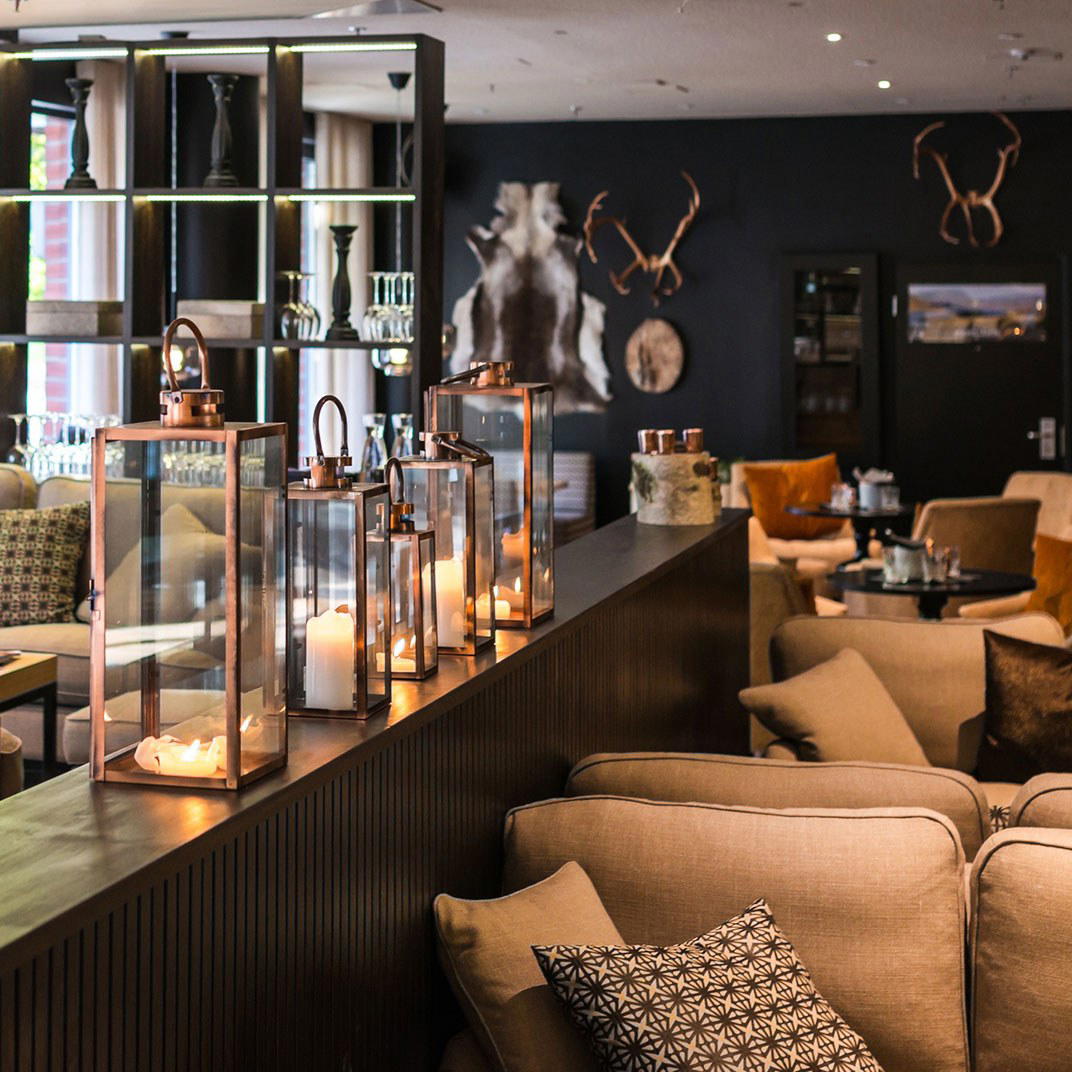
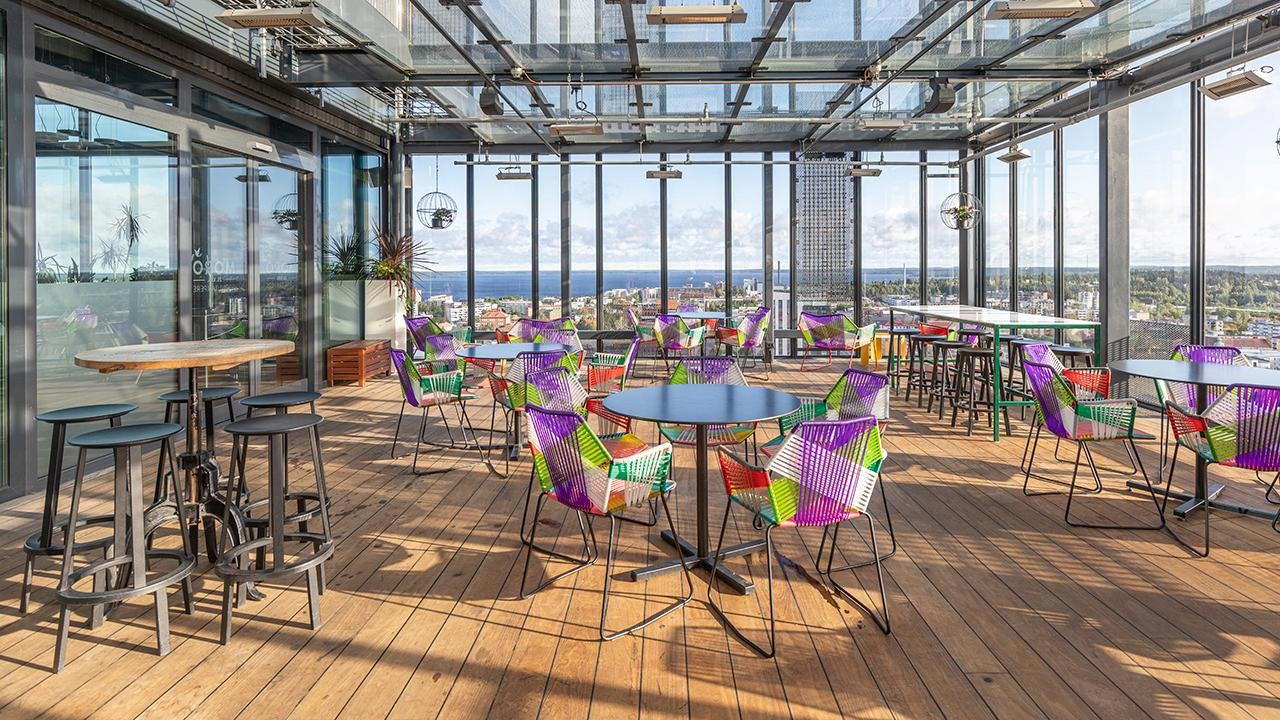
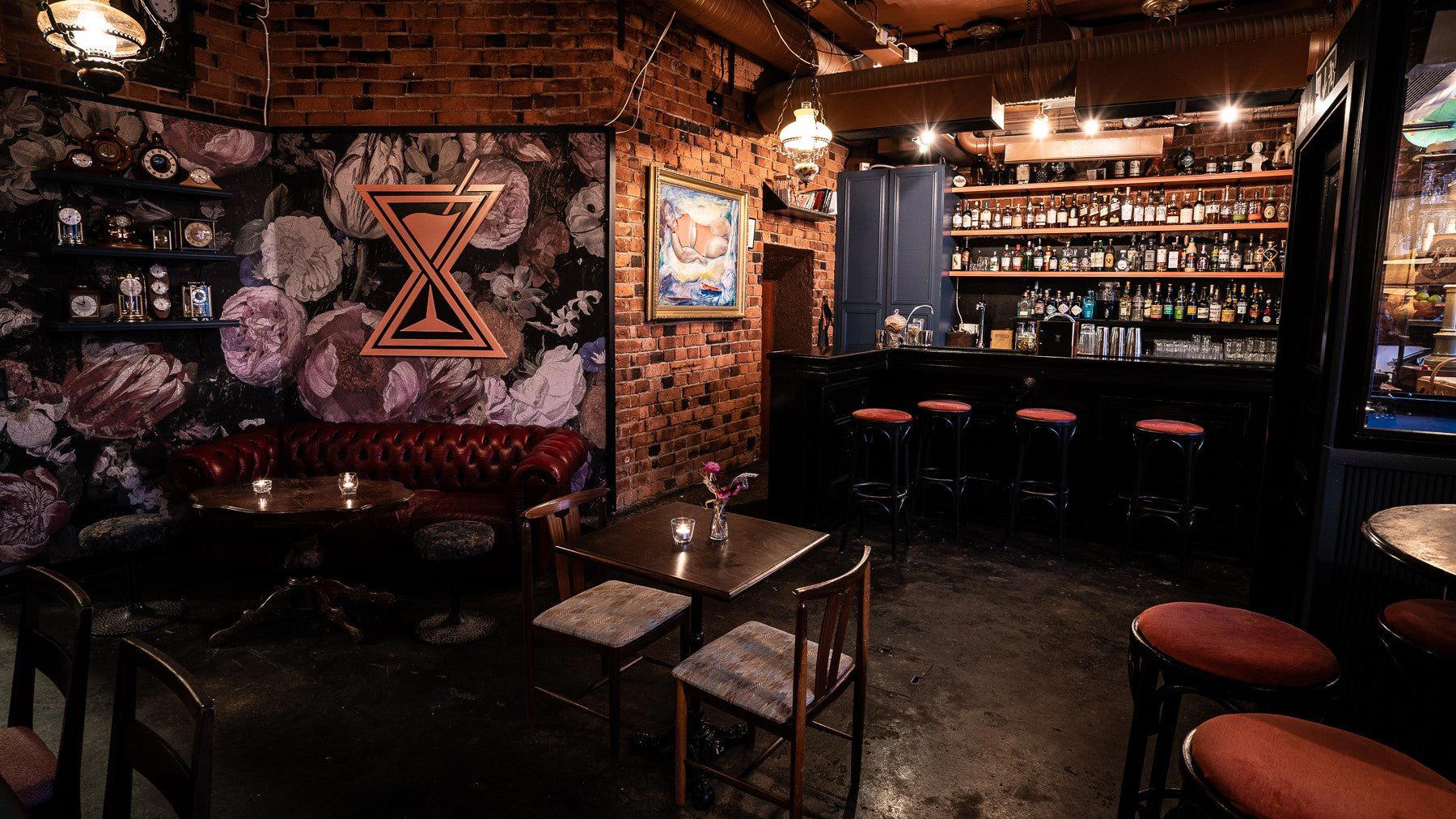
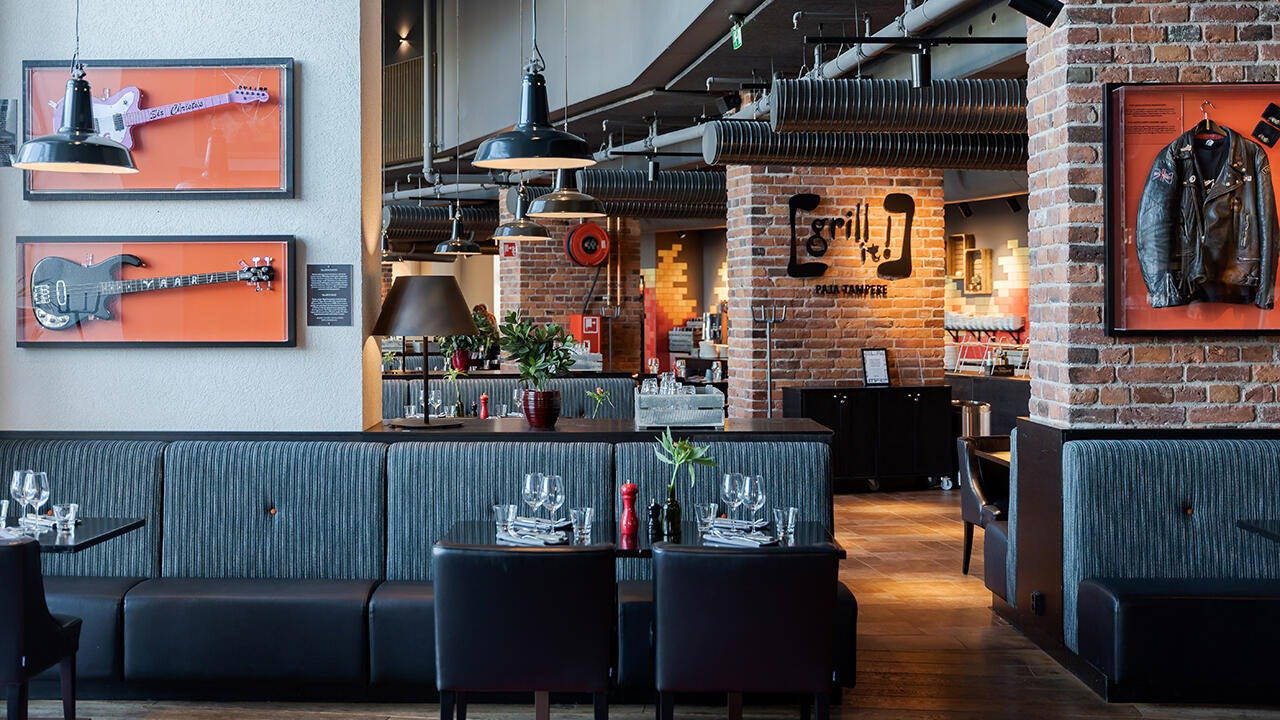
Modern upscale atmosphere with stylish rooms, lobby fireplace, and scenic rooftop terrace.