Filipof occupies a central address on Torikatu in the heart of Joensuu, placing it within reach of the city's market square and the broader North Karelian dining scene. The restaurant draws on a region where lake fish, forest mushrooms, and game have shaped the table for generations. For visitors tracing Finland's provincial dining beyond Helsinki, Joensuu's position on the eastern edge makes it a natural stopping point.
Pearl is the En Primeur Club membership app — saves, bookings, and concierge access live there. Same editors, same standards.
- Address
- Torikatu 10, 80100 Joensuu, Finland
- Phone
- +358400152690
- Website
- ravintolafilipof.fi
- Directions
- Get directions
 Saves & bookings on Pearl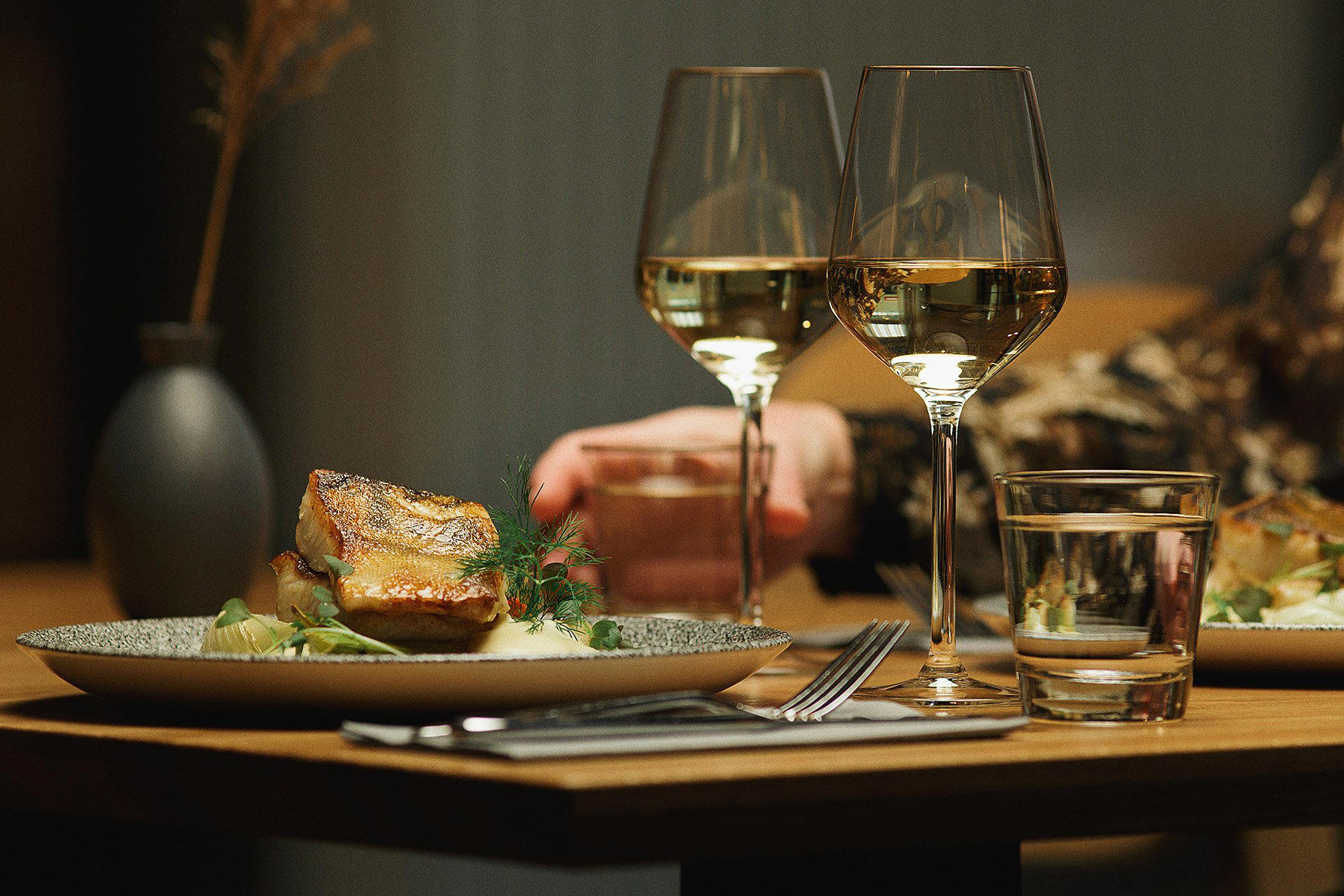
Where North Karelia Meets the Plate
Torikatu, the street that runs through Joensuu's commercial centre, is the kind of address that rewards a slow walk. The market square sits nearby, and the civic rhythm of eastern Finland plays out in the foot traffic and the low-rise architecture that frames this part of the city. Filipof at number 10 occupies that central ground, positioned where locals and visitors cross paths in a city that functions as the regional capital of North Karelia. Approaching the address, you are already inside the geography that defines what ends up on the plate in restaurants like this one: a range of lakes, boreal forest, and a food culture shaped by proximity to the Russian border and centuries of subsistence in a short-growing-season climate.
The Raw Material Argument for Eastern Finland
Finland's northeastern provinces have always eaten differently from the capital. Where Helsinki restaurants such as Palace or the New Nordic programs at Kaskis in Turku draw on national supply chains and Scandinavian fine-dining conventions, provincial kitchens in Karelia work from a tighter, more geographically defined pantry. Lake fish from Pielinen and Pyhäselkä, wild mushrooms gathered from birch and pine forest, cured and smoked meats, and rye-based preparations carry the region's culinary identity. These are not nostalgic affectations in North Karelia, they are the actual ingredients available within a short radius, and restaurants on Torikatu operate in proximity to those sources in a way that urban fine-dining kitchens rarely can.
This sourcing reality matters because it differentiates eastern Finnish cooking from the import-driven internationalism found in larger Finnish cities. The Karelian pasty, or karjalanpiirakka, is particularly recognised export of this culinary geography, a rye crust filled with rice or mashed potato that carries protected geographical status in the European Union. It represents something broader about North Karelian food culture: a preference for fermented, preserved, and slow-processed ingredients that came from necessity and became identity. Any kitchen rooted in this city is operating inside that tradition whether it acknowledges it explicitly or not.
Joensuu's Position in the Provincial Fine-Dining Map
Finland's regional dining scene has grown more confident over the past decade. Cities like Tampere, where Gastropub Tuulensuu has built a following on quality-focused, accessible cooking, and Lahti, where Popot represents the city's more ambitious dining ambitions, demonstrate that serious restaurant culture is no longer concentrated exclusively in the south. Joensuu's position at the edge of the EU's border with Russia historically made it a crossing point for influences from both directions, and that dual exposure shaped what the city eats and how it entertains.
Filipof's address on Torikatu places it in the part of Joensuu where civic and commercial life converge. This is the zone where a restaurant has to work for multiple audiences: locals on weekday evenings, visitors passing through on the way to Koli National Park or the Saimaa lake system, and business travellers for whom Joensuu functions as a regional hub. Provincial restaurants that succeed in cities of this scale typically anchor themselves to local identity while delivering a standard of execution that can hold its own against urban competition. The ingredient sourcing argument is central to that strategy across North Karelia.
The gap between provincial and capital-level dining in Finland has narrowed considerably. The programs at Lucy in the sky in Espoo or Hejm in Vaasa show that serious cooking now happens across the country. Even internationally, the farm-to-table sourcing argument that defines places like Lazy Bear in San Francisco or the seafood focus of Le Bernardin in New York City shares a structural logic with what regional Finnish kitchens have practiced from necessity for generations.
Planning Your Visit
Filipof is located at Torikatu 10 in central Joensuu, within walking distance of the market square and the main transport connections through the city. Joensuu is accessible by train from Helsinki in approximately five hours, or by regional flights to Joensuu Airport, which sits a short distance from the city centre. Filipof is open Tuesday through Saturday from 11 AM to 10 PM and is closed Monday and Sunday; reservations are recommended. The area around Torikatu is navigable on foot, and the concentration of the city's commercial activity in this district makes it a practical base for an evening.
Cities that serve as regional capitals tend to support at least one or two serious restaurants that function as anchors for local dining culture. Joensuu is no exception, and Torikatu is where that anchor sits. Other regional programs worth tracking include Gösta in Mänttä, Viinitupa Vuorenmaja in the same town, and JJ's BBQ in Salo, each of which demonstrates how Finland's provincial restaurant culture has diversified beyond any single model.
A Quick Peer Check
Comparable venues nearby, for context on price, style, and recognition.
| Venue | Cuisine | Price | Notes |
|---|---|---|---|
| FilipofThis venue — the venue you are viewing | Nordic Gastropub | $$ | Not listed |
| Way Herttoniemi | Modern Finnish Bakery Café | $$ | Lansi-Herttoniemi |
| Popot | Cozy Bistro with Finnish and International Flavors | $$ | city center |
| Aurora Sky Restaurant | Refined Nordic Cuisine | $$$$ | Levi |
| Paakari | French-Style Bistro with Seafood Focus | $$ | Kangasala |
| Laanilan Kievari | Scandinavian Lappish with French influences | $$$ | Saariselka |
Continue exploring
More in Joensuu
Bars in Joensuu
Browse all →
At a Glance
- Cozy
- Rustic
- Classic
- Intimate
- Casual Hangout
- Group Dining
- After Work
- Historic Building
- Local Sourcing
Current opening hours
- Monday
- Closed
- Tuesday
- 11 AM–10 PM
- Wednesday
- 11 AM–10 PM
- Thursday
- 11 AM–10 PM
- Friday
- 11 AM–10 PM
- Saturday
- 11 AM–10 PM
- Sunday
- Closed
Hours can change for holidays and private events. Last verified .
Warm and welcoming atmosphere within century-old log walls with Nordic decoration and rustic interior design that complements the building's historic character.