




1 Michelin Star · Star Wine List · Falstaff Restaurant - 93 Falstaff Points
Our verdict
Kaskis holds a Michelin star and a consistent place in Opinionated About Dining's European rankings, operating from Kaskenkatu in Turku with a seven-course set menu built around wild and foraged Finnish ingredients. Open Wednesday through Saturday evenings, it sits at the serious end of Finland's New Nordic scene alongside Helsinki's starred restaurants, with wine and non-alcoholic pairings available.

Pearl is the En Primeur Club membership app, where members save venues, book tables and use the concierge.
The menu
What to order
- Reindeer in two ways with Lappish potato and lingonberries
- Pike perch with smoked cream
- Beef tenderloin
- Ginger bread ice cream with mulled wine
Turku's Nordic Table and the Wild Larder Beneath It
Finland's relationship with the forest is not metaphorical. In late summer, the birch edges of the Finnish archipelago produce chanterelles in sufficient volume that picking them is a civic ritual rather than a specialist pursuit. Coastal meadows offer sea buckthorn. Peatlands carry cloudberries. This is the raw material that serious New Nordic cooking in Finland draws from, and Turku, sitting at the southwestern tip of the country where the archipelago fractures into thousands of islands, sits in the middle of one of the country's richest foraging zones. The restaurants that use this larder with real discipline occupy a narrow tier: technically serious, ingredient-driven, and structurally dependent on seasonality in a way that menus built around imported produce simply are not.
It holds a Michelin star as of 2025 and has appeared in Opinionated About Dining's European rankings consecutively, placed at 285th in 2024 and climbing to 310th in 2025, a position that reflects both the depth of the European field and the consistency of what's happening in this room. For a city of Turku's scale, that kind of sustained continental recognition is uncommon, and it places Kaskis alongside Palace in Helsinki and VÅR in Porvoo as part of a small cohort of Finnish restaurants operating at the level where European critics pay consistent attention.
Foraged Finland: What the Menu Is Actually About
New Nordic as a category has become broad enough to absorb almost anything, but the version practiced in Finland's more serious kitchens retains a specific material logic. The foraged ingredient is not a garnish or a gesture at regionalism, it is structurally load-bearing. Wild mushrooms carry umami in the absence of fermented Asian staples. Coastal herbs replace cultivated aromatics. Berries provide acidity where wine reductions might otherwise do that work. At Kaskis, the seven-course set menu is the only format on offer, which means the kitchen commits fully to whatever the season's wild harvest allows rather than hedging with à la carte options that could be sourced more easily year-round.
This kind of structural reliance on wild ingredients is what separates the most considered end of the Nordic movement from its imitators. The Michelin description of the cooking notes powerful colours and flavours delivered with a delicate, detailed touch, a pairing that is harder to achieve than it sounds when you're working with ingredients that arrive from the forest or shoreline with variable intensity and no standardisation. Getting brightness from cloudberries, depth from aged wild mushrooms, and clarity from coastal seaweeds within a single tasting arc requires the kind of calibration that chef Marius Survila's kitchen has been refining since the restaurant first drew Opinionated About Dining's attention as a highly recommended new opening in 2023.
Restaurants running similar programs across the Nordic region include Maaemo in Oslo, Domestic in Aarhus, and Lysverket in Bergen. What distinguishes the Finnish iteration is the particular character of the archipelago larder: the salinity of coastal plants, the specific sweetness of northern berries ripened in long midsummer light, and the earthiness of boreal mushrooms that differ in flavour profile from their Scandinavian counterparts farther west. These are not interchangeable ingredients, and restaurants that source locally rather than drawing from a pan-Nordic pantry produce menus that read differently even when the culinary grammar is similar.
The Room and the Register
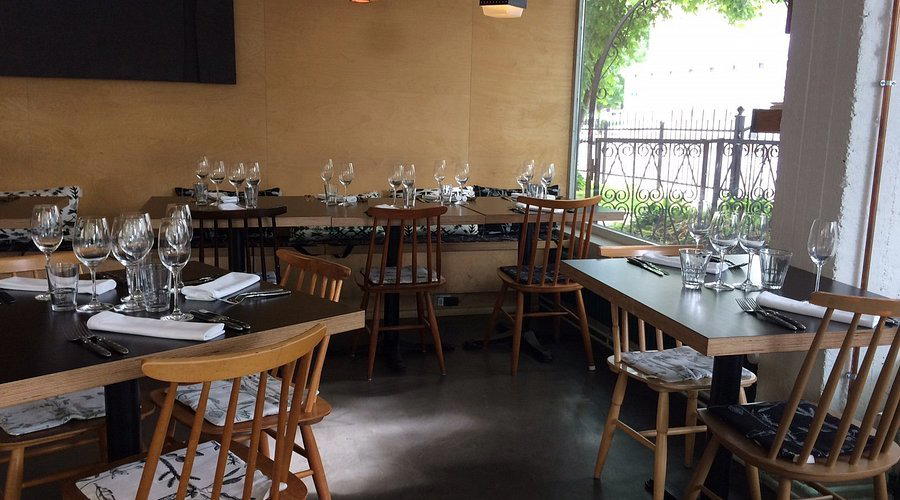
The Michelin description of Kaskis flags a deliberate tension in its atmosphere: a team whose visual presentation, colourful hair, bold tattoos, signals informality, set against a room that operates with genuine serenity. This is a recognisable mode in contemporary Nordic fine dining, one that several of the movement's most talked-about rooms have adopted as a counter to the stiffness that older European fine dining inherited from French formal service. The energy in the room comes from the food and the conversation rather than from ritual, and the cooking itself arrives with the visual confidence the Michelin notes describe: powerful colours, clear flavour logic, precision in execution.
This register, technically serious without being ceremonially heavy, has become one of the more durable developments in European fine dining over the past decade. You see it at Hot Shop in Oslo and Barr in Copenhagen, and it has particular resonance in smaller Nordic cities where the audience for tasting-menu dining expects engagement without formality. Turku has a university population and a design-conscious local culture that aligns naturally with this approach. The restaurant is not performing accessibility, it is simply not organised around the conventions that made fine dining feel exclusionary in an earlier era.
Wine, Pairing, and the Finnish Wine Program
The pairing program at Kaskis has drawn specific recognition. The restaurant won silver in the German Wine List category at Star Wine List's Finland awards in 2021, which is a specific enough signal to warrant unpacking: a Finnish Nordic restaurant building a serious German wine program, particularly in the context of Riesling and Spätburgunder, reflects a considered pairing logic. German whites, especially those with high acidity and restraint in body, pair structurally well with the kind of wild, herb-forward, lightly fermented flavours that characterise serious Finnish tasting menus. This is not a casual list choice.
Beyond the wine pairing, a non-alcoholic pairing is available alongside the seven-course menu, which has become a meaningful differentiator at this price point. The non-alcoholic track in Nordic fine dining has evolved well beyond juice pours and sparkling water, with fermented botanicals, cold-pressed vegetable reductions, and kombucha-adjacent preparations now capable of tracking a tasting menu's arc with the same structural logic as wine. For a full survey of Turku's drinking options, our full Turku bars guide covers the broader scene.
Kaskis in the Turku Context
Turku is Finland's oldest city and was the country's capital until 1812, a history that gives it a different cultural weight than its current size might suggest. The food scene has developed distinctly from Helsinki's, with less international press attention but a tighter relationship between restaurants and the archipelago ingredients that the city's geography makes accessible. Smör operates in the same city at the Modern Cuisine end of the spectrum, and the two restaurants represent the serious end of what Turku's dining scene currently offers at the €€€€ price tier.
For visitors building a Finland itinerary around serious eating, the context matters. Helsinki's starred restaurants, including Palace at two stars, operate in a larger, more internationally visible market. Kajo in Tampere represents another regional node worth mapping. Kaskis occupies a specific position: a one-star restaurant in a smaller city with a foraging-led program that reflects its actual geography rather than importing a generic Nordic framework. That specificity is what makes the consistent OAD placement legible, critics tracking European restaurants at this level are looking for exactly this kind of rootedness.
For the wider Turku picture, our full Turku restaurants guide maps the city's dining across price points and styles, alongside our Turku hotels guide, Turku wineries guide, and Turku experiences guide for planning a full visit. Comparable New Nordic programs worth tracking across the region include Koka in Gothenburg, Under in Lindesnes, Bobe in Copenhagen, and Petri in Stockholm.
Planning a Visit
Kaskis opens Wednesday through Friday from 6pm, with Saturday service beginning earlier at 3pm. The restaurant is closed Sunday through Tuesday. The address is Kaskenkatu 6a, 20700 Turku. The price range sits at €€€€, consistent with the seven-course tasting format and the pairing options available.
Frequently asked questions
Is Kaskis award-winning?
Kaskis has received recognition including: Kaskis won silver in the category German Wine List in Star Wine of the Year Finland 2021.; Opinionated About Dining Top Restaurants in Europe Ranked #310 (2025); Michelin 1 Star (2025); Opinionated About Dining Top Restaurants in Europe Ran….
What's the best thing to order at Kaskis?
Kaskis runs a single seven-course set menu with no à la carte option, so the real decision is pairing: wine or non-alcoholic. The wine program has earned independent recognition, including silver in the German Wine List category at Star Wine List Finland 2021 and a #1 Star Wine List Finland ranking the same year, which makes the wine pairing the more documented choice for those who prioritise that dimension of the meal.
What price level is Kaskis?
Pricing at Kaskis is listed as €€€€.
A Pricing-First Comparison
| Venue | Cuisine | Price | Awards | Notes |
|---|---|---|---|---|
| KaskisThis venue (the venue you are viewing) | Modern Nordic Seasonal Fine Dining | $50–100 | 1 Michelin Star · Star Wine List | Not listed |
| Palace | Modern Nordic Fine Dining | $200–300 | 2 Michelin Stars · La Liste Top Restaurants | Finnish, Modern Cuisine |
| Grön | Modern Nordic Fine Dining | $150–200 | 2 Michelin Stars · Star Wine List | New Nordic, Creative |
| Olo | Contemporary Scandinavian | $200–300 | 1 Michelin Star · La Liste Top Restaurants | Scandinavian, Modern Cuisine |
| Gaijin | Middle Eastern, Asian | Not listed | Not listed | Not listed |
| Savoy | Japanese Curry | $1–10 | Tabelog 100 #58 | Pizzeria, Contemporary European, Modern Cuisine |
Recognition history
Dated appearances from independent guides and award organizations, with the underlying list record or original source where available.
Michelin 1 Star
Michelin
Star Wine List
Star Wine List
Falstaff Restaurant - 93 Falstaff Points
Falstaff
Opinionated About Dining Top Restaurants in Europe Recommended
Opinionated About Dining
White Guide Nordic Restaurants - Masters Level
White Guide
Full recognition history (11 entries)
Michelin 1 Star
Michelin
Opinionated About Dining Top Restaurants in Europe Ranked #310
Opinionated About Dining
Michelin 1 Star
Michelin
Opinionated About Dining Top Restaurants in Europe Ranked #285
Opinionated About Dining
Opinionated About Dining Top New Restaurants in Europe Highly Recommended
Opinionated About Dining
Star Wine List
Star Wine List
Continue exploring
More in Turku
Restaurants in Turku
All restaurants in Turku →
Bars in Turku
All bars in Turku →
Details
- Elegant
- Intimate
- Modern
- Energetic
- Sophisticated
- Date Night
- Special Occasion
- Celebration
- Open Kitchen
- Standalone
- Design Destination
- Sommelier Led
- Farm To Table
- Local Sourcing
- Organic
- Tasting Menu
- Set Menu
- Wine Pairings
- Non Alcoholic Pairings
- Vegetarian Friendly
- Vegan Options
- Gluten Free Options
- Organic Focus
Current opening hours
- Monday
- Closed
- Tuesday
- Closed
- Wednesday
- 6–11 PM
- Thursday
- 6–11 PM
- Friday
- 6–11 PM
- Saturday
- 3–11 PM
- Sunday
- Closed
Hours can change for holidays and private events. Hours as of .
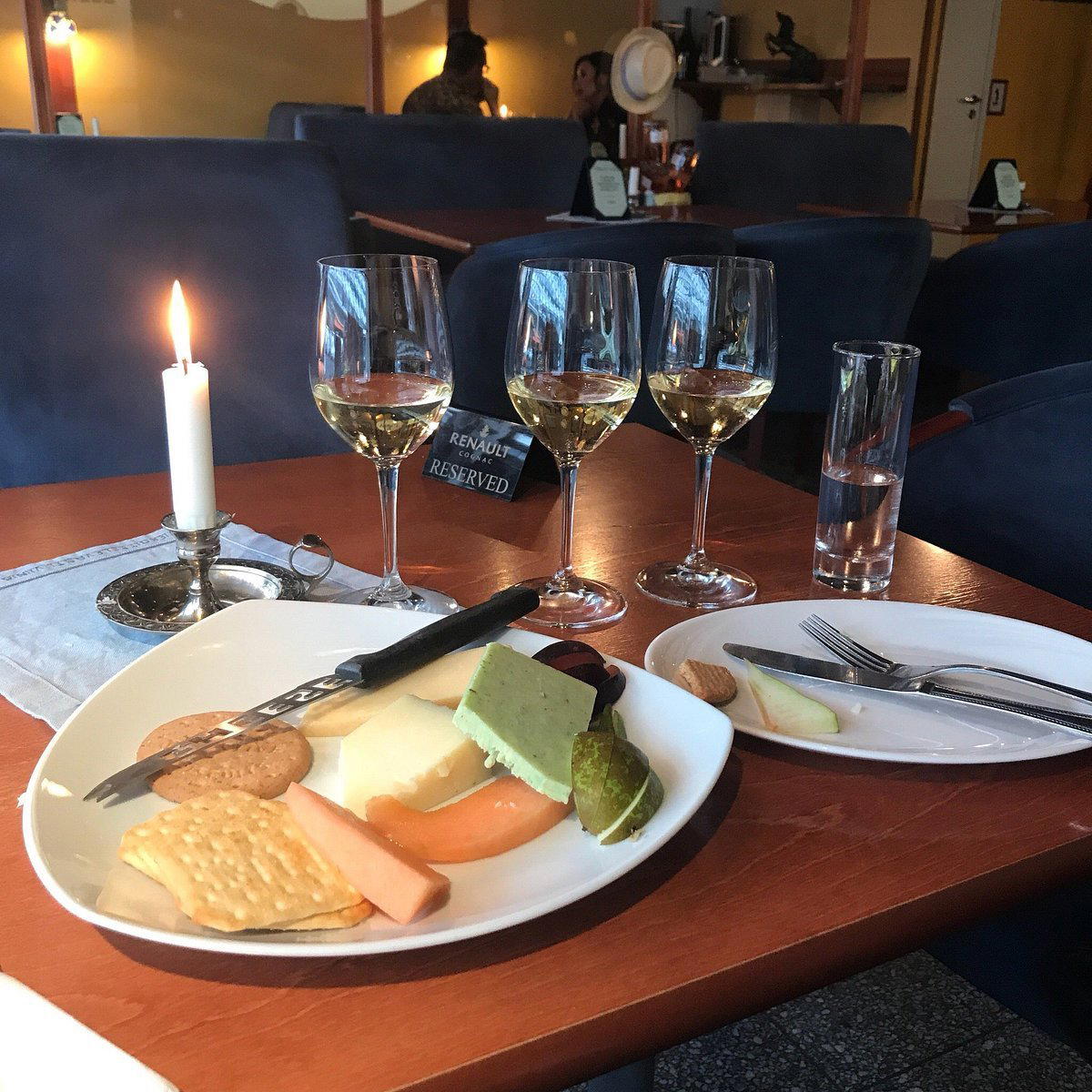
Modern glass-fronted establishment with serene yet energetic atmosphere; intimate hall with artistic plating and lighting that creates a sophisticated yet relaxed dining environment.