Apaja sits on Huhtimäenkatu in central Tampere, placing it within the city's developing fine-casual dining corridor. The kitchen draws on Finland's ingredient-forward cooking tradition, where provenance and season define the menu more than technique for its own sake. For visitors mapping Tampere's serious restaurant scene, it belongs on the same shortlist as the city's most considered addresses.
Pearl is the En Primeur Club membership app — saves, bookings, and concierge access live there. Same editors, same standards.
- Address
- Huhtimäenkatu 3C, 33100 Tampere, Finland
- Phone
- +358451314084
- Website
- apajaravintola.fi
- Directions
- Get directions
 Saves & bookings on Pearl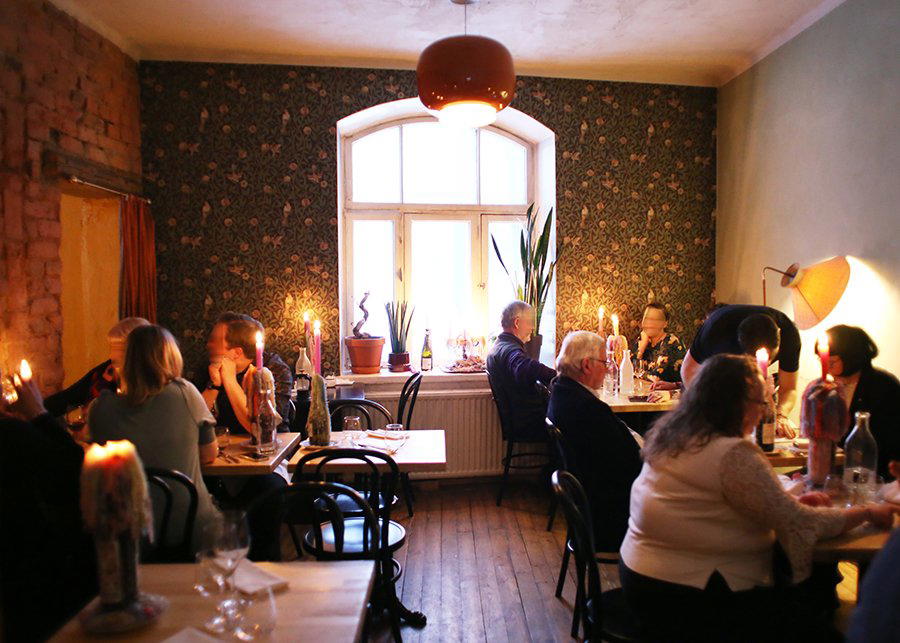
Where Tampere's Ingredient Culture Takes Shape
Finland's most compelling restaurant kitchens share a common discipline: the sourcing decision comes before the cooking decision. What arrives on the plate is determined less by culinary school conventions and more by what the land, the lake, and the season will actually give up. That philosophy has taken firm hold in Tampere, a city that spent much of the last decade building a dining scene serious enough to compete with Helsinki's newer mid-tier wave. Apaja is a restaurant in Tampere serving Seasonal Scandinavian Fine Dining at about $70 per person. Apaja, addressed at Huhtimäenkatu 3C in central Tampere, sits within that shift. The address places it in a neighbourhood that has attracted a cluster of kitchens willing to work with Finnish producers rather than defaulting to imported protein and Mediterranean pantry staples.
The broader Finnish dining movement toward traceable, often hyper-local sourcing parallels what happened in Nordic cooking generally after the early-2000s New Nordic moment filtered down from the headline restaurants to the regional tier. At that upper tier, venues like Palace in Helsinki set a standard for provenance-led menus. The interesting development of the last several years is how that sourcing rigour has spread to cities like Tampere, Turku, and Jyväskylä, where smaller operations can be more agile about what they put on the menu each week. Apaja is part of that fine-dining tier.
The Physical Setting and First Impression
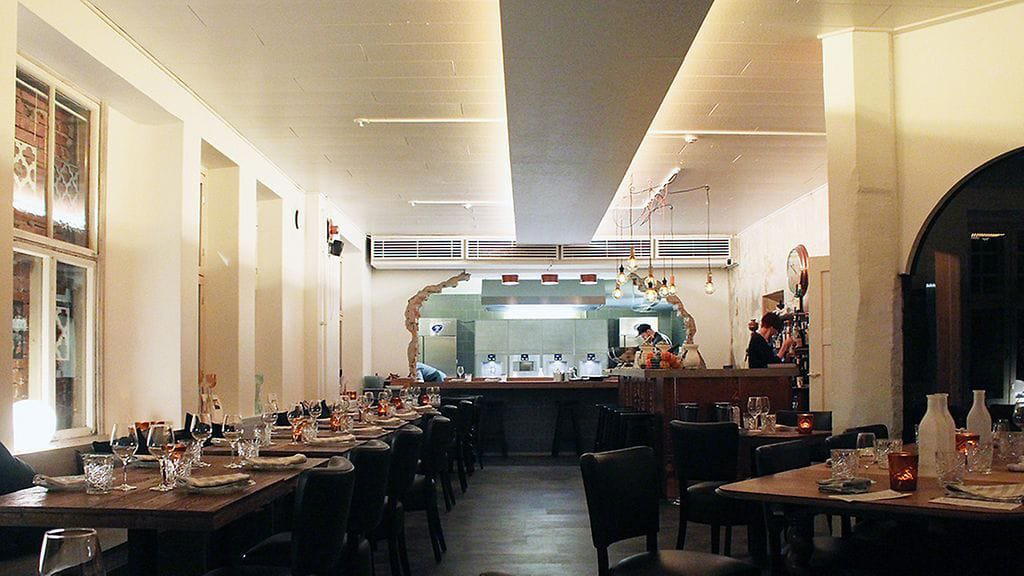
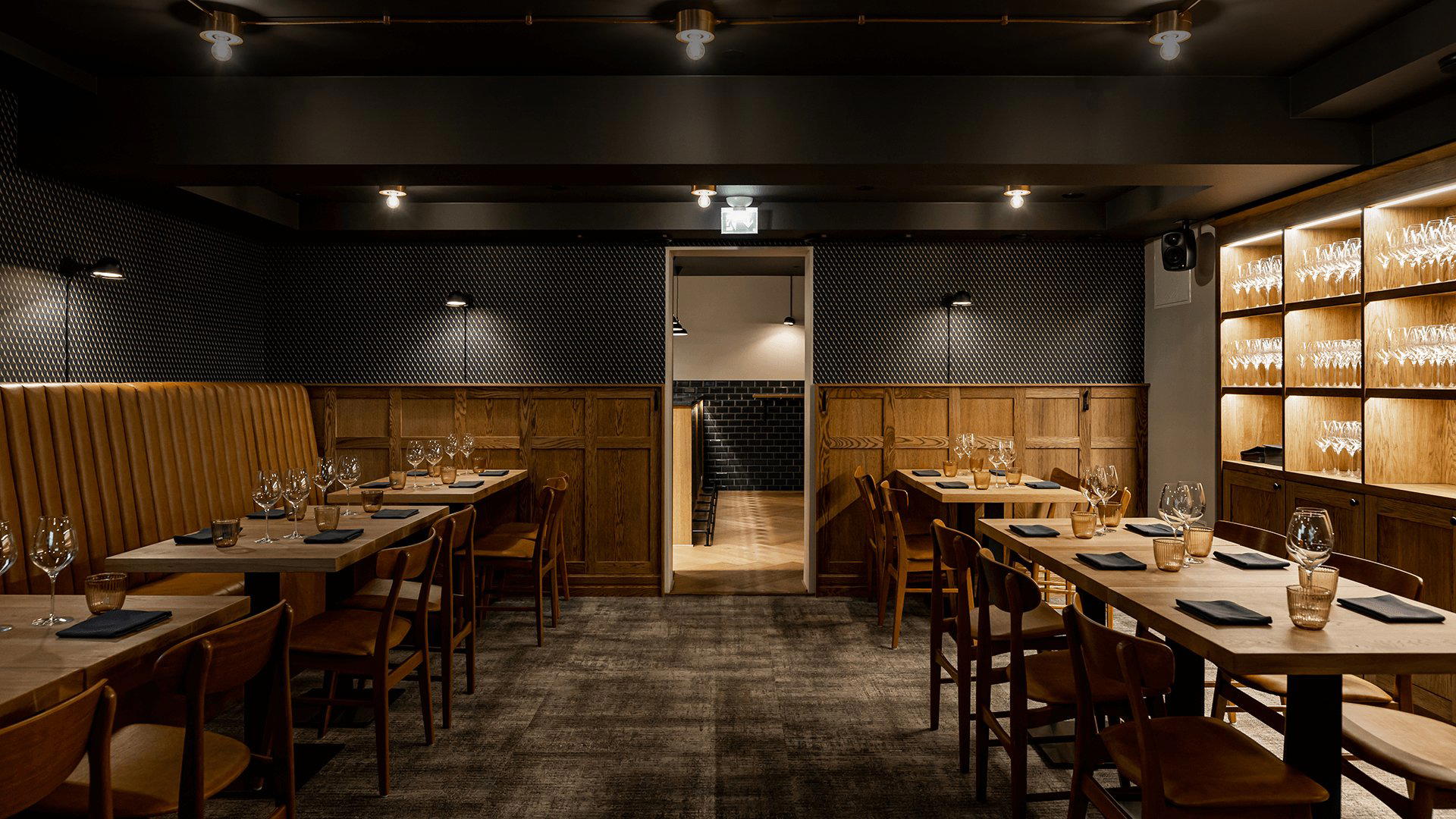
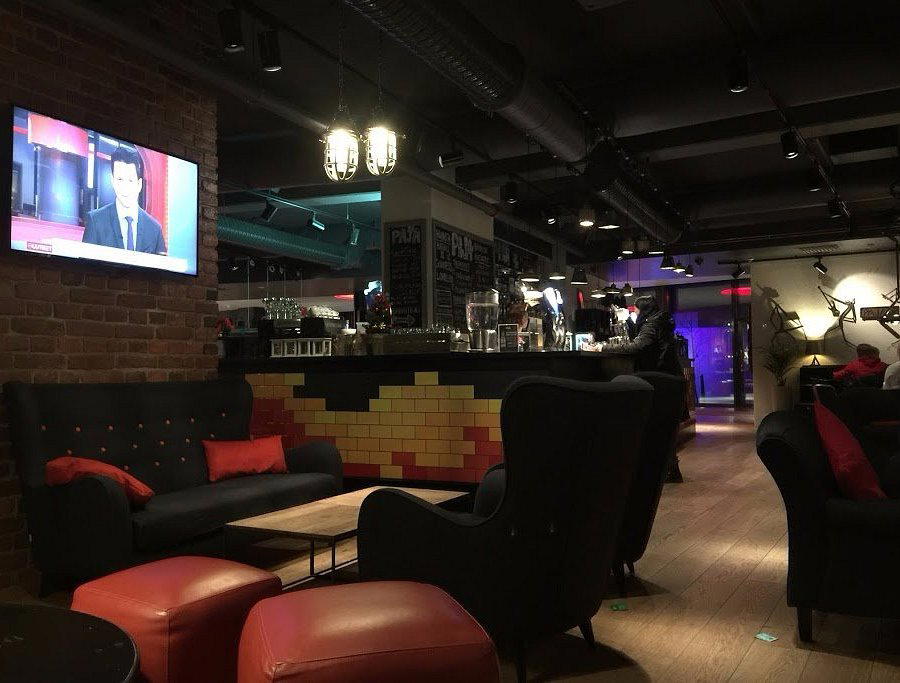
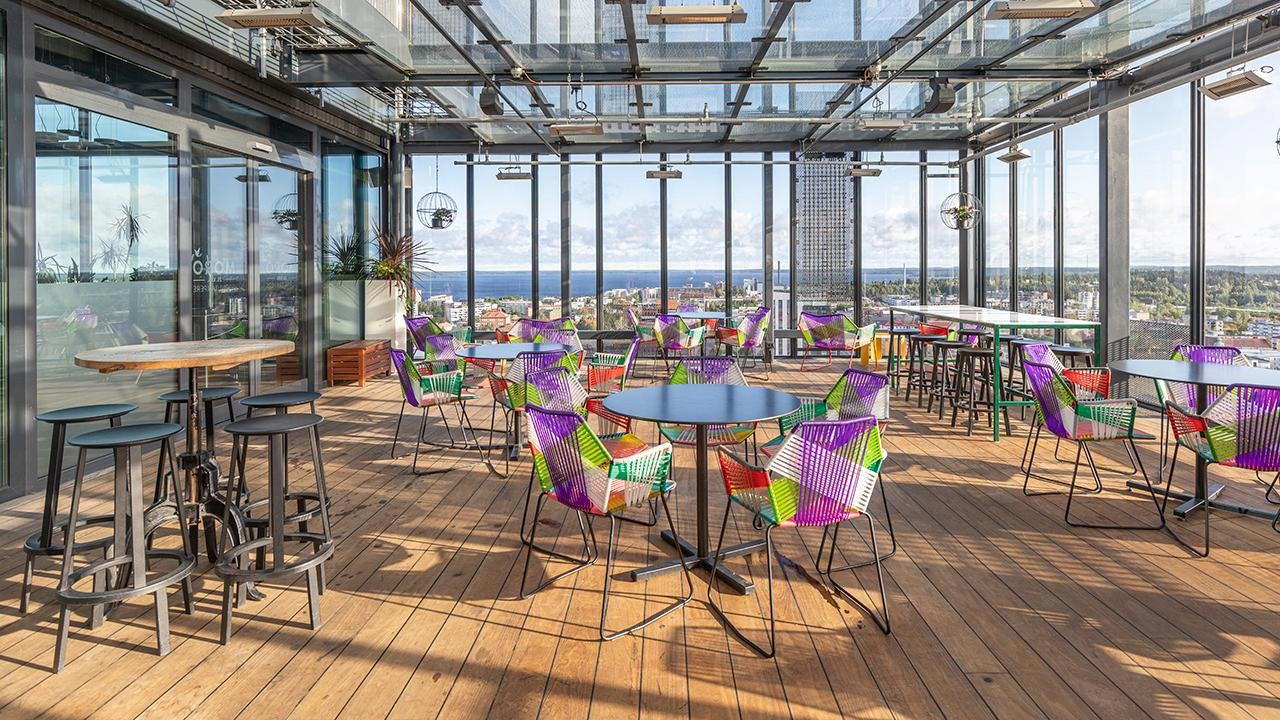
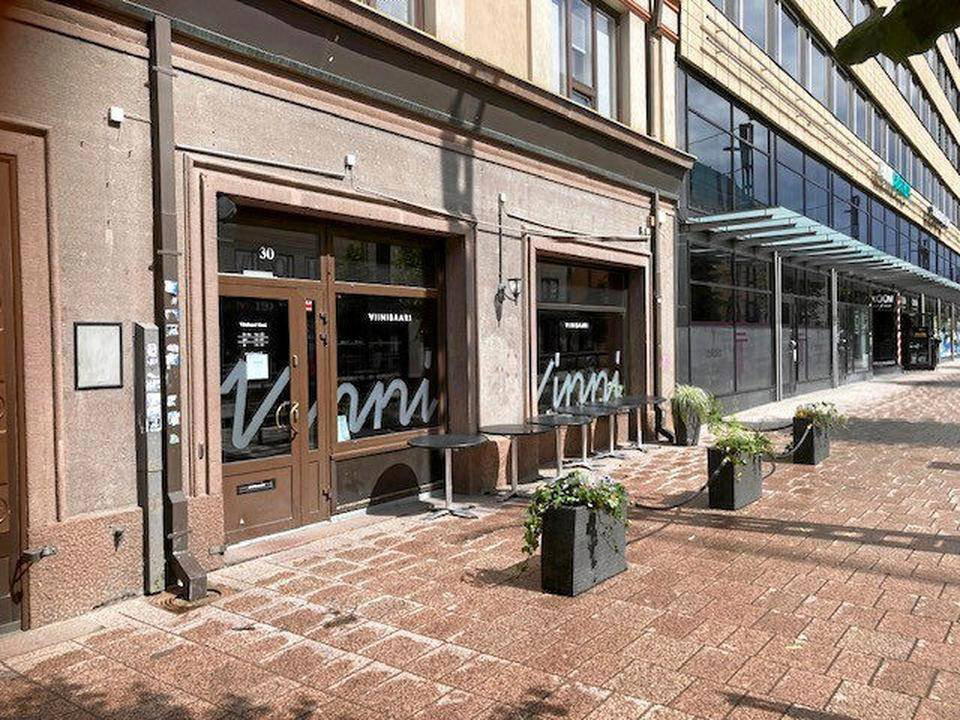
Approaching Huhtimäenkatu from the city centre, the street has the character of an address in transition: functional, not yet gentrified to the point of self-consciousness, which tends to produce the more honest dining rooms. Tampere's leading restaurants have generally avoided the over-designed interior trap, and the expectation at a venue like Apaja is that the room exists to serve the food rather than compete with it. That restraint, where it holds, signals a kitchen confident enough in its sourcing and execution that theatrical décor is unnecessary.
In Tampere's restaurant scene broadly, the venues that have built one durable reputations operate this way. The contrast with surface-level experiential dining is clear when you set Apaja beside places in the city's mid-range bracket that rely on atmosphere as a substitute for ingredient quality. The more substantive tier, which includes Bistro Eloisa and Bistro Henriks, operates on kitchen merit rather than room design. Apaja belongs in that company.
Finland's Sourcing Tradition and What It Means on the Plate
Finnish cuisine's ingredient logic is shaped by geography in ways that are easy to understate. Inland lakes supply pike, perch, and vendace; boreal forests produce chanterelles, cloudberries, lingonberries, and a range of foraged greens with a short season; the short growing summer concentrates flavour in root vegetables and brassicas in ways that longer-season southern European equivalents rarely match. A kitchen working honestly with those materials operates on a fundamentally different calendar than one that imports year-round. The menu changes not because a chef wants to signal creativity, but because the supply changes.
This is the sourcing tradition that defines Apaja's comparable set in Tampere. The city's position roughly equidistant from Helsinki and the lake districts of central Finland gives its kitchens access to both urban supply chains and more direct farm and forest sourcing. Venues that use that geography well, pulling pike from Näsijärvi or partnering with Pirkanmaa-region producers, distinguish themselves from those simply buying through national distributors. The distinction matters to the reader who is choosing between addresses in the city: it determines whether the menu reads as regional Finnish or merely Finnish-inflected European.
For reference across Finland's regional fine-casual tier, Kaskis in Turku and VÅR in Porvoo represent the benchmark for how provincial kitchens can build genuine reputations around sourcing discipline. Pöllöwaari in Jyväskylä and Musta lammas in Kuopio do similar work further north and east. Apaja's positioning in Tampere places it in this same conversation about what serious Finnish cooking looks like outside the capital.
Apaja in Tampere's Competitive Set
Tampere's upper dining tier is not large, which means each address in it carries proportionally more weight. The city's most discussed kitchens over the past several years have included Kajo at the creative end, operating at a €€€€ price point with a fully composed tasting format. Below that, a group of bistro-format and gastropub addresses, including Gastropub Tuulensuu, Brasserie Deux, and Dining 26 by Arto Rastas, fill out the mid-to-upper bracket. Apaja operates in a scene where competition for the ingredient-focused diner is real, and where differentiation comes down to sourcing relationships, kitchen consistency, and the willingness to let the menu be constrained by what's actually available rather than what's expected.
Internationally, the closest analogues to this style of operation are in the community-rooted tasting format tier: Lazy Bear in San Francisco built its reputation partly on a similar philosophy of season-first menu construction, and Le Bernardin in New York City represents the extreme end of what ingredient sourcing discipline produces when applied to seafood over decades. Apaja's scale and city are different, but the underlying question the kitchen is answering is the same: what does honest sourcing look like in this specific place, at this specific time of year.
Elsewhere in Finland's secondary cities, the same pattern appears at Popot in Lahti, Lucy in the sky in Espoo, Viinitupa Vuorenmaja in Mänttä, Aurora Restaurant in Luosto, and DeLorean in Jyväskylä, each operating in a local context where the sourcing story and the place story are inseparable.
Planning a Visit
Apaja is located at Huhtimäenkatu 3C, 33100 Tampere. It opens Wednesday through Sunday, with Monday and Tuesday closed, and reservations are essential. The city's restaurant scene has drawn more destination diners over the past few years, and the assumption that you can walk in to any address in this tier on a Friday or Saturday is no longer reliable.
How It Stacks Up
Comparable venues nearby, for context on price, style, and recognition.
| Venue | Cuisine | Price | Notes |
|---|---|---|---|
| ApajaThis venue — the venue you are viewing | Seasonal Scandinavian Fine Dining | $$$ | Not listed |
| Ravintola Heinätori | Traditional Finnish Fine Dining | $$$ | Pyynikki |
| Ravinteli Bertha | Modern European Bistro | $$$ | Kyttälä |
| Brasserie Deux | Classic French Brasserie | $$$ | central Tampere |
| Periscope | Global Fusion Shareable Plates | $$ | Ratina |
| Huber | Charcoal-Grilled Dry-Aged Steaks | $$ | central Tampere |
At a Glance
- Cozy
- Intimate
- Elegant
- Date Night
- Special Occasion
- Extensive Wine List
- Farm To Table
- Local Sourcing
- Garden
Current opening hours
- Monday
- Closed
- Tuesday
- Closed
- Wednesday
- 4–11 PM
- Thursday
- 4–11 PM
- Friday
- 3–11 PM
- Saturday
- 1–11 PM
- Sunday
- Closed
Hours can change for holidays and private events. Last verified .
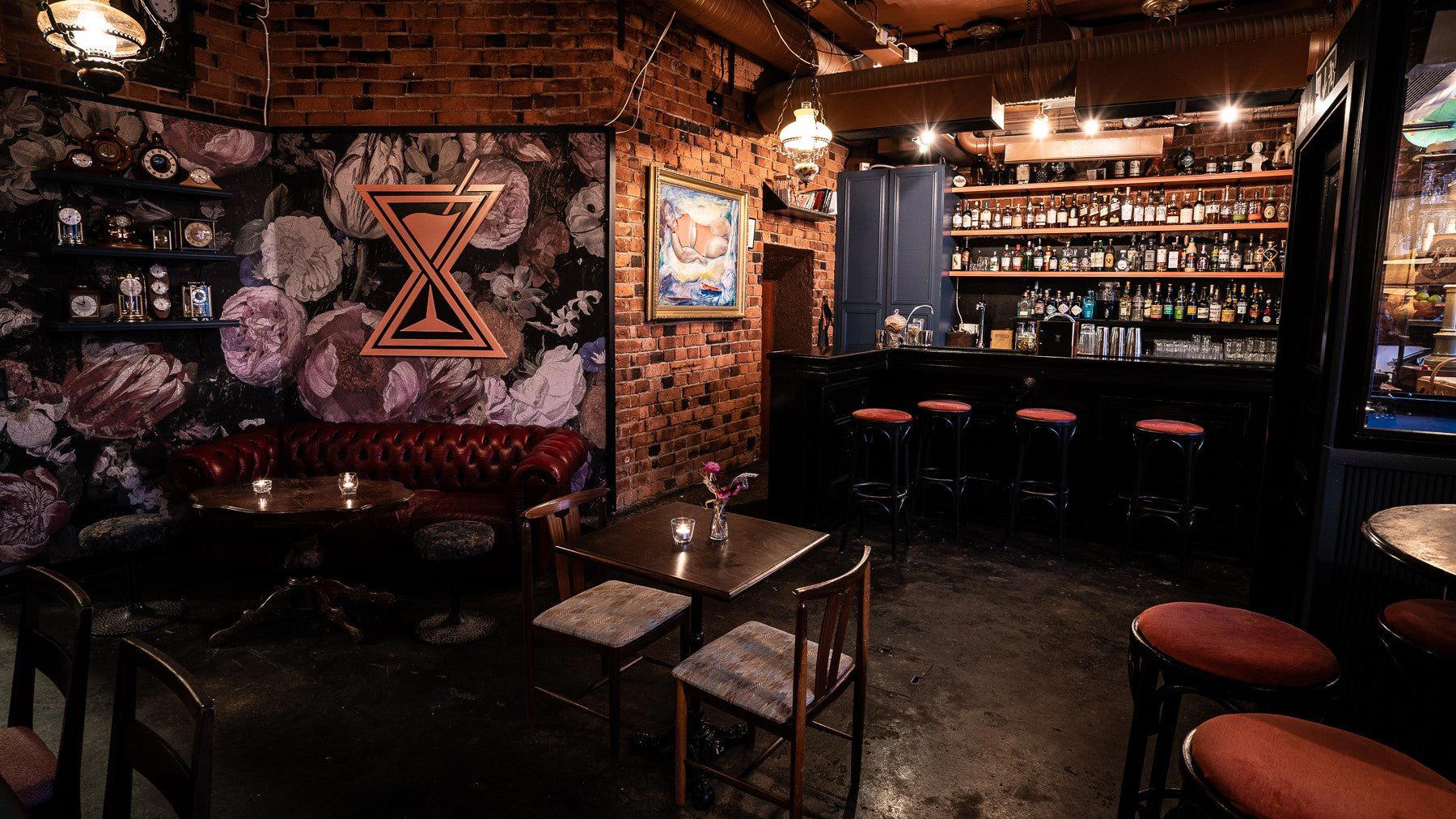
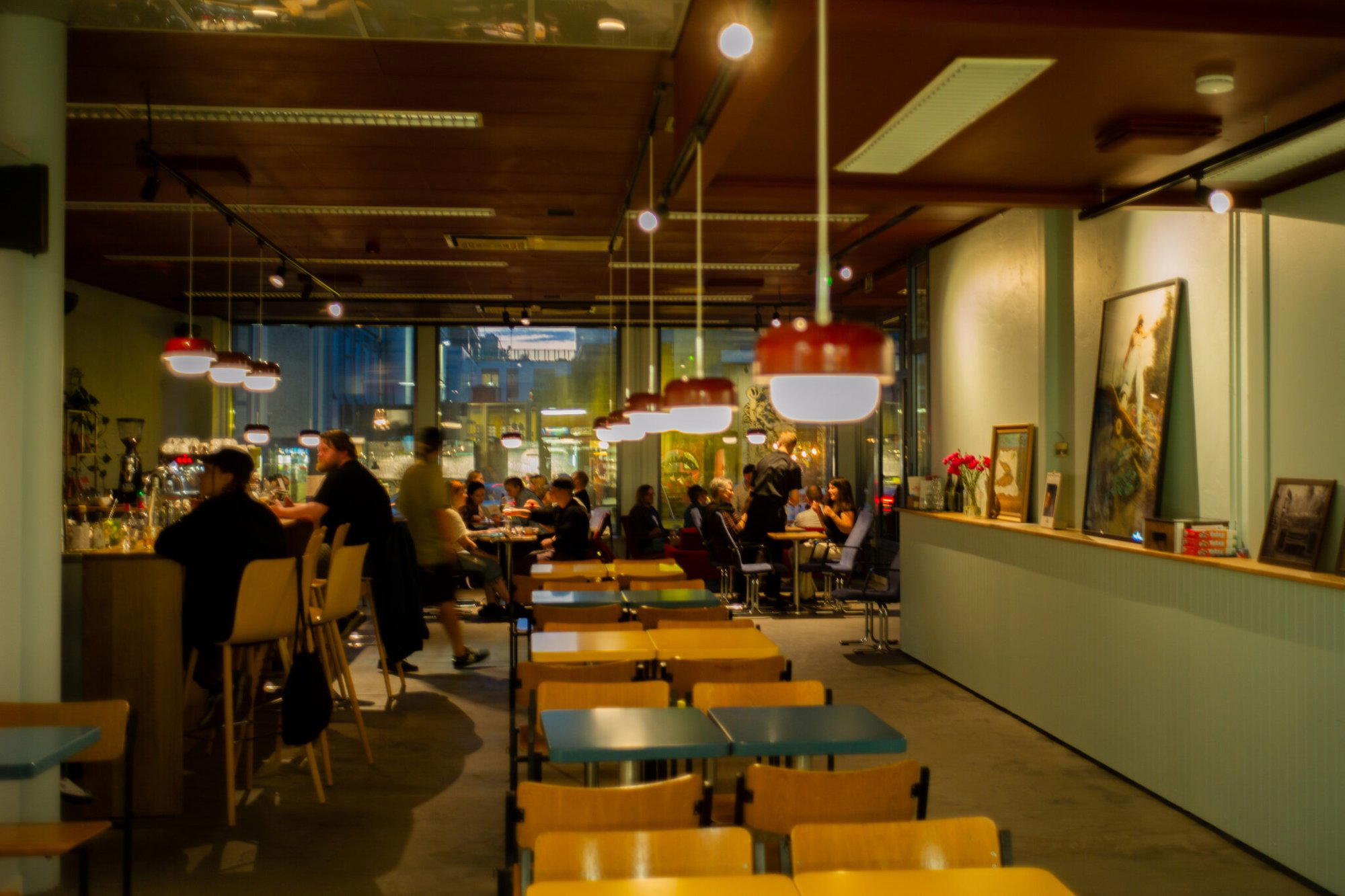
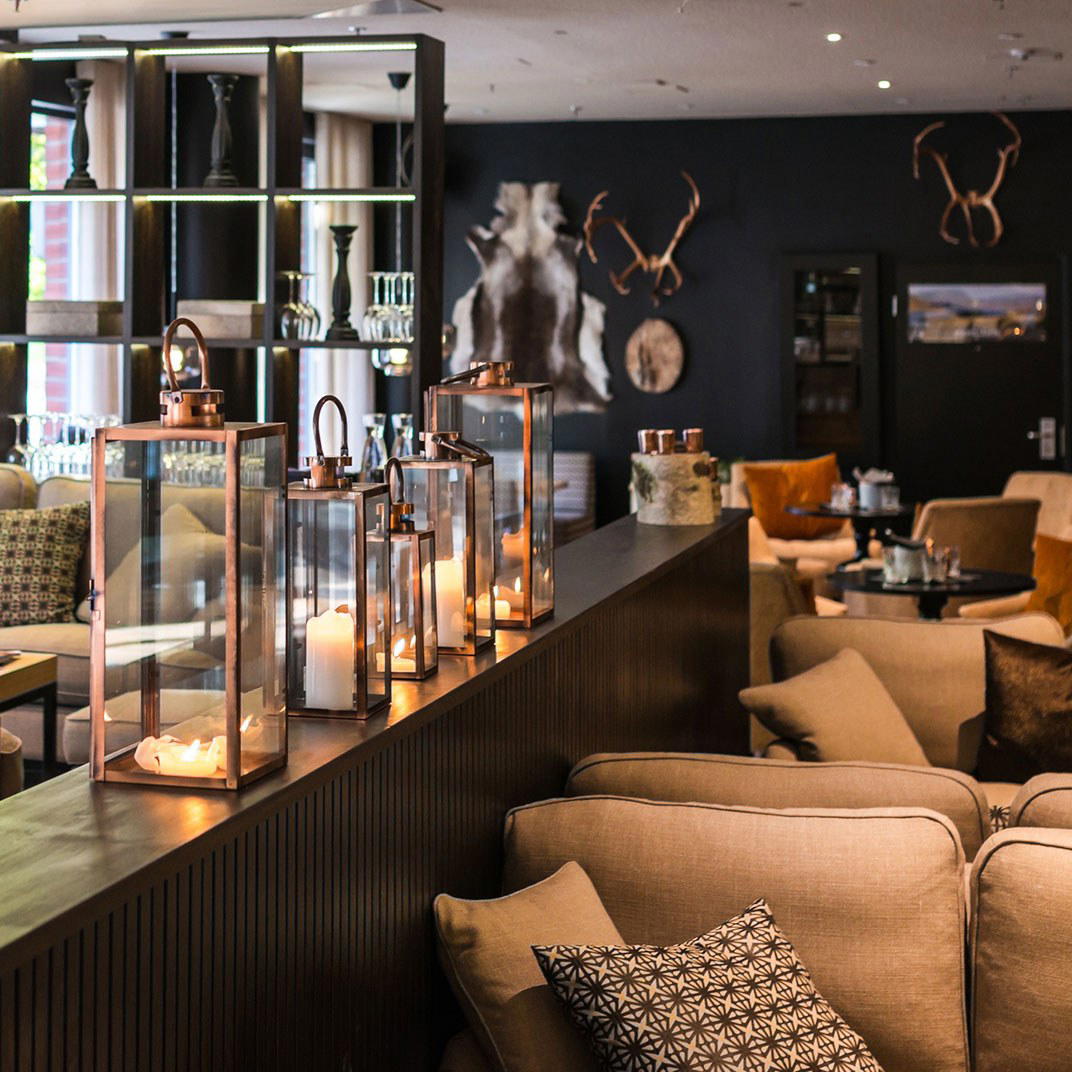
Cozy candlelit setting in an old renovated building with warm, relaxed, and passionate atmosphere.