Our verdict
Restaurant Tbilisi brings Georgian cooking to Tampere's Kuninkaankatu, occupying a distinct space in a city whose dining scene leans heavily Nordic. Georgia's wine-forward culinary tradition, rooted in the South Caucasus, translates well to Finland's appetite for fermented, herb-driven, and wood-fired flavours. For Tampere diners looking beyond the local canon, this is a meaningful detour into a different register of European table culture.

Pearl is the En Primeur Club membership app — saves, bookings, and concierge access live there. Same editors, same standards.
- Address
- Kuninkaankatu 15, 33210 Tampere, Finland
- Phone
- +358503388818
- Hours
- Mon 5–10 PMTue ClosedWed–Thu 5–10 PMFri 5–11 PMSat 1–11 PMSun 1–9 PM
- Website
- tbilisi.fi
- Directions
- Get directions
- Booking
- Book on the venue's website
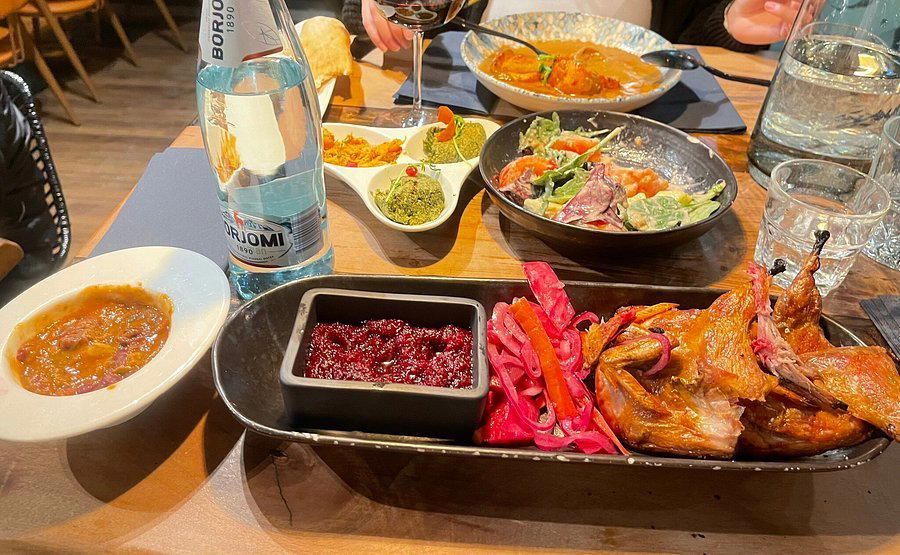
The menu
What to order
- Khachapuri
- Khinkali
- Lamb chops
- Chaqafuli
- Adjafsandal
A Different Register on Kuninkaankatu
Tampere's central dining corridor runs through a city that has spent the last decade sharpening its culinary identity around Nordic frameworks: foraged ingredients, preserved fish, dark rye, and clean-lined Scandinavian presentation. Kuninkaankatu 15 sits inside that geography but operates at a different frequency. The Georgian kitchen that Restaurant Tbilisi represents belongs to a culinary tradition anchored not in restraint but in abundance — walnut pastes, tkemali sauces made from sour plum, slow-braised meat, and bread baked directly against the inner wall of a tone oven. Arriving from the street, you are crossing between two distinct culinary hemispheres.
That contrast is precisely what makes Georgian restaurants worth seeking out in northern European cities. The South Caucasus table is one of the world's older continuous food cultures, shaped by trade routes that carried Persian, Ottoman, Russian, and Mediterranean influences across the same geography for centuries. The result is a cuisine of layered complexity that does not announce itself loudly — the depth is in technique and spice combination, not in theatrical presentation. For Tampere, a city whose restaurant options skew toward the local and the Nordic, the presence of a Georgian kitchen represents a genuine widening of the palette.
What Georgian Cooking Brings to the Table
Finnish diners encountering Georgian food for the first time tend to find the herb density surprising. Coriander, fenugreek, marigold petals, and blue fenugreek appear across dishes in combinations that have no direct equivalent in Nordic cooking. The walnut is structural rather than decorative, ground into thick sauces that carry dishes like satsivi and pkhali rather than appearing as a garnish. These are flavour profiles built over generations of practice, not assembled for novelty.
Georgia's wine culture adds another layer of context. The country holds a credible claim to being among the oldest wine-producing regions on record, with qvevri, large clay vessels buried underground, used for amber wines that predate modern winemaking by millennia. A Georgian restaurant functioning at its finest operates as both a kitchen and a cellar, and the pairing logic between local wines and the food is tighter than it might appear from the outside. Whether Restaurant Tbilisi operates a Georgian wine program is information the venue would need to confirm directly, but the culinary tradition it draws from has that dimension built into its DNA.
Within Tampere's restaurant scene, Georgian cooking occupies an effectively singular position. The city's more discussed fine dining addresses, Dining 26 by Arto Rastas, Brasserie Deux, and Bistro Henriks, operate in Nordic or European-bistro registers. Apaja and Bistro Eloisa follow comparable frameworks. A Georgian address sits outside that competitive set almost by definition, drawing on a different tradition and a different diner expectation.
The Sensory Register of a Georgian Kitchen
The smells that define a Georgian kitchen are specific: churchkhela drying, adjika chillies, the char of imeruli khachapuri against a hot stone, tkemali reducing on the stove. These are not subtle background notes. The aromatic intensity of the Georgian pantry means that a well-run Georgian kitchen carries its identity into the room before any dish arrives at the table. For diners accustomed to the cleaner, more mineral aromatics of Nordic cooking, the shift is immediate and legible.
Khinkali, the soup dumplings that are arguably the dish most associated with Georgian cooking outside the country, carry their own protocol. They are held by the topknot, bitten carefully to retain the broth inside, and the twisted dough at the leading is traditionally left on the plate as a count of consumption. It is practical eating with embedded ritual, the kind of format that restaurants either communicate well to first-time diners or let the table discover on its own.
Broader context from the Finnish dining scene is useful here. Restaurants like Palace in Helsinki and Kaskis in Turku define the upper tier of Nordic fine dining in Finland, operating with the kind of seasonal precision and sourcing transparency that has become the country's international signature. VÅR in Porvoo extends that framework into a smaller-city context. Georgian cooking sits outside that lineage entirely, it is a parallel tradition rather than a variation on the Nordic theme, and restaurants like Tbilisi occupy a niche that the dominant model does not address.
Planning Your Visit
Restaurant Tbilisi is located at Kuninkaankatu 15, 33210 Tampere, in the city centre, walkable from the main train station and the Hämeenkatu commercial spine. For broader context on where Restaurant Tbilisi sits within the city's dining options, our full Tampere restaurants guide maps the scene across price tiers and cuisine types.
Finnish dining outside the major cities has been generating more editorial attention in recent years. Gösta in Mänttä and Figaro in Jyväskylä illustrate how regional addresses can carry serious ambition. Hai Long in Rovaniemi and Filipof in Joensuu show the country's appetite for non-Nordic cooking beyond the capital. Vintti in Hameenlinna, Hejm in Vaasa, and JJ's BBQ in Salo each reflect different expressions of what regional Finnish dining has become. Restaurant Tbilisi's Georgian premise places it in that broader pattern of addresses pushing the country's dining conversation past its Nordic defaults.
Frequently asked questions
What part of town is Restaurant Tbilisi in?
Restaurant Tbilisi is located at Kuninkaankatu 15, 33210 Tampere, Finland, Tampere.
Is Restaurant Tbilisi in Tampere one of the only dedicated Georgian restaurants in Finland?
Dedicated Georgian restaurants across Finland are few, concentrated mostly in Helsinki, which makes a venue committed to the full Georgian cooking tradition in Tampere's city centre an unusual proposition for the region. Restaurant Tbilisi at Kuninkaankatu 15 operates in a cuisine category with almost no direct local competition, drawing on spice and baking traditions — churchkhela, adjika, imeruli khachapuri — that rarely appear on Finnish menus outside the capital.
What do people recommend at Restaurant Tbilisi?
Georgian menus at Tbilisi-named restaurants are typically anchored by khachapuri (cheese-filled bread baked against hot stone), tkemali plum sauce dishes, and herb-forward mains built on coriander, fenugreek, and marigold petals. Finnish diners new to the cuisine often single out the herb density as the defining surprise. For confirmed current dishes, checking directly with the restaurant at Kuninkaankatu 15 is advisable.
How hard is it to get a table at Restaurant Tbilisi?
Tampere's central dining corridor on Kuninkaankatu draws consistent foot traffic, and Georgian restaurants remain a niche category in Finnish cities, which tends to concentrate demand.
What has Restaurant Tbilisi built its reputation on?
Restaurant Tbilisi's position in Tampere's dining scene rests on bringing Georgian cooking to a city whose restaurant culture has been shaped almost entirely by Nordic frameworks. Georgian cuisine's spice palette — fenugreek, blue fenugreek, marigold, adjika chillies — sits well outside the forage-and-ferment register that defines most Tampere kitchens, which gives the restaurant a clear point of difference on Kuninkaankatu.
Can Restaurant Tbilisi handle vegetarian requests?
Georgian cuisine has a structurally strong vegetarian tradition: lobiani (bean-filled bread), pkhali (walnut-herb vegetable rolls), and badrijani nigvzit (aubergine with walnut paste) appear across Georgian menus without requiring substitution.
Peers Worth Knowing
Comparable venues nearby, for context on price, style, and recognition.
| Venue | Cuisine | Price | Awards | Notes |
|---|---|---|---|---|
| Restaurant TbilisiThis venue — the venue you are viewing | Georgian | $20–30 | Not listed | Not listed |
| Bistro Henriks | Modern Finnish Bistro | $30–50 | Not listed | Satamakatu |
| Ravinteli Haarla | European Bistro Classics | $20–30 | Not listed | Tampere center |
| Ravintola Nonni | Modern Finnish Wine Bistro | $50–100 | Not listed | Tammela |
| Dining 26 by Arto Rastas | Modern Mediterranean Fine Dining | $50–100 | Not listed | city centre |
| Bistro Eloisa | Modern European Bistro | Not listed | Falstaff Restaurant - 83 Falstaff Points | Pantti building, city centre area |
Details
- Cozy
- Intimate
- Classic
- Casual Hangout
- Group Dining
- Date Night
- Standalone
- A La Carte
- Family Style
- Georgian Wines
- Vegetarian Friendly
- Vegan Options
- Gluten Free Options
Current opening hours
- Monday
- 5–10 PM
- Tuesday
- Closed
- Wednesday
- 5–10 PM
- Thursday
- 5–10 PM
- Friday
- 5–11 PM
- Saturday
- 1–11 PM
- Sunday
- 1–9 PM
Hours can change for holidays and private events. Last verified .
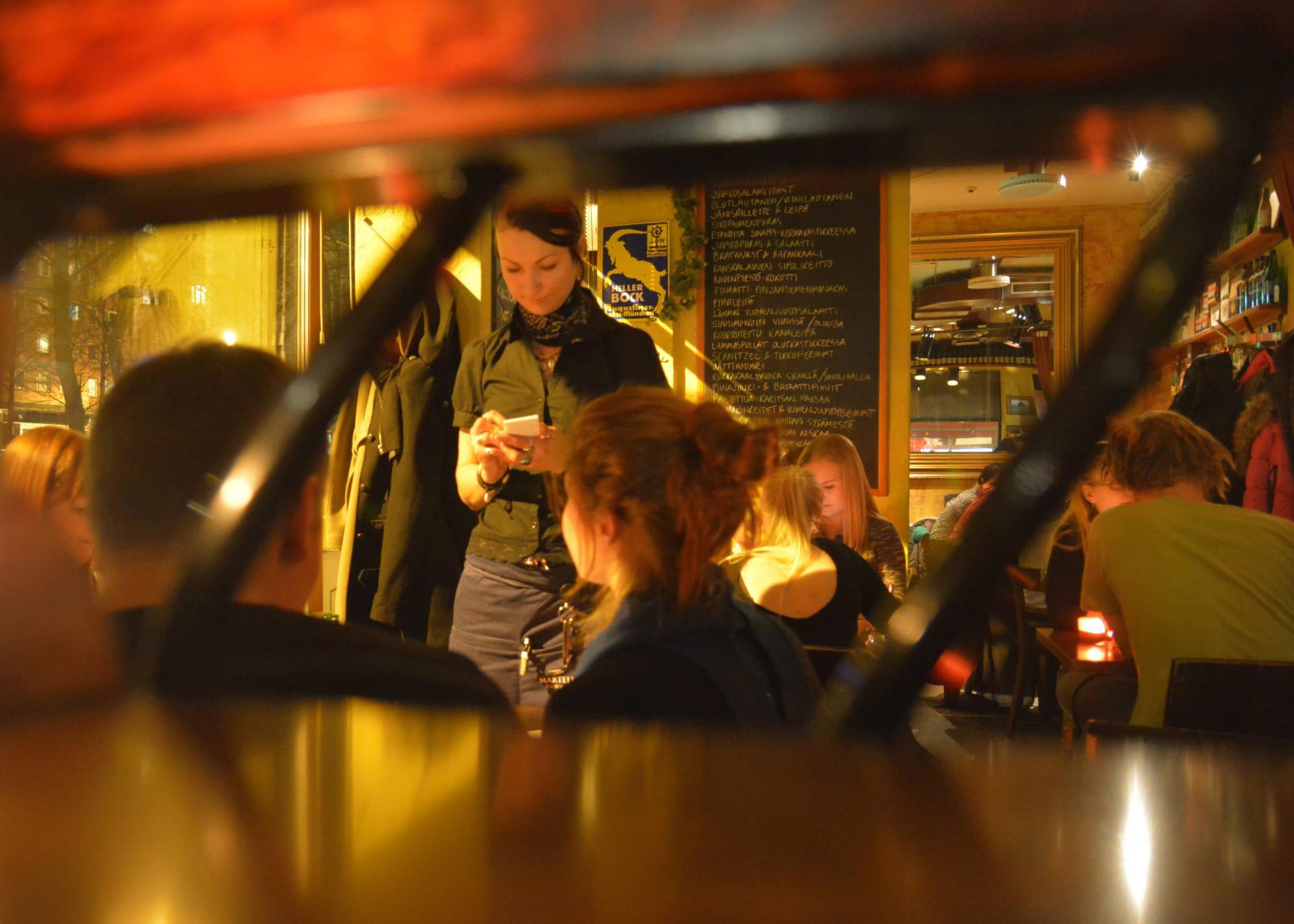
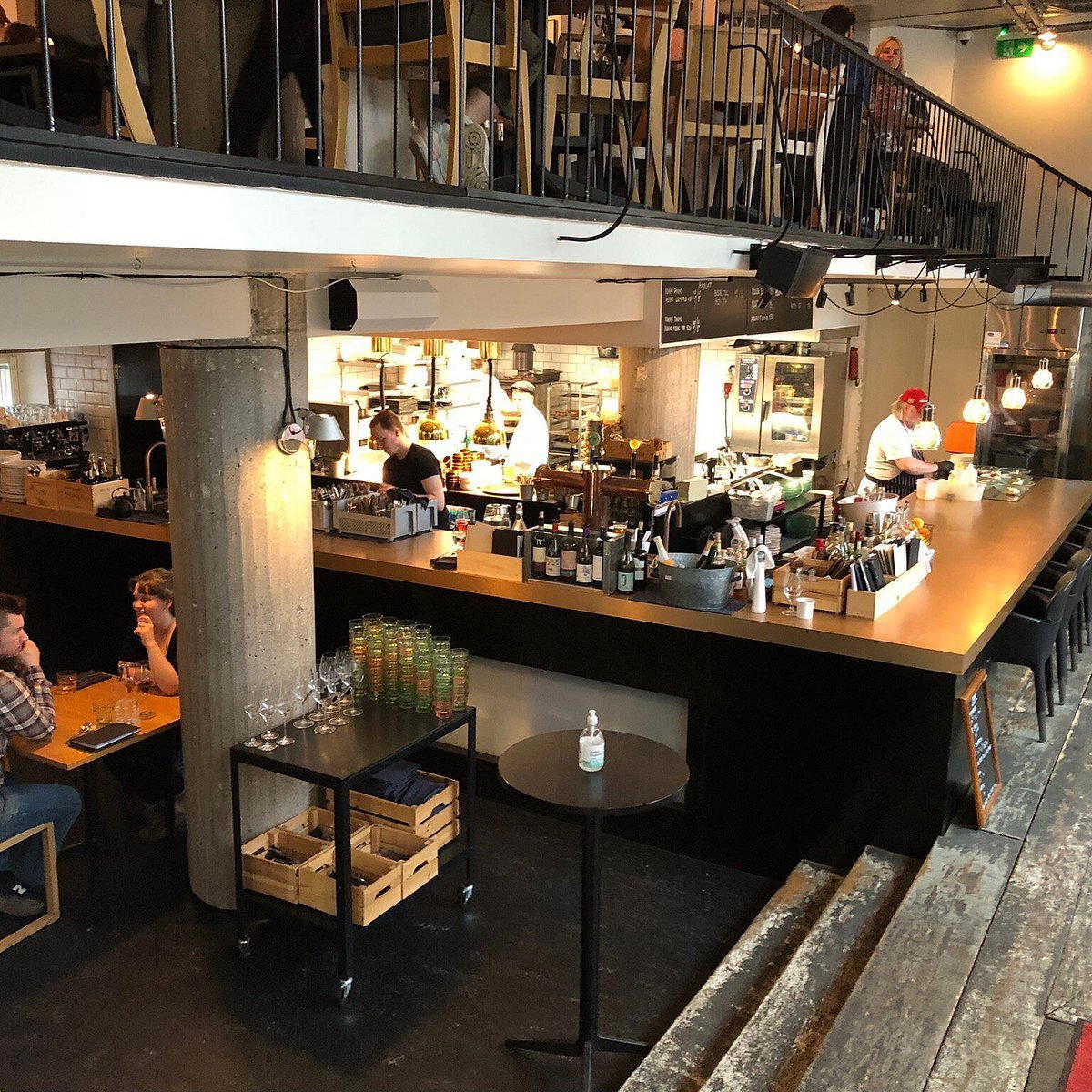
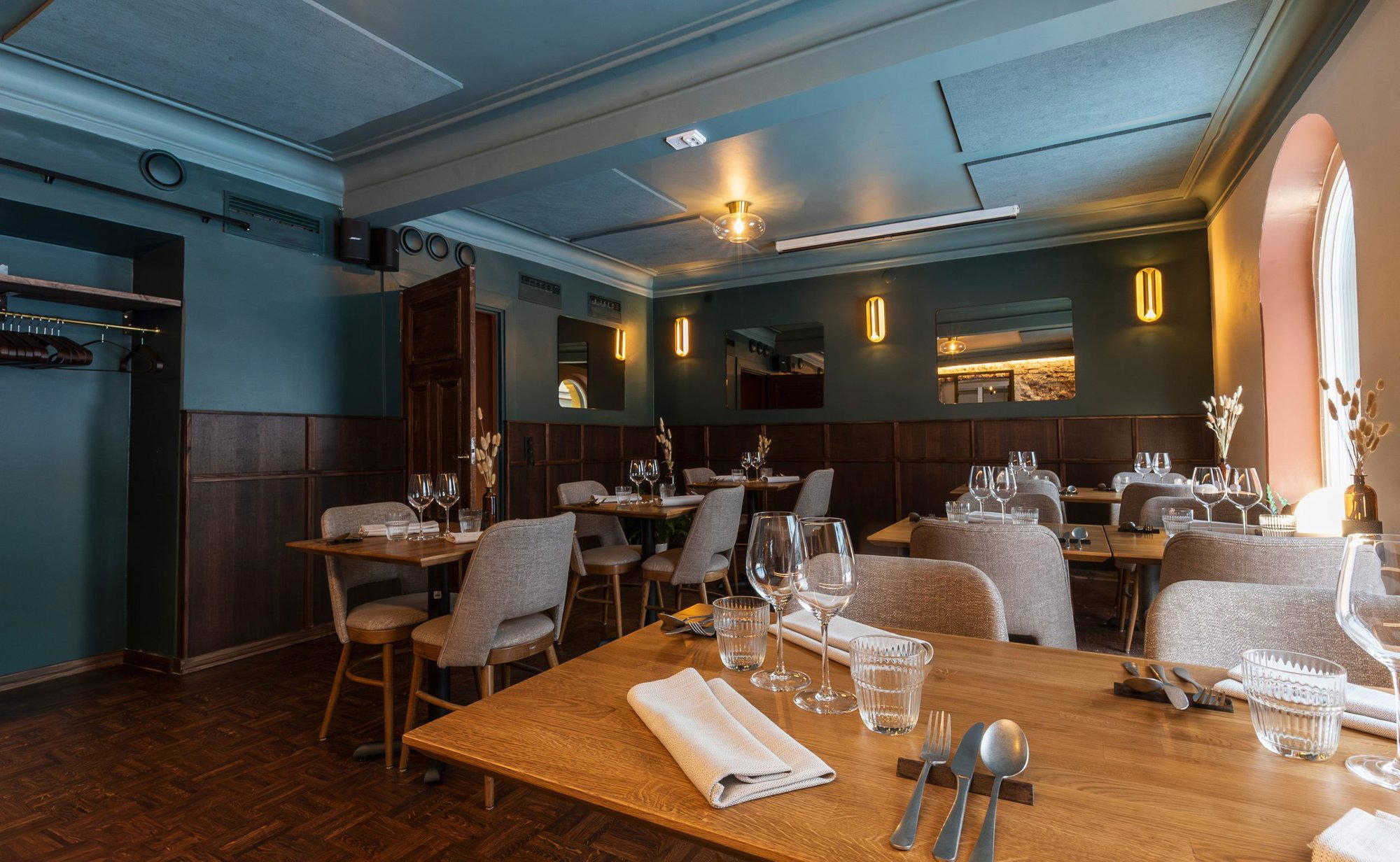
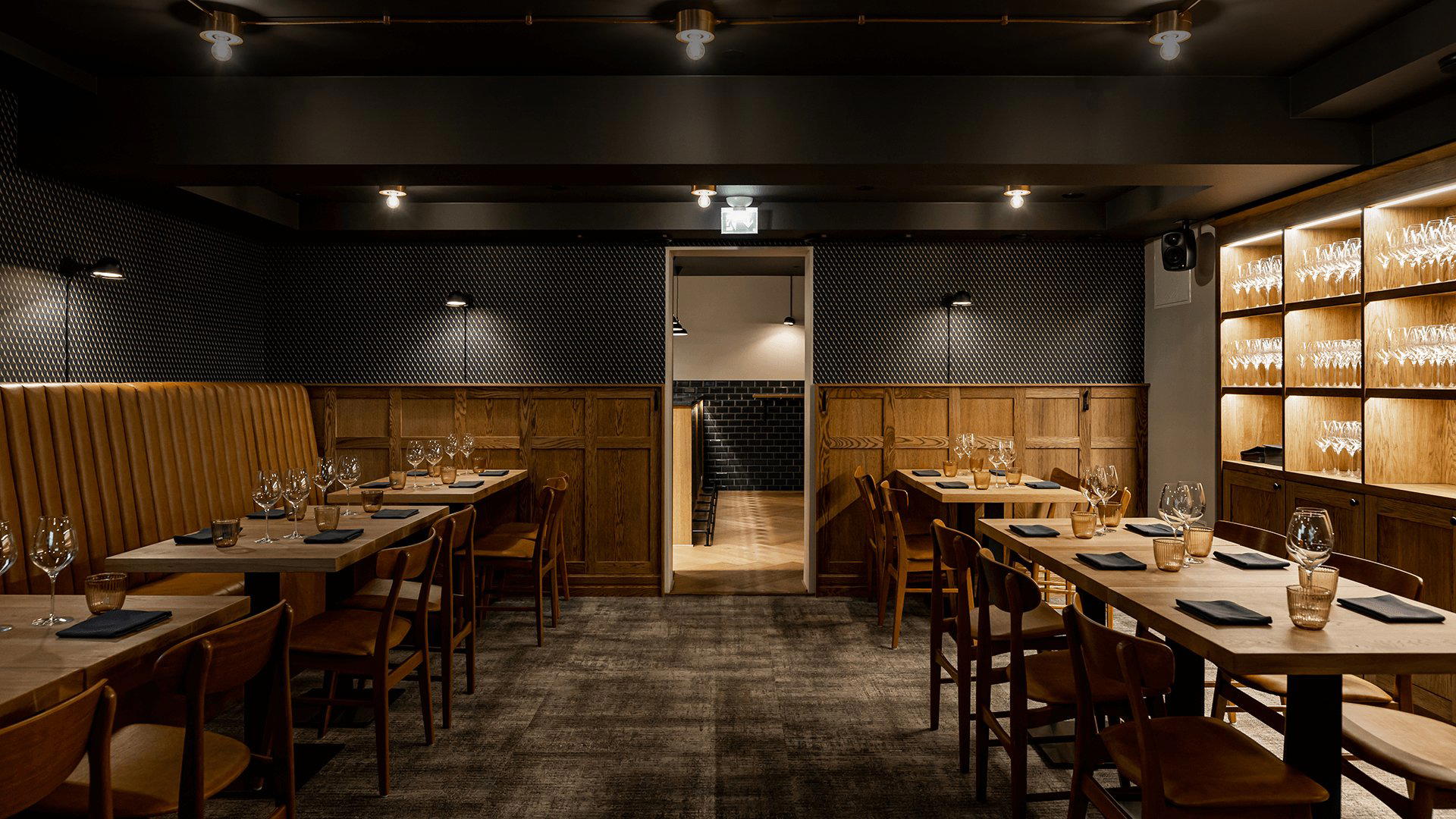
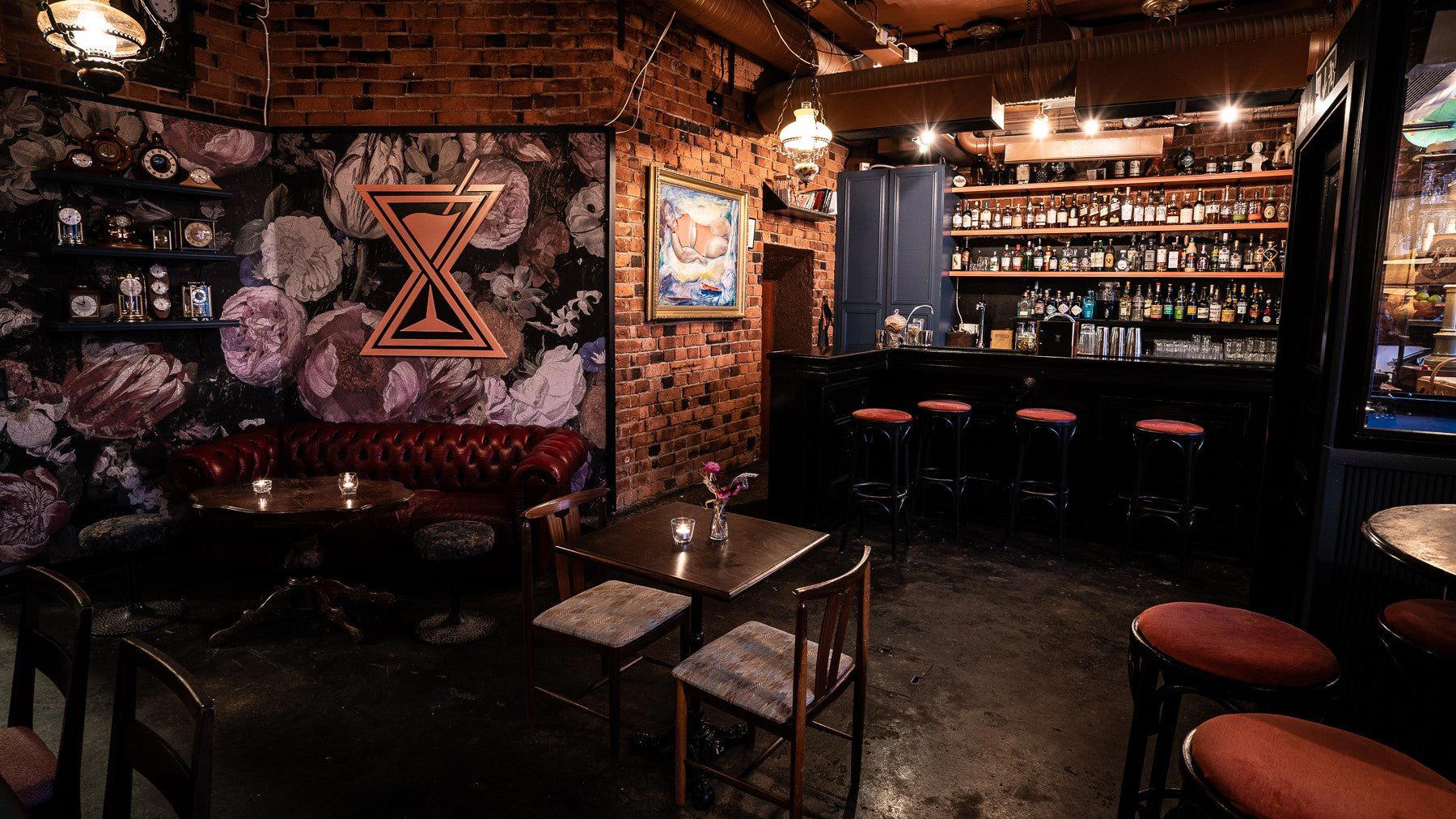
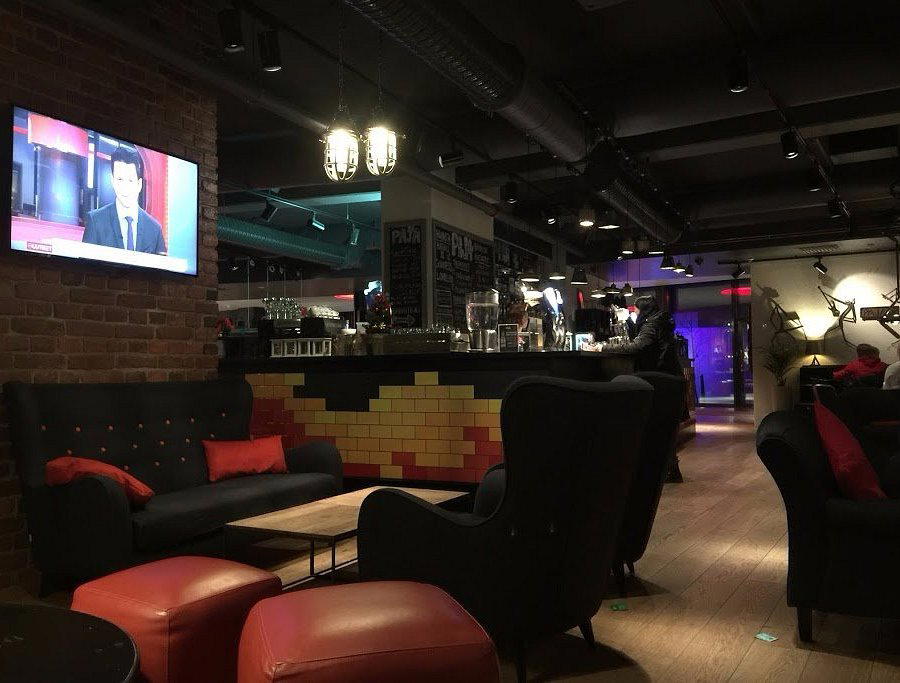
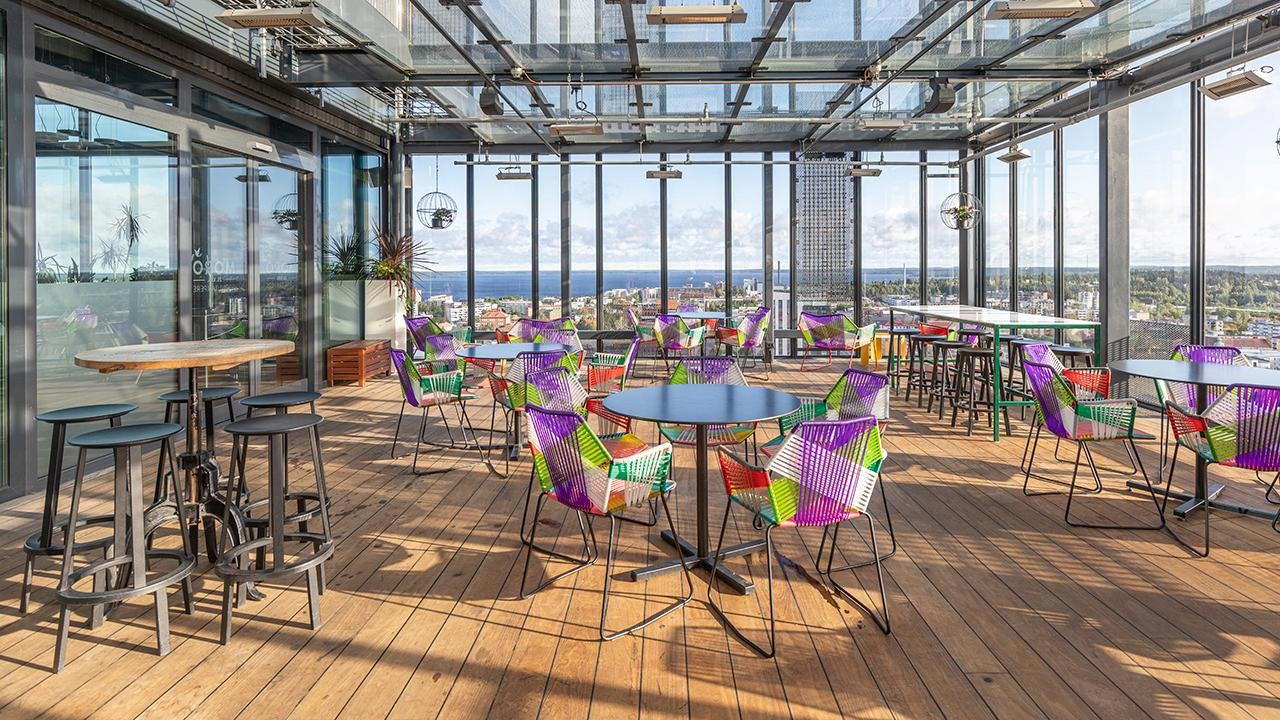
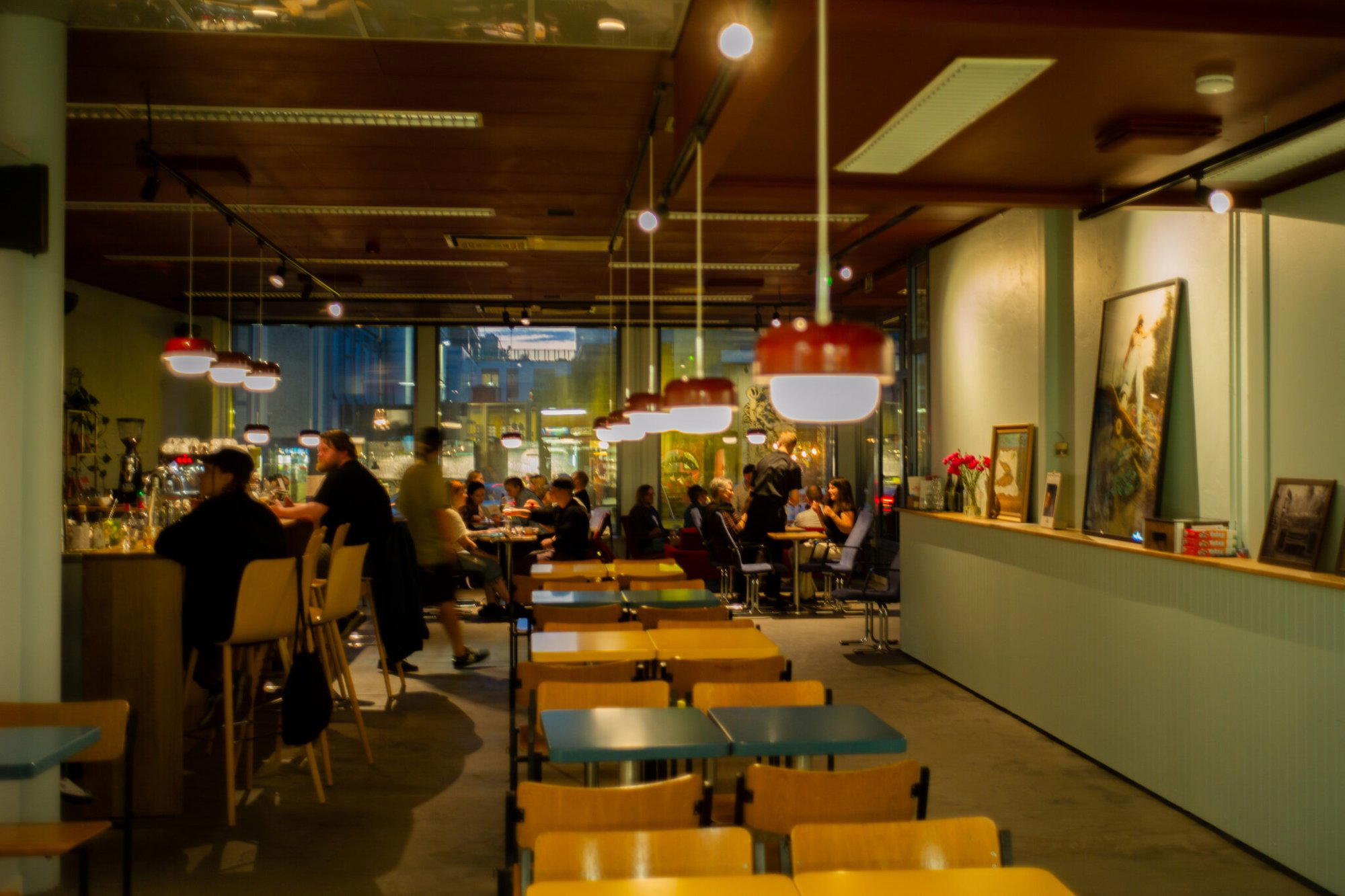
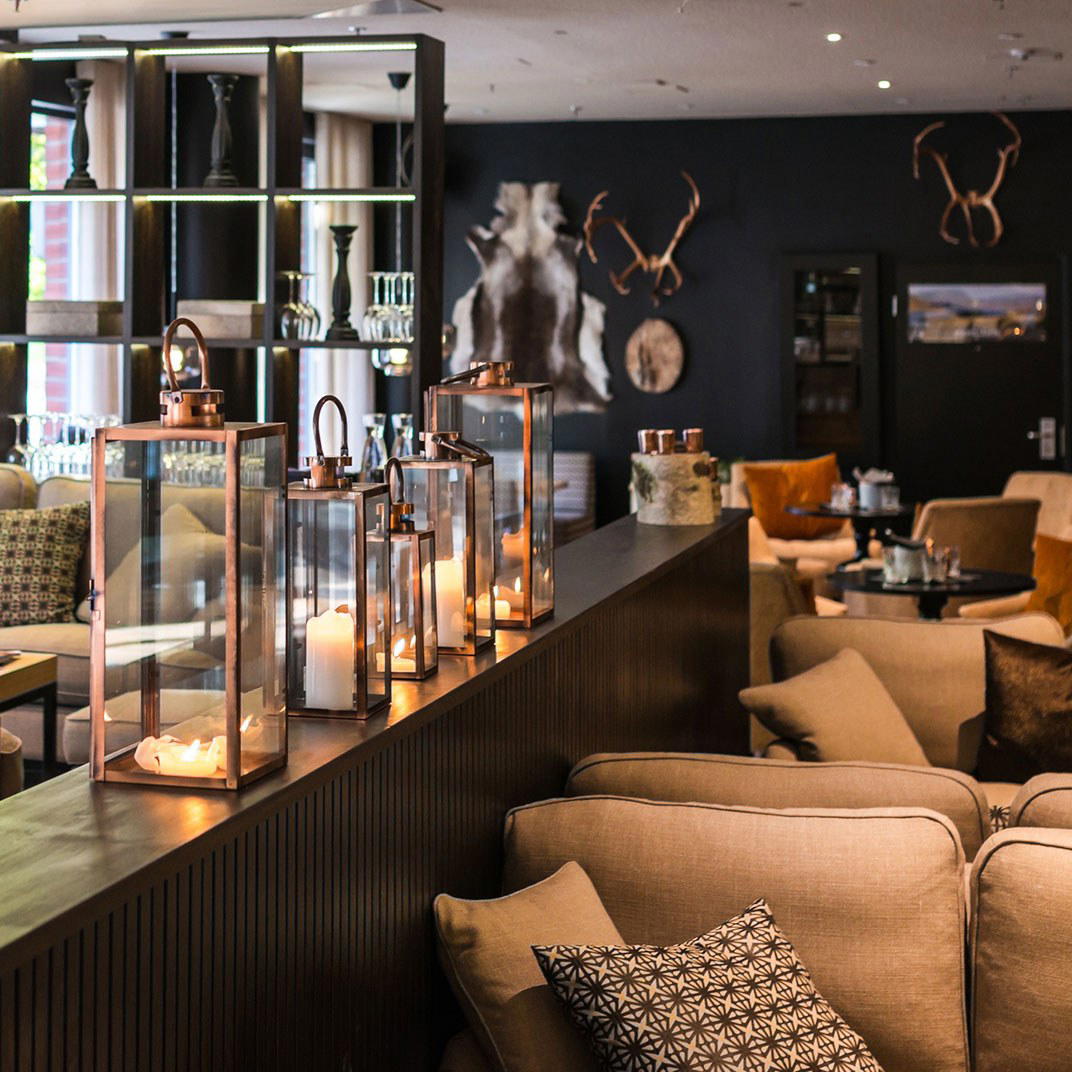
Soft lighting with wooden accents and Georgian cultural elements create a cosy, relaxed, and welcoming environment that feels homely and intimate.