Brasserie Deux serves classic French brasserie cooking in Tampere, with steak frites, Crêpes Suzette, and an extensive wine list for dinner.
Pearl is the En Primeur Club membership app — saves, bookings, and concierge access live there. Same editors, same standards.
- Address
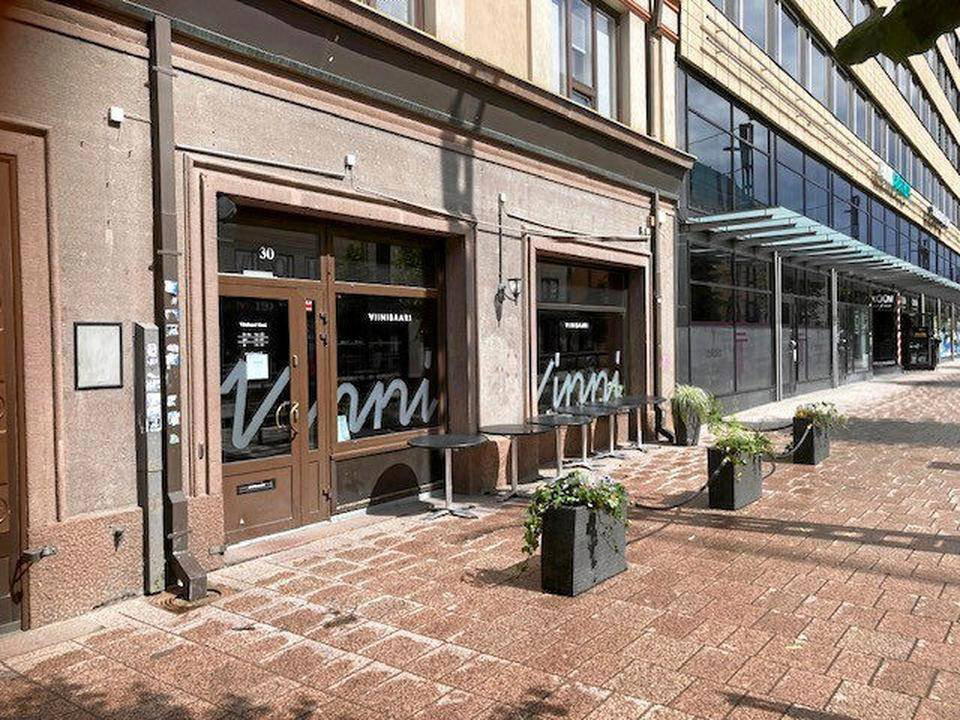
- Vuolteenkatu 20, 33100 Tampere, Finland
- Phone
- +358408888888
- Website
- brasseriedeux.fi
- Directions
- Get directions
 Saves & bookings on Pearl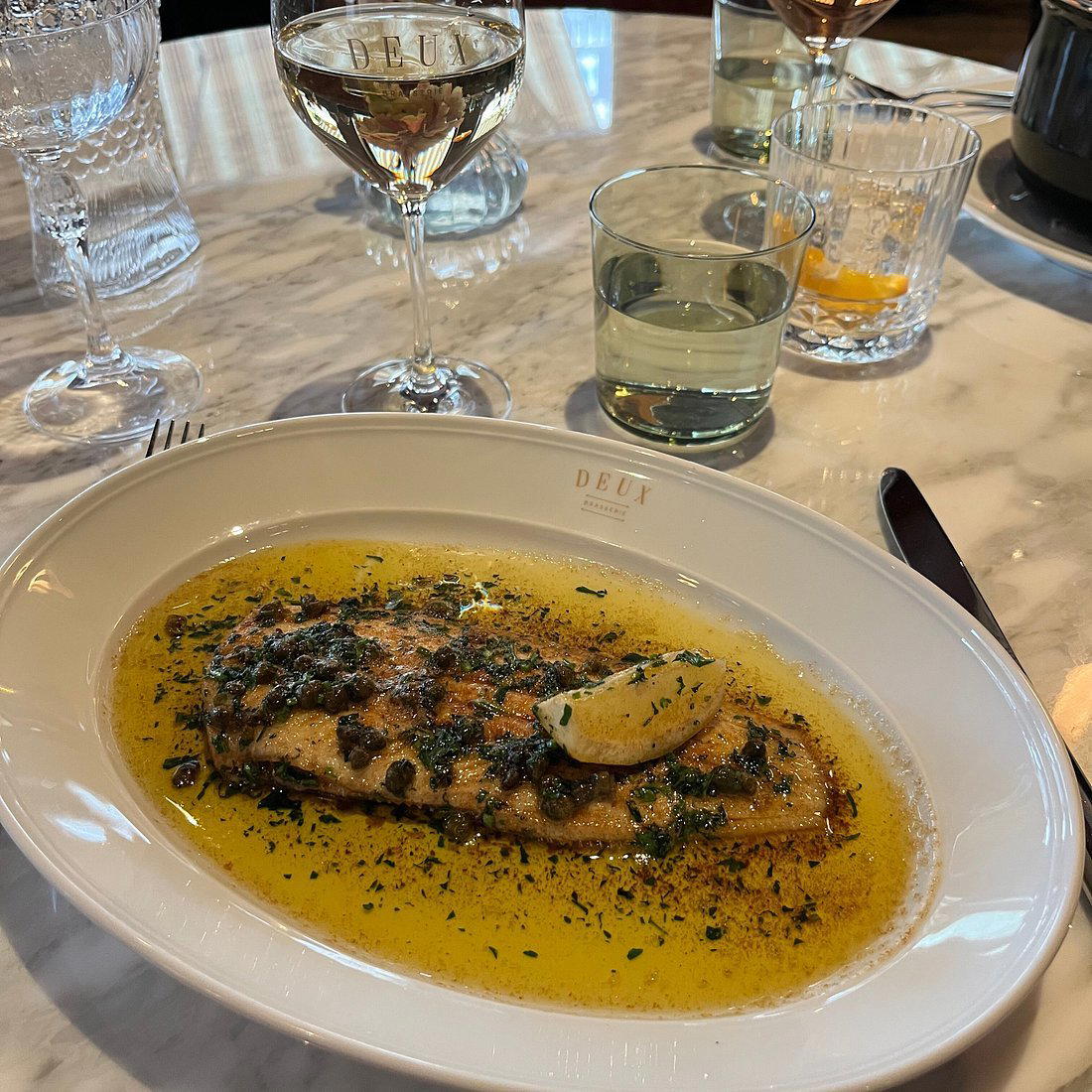
Vuolteenkatu and the French Brasserie Tradition in Tampere
Vuolteenkatu 20 sits in the quieter residential grain of central Tampere, away from the heavier tourist traffic around Laukontori and the Tammerkoski rapids. Streets like this one tend to host the kind of dining that locals return to rather than seek out for a single occasion. A French brasserie format in this address signals something specific: the kitchen is not chasing novelty or the Nordic foraging aesthetic that defines the more photographed end of Finnish fine dining. It is working within a different tradition, one built on classical technique, the long lunch, and the measured pleasures of a well-kept wine list.
The brasserie model is one demanding format in European dining to execute honestly. It carries no room for the explanatory scaffolding of tasting menus or the theatre of open kitchens. What lands on the table has to be technically correct and recognisably referential, because the diner who orders steak tartare or a properly reduced sauce already knows what those things should taste like. Tampere's dining culture, anchored more in substance than spectacle, suits that discipline well.
Tampere's Position in the Finnish Restaurant Scene
Finland's restaurant culture outside Helsinki has matured considerably over the past decade. Where the capital commands Michelin recognition and the full weight of international food media attention, cities like Tampere, Turku, and Porvoo have developed their own serious dining tiers, built around smaller, independently run rooms where consistency counts more than visibility. Kaskis in Turku and VÅR in Porvoo demonstrate what that independent-kitchen confidence looks like at its sharpest outside the capital, and Tampere's better rooms are part of the same pattern.
Within Tampere itself, the competitive field spans formats from creative Nordic tasting menus at Kajo (priced at the €€€€ tier) through gastropub territory at Gastropub Tuulensuu and the bistro registers of Bistro Eloisa and Bistro Henriks. A French brasserie occupies a distinct position in that spread: it is not the same proposition as a Nordic tasting counter, and it is not a casual bistro. It targets the middle tier of a serious dining evening, where the format is legible and the pleasure is in the execution rather than the concept.
Venues like Apaja and Dining 26 by Arto Rastas round out a scene where diners increasingly expect the same level of kitchen seriousness they would find in any comparable European city. Brasserie Deux operates inside that expectation.
The Brasserie Format as an Editorial Lens
The French brasserie is a format that has survived because it answered a real question: where do you eat well without a special occasion justifying the expense or the formality? The answer involves zinc counters and banquette seating in Paris, long evenings over carafe wine in Lyon, the particular satisfaction of a dish that does not require explanation. What translates across borders is the underlying logic: a kitchen confident enough in its technique to let classical preparations carry the evening.
That confidence is the hardest thing to replicate. It is why brasseries outside France tend to tip into either pastiche (the menu becomes a prop) or overreach (the kitchen starts improving the canon). The successful ones, from the better rooms in London's St. John tradition to something like Le Bernardin in New York City demonstrating a different kind of French classical authority, or Lazy Bear in San Francisco occupying a wholly different American interpretation of the communal dinner, all share a version of the same discipline: they know exactly what they are.
In a Finnish context, that clarity has additional weight. The dominant editorial narrative around Nordic dining leans heavily toward foraged ingredients, fermentation, and seasonal minimalism. A kitchen working a French register is making a deliberate choice to operate in a different reference system, one that prizes butter and reduction and long stocks over birch sap and cloudberries. That is a valid argument, and in the right hands it is a compelling one.
Neighbourhood Specificity and What It Produces
The address on Vuolteenkatu shapes the experience before the meal begins. This is not a destination street. Diners who find themselves here have generally made a specific choice rather than stumbled in from a tourist circuit. That self-selection tends to produce a room with a particular atmosphere: quieter than the central waterfront, more regular in its clientele, less dependent on the passing trade that sustains visibility-driven restaurants. For the kitchen, that means cooking for people who will come back, which is a different pressure from cooking for people who are visiting once and posting the result.
Tampere's wider dining geography rewards this kind of neighbourhood-embedded approach. The city is compact enough that no address is more than a short walk or tram ride from the centre, but different pockets carry different characters. The area around Vuolteenkatu leans residential and local in a way that the Finlayson district or the immediate lakeside streets do not. A brasserie here is drawing from a community rather than a tourism current, and that distinction matters for how a room feels at nine on a Wednesday versus eight on a Friday.
Our full Tampere restaurants guide maps the wider scene if Brasserie Deux is the anchor rather than the only stop.
Across the broader Finnish regional circuit, comparable independently operated rooms in cities like Jyväskylä (see Pöllöwaari in Jyväskylä and DeLorean in Jyvaskyla), Lahti (Popot in Lahti), and further north (Aurora Restaurant in Luosto) all demonstrate that serious kitchen ambition in Finland is no longer concentrated exclusively in the capital. Brasserie Deux belongs to that distribution.
For a different register of Finnish regional dining, Musta lammas in Kuopio, Viinitupa Vuorenmaja in Mänttä, and Lucy in the sky in Espoo provide useful comparative context. And for those benchmarking the whole Finnish dining tier from the leading down, Palace in Helsinki remains the reference point for what the national ceiling looks like.
A Minimal comparable set
Comparable venues nearby, for context on price, style, and recognition.
| Venue | Cuisine | Price | Notes |
|---|---|---|---|
| Brasserie DeuxThis venue — the venue you are viewing | Not listed | $$$ | Not listed |
| LiV | Not listed | $$$ | Laukontori, French-Italian Fine Dining Bistro |
| Apaja | Not listed | $$$ | Tammela, Seasonal Scandinavian Fine Dining |
| Dining 26 by Arto Rastas | Not listed | $$$ | city centre, Modern Mediterranean Fine Dining |
| Ravintola Nonni | Tammela, Modern Finnish Wine Bistro | $$$ | Not listed |
| Näsinneula | Not listed | $$$ | Särkänniemi, Seasonal Scandinavian Fine Dining |
At a Glance
- Classic
- Cozy
- Elegant
- Sophisticated
- Date Night
- Special Occasion
- Business Dinner
- Open Kitchen
- Extensive Wine List
Current opening hours
- Monday
- Closed
- Tuesday
- 4–10 PM
- Wednesday
- 4–10 PM
- Thursday
- 4–10 PM
- Friday
- 4–11 PM
- Saturday
- 2–11 PM
- Sunday
- Closed
Hours can change for holidays and private events. Last verified .
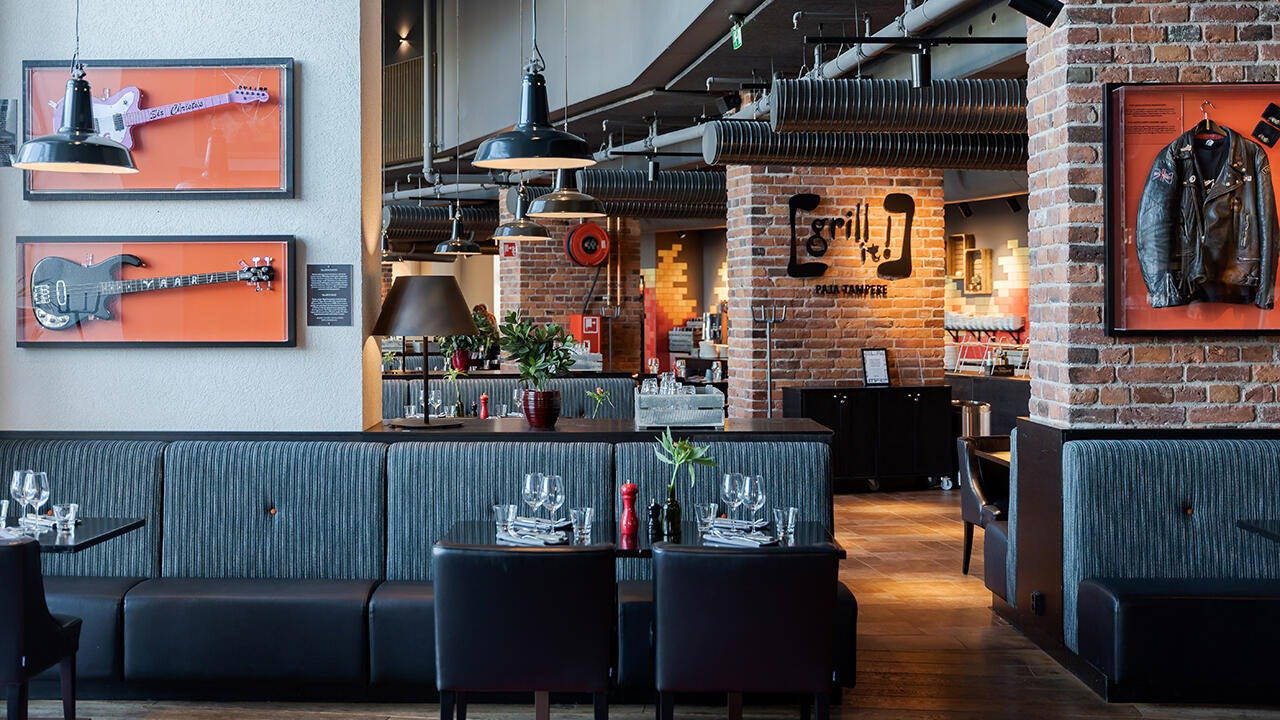
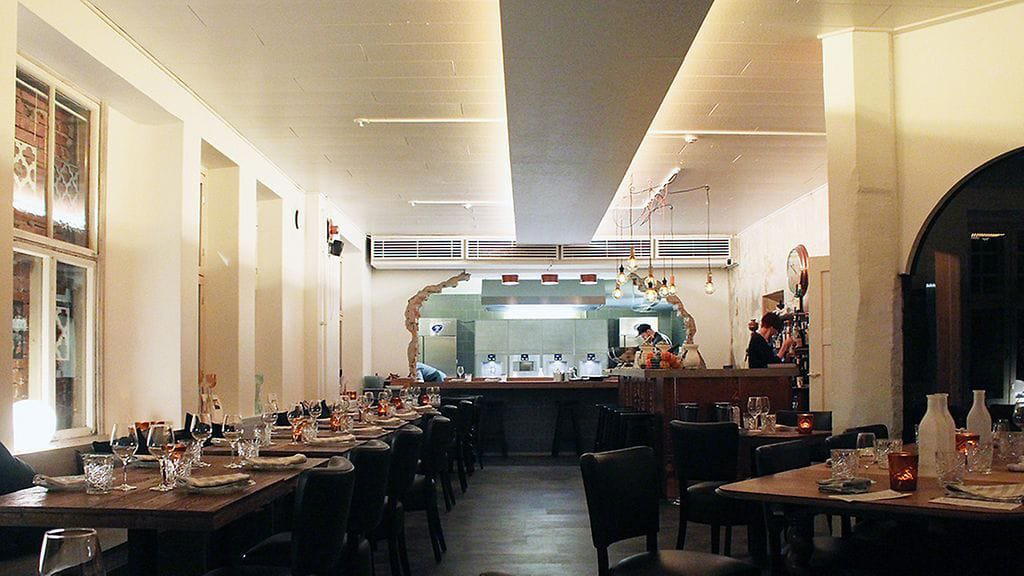
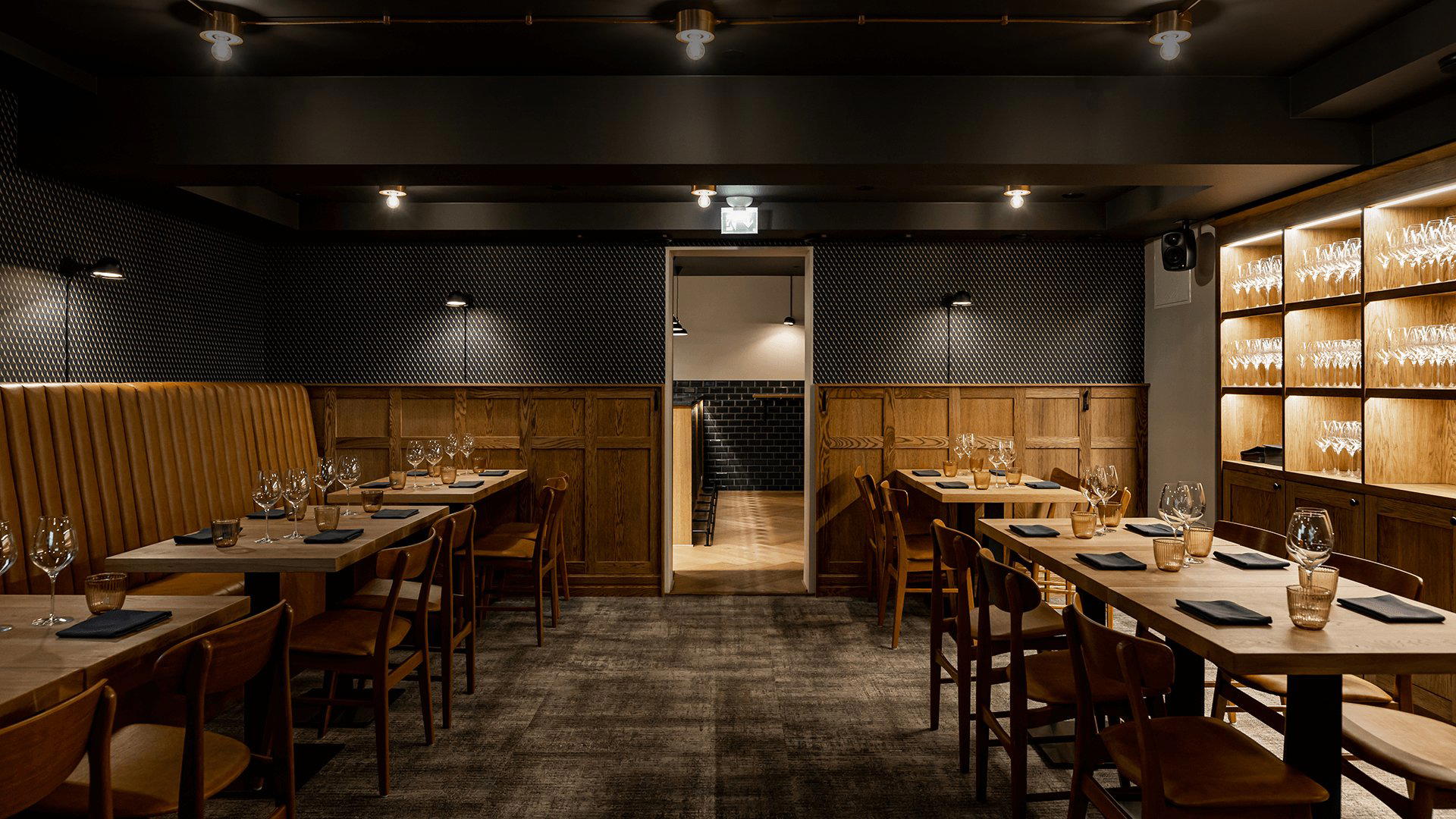
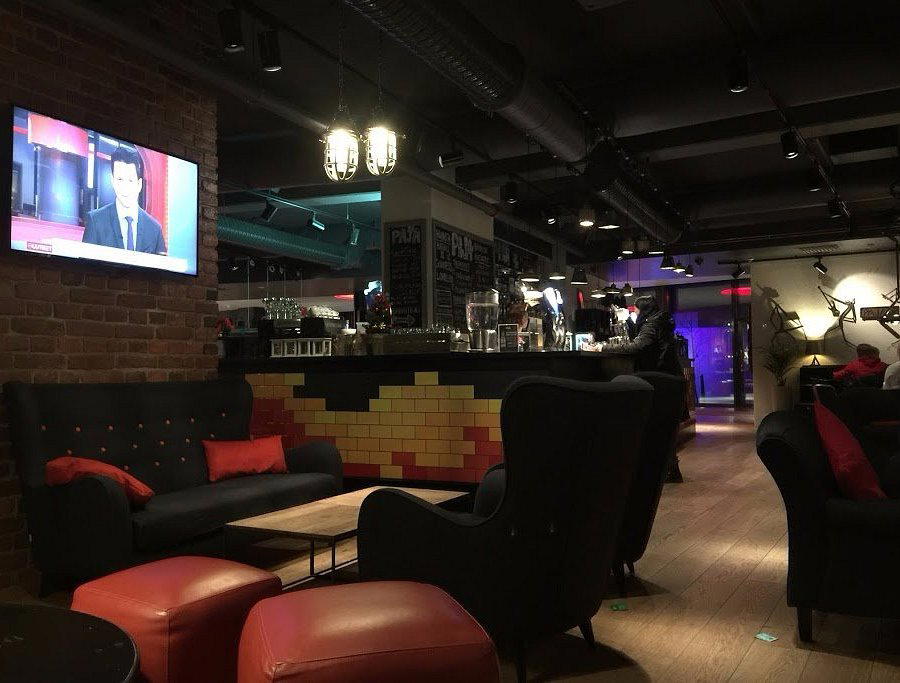
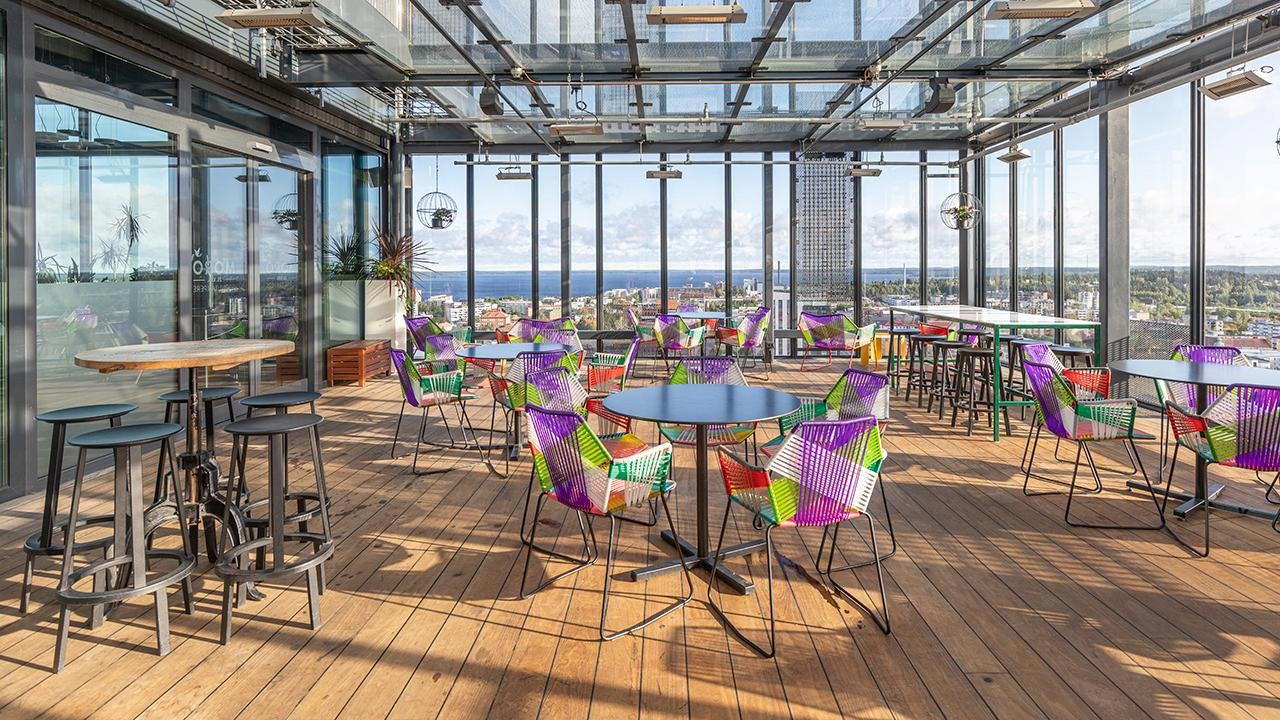
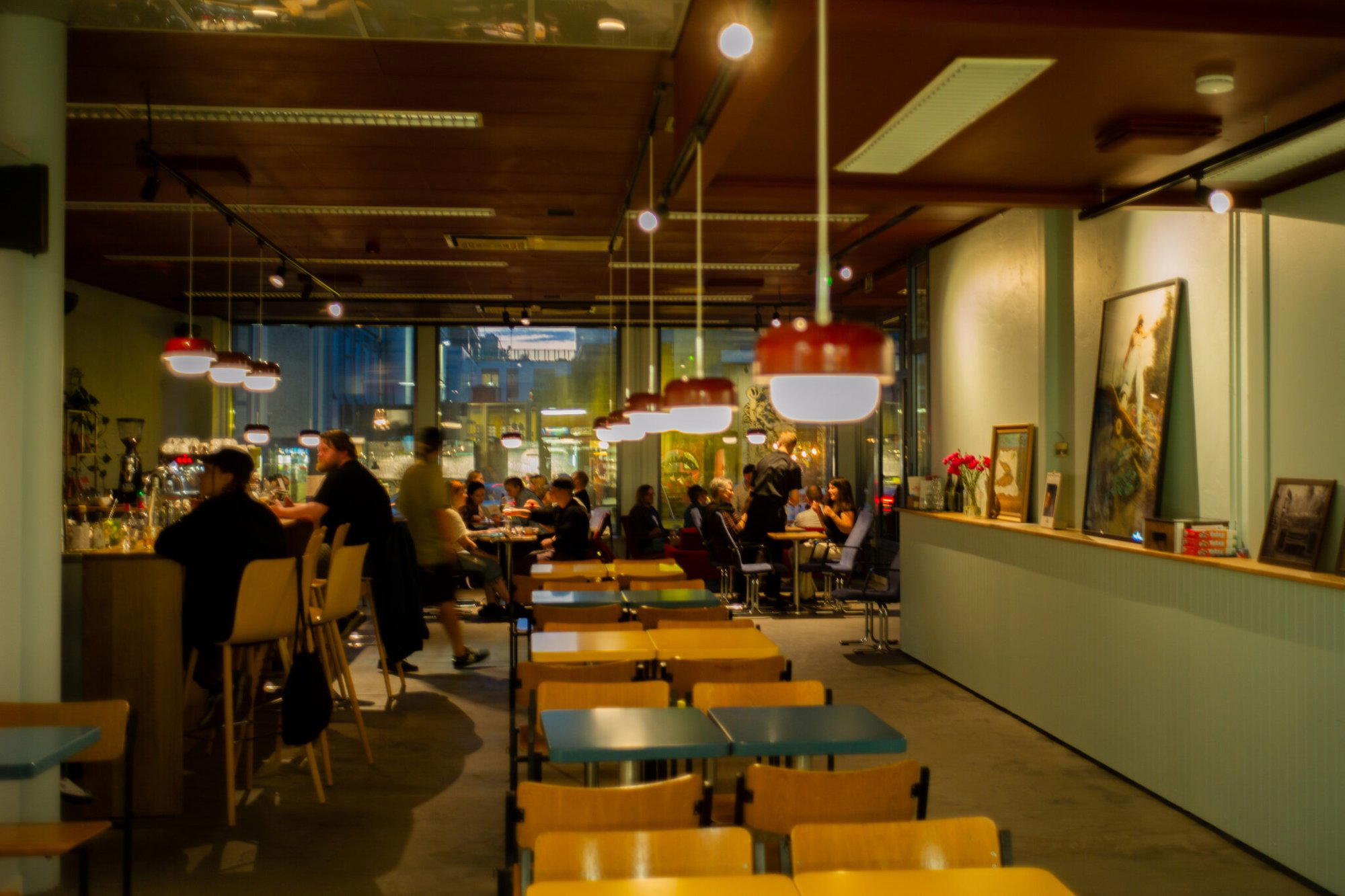
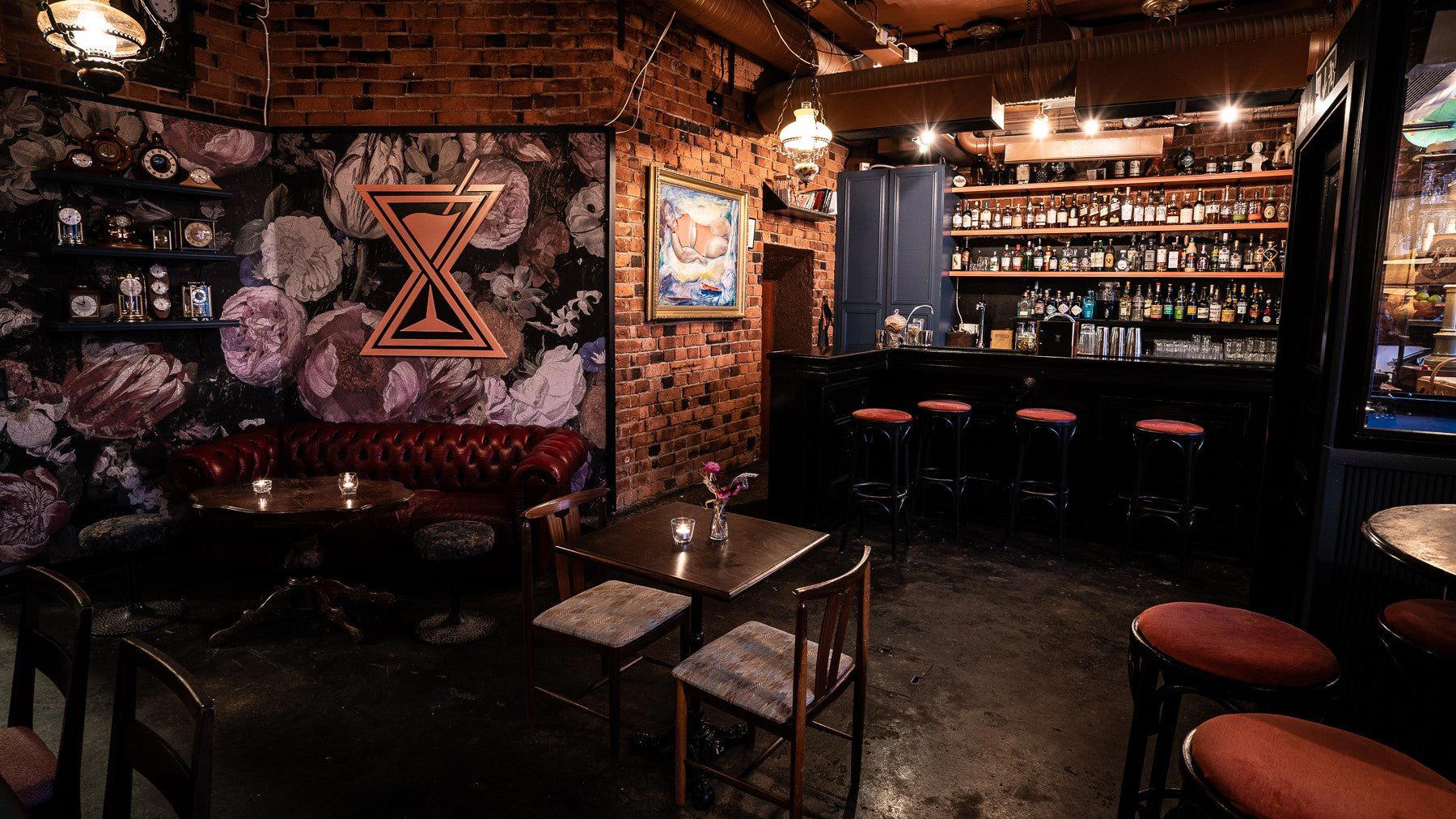
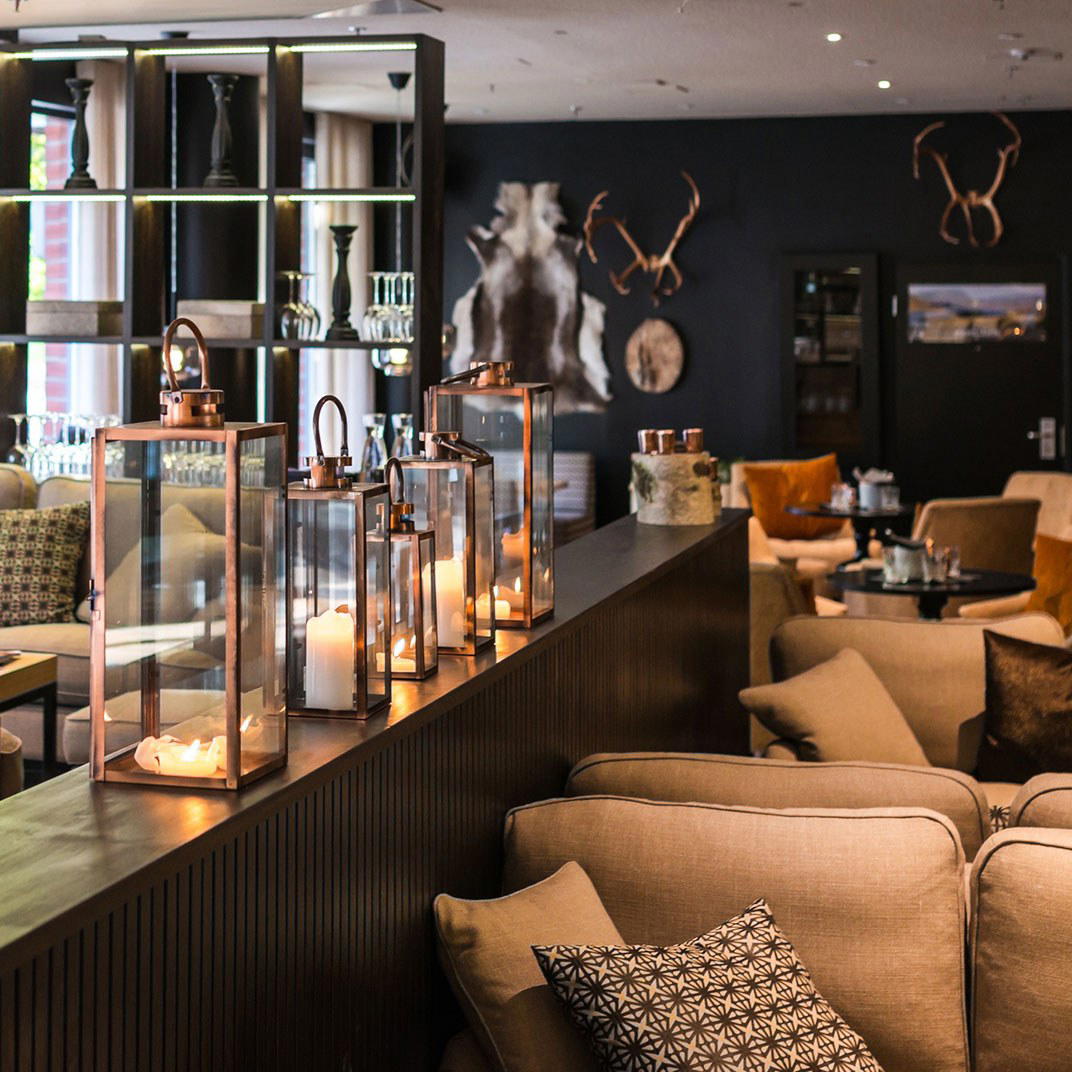
Warm, cosy, and sophisticated atmosphere with interiors in soothing green and purple tones, blending classic brasserie charm with stylish design.