Our verdict
Ratatouille sits on Diestersteenweg in Maaseik, a Belgian market town in Limburg where the dining scene has grown more considered in recent years. The name signals something about the kitchen's orientation: vegetables, provenance, and the kind of cooking that takes its cue from what the surrounding region can actually produce. It belongs to a cluster of independent restaurants giving Maaseik a dining identity worth tracking.

Pearl is the En Primeur Club membership app — saves, bookings, and concierge access live there. Same editors, same standards.
- Address
- Diestersteenweg 393, 3680 Maaseik, Belgium
- Phone
- +3289243958
- Hours
- Mon–Thu ClosedFri–Sat 7–11 PMSun 6–11 PM
- Website
- ratatouillemaaseik.be
- Directions
- Get directions
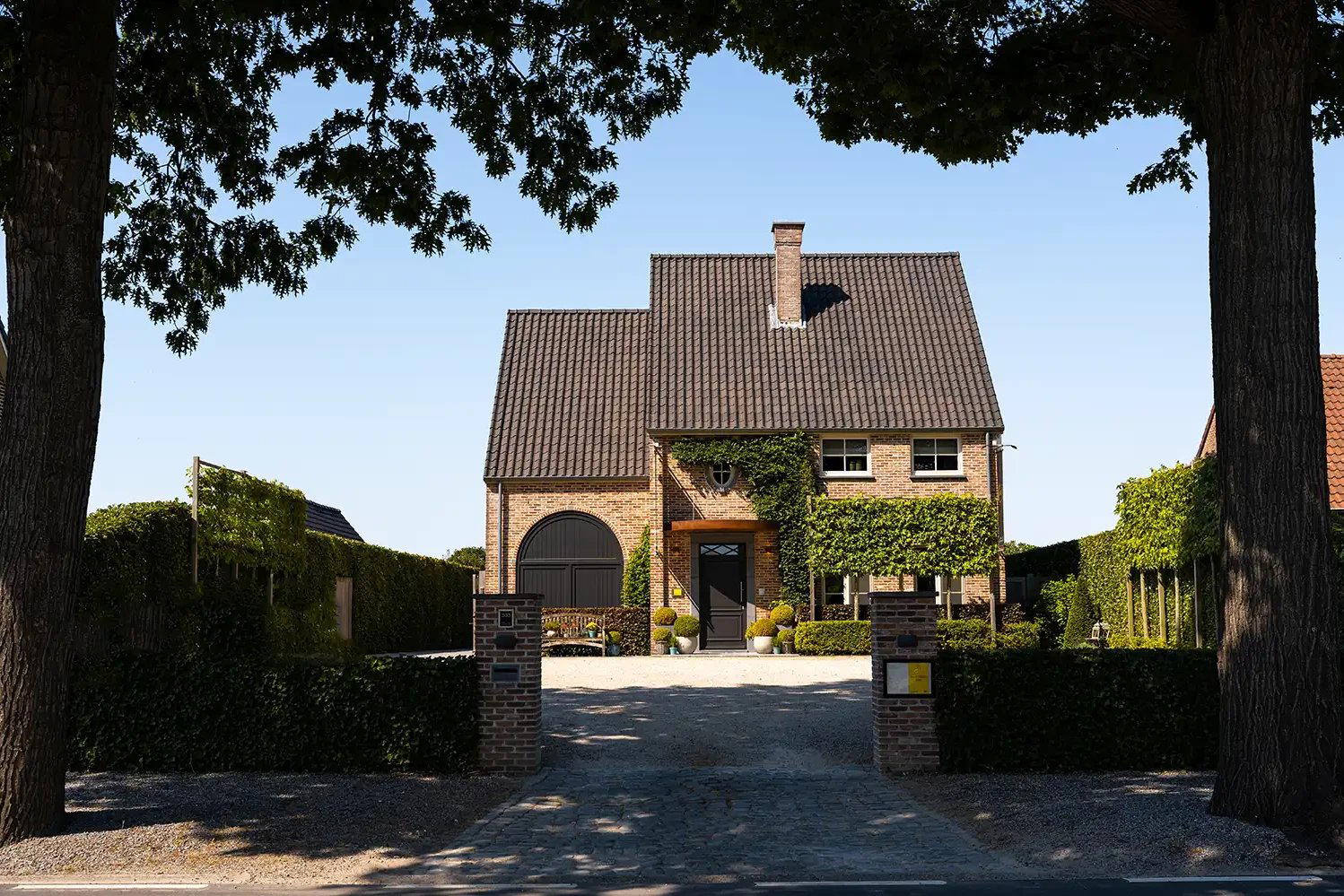
Maaseik's Ingredient-Led Dining and Where Ratatouille Fits
Belgium's smaller provincial towns have spent the past decade quietly building dining reputations that sit outside the well-documented Michelin corridors of Bruges, Ghent, and Antwerp. Maaseik, a walled market town on the Maas river in the Flemish province of Limburg, follows that pattern. The restaurants that have established themselves here tend to share a disposition: they are independent, kitchen-forward, and attentive to what the agricultural hinterland of Limburg and the broader Meuse valley can supply. Ratatouille, on Diestersteenweg at the edge of town, operates within that context.
The venue's name carries meaning. Ratatouille is a dish defined entirely by its ingredients — the quality of the tomatoes, courgettes, aubergines, and herbs determines whether it coheres or collapses. Naming a restaurant after it is a statement of intent, whether deliberate or instinctive, about where the kitchen's priorities lie. In Belgium's north-east, where market gardening and small-scale horticulture have been embedded in the regional economy for generations, that kind of sourcing commitment has real material to work with.
The Approach to Produce in Belgian Provincial Kitchens
Ingredient-led cooking in Belgian restaurants often gets filtered through French classical technique, and Limburg is no exception. The region sits at a geographic crossroads: Dutch culinary pragmatism to the north, the Ardennes game and dairy traditions to the south, and the Rhine-influenced preservation and charcuterie cultures to the east. Kitchens that take their sourcing seriously here have access to asparagus from Mechelen and the sandy soils around Hasselt, chicory from Walloon growers, freshwater fish from the Maas, and a livestock-farming tradition that keeps small-breed butchery alive in ways that have largely disappeared from more urbanised parts of the country.
What distinguishes the better provincial tables from their urban counterparts is often not technique — Belgium's culinary training infrastructure is thorough enough to distribute technical competence widely, but seasonal discipline. When you are not stocking from the same broad-reach wholesalers that supply city restaurants, the menu moves with the calendar in ways that are genuinely structural rather than decorative. This is the context in which a restaurant named Ratatouille, situated on a main arterial road into a Limburg market town, makes a certain kind of sense.
Maaseik's Restaurant Scene: A Cluster Worth Noting
Maaseik is not a dining destination in the way that Bruges or Antwerp draws dedicated food travel, but it sustains a concentration of independent restaurants that would be notable for a town of its scale. Bienvenue (Modern Cuisine) operates at the contemporary end of the local market, working within a modern cuisine format at a €€ price point. Bonaparte, d'Olivio, De Bokkerijder, and De Loteling fill out a scene that covers enough stylistic ground to sustain a short trip built around eating well. For a fuller picture of how these restaurants map onto the town, the full Maaseik restaurants guide is the practical starting point.
Ratatouille sits on Diestersteenweg 393, which is the main road running south from the town centre toward Diepen. The address places it slightly removed from the historic core around the Markt, which means it operates as a neighbourhood restaurant rather than a tourist-traffic venue. That positioning tends to self-select for a local clientele, which in turn creates its own quality signal: a restaurant at that kind of address, with no walk-in tourist trade to absorb slack, survives on repeat custom from people who live nearby and return because the kitchen earns it.
Belgian Fine Dining at a National Scale: The Reference Points
Understanding where Maaseik's independent restaurants sit requires some calibration against the national scene. Belgium punches considerably above its geographic size in terms of Michelin density, and the reference-level houses set a standard that permeates the broader culture. Hof van Cleve in Kruishoutem and Boury in Roeselare define what high-commitment Belgian sourcing looks like at a decorated level. Zilte in Antwerp represents the urban end of that seriousness. Further afield, Willem Hiele in Oudenburg and Bartholomeus in Heist show what coastal provenance-led cooking can become when pursued with rigour. Castor in Beveren, d'Eugénie à Emilie in Baudour, and De Jonkman in Sint-Kruis extend that picture across different Belgian provinces.
For Wallonia, L'air du Temps in Liernu has defined an entirely separate approach to Belgian terroir cooking, one with its own garden-first logic that has influenced how provincial restaurants across the country think about the relationship between what they grow and what they serve. Bozar Restaurant in Brussels represents a different register, urban and culturally embedded in a way that provincial independents are not. For international comparators in the ingredient-sourcing conversation, Le Bernardin in New York City and Atomix in New York City offer a sense of how produce-forward thinking operates at a different scale and price tier.
Planning a Visit
Ratatouille's address on Diestersteenweg 393 in Maaseik is accessible by car; the town itself is around 35 kilometres north-east of Hasselt and roughly 30 kilometres from Genk, making it a reasonable detour for anyone travelling through Limburg. A neighbourhood address at this scale will have limited covers, and the gap between a table available and no table at all is likely to be smaller than at urban venues with higher throughput. Going in with a reservation, even if the format allows walk-ins on quieter nights, is the more reliable approach.
Maaseik itself warrants a short stay rather than a day trip. The Markt, the twin churches of Sint-Catharina and Sint-Pieter, and the town walls give the historic centre enough texture to fill a morning, and the Maas riverbank to the east offers a different kind of slow time. A lunch-into-afternoon structure works well: arrive, walk the town, eat at Ratatouille, and use the late afternoon light on the river before heading back toward Hasselt or Genk.
Frequently asked questions
What part of town is Ratatouille in?
Ratatouille is located at Diestersteenweg 393, 3680 Maaseik, Belgium, Maaseik.
Is Ratatouille in Maaseik suitable for a dinner occasion, and how does it compare to other Limburg restaurants?
Ratatouille operates in Maaseik, a town that supports independent restaurants with a stronger connection to regional Belgian produce than the tourist-facing venues found in larger Flemish cities. While no award designations or price tier data are publicly documented for this address, the ingredient-led approach common to Limburg's serious kitchens positions it closer to occasion dining than casual eating. Calibrating expectations against Belgium's broader provincial dining culture — where French classical training frequently underpins local menus — is a useful frame before visiting.
What's the best thing to order at Ratatouille?
Specific menu details for Ratatouille are not published in advance, which is consistent with ingredient-led kitchens in Belgian provincial towns that build their menus around what is available from local and regional producers. At restaurants operating on this model in Limburg, the seasonal set menu or chef's selection typically reflects the kitchen's strongest work. Arriving open to the day's offering is the practical approach.
Can I walk in to Ratatouille?
No booking data for Ratatouille is publicly available, but independent restaurants at this address level in Maaseik tend to operate with limited covers. Contacting the restaurant directly before visiting is the safer approach, particularly for weekend evenings when Maaseik's compact dining scene draws from across the Limburg region.
What makes Ratatouille worth seeking out?
Maaseik sits roughly 35 kilometres north-east of Hasselt and sustains a cluster of independent restaurants that operate outside Belgium's more documented dining corridors in Brussels, Ghent, and Antwerp. Ratatouille on Diestersteenweg 393 is part of that provincial scene, which tends to attract a local clientele rather than food-travel visitors, keeping the atmosphere grounded rather than performative. For anyone already in Limburg, it represents a more considered alternative to the region's generic options.
Comparable Spots, Quickly
Comparable venues nearby, for context on price, style, and recognition.
| Venue | Cuisine | Price | Notes |
|---|---|---|---|
| RatatouilleThis venue — the venue you are viewing | Modern Belgian Gastronomic | $100–150 | Not listed |
| Gastronomia Inglima | Modern Sicilian-Italian | $50–100 | Grote Markt |
| De Bokkerijder | Traditional Belgian-French Brasserie | Not listed | Marktplein |
| De Loteling | Traditional Belgian Bistro | $50–100 | Aldeneik |
| TIFFANY'S BY PASCAL | Contemporary Classical French-Belgian | $50–100 | Maaseik |
| Smaakkamer Lavendel | French-Belgian with Eastern Influences | $50–100 | Markt |
Continue exploring
More in Maaseik
Restaurants in Maaseik
Browse all →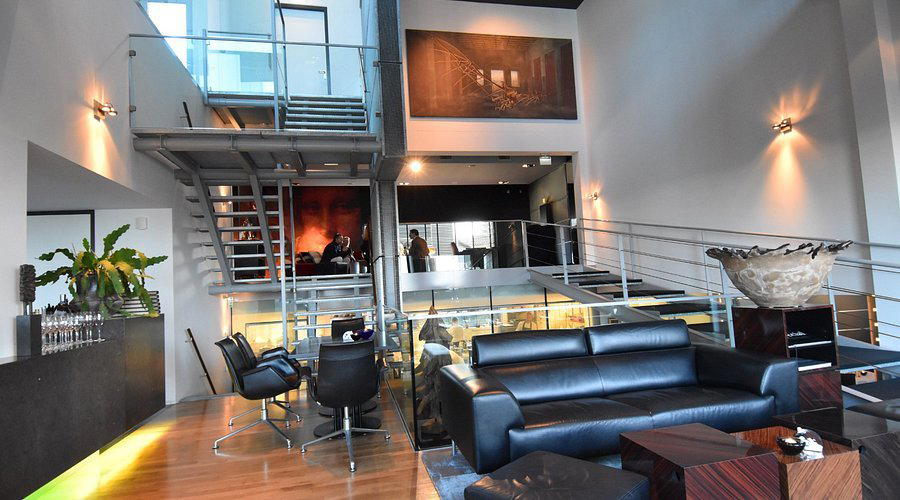
Bars in Maaseik
Browse all →
Hotels in Maaseik
Browse all →
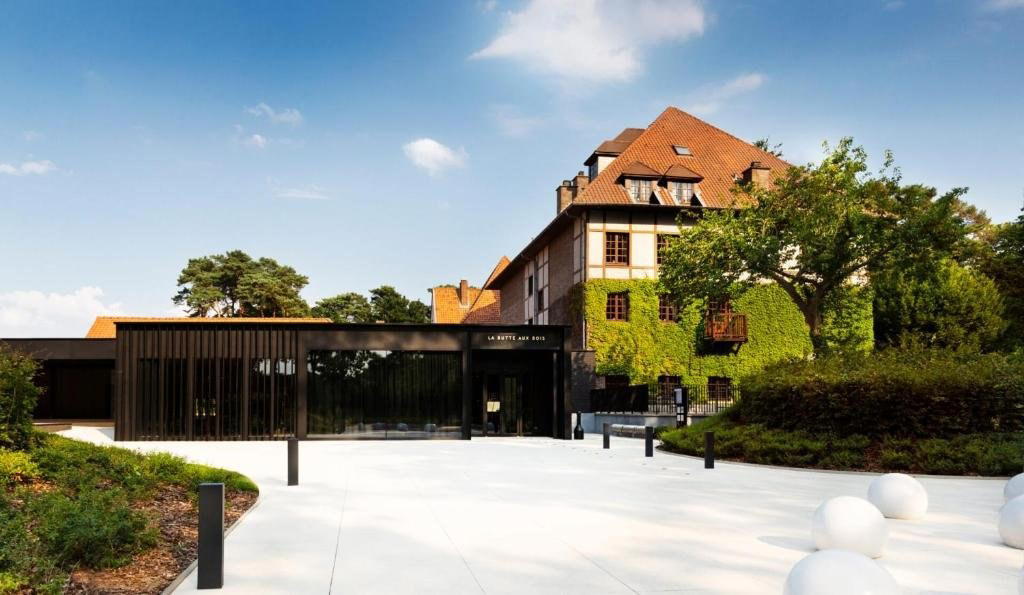
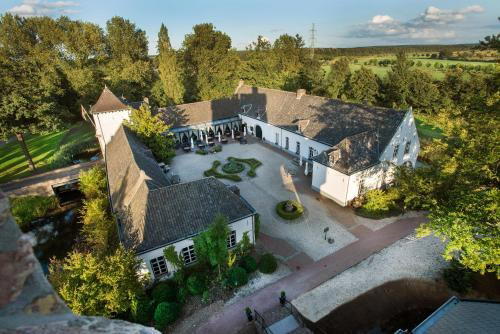
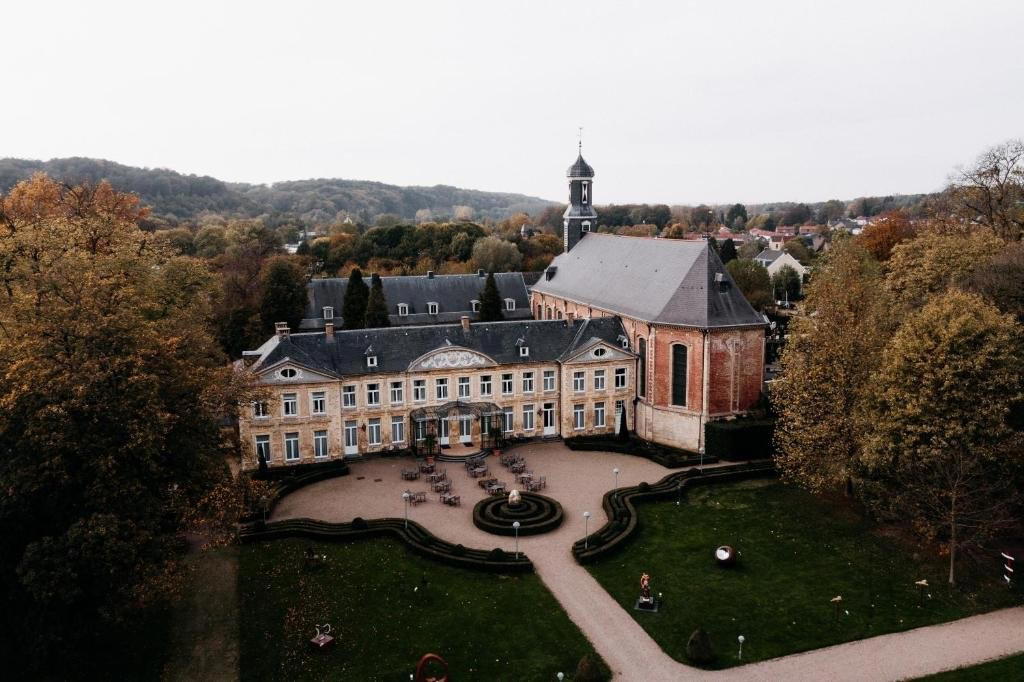
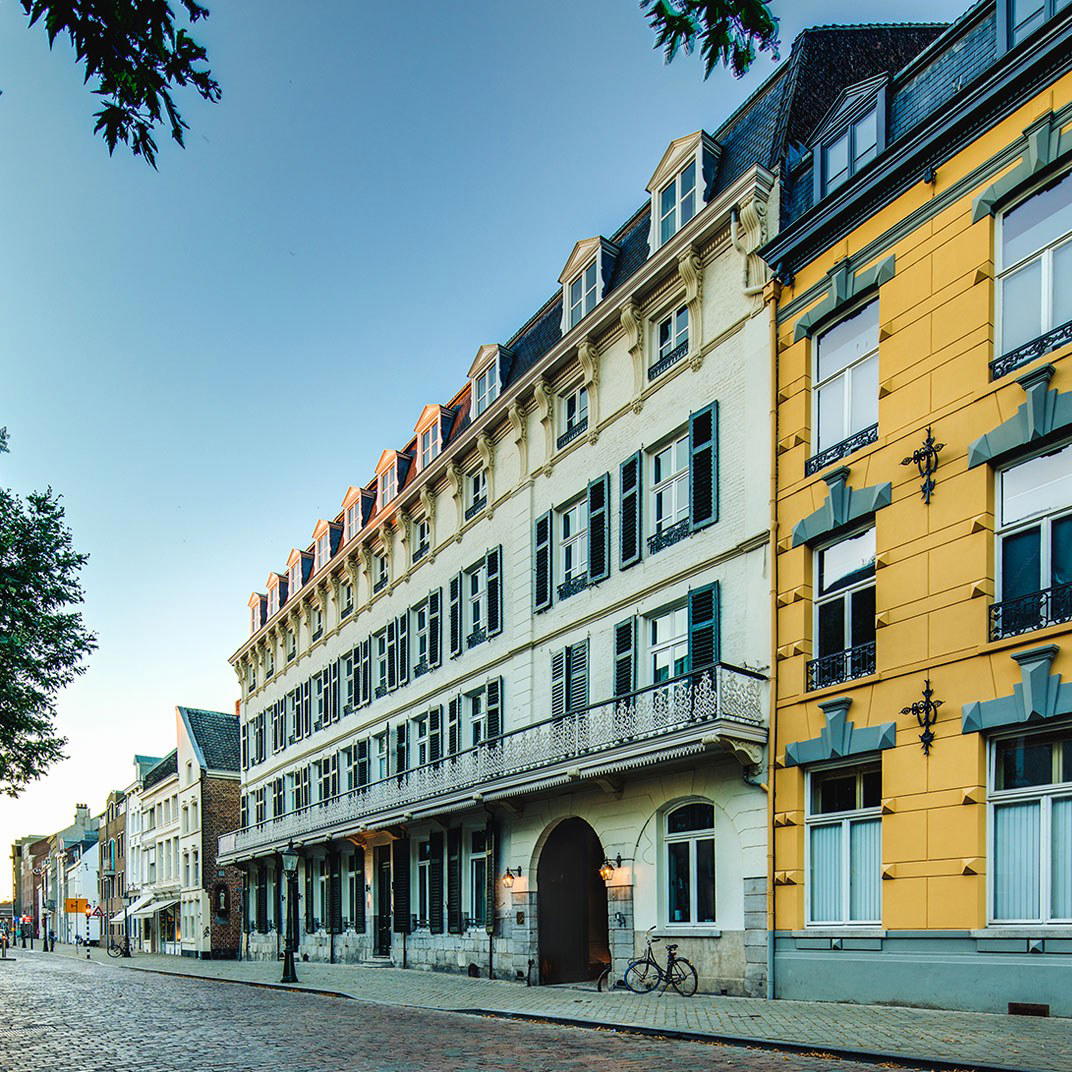
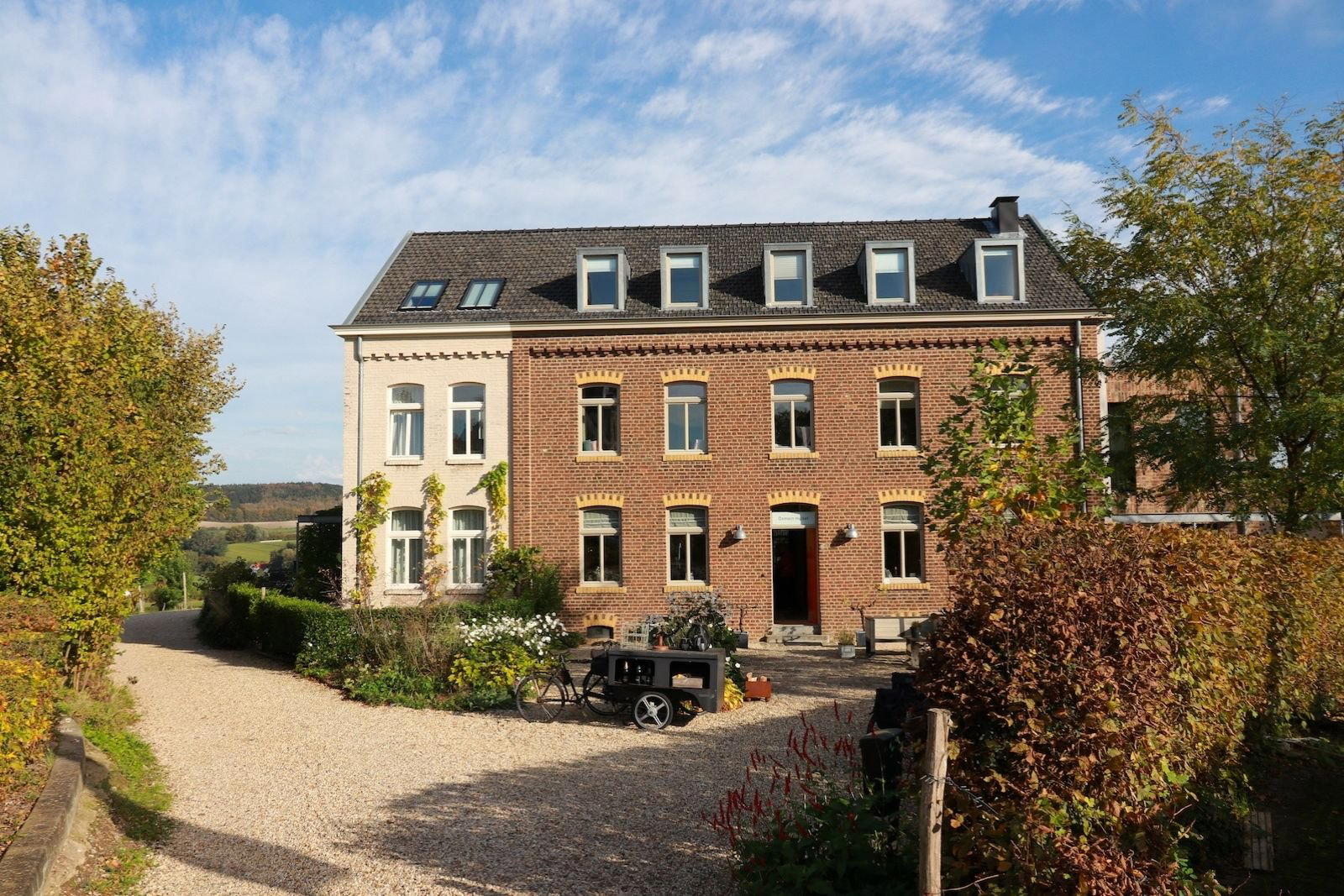

Ratatouille
The wine
- Wine program
- Curated wine list
- Extensive wine list
Details
- Cozy
- Romantic
- Intimate
- Modern
- Elegant
- Date
- Night
- Special
- Occasion
- Extensive Wine List
- Set Menu
Current opening hours
- Monday
- Closed
- Tuesday
- Closed
- Wednesday
- Closed
- Thursday
- Closed
- Friday
- 7–11 PM
- Saturday
- 7–11 PM
- Sunday
- 6–11 PM
Hours can change for holidays and private events. Last verified .
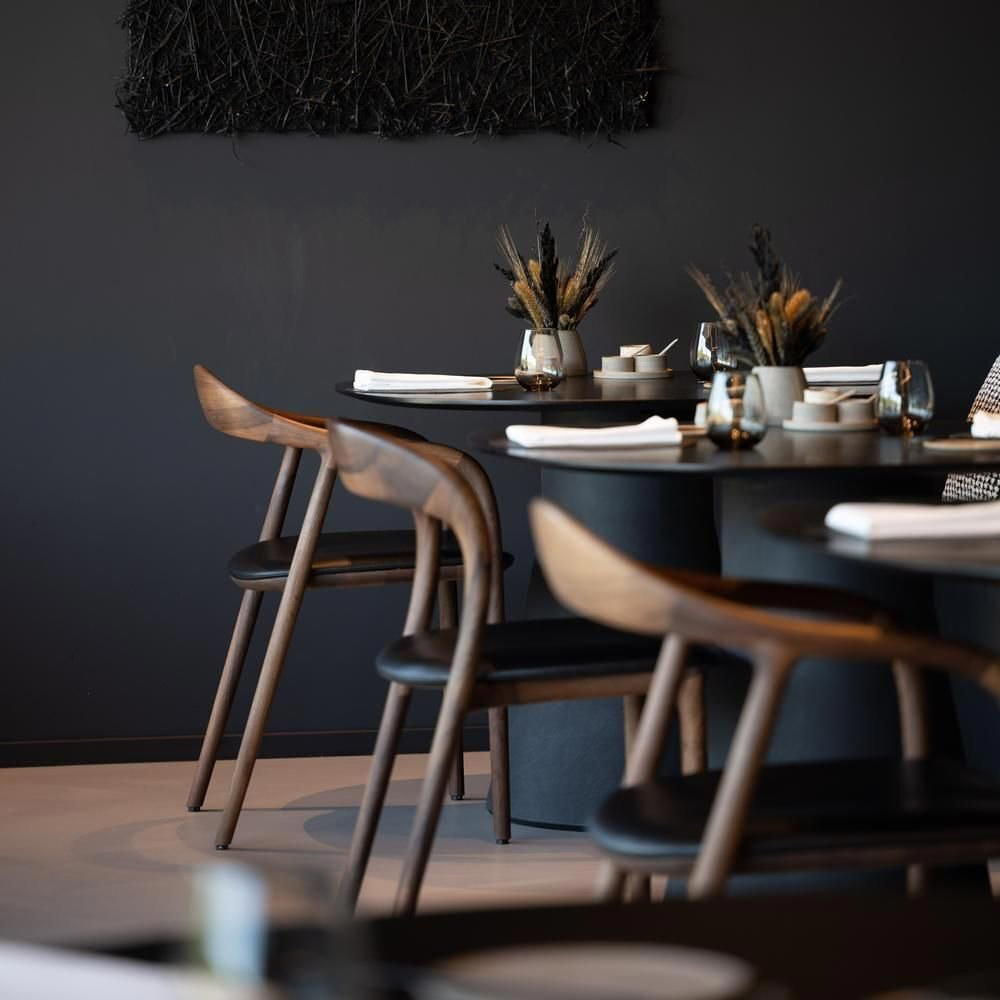
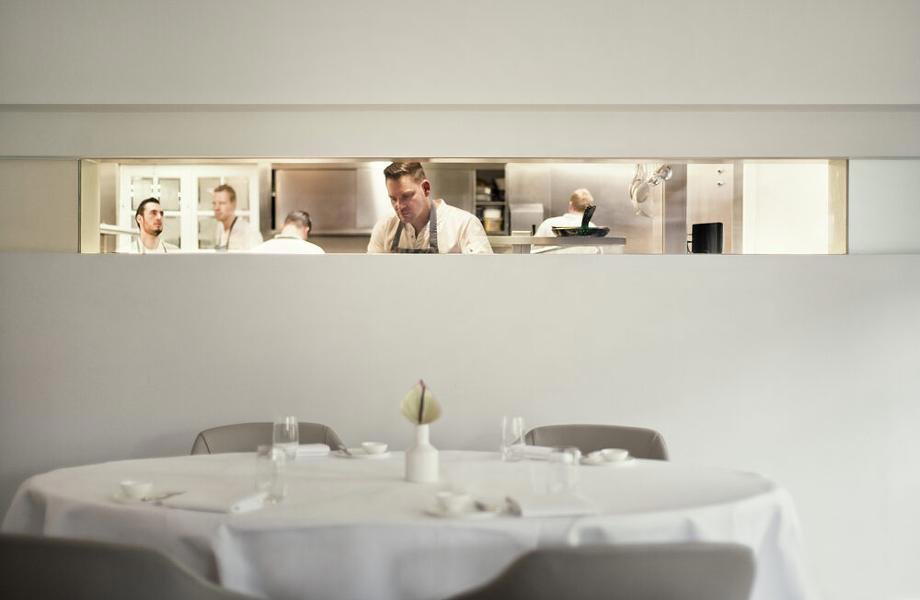
Cozy and modern setting with warm, homely atmosphere, friendly service, and a welcoming vibe that makes guests feel at home.