Our verdict
Bonaparte occupies a quiet address on Sint-Jansberg in Maaseik, a Limburg town where the restaurant scene rewards the curious traveller willing to look beyond the obvious. The venue sits within a dining culture that takes ingredient provenance seriously, placing it alongside a small group of Maaseik tables that draw guests from well outside the region. Details on current format and pricing require direct confirmation with the venue.

Pearl is the En Primeur Club membership app, where members save venues, book tables and use the concierge.
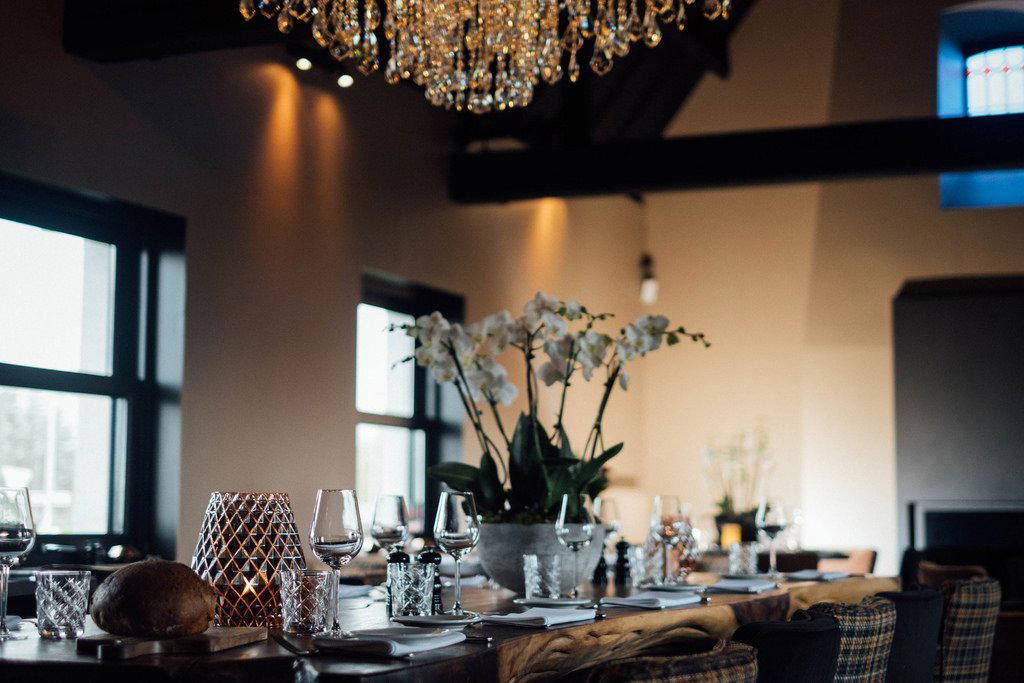
Maaseik's Quiet Dining Register
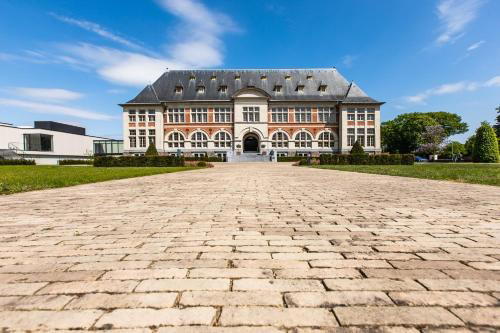
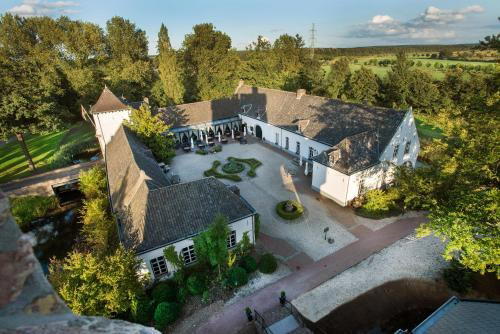
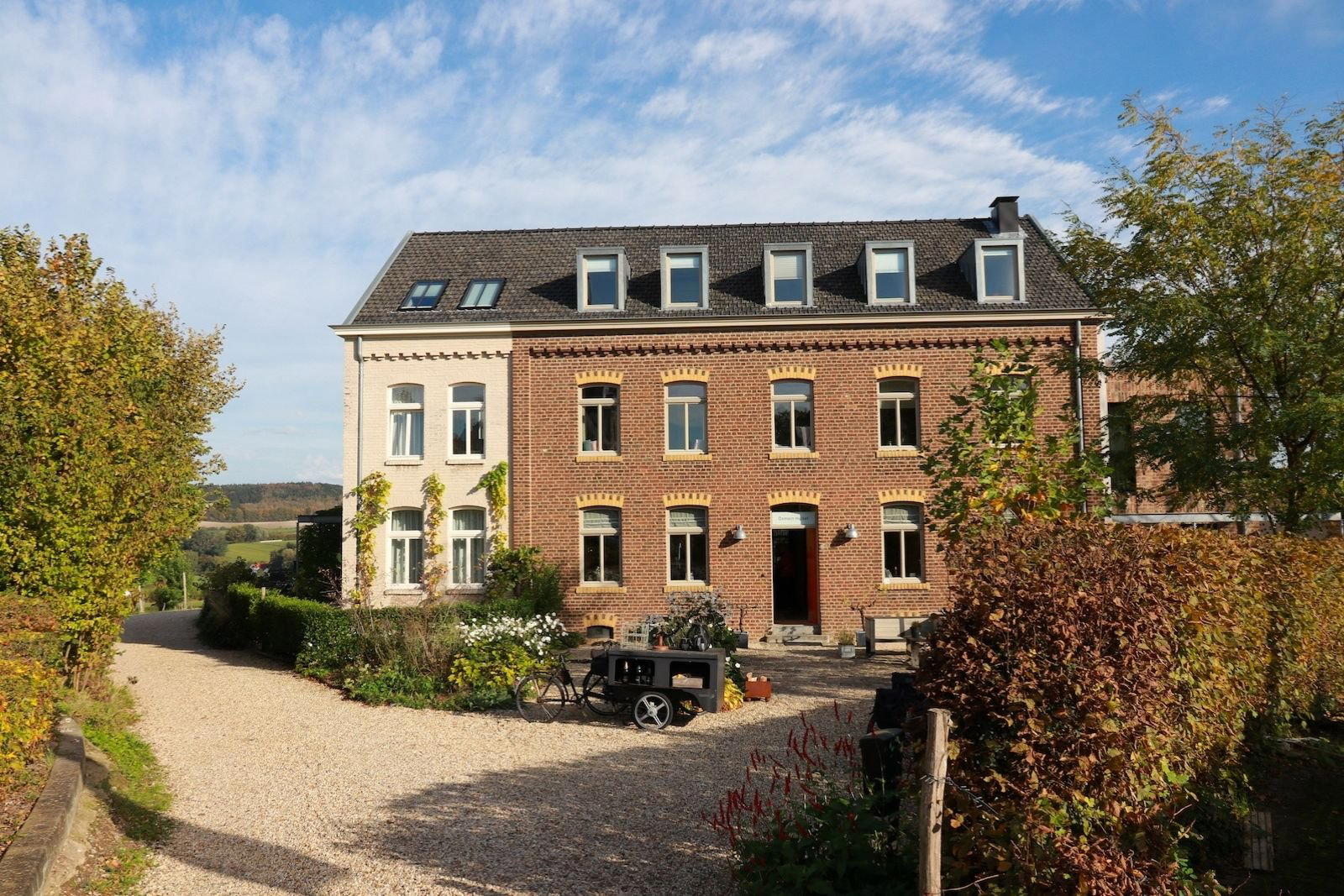
Maaseik is not a city that announces itself loudly. The Limburg town, positioned close to the Dutch border along the Maas river, has built a dining identity through accumulation rather than spectacle. A cluster of independent restaurants on streets like Sint-Jansberg has made the town a legitimate detour for guests travelling between Antwerp, Hasselt, and Maastricht. Bonaparte sits on that register, at Sint-Jansberg 70, in the kind of address that rewards an unhurried approach to an evening out. The building and its surroundings carry the character of this part of Belgian Flanders: considered, residential in scale, without the visual noise of a city-centre destination strip.
That physical context matters when thinking about where Bonaparte fits in the local scene. Maaseik's dining options span Italian-influenced rooms like d'Olivio and Gastronomia Inglima, neighbourhood-rooted tables such as De Bokkerijder and De Loteling, and modern-format rooms like Bienvenue (Modern Cuisine). Bonaparte occupies its own position within that group, and for a more complete read on how these venues relate to one another, the full Maaseik restaurants guide is the clearest starting point.
Sourcing as a Cultural Position
Across Belgian fine dining, the question of where ingredients come from has shifted from a marketing footnote to a structural commitment. Kitchens in Belgium increasingly define their identity through supply chains: which farms, which coastal landing points, which small-scale producers anchor the menu. This is visible at the national tier in restaurants like Willem Hiele in Oudenburg, where coastal and agricultural provenance drives every plate, and at Vrijmoed in Gent, where producer relationships are central to the menu's structure. It is also present in the approach of rooms outside the major cities, where proximity to Flemish farmland and the Limburg agricultural belt gives kitchens access to a different kind of seasonal input than their urban counterparts.
In this context, a restaurant in Maaseik carries a geographic advantage. Limburg's position in the northeast of Belgium, bordered by the Netherlands and Germany, gives kitchens access to ingredients that reflect a corridor of produce not easily replicated in Brussels or Antwerp. The asparagus season that runs through the region, the game that moves through Flemish Ardennes hunting estates, the soft-fruit harvests of the Limburg sandy-soil zones: these are not abstractions but practical sourcing realities that shape what a restaurant in this area can put on the table. Bonaparte's Sint-Jansberg address places it within that agricultural proximity, even if the specific sourcing relationships that define its current menu require confirmation directly with the venue.
The Belgian Provincial Dining Tradition
There is a distinct tradition in Belgian provincial dining that differs meaningfully from the Michelin-starred circuits in Brussels and the Flemish cities. Away from those benchmarks set by rooms like Hof van Cleve in Kruishoutem, Boury in Roeselare, or Zilte in Antwerp, smaller towns sustain a different kind of serious dining: one that does not rely on international recognition to justify its standards, and that often maintains a loyalty-heavy, repeat-guest model rather than chasing destination-diner traffic. Venues in this tier tend to be more consistent across the year because their kitchens are not performing for a new audience every service.
The comparison across borders is instructive. A room like Ralf Berendsen in Neerharen, just southwest of Maaseik, demonstrates how Belgian Limburg supports serious cooking at a distance from the capital's infrastructure. The same dynamic is visible in Wallonia at d'Eugénie à Emilie in Baudour. Internationally, the provincial-serious model has a clear parallel in venues like Lazy Bear in San Francisco, where the format and sourcing rigour operate independently of a city-centre address, or in the technical precision of Le Bernardin in New York City, which demonstrates that sourcing discipline and ingredient focus produce durability at any geography. Bonaparte, at its Sint-Jansberg address, belongs to that provincial-serious category within the Belgian context.
What the Address Implies
Sint-Jansberg is not a thoroughfare that collects casual foot traffic. The address signals a deliberate visit: guests do not arrive here by accident. That self-selecting dynamic shapes the service register that typically defines restaurants in these positions, and it also shapes the likely cooking approach. Kitchens that do not depend on walk-in volume tend to maintain tighter control over their supply and their pacing. The result, in the better examples across Belgium, is a consistency that transient-heavy restaurants in major cities often sacrifice. For context on what Belgian cooking can deliver at its most technically considered, Bozar Restaurant in Brussels and La Durée in Izegem provide useful points of reference on different ends of the formality axis. Cuchara in Lommel, a town of similar provincial profile to Maaseik, rounds out the regional peer picture.
Visiting the venue directly at Sint-Jansberg 70, 3680 Maaseik, or cross-referencing with the Maaseik dining guide for updated logistics, is the recommended approach before planning a visit. Given the character of addresses like this one, booking ahead is the sensible default rather than an option.
Frequently asked questions
Would Bonaparte be comfortable with kids?
Bonaparte sits at Sint-Jansberg 70, an address that draws deliberate visitors rather than passing families. The setting skews toward adult dinner occasions given the destination nature of the location in Maaseik. Families should check the venue's official channels to confirm suitability before booking.
Is Bonaparte better for a quiet night or a lively one?
Sint-Jansberg is not a high-footfall street, and Maaseik itself operates at a register closer to considered calm than urban energy. Bonaparte's address strongly suggests an atmosphere built around conversation and unhurried dining rather than a buzzing room. Guests looking for a composed evening in Belgian Limburg will find the location alone sets that expectation.
Is Bonaparte a good option for dining near the Dutch-Belgian border in Limburg?
Bonaparte's address at Sint-Jansberg 70 in Maaseik places it close to the Dutch border along the Maas river, making it one of the more deliberate dining destinations in this corridor of Belgian Limburg. The town itself has developed a quiet dining identity distinct from the Michelin circuits in Brussels or the Flemish coast. Visitors crossing from the Netherlands into Belgium for a considered dinner find Maaseik a credible stop on that basis.
What's the must-try dish at Bonaparte?
The broader Belgian provincial tradition this address fits into tends to centre on regionally sourced produce and kitchen discipline rather than showpiece single dishes. check the venue's official channels for current menu information before your visit.
What's Bonaparte's location?
Bonaparte is located at Sint-Jansberg 70, 3680 Maaseik, Belgium, Maaseik.
Should I book Bonaparte in advance?
Given Sint-Jansberg 70's position as a destination address in Maaseik rather than a walk-in location, arriving without a reservation carries real risk. Belgian provincial restaurants of this type typically hold limited covers and do not rely on passing trade to fill tables. Booking ahead is the practical approach.
What's the defining dish or idea at Bonaparte?
The defining idea at Bonaparte appears structural rather than centred on a single dish: an address in Maaseik that requires guests to seek it out, consistent with the Belgian provincial model where the commitment to place and sourcing shapes the entire offer. This is dining built around intention on both sides of the table. Specific dishes should be confirmed with the venue directly.
At-a-Glance Comparison
| Venue | Cuisine | Price | Awards |
|---|---|---|---|
| BonaparteThis venue (the venue you are viewing) | Artisanal Chocolatier | Not listed | Not listed |
| Bienvenue | Modern French-Belgian | $50–100 | Michelin Plate |
| d'Olivio | Mediterranean & Belgian Bistro | Not listed | Not listed |
| De Bokkerijder | Traditional Belgian-French Brasserie | Not listed | Not listed |
| De Loteling | Traditional Belgian Bistro | $50–100 | Not listed |
| Gastronomia Inglima | Modern Sicilian-Italian | $50–100 | Not listed |
Continue exploring
More in Maaseik
Restaurants in Maaseik
All restaurants in Maaseik →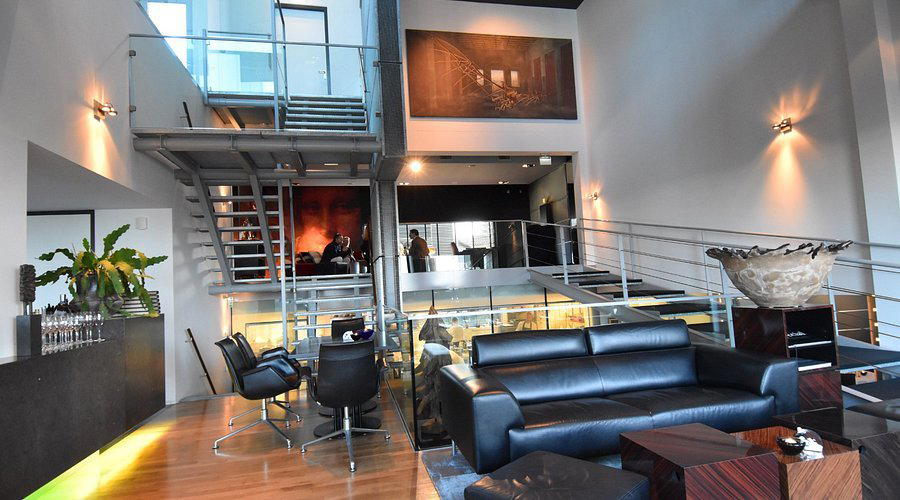
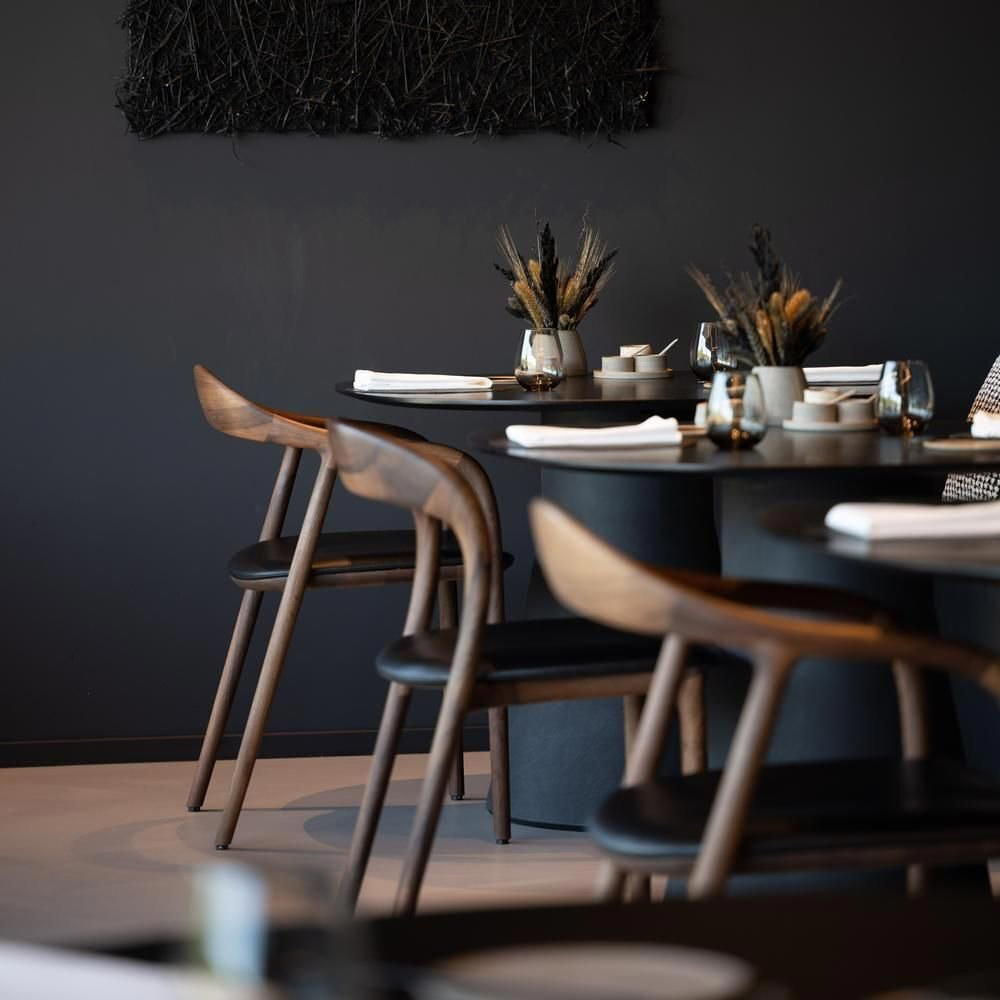
Bars in Maaseik
Browse all →

Details
- Casual Hangout
Current opening hours
- Monday
- Closed
- Tuesday
- 10 AM–12 PM, 1–6 PM
- Wednesday
- Closed
- Thursday
- 10 AM–12 PM, 1–6 PM
- Friday
- Closed
- Saturday
- 10 AM–12 PM, 1–5 PM
- Sunday
- Closed
Hours can change for holidays and private events. Hours as of .
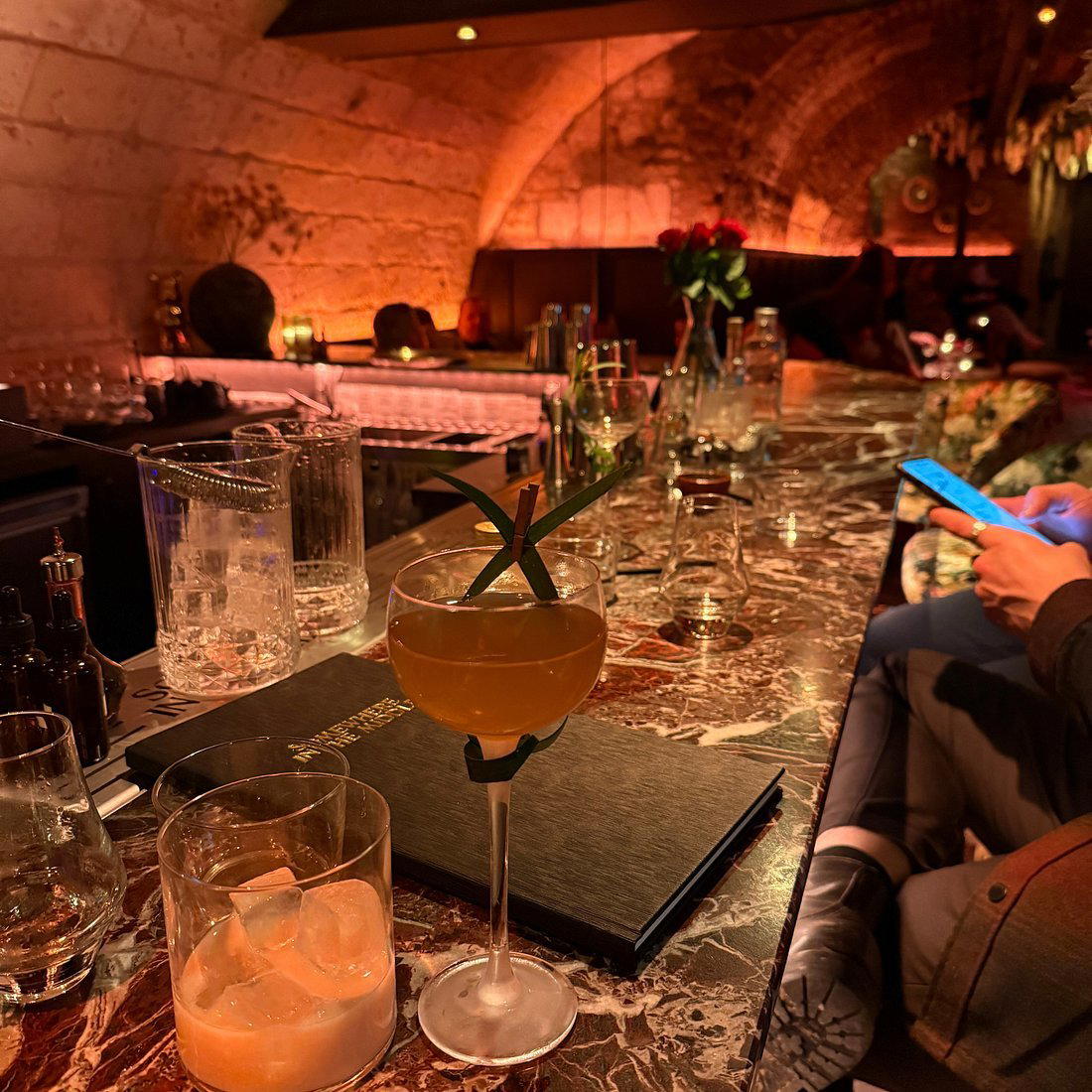
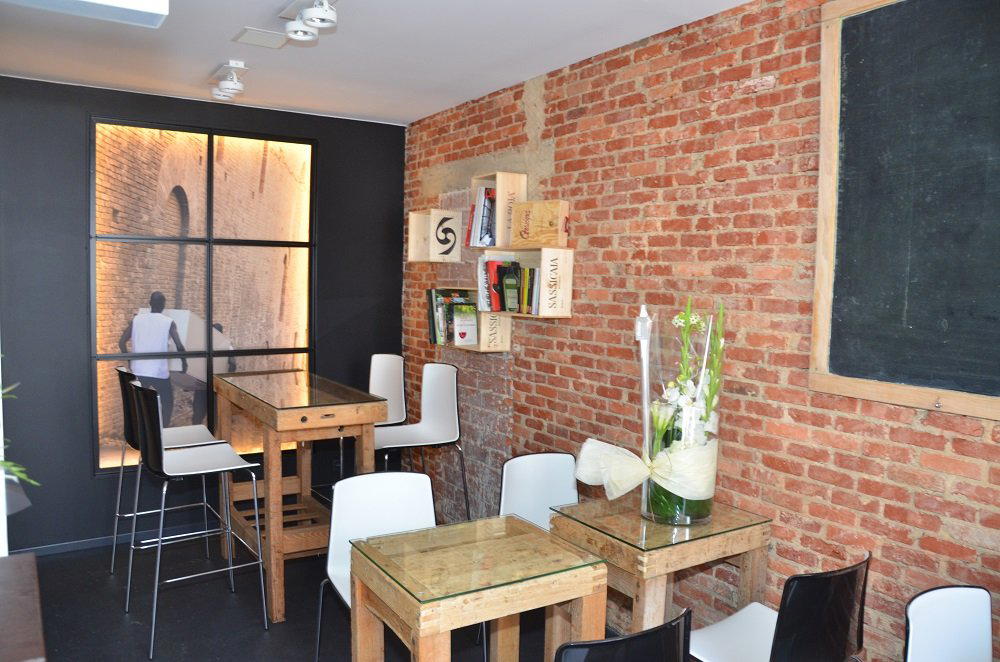
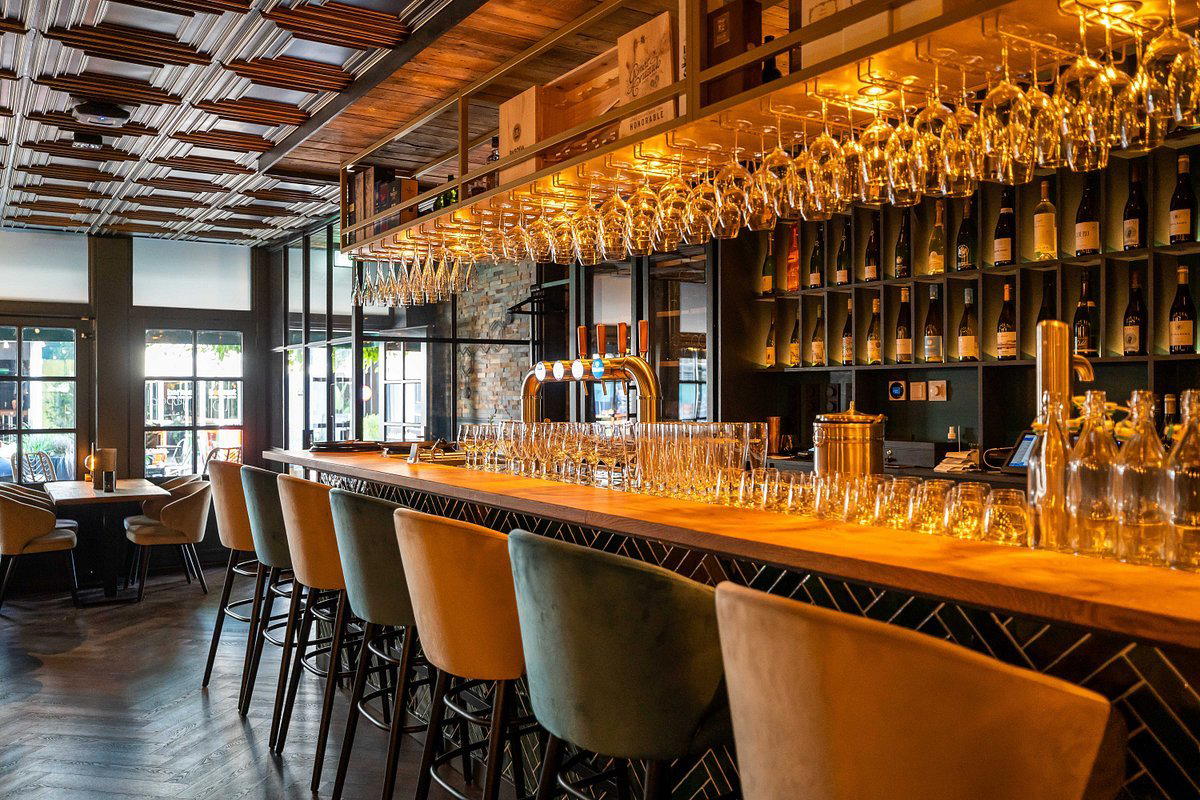
Craft-focused workshop atmosphere dedicated to chocolate production.