Our verdict
On Maaseik's historic Markt square, De Bokkerijder occupies a address that places it squarely within the town's compact but earnest dining scene. The restaurant draws locals and visitors alike to a square where Belgian market-town hospitality has long set the tempo for how meals unfold. For anyone reading the Flemish-Limburgish dining circuit, De Bokkerijder is a reference point worth understanding in context.

Pearl is the En Primeur Club membership app, where members save venues, book tables and use the concierge.
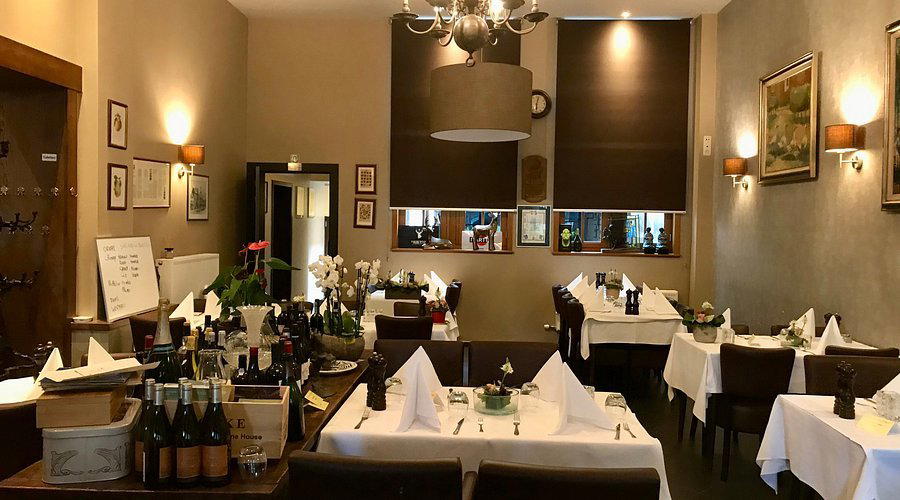
The menu
What to order
- Garnalencocktail
- Zalmtartaar
- Tournedos_bearnaise
The Square as Setting: How Maaseik's Markt Shapes the Meal
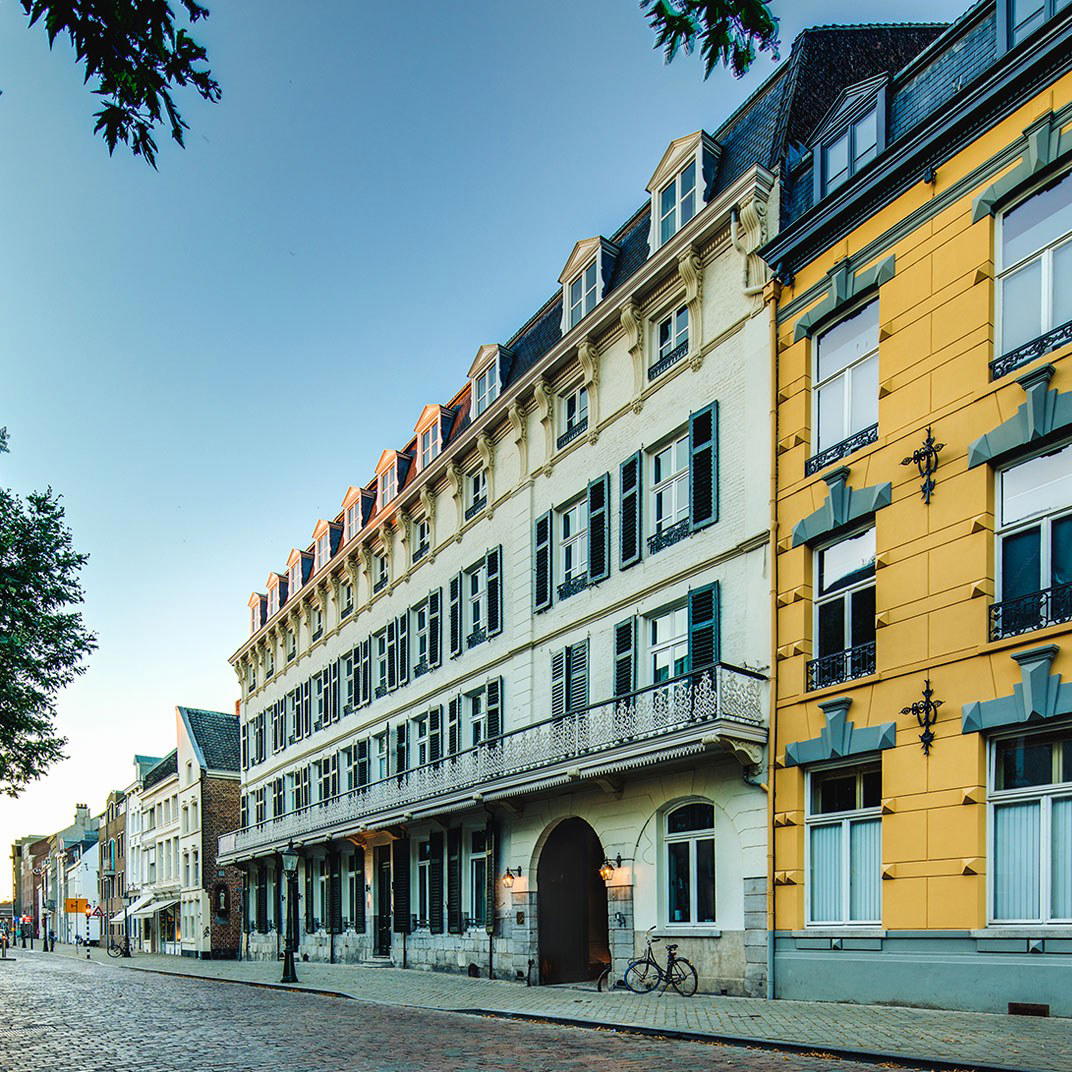
Belgian market towns do something that larger cities cannot easily replicate: they compress centuries of civic life into a single square, and the restaurants that occupy those squares inherit a particular rhythm. Maaseik's Markt is a well-preserved example of this phenomenon. The cobbled space, flanked by step-gabled facades and the kind of stone church towers that double as orientation landmarks, functions as both social hub and spatial frame for the dining addresses around it. De Bokkerijder, at Markt 26, sits within that frame. Before you consider the menu or the service, the physical approach does some work on you: the square slows foot traffic naturally, and arriving there on foot from the older streets to the north or south means the meal begins a few minutes before you actually sit down.
This matters for understanding the dining ritual that market-square restaurants in Flanders have historically anchored. The pace is set by the environment, not by a PR brief. Guests arrive without the rush that drives urban dining rooms, and kitchens in these addresses tend to respond to that in how courses are timed. The experience is calibrated for a longer table, not a quick turn.
Maaseik's Dining Scene: A Small City with Deliberate Ambitions
Maaseik sits in Flemish Limburg, close to the Dutch border and roughly equidistant between Hasselt and Roermond. It is not a city that accumulates restaurant coverage the way Antwerp or Ghent does, but its Markt and surrounding streets support a cluster of addresses that punch credibly for their scale. Bienvenue (Modern Cuisine) operates in the modern cuisine bracket at a €€ price point, offering a useful reference for where contemporary kitchen ambitions sit in this town. Bonaparte, d'Olivio, De Loteling, and Gastronomia Inglima fill out the Markt-adjacent circuit, each addressing a slightly different occasion or appetite.
Flemish Limburg as a food region deserves a note here. It does not carry the profile of the Flemish coast or the Antwerp restaurant belt, but it has produced addresses that reward the traveller willing to extend itineraries east. The Belgian dining tradition in smaller Flemish cities tends to favour generous portions, regional product sourcing, and a service register that is warm without being studied. Those qualities define a category of restaurant that rarely generates festival buzz but earns consistent local loyalty over years and decades. For anyone building a broader picture of Belgian dining beyond its headline names, see our full Maaseik restaurants guide.
The Ritual of the Belgian Market-Square Meal
In Belgium, the verb for a long, unhurried restaurant meal is sometimes rendered simply as tafelen, a word that implies the table itself is the point. Market-square restaurants are structurally suited to this. The sight lines from the dining room out to the square, the ambient noise of a town in motion rather than a curated playlist, and the expectation among regulars that a table is held for the duration of the meal, these are not incidental features. They constitute the experience.
The customs around Belgian table meals at this level of the market typically follow a recognisable pattern: an aperitif culture that means the meal does not start at the moment of seating, an amuse-bouche tradition in more kitchen-forward addresses, and a cheese course that is treated as a structural element rather than an afterthought. The wine list in a restaurant of this type in Flemish Limburg will usually include Belgian abbey ales alongside a European wine selection, and ordering both across the course of a meal is standard rather than eccentric. Pacing here is the host's responsibility, not the diner's burden.
For those comparing the Belgian small-city dining ritual against more internationally documented formats, the tasting-menu precision of Zilte in Antwerp or the product-led intensity of Willem Hiele in Oudenburg, the market-square restaurant offers a different proposition entirely. It is not striving for the same kind of recognition. The meal at an address like De Bokkerijder is measured in different units: how long you stayed, whether you ordered a second carafe, whether the table next to you was celebrating something.
Positioning Within Belgium's Broader Restaurant Circuit
Belgium's most decorated dining addresses are distributed across the country in ways that reward regional exploration. Hof van Cleve in Kruishoutem and Boury in Roeselare anchor the West Flemish end of the fine-dining spectrum. Bozar Restaurant in Brussels and Vrijmoed in Gent represent the urban contemporary tier. Further afield in the country, d'Eugénie à Emilie in Baudour and La Durée in Izegem illustrate how regional ambition is distributed beyond the major cities. In eastern Flanders, Ralf Berendsen in Neerharen and Cuchara in Lommel extend the circuit into Limburg territory most international visitors have not yet mapped. De Bokkerijder fits into this regional layer, serving a function that the decorated addresses above it in tier do not: the dependable, place-rooted meal that a town's social fabric depends on.
For international reference points, the community-anchored dining format that market-square Belgian restaurants represent has a different genealogy than the communal tasting-room model seen at addresses like Lazy Bear in San Francisco, or the classical-technique rigour of Le Bernardin in New York City. The comparison is not in ambition level but in what the format is designed to produce: in Maaseik, the dining ritual is civic and cyclical, returning the same guests across seasons rather than serving a one-time destination audience.
Planning a Visit: What to Know Before You Go
De Bokkerijder is located at Markt 26 in Maaseik, a central address that is reachable on foot from anywhere in the old town. Maaseik itself is leading accessed by car from Hasselt (roughly 35 kilometres west) or by regional bus connections from Maastricht across the Dutch border. The Markt parking options reduce the friction of arriving by car, which is the practical default for most visitors to this part of Flemish Limburg. Given the address is on the main square of a town where dining out is a social institution, weekend evenings are the most congested across all Markt restaurants. Booking ahead for Friday and Saturday is the standard protocol for this category of Belgian market-town address.
Frequently asked questions
How do I find De Bokkerijder?
De Bokkerijder is located at îMarkt 26, 3680 Maaseik, Belgium, Maaseik.
Is De Bokkerijder a good base for exploring dining across Flemish Limburg?
Maaseik sits close to the Dutch border, roughly between Hasselt and Roermond, making it a practical stop on a broader Flemish Limburg circuit. Belgium's decorated restaurants are spread across the country in ways that reward regional travel, and De Bokkerijder's central position at Markt 26 puts it within reach of the wider Limburg dining scene without the detour costs of a larger city.
What do regulars order at De Bokkerijder?
De Bokkerijder sits at Markt 26 in the heart of Maaseik, a Flemish Limburg town where Belgian market-square restaurants typically anchor their menus around regional produce and slow-paced, multi-course meals. For current dishes, contacting the restaurant directly before visiting is the most reliable approach.
Do I need a reservation for De Bokkerijder?
No booking policy is confirmed in the available venue data. Restaurants on Maaseik's Markt tend to draw both locals and cross-border visitors from nearby Roermond and Hasselt, so demand on weekends can be higher than the square's quiet atmosphere suggests. Checking ahead of a visit, particularly for Friday and Saturday evenings, is the practical approach.
What do critics highlight about De Bokkerijder?
The restaurant's address on Maaseik's Markt 26 places it within a dining scene that the body of Belgian regional food writing has begun to cover more consistently, as attention shifts from Ghent and Brussels toward smaller Flemish cities with deliberate culinary ambitions.
What It’s Closest To
| Venue | Cuisine | Price | Awards |
|---|---|---|---|
| De BokkerijderThis venue (the venue you are viewing) | Traditional Belgian-French Brasserie | Not listed | Not listed |
| Bienvenue | Modern French-Belgian | $50–100 | Michelin Plate |
| Bonaparte | Artisanal Chocolatier | Not listed | Not listed |
| d'Olivio | Mediterranean & Belgian Bistro | Not listed | Not listed |
| De Loteling | Traditional Belgian Bistro | $50–100 | Not listed |
| Gastronomia Inglima | Modern Sicilian-Italian | $50–100 | Not listed |
Continue exploring
More in Maaseik
Restaurants in Maaseik
All restaurants in Maaseik →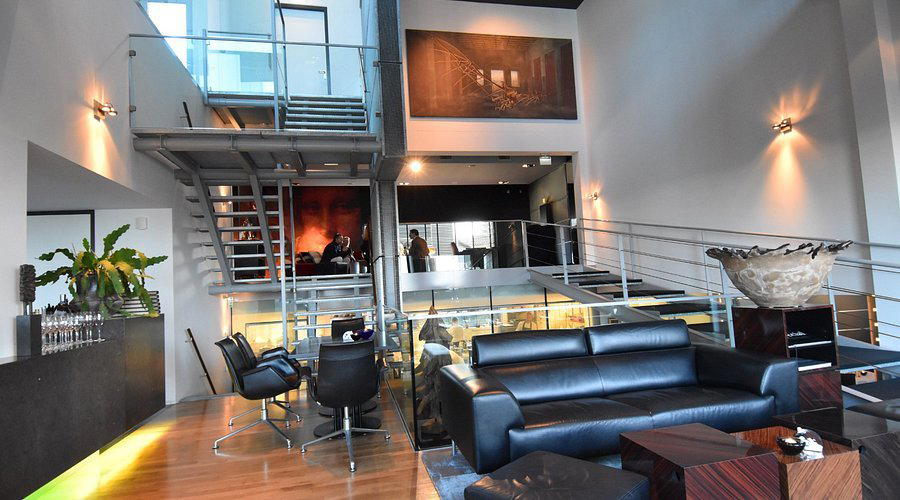
Bars in Maaseik
Browse all →

Details
- Classic
- Cozy
- Date Night
- Historic Building
- Street Scene
- A La Carte
- Vegetarian Friendly
- Gluten Free Options
Current opening hours
- Monday
- 12–2 PM, 5:30–9 PM
- Tuesday
- 12–2 PM, 5:30–9 PM
- Wednesday
- Closed
- Thursday
- Closed
- Friday
- 12–2 PM, 5:30–9 PM
- Saturday
- 5:30–9 PM
- Sunday
- 12–2 PM, 5:30–9 PM
Hours can change for holidays and private events. Hours as of .
Charming and welcoming atmosphere with friendly service in a historic setting.