
Ramen Tomita in Matsudo, Chiba has built a reputation that extends well beyond the Chiba prefecture, drawing serious ramen pilgrims prepared to queue for its tonkotsu-forward bowls. The shop sits within a broader Japanese ramen tradition that treats broth as a product of time, sourcing discipline, and temperature control rather than shortcut seasoning. For anyone tracing Japan's regional ramen circuits, Matsudo is a stop that earns its place on the itinerary.
Pearl is the En Primeur Club membership app — saves, bookings, and concierge access live there. Same editors, same standards.
- Address
- Japan, 〒271-0092 Chiba, Matsudo, 1339 高橋ビル
- Phone
- +81473688860
- Website
- tomita-cocoro.jp
 Saves & bookings on Pearl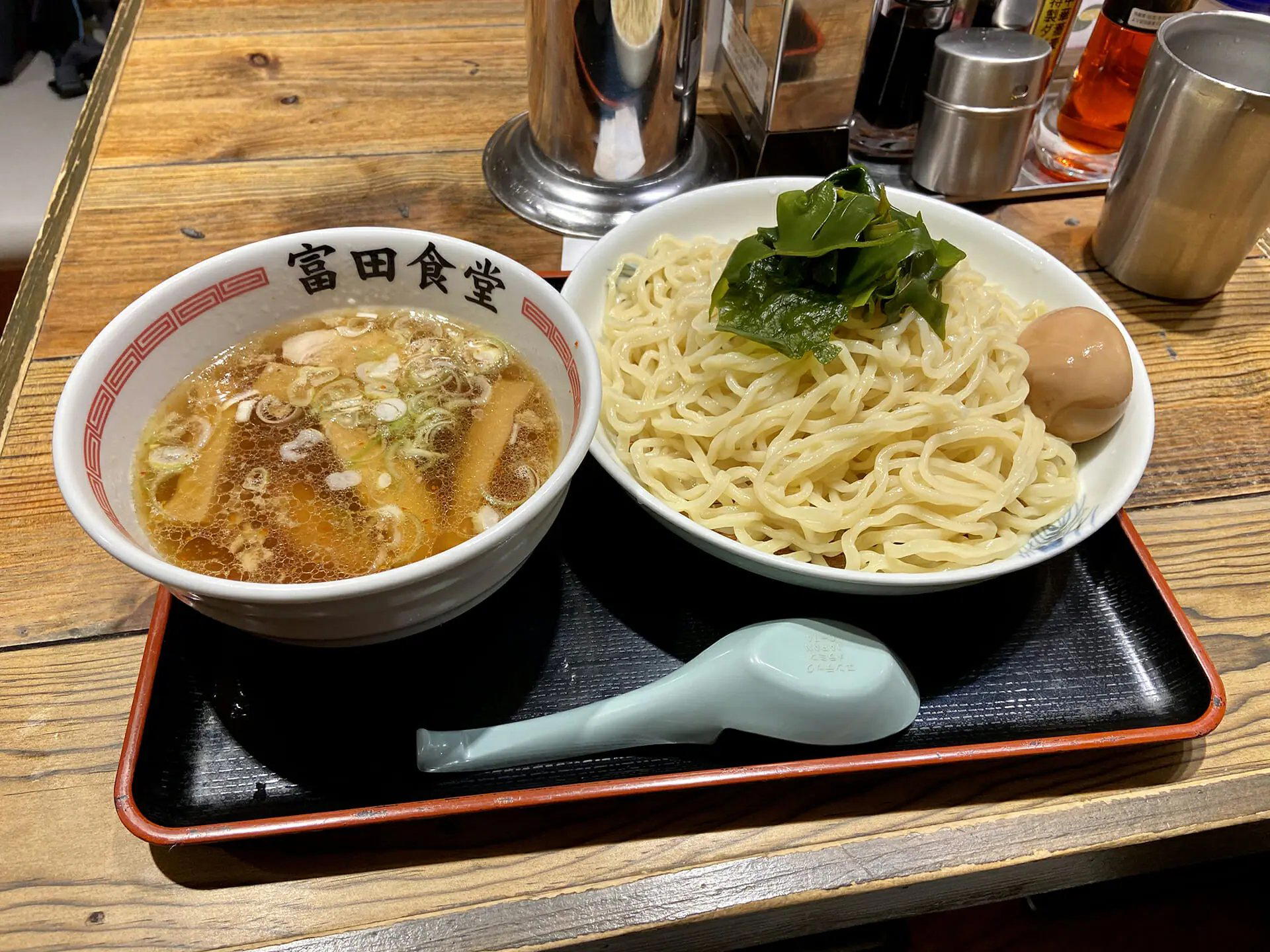
Where the Queue Tells You Everything
Ramen Tomita is a casual Japanese restaurant in Matsudo, Chiba, serving Traditional Japanese Tsukemen for about $15 per person. On most mornings in Matsudo, the line outside Ramen Tomita forms well before the shutters go up. Matsudo sits in Chiba Prefecture, roughly 30 minutes northeast of central Tokyo by rail, and the journey itself filters the room.
The physical approach to the shop is low-key by design. There are no elaborate signage systems or theatrical entryways. What you encounter is a compact, functional space that communicates its priorities through the absence of distraction rather than the presence of decoration. In Japan's serious ramen shops, this is a recognisable grammar: the room says nothing so the bowl can say everything.
The Sourcing Logic Behind a Tonkotsu Broth
Ramen Tomita's reputation rests on its tonkotsu-forward approach, and understanding what that means in sourcing terms is one useful lens through which to read the bowl. Tonkotsu broth is made by boiling pork bones at a sustained rolling boil, not a simmer, for many hours, sometimes exceeding twelve. The collagen extracted from the bones emulsifies into the liquid, producing the characteristic creamy, opaque result. This process is unforgiving of ingredient quality: low-grade bones, inconsistent fat ratios, or imprecise temperature management all show up in the final texture and depth.
Japan's competitive ramen scene has, over the past two decades, pushed sourcing standards upward at the serious end of the category. Shops with genuine reputations tend to establish direct relationships with specific pork suppliers rather than sourcing through general wholesale channels. The breed of pig, the feed regimen, and the age at slaughter all influence the collagen and fat composition of the bones, which in turn determine how the broth behaves under prolonged heat. This is not a conversation that happens in casual ramen contexts; it is the province of shops that treat the bowl as a technical problem to solve with ingredient precision rather than a product to standardise.
Noodle sourcing follows a parallel logic. The alkaline wheat noodles used in tonkotsu ramen are calibrated to the broth's viscosity, thinner, straighter noodles that move through a dense soup without clumping, delivered by producers who understand the moisture content and protein level required.
Matsudo in the Wider Ramen Map
Tokyo's ramen circuit is dense and well-documented, but the serious bowls are not all located within the Yamanote Line. Chiba Prefecture has produced a handful of shops that draw from central Tokyo and beyond, Matsudo being one cited example. This geographic pattern reflects something true about how Japanese food culture distributes its excellence: not concentrated in expensive urban real estate, but dispersed into the neighbourhoods and satellite cities where rents allow for single-minded focus on craft rather than covers-per-night economics.
The restaurant sits in a different competitive register from the fine-dining Japanese venues that dominate international attention. Restaurants like Harutaka in Tokyo or Gion Sasaki in Kyoto operate within the kaiseki and omakase traditions, where a single meal can run to tens of thousands of yen. Tomita occupies the other end of the price register while demanding a comparable level of pilgrimage intent from its visitors. That tension, low price, high effort, is one of the things that makes serious ramen culture distinct within Japan's broader food hierarchy. For context, shops like HAJIME in Osaka or Goh in Fukuoka represent the fine-dining pole; Tomita represents a different but equally deliberate tradition.
Within Japan, ramen has its own credentialing system, separate from Michelin's main restaurant guide. The Michelin Bib Gourmand category, which identifies quality cooking at accessible price points, has covered notable ramen shops across Tokyo and surrounding prefectures. Tomita's position in the Chiba ramen conversation places it within this broader recognition framework.
Planning the Visit
Matsudo is accessible from central Tokyo via the JR Joban Line or the Shin-Keisei Line, making it a feasible half-day excursion rather than a dedicated overnight trip. The practical reality of visiting the restaurant is defined by two factors: arrival time and patience. The shop operates on a first-come basis, and queue positions fill early. Arriving at or before opening time is the standard strategy for visitors coming from a distance. Midweek mornings tend to be more manageable than weekend slots, though the shop's reach means no day guarantees a short wait.
The restaurant is open Monday, Tuesday, Thursday, Friday, Saturday, and Sunday from 11 AM to 3 PM, and closed on Wednesday. Reservations are essential.
For readers building a broader Japan itinerary around serious regional food, the Tomita visit pairs logically with Tokyo's own ramen circuit. Those extending into the kaiseki register will find useful reference points in venues like akordu in Nara or
At-a-Glance Comparison
Comparable venues nearby, for context on price, style, and recognition.
| Venue | Cuisine | Price | Notes |
|---|---|---|---|
| Ramen TomitaThis venue — the venue you are viewing | Traditional Japanese Tsukemen | $$ | Not listed |
| Ajitokoro Musashino | Ramen & Tsukemen Shop | $$ | Matsudo |
| Matsudo Chuka Soba Tomita Shokudo | Ramen & tsukemen shop | $$ | Matsudo |
| Tonkatsu Tomita | Specialist Tonkatsu (Japanese Pork Cutlet) | $$ | Matsudo |
| Curry House MUMBAI Matsudo ten | Indian curry house | $$ | Matsudo |
| R-S | Gourmet Hamburger & Cafe | $$ | Koganehara |
Recognition history
Dated appearances from independent guides and award organizations, with the underlying list record or original source where available.
Tabelog 100 #94 · No. 94
Tabelog · Tabelog 100 - Ramen - EAST - 2025








At a Glance
- Well Known
- Cozy
- Classic
- Solo
- Casual Hangout
- Chefs Counter
- Open Kitchen
- Local Sourcing
Current opening hours
- Monday
- 11 AM–3 PM
- Tuesday
- 11 AM–3 PM
- Wednesday
- Closed
- Thursday
- 11 AM–3 PM
- Friday
- 11 AM–3 PM
- Saturday
- 11 AM–3 PM
- Sunday
- 11 AM–3 PM
Hours can change for holidays and private events. Last verified .
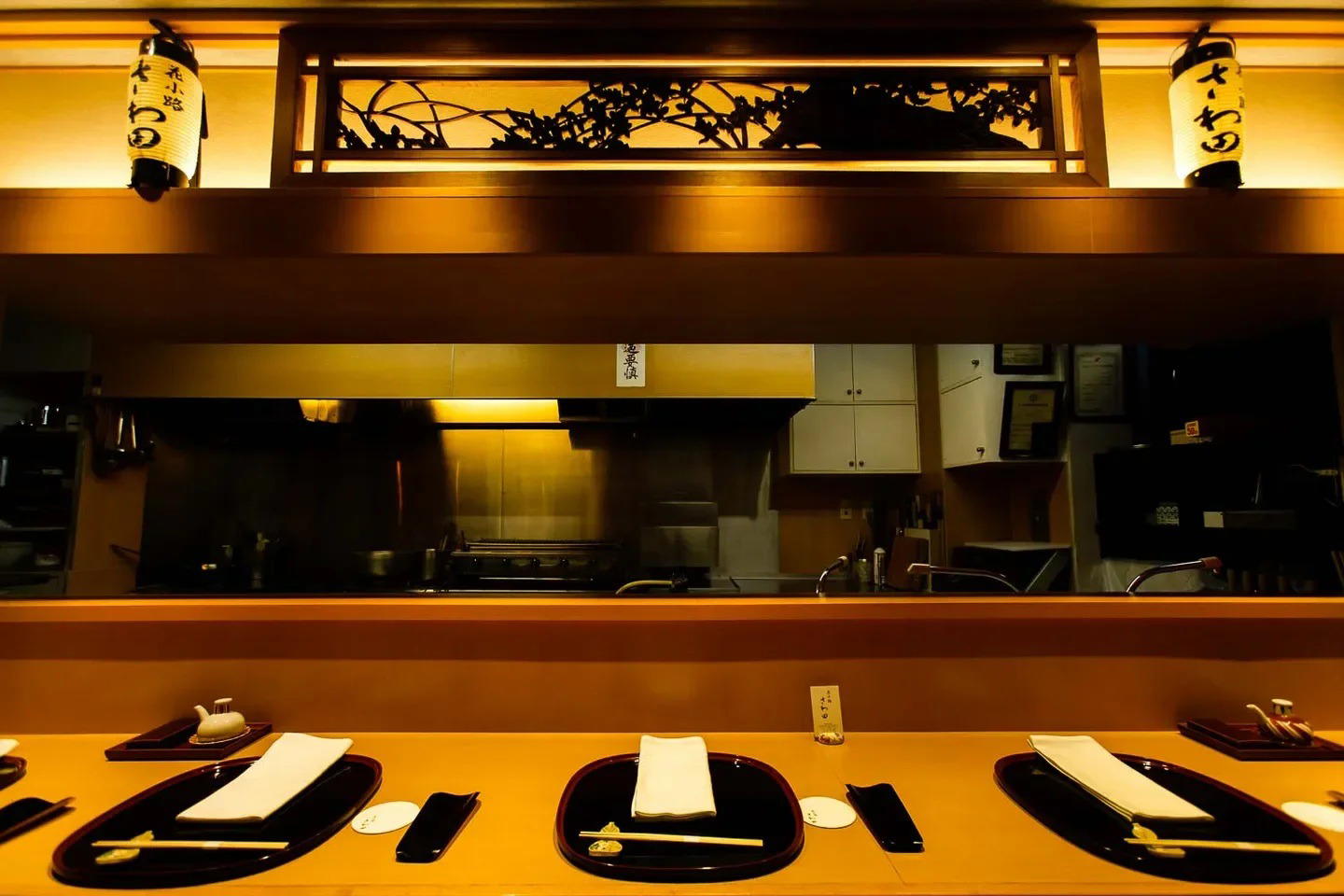
Spotless, intimate 11-seat counter with soft ambient music; clean, cozy hole-in-the-wall atmosphere conducive to savoring the complex broth and noodles.