
Matsudo’s ramen culture rewards specialists that keep the format narrow and the turnover brisk. Matsudo Chuka Soba Tomita Shokudo sits in that lineage with ramen and tsukemen, Tabelog Ramen EAST “Tabelog 100” selections in 2024 and 2025, and a casual room built around counter-and-table eating rather than ceremony.
Pearl is the En Primeur Club membership app — saves, bookings, and concierge access live there. Same editors, same standards.
- Address
- Japan, 〒271-0092 Chiba, Matsudo, 1239-1 関根ビル
- Phone
- +81 47-312-3120
- Website
- tomita-cocoro.jp
 Saves & bookings on Pearl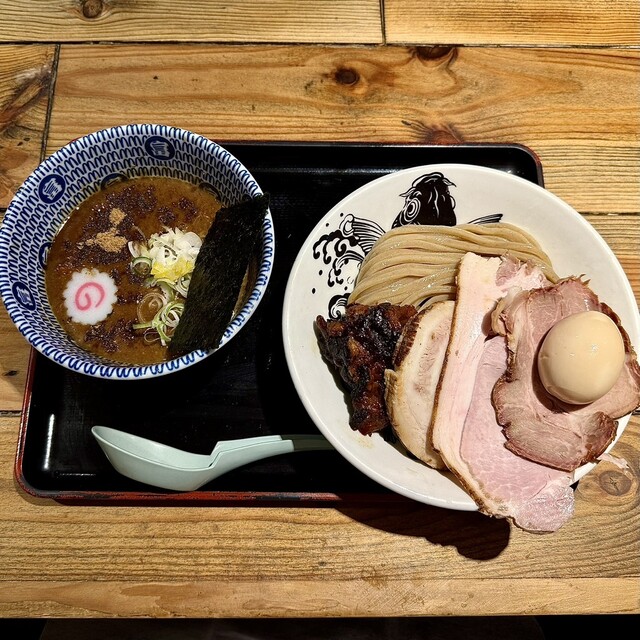
Approaching a serious ramen shop in Matsudo usually means reading the room before reading the menu: the counter rhythm, the table turnover, the split between solo diners and families, the quiet expectation that noodles will arrive with little theater. Matsudo Chuka Soba Tomita Shokudo belongs to that practical Chiba ramen tradition, where the point is not luxury coding but disciplined specialization. The city’s better noodle addresses tend to cluster around a narrow promise: chuka soba, tsukemen, or a defined house style, served quickly enough for daily use yet scrutinized closely enough to earn repeat attention.
That distinction matters because ramen in the Tokyo orbit is not a single category. Tokyo proper often rewards novelty, micro-regional riffs, and chef-led counters that function almost like tasting-menu rooms. Matsudo, by contrast, has built part of its food identity around approachable specialists. The presence of Ramen Tomita and Tomita Ramen in the local conversation has made the city a reference point for noodle pilgrims, but the more revealing story is how many Matsudo rooms operate at an everyday price tier while carrying serious craft expectations. For broader local context, Our full Matsudo restaurants guide maps that spread beyond ramen alone.
Chuka soba and tsukemen in a city that takes broth seriously
The useful way to read this table is through sourcing logic rather than menu breadth. Chuka soba and tsukemen both depend on concentration: stock, tare, noodle texture, and temperature control have less room to hide than in a long izakaya menu. In the Kanto ramen belt, ingredient choices often become the identity of the bowl, whether the kitchen leans toward animal-based depth, dried seafood intensity, soy sauce clarity, or dipping-noodle density.
Tabelog’s Ramen EAST “Tabelog 100” selections in 2024 and 2025 place Matsudo Chuka Soba Tomita Shokudo inside a competitive eastern Japan field rather than a purely neighbourhood list. That recognition is useful because ramen rankings in Japan are particularly unforgiving at the mid-price level. A shop can be inexpensive, casual, and family-friendly while still being evaluated against obsessive noodle counters across the region. The Tabelog score of 3.76 adds another public signal: not a luxury marker, but a measure of sustained diner response in a category where small execution flaws tend to be punished quickly.
Within Matsudo, the comparison set is unusually dense. Chuka Soba Maruki, accessible here through Chuka Soba Maruki, points to the city’s longer chuka-soba conversation. Chuka Soba Yanagi shows how tightly defined noodle shops can sit beside everyday local dining. Tonkatsu Tomita occupies a higher spend band than the ramen counters, while Curry House MUMBAI Matsudo ten and Tonikaku Matsudo honten show the city’s broader comfort-food economy. The pattern is clear: Matsudo’s serious eating is not confined to formal restaurants.
A counter-led room without the intimidation factor
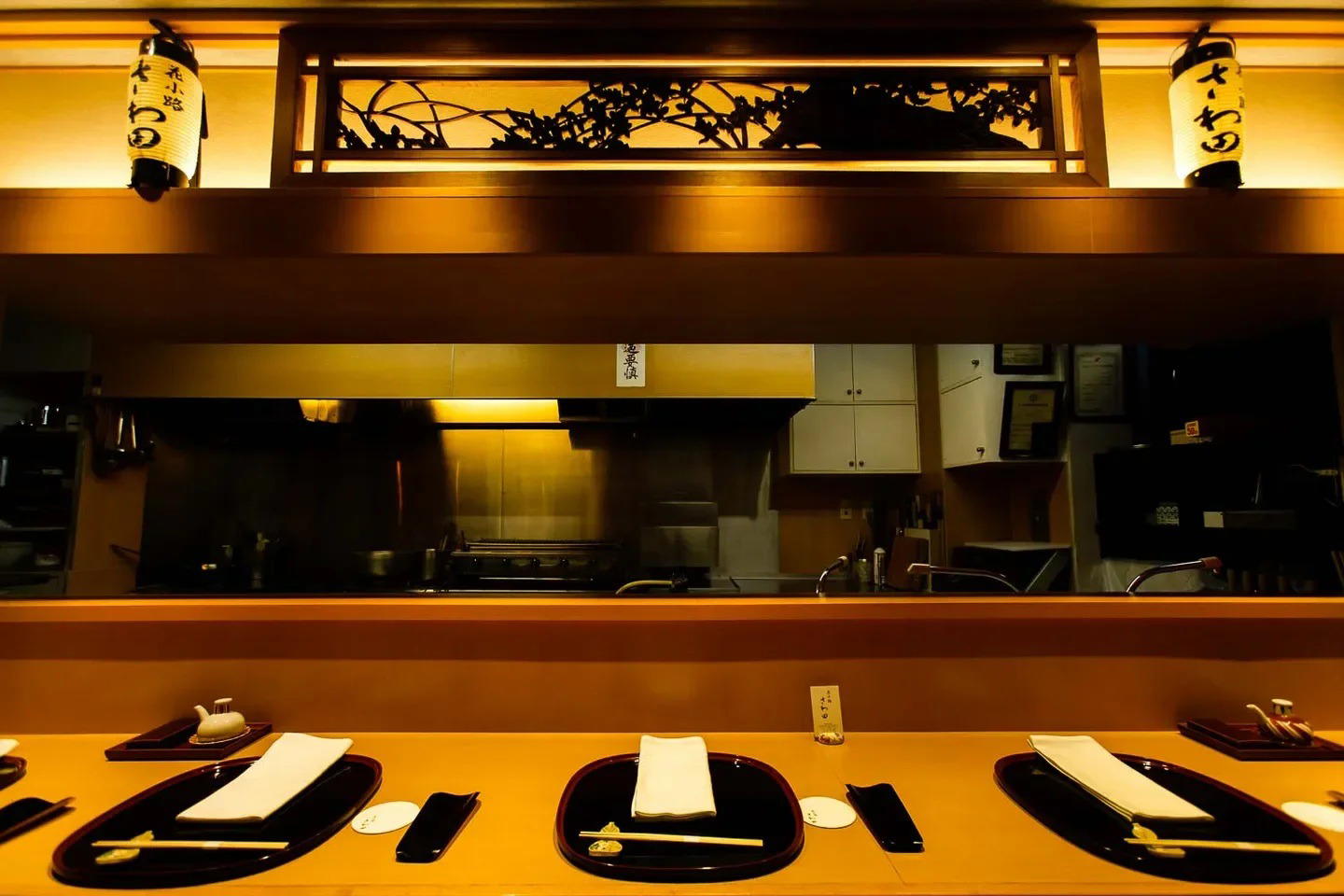
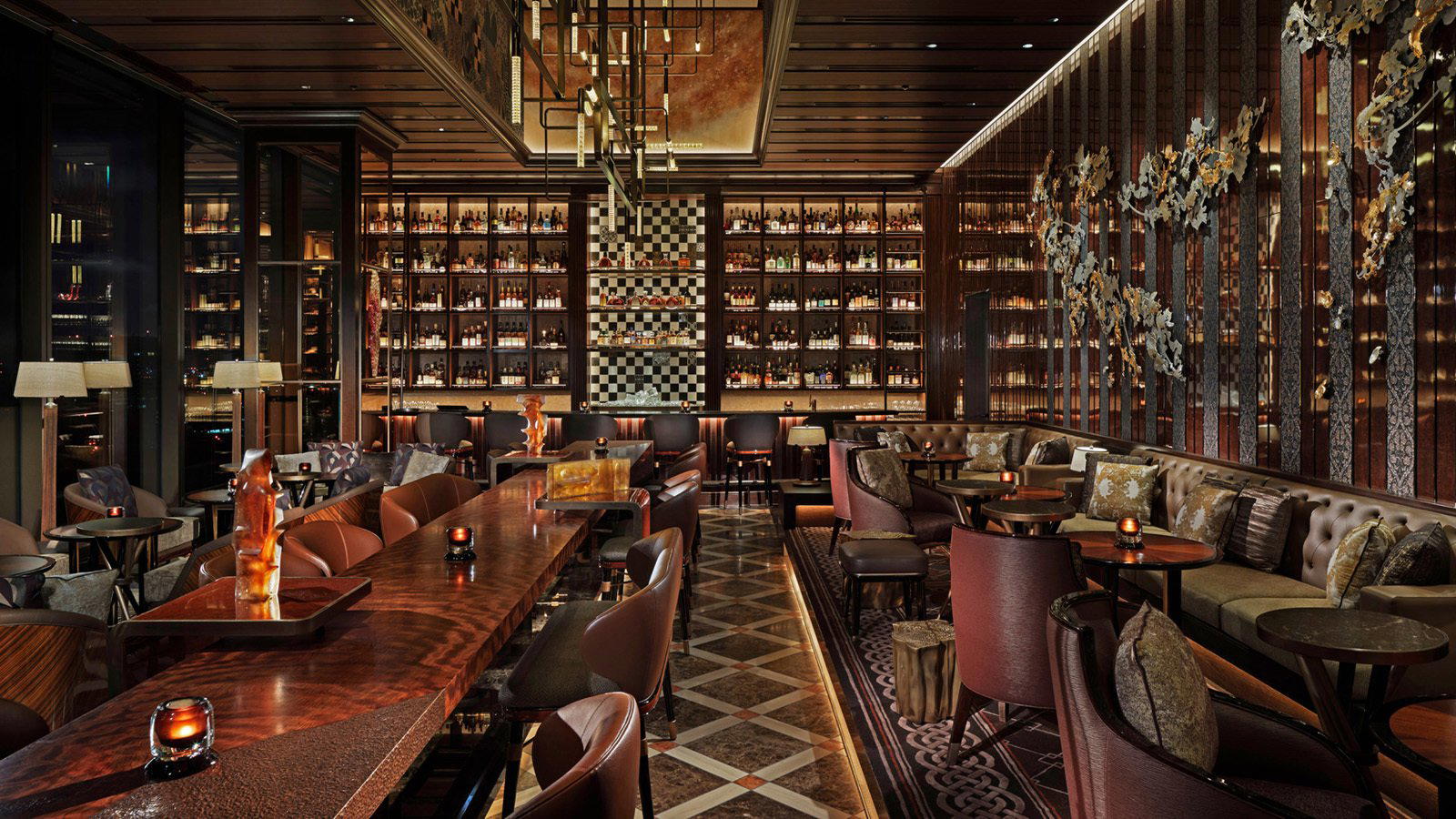
The room format says plenty about who this kind of ramen is for. A 28-seat layout, with 16 counter seats and 12 table seats, keeps the kitchen visible while making space for groups that would feel out of place at stricter solo-counter shops. Counter seating is the ramen purist’s format because it shortens the distance between cooking and eating; tables soften the experience for families, visitors, and diners moving through Matsudo rather than staging a single-destination meal.
This is also where Matsudo’s dining character separates itself from central Tokyo’s more performative food culture. The better local rooms are often functional rather than theatrical: non-smoking, casual, and built for repeat use. Take-out service extends that everyday role. Children are welcomed, including school-age children, and strollers are accepted, which makes the address more flexible than many serious ramen counters in Japan. That family-friendly signal is not cosmetic; in a compact noodle shop, stroller acceptance changes the practical audience.
For travellers using Matsudo as a base rather than a day-trip stop, the dining scene is more layered than the ramen headline suggests. Ajitokoro Musashino and Backstube Zopf show different forms of local demand, while baga tokidoki youshokutei points toward casual Western-influenced dining. The city is not trying to imitate Ginza or Ebisu. Its strength is a network of focused rooms, modest prices, and residents who know exactly what they expect from lunch.
Where it fits in a Matsudo food itinerary
Matsudo Chuka Soba Tomita Shokudo is strongest as a precision casual meal rather than a long-form dining event. That makes it useful for a visitor who wants to understand why Chiba ramen has pull beyond local loyalty. The shop opened in 2017 and later moved from Excel Matsudo, reopening with a renewed menu; that kind of relocation is common in Japan’s ramen world, where brand continuity often matters more than the original room. The current identity rests on an accessible format, recognised noodle specialization, and a price tier that keeps the meal in the realm of repeatable eating.
Editorially, the smarter move is to place it beside Matsudo’s other specialists instead of treating it as an isolated destination. A noodle stop can sit comfortably before a bakery run, a casual yoshoku meal, or a deeper look at the city’s hotel and evening options via Our full Matsudo hotels guide and Our full Matsudo bars guide. Broader planning pages such as Our full Matsudo wineries guide and Our full Matsudo experiences guide are useful for understanding what the city offers beyond the bowl.
Readers comparing Japanese casual dining across cities can also use the EP Club restaurant archive as a wider reference point: -Grilled beef Sukiyaki- KAMAKURA TANUKIAN 鎌倉 たぬき庵 in Kamakura. 鮪と炭火焼き うお炭 秋葉原店 in Tokyo.cafe in Osaka.know in Kumamoto, (Shoku) Vietnam in Kawasaki, [Curry Senmon Ten] Maruyama Kyoju. in Sapporo, Jōdo Saké Bar in Los Angeles, and Onigiri Time in Pasadena. Against that wider field, Matsudo’s appeal is refreshingly specific: it shows how a commuter city can turn everyday noodles into a serious dining marker without changing the social contract of ramen.
Comparison Snapshot
Comparable venues by cuisine and price in the same metro.
| Venue | Cuisine | Price | Notes |
|---|---|---|---|
| Matsudo Chuka Soba Tomita ShokudoThis venue — the venue you are viewing | Ramen & tsukemen shop | $$ | Not listed |
| Tonikaku Matsudo honten | Ramen, tsukemen & abura soba | $$ | Matsudo |
| Chuka Soba Maruki | Classic Japanese ramen (chuka soba & tsukemen) | $ | Matsudo |
| Tora Shokudo Matsudo bunten | Japanese Ramen | $ | Matsuhidai |
| Tomita Ramen | Award-Winning Tsukemen Ramen | $$ | Matsudo |
| Ajitokoro Musashino | Ramen & Tsukemen Shop | $$ | Matsudo |
Recognition history
Dated appearances from independent guides and award organizations, with the underlying list record or original source where available.
Tabelog 100 #3 · No. 3
Tabelog · Tabelog 100 - Ramen - EAST - 2025








At a Glance
- Lively
- Casual
- Cozy
- Well Known
- Energetic
- Solo
- Casual Hangout
- After Work
- Family
- Standalone
Current opening hours
- Monday
- 10 AM–10 PM
- Tuesday
- 10 AM–10 PM
- Wednesday
- 10 AM–10 PM
- Thursday
- 10 AM–10 PM
- Friday
- 10 AM–10 PM
- Saturday
- 10 AM–10 PM
- Sunday
- 10 AM–10 PM
Hours can change for holidays and private events. Last verified .
Simple, no-frills ramen shop with counter and table seating, a bright, functional interior and an energetic yet comfortable atmosphere typical of busy local noodle bars.