
Tabelog 100 #40
Our verdict
Ajitokoro Musashino belongs to Matsudo’s serious ramen map: a small-format ramen and tsukemen address with repeated Tabelog Ramen EAST “Tabelog 100” selections from 2017 through 2025. The appeal is not luxury positioning but discipline: a compact room, counter-and-table seating, and a price tier that keeps the focus on broth, noodles, and sourcing rather than ceremony.

Pearl is the En Primeur Club membership app, where members save venues, book tables and use the concierge.
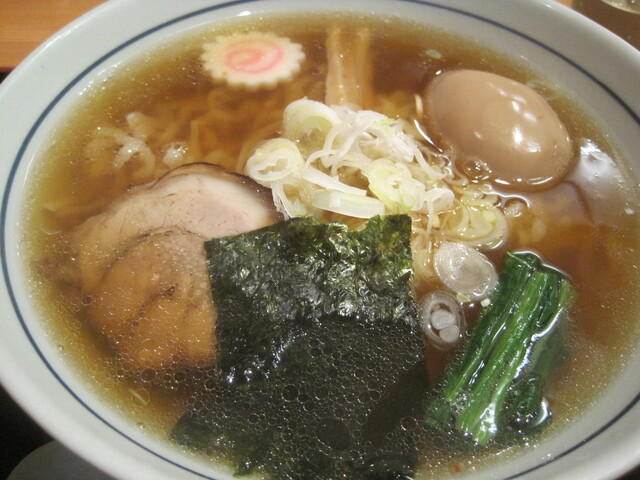
Approaching ramen in Matsudo means leaving the broad Tokyo narrative for suburb-level specialization. The city is a practical hunting ground for noodle shops built on craft over polish, where small rooms, direct formats, and the bowl carry the argument. Ajitokoro Musashino fits that tradition: ramen and tsukemen, a compact 12-seat setup split between counter seating and raised-floor tables, and a reputation reinforced by repeated Tabelog Ramen EAST “Tabelog 100” selections in 2017, 2018, 2020, 2021, 2022, 2023, 2024, and 2025.
That run matters because ramen recognition in eastern Japan is dense and unforgiving. Tokyo, Chiba, Saitama, Kanagawa, and surrounding prefectures produce enough serious shops to make selection a useful signal, not a decorative badge. In this context, a Matsudo address with sustained Ramen EAST placement belongs to a competitive group shaped by repeat diners, narrow menus, and technique that survives comparison beyond its neighbourhood.
Ramen and tsukemen in Matsudo's ingredient-led noodle culture
Ramen is often discussed through style labels: shoyu, shio, miso, tonkotsu, niboshi, chicken, seafood, and dipping noodles. They help, but flatten what serious ramen shops are judged on: extraction, seasoning, noodle texture, fat management, and how the bowl behaves from first sip to final noodle. Ajitokoro Musashino is listed in ramen and tsukemen, placing it in a branch of Japanese noodle culture where sourcing and handling broth components and noodles matter as much as final seasoning.
Tsukemen exposes weakness. Because noodles and dipping broth are served separately, texture is obvious and concentration has less room to hide. Thin broth reads thin; a poorly matched noodle loses purpose. The format rewards attention to water content, wheat character, cooling, and the balance between dipping intensity and repeatability. In a city with noodle references such as Chuka Soba Maruki and Chuka Soba Yanagi, that technical distinction helps decide what kind of ramen meal is being pursued.
Matsudo’s broader dining scene frames ramen differently from central Tokyo. The pressure is not only fashion or tourism; it is repeat local use. Shops compete with curry counters, bakeries, yoshoku-leaning addresses, and everyday restaurants as much as other ramen specialists. That is why Curry House MUMBAI Matsudo ten sits in the same budget conversation, while Backstube Zopf and baga tokidoki youshokutei show Matsudo diners moving comfortably between Japanese comfort formats and specific craft addresses.
A small room changes the way the bowl is read
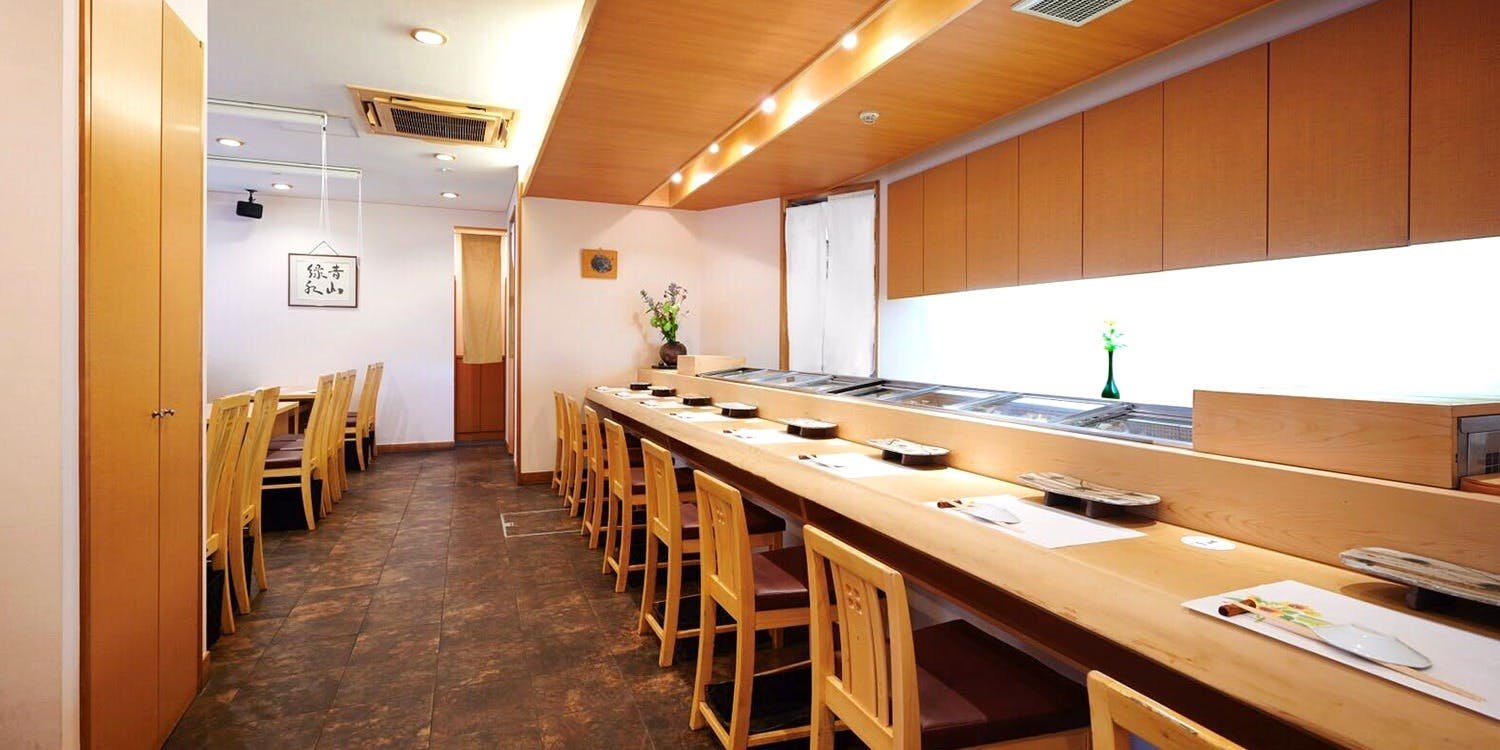
The physical format matters. A 12-seat room, with six counter seats and six raised-floor table seats, keeps the experience closer to a specialist ramen shop than a casual restaurant built for long stays. Counter seating suits ramen’s narrow pacing: order, receive, eat while the noodles are in condition, leave. Raised-floor tables soften the format for groups and families, but the rhythm remains bowl-first.
That room changes hospitality expectations. The draw is not elaborate service choreography; it is compression. In Japanese ramen culture, small rooms sharpen the relationship between kitchen timing and diner behaviour. The bowl is the main text, and everything around it is functional: seating, turnover, smoke-free air, and quiet focus within a tight format. Children and strollers are welcome, making the address less forbidding than some specialist counters, though limited seating keeps the experience compact rather than leisurely.
The opening date, February 26, 2001, adds another signal. Ramen trends have moved through heavy tonkotsu, seafood-rich gyokai styles, refined chuka soba, chicken-clear broths, and hybrid dipping formats over the past two decades. A shop operating through those shifts while continuing to appear in a recognized ramen selection is not riding one moment; it has stayed relevant as expectations around noodles, broth clarity, and ingredient expression changed.
Price frames the category. Ajitokoro Musashino sits in the JPY 1,000 to JPY 1,999 range, near the everyday serious-ramen tier rather than destination fine dining. In Matsudo, higher-spend meals such as Flying pig Matsudo Honten or Tonkatsu Tomita occupy a different dining decision, while Matsudo Chuka Soba Tomita Shokudo and Chuka Soba Maruki sit closer to the noodle-shop comparison. The value question is not whether the setting feels grand; it is whether the bowl delivers enough precision to justify travelling past easier options.
How to place it in a Matsudo eating plan
For visitors treating Matsudo as a food stop rather than a residential suburb, build around category contrast. Ramen and tsukemen give a focused, quick meal; curry, bakery culture, yoshoku, and tonkatsu round out the city’s everyday range. Ajitokoro Musashino works as the ramen specialist with documented recognition, while nearby alternatives shape the itinerary by appetite rather than prestige.
The logistics are part of the editorial read. Reservations are unavailable, payment is cash-only, and the shop lists no official website. These are signals of an older, tighter ramen model: local operating habits, limited seats, and service periods rather than online theatre. Parking is not attached; nearby coin parking is the practical car option. The public-transport note places it within reach from Kamihongo and by bus from Matsudo Station via Fujimidai. For serious ramen planning, timing and patience matter more than advance booking.
Readers building a wider city file can use Our full Matsudo restaurants guide for dining context, with Our full Matsudo hotels guide, Our full Matsudo bars guide, Our full Matsudo wineries guide, and Our full Matsudo experiences guide mapping the rest of the trip. For broader Japan and Japanese-adjacent dining reference points, compare how regional formats shift at -Grilled beef Sukiyaki- KAMAKURA TANUKIAN 鎌倉 たぬき庵 in Kamakura. 鮪と炭火焼き うお炭 秋葉原店 in Tokyo.cafe in Osaka.know in Kumamoto, (Shoku) Vietnam in Kawasaki, [Curry Senmon Ten] Maruyama Kyoju. in Sapporo, Jōdo Saké Bar in Los Angeles, and Onigiri Time in Pasadena.
The editorial case is clear: this is a ramen address for travellers who care how regional Japanese noodle shops earn credibility outside the central-city glare. Repeated Tabelog Ramen EAST recognition supplies the trust signal; the small room and ramen-tsukemen format supply the experience; Matsudo supplies the reason to look beyond Tokyo’s louder counters.
Frequently asked questions
How much does it cost to eat at Ajitokoro Musashino?
Pricing at Ajitokoro Musashino is listed as JPY 1,000 - JPY 1,999.
When is Ajitokoro Musashino open?
Hours at Ajitokoro Musashino: Mon: 6–9 PM; Tue: 6–9 PM; Wed: 6–9 PM; Thu: 6–9 PM; Fri: 6–9 PM; Sat: 6–9 PM; Sun: Closed.
Where exactly is Ajitokoro Musashino?
Ajitokoro Musashino is located in Matsudo.
What is Ajitokoro Musashino known for?
Ajitokoro Musashino is known for ramen and tsukemen, served in a 12-seat room in Matsudo. Its Tabelog 100 Ramen EAST 2025 selection gives it clear status in Chiba’s noodle scene, and the dinner-only hours keep the focus on a narrow service window.
Fast Comparison
Side-by-side context: comparable cuisine and price.
| Venue | Cuisine | Price | Awards | Notes |
|---|---|---|---|---|
| Ajitokoro MusashinoThis venue (the venue you are viewing) | Ramen & Tsukemen Shop | $10–20 | Tabelog 100 #40 | Not listed |
| Matsudo Chuka Soba Tomita Shokudo | Ramen & tsukemen shop | $10–20 | Tabelog 100 #3 | Matsudo |
| Tonkatsu Tomita | Specialist Tonkatsu (Japanese Pork Cutlet) | $20–30 | Tabelog 100 #62 | Matsudo |
| Ramen Tomita | Award-Winning Tsukemen Ramen | $20–30 | Tabelog 100 #94 | Matsudo |
| Tonikaku Matsudo honten | Ramen, tsukemen & abura soba | $10–20 | Tabelog 100 #42 | Matsudo |
| Trattoria Il Regalo | Seasonal Italian Trattoria & Neapolitan Pizza | $30–50 | Tabelog 100 #90 | Matsudo |
Recognition history
Dated appearances from independent guides and award organizations, with the underlying list record or original source where available.
Tabelog 100 #40 · No. 40
Tabelog · Tabelog 100 - Ramen - EAST - 2025
Continue exploring
More in Matsudo
Restaurants in Matsudo
All restaurants in Matsudo →







Details
- Cozy
- Solo
- Family
- Casual Hangout
- Group Dining
- After Work
- Standalone
- A La Carte
- Counter Dining
Current opening hours
- Monday
- 6–9 PM
- Tuesday
- 6–9 PM
- Wednesday
- 6–9 PM
- Thursday
- 6–9 PM
- Friday
- 6–9 PM
- Saturday
- 6–9 PM
- Sunday
- Closed
Hours can change for holidays and private events. Hours as of .
An intimate 12‑seat, non‑smoking ‘hideout’ with a slightly stylish yet relaxed feel, combining counter seats and a small raised tatami area, suited to both solo ramen fans and families in a quiet residential setting.