Ramen Tastuya

Our verdict
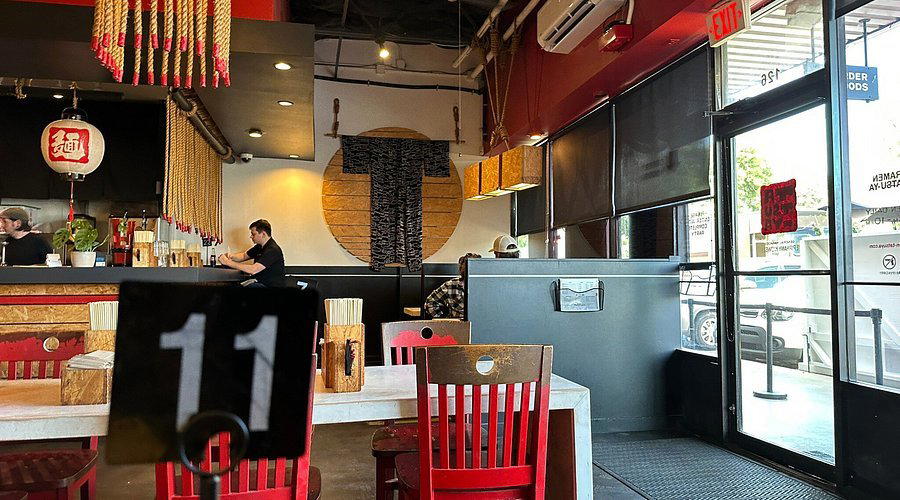
Ramen Tastuya on Research Boulevard operates at the practical end of Austin's Japanese food scene, where the bowl rather than the setting is the point. Recommended by Opinionated About Dining's Cheap Eats in North America list (2023), and carrying, it occupies the strip-mall tier that Austin's serious cheap-eats culture has long relied upon.

Pearl is the En Primeur Club membership app, where members save venues, book tables and use the concierge.
The menu
What to order
- Tonkotsu Original
- Mi-So-Hot
- Veggie Ramen
Broth, Strip Mall, and the Architecture of a Good Bowl
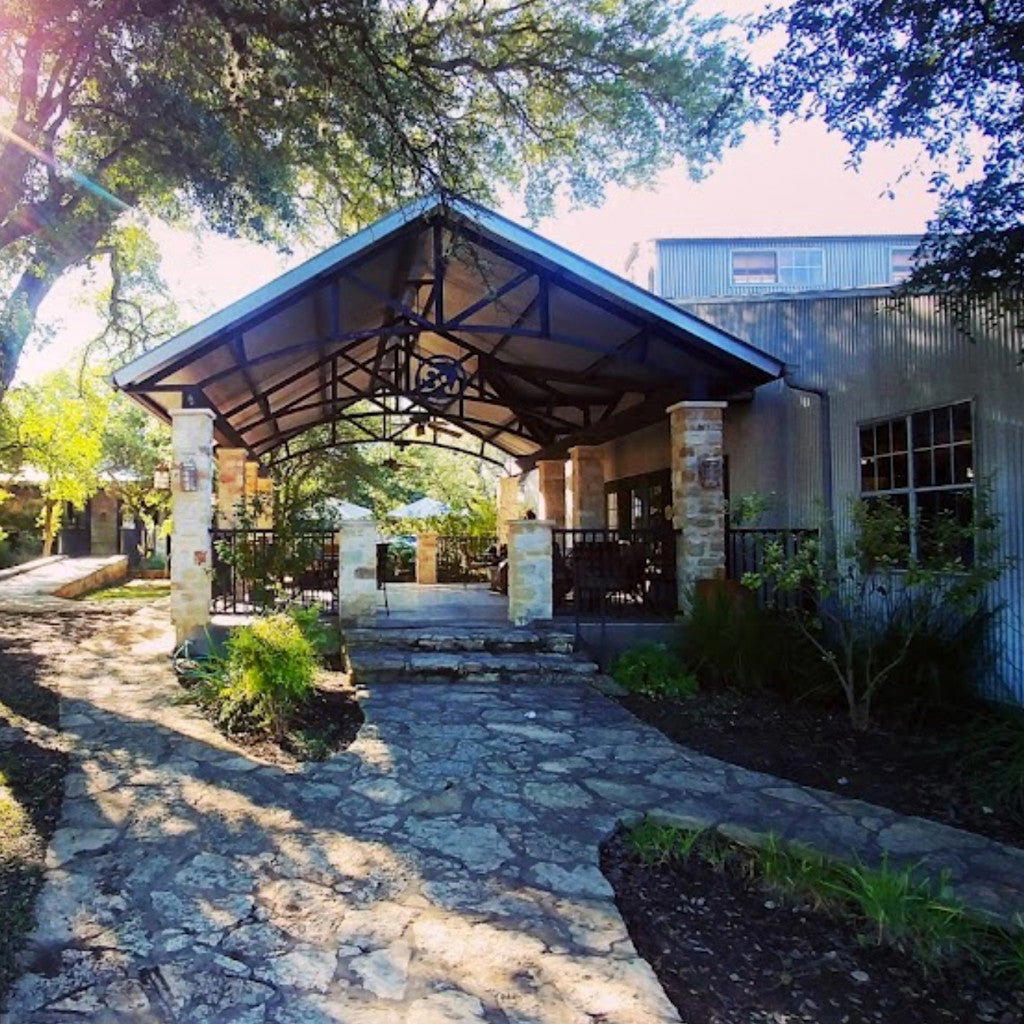
Research Boulevard in North Austin is not a dining destination in any conventional sense. The corridor runs through a stretch of the city that functions rather than performs: auto shops, apartment complexes, nail salons, and the kind of strip-mall storefronts that Austin has always used as incubators for food worth seeking out. Ramen Tastuya occupies that register. The address at 8557 Research Boulevard places it in a zone where the bowl does the talking and the surroundings make no competing argument. That dynamic, a serious product inside deliberately unassuming surroundings, is not accidental in Japanese ramen culture. The leading tonkotsu and shoyu counters in Fukuoka and Tokyo have long operated on the same logic: the broth is the theater.
Where Ramen Stands in Austin's Food Economy
Austin's restaurant identity has been constructed largely around two poles: the slow-smoke barbecue tradition, represented by operations like la Barbecue and InterStellar BBQ, and a newer wave of chef-driven American cooking at places like Hestia and Barley Swine. Japanese food occupies a smaller but increasingly defined lane. Craft Omakase anchors the premium end of that lane. Ramen Tastuya anchors the other end, where volume, consistency, and price discipline matter more than tableside ceremony.
That positioning is not a concession. In Japan, ramen is a craft discipline with its own internal hierarchy, regional variation, and specialist culture. The ramen-ya model, a focused operation built around one or two styles executed at high repetition, has produced some of the most technically demanding food in the world. Operators like Tatsu Aikawa and Takuya Matsumoto bring that tradition to a city where the form is still finding its footing. The Opinionated About Dining recognition on the Cheap Eats in North America list (2023) signals that Ramen Tastuya is being evaluated within that specialist frame, not against the broader Austin dining field.
The Cultural Weight Behind the Bowl
Ramen's emergence as a serious export cuisine is relatively recent. For most of the postwar period, it read as workingman's food in Japan and novelty instant food everywhere else. The shift began when a handful of Tokyo and Sapporo operators started applying French and Spanish technique to broth construction, and food media caught up with what regional ramen culture in Hokkaido, Kyushu, and Aichi had always known: that a bowl of ramen, properly made, requires as much technical precision as anything on a tasting menu at Alinea or The French Laundry.
The variables are substantial: broth base (tonkotsu, shoyu, shio, miso), fat content, tare concentration, noodle hydration and cut, and topping balance. Each element interacts with the others, and getting the proportions right at scale is where most ramen operations either hold up or fall apart. Operations in cities like Portland, where Afuri Ramen has transplanted the yuzu-shio tradition from its Tokyo original, have demonstrated that the form travels when the technical discipline travels with it. The question in any American city is whether the bowl reflects that discipline or approximates it.
At that scale of responses, the rating reflects consistent execution rather than a cluster of enthusiastic early visits. The ceiling at the cheap-eats tier is never going to read like dinner at Le Bernardin, but that misframes the comparison entirely.
Ramen Tastuya in the Cheap-Eats Tradition
Opinionated About Dining's Cheap Eats list applies the same critical methodology to budget-tier operations that its main list applies to fine dining. Inclusion in the 2023 North America edition places Ramen Tastuya in a cohort of operations selected on culinary merit, not on atmosphere, service polish, or price-to-ambiance ratios. That framing matters in a city where the dining conversation is often dominated by larger names. Austin's serious cheap-eats culture has historically operated in exactly these strip-mall and low-overhead formats, in the same way that Emeril's in New Orleans or Lazy Bear in San Francisco operate in their respective premium tiers: known quantity, consistent delivery, return visits justified on merit.
The Research Boulevard address also has a practical logic. North Austin's population density, proximity to the Domain, and concentration of tech-sector workers who have lived in or near Japanese cities creates a more informed customer base for this kind of food than the tourist-heavy corridors of South Congress or East Sixth Street. That geography shapes expectation levels and, by extension, what operators have to deliver to retain regulars.
Planning a Visit
Ramen Tastuya sits at 8557 Research Boulevard, in a strip-mall format typical of North Austin's working-food corridor. Arriving outside the midpoint of a service period, or early when doors open, typically means shorter waits at this tier of operation. For anyone building a broader Austin itinerary, the full Austin restaurants guide maps the city's dining field across price tiers and cuisines. The Austin hotels guide, bars guide, wineries guide, and experiences guide cover the rest of the city's infrastructure for visitors spending more than a day. The ramen bowl here is positioned at the cheap-eats price point; relative to Single Thread Farm in Healdsburg or a multi-course evening at Barley Swine, the financial commitment is negligible. What is not negligible is the gap between a bowl made with this kind of technical seriousness and the average at comparable price points across the city.
Frequently asked questions
What do regulars order at Ramen Tastuya?
In Japanese ramen culture generally, the benchmark order at any new counter is the house tonkotsu or shoyu, which reveals the most about the kitchen's broth approach.
Should I book Ramen Tastuya in advance?
Traditional ramen-ya culture in Japan operates on a walk-in basis, and most American ramen operations in the cheap-eats tier follow the same model. Arriving at opening or during off-peak mid-week hours is the practical approach for anyone on a tight schedule in Austin.
Reputation Context
Comparable venues nearby, for context on price, style, and recognition.
| Venue | Cuisine | Price | Awards | Notes |
|---|---|---|---|---|
| Ramen TastuyaThis venue (the venue you are viewing) | Tonkotsu Ramen | $10–20 | Not listed | Not listed |
| Nori | Plant-based Japanese Sushi | $30–50 | Not listed | University of Texas |
| Komé | Casual Japanese Sushi & Izakaya | $20–30 | Not listed | North Loop |
| Uroko | Japanese Temaki & Omakase | Not listed | James Beard Award Semi Finalist | Oak Springs |
| Neighborhood Sushi | Modern Japanese Sushi | $50–100 | Not listed | South River City |
| Flower Child | Healthy American Comfort Food | $20–30 | Not listed | North Burnet |
Recognition history
Dated appearances from independent guides and award organizations, with the underlying list record or original source where available.
Opinionated About Dining Cheap Eats in North America in Recommended
Opinionated About Dining
Continue exploring
More in Austin
Restaurants in Austin
All restaurants in Austin →
Bars in Austin
All bars in Austin →







Details
- Trendy
- Lively
- Modern
- Casual Hangout
- Group Dining
- Date Night
- Open Kitchen
- Sake Program
- A La Carte
- Sake Program
- Vegetarian Friendly
Current opening hours
- Monday
- 11 AM–10 PM
- Tuesday
- 11 AM–10 PM
- Wednesday
- 11 AM–10 PM
- Thursday
- 11 AM–10 PM
- Friday
- 11 AM–10 PM
- Saturday
- 11 AM–10 PM
- Sunday
- 12–10 PM
Hours can change for holidays and private events. Hours as of .
Casual and energetic with modern Japanese touches, communal tables, and a fun, bustling atmosphere.