
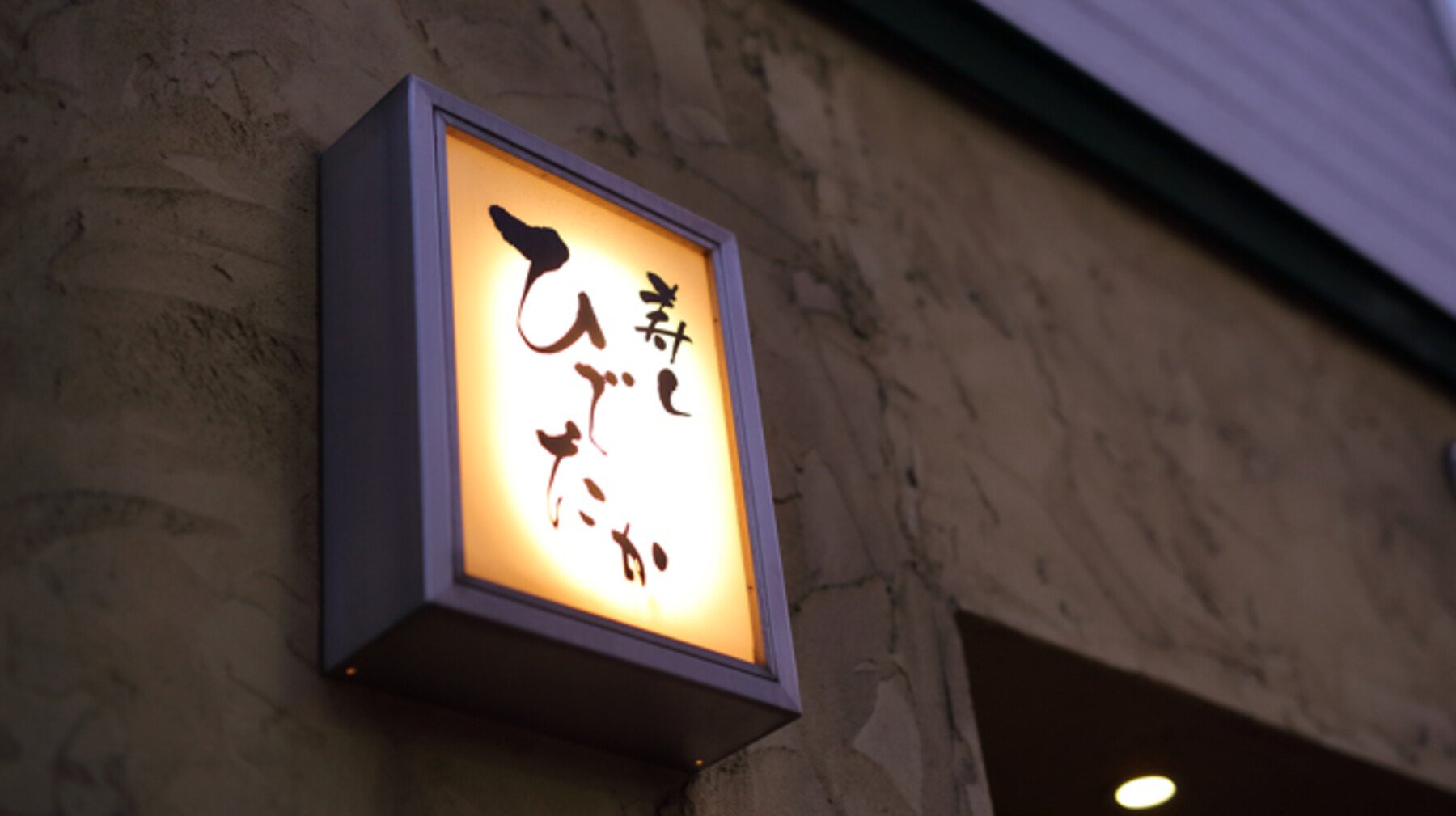
Ramen Shingetsu belongs to Sapporo’s late-night ramen culture in Susukino, where compact counter shops serve office workers, bar-goers, solo diners, and families in the same narrow room. Its Tabelog 100 Ramen HOKKAIDO selections in 2024 and 2025 place it among the city’s serious noodle addresses rather than a tourist-only stop.
Pearl is the En Primeur Club membership app — saves, bookings, and concierge access live there. Same editors, same standards.
- Address
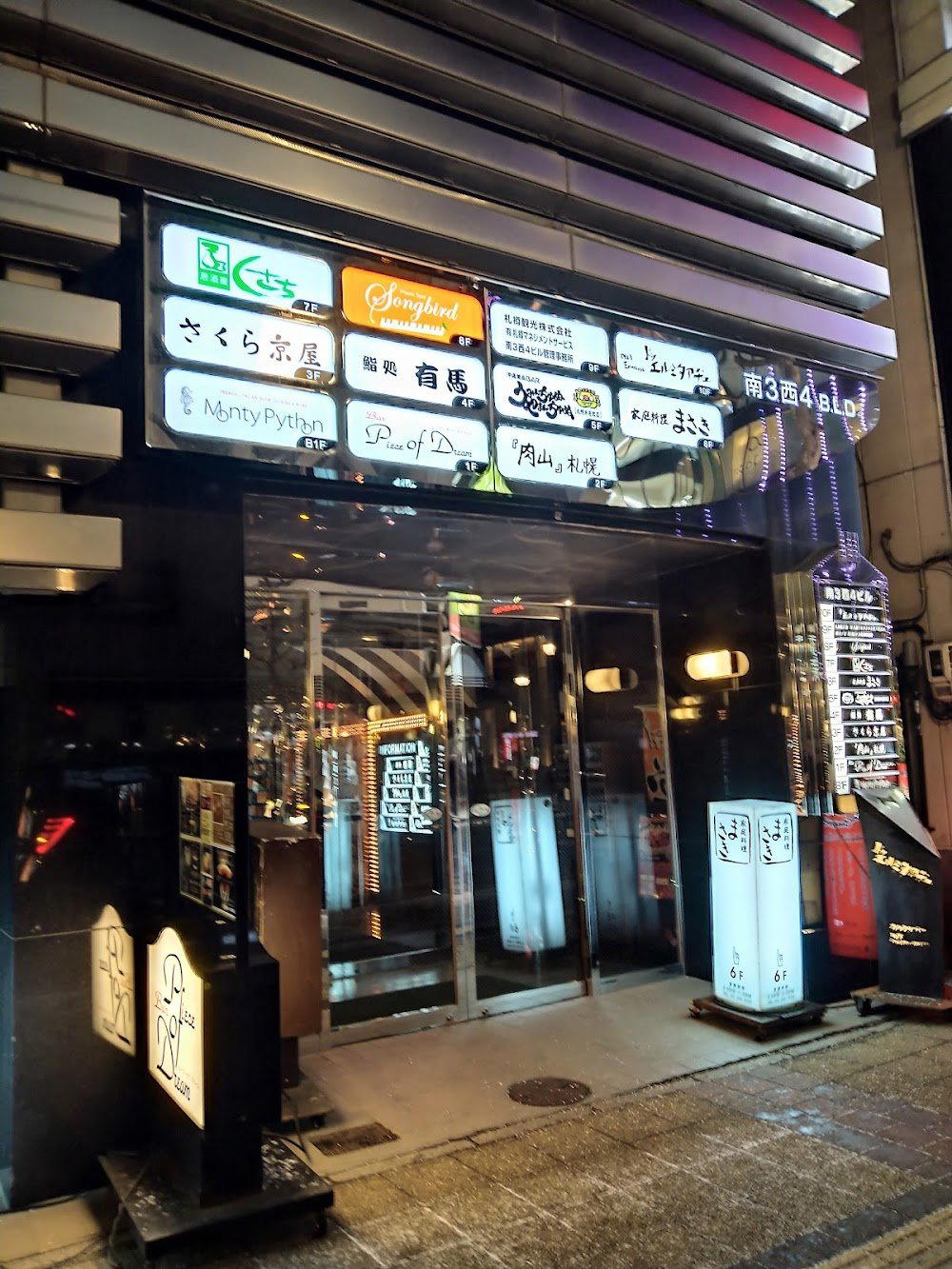
- 北海道札幌市中央区南5条西3丁目 N・グランデビル(旧・第4グリーンビル)1F
- Phone
- +81115334844
- Website
- tabelog.com
 Saves & bookings on Pearl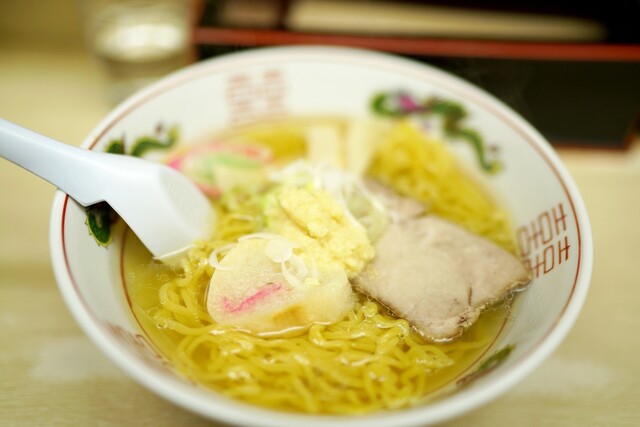
Susukino ramen is not a hushed dining ritual. It is fluorescent light on wet pavement, steam on glass, and counter seats turning with a nightlife district that eats after trains, drinks, and work. Ramen Shingetsu fits that Sapporo grammar: compact, counter-led, and built for the kind of bowl that makes sense in Hokkaido’s capital, where cold weather and dairy-country richness have long shaped the city’s ramen appetite.
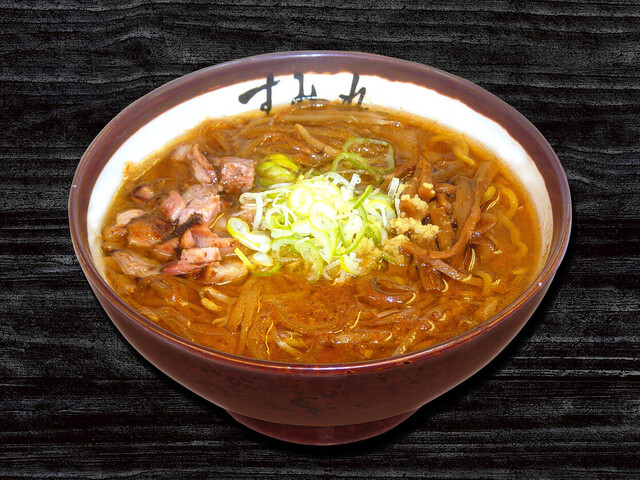
Sapporo ramen is often reduced to miso, but the scene is better read through supply and climate. Hokkaido’s agricultural base gives the city an unusual relationship with wheat, corn, butter, pork, and dairy, even when a shop avoids obvious tourist shorthand. The local conversation is about weight, heat, and stamina: broths that carry salt and fat, noodles with structure for serious soup, and portions priced for repeat eating rather than ceremony.
Susukino ramen works because the counter is the format
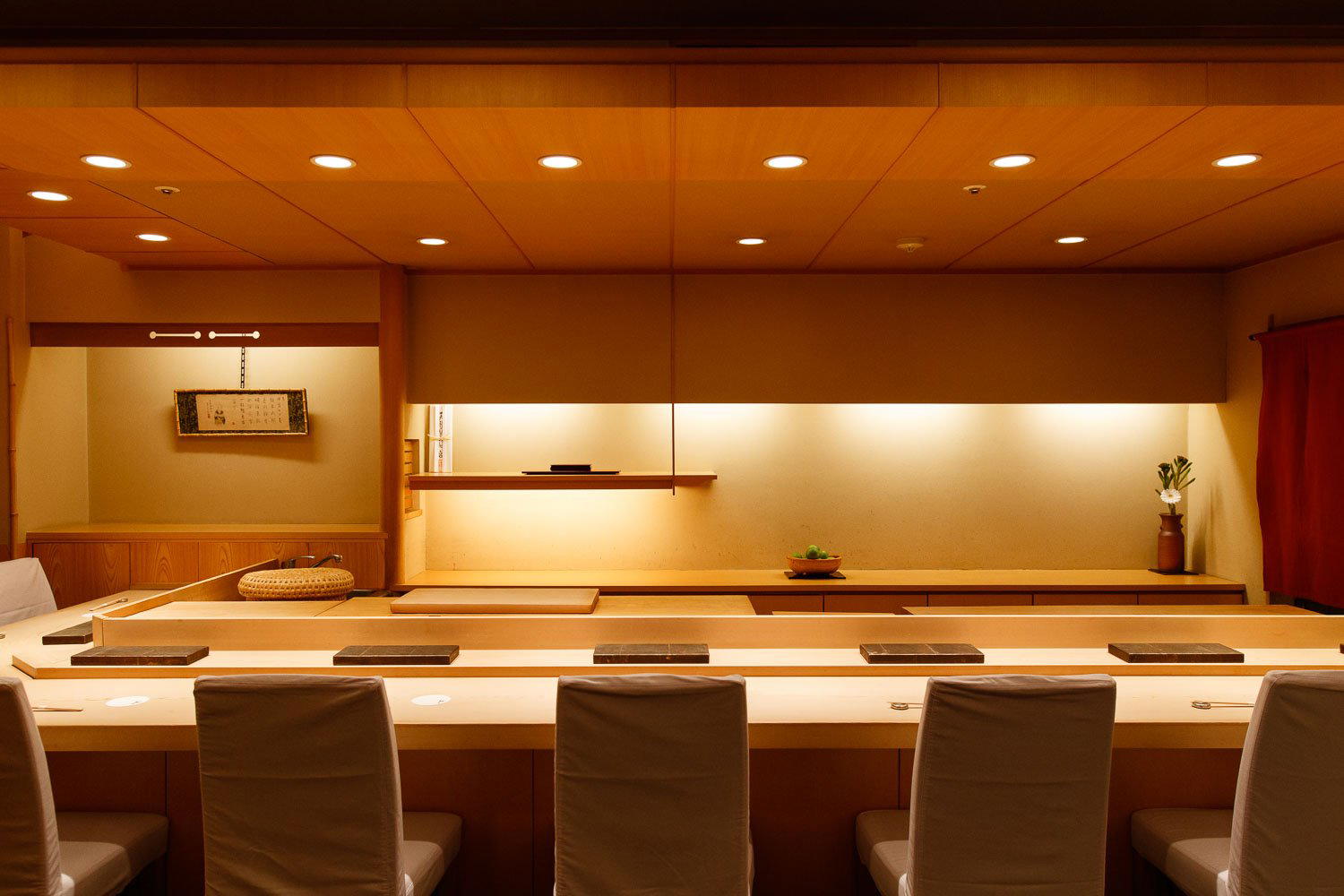
The counter matters because ramen here is often a decision made between other parts of the evening, not an occasion planned weeks ahead. Ten counter seats create a tight economy of attention: no private-room theatrics, no long-form tasting rhythm, no separation between kitchen pace and guest pace. The room’s scale keeps judgment close to the bowl, as much of Japan’s ramen culture intends.
That format changes the hierarchy of value. In Sapporo, a ramen counter can share the dining map with high-spend Japanese cuisine without competing on the same terms. Mieda occupies a far higher formal Japanese dining bracket; Fujiya NOODLE and other noodle specialists sit nearer the everyday end of serious eating. Ramen Shingetsu belongs to the latter conversation, where recognition is earned through repetition, local usage, and consistency rather than luxury signals.
The useful credential is category recognition, not imported glamour. Selection for Tabelog 100 Ramen HOKKAIDO in both 2024 and 2025 places the shop inside a dense, opinionated regional ramen field inseparable from local habit. Tabelog’s score of 3.65 adds another signal: not a vague “popular ramen” claim, but a shop clearing a meaningful threshold in a city where residents and domestic travellers constantly judge noodle houses.
Hokkaido sourcing is the quiet force behind the bowl
Ingredient sourcing in Sapporo rarely needs a manifesto. Hokkaido’s food reputation is already in the pantry: wheat from island fields, dairy from farms, seafood from cold northern waters, and vegetables travelling shorter distances than they would to Tokyo or Osaka. Ramen shops use that advantage differently. Some lean into butter-corn nostalgia, some chase seafood intensity, and some keep emphasis on broth balance and noodle texture. The city gives ramen cooks a more substantial raw-material base than the category’s casual price suggests.
That gives Sapporo ramen a different centre of gravity from Tokyo’s fast-moving trend cycle. Tokyo can make a cult of precision, scarcity, and chef-led micro-styles. Sapporo’s stronger tradition is durability: bowls that work in winter, counters that serve late, and seasoning calibrated for people who may have already eaten, drunk, or worked a full day before arriving. In that context, Shingetsu’s appeal is less novelty than fit: part of the district’s functional food culture, not an imported concept dressed for attention.
The shop’s family-friendly and solo-dining signals matter because ramen remains democratic even when lists attach prestige to it. A serious counter in Japan need not be exclusive to be worth seeking out. The sharper question is whether the format understands its neighbourhood. In Susukino, that means speed, clarity, late-evening usefulness, and enough discipline to remain among repeatable local choices.
How to place it within a Sapporo eating itinerary
For travellers building a Sapporo food run, ramen should not be a single checkbox. The city’s range is broader than one bowl after a beer. A sharper itinerary might pair a Susukino ramen counter with curry specialist addresses such as [Curry Senmon Ten] Maruyama Kyoju., North Indian-style local institutions such as Ajanta Indo Curry Ten or Ajanta Sohonke, and Sichuan-leaning noodle heat at 175°DENO Tantanmen Sapporo kitaguchi ten. For a different Hokkaido food logic, Aigues Vives points to the region’s bread and coastal-larder conversation.
The comparison with other Susukino ramen addresses is more useful than a citywide hierarchy. Sapporo Ramen Kifu Susukino ten and Ganso Sapporo Ramen Mogura sit in the low-cost ramen band, while Fujiya NOODLE occupies a similar casual-spend noodle bracket. Shingetsu’s recognition makes it the more list-validated choice in that informal field, but the better reason to go is its alignment with place: a small counter in the nightlife core, serving the city’s defining comfort food where that food has cultural force.
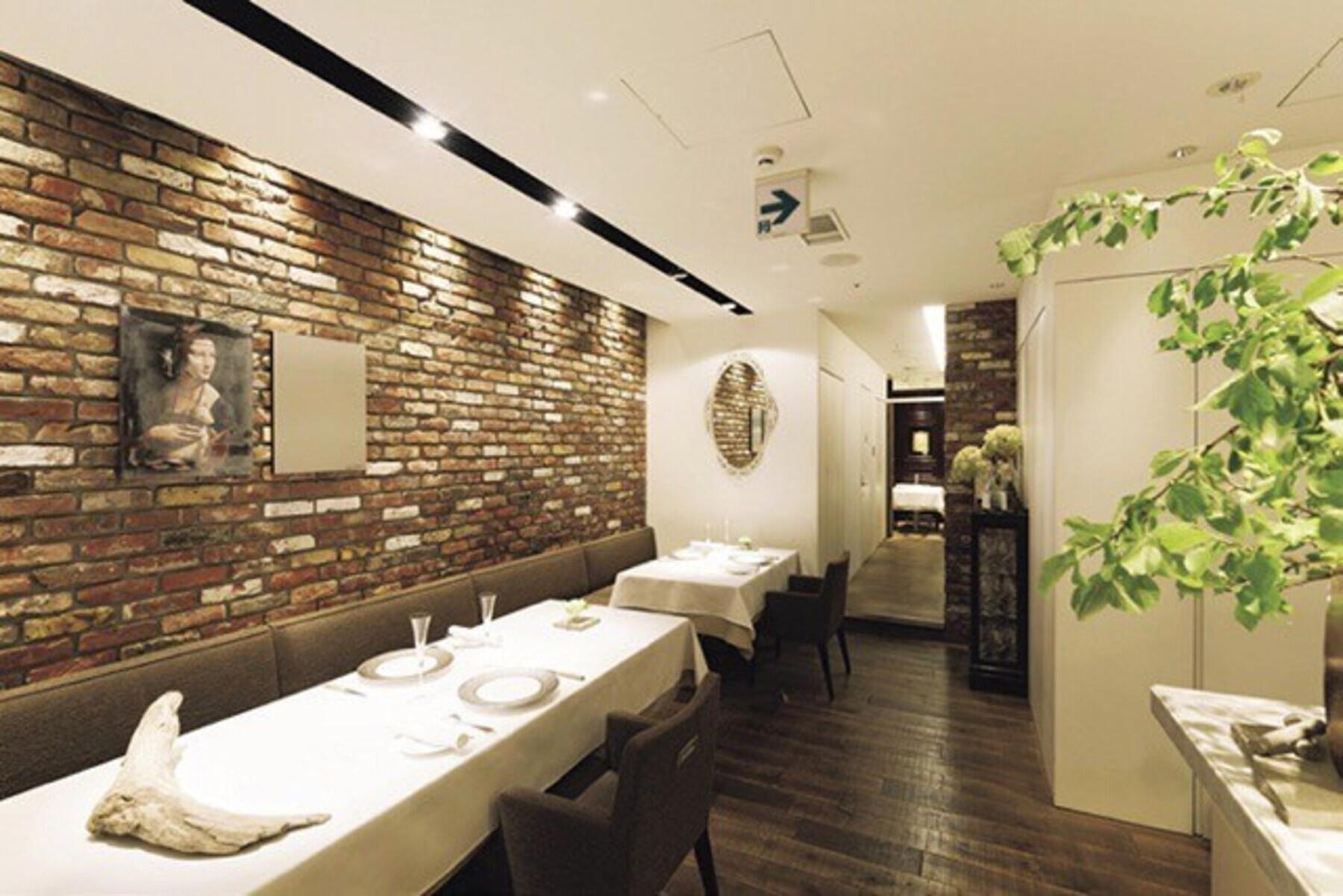
Planning should stay practical. This is not a long-table restaurant for drawn-out group dining, and the absence of reservations keeps the experience closer to ordinary ramen culture than destination fine dining. Cash is the cleanest assumption in small Japanese noodle shops, and counter-only seating rewards smaller parties. The nearest station context makes it easy to fold into a Susukino evening, but the smarter move is to treat it as part of a district crawl rather than the single meal carrying a full trip.
Readers mapping beyond ramen can use Our full Sapporo restaurants guide for dining, Our full Sapporo hotels guide for where to stay, Our full Sapporo bars guide for late drinking, Our full Sapporo wineries guide for wine context, and Our full Sapporo experiences guide for the rest of the itinerary.
For broader Japan planning, EP Club’s restaurant map also spans regional and international Japanese dining references, from -Grilled beef Sukiyaki- KAMAKURA TANUKIAN 鎌倉 たぬき庵 in Kamakura and. 鮪と炭火焼き うお炭 秋葉原店 in Tokyo to.cafe in Osaka.know in Kumamoto, (Shoku) Vietnam in Kawasaki, [ki:] in Kyoto, Jōdo Saké Bar in Los Angeles, and Onigiri Time in Pasadena.
At-a-Glance Comparison
Comparable venues to calibrate price, style, and recognition.
| Venue | Cuisine | Price | Notes |
|---|---|---|---|
| Ramen ShingetsuThis venue — the venue you are viewing | Traditional Sapporo Ramen Shop | $ | Not listed |
| Aji no Sanpei | Historic Sapporo miso ramen shop | $ | Chūō |
| Ise no Jo Kikusui honten | Ramen & Gyoza Shop | $ | Shiroishi |
| Menya Ozawa | Hokkaido Ramen | $ | Shiroishi |
| Chuka Soba Usagi | Japanese Ramen | $ | Kita |
| Mendokoro Kyu | Sapporo miso ramen shop | $ | Toyohira |
Recognition history
Dated appearances from independent guides and award organizations, with the underlying list record or original source where available.
Tabelog 100 #87 · No. 87
Tabelog · Tabelog 100 - Ramen - HOKKAIDO - 2025

At a Glance
- Cozy
- Lively
- Classic
- Solo
- Late Night
- Casual Hangout
- Chefs Counter
- Standalone