
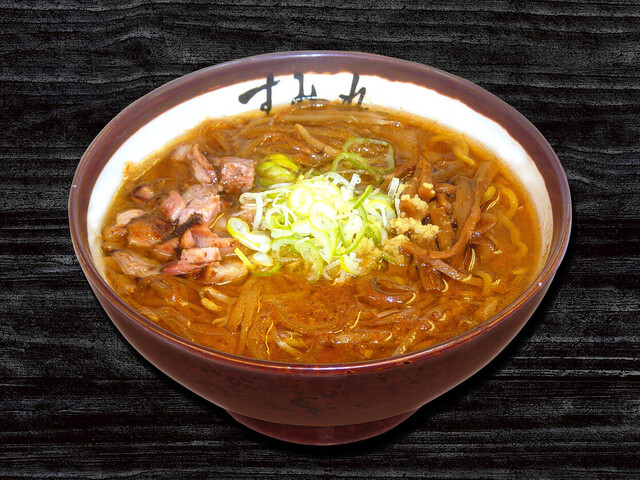
Ise no Jo Kikusui honten is an eight-seat, counter-only ramen shop in Sapporo’s Kikusui area, selected for Tabelog Ramen HOKKAIDO 100 in both 2024 and 2025. Its appeal sits in a disciplined, low-price ramen format: no reservations, no private rooms, no card payments, and a compact service model built for solo diners, families, and take-out.
Pearl is the En Primeur Club membership app — saves, bookings, and concierge access live there. Same editors, same standards.
- Address
- 北海道札幌市白石区菊水一条1-3-2 菊水会館 1F
- Phone
- +81118326870
- Website
- tabelog.com
 Saves & bookings on Pearl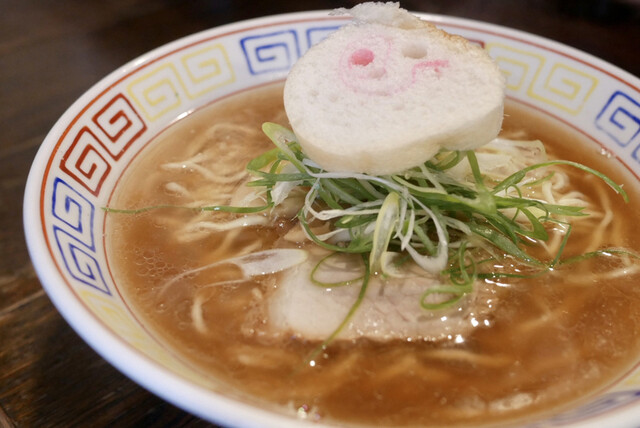
Approaching a small ramen counter in Sapporo is rarely about theatre. The cues are practical: a narrow frontage, counter seats, a short service window, and the quiet arithmetic of whether the line will move before the soup runs out. In Kikusui, that stripped-back format matters because Hokkaido ramen is often discussed through the bigger names of central Sapporo, while neighbourhood shops carry much of the city’s day-to-day noodle culture.
Ise no Jo Kikusui honten belongs to that smaller, sharper category. The room runs on eight counter seats, with ramen and dumplings rather than a broad izakaya-style menu, and its price band sits below JPY 999. That puts it in a different decision set from Sapporo’s higher-spend curry and spice rooms such as CAN CUN or Chaos Heaven Sapporo ten, both listed in the JPY 1,000 to JPY 1,999 bracket, while keeping it closer to low-price ramen peers such as Wadashi Ramen Umekichi and Chuka Soba California.
Why a tiny Kikusui counter carries weight in Sapporo ramen
Critical reputation changes the way a modest ramen shop reads. Selection for Tabelog Ramen HOKKAIDO 100 in 2024 and 2025 places the counter inside a curated regional conversation rather than the casual sprawl of everyday noodle listings. That distinction is useful in Sapporo, where ramen is not a single style but a set of local preferences shaped by cold weather, miso culture, pork and seafood broths, and the city’s habit of treating ramen as both lunch staple and late-day repair.
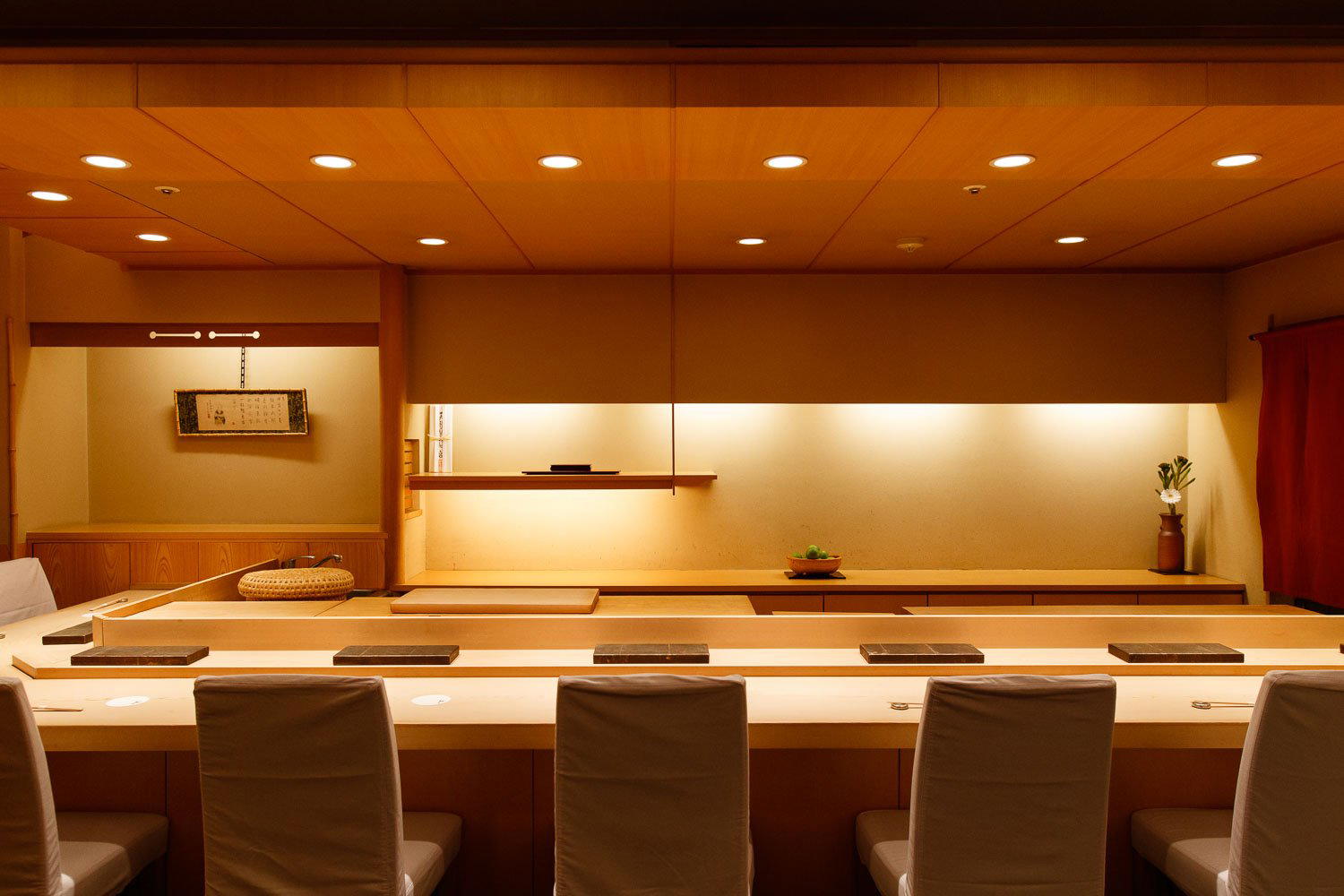
The format also says something about confidence. Eight counter seats leave little room for distraction: the cooking, the handover, the pace of eating, and the turn of the queue are the experience. Counter-only ramen can feel severe to travellers used to lingering meals, but in Japan it is often the point. A small shop does not need a long menu or a dining room narrative when the bowl is expected to carry the argument.
That reputation should be read with precision. Tabelog’s Hyakumeiten lists are selection-based, not Michelin stars, and they reward strong category performance within a region. For travellers, that makes the signal especially practical: this is a ramen address that has gained enough local and user attention to appear among Hokkaido’s selected ramen shops, while keeping the economics of an everyday meal.
The appeal is discipline, not luxury theatre
Sapporo dining can swing from polished hotel restaurants to specialist counters where the meal is short, focused, and cash-led. This counter sits firmly in the latter camp. Reservations are unavailable, private rooms are unavailable, and the payment setup is old-school: credit cards, electronic money, and QR code payments are not accepted. That may sound inconvenient, but it keeps the exchange close to the ramen-shop norm: arrive, wait if necessary, eat with pace, pay simply, leave the seat for the next diner.
For a visitor building a food day around Sapporo, the low price point is part of the editorial case. It leaves room for contrast: ramen in Kikusui, soup curry elsewhere, a bar later in the evening. The internal map of Sapporo’s dining scene becomes clearer when a traveller compares this kind of small, recognised ramen counter with spice-focused addresses such as 175°DENO Tantanmen Sapporo kitaguchi ten, curry specialists including [Curry Senmon Ten] Maruyama Kyoju., Ajanta Indo Curry Ten, and Ajanta Sohonke, or bakery-led detours such as Aigues Vives.
The family-friendly and solo-dining signals are also telling. Many serious ramen counters are not hostile to children, but the compact format requires realistic expectations: counter seating, limited space, and a meal rhythm built around bowls rather than lingering. For solo diners, the setup is almost ideal. Japan’s ramen culture has long made single-seat dining feel normal rather than apologetic, and Sapporo is particularly easy for travellers who prefer meals without ceremony.
How to fold it into a Sapporo food itinerary
Kikusui sits outside the heaviest tourist gravity of central Sapporo, which gives the meal a useful neighbourhood counterpoint. The address is near Kikusui Station on the Tozai Line, and that subway connection makes the stop more manageable than it first appears on a city map. The restaurant’s listed hours are concentrated around daytime service, with weekend and public-holiday mornings beginning earlier than weekday openings, so this is better treated as a ramen-focused meal stop than a late-night backup plan.
There is no parking, and the notes around no-parking cones in front of the shop should be taken seriously. In practice, subway access is the cleaner choice. The counter is non-smoking, take-out is available, and souvenir ramen is listed, which gives travellers a practical way to carry the address beyond the meal without turning the visit into a long sit-down event.
For broader planning, use the city rather than the venue as the frame. Start with Our full Sapporo restaurants guide for the food map, then layer in Our full Sapporo hotels guide, Our full Sapporo bars guide, Our full Sapporo wineries guide, and Our full Sapporo experiences guide. Travellers extending the Japan food route can also compare different city formats through -Grilled beef Sukiyaki- KAMAKURA TANUKIAN 鎌倉 たぬき庵 in Kamakura. 鮪と炭火焼き うお炭 秋葉原店 in Tokyo.cafe in Osaka.know in Kumamoto, (Shoku) Vietnam in Kawasaki, and [ki:] in Kyoto; outside Japan, the contrast sharpens further at Jōdo Saké Bar in Los Angeles and Onigiri Time in Pasadena.
The verdict is simple: this is not a luxury reservation trophy. It is a compact, recognised Sapporo ramen counter whose awards signal, low price, and eight-seat format make it a sharp read on Hokkaido’s everyday noodle culture.
Cost and Credentials
Comparable venues to calibrate price, style, and recognition.
| Venue | Cuisine | Price | Notes |
|---|---|---|---|
| Ise no Jo Kikusui hontenThis venue — the venue you are viewing | Shiroishi, Ramen & Gyoza Shop | $ | Not listed |
| Hot Spice Shop Hood Dog | Chūō, Soup curry and hot dog diner | $ | Not listed |
| Chuka Soba California | Not listed | $ | Shiroishi, Tokyo/Hachioji-style ramen |
| THIRTY FOUR | Toyohira, Soup curry restaurant | $ | Not listed |
| Go Maru Do | Chūō, Japanese Soup Curry | $ | Not listed |
| Garyu Menbu Hien | Not listed | $ | Toyohira, Sapporo chicken & seafood ramen |
Recognition history
Dated appearances from independent guides and award organizations, with the underlying list record or original source where available.
Tabelog 100 #79 · No. 79
Tabelog · Tabelog 100 - Ramen - HOKKAIDO - 2025
At a Glance
- Cozy
- Intimate
- Solo
- Family
- Casual Hangout
- After Work
- Standalone
Simple, no-frills counter ramen shop with just eight seats and a casual, lively atmosphere, focused on quick, comforting bowls rather than decor.