
Ramen Sapporo Ichiryuan sits in Sapporo’s station-area ramen circuit, a compact 14-seat operation recognized in Tabelog 100 - Ramen - HOKKAIDO - 2025. Its reputation is tied to miso ramen, garlic dishes, dumplings, and a format that suits the city’s quick, deliberate ramen ritual rather than a long-form dining occasion.
Pearl is the En Primeur Club membership app — saves, bookings, and concierge access live there. Same editors, same standards.
- Address
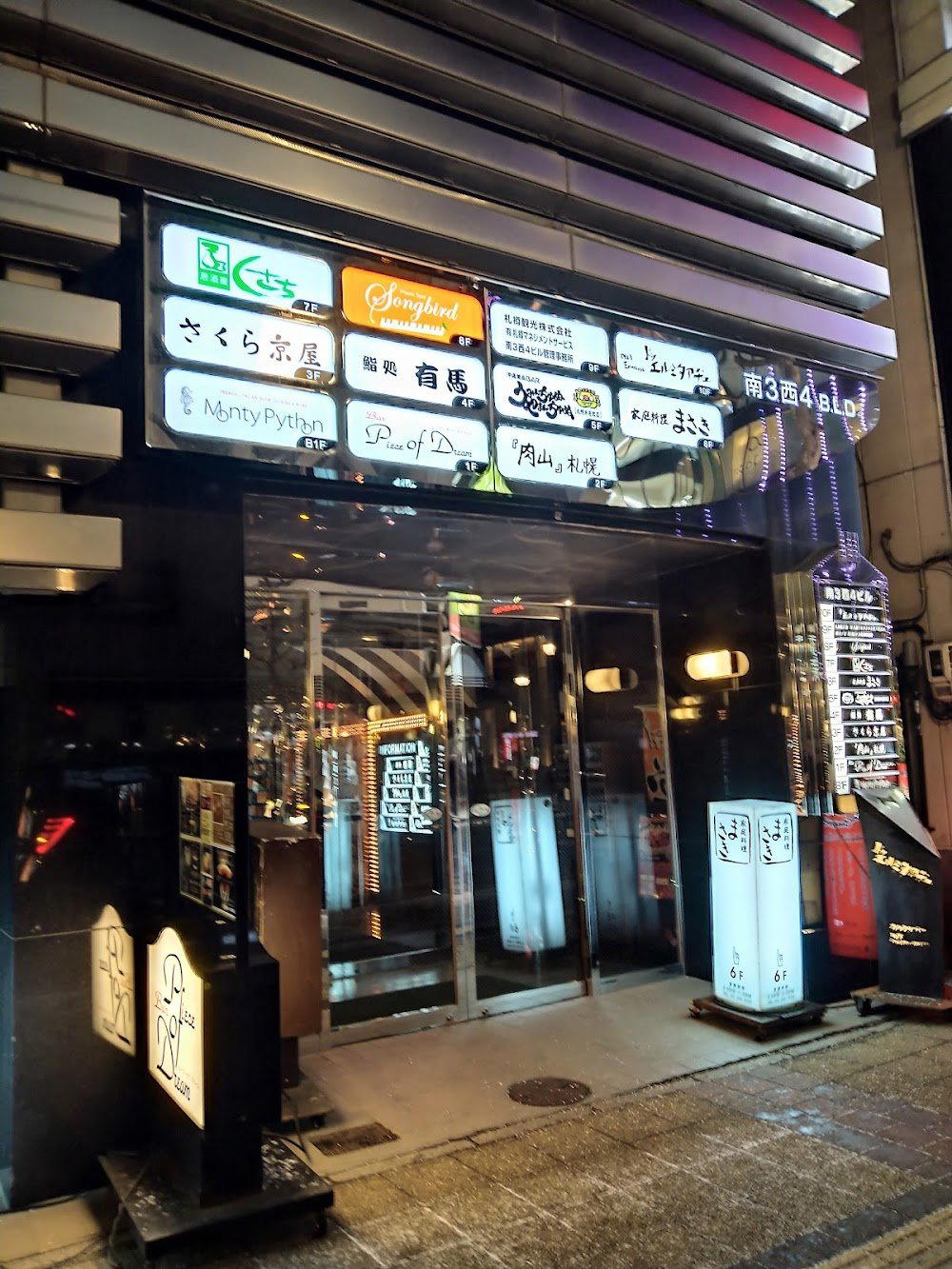
- Japan, 〒060-0004 Hokkaido, Sapporo, Chuo Ward, Kita 4 Jonishi, 1 Chome−1番 ホクレンビル 地下1階
- Phone
- +81 11-219-3199
- Website
- ichiryuan.com
 Saves & bookings on Pearl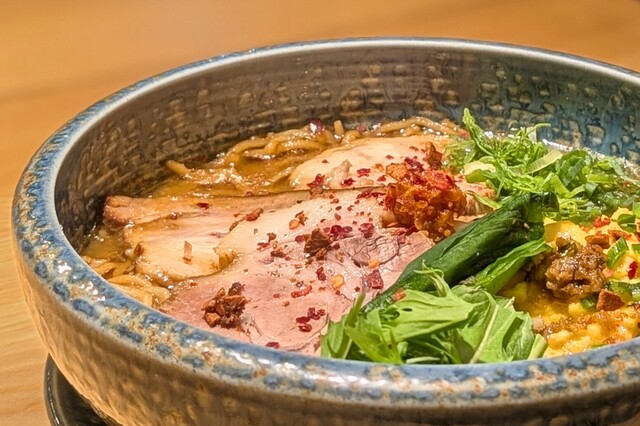
The approach is pure Sapporo station dining: underground corridors, office workers moving with purpose, and a ramen room built for a short, focused meal rather than lingering ceremony. In Hokkaido, ramen is not a casual afterthought. It is a local grammar of heat, fat, miso, wheat, and speed, shaped by cold weather and by a city that treats a bowl as both lunch break and late-evening reset.
Ramen Sapporo Ichiryuan belongs to that grammar, but with enough structure around the experience to separate it from a purely walk-in-and-hope ramen stop. The room runs small, with counter seats and table seating rather than a sprawling dining hall, so the meal follows the usual ramen rhythm: decide quickly, eat while the bowl is at its intended temperature, and let the next party take the seat. That pacing is part of the culture, not a lack of hospitality.
Miso ramen as a Sapporo dining ritual
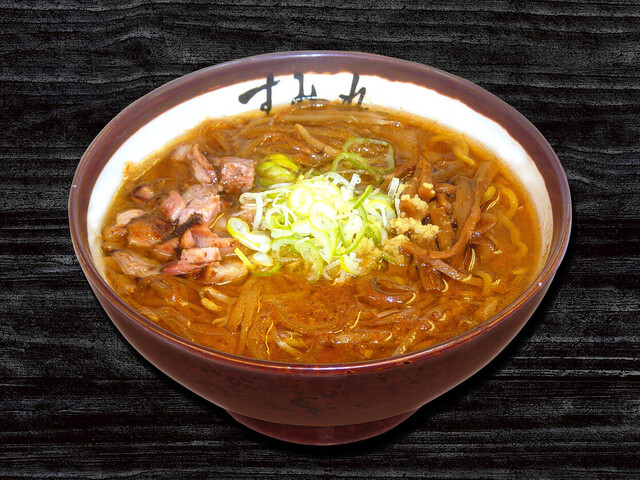
Sapporo’s ramen identity remains closely tied to miso, a postwar style that became a northern answer to harsher winters and richer appetites. The city’s ramen shops often compete on broth weight, noodle chew, and toppings, but the better station-area addresses also solve a practical problem: they feed travelers and locals without turning the meal into theatre. Here, the emphasis sits on ramen, dumplings, and garlic dishes, with the house pointing diners toward an energizing miso ramen built around cooked garlic and Hokkaido produce.
That matters because garlic in Sapporo ramen is not merely a punchline ingredient. Used carefully, it gives miso broth a deeper savory register without turning the bowl into blunt force. The menu also signals a broader local shift: ramen shops in Hokkaido increasingly have to speak to dietary needs and multilingual visitors without losing the directness of the form. Vegetarian, vegan, halal, allergy information, photo menus, digital menus, and multilingual menus all sit within that more contemporary version of the ramen counter.
The award signal is also useful. Selection for Tabelog 100 - Ramen - HOKKAIDO - 2025 places the shop inside a competitive Hokkaido ramen field rather than merely within the convenience economy around the station. A Tabelog score of 3.60 is not the language of luxury dining, but ramen evaluation in Japan tends to reward consistency, local loyalty, and repeatability. In that context, a recognized 14-seat ramen shop near Sapporo Station is competing on execution and reliability, not spectacle.
Where it sits in the Sapporo station food map
The station area compresses several Sapporo dining moods into a few blocks: quick ramen, soup curry, hotel dining, department-store food floors, and expense-account rooms. That makes this kind of ramen counter a useful anchor. Compared with Soup Curry Okushiba Shoten Ekimae souseiji and Picante Sapporo ekimae ten, which sit in the city’s soup-curry lane, ramen offers a more compact ritual and a shorter table cycle. Compared with Teppanyaki Ishikari, it occupies a different tier entirely: not performance dining, not a long reservation meal, but a precise bowl in a tightly managed room.
Format rewards diners who understand ramen etiquette. Order decisively, avoid treating the counter like a café table, and do not expect a long gap between seating and eating. The limited daily production also changes the calculus: ramen shops with fixed output are better approached as early-meal targets, especially when a specific bowl is the reason for going. The point is not scarcity for its own sake. It is that broth, noodles, and service rhythm are all calibrated around a finite service.
For travelers building a Sapporo food itinerary, this is the kind of address that works between larger commitments. It can sit before a night of drinking, after a rail arrival, or as a focused lunch before moving into the city’s broader Hokkaido cooking. The adjacent tap-room note, with beer, gyoza, and Hokkaido wine mentioned in the venue’s own materials, also reflects a wider trend in Japan: casual ramen and dumpling formats borrowing a little from bar culture without becoming full restaurants in disguise.
Planning the meal without overcomplicating it
This is not the setting for a slow celebratory dinner with coats, courses, and an extended wine conversation, even though the service details are unusually broad for a ramen shop. It is better read as a high-functioning ramen stop with small-room constraints, recognized regional standing, and enough visitor-facing infrastructure to make it less intimidating than many Japanese counters. Non-smoking service, card and cashless payment options, and multilingual support all reduce friction, while the stroller restriction makes the room less suited to families with young children.
The editorial call is simple: choose it when the goal is Sapporo ramen with award recognition and a disciplined station-area format. Travelers seeking a long evening should look elsewhere in the city’s dining range; travelers trying to understand how Sapporo eats on a cold day will learn more from a bowl here than from another generic hotel meal.
For wider planning, start with Our full Sapporo restaurants guide, then compare nearby and category-adjacent options including 175°DENO Tantanmen Sapporo kitaguchi ten, [Curry Senmon Ten] Maruyama Kyoju., Aigues Vives, Ajanta Indo Curry Ten, and Ajanta Sohonke. City planning can extend through Our full Sapporo hotels guide, Our full Sapporo bars guide, Our full Sapporo wineries guide, and Our full Sapporo experiences guide. For broader Japan and overseas dining context, see -Grilled beef Sukiyaki- KAMAKURA TANUKIAN 鎌倉 たぬき庵 in Kamakura. 鮪と炭火焼き うお炭 秋葉原店 in Tokyo.cafe in Osaka.know in Kumamoto, (Shoku) Vietnam in Kawasaki, [ki:] in Kyoto, Jōdo Saké Bar in Los Angeles, and Onigiri Time in Pasadena.
Cuisine and Awards Snapshot
Nearby venues at a similar price tier for orientation.
| Venue | Cuisine | Price | Notes |
|---|---|---|---|
| Ramen Sapporo IchiryuanThis venue — the venue you are viewing | Hokkaido miso ramen | $$ | Not listed |
| North Continent Machi No Naka | Hokkaido-sourced Hamburg Steak & Western Grill | $$ | Chūō |
| sapporo soup curry dip | Sapporo Soup Curry | $$ | Kita |
| European Curry KEN | European-style Japanese curry | $$ | Higashi |
| NOUILLES JAPONAISE Tokuichi | French-inspired Japanese ramen | $$ | Chūō |
| Hana Maru | Japanese Ramen | $$ | Kiyota |
Recognition history
Dated appearances from independent guides and award organizations, with the underlying list record or original source where available.
Tabelog 100 #88 · No. 88
Tabelog · Tabelog 100 - Ramen - HOKKAIDO - 2025

At a Glance
- Cozy
- Lively
- Intimate
- Solo
- Casual Hangout
- After Work
- Family
- Group Dining
- Standalone
- Beer Program
- Local Sourcing
Current opening hours
- Monday
- 11 AM–3 PM
- Tuesday
- Closed
- Wednesday
- 11 AM–2:30 PM, 5–9 PM
- Thursday
- 11 AM–3 PM, 5–9 PM
- Friday
- 11 AM–3 PM, 5–9 PM
- Saturday
- 11 AM–3 PM, 5–9 PM
- Sunday
- 11 AM–3:30 PM, 5–9 PM
Hours can change for holidays and private events. Last verified .
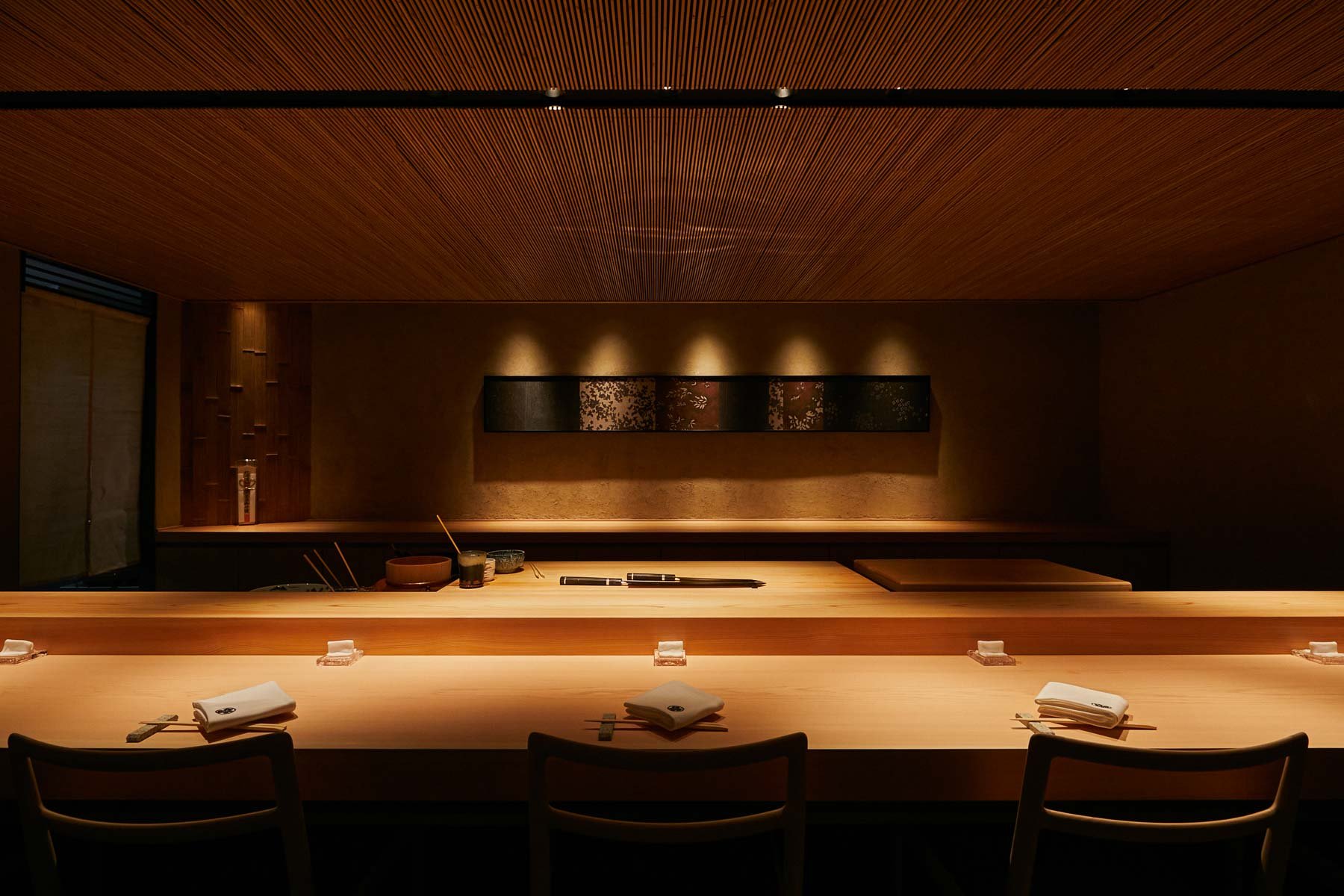
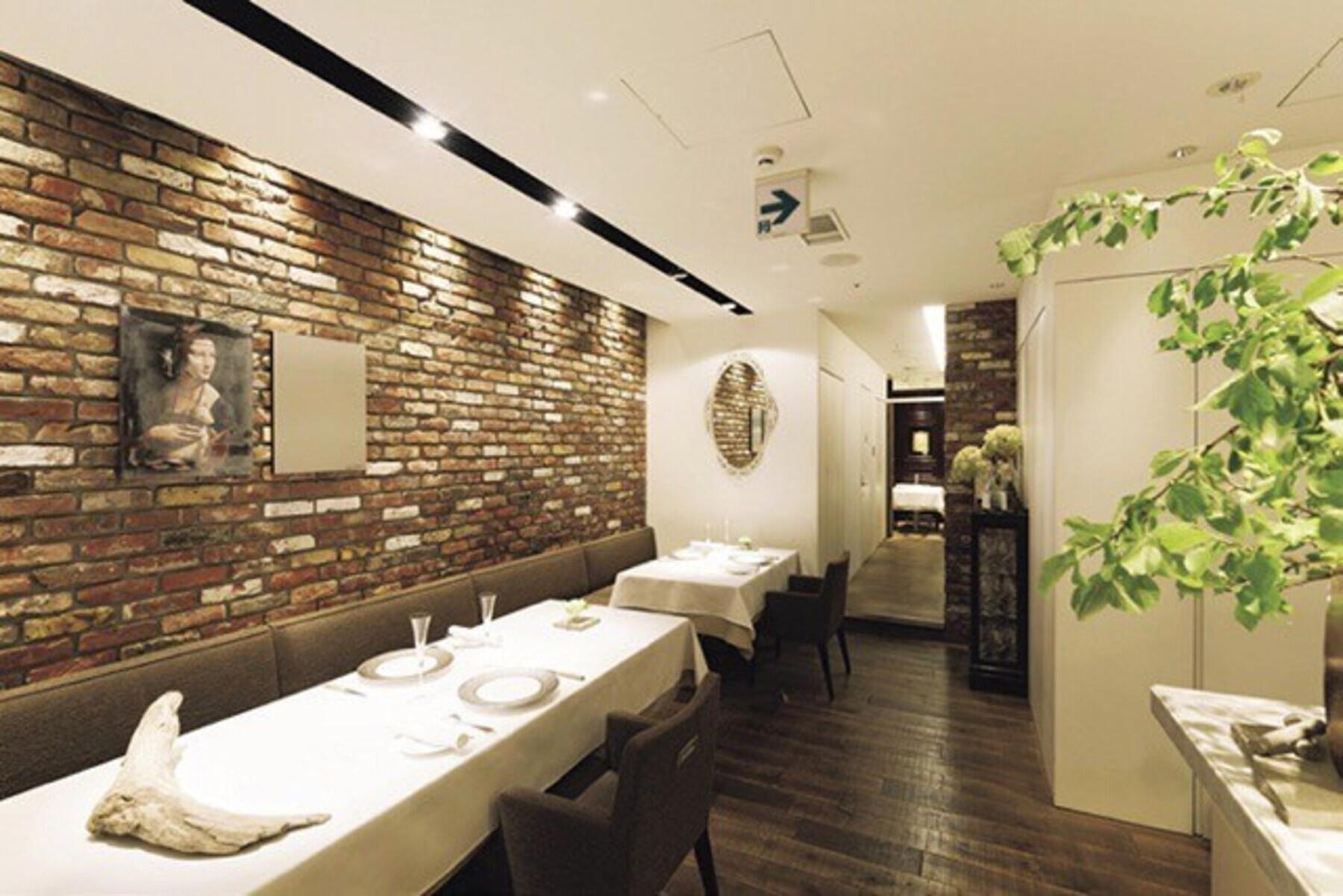
Small basement ramen shop with wood counters and solid wood tables, barrier-free layout, efficient turnover, and warm, friendly staff creating a welcoming, energetic yet relaxed atmosphere near Sapporo Station.