
Kasugai’s ramen scene rewards narrow formats and repeatable craft rather than theatrical dining. Ramen Asuka sits in that lane with counter seating, ramen and tsukemen, Tabelog 100 Ramen AICHI 2025 recognition, and a price band that keeps the focus on bowl-to-bowl consistency rather than ceremony.
Pearl is the En Primeur Club membership app — saves, bookings, and concierge access live there. Same editors, same standards.
- Address
- 愛知県春日井市御幸町3-4-6
- Website
- tabelog.com
 Saves & bookings on Pearl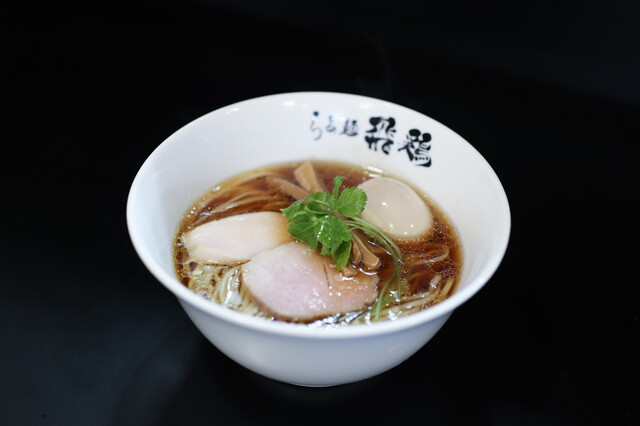
Approach the Kasugai ramen counter as a local rhythm rather than a destination ritual: a compact room, counter seats, quick turnover, and the quiet concentration that surrounds a bowl built for immediate eating. In Aichi, serious ramen does not need the vocabulary of luxury dining to signal intent. The cues are narrower: broth discipline, noodle texture, ordering flow, and whether a shop can hold regulars without expanding into something softer and less precise.
Ramen Asuka belongs to that compact category. The format is ramen and tsukemen, not a broad izakaya-style menu, and the room is built around 11 counter seats. That matters because ramen at this level is a timing cuisine. Noodles have a short window, dipping broth needs concentration rather than dilution, and the counter keeps the gap between kitchen and guest short. In a city where diners can move between everyday bowls and more formal Japanese dining, this is the end of the spectrum where sourcing and technique are compressed into a single serving rather than spread across courses.
Kasugai ramen is judged by broth discipline, not dining-room theatre
Aichi’s ramen culture sits outside the Tokyo attention machine, which makes its stronger shops easier to misread from a distance. The point is not maximal spectacle; it is whether a bowl can carry depth, salt, fat, and noodle structure with enough control to bring people back. Tabelog’s Ramen AICHI 2025 selection gives this address a useful external marker, and its 3.86 score places it in a serious local bracket without turning the meal into a rarefied tasting-menu event.
The ingredient-sourcing question in ramen is usually less visible than in sushi or tempura, but it is no less central. Broth depends on the quality and handling of base materials, noodles depend on flour choice and hydration, and tsukemen exposes weakness because the noodles are eaten with more direct attention. A counter shop working in ramen and dipping noodles has fewer places to hide than a restaurant with a long menu. That is why the narrow format reads as an editorial strength rather than a limitation.
Kasugai’s dining map also gives the meal context. A ramen counter such as Lightning Fire sits in the lower everyday price tier, while a local dining room such as Cheval Banc belongs to a different decision set entirely. The useful comparison is not which meal feels grander; it is what the diner is asking the city to provide. Ramen answers with speed, repetition, and craft under pressure. Formal dining answers with pacing and range.
A counter built for repeat diners and narrow decisions
The 11-seat counter is not a decorative detail. It shapes the experience: solo diners fit naturally, small groups need patience, and families can work when the children are school-age and comfortable with counter dining. Private rooms and private use are not part of the format, which keeps the shop aligned with ramen’s everyday grammar rather than occasion dining.
There is a practical sharpness to the operation. Reservations are unavailable, payment is cash-only, and smoking is prohibited, including around the storefront and parking area. The shared parking lot has 16 spaces, a useful detail in Kasugai, where serious ramen is not always clustered around the densest rail hubs. Hours are concentrated into lunch service from Wednesday through Sunday, with Monday and Tuesday closed, and operating updates are distributed through X. Those constraints are not inconveniences to be smoothed over; they are part of how small Japanese ramen shops protect consistency.
The city’s broader restaurant grid helps explain why this address matters. For a fuller local read, see our full Kasugai restaurants guide, with nearby dining references including hape, Haruki, and Menja Sugure. Travelers building a wider stay can cross-check our full Kasugai hotels guide, our full Kasugai bars guide, our full Kasugai wineries guide, and our full Kasugai experiences guide.
Where it fits in a Japan-wide eating itinerary
Ramen Asuka is better understood as a specialist stop than a prestige detour. The appeal is the concentration of a regional ramen address with long-running recognition, a counter-only room, and a price tier that keeps it accessible to regular local use. Since opening in 2013, the shop has accumulated repeated Tabelog Ramen selections across multiple years, including the AICHI list in 2025. That continuity is the trust signal: not novelty, not ceremony, but durable performance in a category where diners are quick to move on.
For travelers comparing formats across Japan, the contrast is instructive. A sukiyaki-focused meal such as -Grilled beef Sukiyaki- KAMAKURA TANUKIAN 鎌倉 たぬき庵 in Kamakura works through set pieces and product focus;. 鮪と炭火焼き うお炭 秋葉原店 in Tokyo signals a different urban appetite around tuna and charcoal;.cafe in Osaka.know in Kumamoto, (Shoku) Vietnam in Kawasaki, and [Curry Senmon Ten] Maruyama Kyoju. in Sapporo each sit in different casual-dining traditions. Outside Japan, Jōdo Saké Bar in Los Angeles and Onigiri Time in Pasadena show how Japanese formats translate abroad, often with a different relationship to pacing, price, and sourcing language.
The sharper recommendation is simple: choose this meal when the day calls for a focused ramen counter, not when it calls for a long, hosted restaurant experience. The evidence points to a shop that has earned attention through format discipline, category recognition, and local usefulness. In Kasugai, that combination carries more weight than decorative ambition.
At-a-Glance Comparison
Comparable venues by cuisine and price in the same metro.
| Venue | Cuisine | Price | Notes |
|---|---|---|---|
| Ramen Asuka | Ramen & Tsukemen Shop | $ | Ajima |
| Haruki | Traditional Japanese Ramen (Chuka Soba) | $ | .null |
| Lightning Fire | Ramen & Mazesoba Shop | $ | Kachigawa |
| Menja Sugure | Tsukemen and ramen shop | $ | Kasugai |
| Menno Haru | Ramen | $ | Kasugai |
| Ramen Kobou Arigataya | Ramen shop | $ | Kachigawa |
Recognition history
Dated appearances from independent guides and award organizations, with the underlying list record or original source where available.
Tabelog 100 #14 · No. 14
Tabelog · Tabelog 100 - Ramen - AICHI - 2025
Continue exploring
More in Kasugai
Restaurants in Kasugai
Browse all →
At a Glance
- Cozy
- Lively
- Modern
- Solo
- Family
- Casual Hangout
- After Work
- Standalone
- Chefs Counter
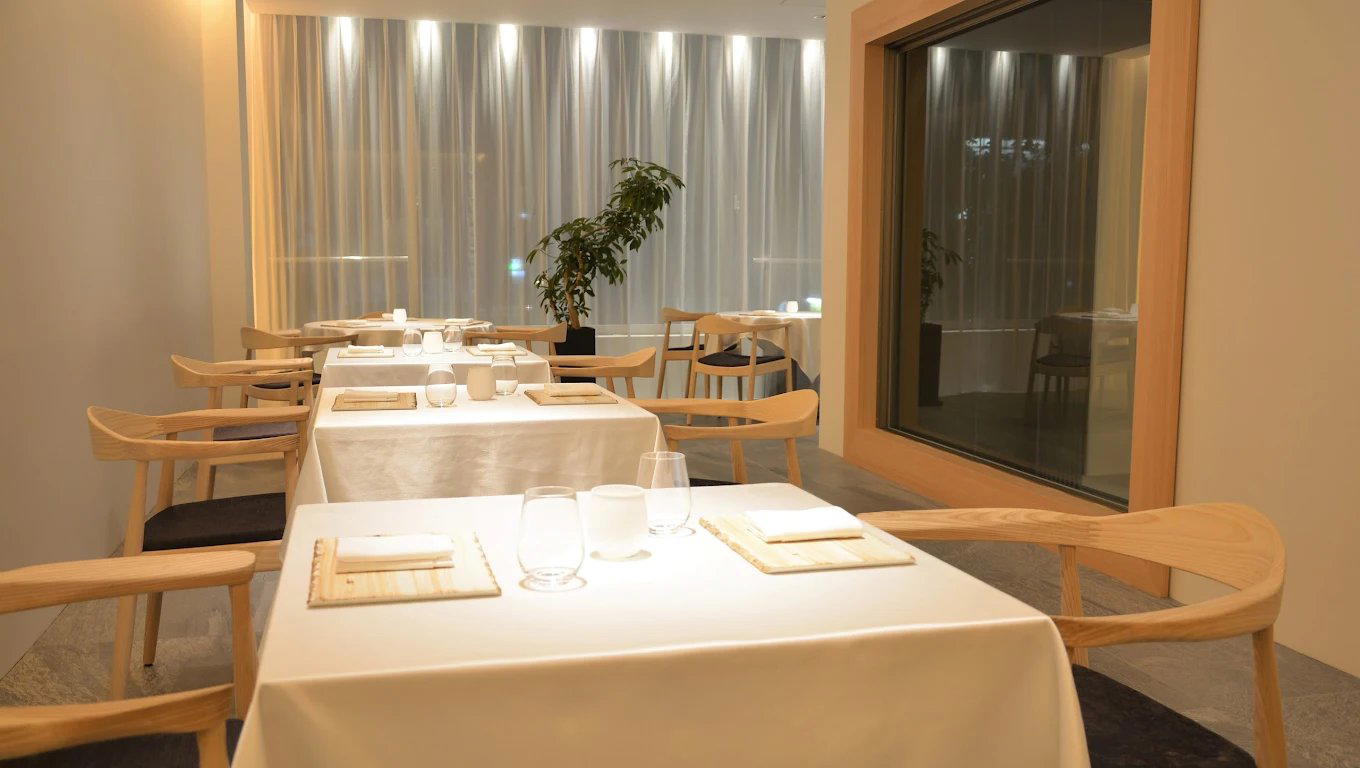
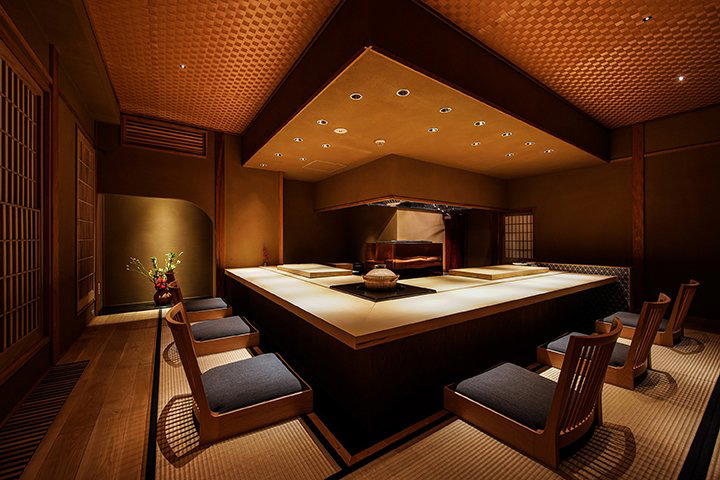
A compact 11-seat counter-only space with a relaxed, casual feel, focused on the steaming ramen counter rather than decor, creating a cozy but energetic atmosphere during busy lunch hours.