
Tsukuba’s Chinese dining scene is usually read through the lens of casual value, campus-area appetite, and family-scale rooms. Sichuan Mararajusshoku adds a sharper regional signal: Sichuan, Chinese, and hot pot cooking with Tabelog 100 Chinese EAST 2026 recognition, making it a useful address for readers tracking serious Chinese food beyond Tokyo’s usual orbit.
Pearl is the En Primeur Club membership app — saves, bookings, and concierge access live there. Same editors, same standards.
- Address
- 茨城県つくば市天久保1-6-15
- Phone
- +81298116589
- Website
- tabelog.com
 Saves & bookings on Pearl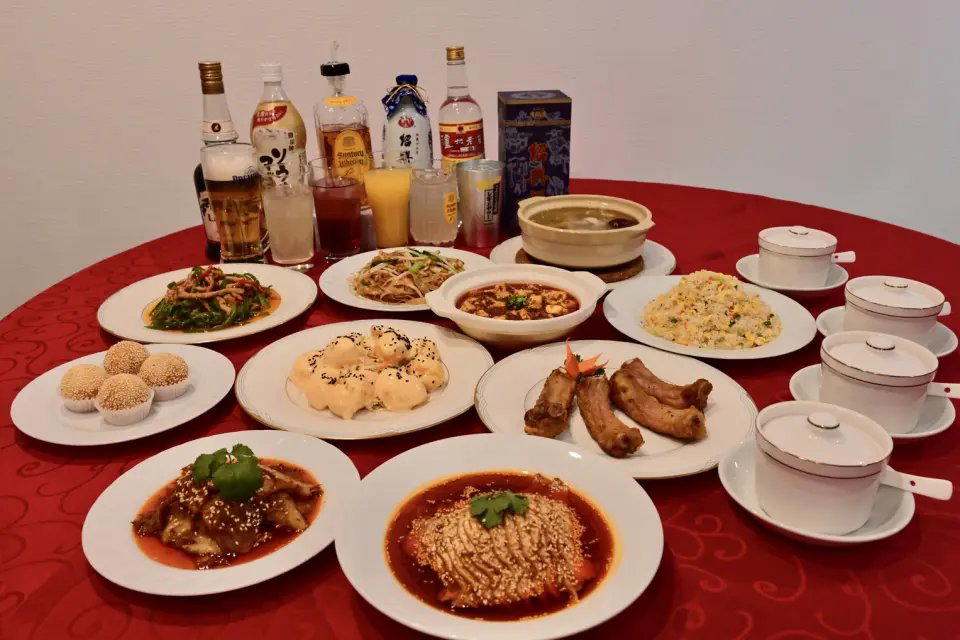
Amakubo’s restaurant rhythm is not the hushed ritual of a Ginza counter. It is wider, more social, and built for tables that order in waves: rice dishes, shared plates, hot pot, drinks, and the slow negotiation of spice. In Tsukuba, where university life, research institutes, family dining, and car-based evenings overlap, Chinese restaurants often work as gathering rooms rather than formal temples. That context matters. The meal is less about a single linear tasting and more about sequencing, appetite, and the way heat accumulates across the table.
Sichuan cooking has always rewarded that kind of rhythm. The cuisine’s reputation abroad is too often flattened into chilli alone, but the dining ritual depends on contrast: numbing peppercorn against savoury depth, oil against freshness, soup or rice against intensity, communal dishes against individual preference. A Tsukuba Sichuan table, when done with discipline, gives the city something different from its bakery, café, ramen, and casual international circuits. It asks diners to think in combinations rather than courses.
Sichuan heat works differently when the table is built for sharing
The useful way to read Sichuan Mararajusshoku is through format. Categories listed for the restaurant include Sichuan, Chinese, and Chinese hot pot, which places it in a dining tradition where the group controls the pace. Hot pot changes the usual hierarchy of a meal: broth, ingredients, dipping habits, and shared timing become the structure. Mapo tofu, listed among the restaurant’s highlighted dishes, gives a second anchor, because it is one of the clearest tests of Sichuan balance in Japan: not only heat, but bean paste depth, texture, and the relationship between rice and sauce.
Recognition by Tabelog 100 Chinese EAST 2026 gives the restaurant a credential that matters in this category. Tabelog’s Hyakumeiten lists are particularly useful outside the Michelin map because they surface specialist restaurants across Japan’s regions, including places whose appeal is tied to local regulars rather than international tasting-menu tourism. For Tsukuba, that recognition puts the address in a broader eastern Japan conversation about Chinese cooking, rather than limiting it to a neighbourhood recommendation.
The price tier also shapes the ritual, even if the experience should not be confused with luxury Chinese dining. This is a category where value and frequency matter. Tsukuba’s dining map includes lower-commitment everyday stops such as Backerei Brotzeit, Bon Gout, david pain, DROOL DINER, and heladiwa. Against that local mix, Sichuan cooking carries a different promise: a meal that can expand from lunch utility into a longer, drink-supported table without changing genre.
The local Chinese restaurant as banquet room, not just dinner stop
Japan’s regional Chinese restaurants often do double duty. They feed solo diners and small groups, but they also absorb celebrations, work dinners, and extended family meals in a way that smaller chef-led restaurants cannot. That practical scale changes the etiquette. Ordering is collaborative, spice tolerance has to be negotiated, and the table usually benefits from balancing assertive dishes with milder ones. The restaurant’s listed services include take-out and delivery, but its strongest editorial signal is the room’s suitability for groups, private rooms, and larger gatherings. In other words, the dining ritual is social before it is decorative.
That distinction is important in Tsukuba. The city is not a classic tourist dining capital; it is a planned science city with a large university population, wide roads, and pockets of residential dining. Restaurants here often succeed by being adaptable: children, colleagues, students, visiting researchers, and families may all need the same address for different reasons. Sichuan Mararajusshoku fits that civic pattern while carrying a more specific culinary identity than the broad Chinese label usually suggests.
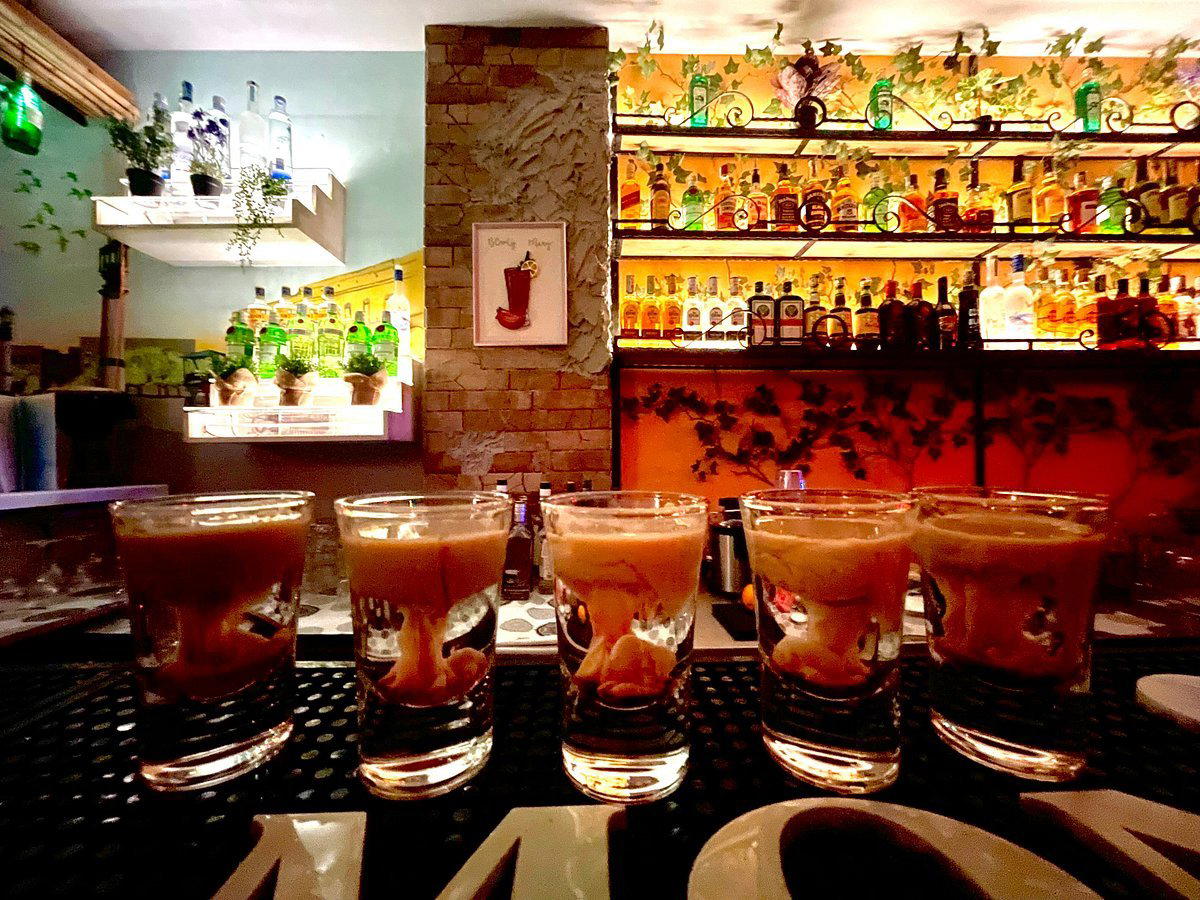
The drinks list points in the same direction. Sake, shochu, wine, and cocktails are listed, which is a practical sign of a restaurant set up for mixed groups rather than a narrow specialist counter. Sichuan food is not fragile around alcohol; it can handle beer, rice-based drinks, spirits, and wine with equal confidence, especially when the table moves between hot pot, stir-fried dishes, tofu, and fish-focused cooking. The better decision is not to chase a single pairing rule, but to order around the table’s spice level and stamina.
How to place it within a Tsukuba itinerary
For travellers building a Tsukuba food day, this is the Chinese entry to treat as a proper meal rather than a quick filler between sights. The city’s other useful dining references cover different needs: bread and casual daytime eating, lighter cafés, South Asian cooking, and noodle-led meals. For a wider map, Our full Tsukuba restaurants guide is the better starting point, while Our full Tsukuba hotels guide, Our full Tsukuba bars guide, Our full Tsukuba wineries guide, and Our full Tsukuba experiences guide help frame the rest of the stay.
Readers comparing Japanese regional dining beyond Ibaraki can also set this address against different formats: sukiyaki in Kamakura at -Grilled beef Sukiyaki- KAMAKURA TANUKIAN 鎌倉 たぬき庵 in Kamakura, izakaya-leaning seafood and charcoal in Tokyo at. 鮪と炭火焼き うお炭 秋葉原店 in Tokyo, café culture at.cafe in Osaka, contemporary dining at.know in Kumamoto, Vietnamese cooking at (Shoku) Vietnam in Kawasaki, and curry specialization at [Curry Senmon Ten] Maruyama Kyoju. in Sapporo. The overseas contrast is sharper still with Jōdo Saké Bar in Los Angeles and Onigiri Time in Pasadena, where Japanese food culture is reframed through California dining habits.
The editorial case is clear: choose Sichuan Mararajusshoku when the meal needs shared momentum, regional Chinese identity, and enough room for a group to settle in. It is not the address for a silent, chef-facing performance. It is the address for a table that wants heat, conversation, and the elastic pacing that Sichuan food handles better than almost any other Chinese regional style.
Cuisine and Awards Snapshot
Nearby venues at a similar price tier for orientation.
| Venue | Cuisine | Price | Notes |
|---|---|---|---|
| Sichuan MararajusshokuThis venue — the venue you are viewing | Sichuan Hotpot | $$ | Not listed |
| Bon Gout | Basque & Spanish Bistro and Wine Bar | $$ | Ninomiya |
| heladiwa | Authentic Sri Lankan Curry House | $$ | Amakubo |
| Trattoria Pizzeria Amici | Authentic Neapolitan Pizzeria & Southern Italian Trattoria | $$ | Teshirogi |
| La Ciccia | Italian Trattoria | $$$ | Onozaki |
| Sumibi Hamburger steak Nikuyaki Tei | Charcoal-grilled Japanese Hamburg & Beef Tendon Curry | $$ | Tsukuba |
Recognition history
Dated appearances from independent guides and award organizations, with the underlying list record or original source where available.
Tabelog 100 #9 · No. 9
Tabelog · Tabelog 100 - Chinese cuisine - EAST - 2026








At a Glance
- Lively
- Cozy
- Group Dining
- Casual Hangout
- After Work
- Solo
- Standalone
- Beer Program
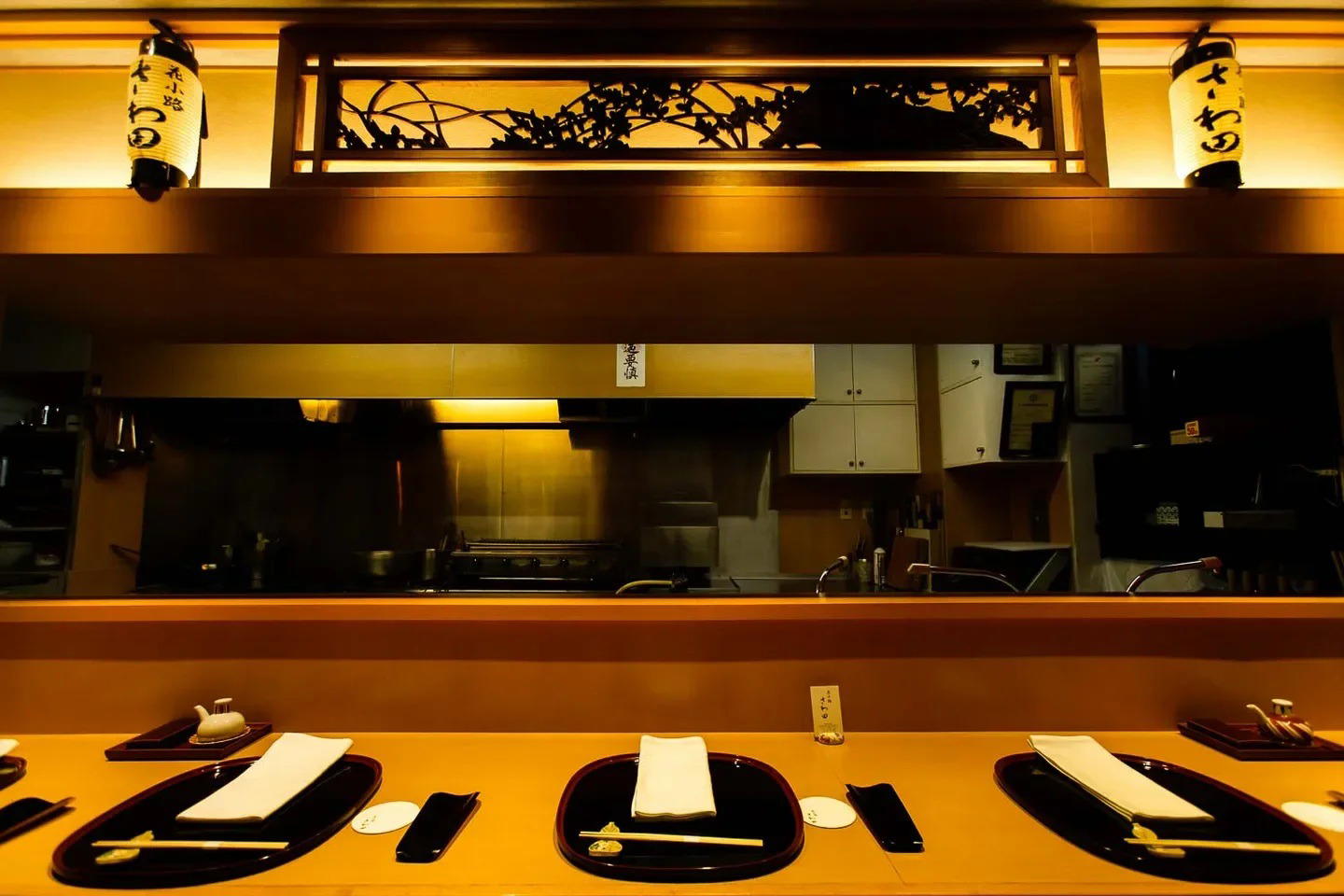
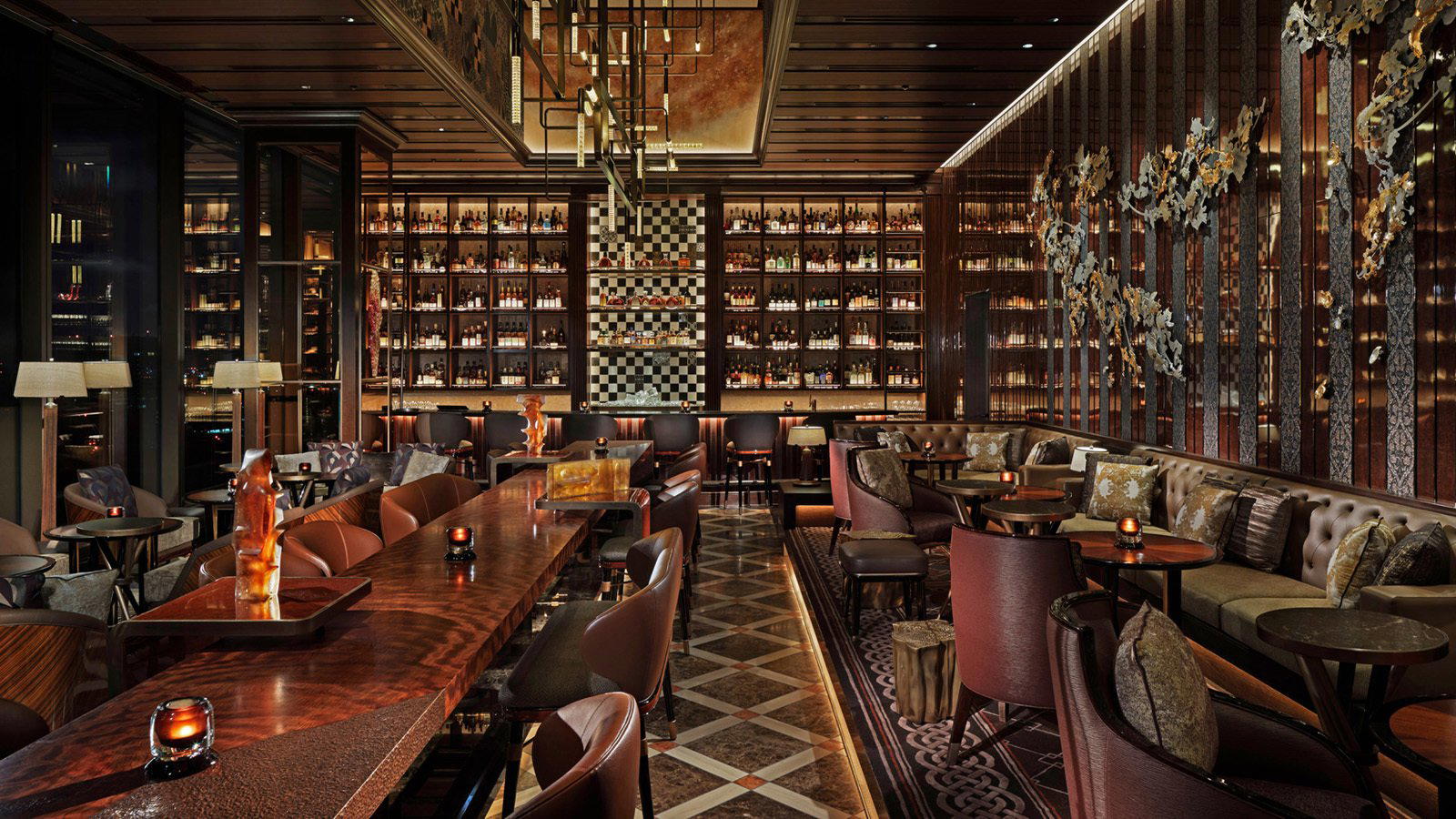
Compact, simple Chinese-style hotpot shop with counter and table seating, bright but modest lighting, and a bustling atmosphere centered around steaming, chili-laden pots.