Our verdict
Raffiné occupies a quiet position on Kerkplein in Oostkamp, a village square setting that signals something deliberate about its relationship to place. The name alone implies a considered approach to cooking, and in a Belgian dining culture where provenance and technique are increasingly inseparable, that positioning carries weight. For those moving through West Flanders with serious eating in mind, it warrants a closer look.

Pearl is the En Primeur Club membership app, where members save venues, book tables and use the concierge.
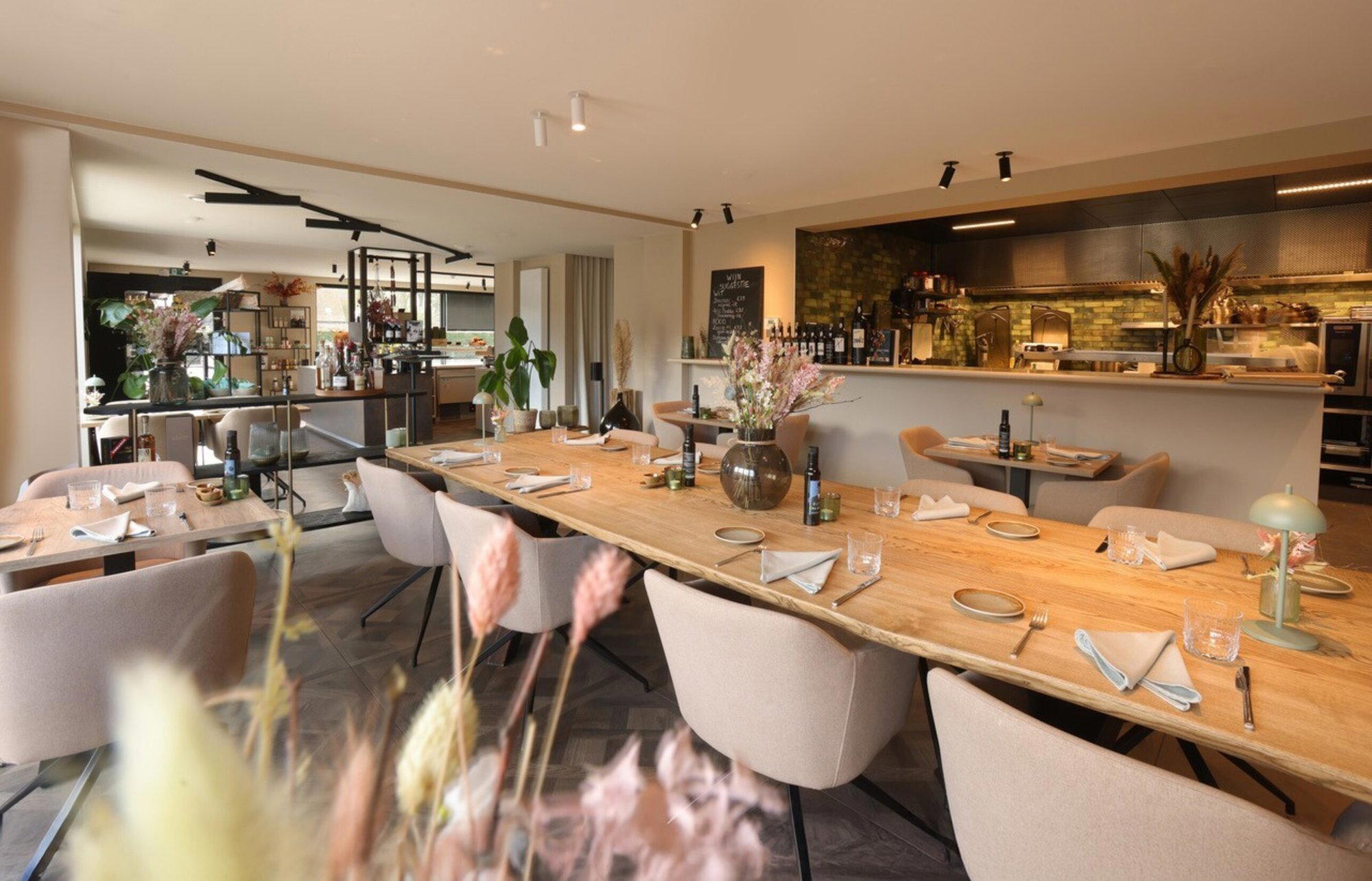
A Village Square Table in West Flanders
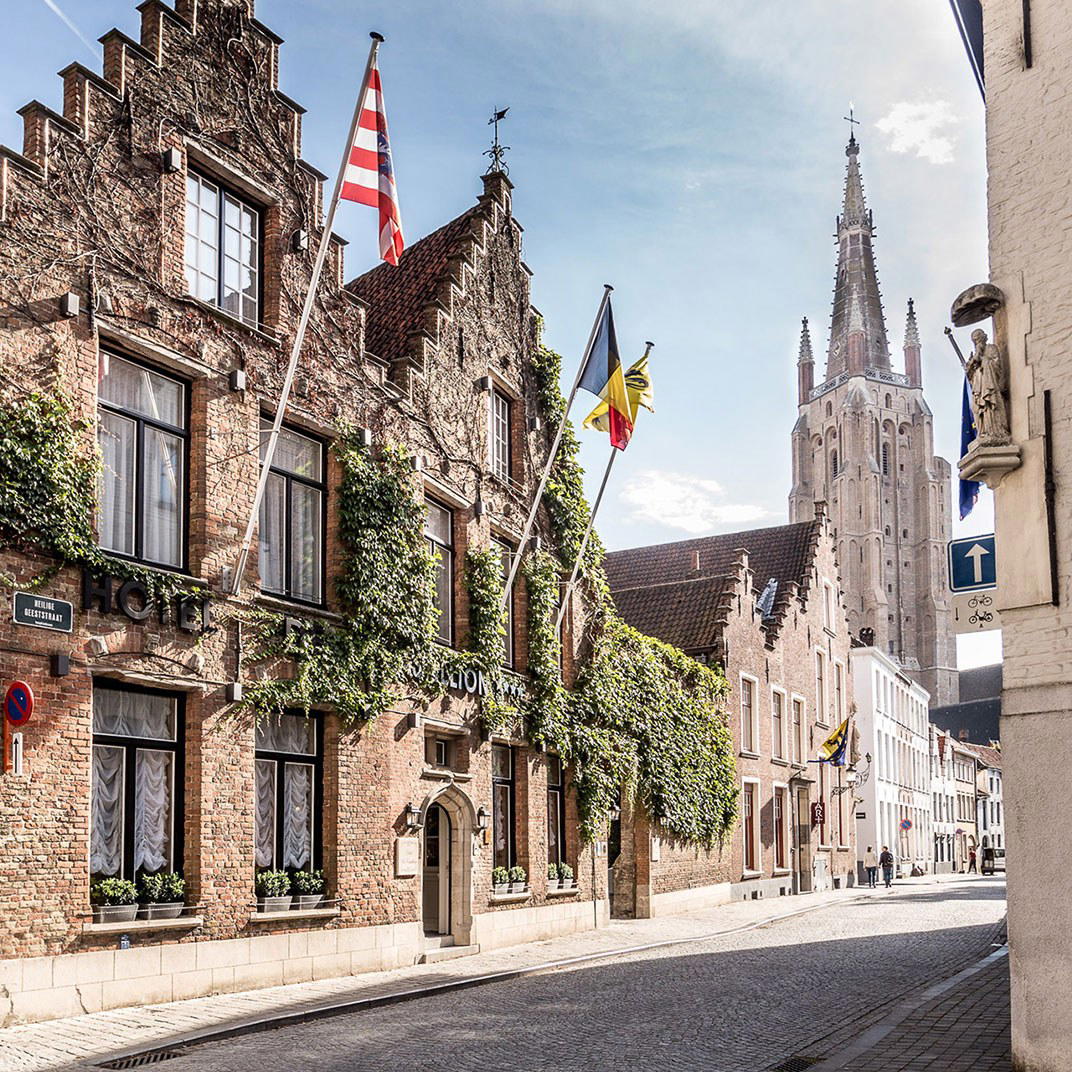
Kerkplein is the kind of address that appears with some frequency in Belgian fine dining: a church-square setting in a small Flemish municipality, far enough from a city centre to demand intention from anyone who arrives there. Oostkamp itself sits just south of Bruges, a town better known as a transit point than a destination, which makes the presence of a restaurant named Raffiné on its central square the more telling detail. In Belgium, this pattern, serious cooking in a quiet village, has a long and respected tradition. Hof van Cleve in Kruishoutem and Willem Hiele in Oudenburg both operate at the upper end of their respective categories while rooted in similarly unassuming settings. The village square is not a disadvantage in this culinary culture; it is often a statement of confidence.
Where the Food Comes From: The Sourcing Logic of West Flanders Cooking
West Flanders sits at a particular intersection of agricultural and coastal supply chains that few European regions can replicate within such a compact geography. Within a short radius of Oostkamp, a kitchen has access to North Sea catch, the polders' root vegetables and dairy, the hop gardens of the Westhoek, and the market garden tradition that has supplied Bruges and Ghent for centuries. This is not incidental context; it is the operative logic behind why so many West Flemish restaurants cook the way they do. Ingredient sourcing in this part of Belgium tends to be less about philosophical positioning and more about proximity: what grows here, what comes in from the coast, and what the season currently permits.
That sourcing logic shows up most clearly in the middle tier of West Flemish dining, where kitchens are too small to absorb the cost of flying in international product and too proud of local supply to default to commodity ingredients. Restaurants at this level in the region tend to build menus around what the week's market and the day's harbour landing make possible. The result is cooking that changes more frequently than fixed tasting-menu formats would allow, and that rewards return visits across different seasons. Nearby on the EP Club Oostkamp roster, Laurel & Hardy operates explicitly within a farm-to-table format at the €€€ price point, which indicates that this sourcing emphasis is a shared characteristic of the better tables in the area rather than an isolated commitment.
The Raffiné Position in the Oostkamp Dining Picture
Oostkamp is not a deep dining market. Beyond Raffiné, the village's EP Club listings include De Herten and Choc'atelier, giving the area a compact but varied offering across different formats and occasions. Within that local context, Raffiné's name implies a register distinct from casual bistro dining, the French adjective carries a deliberate register signal in the Flemish market, where code-switching between Dutch and French in a restaurant name typically indicates a certain formality of intention. Whether that intention translates into tasting-menu structure, à la carte refinement, or something between the two is the operative question for anyone planning a visit. See the full Oostkamp restaurants guide for the broader picture across price points and formats.
Boury in Roeselare operates at Michelin two-star level; De Jonkman in Sint-Kruis and Bartholomeus in Heist represent different expressions of serious Flemish cooking at the coast and inland respectively. Further afield, Zilte in Antwerp and Bozar Restaurant in Brussels operate in the urban-prestige bracket. Raffiné's Kerkplein address places it in the quieter, village-rooted category, a positioning that Belgian diners read as a particular kind of seriousness, not a compromise.
Belgian Dining Traditions That Shape the Context
Belgium's relationship with fine dining is shaped by a density of serious restaurants per capita that consistently surprises visitors more familiar with France or the UK as European culinary references. The country has historically produced more Michelin stars per head of population than most of its neighbours, and a significant portion of those come from Flemish kitchens operating in exactly the kind of low-profile municipal setting that Raffiné occupies. L'air du Temps in Liernu, La Table de Maxime in Our, and d'Eugénie à Emilie in Baudour all follow variants of this pattern in the Walloon context. In Flanders, the expectation that a small village might contain a kitchen worth a significant journey is not a novelty; it is a structural feature of how the dining culture has developed.
The ingredient sourcing angle matters here because Belgian fine dining has increasingly moved away from classical French scaffolding toward something more explicitly rooted in Belgian produce and seasonal rhythm. At internationally cited addresses like Castor in Beveren and La Durée in Izegem, that shift is visible in menu language and in the sourcing relationships kitchens make public. The broader movement is a recalibration away from imported prestige ingredients toward what Belgian land and sea actually produce at their leading, a shift that has repositioned local suppliers and seasonal timing as the main quality signal rather than a supplement to French luxury product.
Planning a Visit to Raffiné
Raffiné's address, Kerkplein 1, 8020 Oostkamp, puts it on the central square of a village that is approximately fifteen minutes by car from central Bruges. That proximity to Bruges matters for trip-planning purposes: Bruges is well-connected by train from Brussels, Ghent, and the coast, and a visit to Raffiné is logistically compatible with a Bruges-based stay. Given the scale of most serious village-square restaurants in West Flanders, walk-in capacity is likely limited, and a confirmed booking is the standard expectation for dinner at this level in the Belgian market.
For those building a longer West Flanders itinerary around table bookings, the region's cluster of serious restaurants within a relatively small geographic radius, from the coast at Heist to the polders around Oudenburg and south toward Kortrijk, makes multi-stop planning more viable than in most European regions of comparable size. Raffiné on Kerkplein is one data point in that network, and its positioning in Oostkamp gives it a distinct neighbourhood character from the coastal and city-centre alternatives elsewhere in the province.
Frequently asked questions
Is Raffiné suitable for children?
Raffiné occupies a fine dining position on Oostkamp's central church square, which places it closer to the adult-focused end of the restaurant spectrum. Families with older children comfortable at a formal table will find the setting manageable, but parents considering young children should factor in the likely pace and tone of a destination-style meal in a small Flemish village setting.
What's the overall feel of Raffiné?
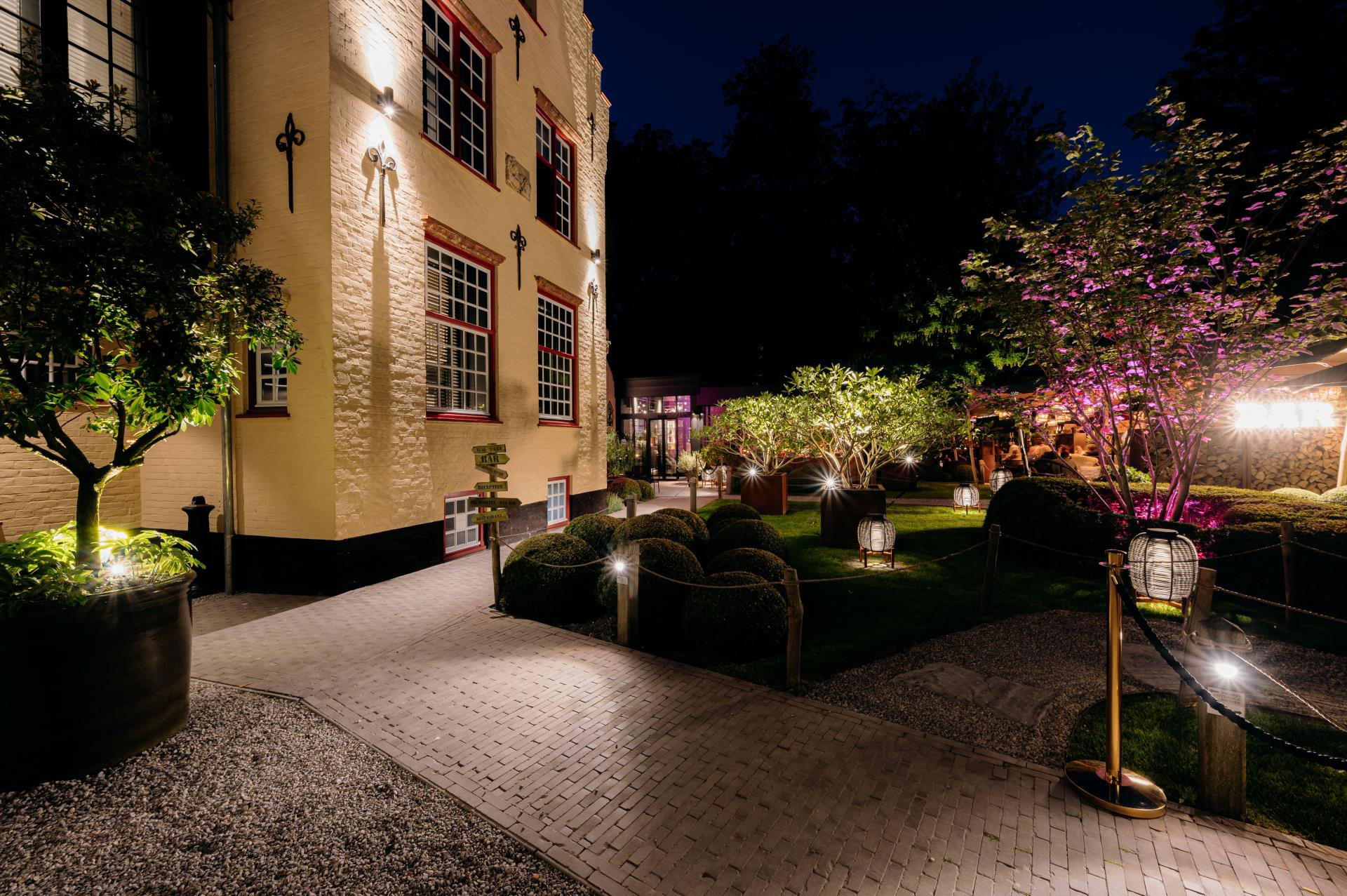
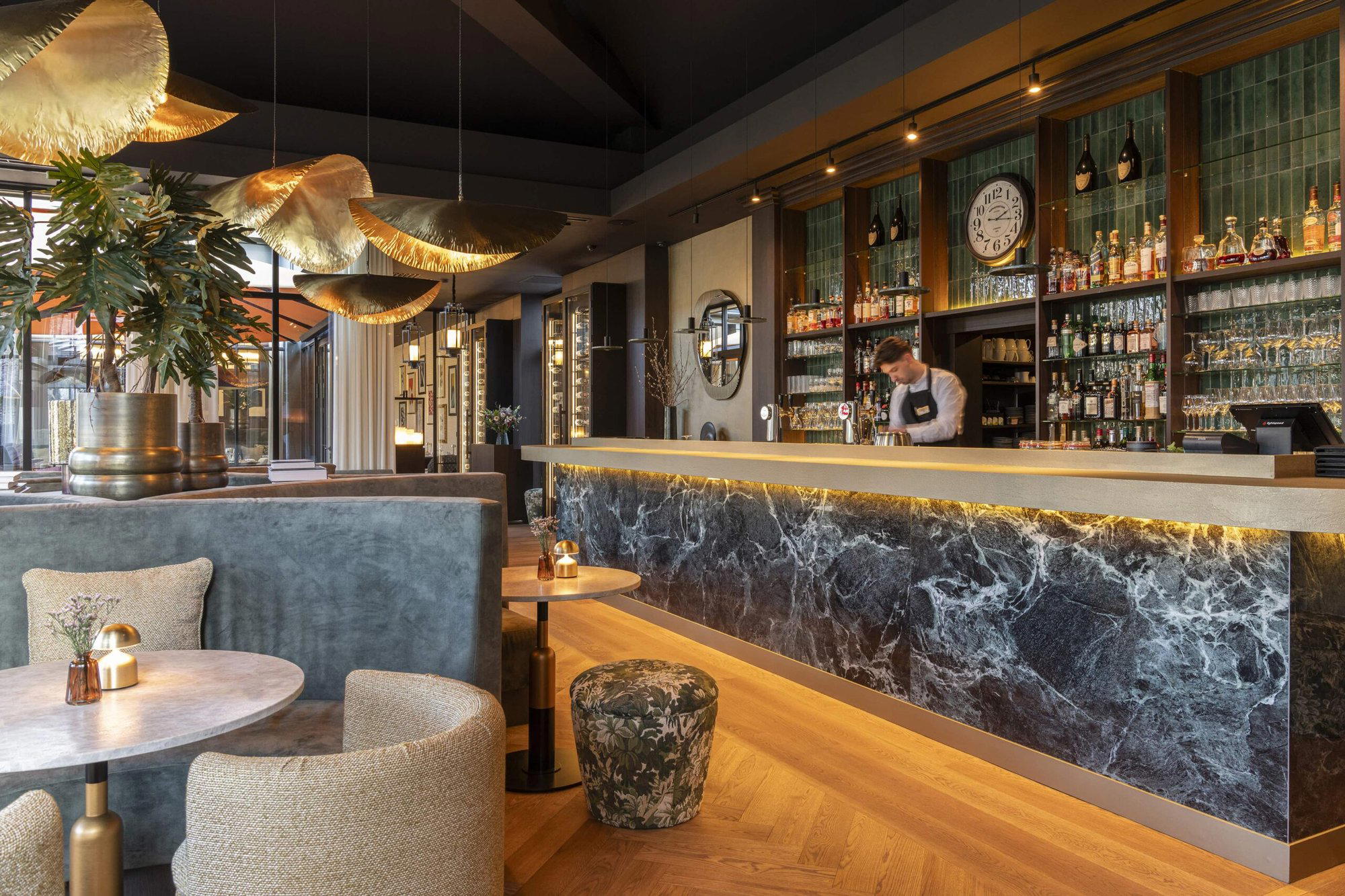
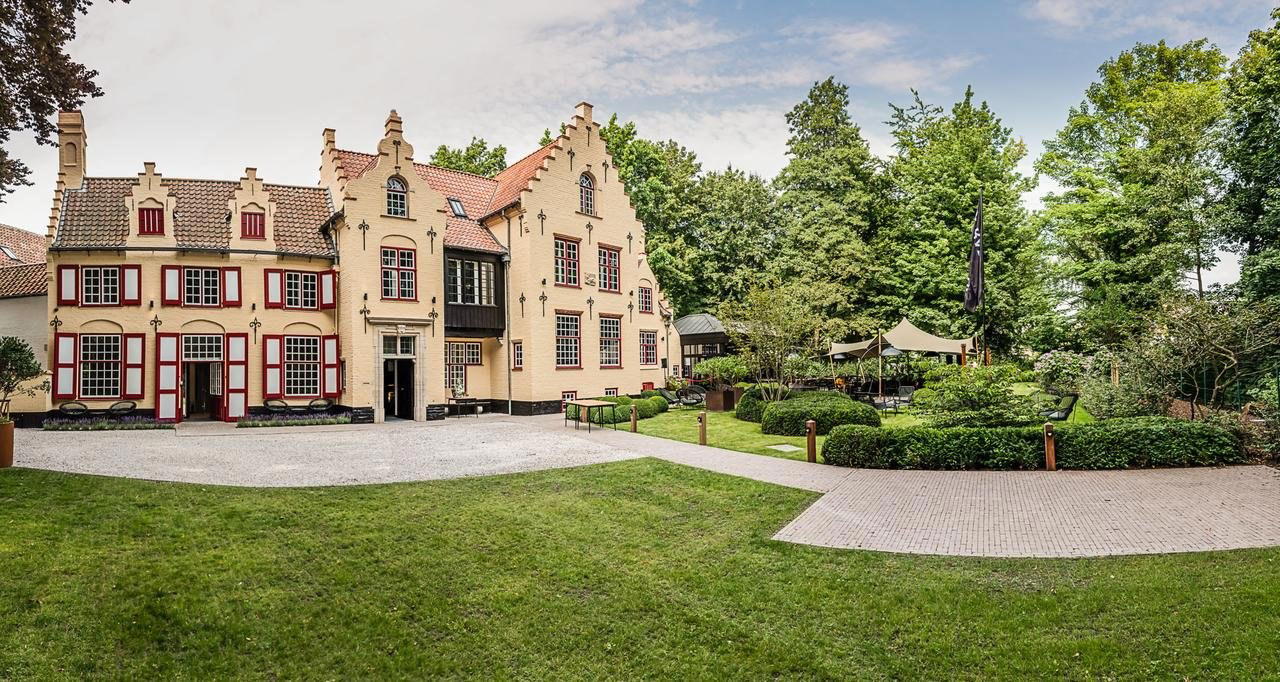
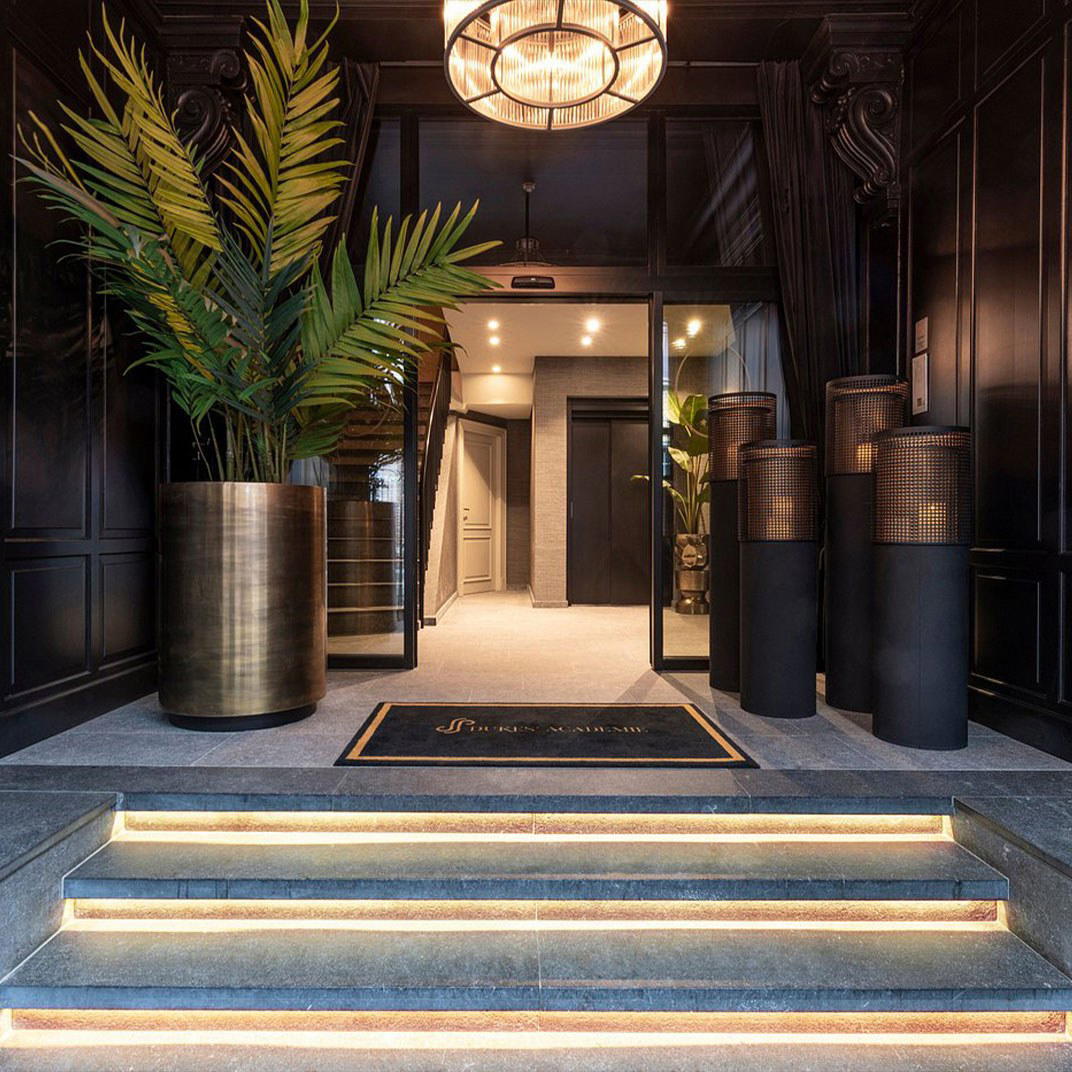
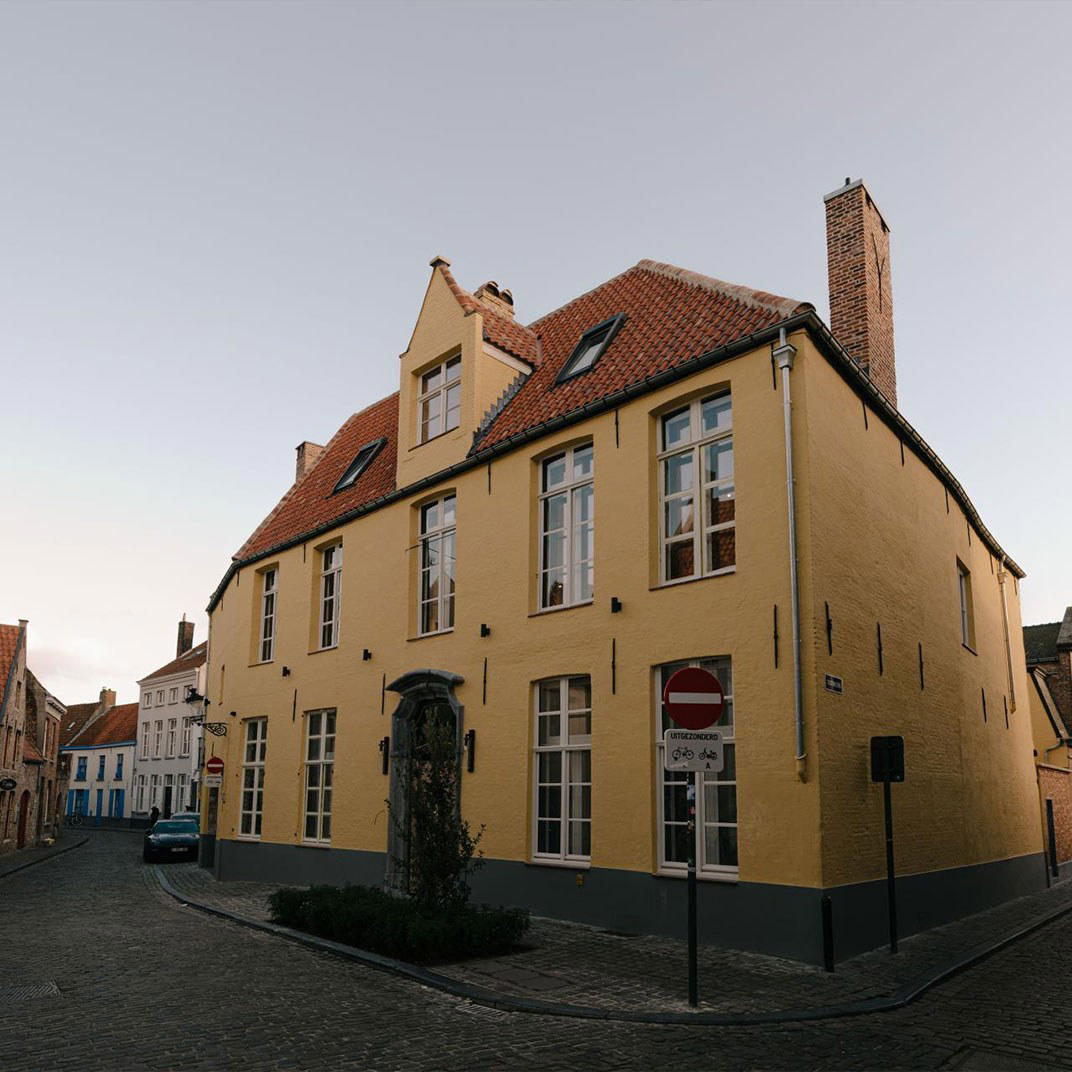
The address, Kerkplein 1, in the centre of Oostkamp, sets the tone: a village square setting that reads quietly rather than urbane, with the deliberate atmosphere of a destination rather than a neighbourhood bistro. West Flanders has a tradition of serious cooking in understated surroundings, and Raffiné fits that pattern. Expect considered rather than casual.
How does Raffiné compare to other fine dining options near Bruges in West Flanders?
Raffiné sits at Kerkplein 1 in Oostkamp, approximately fifteen minutes by car from central Bruges, which positions it as a quieter alternative to the city's more heavily trafficked restaurant scene. West Flanders supports an unusually high density of serious cooking for a region of its size, and village-square addresses like Raffiné tend to attract guests willing to travel for a more focused, less tourist-facing experience. Within Oostkamp itself, the dining options at this level are few, giving Raffiné a distinct place in the local picture.
What do regulars order at Raffiné?
West Flanders kitchens at this level typically draw on regional coastal and agricultural supply, North Sea fish, local poultry, seasonal vegetables, so the menu likely reflects what the region produces well at any given time. Contacting the restaurant directly before your visit is the surest way to understand the current offering.
Where do I go for Raffiné?
Raffiné is located at Kerkplein 1, 8020 Oostkamp, Belgium, Oostkamp.
Should I book Raffiné in advance?
Oostkamp is a small municipality with a limited number of destination-level tables, and Raffiné is among the few fine dining addresses in the village alongside De Herten and Choc'atelier. That concentration means demand for seats at Raffiné can outpace availability, particularly on weekend evenings. Booking ahead rather than walking in is the practical approach.
At-a-Glance Comparison
Comparable venues nearby, for context on price, style, and recognition.
| Venue | Cuisine | Price | Awards | Notes |
|---|---|---|---|---|
| RaffinéThis venue (the venue you are viewing) | Modern French-Belgian Bistro | $50–100 | Not listed | Not listed |
| Choc'atelier | Belgian Chocolatier | $10–20 | Not listed | Oostkamp |
| Laurel & Hardy | Modern Belgian Fine Dining | Not listed | Michelin Plate | Oostkamp |
| De Herten | Classical Belgian Seasonal Cuisine | $50–100 | Not listed | Oostkamp |
| Bacchus | French-Belgian Bistro | $100–150 | Not listed | Aalter |
| LOS | Modern French-Belgian | $50–100 | Not listed | Torhout |
Continue exploring
More in Oostkamp
Restaurants in Oostkamp
All restaurants in Oostkamp →
Details
- Elegant
- Charming
- Sophisticated
- Date Night
- Special Occasion
- Terrace
- A La Carte
Current opening hours
- Monday
- Closed
- Tuesday
- Closed
- Wednesday
- 10 AM–6:30 PM
- Thursday
- 10 AM–9:30 PM
- Friday
- 10 AM–9:30 PM
- Saturday
- 10 AM–9:30 PM
- Sunday
- Closed
Hours can change for holidays and private events. Hours as of .
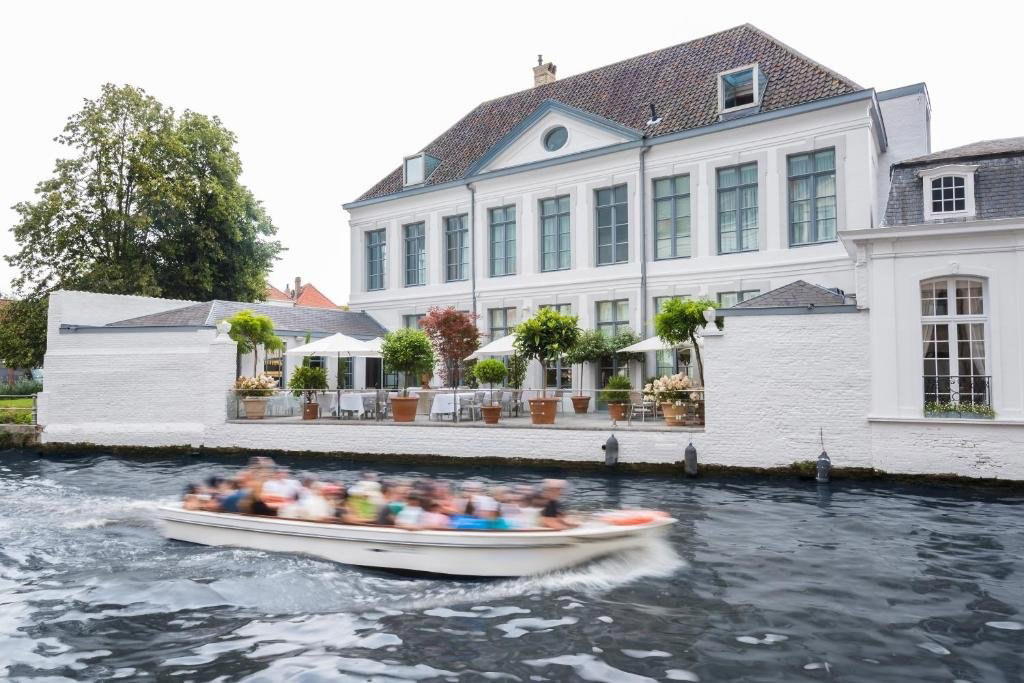
Charming and casual atmosphere with air-conditioned comfort and terrace seating.