Our verdict
Choc'atelier serves Belgian chocolatier fare at Brugsestraat 14 in Oostkamp, with casual service, a quiet setting, and all-day use suited to a quick bite.

Pearl is the En Primeur Club membership app, where members save venues, book tables and use the concierge.
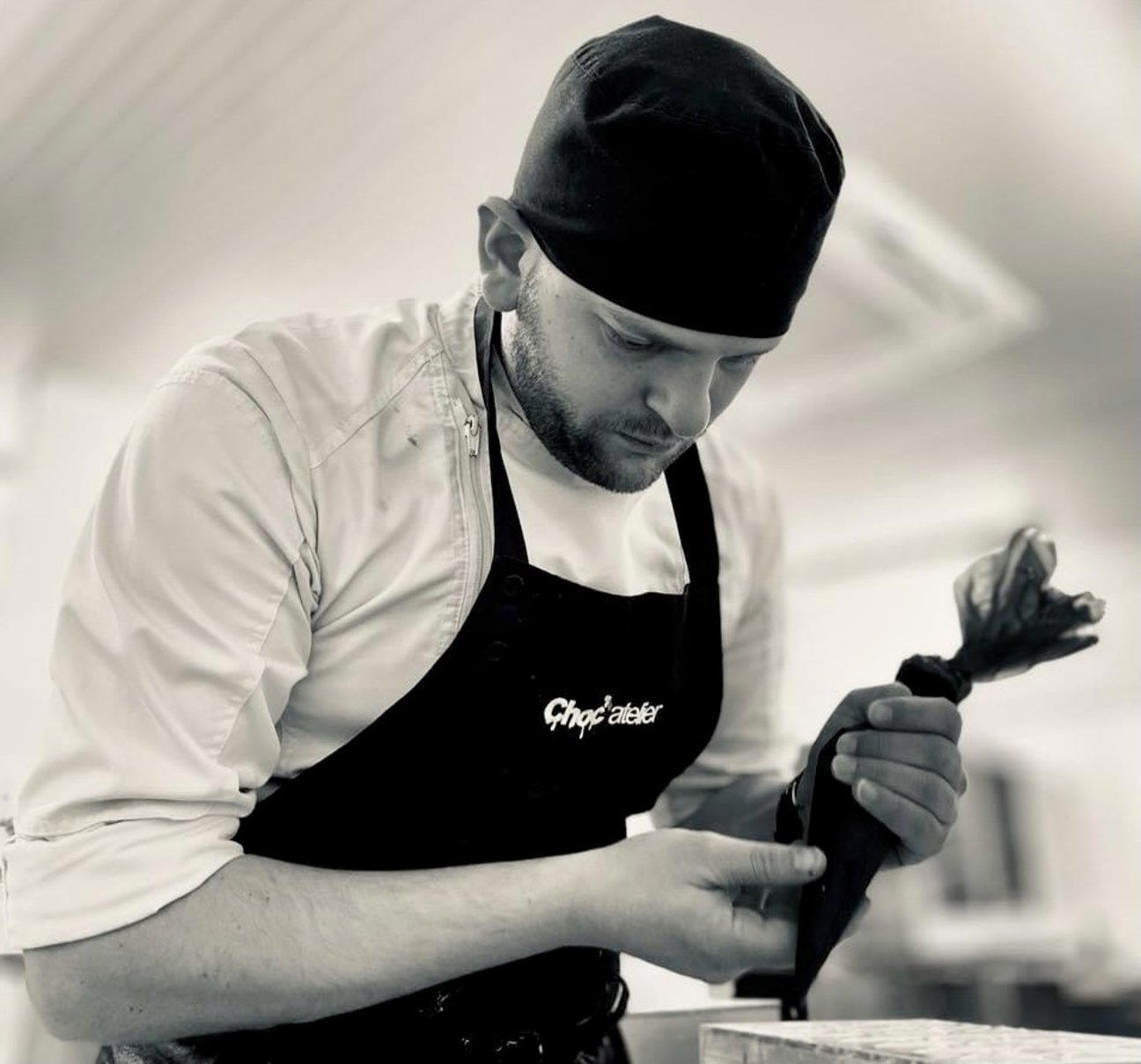
Chocolate in West Flanders: A Craft That Starts in the Field
Brugsestraat in Oostkamp is not a destination street in the way that central Bruges is a destination city. Traffic moves through it practically, not ceremonially. That is precisely what gives a address like Choc'atelier at number 14 its particular character: you arrive without the scaffolding of tourism, which means the work itself carries the full weight of the first impression. Belgium's relationship with chocolate is one of the most thoroughly documented in the food world, but the story is more complicated than the country's reputation suggests. The majority of commercial Belgian chocolate relies on industrially sourced cacao with no documented origin, processed to a consistent standard. A smaller tier of producers has moved in the opposite direction, building their sourcing around traceable single-origin beans and working with the raw material rather than around it. Choc'atelier sits in that second conversation.
Where the Ingredient Story Begins
The argument for single-origin chocolate is the same argument made for single-vineyard wine or single-estate coffee: terroir is real, and processing that obscures it is a choice, not a necessity. Cacao grown in different regions carries measurably different flavour profiles. Beans from the Piura Valley in Peru read differently from those grown in Madagascar or the Ivory Coast, and those differences survive roasting and conching when a maker chooses to let them. The craft chocolate movement that has reshaped specialist producers across Europe treats sourcing as the primary creative decision, with every subsequent step in the process designed to protect rather than homogenise what the bean already contains.
In a country where chocolate is both a major export and a genuine point of civic identity, the producers who take this approach occupy an interesting position. They are operating inside a tradition that Belgium claims as its own, but they are implicitly critiquing the industrial version of that tradition. The chocolate-making cluster around Bruges and its satellite towns like Oostkamp reflects this split: well-known brand-name chocolatiers aimed at tourist volume on one side, smaller craft-focused operations on the other, often in quieter addresses away from the historic centre.
The Craft Chocolate Tier in Context
Across Belgium's food scene, the commitment to traceable ingredients has become a marker that separates certain producers from their category peers. The farm-to-table operators in Oostkamp itself reflect this logic at the restaurant level: Laurel & Hardy, working in the farm-to-table register at the €€€ tier, and De Herten each represent versions of ingredient-forward thinking applied to savoury kitchens. Raffiné adds another perspective to the local dining picture. The same instinct, applied to confectionery, produces operations like Choc'atelier, where the sourcing decision precedes and governs the production decision. For a broader sense of how Oostkamp's food addresses compare, the full Oostkamp restaurants guide maps the range.
At the higher end of Belgian fine dining, the sourcing argument has been central for years. Kitchens like Hof van Cleve in Kruishoutem, Boury in Roeselare, and Vrijmoed in Gent have built reputations partly on their relationships with specific producers and regions. Zilte in Antwerp applies comparable rigour to its maritime sourcing. Willem Hiele in Oudenburg takes the sourcing commitment to an almost agricultural level. The through-line across these restaurants is that the ingredient is the argument, not merely the medium. Choc'atelier makes the same argument in a different format.
Beyond Belgium, this discipline appears in different registers. Le Bernardin in New York City built its identity around the quality of its primary ingredient before technique became the headline. Lazy Bear in San Francisco treats provenance as a structural part of its narrative. Bozar Restaurant in Brussels, Le Chalet de la Forêt in Uccle, De Jonkman in Sint-Kruis, d'Eugénie à Emilie in Baudour, La Durée in Izegem, Cuchara in Lommel, and Ralf Berendsen in Neerharen each represent a version of this sourcing-first seriousness in the wider Belgian and European context.
What a Specialist Chocolate Address Offers
The physical format of a craft chocolatier differs meaningfully from a restaurant or a hotel, but the decision logic a visitor applies is similar. The question is whether the producer's choices at every step, from bean origin through roasting profile to final form, reflect a coherent and defensible point of view. At the specialist tier, the product itself carries the editorial argument. Ganaches, pralines, and tablets made from traceable cacao should taste like the place the bean came from, not like a generic chocolate category. That specificity is the thing worth travelling to Brugsestraat 14 for, rather than stopping at one of the volume-facing operations in Bruges's historic centre.
For visitors approaching from Bruges, Oostkamp sits in the immediate southern hinterland, reachable by car in under ten minutes and accessible by regional bus. The address on Brugsestraat puts it on a main road with practical parking, which suits the format: this is a place to visit deliberately, not to stumble upon between canal bridges.
Planning Your Visit
Craft chocolate operations at this scale typically operate on tighter schedules than larger retail chocolatiers, and availability of specific products can shift with production runs. Visitors to the West Flanders region combining Choc'atelier with a broader itinerary will find the surrounding area well-covered by EP Club's guides to Bruges, Oostkamp, and the wider Flemish food scene.
Frequently asked questions
What part of town is Choc'atelier in?
Choc'atelier is located at Brugsestraat 14, 8020 Oostkamp, Belgium, Oostkamp.
Is Choc'atelier in Oostkamp worth a detour from Bruges for chocolate enthusiasts?
Choc'atelier sits at Brugsestraat 14 in Oostkamp, a short distance from central Bruges, placing it outside the tourist-dense chocolate shops of the city centre. For visitors whose interest is in craft production and ingredient traceability rather than branded Belgian chocolate, a specialist address like this in West Flanders offers a different reference point entirely. Confirming current opening hours before making the trip is advisable, as smaller producer-focused operations often keep limited schedules.
What's the signature dish at Choc'atelier?
Choc'atelier is a specialist chocolatier rather than a restaurant, so the focus is chocolate rather than plated dishes. The address on Brugsestraat 14 in Oostkamp positions it within Belgium's broader craft chocolate tradition, where traceable, single-origin bars and bonbons tend to define what a producer is known for. For the current product range, checking directly with the shop before visiting is the most reliable approach.
What's the best way to book Choc'atelier?
Choc'atelier is located at Brugsestraat 14, 8020 Oostkamp, Belgium. As a craft chocolate address rather than a restaurant, walk-in visits are the typical format for this category, though specific hours have not been confirmed in available data. Contacting the shop directly or checking current listings before making the trip from Bruges is the practical first step.
What's the standout thing about Choc'atelier?
The standout feature is the specialisation itself: Choc'atelier operates as a dedicated craft chocolatier in Oostkamp, a working town on the Bruges periphery rather than a high-footfall tourist corridor. That positioning places it closer to a producer-focused model than a souvenir chocolate shop, which matters if ingredient traceability and process are priorities for the visit.
Can Choc'atelier handle vegetarian requests?
Chocolate at the craft tier is predominantly plant-based by default, so vegetarian suitability is generally built into the product category. Confirming directly with the shop covers any dietary specifics before visiting.
Is Choc'atelier good value for money?
The comparison point is not mass-market Belgian chocolate but producer-level work where ingredient origin is part of what you are paying for. Checking current pricing directly with the Oostkamp address will give the clearest picture.
Comparison Snapshot
Comparable venues nearby, for context on price, style, and recognition.
| Venue | Cuisine | Price | Awards | Notes |
|---|---|---|---|---|
| Choc'atelierThis venue (the venue you are viewing) | Belgian Chocolatier | $10–20 | Not listed | Not listed |
| Laurel & Hardy | Modern Belgian Fine Dining | Not listed | Michelin Plate | Oostkamp |
| De Herten | Classical Belgian Seasonal Cuisine | $50–100 | Not listed | Oostkamp |
| Raffiné | Modern French-Belgian Bistro | $50–100 | Not listed | Hertsberge |
| Jochie Jochie | Seasonal Local Bistro | $30–50 | Not listed | Velzeke-Ruddershove |
| Toma Maté | Argentinian Steakhouse | Not listed | Not listed | Beersel |
Continue exploring
More in Oostkamp
Restaurants in Oostkamp
All restaurants in Oostkamp →
Bars in Oostkamp
Browse all →
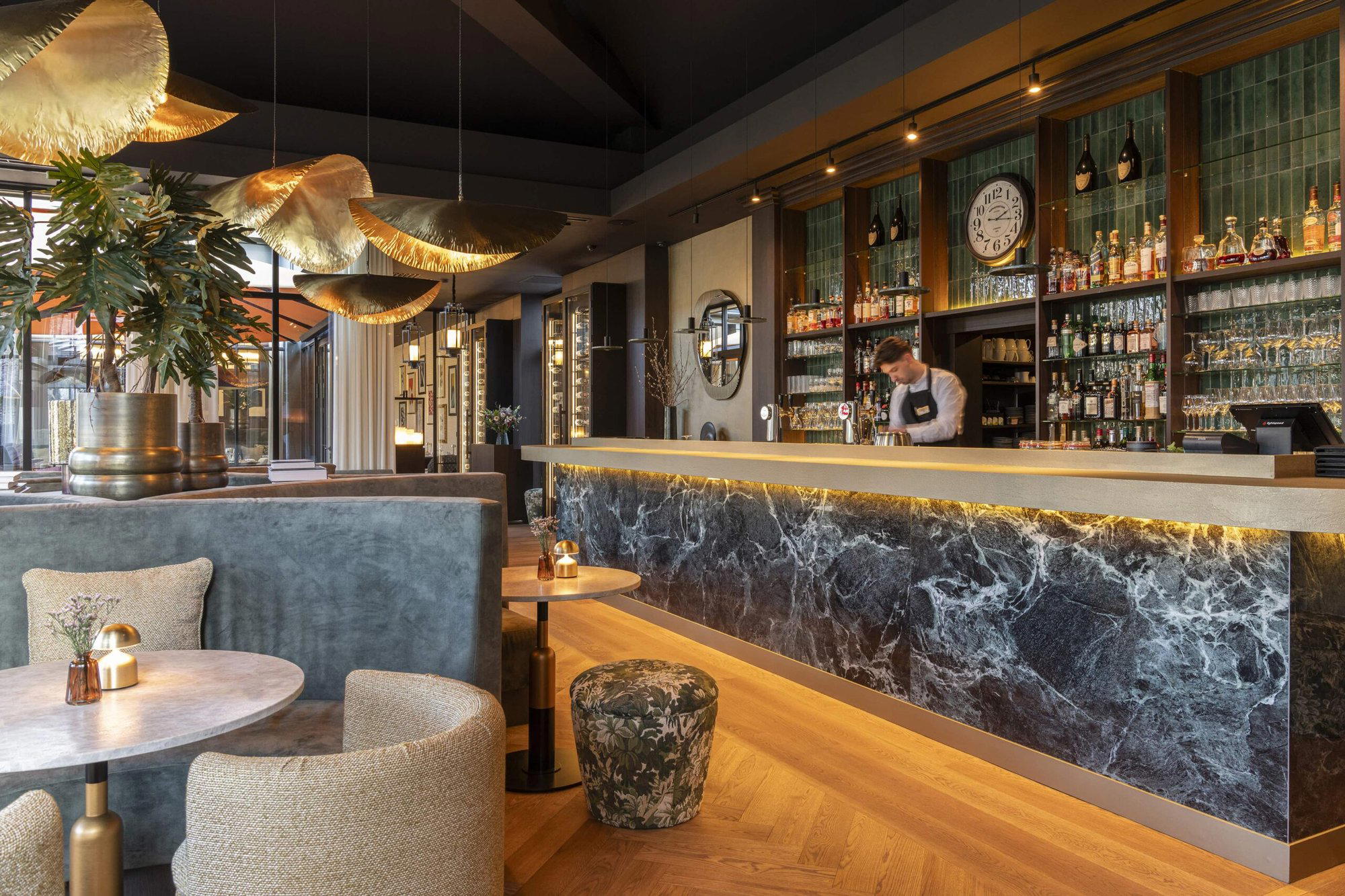
Hotels in Oostkamp
Browse all →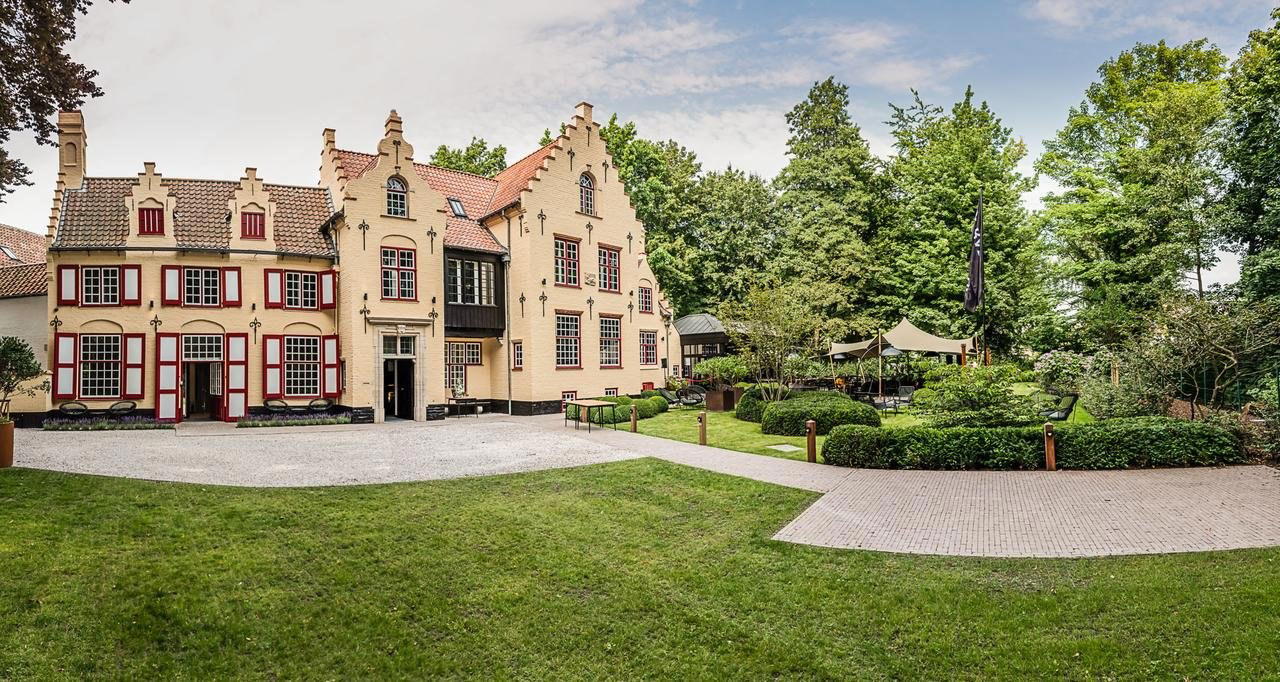
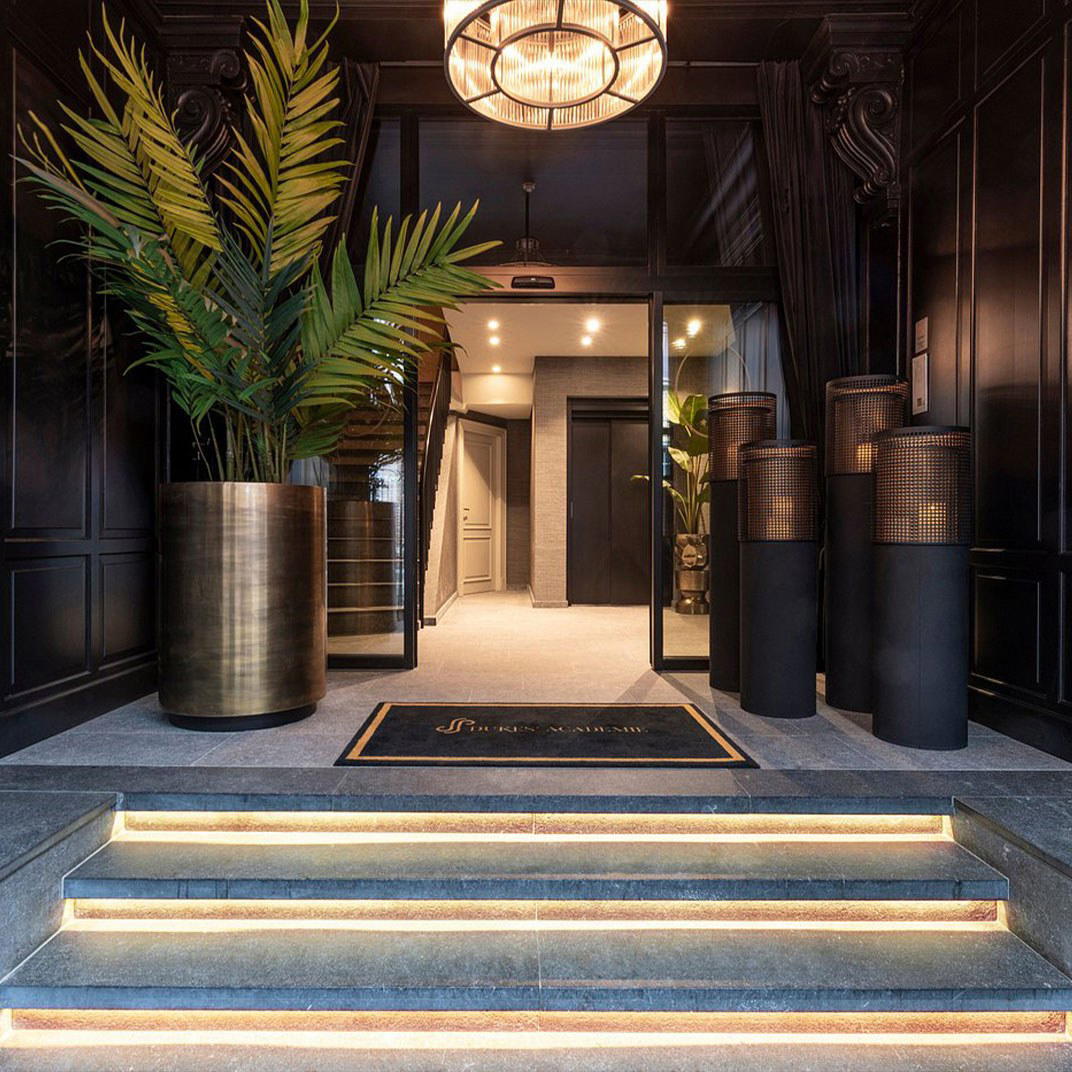
Wineries in Oostkamp
Browse all →
Details
- Cozy
- Elegant
- Casual Hangout
- A La Carte
Current opening hours
- Monday
- Closed
- Tuesday
- 9 AM–6 PM
- Wednesday
- 9 AM–12 PM, 1:30–6 PM
- Thursday
- 9 AM–6 PM
- Friday
- 9 AM–6 PM
- Saturday
- 9 AM–6 PM
- Sunday
- Closed
Hours can change for holidays and private events. Hours as of .
Cozy workshop atmosphere focused on chocolate craftsmanship.