Our verdict
Bacchus sits on Knokkebaan in Aalter, a small East Flemish town that punches above its size in serious dining. The name alone signals a kitchen that takes pleasure in the table seriously, placing it within a wider tradition of ingredient-led Flemish cooking that has made the region one of Belgium's most compelling areas for restaurant travel. Booking ahead is advised.

Pearl is the En Primeur Club membership app, where members save venues, book tables and use the concierge.

Aalter and the Flemish Countryside Kitchen
East Flanders has developed a quiet but consistent reputation for kitchen seriousness that operates largely outside the attention given to Ghent and Brussels. Small towns along the E40 corridor, Aalter among them, have become stopping points for a style of cooking rooted in proximity to good raw material: the polders, the coast, the market gardens of the Meetjesland. This is not a scene built on spectacle. It is built on sourcing discipline, seasonal fidelity, and a kitchen culture that treats the supplier relationship as foundational rather than decorative.
Bacchus, addressed at Knokkebaan 20 in Aalter, sits within that tradition. The name, borrowed from the Roman god of wine and harvest, carries a specific set of associations: abundance, the table as a place of ritual, the conviction that what comes out of the kitchen is inseparable from what came in from the field or the sea. In a region where that philosophy runs deep, the name is less a brand choice than a statement of position.
The Ingredient Frame: Why Provenance Matters Here
Belgian fine dining at the serious end of the price range has, for a generation, operated through a particular lens: the kitchen as interpreter of regional produce rather than as a system for importing prestige ingredients and applying technique. This is the tradition that shaped kitchens like Hof van Cleve in Kruishoutem and, more recently, places like Willem Hiele in Oudenburg, where the sourcing geography is almost as legible as the menu itself.
Aalter's position in the Meetjesland, an agricultural zone of small farms and market gardens between Ghent and the coast, gives any serious kitchen here a natural sourcing radius that larger city restaurants would need to work harder to replicate. The argument for cooking in a place like Aalter, rather than in the city, is precisely this compression of distance between producer and plate. When that argument is made well, the result is cooking that feels specific to a place rather than generically competent.
This is the standard against which Bacchus should be measured, and it is the lens through which a visit to Aalter's table makes most sense. The town is not a dining destination in the way that Bruges or Antwerp are; it is a destination for a specific kind of eating that rewards people who make the journey for the cooking itself. For broader context on where to eat in the area, the full Aalter restaurants guide maps the options clearly.
Setting and Approach
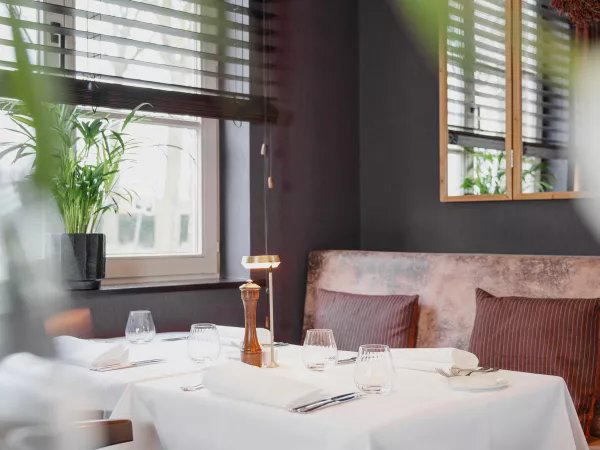
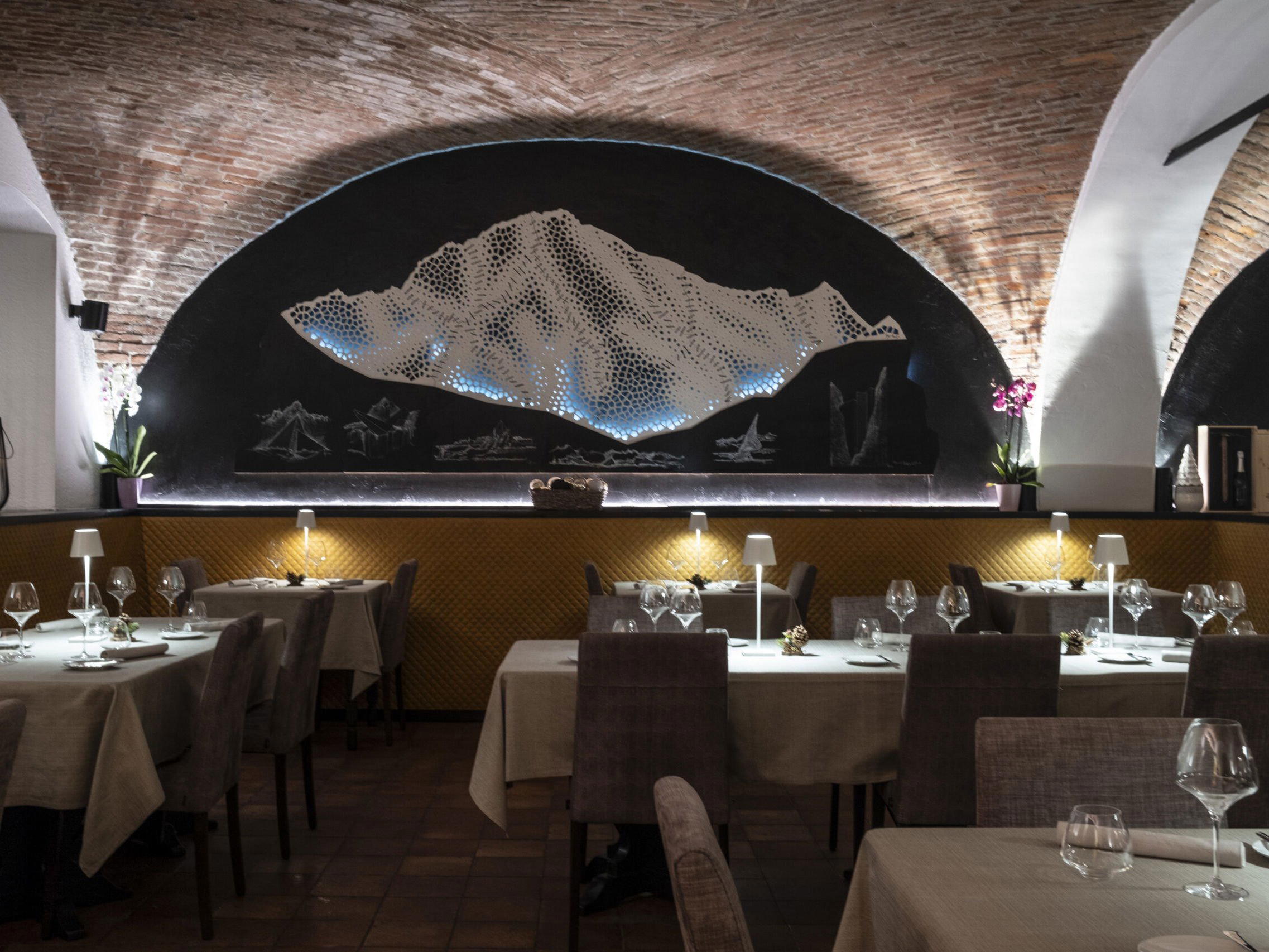
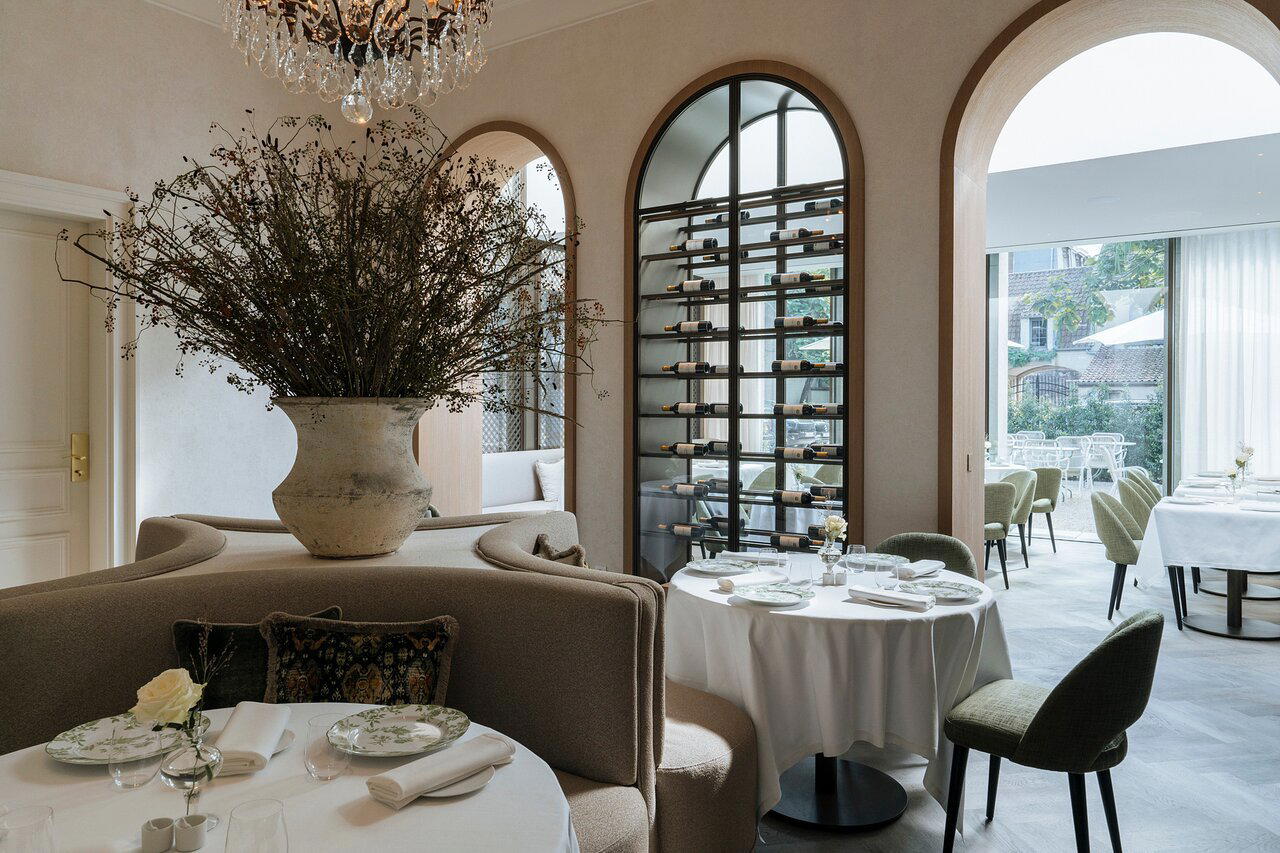
Flemish country restaurant design tends toward one of two registers: the renovated farmhouse with exposed beams and stoneware, or the stripped-back contemporary room that refuses regional cliché. Both operate as physical arguments about the kind of cooking happening in the kitchen.
What is consistent across this category of East Flemish dining is that the room is never the point. At places like Vrijmoed in Gent or Boury in Roeselare, the physical environment reads as backdrop to the food rather than as a competing attraction. Bacchus, operating in the same general tradition, likely follows that priority order.
Belgium's serious restaurant tier is geographically distributed in a way that surprises visitors expecting concentration in the capital. The Michelin map for Flanders places starred kitchens in towns of ten or twenty thousand people with regularity.
Against the wider Flemish creative kitchen tradition, represented at the higher end by places like Zilte in Antwerp and, in a different key, by Bozar Restaurant in Brussels, Bacchus occupies the tier where craft matters more than celebrity. This is not a criticism. Much of the most interesting eating in Belgium happens at this level, where kitchens are too small and too local to attract international press but too serious to be dismissed as neighbourhood dining. La Durée in Izegem and Ralf Berendsen in Neerharen operate in comparable registers elsewhere in Flanders.
For those building a longer itinerary through serious Belgian cooking, Bacchus fits logically between Ghent-area restaurants and a coast-bound route that might include De Jonkman in Sint-Kruis. The contrast with larger-format Belgian dining, say Le Chalet de la Forêt in Uccle or even internationally benchmarked rooms like Le Bernardin in New York City, is instructive: the Flemish countryside kitchen trades scale and spectacle for tightness of sourcing geography and a directness of presentation that city dining rarely achieves.
Planning a Visit
Aalter sits on the E40 between Ghent and Bruges, roughly equidistant from both, and is accessible by train from Ghent in under thirty minutes. The town is not a walk-around destination; a visit to Bacchus is the reason to come, not one item among many. Given the density of serious cooking in the town, combining a meal at Bacchus with lunch or dinner at one of the other Aalter addresses is a viable structure for a day trip from Ghent. For comparable Flemish countryside kitchens with confirmed booking details, d'Eugénie à Emilie in Baudour, La Table de Maxime in Our, and Cuchara in Lommel offer useful reference points for format and pricing expectations.
Frequently asked questions
Where is Bacchus in Aalter?
Bacchus is located at Knokkebaan 20, 9880 Aalter, Belgium, Aalter.
How far is Bacchus in Aalter from Ghent and Bruges, and is it worth the trip from either city?
Aalter sits on the E40 corridor roughly equidistant between Ghent and Bruges, reachable from Ghent by train in under thirty minutes. For diners based in either city, Bacchus at Knokkebaan 20 represents a deliberate detour into East Flanders' quieter restaurant circuit, which operates with less competition for tables and a stronger connection to the surrounding farming region than either city centre can offer.
What's the signature dish at Bacchus?
Bacchus operates within the Flemish tradition of kitchen-as-interpreter, where the menu is shaped by regional produce rather than a single fixed centrepiece dish. Without a published menu on record, the kitchen's defining character is better understood through its provenance-led approach than any one plate. Visiting during the growing season, when East Flanders producers are at full output, is when that approach is most legible.
Do they take walk-ins at Bacchus?
No booking or walk-in policy is publicly documented for Bacchus at Knokkebaan 20, Aalter. Country restaurants at the serious end of the Belgian dining tier typically require advance reservations, particularly at weekends when they draw from both Ghent and Bruges. Contacting the restaurant directly before arrival is advisable.
What's the defining dish or idea at Bacchus?
The defining idea at Bacchus sits in a broader Flemish tradition where the kitchen functions as a conduit for regional ingredients rather than a vehicle for chef personality. East Flanders has built a reputation for this kind of cooking, quiet and geographically grounded, operating outside the noise around Ghent's city-centre scene. That frame shapes what arrives at the table more than any individual preparation.
Can Bacchus adjust for dietary needs?
No dietary accommodation policy is on public record for Bacchus. Belgian restaurants working at a serious level and operating set or market-driven menus will often adapt with advance notice, but that should be confirmed directly with the kitchen before booking. Given the address at Knokkebaan 20, Aalter, reaching out ahead of your visit is the practical approach.
Is Bacchus good value for money?
Without a published price range on record, a direct value comparison isn't possible. What is clear is that Bacchus sits in a regional tier, East Flanders rather than Brussels or central Ghent, where serious cooking tends to be priced more accessibly than equivalents in the capital. The E40 location between Ghent and Bruges also means it draws a local agricultural producer network that keeps ingredient costs grounded.
In Context: Similar Options
Comparable venues nearby, for context on price, style, and recognition.
| Venue | Cuisine | Price | Awards | Notes |
|---|---|---|---|---|
| BacchusThis venue (the venue you are viewing) | French-Belgian Bistro | $100–150 | Not listed | Not listed |
| 't Vijfde Seizoen | Modern French-Belgian Fine Dining | $50–100 | Michelin Plate · We're Smart World 5 Radishes | Aalter |
| Calla's | Seasonal Belgian | Not listed | Not listed | center |
| Brasserie Vinois | Belgian-French Brasserie | $50–100 | Not listed | Sint-Martens-Latem |
| Cloche | Modern French | $50–100 | Michelin Plate | Hofstade |
| Kokarde | Modern French-Belgian | Not listed | Not listed | Grote Markt |
Continue exploring
More in Aalter
Restaurants in Aalter
All restaurants in Aalter →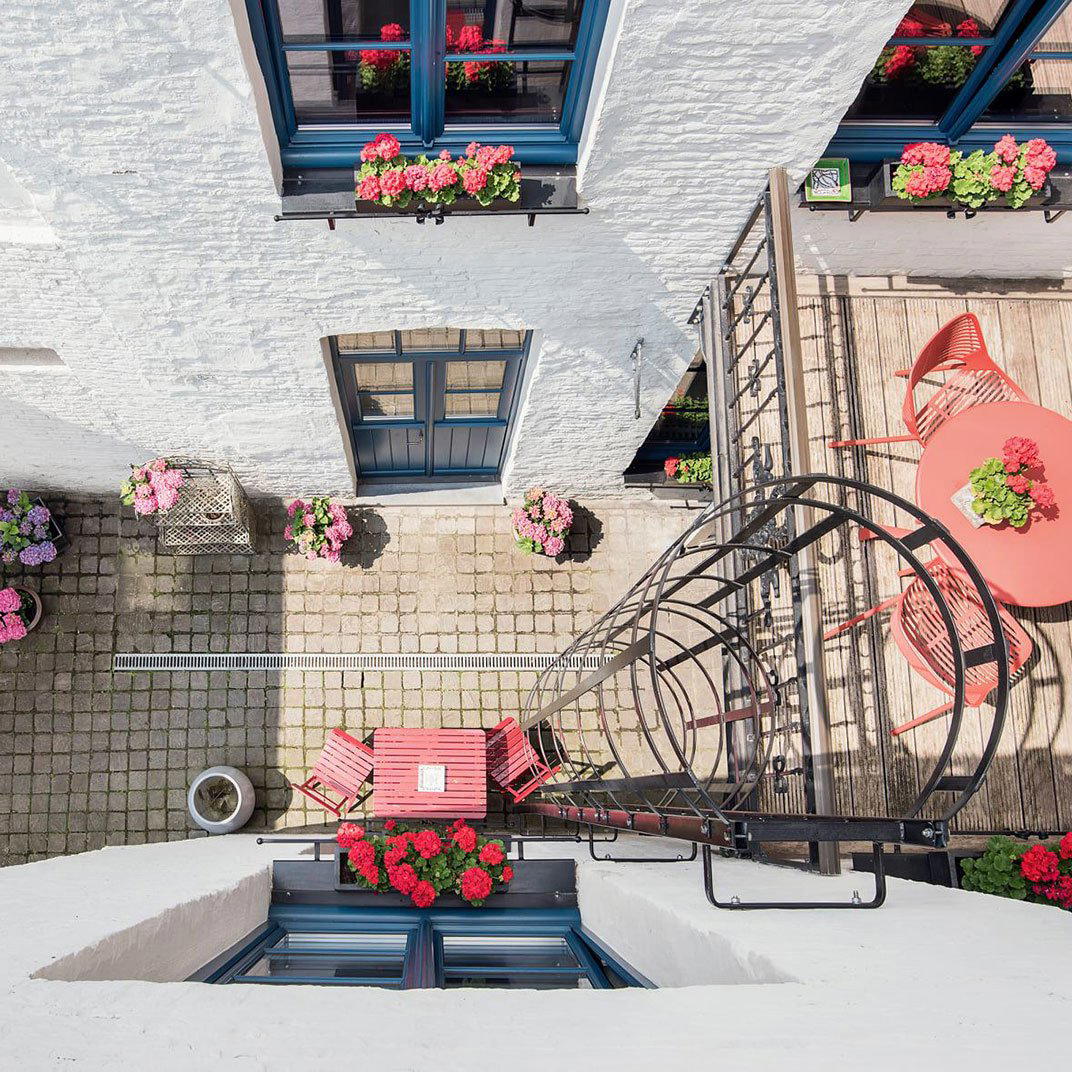
Details
- Elegant
- Cozy
- Sophisticated
- Date Night
- Family
- Celebration
- Terrace
- Private Dining
- Extensive Wine List
- Garden
- A La Carte
- Set Menu
Current opening hours
- Monday
- 12–1 PM, 6:30–8 PM
- Tuesday
- 12–1 PM
- Wednesday
- Closed
- Thursday
- Closed
- Friday
- 12–1 PM, 6:30–8 PM
- Saturday
- 12–1 PM, 6:30–8 PM
- Sunday
- 12–1 PM
Hours can change for holidays and private events. Hours as of .
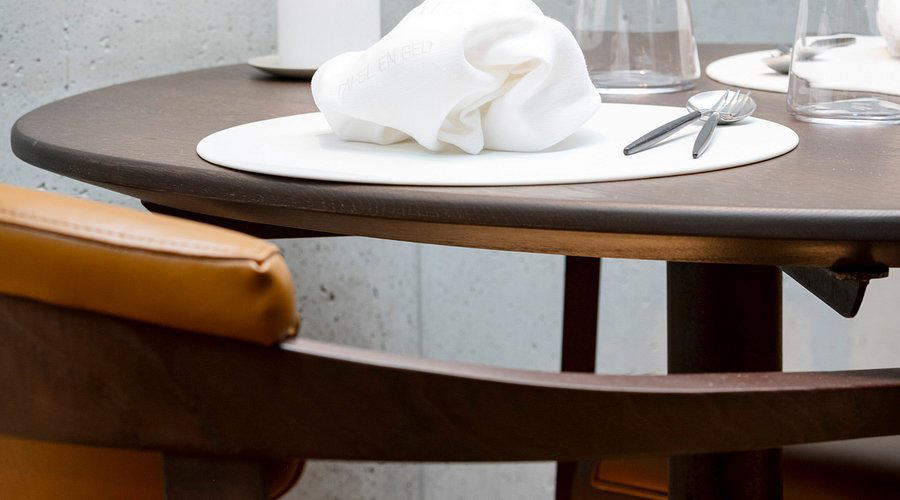
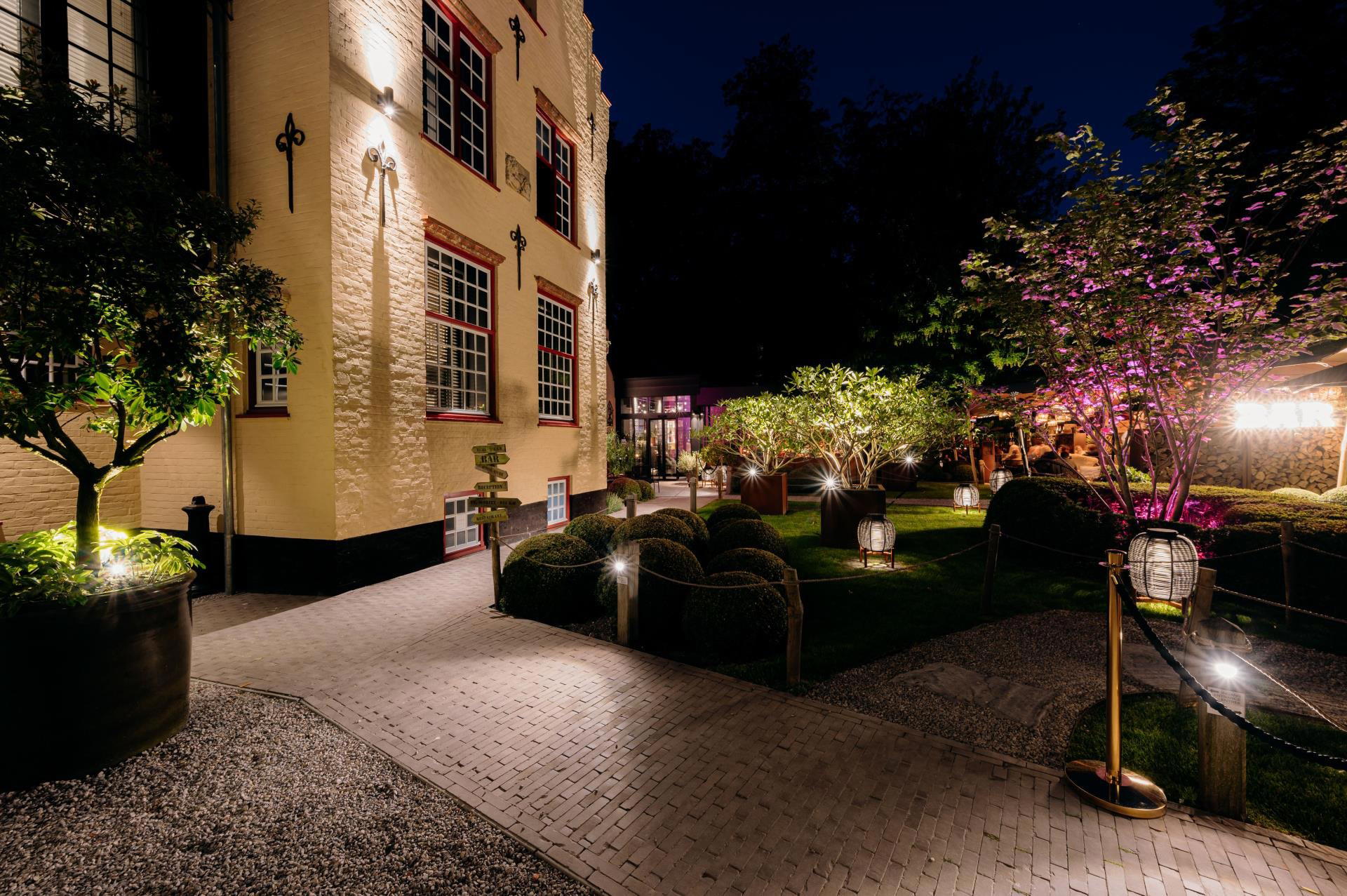
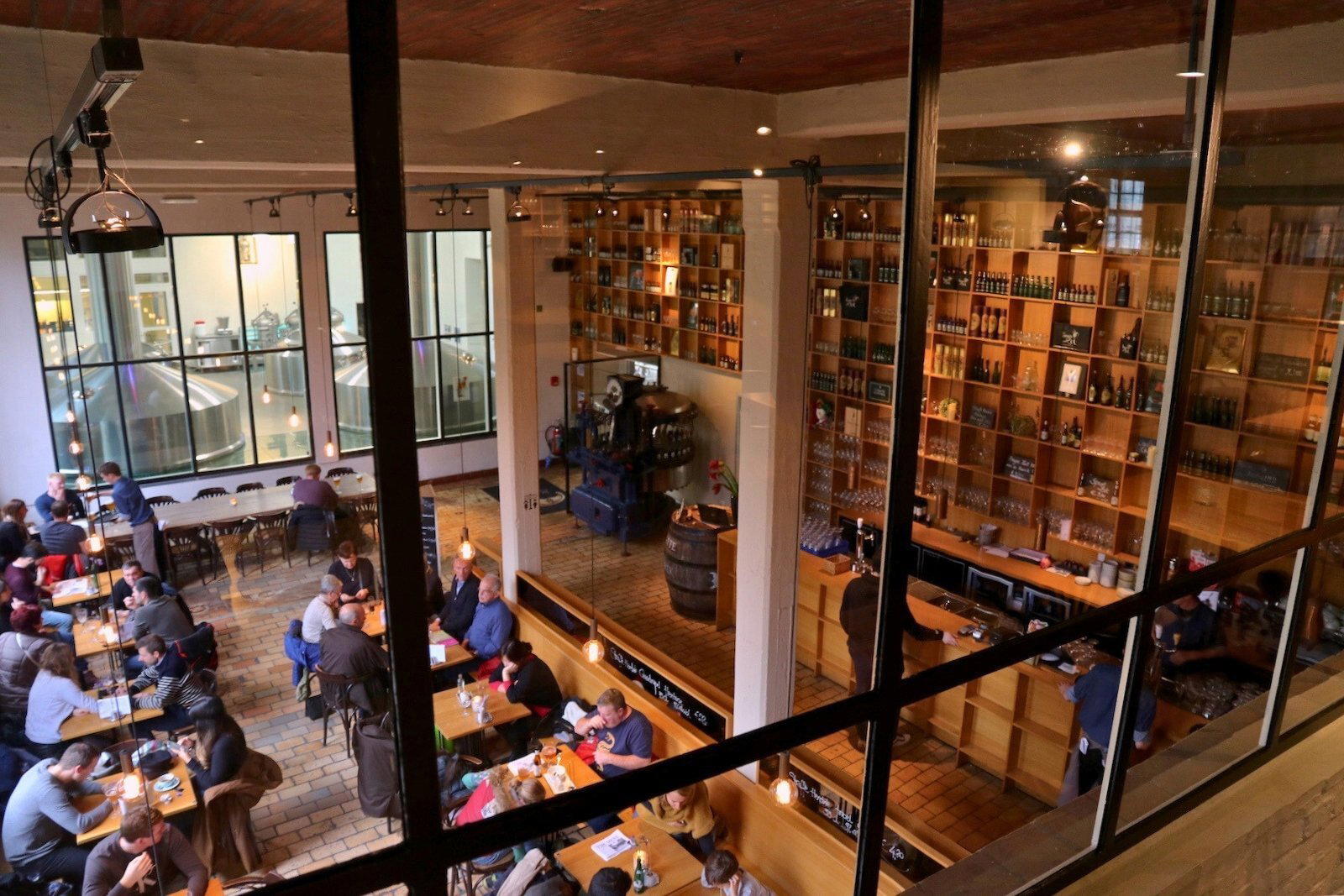
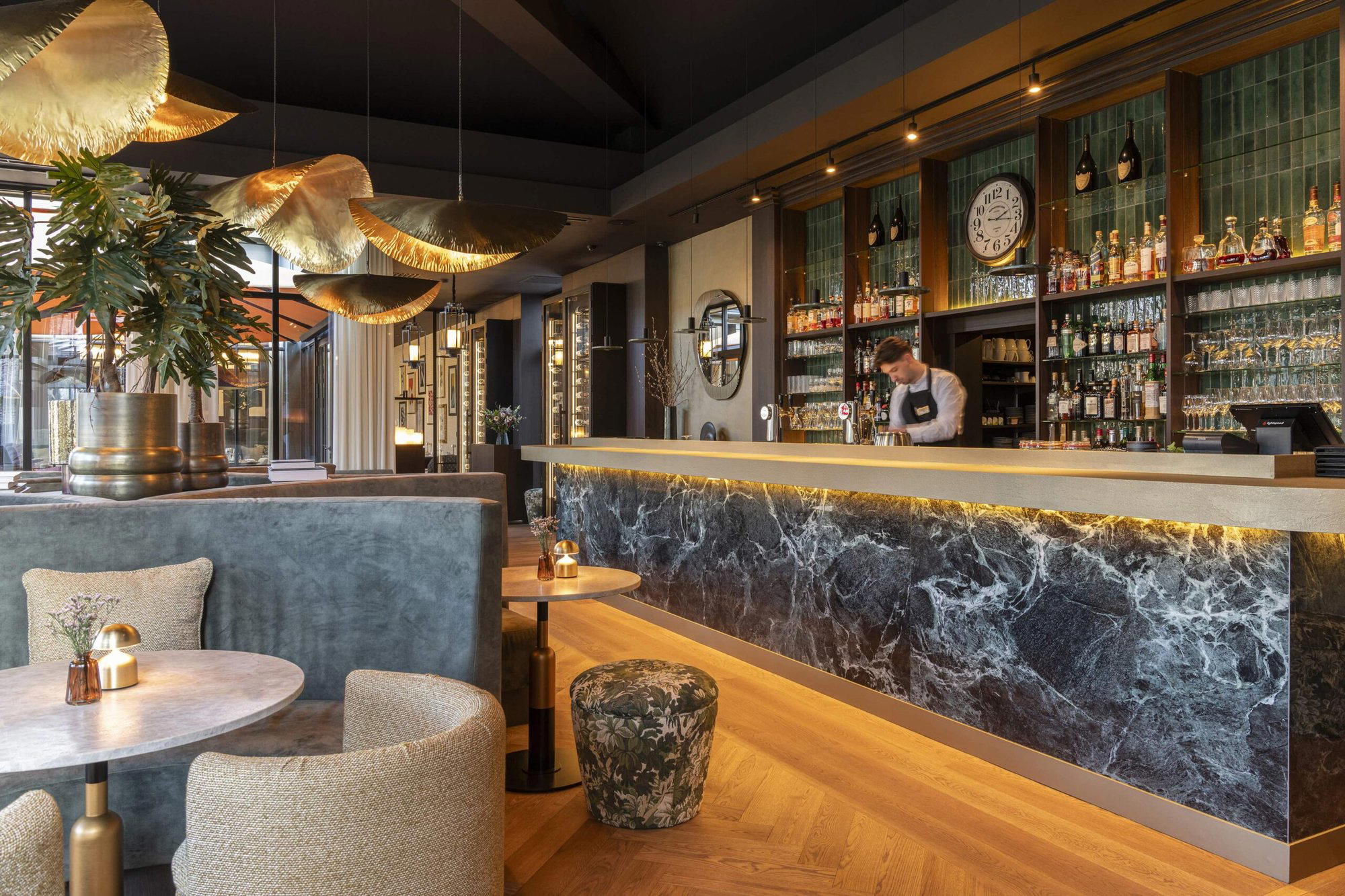
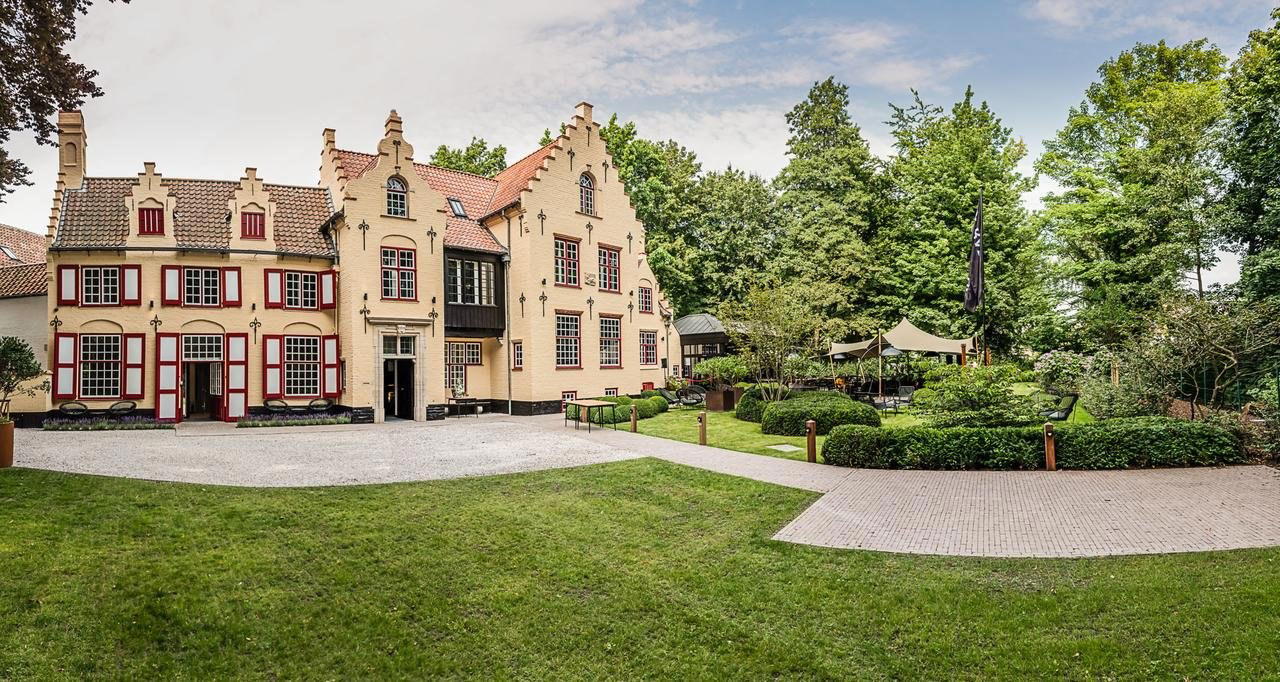
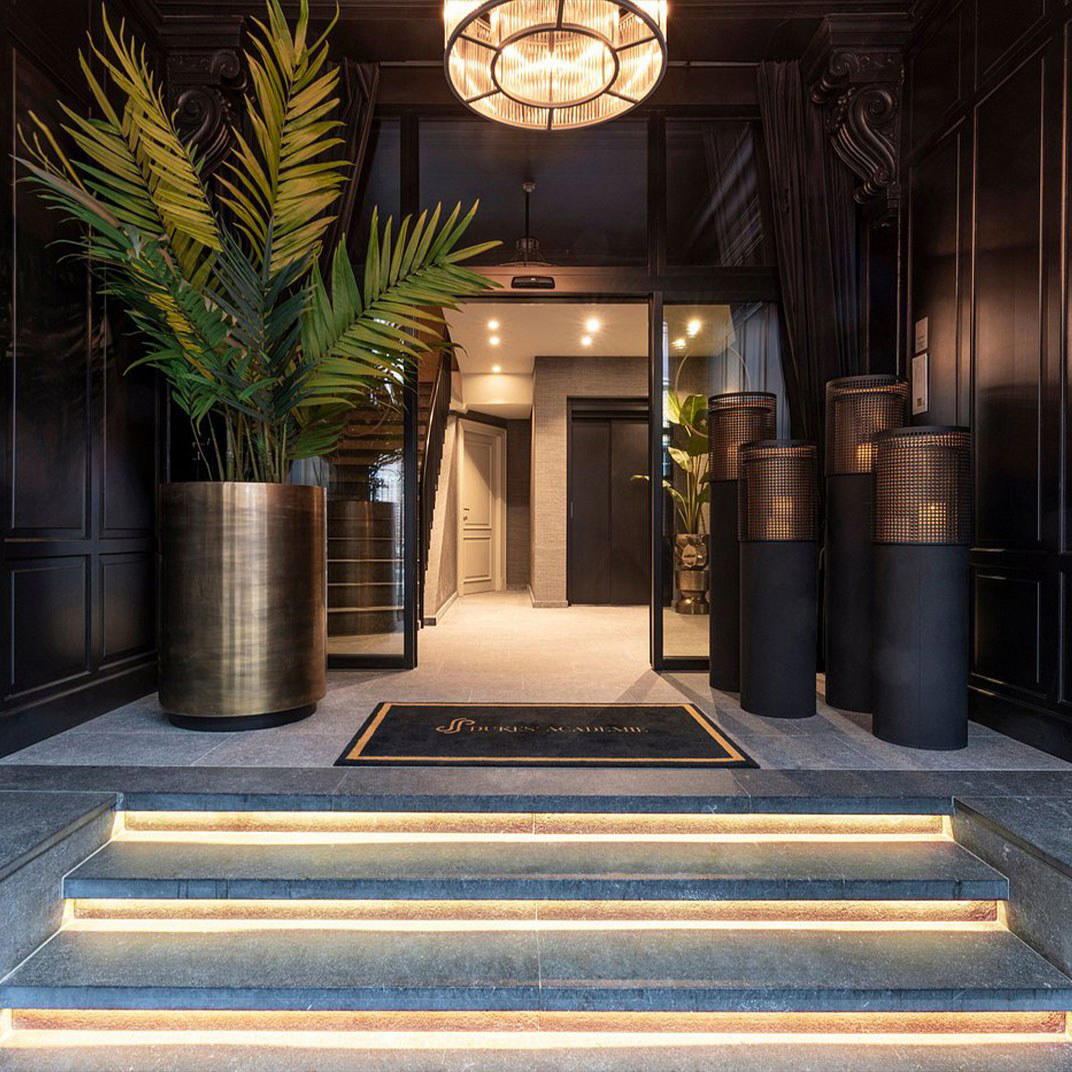
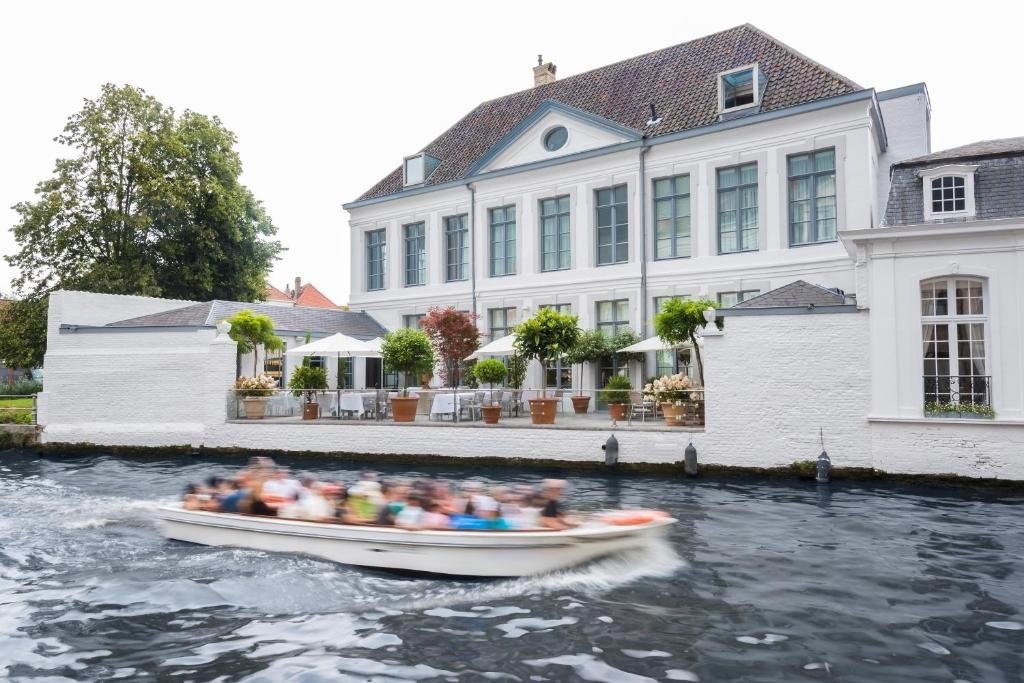
Stylish, timeless interior that is modern, homely, open, and bright with a warm, welcoming atmosphere.