
Michelin Plate
Our verdict
Laurel & Hardy in Oostkamp holds a Michelin Plate (2024) for its farm-to-table cooking, placing it among a small cluster of ingredient-driven restaurants operating outside Belgium's major cities. The €€€ price point. For the West Flanders dining circuit, it represents a compelling stop.

Pearl is the En Primeur Club membership app, where members save venues, book tables and use the concierge.
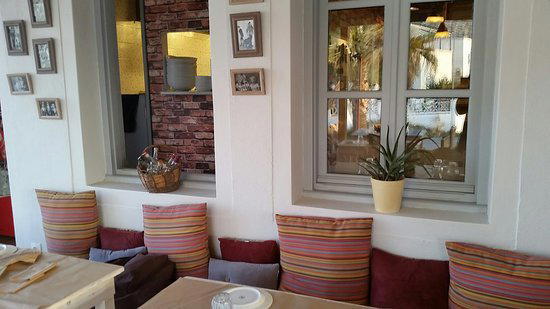
A Village Address With a Farm-to-Table Argument
Majoor Woodstraat is not a street that appears in most Belgian dining itineraries, and that's precisely what makes Laurel & Hardy's position in Oostkamp worth examining. The town sits in the agricultural belt of West Flanders, a few kilometres south of Bruges, where the flatlands produce the kind of raw material that kitchen-to-field cooking depends on: soft-skinned root vegetables, poultry from small-scale farms, and the dense, cold-climate herbs that coastal Belgium does quietly well. Arriving at number 3, the expectation is not spectacle. The setting is one of those quietly functional Flemish buildings where the quality signals are interior rather than architectural, the kind of address where the food has to do the talking.
For context on how to place Laurel & Hardy within the wider West Flanders dining conversation, see our full Oostkamp restaurants guide.
Why Provenance Defines the Menu Here
Farm-to-table as a category has become so diluted in European dining that it now demands interrogation rather than acceptance. At one end of the spectrum sit restaurants using the label as branding while sourcing industrially; at the other are kitchens where the procurement is the cooking philosophy, not a supplement to it. Oostkamp's agricultural position makes the latter a more credible claim here than it would be in, say, a city-centre address in Antwerp or Brussels. The land around West Flanders is working farmland, not decorative countryside, and restaurants that operate in this geography tend to develop genuine supplier relationships out of proximity rather than marketing preference.
This matters because the Michelin Plate distinction awarded to Laurel & Hardy in 2024 specifically recognises quality cooking rather than elaboration or spectacle. The Plate tier in Belgium's Michelin listings is not a consolation prize, it marks kitchens where the inspectors found food worth eating, typically characterised by honesty of flavour over technical showmanship. For a farm-to-table address at the €€€ price point, that recognition positions Laurel & Hardy within a different competitive conversation than the region's starred rooms.
Compare the trajectory: restaurants like Boury in Roeselare and Hof van Cleve in Kruishoutem operate at €€€€, where multi-course tasting menus and brigade-scale kitchens define the format. Laurel & Hardy operates a tier below that price ceiling, which in practice means the cooking is expected to carry the meal rather than the ritual of the service.
The Regional Context: Flemish Cooking and Its Raw-Material Obsession
Flemish cuisine has always been more ingredient-loyal than technique-obsessed. The great historical markers of the tradition, waterzooi, stoofvlees, the long-braised preparations that define the inland kitchen, were built around what the local farms and waterways produced, adjusted seasonally without ceremony. Modern farm-to-table kitchens in this region are not reinventing a wheel; they are, at their leading, continuing a relationship between land and plate that predates the terminology.
What has changed is the precision of that relationship. Chefs working in this format now name farms, rotate menus at harvest intervals, and in some cases keep their own kitchen gardens.
For the wider Belgian farm-to-table picture, it's worth noting that addresses like Willem Hiele in Oudenburg and Bartholomeus in Heist have made the coastal and polderland ingredient palette a serious critical conversation. Laurel & Hardy's inland position gives it access to a different set of producers, the farmers and smallholders of the Bruges hinterland rather than the fishermen and shellfish growers of the coast.
Further afield in Belgium, d'Eugénie à Emilie in Baudour and L'Eau Vive in Arbre represent the Wallonian end of ingredient-driven cooking, while La Durée in Izegem operates at a comparable latitude in West Flanders. For German parallels in the same genre, BOK in Münster and Clostermanns Le Gourmet in Niederkassel show how farm-to-table has developed in the broader northwest European register.
Price Tier and What It Signals
The €€€ bracket in Belgium's Flemish restaurant market covers a wide range of ambitions, from upscale brasseries to serious destination kitchens that have chosen not to pitch for the starred tier. Laurel & Hardy sits in this band at a moment when Belgian dining has largely bifurcated between €€€€ tasting-menu rooms and €€ neighbourhood addresses, making the middle ground an increasingly defined position rather than a default. The 2024 Michelin Plate confirms that the kitchen is operating with sufficient consistency to merit the distinction, which at this price point represents meaningful value relative to the starred rooms at the top of the Flemish hierarchy.
Restaurants like Bozar Restaurant in Brussels, Zilte in Antwerp, Ralf Berendsen in Neerharen, and Sir Kwinten in Sint-Kwintens-Lennik all represent different points on Belgium's fine dining map; Laurel & Hardy's contribution is a farm-grounded, village-scale argument for serious cooking outside the city circuits.
Planning Your Visit
Oostkamp is accessible from Bruges by car in under fifteen minutes, which makes it a practical extension of a Bruges itinerary rather than a standalone detour. The address at Majoor Woodstraat 3 is residential in character, so the experience will not resemble a city-centre dining destination. The €€€ price tier places an average meal in a range consistent with a full evening out rather than a casual drop-in, and the Michelin recognition suggests the kitchen is performing at a level that warrants treating it as a destination rather than a convenience. For broader travel planning in the area, our Oostkamp hotels guide, bars guide, wineries guide, and experiences guide cover the full picture.
Frequently asked questions
What's the overall feel of Laurel & Hardy?
It reads as a neighbourhood kitchen that has built genuine credibility, operating at €€€ in a market where the most discussed rooms sit at €€€€. The atmosphere reflects that position: ingredient-focused, locally embedded, and without the production values of the major city addresses.
What should I order at Laurel & Hardy?
What the cuisine classification and Michelin Plate recognition do support is an expectation of seasonal, produce-led cooking where the sourcing is doing structural work. In a West Flanders agricultural context, that typically means dishes built around vegetables, poultry, and the cold-climate pantry of inland Belgium. Ask the kitchen what's driving the menu on the day you visit, in farm-to-table formats operating at this level, that answer is usually the most useful guide.
Can I bring kids to Laurel & Hardy?
At the €€€ price point in a Michelin Plate-recognised kitchen, the format skews toward a considered dining experience rather than a casual family outing. Belgian restaurant culture is generally more accommodating of children than its French counterpart, and smaller-town addresses tend to be less formal in practice than their city equivalents. That said, the price tier and kitchen seriousness suggest an environment better suited to older children who will engage with the food than very young ones.
In Context: Similar Options
Comparable venues nearby, for context on price, style, and recognition.
| Venue | Cuisine | Price | Awards | Notes |
|---|---|---|---|---|
| Laurel & HardyThis venue (the venue you are viewing) | Modern Belgian Fine Dining | Not listed | Michelin Plate | Not listed |
| Raffiné | Modern French-Belgian Bistro | $50–100 | Not listed | Hertsberge |
| De Herten | Classical Belgian Seasonal Cuisine | $50–100 | Not listed | Oostkamp |
| Choc'atelier | Belgian Chocolatier | $10–20 | Not listed | Oostkamp |
| Cantine Copine | Modern Belgian Bistro | $50–100 | Michelin Plate | St. Pieters |
| De drie ridders | Modern Belgian Terroir | Not listed | Michelin Plate | Gijverinkhove |
Recognition history
Dated appearances from independent guides and award organizations, with the underlying list record or original source where available.
Michelin Plate
Michelin
Continue exploring
More in Oostkamp
Restaurants in Oostkamp
All restaurants in Oostkamp →
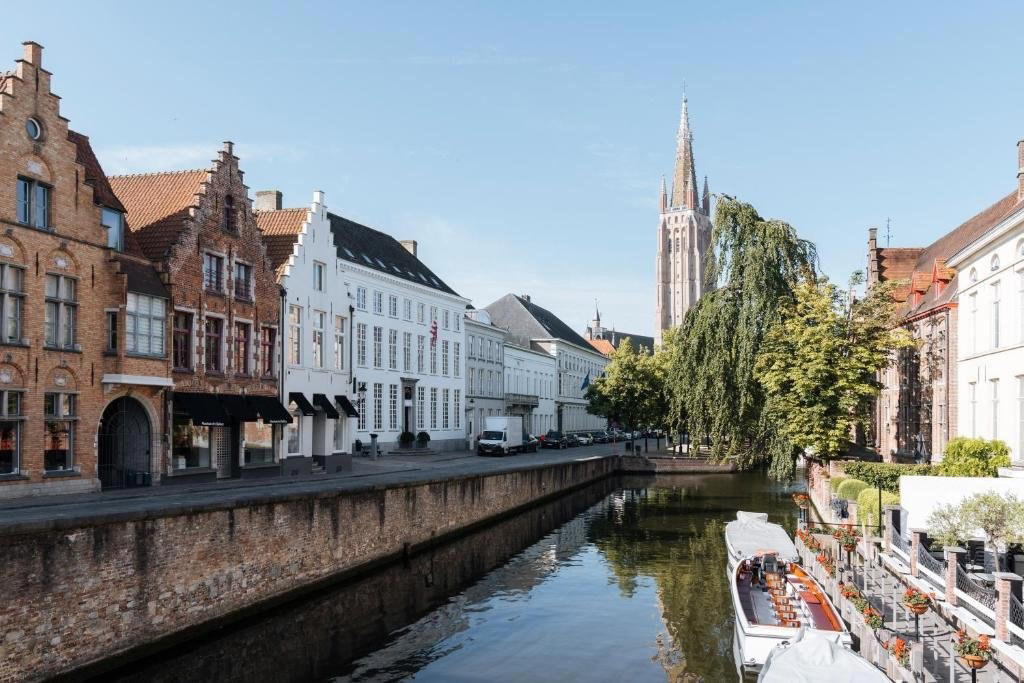
Bars in Oostkamp
Browse all →
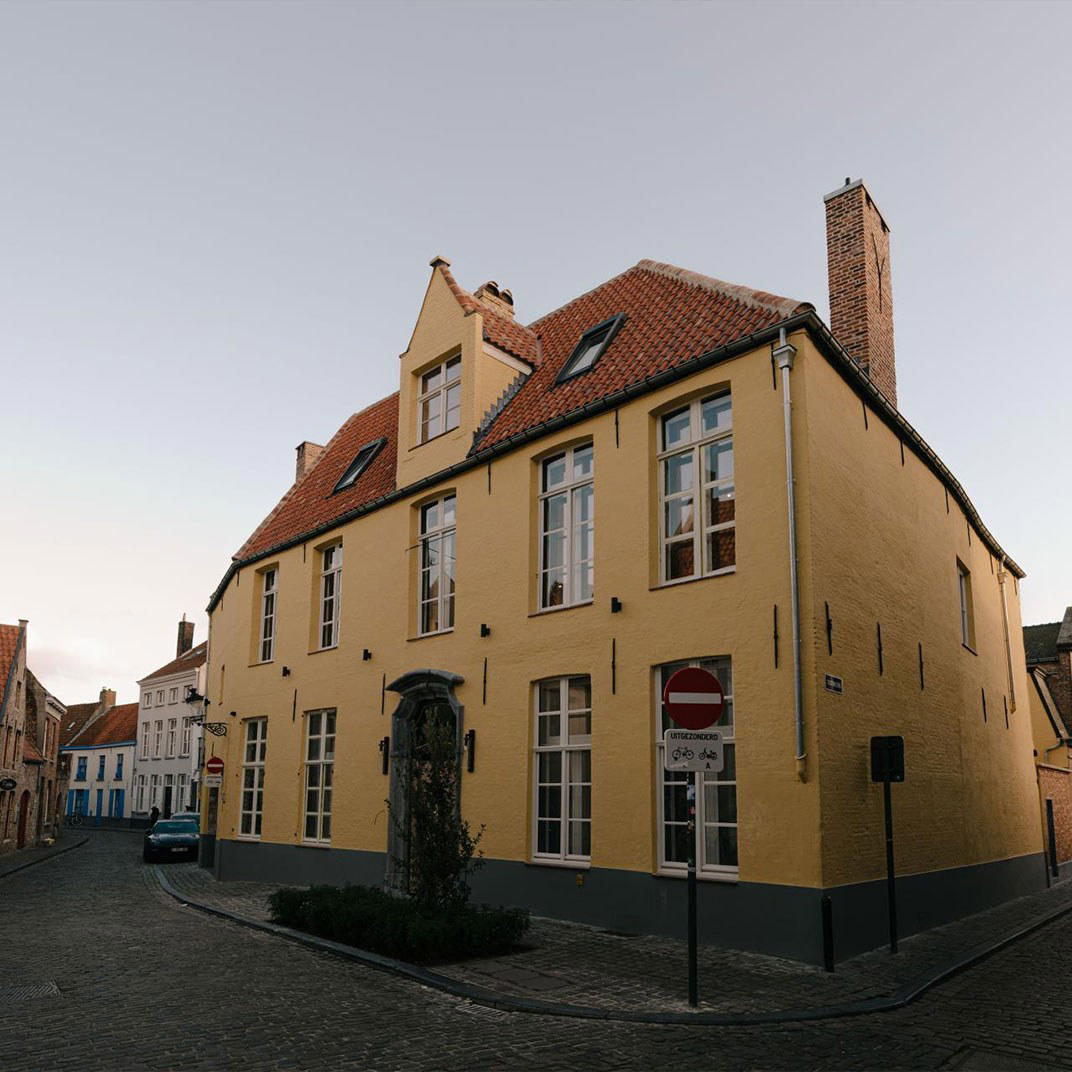
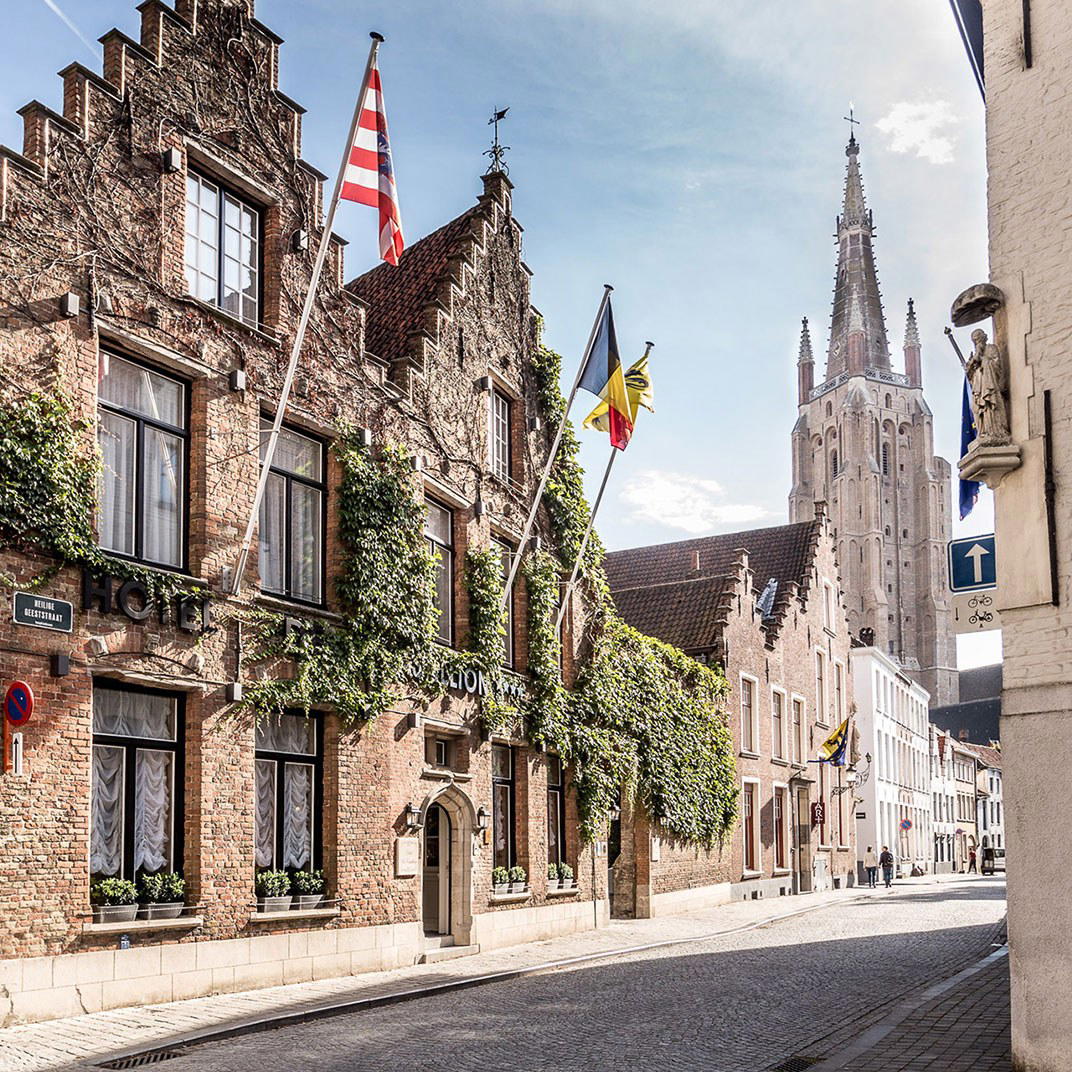
Hotels in Oostkamp
Browse all →
Wineries in Oostkamp
Browse all →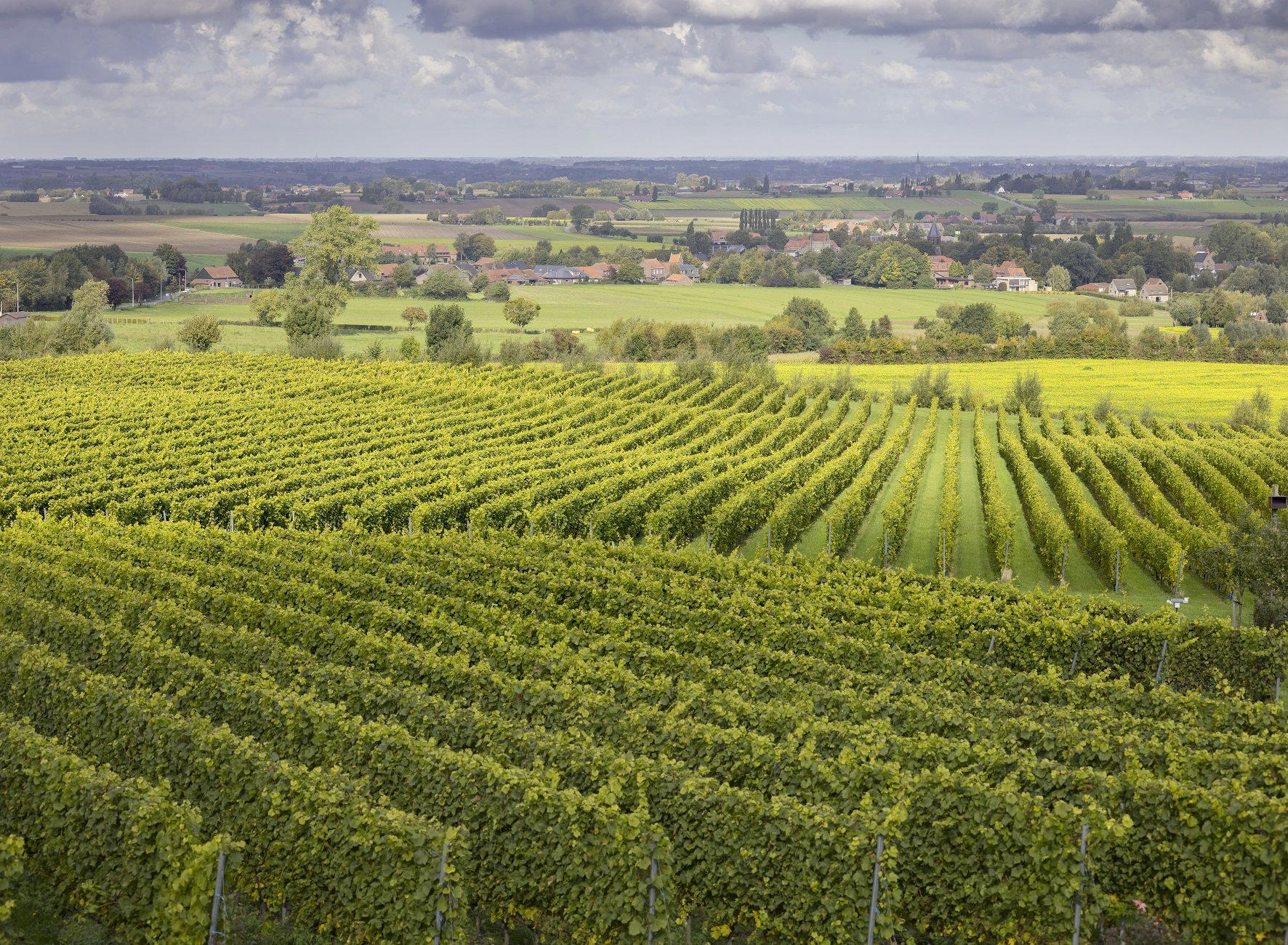
Details
- Modern
- Cozy
- Elegant
- Date Night
- Special Occasion
- Open Kitchen
- Terrace
- Extensive Wine List
- Local Sourcing
- A La Carte
- Vegetarian Friendly
Current opening hours
- Monday
- Closed
- Tuesday
- 12–2 PM, 6:30–9 PM
- Wednesday
- 12–2 PM, 6:30–9 PM
- Thursday
- 12–2 PM, 6:30–9 PM
- Friday
- 12–2 PM, 6:30–9 PM
- Saturday
- 12–2 PM, 6:30–9 PM
- Sunday
- Closed
Hours can change for holidays and private events. Hours as of .
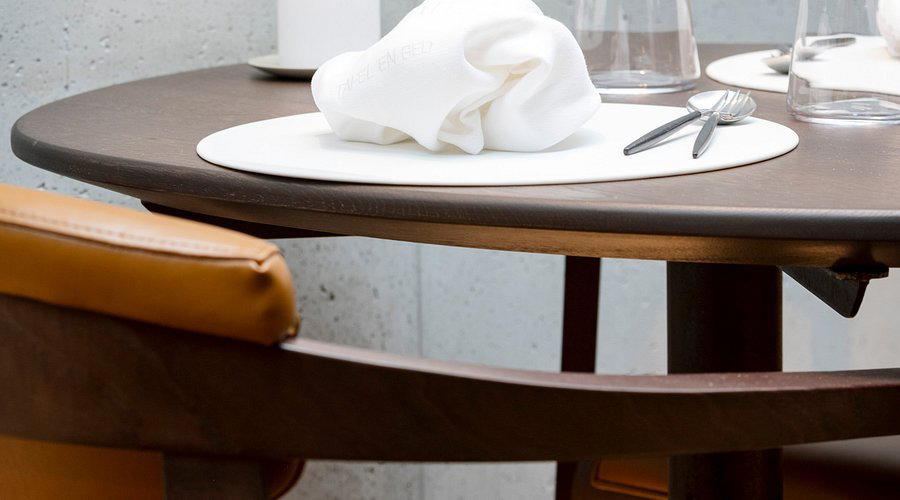
Modern and stylish interior with open kitchen, cozy and relaxed atmosphere, pleasant terrace.