On Ruiz de Castilla in Quito, Shibumi occupies a corner of the city's dining scene where Japanese restraint meets Andean geography. Details on format, pricing, and booking remain tightly held, which places it in a category of venues that rely on word-of-mouth rather than digital visibility. For those tracking Quito's quieter dining addresses, it warrants attention alongside the city's more documented contemporary tables.
Pearl is the En Primeur Club membership app — saves, bookings, and concierge access live there. Same editors, same standards.
- Address
- Ruiz de Castilla, Quito 170129, Ecuador
- Phone
- +593991806844
- Website
- shibumisushibar.com
- Directions
- Get directions
 Saves & bookings on Pearl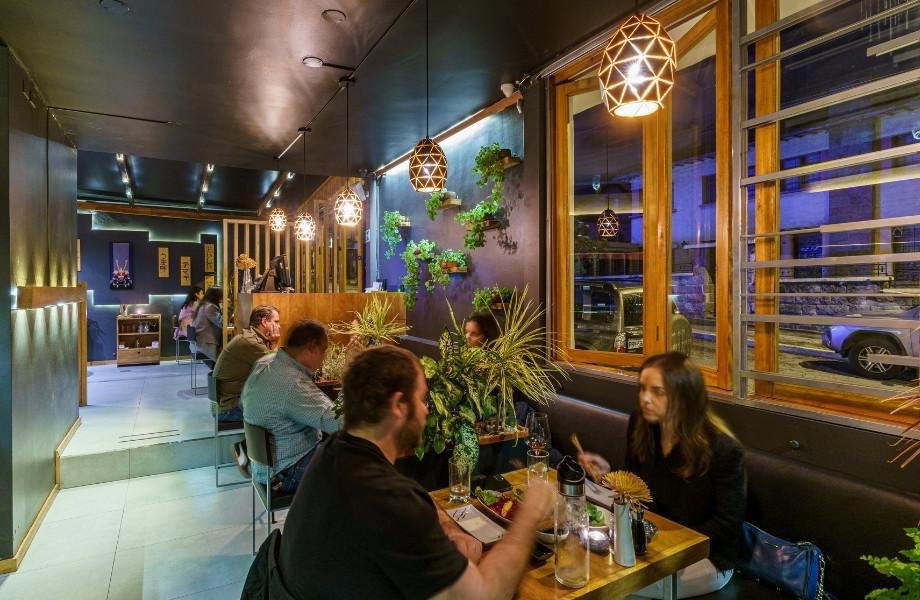
Altitude and Understatement: Reading Quito's Quieter Dining Rooms
Shibumi is a Japanese-Ecuadorian Fusion Sushi restaurant in Quito, Ecuador, with a price tier of 3 and an estimated $35 per person. In Quito, a city whose culinary ambitions have accelerated sharply over the past decade, Shibumi on Ruiz de Castilla belongs to that category.
Quito's dining scene has matured around two distinct poles. Nuema and Tributo occupy this space, as does Casa Gangotena, whose Ecuadorian fine dining format has attracted considerable attention from the international travel press. On the other side are places whose reputations circulate within the city's own networks, known to residents and to travellers who come prepared. Shibumi sits in this second tier, and the name itself signals something worth understanding before you arrive.
The Name as Editorial Clue
Shibumi is a Japanese aesthetic concept, one of the more demanding in the language. It describes a quality of beauty that is neither obvious nor decorated: an object or experience that reveals depth slowly, that does not announce itself. The term is associated with restraint, with surfaces that contain rather than display. As a name for a restaurant in Quito, it sets an expectation that the kitchen intends a particular register, one closer to precision and reduction than to the expressive abundance that characterises much of contemporary Latin American fine dining.
This places Shibumi in an interesting position within the city's competitive set. The dominant vocabulary at Quito's most-discussed tables tends toward the territorial, built on native ingredients, indigenous techniques, and Andean narratives. Cardó and the broader contemporary Ecuadorean conversation led by venues like Zazu and URKO have centred the country's biodiversity as both pantry and argument. A restaurant named for Japanese understatement is making a different kind of claim, one about how ingredients are treated rather than where they originate.
The Physical Environment at Ruiz de Castilla
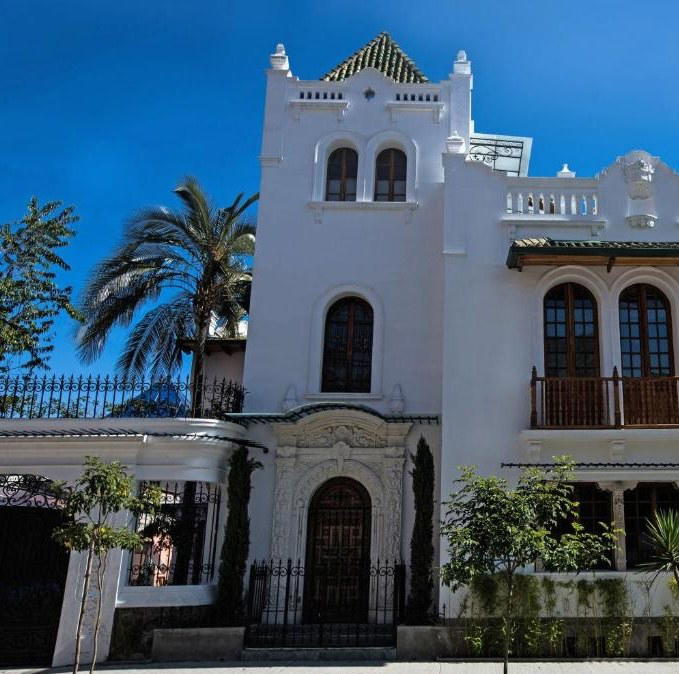
The address on Ruiz de Castilla places Shibumi in a part of Quito where the built environment tends toward the residential and low-scale, away from the polished hotel corridors and refurbished colonial mansions that frame much of the city's premium dining. Arriving on foot in this part of the city, the sensory context is quieter than the historic centre: less foot traffic, less ambient noise, the kind of neighbourhood atmosphere that suits a restaurant whose name translates, loosely, as the beauty of things that do not try too hard.
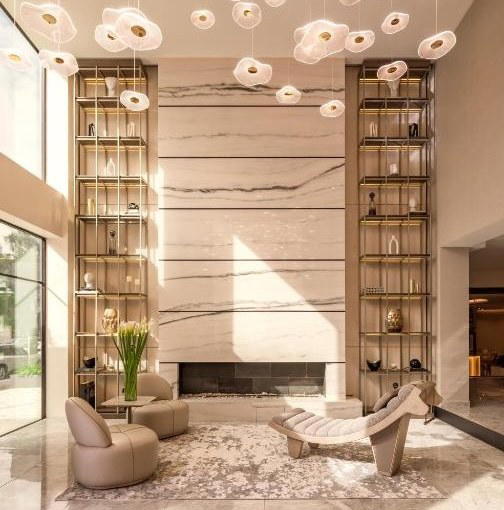
What the physical interior looks and sounds like from the inside, the materials underfoot, the acoustics of the room, the light at the table, cannot be confirmed from available data. The comparative scarcity of Shibumi's digital footprint suggests either a deliberately anti-promotional posture or a scale of operation small enough that the room itself is a private experience, shared among those who know to look for it.
Where Shibumi Sits in Ecuador's Wider Dining Map
Ecuador's restaurant scene is more varied across geography than its international profile suggests. The Galapagos has developed its own dining infrastructure, with operations like Ecoventura in San Cristóbal and the Evolution Restaurant in the Galapagos Islands serving a heavily international clientele with specific expectations. Guayaquil has its own coastal reference points, including Red Crab, oriented around the country's seafood traditions. In Cuenca, Le Petit Jardin has held a position in the city's more formal dining category for some time.
Quito, as the capital, concentrates the country's most self-conscious fine dining experimentation. It is also the city most likely to support a restaurant operating under Japanese aesthetic principles, given the size and diversity of its professional and expatriate population. Shibumi's Andean altitude, roughly 2,850 metres above sea level, is a factor any serious kitchen at this elevation must account for: boiling points shift, fermentation timelines change, and certain techniques that work at sea level require recalibration. How the kitchen addresses these conditions remains unconfirmed, but the question itself tells you something about the level of culinary attention the format demands.
For travellers who have eaten at Atomix in New York or 8½ Otto e Mezzo Bombana in Hong Kong and understand what a kitchen committed to a specific aesthetic discipline looks like in practice, the framework Shibumi's name implies will be legible. That said, reading a name as a promise is not the same as confirming the kitchen delivers on it. The editorial position here is one of documented potential rather than confirmed execution.
Planning Your Visit
Practical details: reservations are recommended, and the restaurant is open Mon: 1-4 PM, 6-10 PM; Tue: 1-4 PM, 6-10 PM; Wed: 1-4 PM, 6-10 PM; Thu: 1-4 PM, 6-11 PM; Fri: 1-4 PM, 6-11 PM; Sat: 1-4 PM, 6-11 PM; Sun: 1-4 PM. The address on Ruiz de Castilla, Quito 170129, Ecuador, is particularly reliable anchor for planning purposes. Quito's Banh Mi and other neighbourhood-scale operations on the city's informal dining circuit share a similar discovery logic: word travels faster than web presence.
our full Quito restaurants guide covers the range from casual to formally structured. Hornados Dieguito in Los Chillos to Carlo and Carla in Samborondon Canton.
Peers in This Market
Comparable venues nearby, for context on price, style, and recognition.
| Venue | Cuisine | Price | Notes |
|---|---|---|---|
| ShibumiThis venue — the venue you are viewing | Japanese-Ecuadorian Fusion Sushi | $$$ | Not listed |
| ZFOOD | Ecuadorean Seafood Cevicheria | $$$ | La Paz |
| Cardó | Modern Mediterranean with Ecuadorian ingredients | $$$ | Iñaquito |
| Noe | Ecuadorian-Japanese Fusion Sushi | $$$ | Plaza Las Américas, San Luis, Cumbayá |
| Rincón La Ronda | Traditional Ecuadorian | $$ | Bello Horizonte |
| Somos | Modern Ecuadorian Fusion | $$$ | Bellavista |
At a Glance
- Intimate
- Cozy
- Elegant
- Date Night
- Special Occasion
- Chefs Counter
- Open Kitchen
- Local Sourcing
Current opening hours
- Monday
- 1–4 PM, 6–10 PM
- Tuesday
- 1–4 PM, 6–10 PM
- Wednesday
- 1–4 PM, 6–10 PM
- Thursday
- 1–4 PM, 6–11 PM
- Friday
- 1–4 PM, 6–11 PM
- Saturday
- 1–4 PM, 6–11 PM
- Sunday
- 1–4 PM
Hours can change for holidays and private events. Last verified .
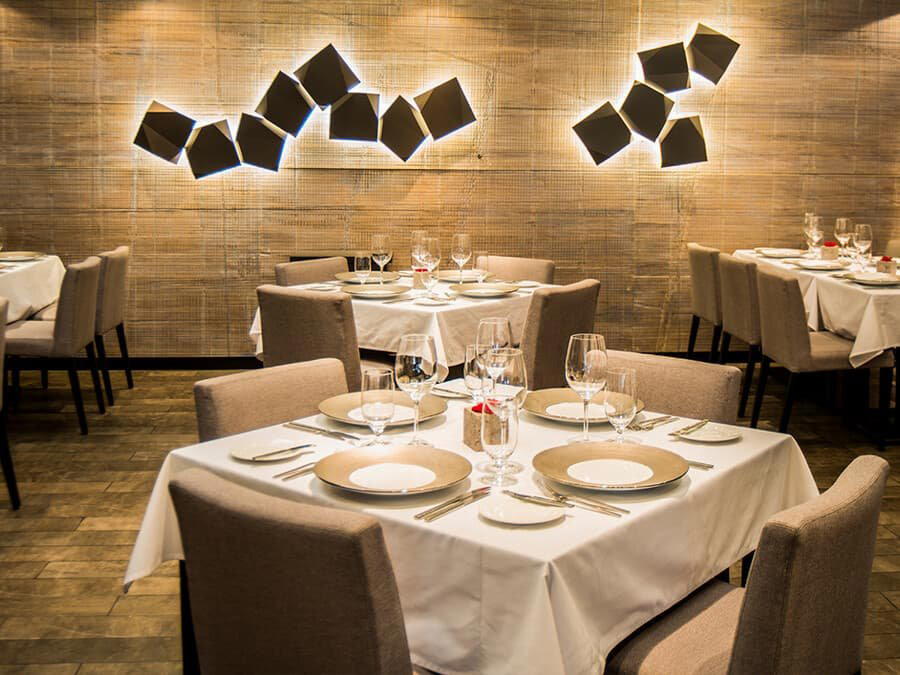
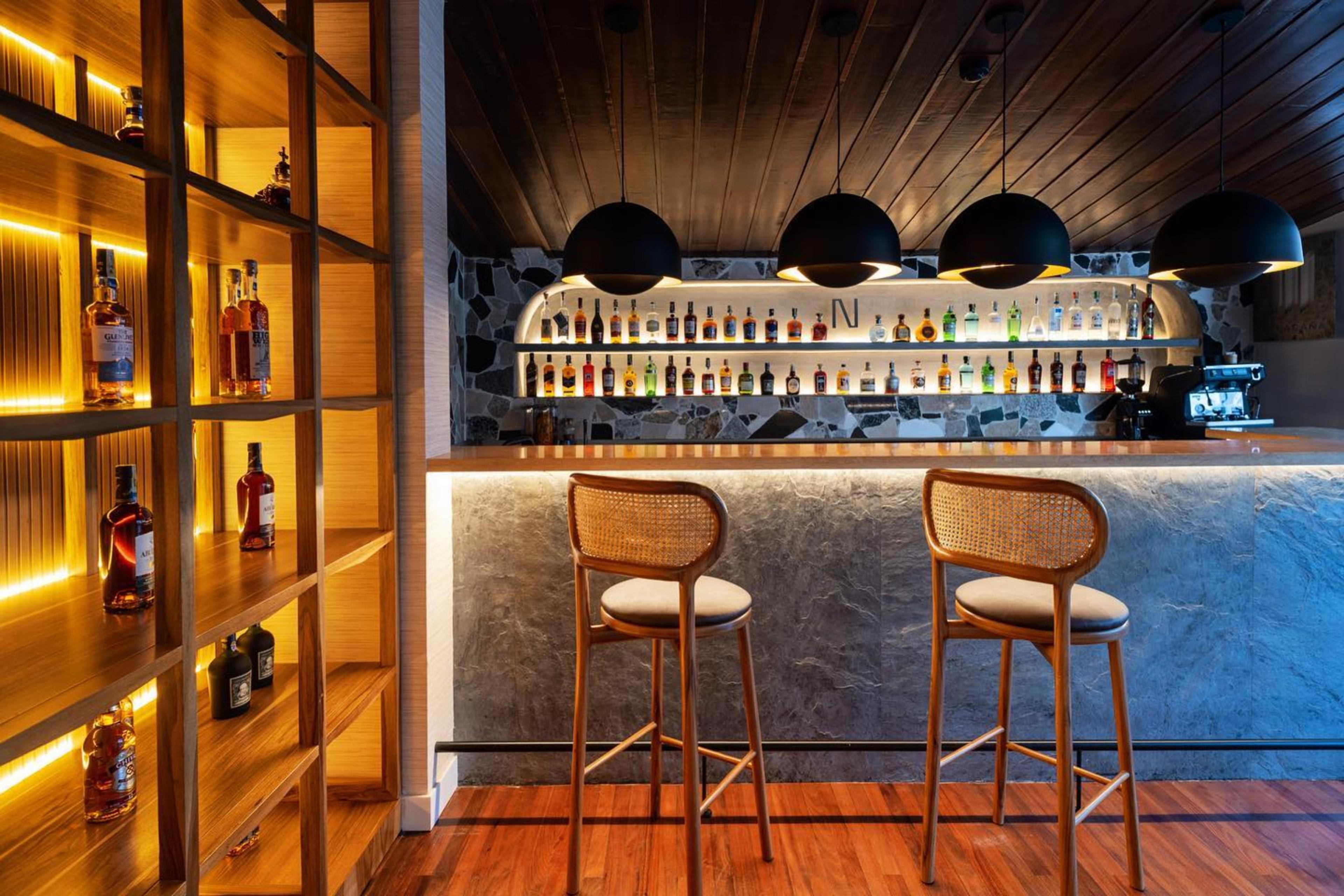
Cozy and intimate with a welcoming counter seating and small tables, emphasizing simplicity and elegance.