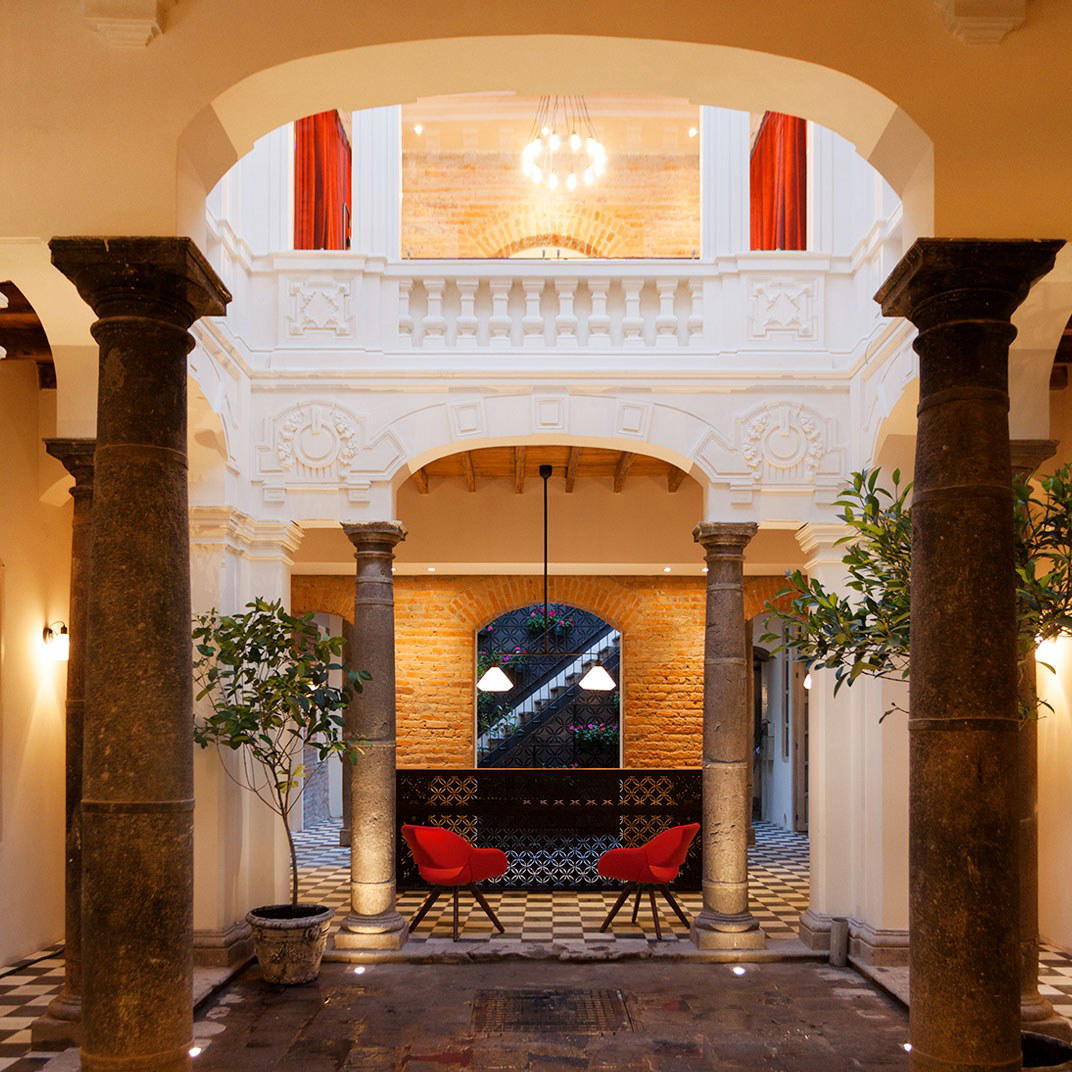
"Head to the Heartbeat of Quito UNESCO got it right when it declared Quito’s historical center the world's first Cultural Heritage site. Hidden among the baroque churches, cobbled streets, and colorful markets lies a square of endless entertainment. If you find yourself in Plaza Grande on Sunday, then cancel your plans for the rest of the day. From morning to night, this square, no bigger than two soccer pitches, chimes with traditional music, vendors peddling their wares, theatrical performances, and religious preachers. On stone benches, gray-bearded men strum the hypnotic sounds of pasillo music. Sprawling up one side of the Catedral de Quito's steps, hundreds of locals watch a group re-enact Ecuador’s fight for independence. Up the other side, howls of laughter bellow against the 16th-century white walls as a face-painted comedian delivers his routine. Then, as the clouds above the Presidential Palace turn a deep red later in the day, suited men divulge the secrets of the Bible in front of studious locals."
- Address
- PLAZA GRANDE, ESPEJO 985 Y, Quito 170130, Ecuador
- Phone
- +593 2 258 4118
- Website
- moneygram.com
- Directions
- Get directions
Where Quito's Historic Centre Meets the Valley Floor
The Plaza Grande in central Quito, framed by the Presidential Palace, the Metropolitan Cathedral, and the Archbishop's Palace, is the kind of civic space that accumulated its weight over centuries rather than through deliberate design. The square sits at the symbolic heart of a UNESCO World Heritage city, and the streets radiating from it carry the concentrated texture of colonial-era Quito: thick stone facades, arcaded walkways, and a street-level commercial life that ranges from flower vendors to high-end cafés. That the listing assigns this venue to Ruminahui, the canton immediately south of Quito in Pichincha province, while the physical address points to the historic centre, reflects the administrative complexity of the greater Quito metropolitan area, where municipality boundaries and daily lived experience do not always align neatly.
For travellers approaching from the Valle de los Chillos or the broader Ruminahui canton, the historic centre is a short drive north along the Pan-American corridor, passing through the dense urban fabric of Quito's southern parishes before the colonial skyline comes into view. The journey itself is instructive: it traces the economic and cultural gradient of one of South America's highest-altitude capital cities, a place that has spent the last two decades building a serious food culture on top of its colonial heritage. That food culture is the more relevant frame for understanding what the area around Plaza Grande offers a serious traveller today.
Ecuador's Ingredient Geography and Why It Matters Here
Ecuador's position on the equator, compressed between coast, sierra, and Amazon basin, gives it among the more concentrated ingredient geographies on the planet. Within a few hours' drive of Quito, a kitchen can source Pacific seafood, high-altitude grains and tubers, cloud forest cacao, Amazonian fruits, and Andean livestock. This density is not incidental to the restaurant scene centred on the capital; it is the structural reason why Quito's leading tables have been able to build menus with genuine sourcing depth rather than importing prestige ingredients from abroad.
The wider Ecuadorian dining scene reflects this geography in measurable ways. Venues like Nuema in Quito have built their identity around hyperlocal sourcing from Andean producers, positioning Ecuador as a country whose culinary ambition derives from ingredient access rather than from borrowing European frameworks. That is a relatively recent development: a decade ago, the dominant aspiration in Ecuadorian fine dining leaned heavily on French and Italian technique as the primary signal of seriousness. The shift toward sourcing transparency and native ingredient celebration mirrors broader Latin American trends, most visibly in Peru and Colombia, but Ecuador's version has its own topographic logic given the country's extraordinary altitudinal range. For context on how other regional traditions handle single-origin sourcing commitments, the approach at Atelier Moessmer Norbert Niederkofler in Brunico and Reale in Castel di Sangro offers instructive European parallels, both built around strict regional sourcing disciplines that force the menu to follow the territory rather than the other way around.
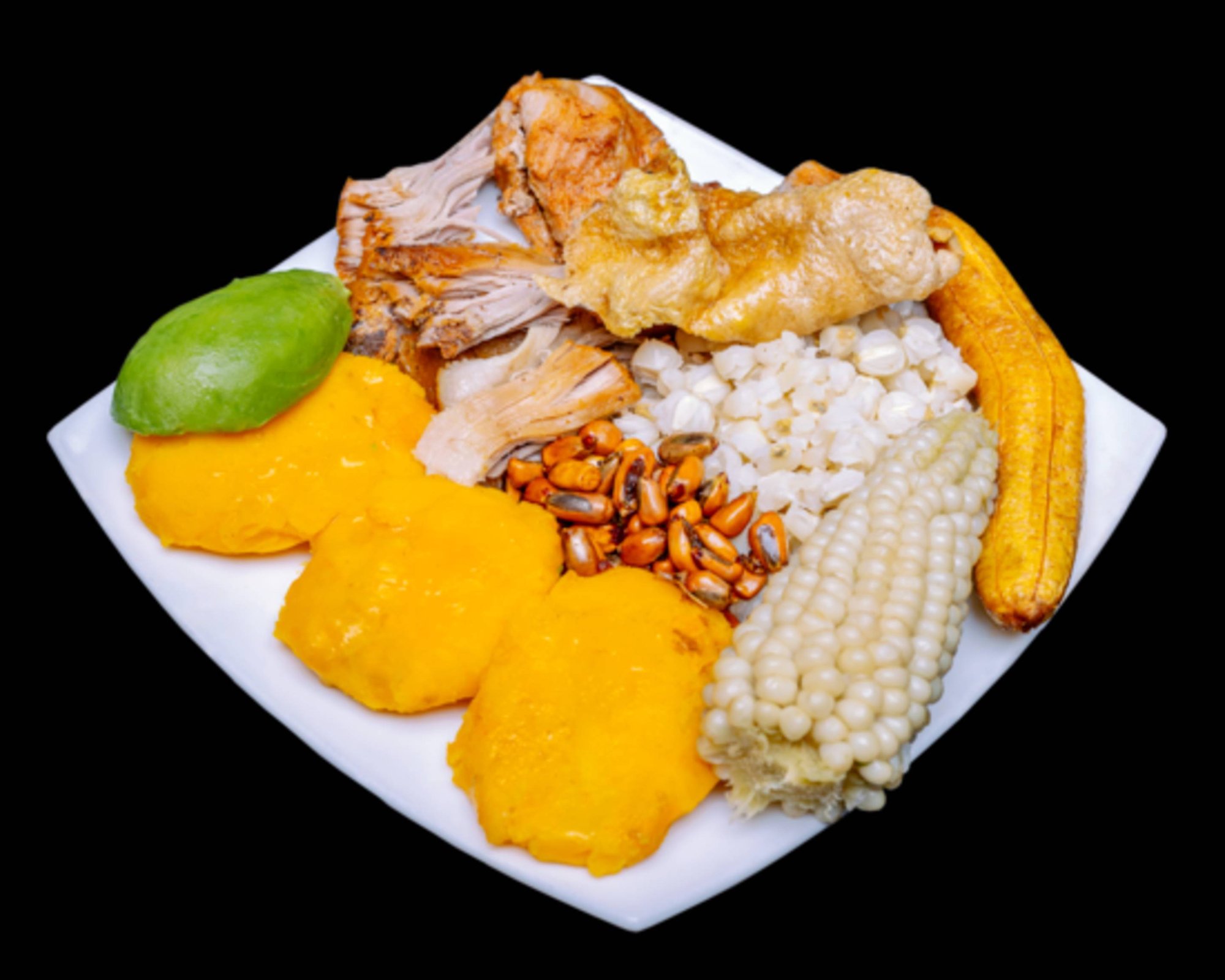
In the immediate vicinity of Plaza Grande, the food offer reflects this layered history. Street-level eating around the historic centre has always centred on Andean staples: hornado (slow-roasted pork), llapingachos (potato cakes), caldo de gallina, and locro de papa. These dishes draw on the same highland agricultural base that now supplies modernist restaurants. For a grounding example of how traditional preparation of hornado continues in the valleys south of the capital, Hornados Dieguito in Los Chillos sits within the same Ruminahui-adjacent corridor and represents the unbroken vernacular tradition that the contemporary scene references but rarely replicates with the same directness.
The Ruminahui Context: A Canton Defining Its Own Character
Ruminahui's administrative centre is Sangolquí, roughly 20 kilometres southeast of central Quito in the Chillo valley. The canton has historically been Quito's agricultural backyard, known for corn production, flower growing, and the kind of market-town eating culture that precedes any restaurant formality. In recent years it has attracted residential development as Quito's urban population has spread into the valleys, bringing with it demand for a more varied hospitality offer. The broader pattern mirrors what has happened in metropolitan areas across Latin America: the formal urban dining scene migrates along with the population, creating pockets of quality eating in what were previously purely residential or agricultural zones. For a fuller picture of what the canton currently offers across categories, our full Ruminahui restaurants guide maps the emerging options.
Ecuador's premium travel offer has widened considerably beyond the capital. Experiences tied to the country's extraordinary natural assets, from the Galapagos with operators like Ecoventura in San Cristóbal and Pikaia Lodge in the Galapagos Islands, to coastal dining in Guayaquil at Casa Julián and interior Andean options like Capitan&Co. in Cuenca Canton, indicate that serious travellers are routing through Ecuador across multiple stops rather than treating Quito as the sole destination. The Ruminahui valley fits logically into a Quito-anchored itinerary that also reaches south into the Cotopaxi region or east toward the cloud forest.
Planning a Visit to This Part of Quito and Ruminahui
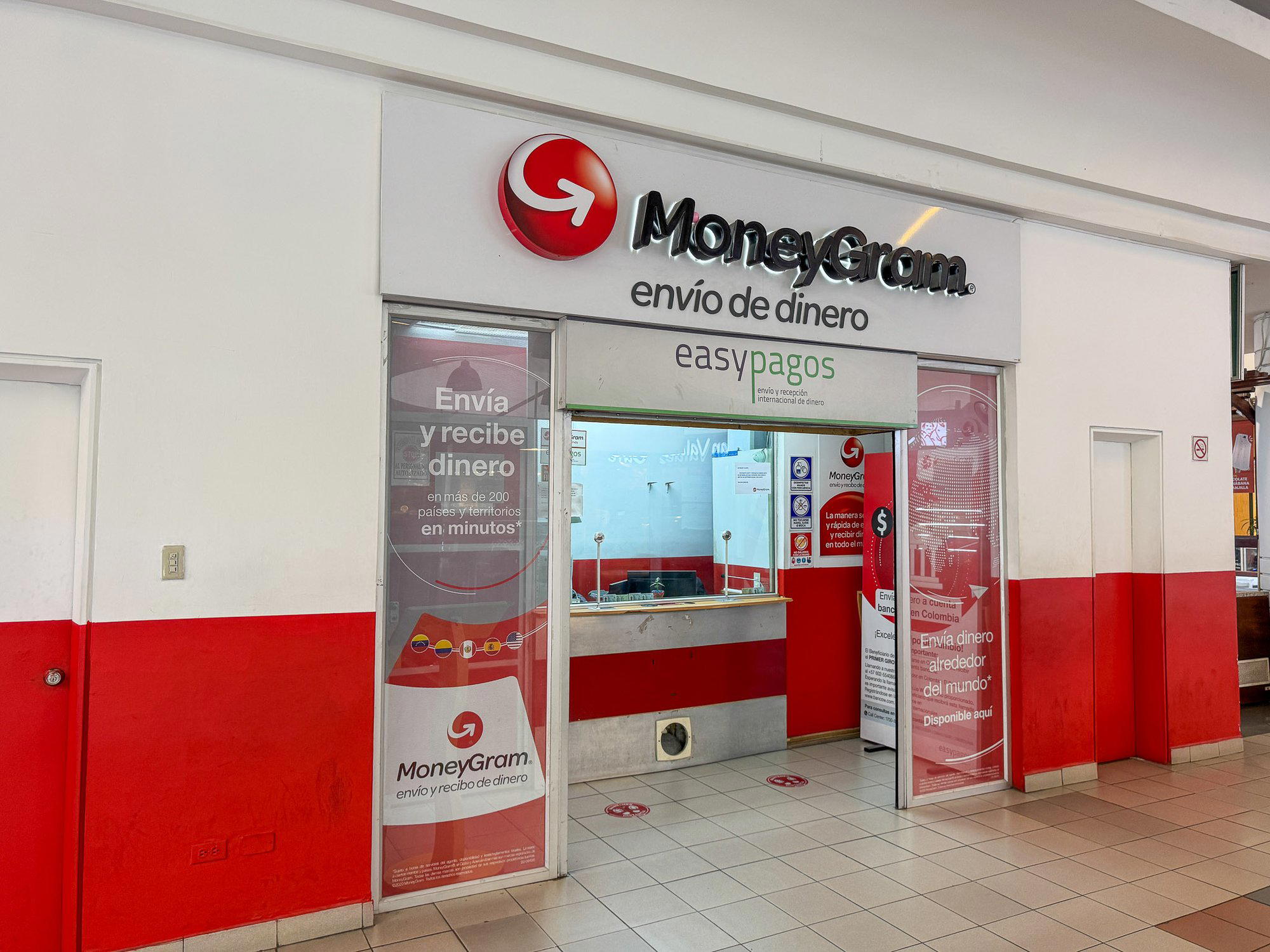
MoneyGram is permanently closed. The address, Plaza Grande, Espejo 985 in Quito's historic centre, is publicly verifiable and places the listing in among the more frequently visited squares in the country. Travellers to the historic centre generally find the area most navigable in the morning and early afternoon; late afternoon often brings traffic congestion on the roads connecting the colonial centre to the valley towns.
Visitors combining the historic centre with a broader Ruminahui itinerary should account for the altitude: Quito sits above 2,800 metres, and the valley floor at Sangolquí drops to roughly 2,500 metres. The acclimatisation difference is minor but the drive between them takes 30 to 45 minutes depending on traffic, which affects how tightly a day can be scheduled. A well-structured day in this corridor moves from the historic centre in the morning to the valley in the afternoon, tracking the light and the traffic in the same direction.
In Context: Similar Options
Comparable venues nearby, for context on price, style, and recognition.
| Venue | Cuisine | Price | Notes |
|---|---|---|---|
| MoneyGramThis venue — the venue you are viewing | :null | Not listed | Not listed |
| Hornados Dieguito | Traditional Ecuadorian Hornado | $$ | Valle de los Chillos |
| Noe | Ecuadorian-Japanese Fusion Sushi | $$$ | Plaza Las Américas, San Luis, Cumbayá |
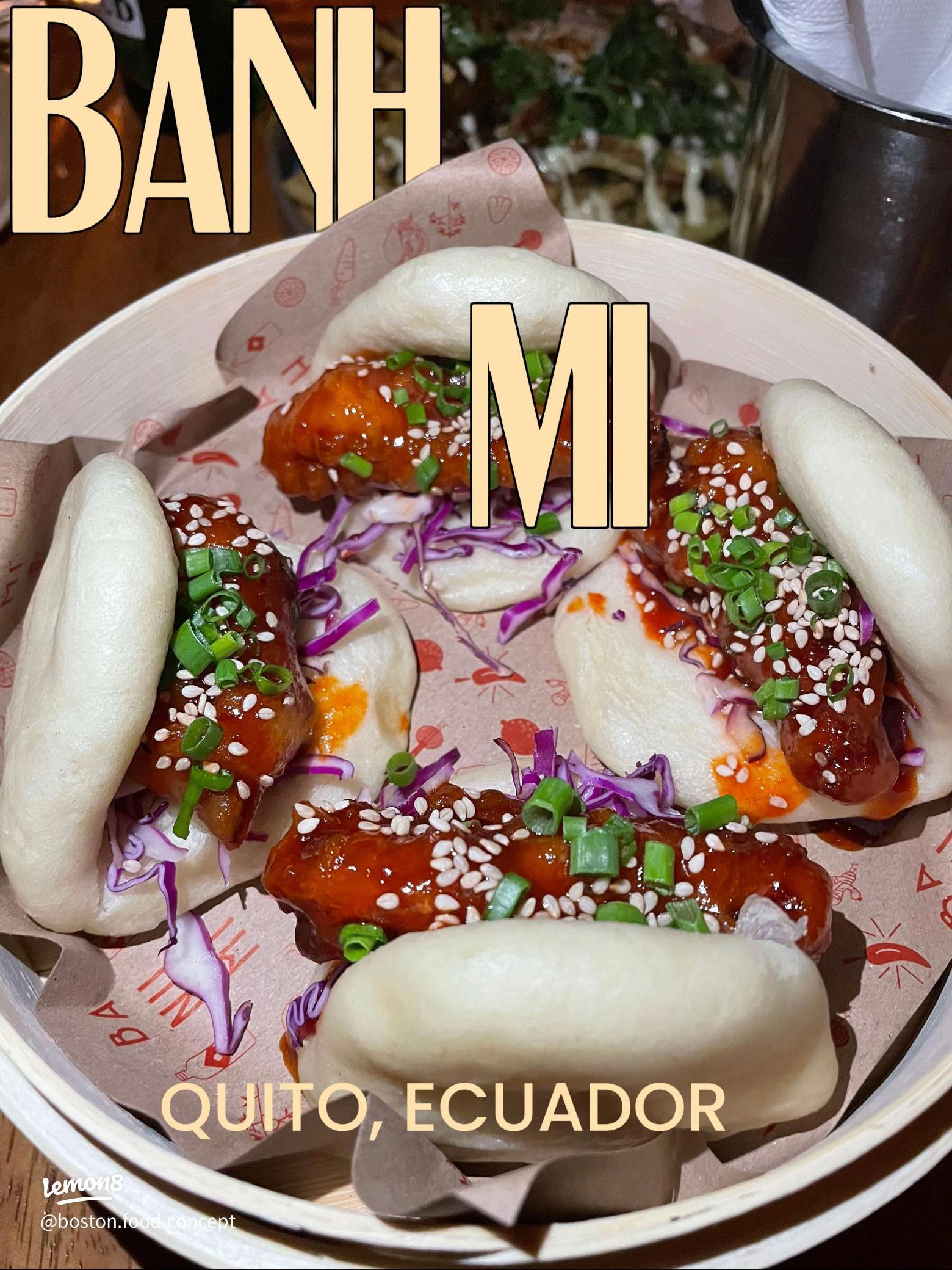
| Banh Mi | Asian Fusion with Local Ecuadorian Influences | $$ | La Floresta |
| Nubori | Japanese Fusion with Ecuadorian Influences | $$$ | Iñaquito |
| El Salnés | Modern Ecuadorian Gastro-Picantería | $$ | Maldonado |
Continue exploring