queensyard
Queensyard sits at 20 Hudson Yards, occupying a position in New York's upper tier of destination dining where address and ambition converge. The restaurant draws on a British-inflected sensibility within a city that has few equivalents at this price point and scale. For visitors to the Hudson Yards development, it functions as one serious dining option in the complex.
Pearl is the En Primeur Club membership app — saves, bookings, and concierge access live there. Same editors, same standards.
- Address
- 20 Hudson Yards, New York, NY 10001
- Phone
- +12123770780
- Website
- queensyardnyc.com
- Directions
- Get directions
 Saves & bookings on Pearl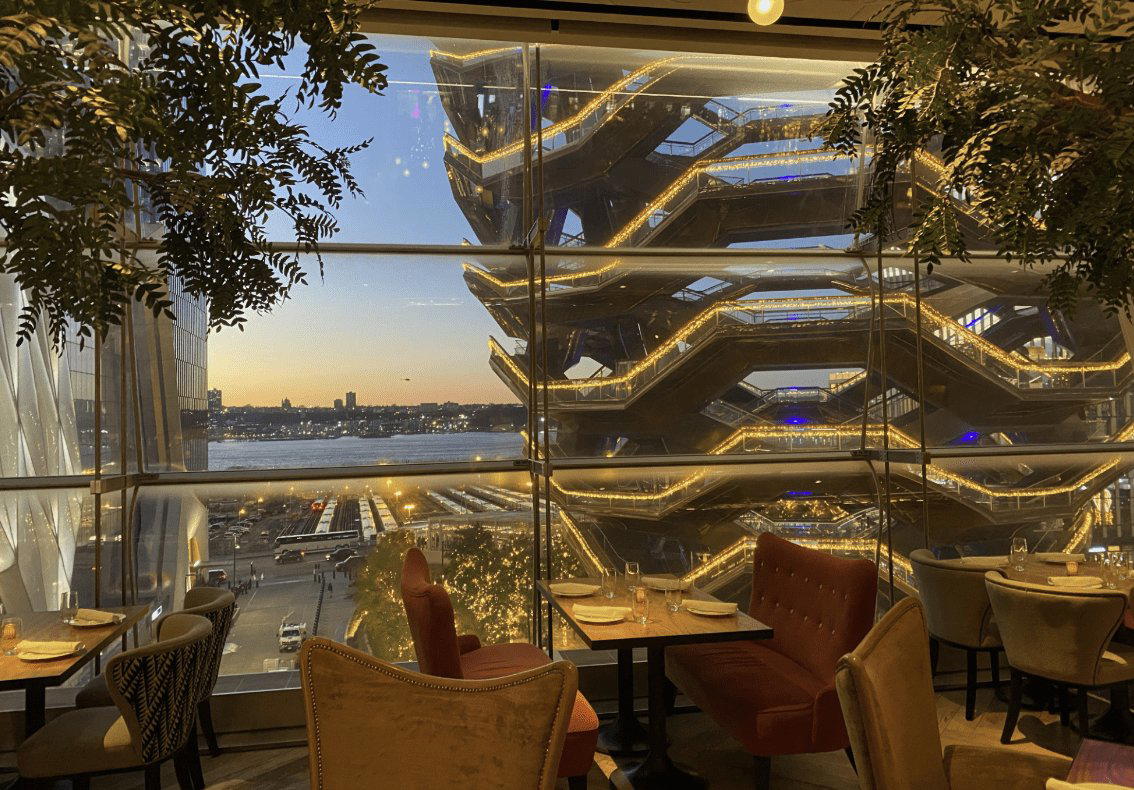
Hudson Yards and the Architecture of Destination Dining
Queensyard is a restaurant at 20 Hudson Yards in New York City serving Modern American with British Tavern Fare. Developments of this scale tend to attract either safe, brand-name operators or ambitious destination concepts designed to justify the address. Queensyard, situated at 20 Hudson Yards, arrived as the latter: a British-influenced fine dining concept in a city where that particular culinary tradition has historically struggled to establish a serious foothold. New York's upper dining tier is dense with French-trained kitchens, from Le Bernardin to Per Se, and with Asian-influenced progressives like Atomix and Jungsik New York.
What the Menu Structure Reveals
British fine dining, at its most considered, draws from a larder tradition: aged meats, cured fish, preserved game, root vegetables given long preparation times. When a restaurant exports that sensibility to New York, the menu architecture tends to bifurcate. One side of the card addresses what the city's dining public expects from a room at this price point; the other side pursues the ingredient-and-technique logic that gives the concept its identity.
At the broader category level, restaurants occupying premium real estate within mixed-use developments face a structural challenge: the walk-in visitor and the destination diner have different needs, and a menu designed to satisfy both often satisfies neither completely. One successful operations in this tier, from Alinea in Chicago to Single Thread Farm in Healdsburg, resolve that tension by committing fully to one audience. A tasting format signals commitment to the destination diner. A broad à la carte signals accessibility.
The Hudson Yards Context
Location at Hudson Yards places Queensyard within a particular kind of New York geography. The development sits on the Far West Side, above a working rail yard, connected to the rest of Manhattan by the 7 train extension that opened in 2015 and by the High Line's western terminus. It is not a neighbourhood in the traditional sense; it is a planned district, and the dining within it exists in a different relationship to the street than restaurants embedded in older Manhattan fabric. The clientele skews toward business entertaining, hotel guests from the adjacent properties, and visitors to the Shops at Hudson Yards, with fewer of the neighbourhood regulars who sustain restaurants in the West Village or the Upper East Side through slow seasons.
That context puts Queensyard in a comparable position to the dining operations within major cultural or commercial developments elsewhere in the country: the restaurants at large hotel properties, or those attached to institutions that generate their own visitor traffic. Blue Hill at Stone Barns in Tarrytown benefits from its farm setting to draw destination diners despite its remove from the city. Queensyard draws from the development's own traffic while competing with the broader Manhattan fine dining market for the deliberate reservation.
British Fine Dining in an American Room
The tradition Queensyard works within has a distinct recent history. British fine dining spent much of the twentieth century defined by its French influences and its country house format, before a generation of chefs reoriented it around British ingredients and shorter, more direct preparation. That shift produced a recognizable style: less sauce-dependent than classical French cooking, more attentive to provocation and sourcing provenance, often structured around a shorter menu with higher ingredient cost per plate. When that approach is transposed to New York, ingredient sourcing becomes more complicated and more expensive. British shellfish, aged Scottish beef, and game birds that anchor menus in London require either importing or substituting with American equivalents, and that substitution changes the dish.
For comparison, consider how other restaurants have handled the challenge of transplanting a specific culinary geography to New York. Masa imports specific Japanese fish and relies on a supply chain built over decades. The approach works but prices accordingly. A British-inflected kitchen faces a less acute but structurally similar problem: the ingredients that give the tradition its character are either expensive to import or require creative American reinterpretation. The menu architecture at such a restaurant reveals which path it has taken.
comparable set and Price Positioning
Within New York's fine dining tier, Queensyard competes for the same reservation budget as restaurants that carry significant critical recognition and James Beard or Michelin credentials. Le Bernardin holds three Michelin stars. Per Se holds three. Atomix holds two and has appeared on the World's 50 Best list. A restaurant without equivalent published recognition in that company must differentiate on something other than accolade density: format, setting, cuisine specificity, or access. Hudson Yards provides the setting argument. The British culinary tradition provides the cuisine specificity argument. Format and access are variables the kitchen controls.
The French Laundry in Napa holds its position through a combination of three Michelin stars and destination geography. Providence in Los Angeles builds on two Michelin stars and a seafood-focused identity. Addison in San Diego earned its Michelin recognition by maintaining a strong regional identity. The Inn at Little Washington built decades of reputation on a single address.
Internationally, the comparison class extends to restaurants like Alain Ducasse at Louis XV in Monte Carlo and 8½ Otto e Mezzo Bombana in Hong Kong, both of which have established strong identities within specific culinary traditions despite operating in markets that require cultural translation. Queensyard's task in New York is analogous.
Where the Accolades Land
Comparable venues nearby, for context on price, style, and recognition.
| Venue | Cuisine | Price | Notes |
|---|---|---|---|
| queensyardThis venue — the venue you are viewing | Modern American with British Tavern Fare | $$$$ | Not listed |
| Tavern On the Green | Seasonal American Fine Dining | $$$$ | Central Park |
| Arabelle | Modern American | $$$$ | Upper East Side-Carnegie Hill |
| Gansevoort Rooftop | Contemporary American with Mediterranean & Sushi Influences | $$$$ | West Village |
| 701West | Modern American Fine Dining | $$$$ | Midtown-Times Square |
| Home | Contemporary American Fine Dining | $$$$ | West Village |
Continue exploring
More in New York City
Restaurants in New York City
Browse all →
Bars in New York City
Browse all →
Hotels in New York City
Browse all →





At a Glance
- Elegant
- Modern
- Sophisticated
- Date Night
- Brunch
- Celebration
- Business Dinner
- Hotel Restaurant
- Open Kitchen
- Extensive Wine List
- Craft Cocktails
- Skyline
- Street Scene
Current opening hours
- Monday
- 11 AM–9 PM
- Tuesday
- 11 AM–9 PM
- Wednesday
- 11 AM–9 PM
- Thursday
- 11 AM–9 PM
- Friday
- 11 AM–9 PM
- Saturday
- 11 AM–9 PM
- Sunday
- 11 AM–9 PM
Hours can change for holidays and private events. Last verified .
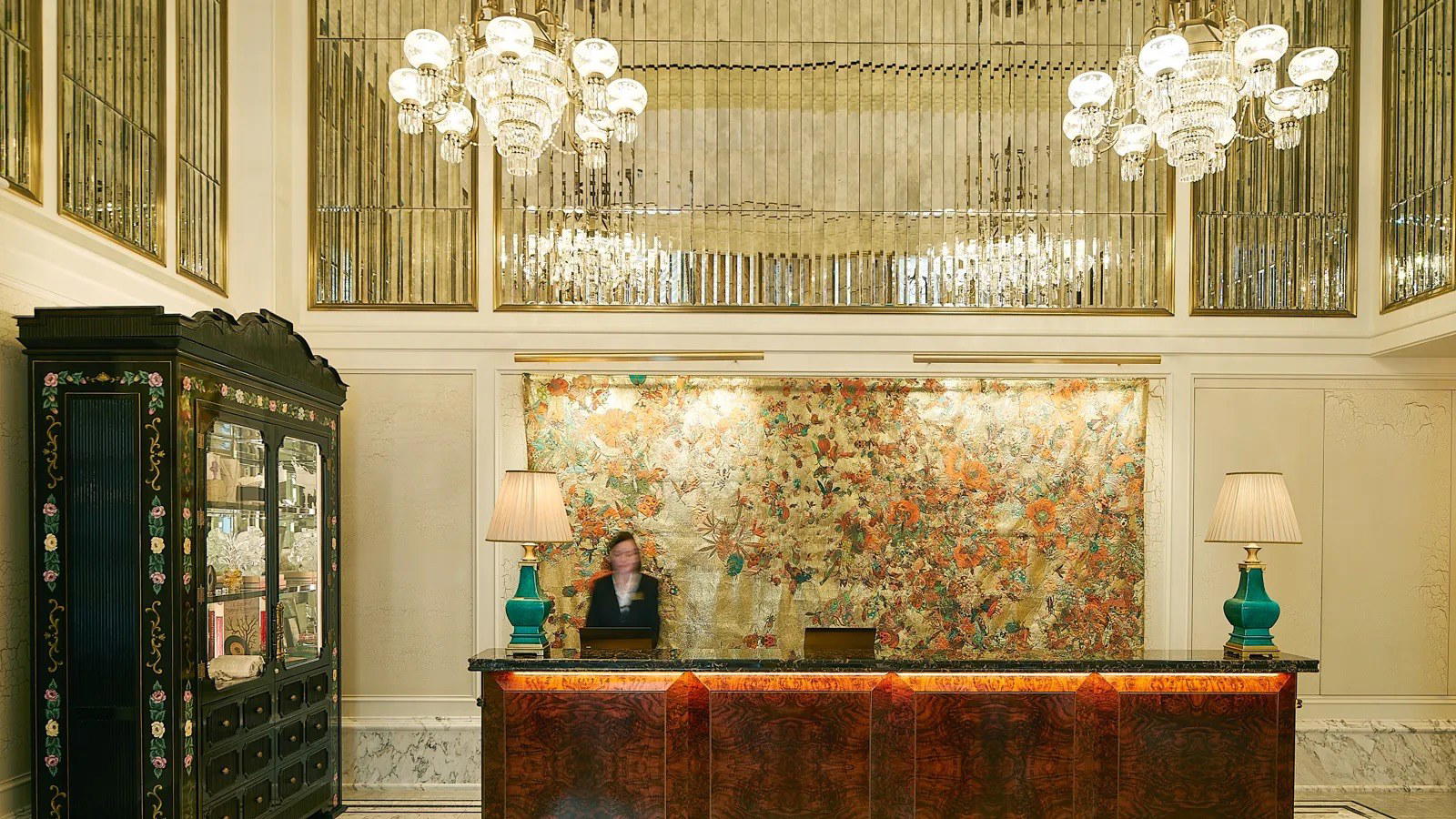
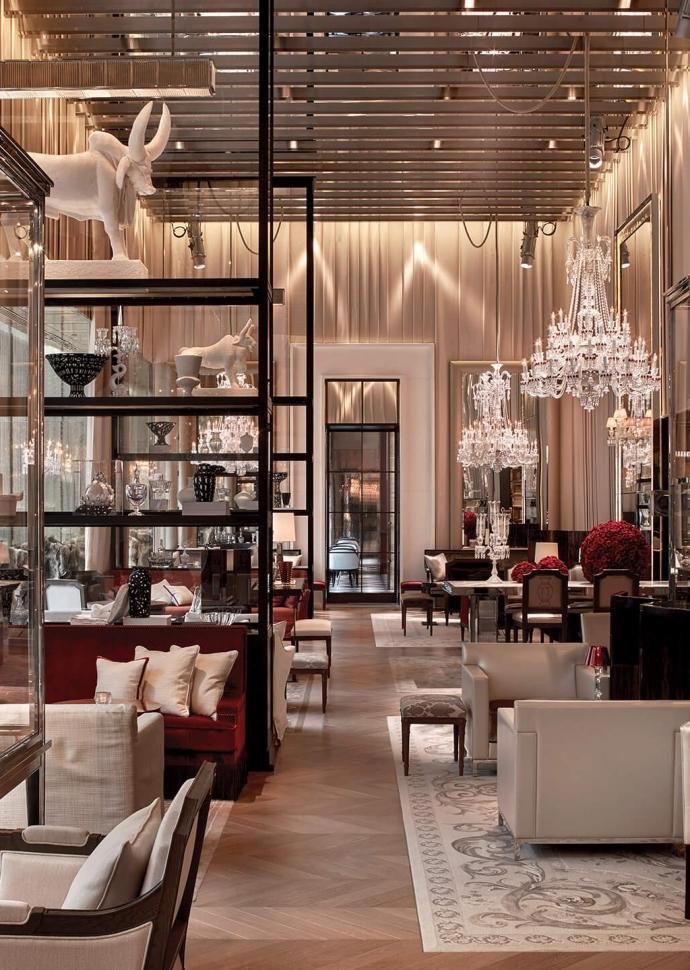
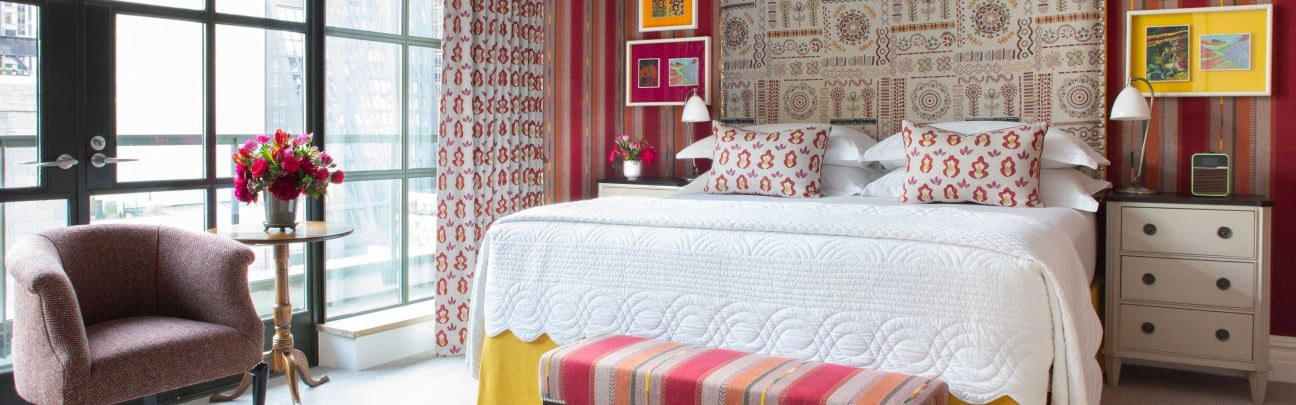
Chic and lively setting with quirky modern British decor, bright lighting, and an open floor plan offering dramatic city views.