Home occupies a narrow townhouse slot on Cornelia Street in Greenwich Village, one of downtown Manhattan's most closely watched dining corridors. The address places it in a neighbourhood defined by serious independent restaurants rather than chain outposts, where the quality of service choreography and kitchen-floor collaboration tends to determine which rooms last. A reservation here situates a diner inside a Greenwich Village tradition of intimate, team-driven dining that the Village has sustained for decades.
- Address
- 20 Cornelia St, New York, NY 10014
- Phone
- +1 212 243 9579
- Website
- homedepot.com
- Directions
- Get directions
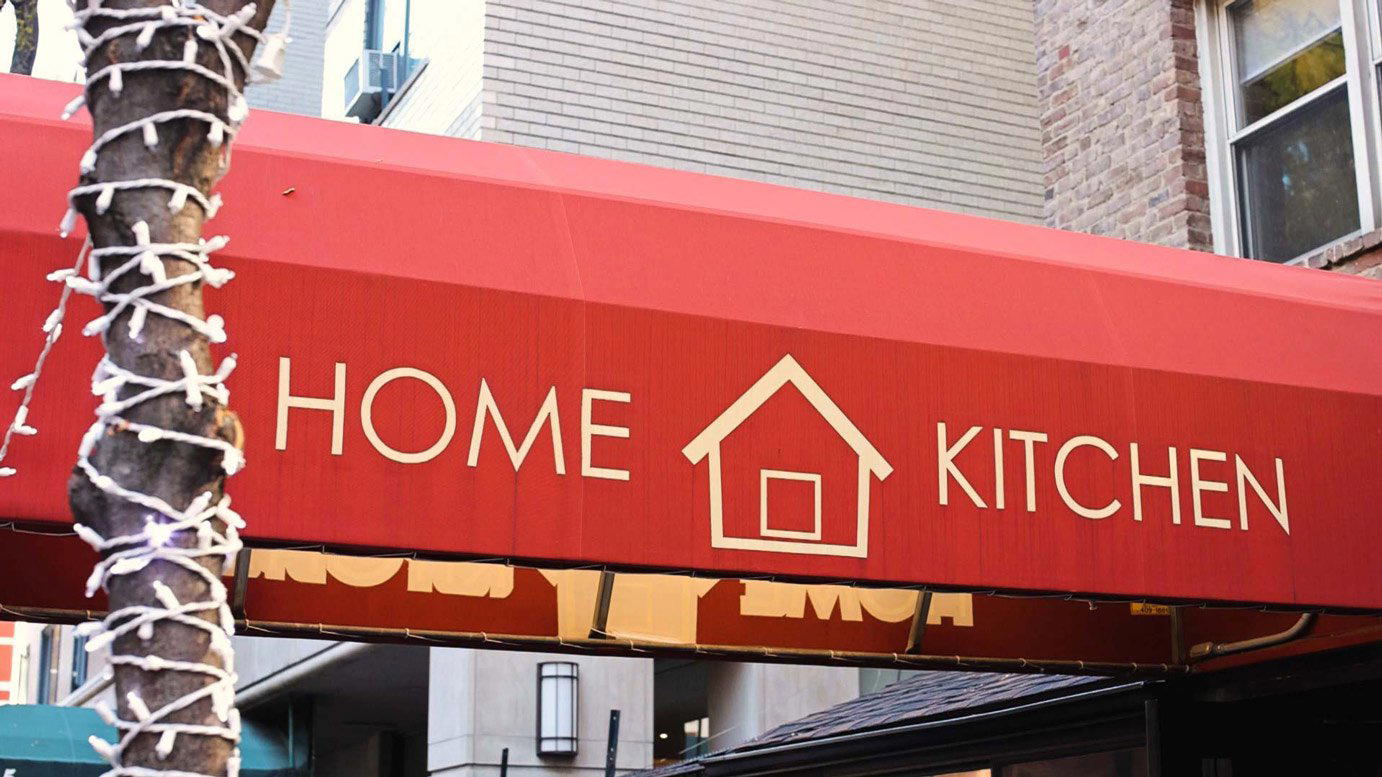
Cornelia Street and the Village Dining Compact
Greenwich Village has always operated on a different register from Midtown's formal dining rooms. The streets are narrow, the buildings low, and the restaurants that survive longest here tend to do so not through spectacle but through a kind of accumulated trust between a room and its neighbourhood. Cornelia Street, in particular, has produced a concentration of independently operated restaurants whose longevity reflects something more durable than trend cycles. Home, at number 20, sits inside this tradition: a Village address where the physical scale of the space compels a certain intimacy between kitchen, floor, and guest that larger Midtown formats rarely achieve.
The broader pattern in downtown Manhattan dining is instructive. As Midtown houses like Le Bernardin, Per Se, and Masa consolidated stronger examples from the market around formal tasting formats and prix-fixe pricing at the $$$$ tier, Greenwich Village restaurants carved out a different position: smaller rooms, more flexible formats, and dining experiences built around the quality of internal collaboration rather than the prestige of a single name at the summit of the kitchen. Home belongs to that cohort.
The Geometry of a Small Room
What the Village format demands above all is that every member of a restaurant's team functions as a visible, capable actor. In a 200-seat dining room, a weak sommelier or an inattentive front-of-house captain can be absorbed by the scale of the operation. In a room the size of a Cornelia Street townhouse, there is nowhere to hide. The discipline this imposes on team dynamic is one reason certain small Village restaurants have maintained loyal followings for years while technically more decorated competitors have turned over several times.
Particularly durable small-room restaurants in this city share a structural quality: the handoff between kitchen and floor is seamless enough that a guest cannot locate the seam. A dish arrives with the information a diner needs to appreciate it without a recitation. A wine recommendation is grounded in what the table has ordered, not in what the sommelier is trying to move. The conversation between departments is, in effect, part of what is being served. This is the kind of operational coherence that defines the leading independent dining rooms in cities like Chicago's Smyth or San Francisco's Lazy Bear, and it is the standard against which a room on Cornelia Street is rightly measured.
Where Home Sits in the New York Competitive Set
New York's restaurant tiers are not simply a function of cuisine type or price point. They reflect the density of the city's dining options and the sophistication of a guest base that moves regularly between formats. At the upper end of the market, Eleven Madison Park and Atomix compete on the strength of highly choreographed multi-course formats backed by significant critical recognition. Home operates in a different register, one defined less by formal awards architecture and more by neighbourhood loyalty and the kind of steady operational quality that keeps tables filled without relying on a Michelin announcement cycle.
This is a meaningful distinction. The Village has historically housed restaurants that matter to New Yorkers without necessarily mattering to the international awards circuit. Our full New York City restaurants guide traces this pattern across multiple neighbourhoods: certain rooms sustain themselves through guest trust rather than institutional recognition, and in many cases that trust is a more reliable indicator of consistent quality than a single-year award. Home's address on Cornelia Street places it in that tradition.
For comparison, the farm-to-table collaborative model that Blue Hill at Stone Barns executes at significant scale north of the city, or that Single Thread Farm builds into its entire operational logic in Healdsburg, finds a more compressed, urban expression in rooms like this one. The philosophy of close kitchen-floor collaboration and ingredient attention does not require 80 acres to be legible to a diner.
Team Collaboration as the Primary Ingredient
The editorial angle that matters most when assessing a room like Home is not what arrives on the plate in isolation but how the team around that plate performs. In restaurants where one figure dominates, the operation is as fragile as that individual's continued presence. In rooms built on genuine collaboration between kitchen, sommelier, and front-of-house, the institution is more durable than any of its parts. This structural quality is visible in particularly resilient independent restaurants across the country: Frasca Food and Wine in Boulder built its reputation explicitly on the partnership between its culinary and beverage programs; Providence in Los Angeles sustains its position through front-of-house depth that matches its kitchen credentials.
Internationally, the model is equally clear. Dal Pescatore in Runate has maintained its standing across decades through family-driven team coherence. Atelier Moessmer Norbert Niederkofler in Brunico functions through a tight integration of regional ingredient sourcing and floor presentation. The pattern holds: rooms built on collaboration outlast rooms built on a single personality, and Greenwich Village has always been fertile ground for that model.
Planning Your Visit
Comparison Planning Table
| Venue | Neighbourhood | Price Tier | Format | Advance Booking |
|---|---|---|---|---|
| Home | Greenwich Village | Not published | Independent / Intimate | Recommended |
| Le Bernardin | Midtown | $$$$ | French / Seafood / Formal | Weeks to months ahead |
| Eleven Madison Park | Flatiron | $$$$ | Tasting / Vegan | Months ahead |
| Atomix | Midtown / NoMad | $$$$ | Modern Korean / Counter | Months ahead |
| Per Se | Columbus Circle | $$$$ | French / Contemporary / Formal | Weeks to months ahead |
Emeril's in New Orleans, Addison in San Diego, and The Inn at Little Washington each represent the model of sustained, collaboration-built restaurant identity in their respective markets.
Comparison Snapshot
Comparable venues nearby, for context on price, style, and recognition.
| Venue | Cuisine | Price | Notes |
|---|---|---|---|
| HomeThis venue — the venue you are viewing | Contemporary American Fine Dining | $$$$ | Not listed |
| 701West | Modern American Fine Dining | $$$$ | Midtown-Times Square |
| Arabelle | Modern American | $$$$ | Upper East Side-Carnegie Hill |
| The Lineup Dinner | Chef-Driven Pop-Up Tasting Menus | $$$$ | Williamsburg |
| Gansevoort Rooftop | Contemporary American with Mediterranean & Sushi Influences | $$$$ | West Village |
| Beautique | Modern American Fine Dining | $$$$ | Central Park |
Continue exploring
More in New York City
Restaurants in New York City
Browse all →
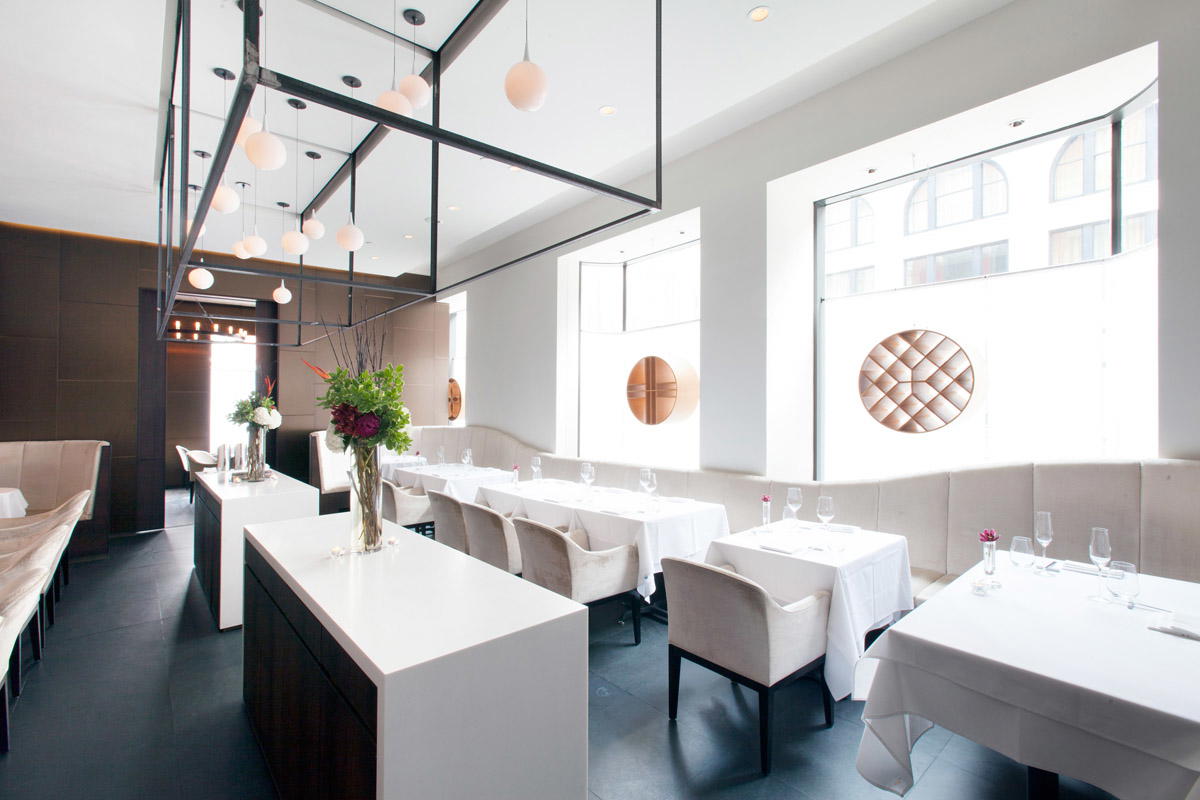
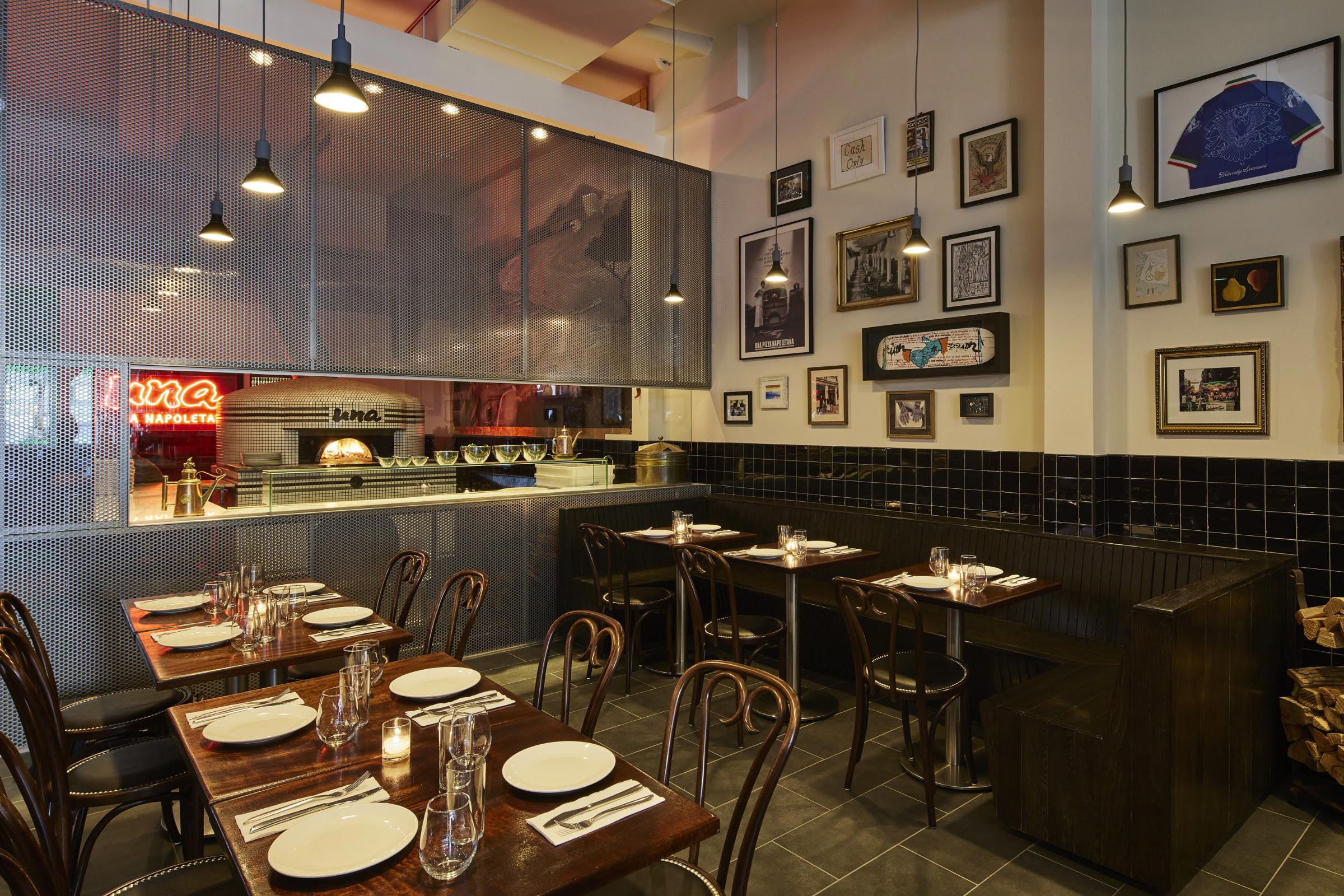
Bars in New York City
Browse all →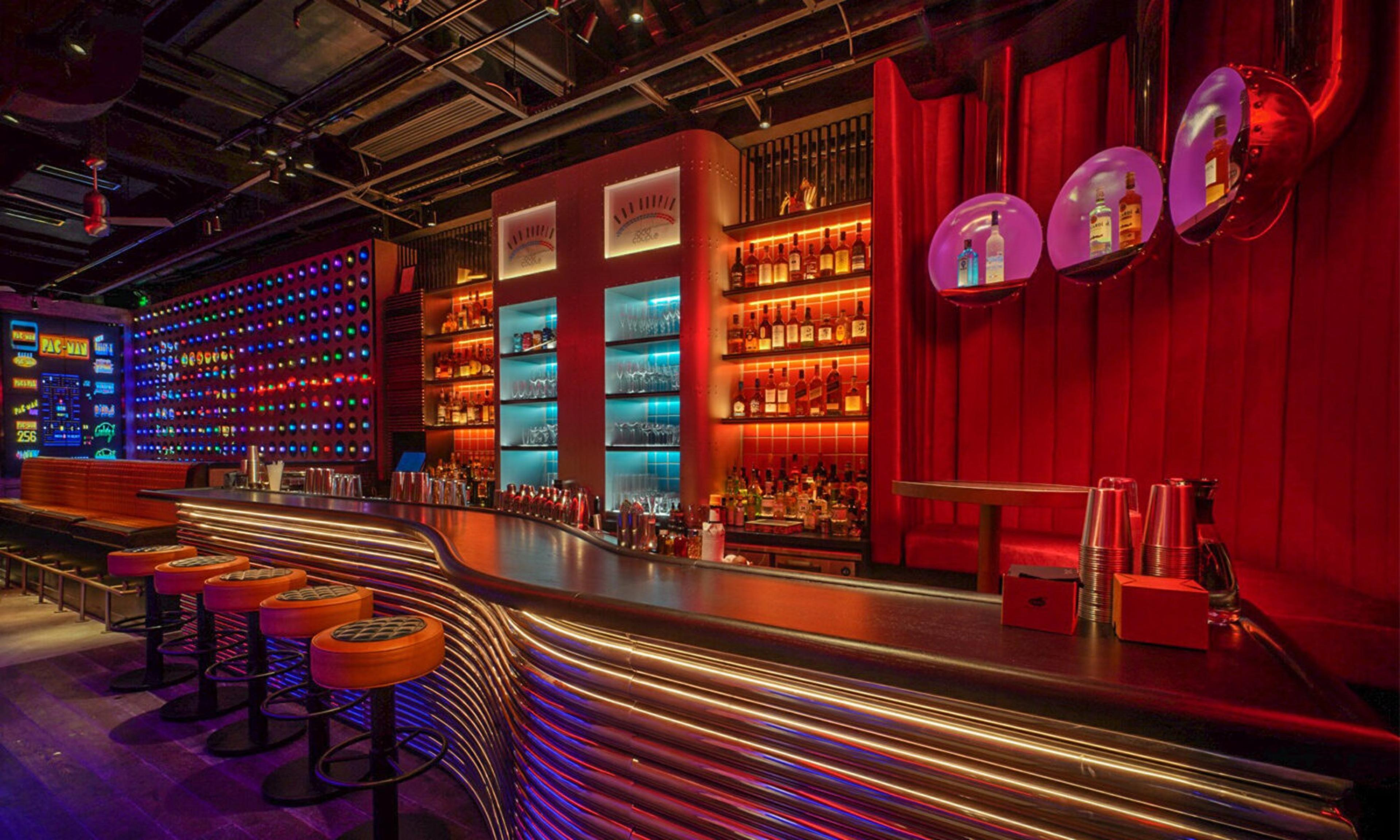
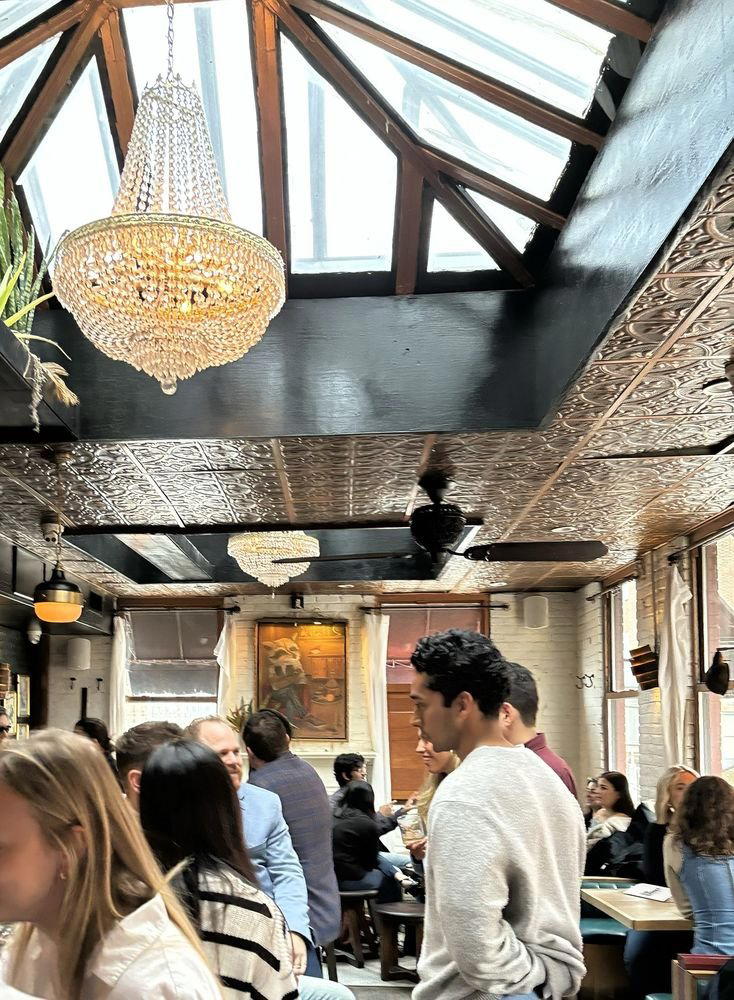
Hotels in New York City
Browse all →






At a Glance
- Elegant
- Sophisticated
- Modern
- Scenic
- Date Night
- Business Dinner
- Special Occasion
- Celebration
- Garden
- Open Kitchen
- Design Destination
- Extensive Wine List
- Sommelier Led
- Farm To Table
- Garden
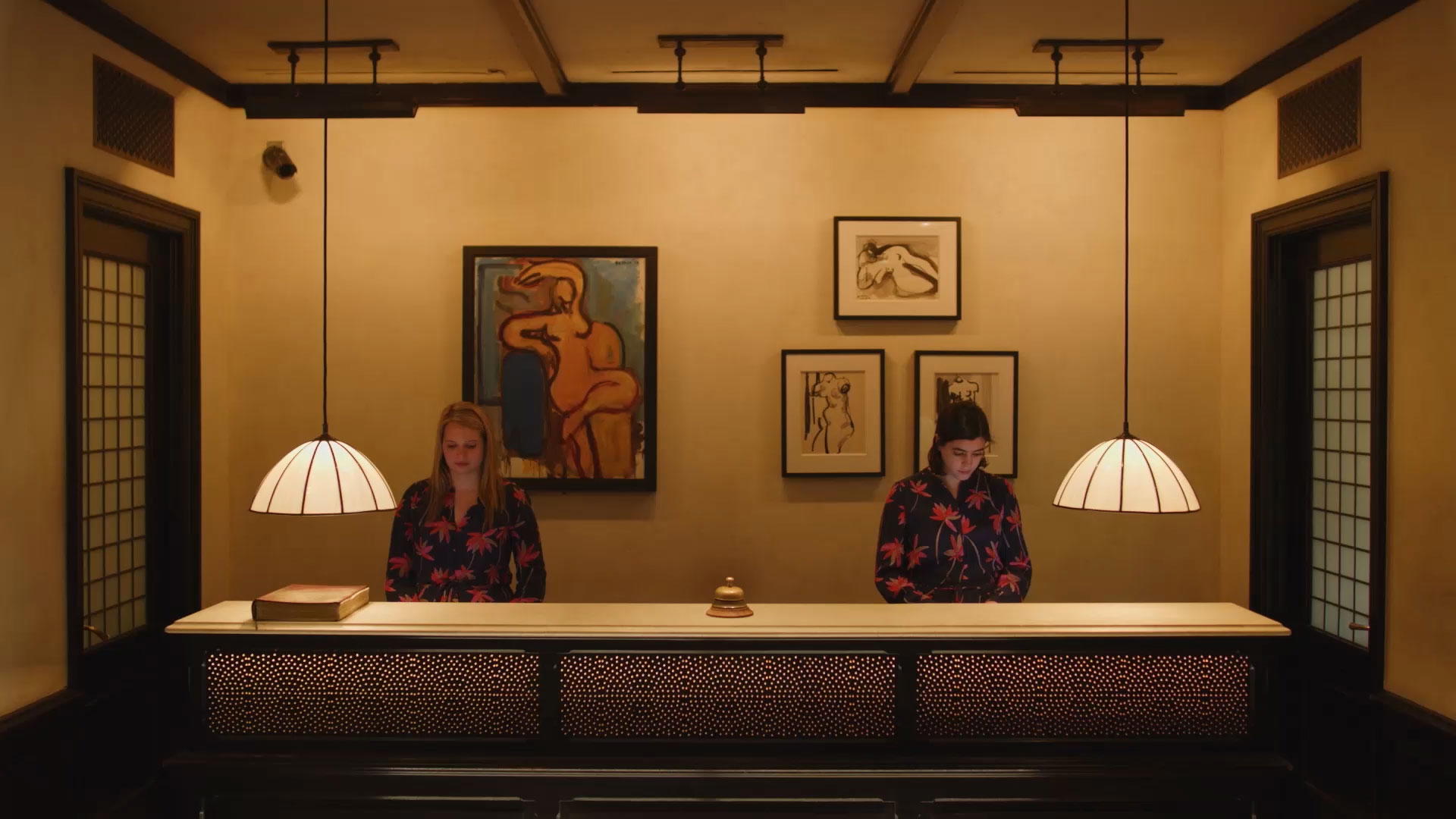
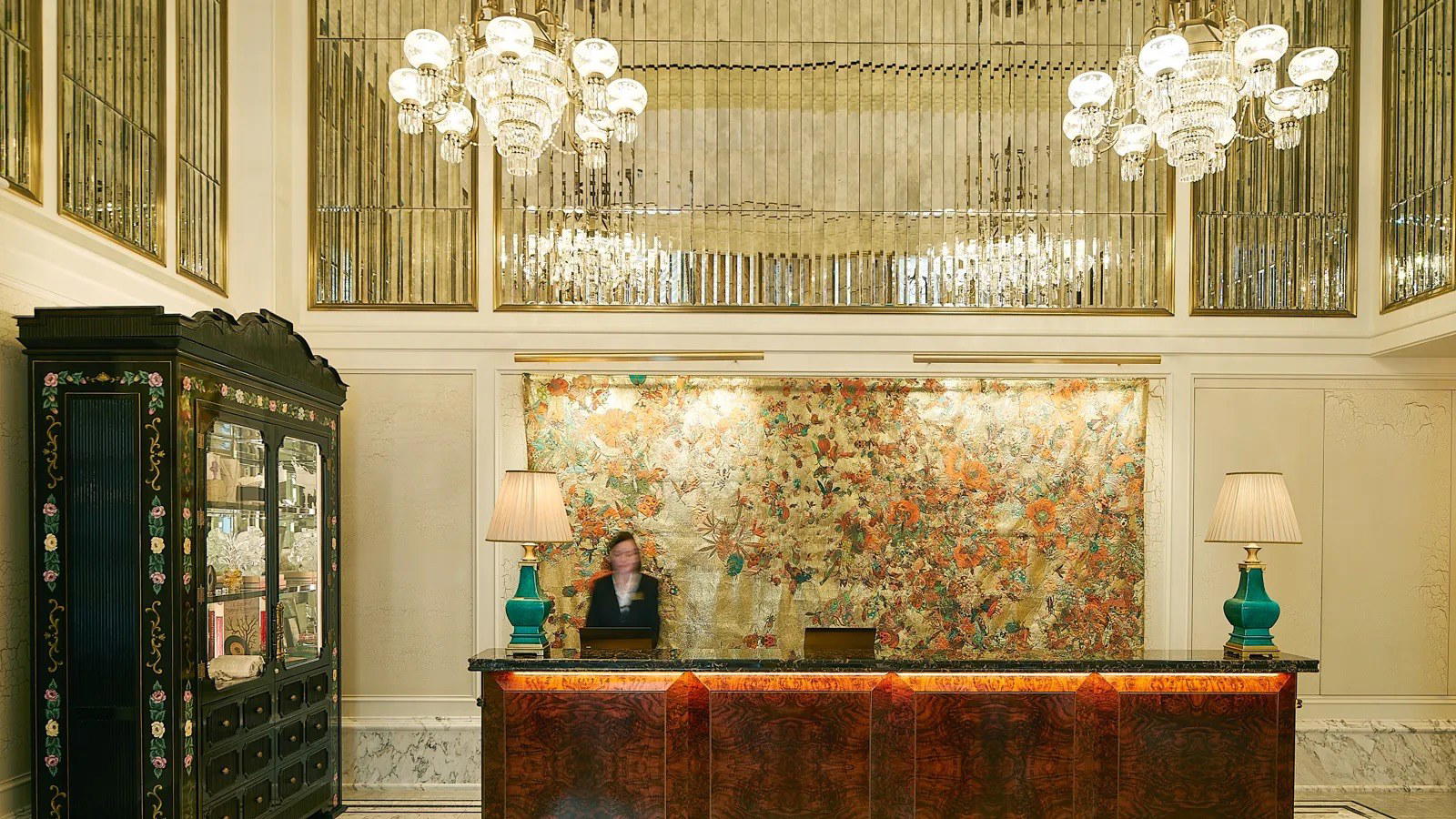
Refined and sophisticated with natural light from garden views; elegant contemporary setting that complements Chef Thomas Allan's refined cooking.