Gansevoort Rooftop
Perched above the Meatpacking District at 18 9th Avenue, Gansevoort Rooftop occupies one of Manhattan's most spatially dramatic outdoor positions, with sightlines across the Hudson and downtown skyline. The venue sits within a neighbourhood that shifted from wholesale meat trade to high-density hospitality over two decades, placing it in a tier of rooftop venues where setting does significant editorial work alongside any food or drink program.
Pearl is the En Primeur Club membership app — saves, bookings, and concierge access live there. Same editors, same standards.
- Address
- 18 9th Ave, New York, NY 10014
- Phone
- +12126606728
- Website
- gansevoorthotelgroup.com
- Directions
- Get directions
 Saves & bookings on Pearl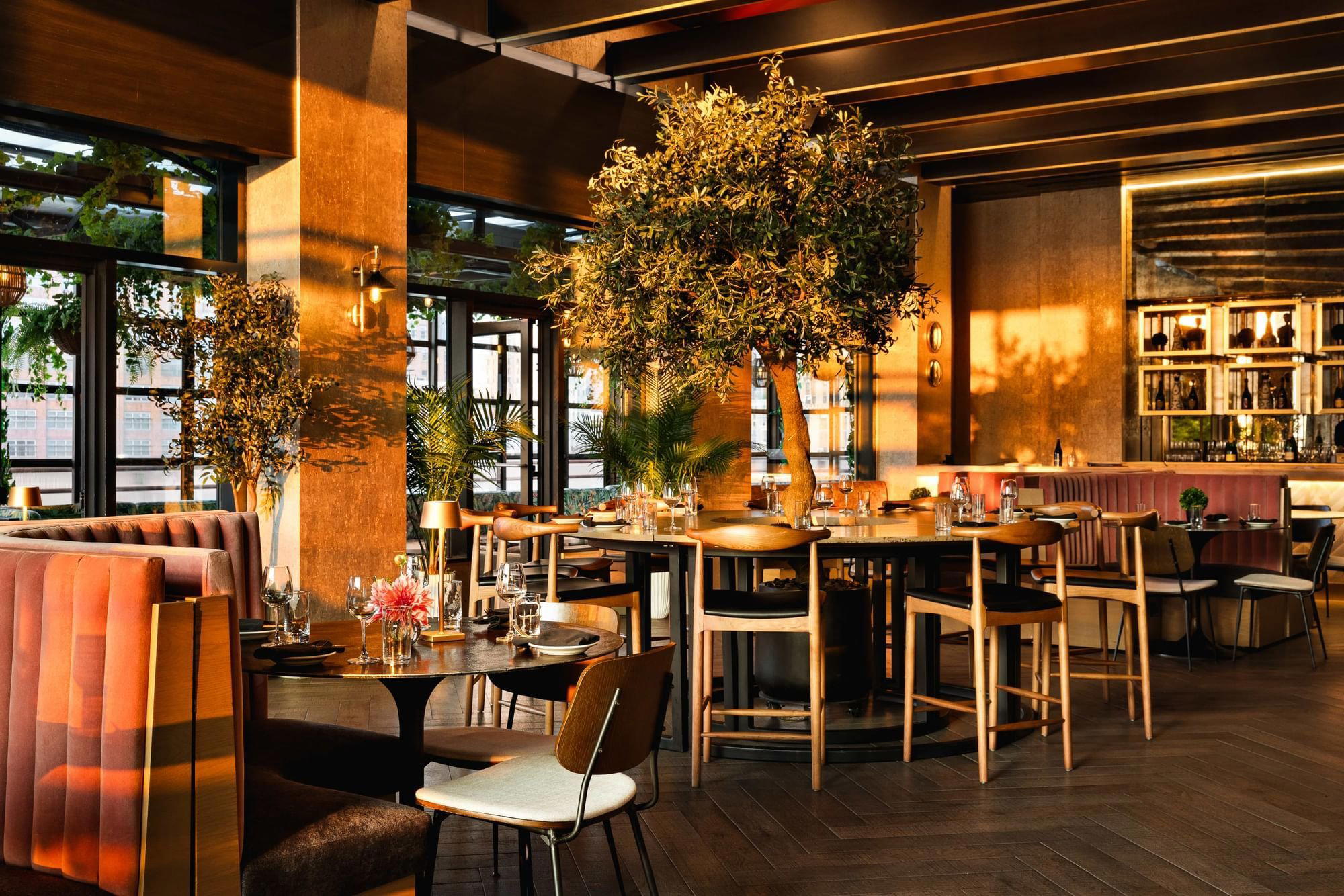
Above the Meatpacking District: What a Rooftop Position Actually Means in New York
Manhattan rooftop venues split into two distinct categories: those that trade primarily on altitude and views, and those where the food or drink program would hold up at street level on its own merits. Gansevoort Rooftop is a restaurant in New York City with a contemporary American menu shaped by Mediterranean and sushi influences, priced around $80 per person. Positioned at 18 9th Avenue in the Meatpacking District, it occupies the former category with considerable conviction. The neighbourhood below it tells its own story. Once defined by the overnight operations of New York's wholesale meat trade, the Meatpacking District underwent one of the city's more thoroughgoing commercial transformations, replacing loading docks and refrigerated warehouses with hotels, designer boutiques, and a hospitality density that now rivals the Lower East Side for weekend foot traffic.
That context matters when assessing what a rooftop venue here is actually selling. The High Line runs adjacent, the Whitney Museum sits nearby, and the Hudson River provides a western edge. A rooftop position in this pocket of the city carries inherent location value that many New York neighbourhoods cannot replicate. For comparison venues operating at street level, that trade-off runs the other direction: Le Bernardin, Atomix, and Per Se ask guests to accept no view in exchange for program depth that has earned sustained critical recognition. Gansevoort Rooftop makes the opposite bet.
The Meatpacking Address and What It Signals About Sourcing Culture
There is a certain layered irony in assessing ingredient sourcing at a rooftop venue that sits directly above what was, for most of the twentieth century, one of New York's primary nodes for the meat supply chain. The district's transformation removed the physical infrastructure of sourcing, but the neighbourhood's proximity to Chelsea Market and the broader Hudson Yards food corridor means that the supply networks feeding this part of Manhattan remain relatively concentrated. Rooftop bars and hotel venues in this pocket of the West Side tend to draw on the same regional distributor relationships that serve the wider Meatpacking and West Village hospitality cluster.
Rooftop venues operating at the premium tier in New York have increasingly signalled ingredient provenance as a differentiator, particularly as farm-to-table frameworks moved upstream from tasting-menu restaurants into cocktail programs and bar menus. Properties like Blue Hill at Stone Barns in Tarrytown and SingleThread Farm in Healdsburg set a high bar for ingredient traceability in the fine dining register. Hotel rooftops operate in a different mode, but the leading among them, particularly those affiliated with independent or boutique hotel groups, have found ways to anchor at least part of their offering in regional sourcing.
Rooftop Venues as a Category: How This Tier Competes
New York's premium rooftop tier has grown considerably since the mid-2000s, with each cycle of hotel development bringing new refined terraces into competition with existing ones. The Meatpacking District and adjacent Meatpacking-to-Hudson Yards corridor now holds several properties with comparable altitude and westward views. In that context, differentiation has to come from somewhere other than geography alone.
The stronger operators in this tier have pursued one of two strategies. The first is programming depth: consistent beverage direction, rotating seasonal offerings, and the kind of booking structure that signals demand management rather than open-door walk-in volume. The second is design investment, where the physical environment is distinctive enough that the rooftop becomes a destination on its own terms, rather than a surrogate for a ground-floor venue that happens to be outdoors. Properties like Eleven Madison Park and Masa represent the ceiling of what design investment and program commitment can achieve at street level in New York; rooftop venues play in a different register but face analogous competitive pressure to justify their position in the market.
Beyond New York, the broader pattern holds. Venues like Lazy Bear in San Francisco, Smyth in Chicago, and Addison in San Diego have earned sustained critical attention by grounding their programs in a clear sourcing philosophy and measurable culinary commitment. The comparison is instructive: rooftop venues that want to move beyond their view dependency tend to require the same level of program discipline.
Who the Venue Serves and When
The Meatpacking District runs on a schedule that most New York neighbourhoods do not. Daytime footfall from the High Line and Whitney pulls a tourist and design-aware demographic from late morning onwards. By early evening, the neighbourhood shifts toward a hospitality-dominant crowd, with hotel guests, pre-dinner drinkers, and weekend visitors converging on the cluster of rooftops and ground-floor venues along 9th Avenue and Gansevoort Street. A rooftop venue in this position faces a guest mix that is significantly more heterogeneous than the controlled dining rooms of, say, The French Laundry in Napa or The Inn at Little Washington.
Seasonality plays a more direct role here than in enclosed restaurants. New York rooftop venues typically operate at full capacity from late April through September, with shoulder operation in March and October depending on weather. The Hudson River exposure at this location means wind is a more consistent variable than at more sheltered Midtown terraces. Venues in comparable positions across the country, including Emeril's in New Orleans and Providence in Los Angeles, operate in more forgiving climates; New York rooftop programming has to account for a compressed high season in ways that peer venues in warmer markets do not.
Readers with an interest in sourcing-driven programs at the tasting-menu level may also find relevant context at Frasca Food & Wine in Boulder and Atelier Moessmer Norbert Niederkofler in Brunico, both of which anchor their programs in regional ingredient logic in ways that set a useful reference point for the category.
Comparison Snapshot
Comparable venues nearby, for context on price, style, and recognition.
| Venue | Cuisine | Price | Notes |
|---|---|---|---|
| Gansevoort RooftopThis venue — the venue you are viewing | Contemporary American with Mediterranean & Sushi Influences | $$$$ | Not listed |
| Blue Box Café by Daniel Boulud | French-Accented American Café | $$$$ | Midtown-Times Square |
| The Peninsula New York | Contemporary American | $$$$ | Midtown-Times Square |
| abc kitchens dumbo | Seasonal American with Global Influences | $$$$ | Downtown Brooklyn-DUMBO-Boerum Hill |
| Aretsky's Patroon | Contemporary American Steakhouse | $$$$ | East Midtown-Turtle Bay |
| BG | Contemporary American | $$$$ | Central Park |
Continue exploring
More in New York City
Restaurants in New York City
Browse all →
Bars in New York City
Browse all →
Hotels in New York City
Browse all →




At a Glance
- Trendy
- Lively
- Elegant
- Sophisticated
- Scenic
- Date Night
- Group Dining
- Special Occasion
- Celebration
- Rooftop
- Panoramic View
- Hotel Restaurant
- Terrace
- Craft Cocktails
- Extensive Wine List
- Local Sourcing
- Skyline
- Waterfront
Current opening hours
- Monday
- Closed
- Tuesday
- Closed
- Wednesday
- 4–11 PM
- Thursday
- 4–11 PM
- Friday
- 3 PM–12 AM
- Saturday
- 12 PM–1 AM
- Sunday
- 12–10 PM
Hours can change for holidays and private events. Last verified .
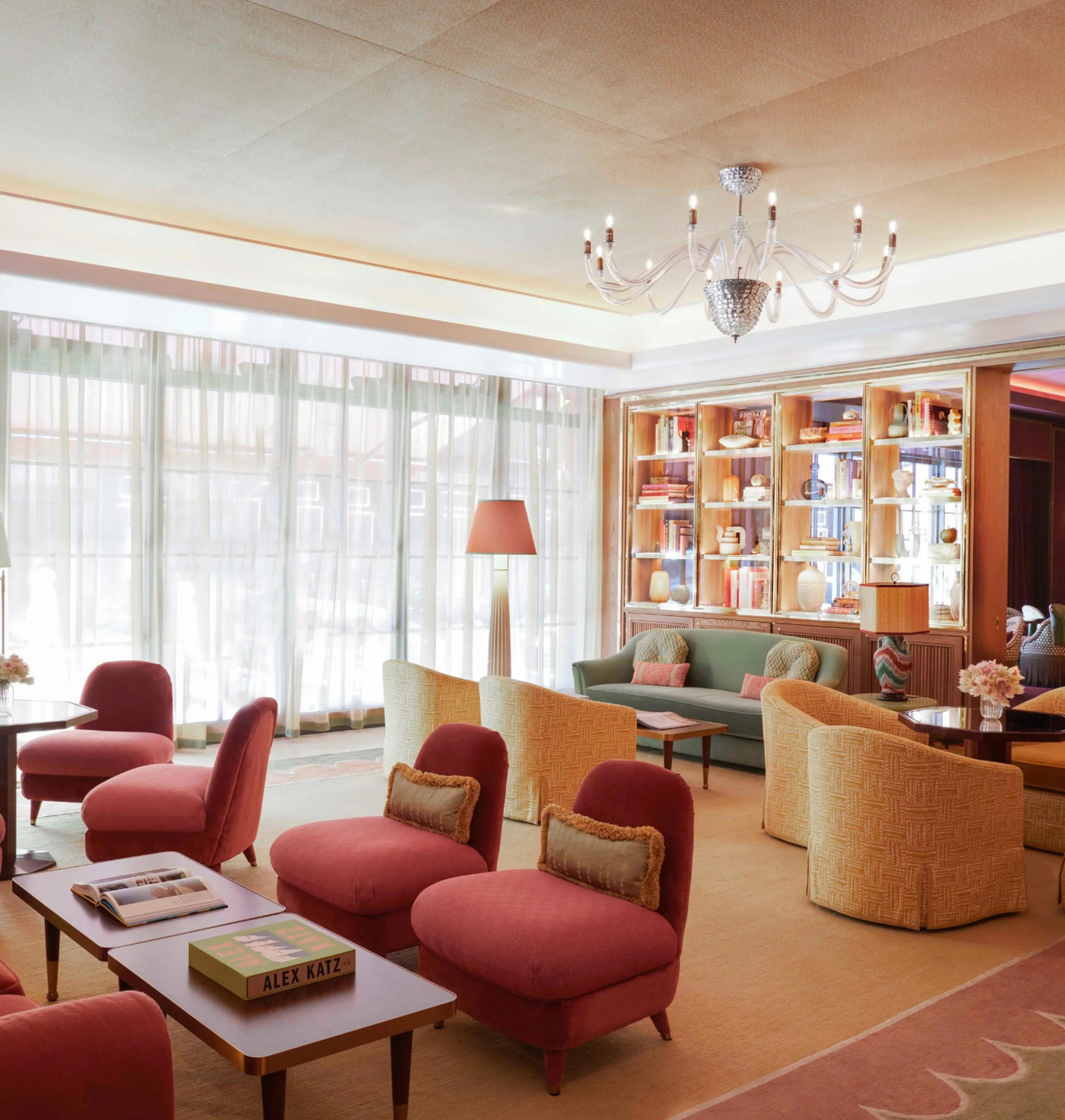
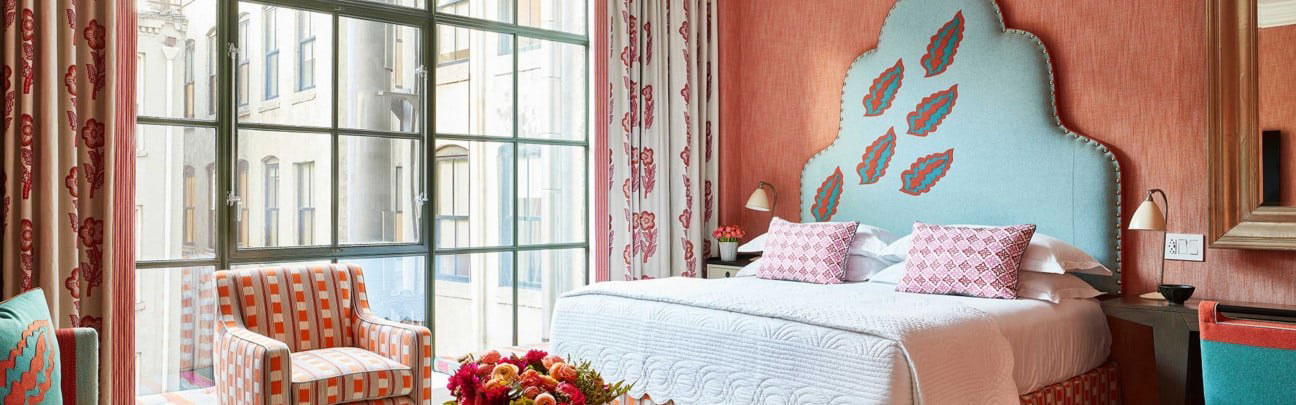
Upscale, chic, and lively atmosphere with lush modern decor, blush pink bar, panoramic views, and breezy rooftop dining when weather permits.