Arabelle
Arabelle occupies a quietly significant address on East 64th Street in Manhattan's Upper East Side, a neighborhood where hotel dining rooms have long operated as barometers of the city's appetite for formal European tradition. Positioned against peers like Per Se and Le Bernardin, it draws a clientele for whom the rhythm of lunch differs sharply from the expectations of dinner service.
Pearl is the En Primeur Club membership app — saves, bookings, and concierge access live there. Same editors, same standards.
- Address
- 37 E 64th St, New York, NY 10065
- Phone
- +12126064647
- Directions
- Get directions
 Saves & bookings on Pearl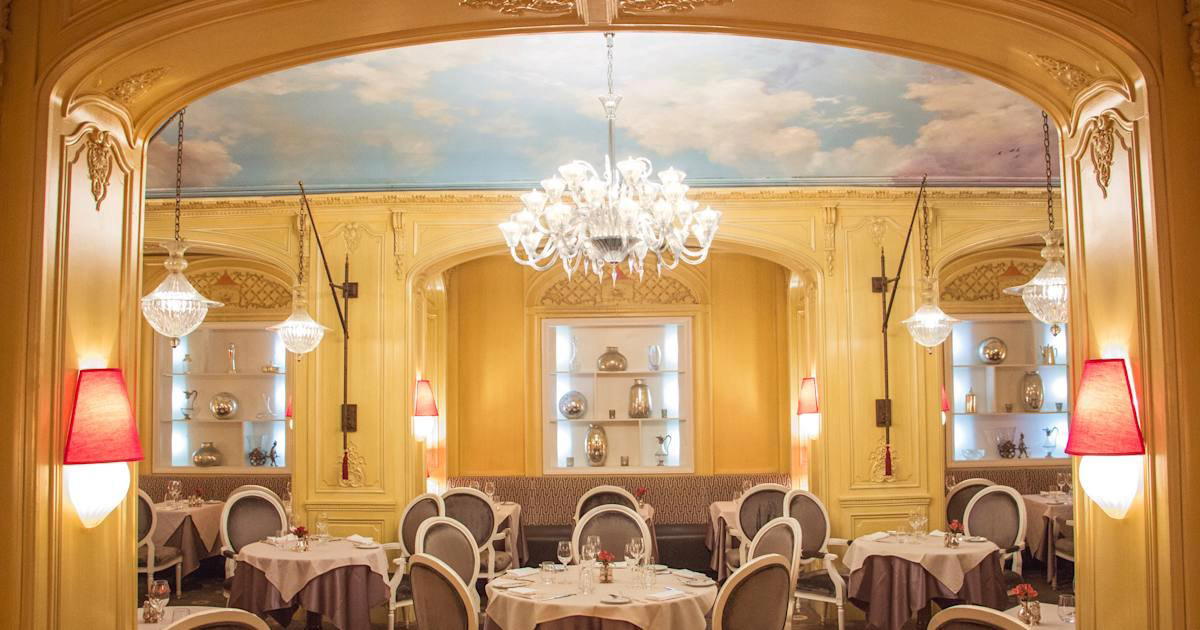
Upper East Side Hotel Dining and the Weight of Tradition
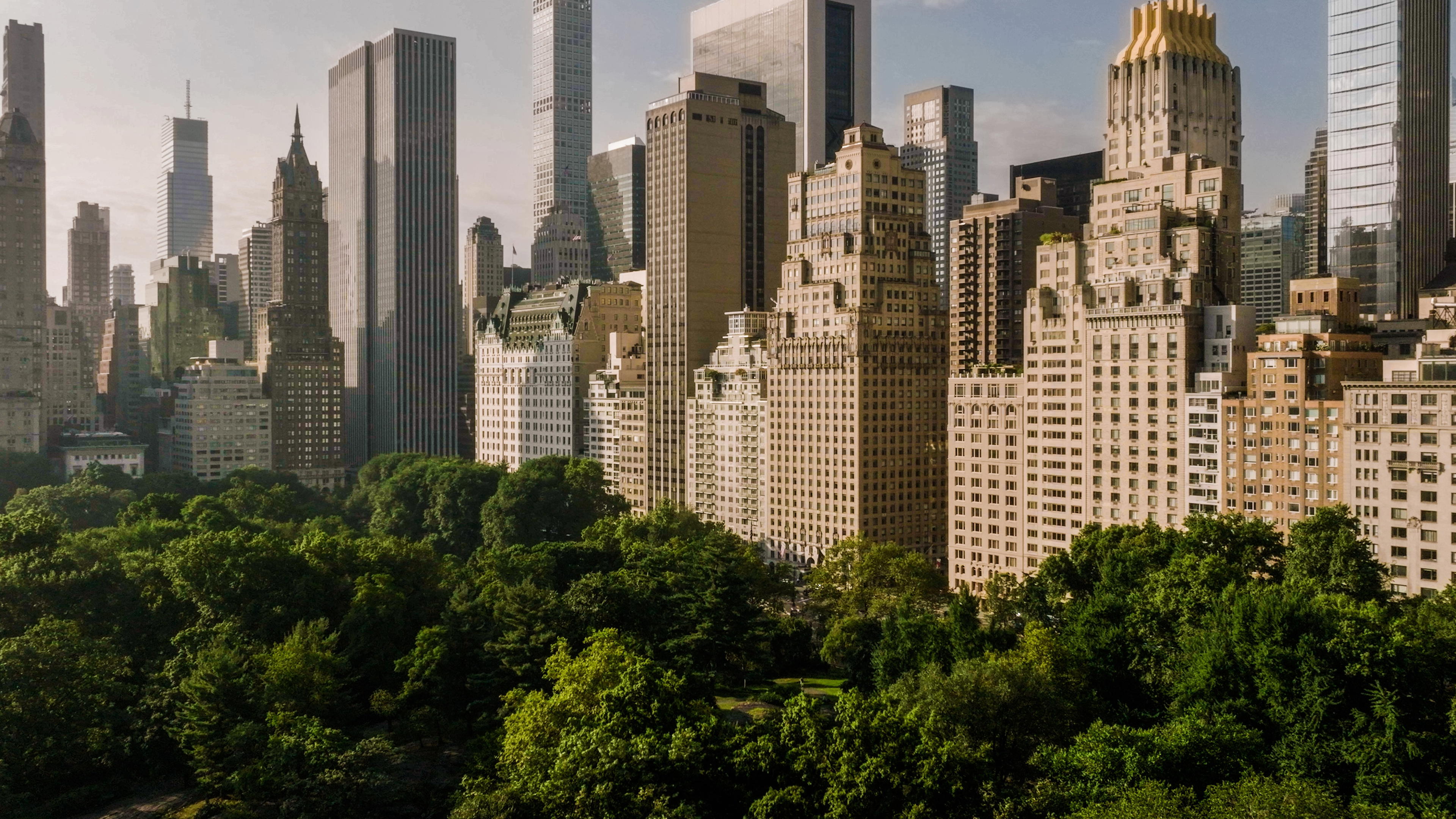
Manhattan's Upper East Side has never fully abandoned the European model of hotel dining as social occasion rather than mere meal. The neighborhood stretching along Park and Madison Avenues between 60th and 72nd Streets carries a particular institutional memory: this is where formal French service, white tablecloths, and multi-course lunch were not aspirational but simply the done thing. That tradition has been tested by the city's broader pivot toward casual formats and chef-driven independents, but a handful of hotel dining rooms have held the line, and Arabelle at 37 East 64th Street belongs to that cohort.
The address alone carries context. East 64th, steps from Central Park and within a few blocks of the corridor that once defined New York's haute cuisine geography, is not a location you stumble into. Guests who arrive for lunch are not, in most cases, first-time explorers. They are returning, or they have been sent by someone who already knows. That dynamic shapes the room's character more than any design choice.
The Lunch and Dinner Divide at Arabelle
Few editorial lenses are more useful for reading a hotel restaurant than the gap between its lunch and dinner identity. In the upper bracket of New York dining, where Per Se, Le Bernardin, and Eleven Madison Park set the tempo, dinner is where the full production is staged. The tasting menu format, the extended wine program, the choreographed service: these belong to the evening. Lunch, by contrast, is where the kitchen's discipline shows most clearly against a shorter clock and a lighter brief.
At Arabelle, as with most hotel dining rooms of this category, the afternoon service functions as a different social register entirely. Business lunches, gatherings between people who prefer conversation to be the main event, and visitors who want to absorb the neighborhood's particular cadence without committing to a full evening, these form the daytime clientele. The room's formal bones, characteristic of hotel restaurants in this part of the city, read differently at noon than at eight. Natural light changes the geometry. The pace compresses. The expectation that you will linger as long as dinner demands simply does not apply.
Dinner at venues in this tier and neighborhood tends to attract guests for whom occasion-marking matters: anniversaries, business entertainment at a senior level, visitors who have planned around the reservation. The distinction is worth naming because it shapes what the kitchen prioritizes. A room that does serious lunch and serious dinner is operating two distinct programs, and that operational breadth is itself a credential in a city where many ambitious kitchens have quietly trimmed midday service entirely.
Across New York's formal dining tier, this pattern holds. Masa and Atomix are, practically speaking, dinner propositions. The lunch trade at that price point requires a different kind of institutional trust, built over years of consistency. Arabelle's positioning on the Upper East Side gives it proximity to the kind of clientele for whom that trust is the starting assumption.
Where Arabelle Sits in the New York Dining Order
New York's fine dining geography has never been uniform. The city's highest-decorated restaurants, the Michelin-starred counters of Midtown, the chef-driven rooms of the West Village and downtown, operate in a different register from the hotel dining rooms of the Upper East Side. The latter are not trying to compete on the same terms. Their competitive set is smaller, more defined by neighborhood expectations and hotel clientele than by the city's broader critical conversation.
Arabelle belongs to a tier of hotel restaurant that does not need to generate its own pilgrimage traffic. Its location within walking distance of the Met, the Frick, and Central Park means that a proportion of guests are already in the area for other reasons. This is a structural advantage that standalone destination restaurants, including, on occasion, the celebrated rooms further south like Blue Hill at Stone Barns further north of the city, cannot claim. The guests come to the neighborhood; the restaurant is there to receive them.
For comparison context within the broader American fine dining picture, it is worth noting how hotel restaurant formats differ by region. Addison in San Diego and The Inn at Little Washington operate as destination anchors where the hotel and restaurant are inseparable propositions. Single Thread Farm in Healdsburg integrates farm provenance into the hotel identity. In New York, the hotel restaurant more often exists in productive tension with the city around it, drawing on neighborhood prestige rather than rural remove.
Planning Your Visit
| Venue | Price Tier | Lunch Service | Format | Neighborhood |
|---|---|---|---|---|
| Arabelle | Not confirmed | Available | Hotel dining room | Upper East Side |
| Per Se | $$$$ | Limited | Tasting menu | Columbus Circle |
| Le Bernardin | $$$$ | Available | Prix fixe / à la carte | Midtown West |
| Eleven Madison Park | $$$$ | Limited | Tasting menu | Flatiron |
| Atomix | $$$$ | Not offered | Tasting menu | Midtown East |
Smyth in Chicago, Providence in Los Angeles, Lazy Bear in San Francisco, and Emeril's in New Orleans each sit in a comparable institutional position within their respective cities. Frasca Food and Wine in Boulder and The French Laundry in Napa extend the comparison to rooms where European tradition is the operating grammar. Further afield, Atelier Moessmer Norbert Niederkofler in Brunico and Dal Pescatore in Runate represent the European originals from which New York's hotel dining tradition ultimately draws its reference points.
A Minimal comparable set
Comparable venues nearby, for context on price, style, and recognition.
| Venue | Price | Notes |
|---|---|---|
| ArabelleThis venue — the venue you are viewing | $$$$ | Not listed |
| Atria West 86 | $$$$ | Upper West Side (Central), American Deli |
| BOTA Supper Club | $$$$ | St. George-New Brighton, Polished Modern American |
| Oriana | $$$$ | SoHo-Little Italy-Hudson Square, American Wood-Fired Grill |
| Perry St | $$$$ | West Village, Modern American with French and Asian Influences |
| The Parliament New York | $$$$ | East Midtown-Turtle Bay, Modern American Bistro |
Continue exploring
More in New York City
Restaurants in New York City
Browse all →
Bars in New York City
Browse all →
Hotels in New York City
Browse all →




At a Glance
- Elegant
- Sophisticated
- Classic
- Business Dinner
- Special Occasion
- Brunch
- Hotel Restaurant
- Private Dining
- Extensive Wine List
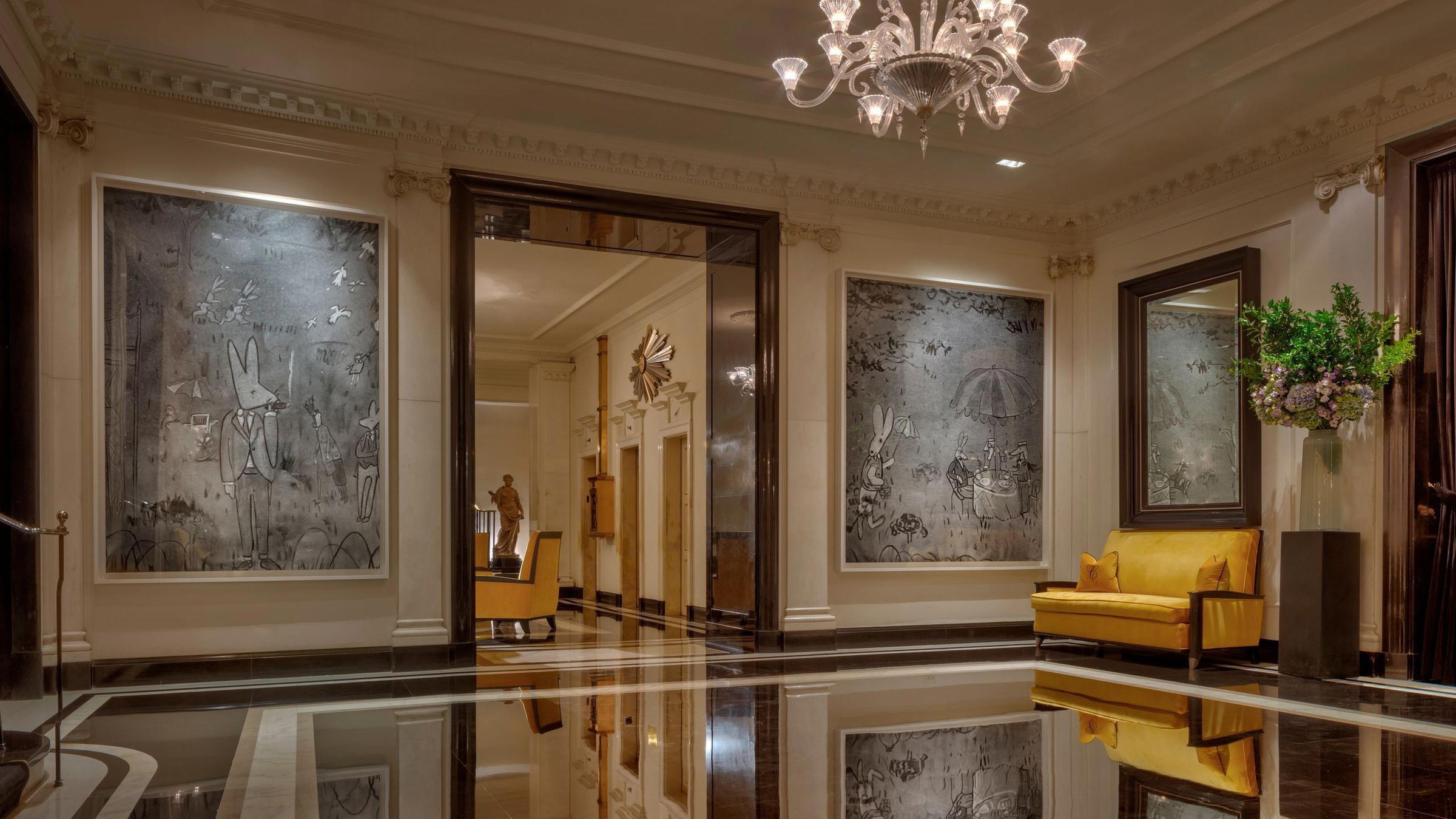
Sophisticated old-world luxury with spacious tables, warm lighting from Murano chandeliers, and a sociable yet gracious atmosphere.