
Blue Bovine Steak + Sushi House occupies a prominent address at 65 Front St W in Toronto's downtown core, combining two formats that rarely share a menu at this level: premium steakhouse and Japanese sushi. The venue sits at an intersection of culinary traditions that Toronto's Financial District dining scene has increasingly embraced, pairing the structural weight of dry-aged beef with the precision of raw fish preparation.
Pearl is the En Primeur Club membership app — saves, bookings, and concierge access live there. Same editors, same standards.
- Address
- 65 Front St W, Toronto, ON M5J 1E6, Canada
- Phone
- +16478053682
- Website
- bluebovine.com
- Directions
- Get directions
 Saves & bookings on Pearl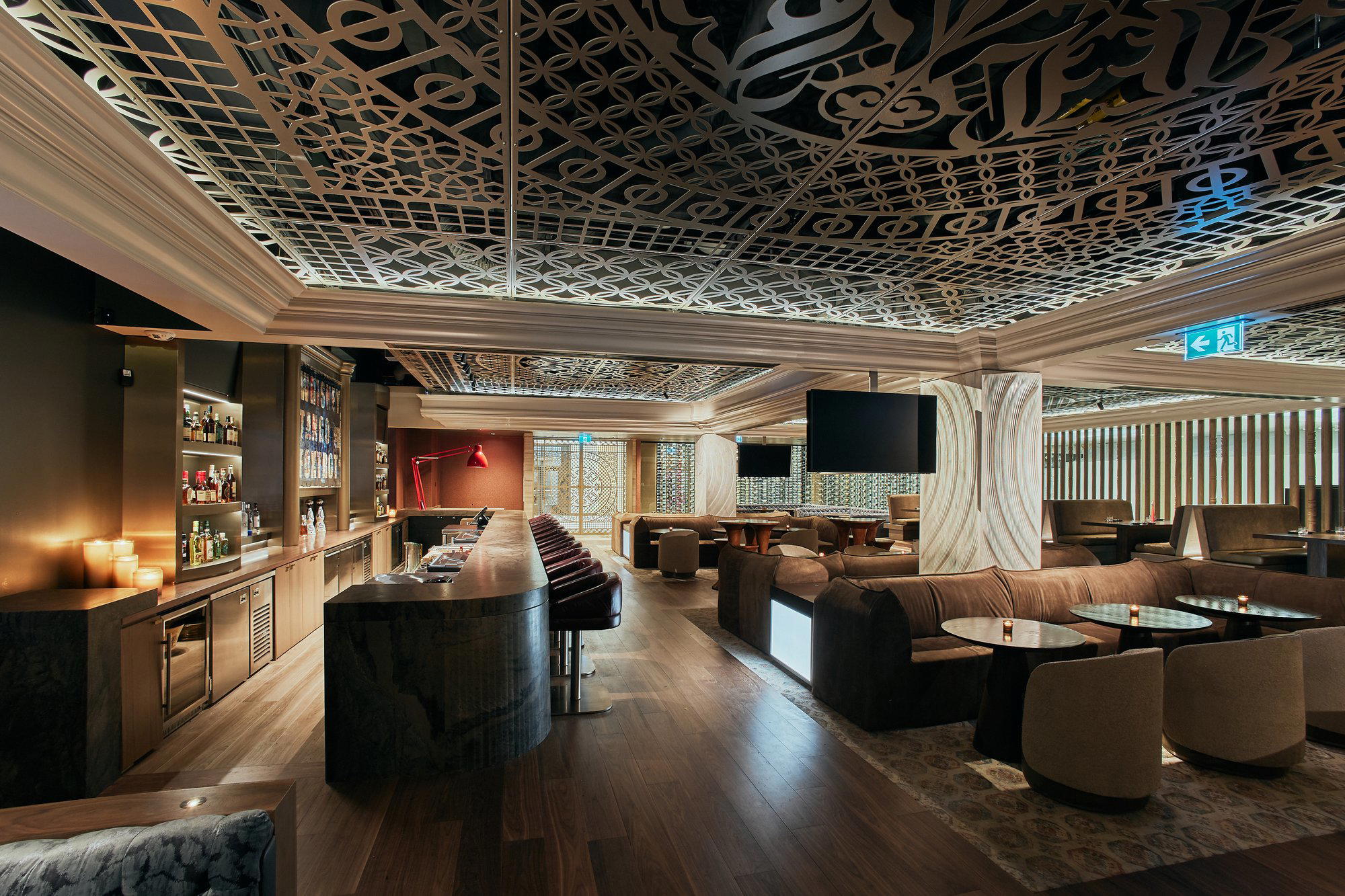
Where the Financial District Meets the Counter
Front Street West, in the stretch running between Union Station and the theatre district, has long been Toronto's most reliable address for power-dining. The buildings here are tall, the lunch tabs are corporate, and the format expectations lean heavily toward the kind of room where you can close a deal without raising your voice. Blue Bovine Steak + Sushi House is a steak and sushi house at 65 Front St W, Toronto, in the Financial District. The premise it operates under, prime beef alongside composed sushi, served under one roof, reflects a broader shift in how Toronto's downtown dining has repositioned itself over the past decade.
The steakhouse-sushi hybrid is not a novelty format. In major North American cities, the combination emerged from the observation that high-end Japanese and premium beef share a guest profile: they both attract diners comfortable with premium pricing, both foreground sourcing specificity, and both lend themselves to a meal structured around escalating courses. The format works when the kitchen commits equally to both sides of the equation, rather than treating one as a bar snack for the other.
The Logic of a Dual-Format Meal
Framing a meal at Blue Bovine through the lens of progression, how a table moves through the evening, is one useful way to understand what this kind of venue is attempting. A well-sequenced dinner here follows a recognizable arc: raw preparations come first, where temperature, knife work, and sourcing are the primary variables; then the kitchen moves into cooked courses, where fire and fat take over. It is a structure borrowed from kaiseki tradition and grafted onto the North American steakhouse format, and when the sequencing holds, it creates a meal with more tonal range than either format achieves alone.
Toronto has several operators working at the intersection of Japanese technique and premium proteins. Sushi Masaki Saito operates at the apex of the city's omakase tier, with a Michelin-starred counter that prices and sequences in strict Japanese tradition. Aburi Hana brings kaiseki discipline to a similarly refined price bracket. Blue Bovine occupies a different position in that conversation: the dual-format model is inherently more accessible in register, less ceremonially rigid, and designed for a guest who wants the quality signals of premium Japanese preparation without the commitment of a fully structured omakase sequence.
Downtown Toronto's Premium Dining Context
The Financial District dining tier has consolidated around a handful of formats in recent years: the grand-scale Italian room, the chef-driven contemporary tasting menu, and the steakhouse with pretensions toward something more interesting than a 16-ounce ribeye and a wedge salad. Alo redefined what a tasting-menu room could do at the contemporary end. Don Alfonso 1890 and DaNico represent the Italian axis of the city's premium dining. Blue Bovine's steakhouse-sushi format sits outside all of those categories and competes more directly with hotel dining rooms and expense-account destinations that prioritize range and occasion-friendliness over singular culinary vision.
That is not a criticism. Occasion-friendly dining at a consistent level serves a real function in a city with as active a corporate and tourism base as Toronto's downtown core. The question for any venue operating in this format is whether the kitchen's execution on both sides, the protein work and the raw preparations, is tight enough to justify the positioning.
How the Menu Arc Reads
The editorial angle that matters most for a venue like this is sequence. Across Toronto's premium restaurants, the meal arc has become increasingly deliberate: lighter, more acidic, or raw preparations anchor the first third of the table's time; richer, cooked courses follow; and the kitchen's identity tends to crystallize somewhere in the middle of the protein section. At a hybrid steakhouse-sushi house, that middle section is doing double duty. The kitchen is simultaneously communicating its sourcing standards for beef, cut selection, aging duration, cooking method, and its sushi program's commitment to knife work, fish temperature, and rice seasoning.
Particularly demanding guests at this kind of venue will apply standards from both traditions simultaneously, and that dual expectation is the format's central challenge. It is worth noting that in comparable cities, New York, Los Angeles, Vancouver, the steakhouse-sushi hybrid has found its most durable success when the sushi program is treated as a co-equal rather than an amuse-bouche. AnnaLena in Vancouver and Lazy Bear in San Francisco each demonstrate, in different ways, that the multi-format dinner works when every section of the meal carries weight.
Placing Blue Bovine in Canada's Broader Fine Dining Picture
Canada's premium restaurant tier is geographically scattered but increasingly coherent in its ambitions. Tanière³ in Quebec City, Eigensinn Farm in Singhampton, and Fogo Island Inn Dining Room each represent a strand of destination dining that prioritizes place, provenance, and singular vision. Toronto's downtown core operates differently: it is a density play, not a destination pilgrimage, and venues here compete on consistency, occasion fit, and format range rather than remoteness or conceptual purity. Blue Bovine fits that downtown logic.
For those building a broader Ontario itinerary, Restaurant Pearl Morissette in Lincoln and The Pine in Creemore both offer a contrasting register: locally rooted, rurally situated, and structured around a different set of sourcing convictions. The contrast underscores why Toronto's urban premium tier exists in its own category.
Planning Your Visit
Address: 65 Front St W, Toronto, ON M5J 1E6. Reservations are recommended. Dress: business casual. Budget: about $70 per person. Timing: Mon to Wed 11:30 AM to 12 AM, Thu to Fri 11:30 AM to 2 AM, Sat 4 PM to 2 AM, Sun 4 to 10 PM.
Booking and Cost Snapshot
Comparable venues nearby, for context on price, style, and recognition.
| Venue | Cuisine | Price | Notes |
|---|---|---|---|
| Blue Bovine Steak + Sushi HouseThis venue — the venue you are viewing | Financial District, Steak & Sushi House | $$$$ | Not listed |
| LSL | Not listed | $$$$ | Bedford Park-Nortown, French-Japanese Haute Cuisine Omakase |
| TONO by Akira Back | Not listed | $$$$ | Rosedale, Modern Nikkei (Japanese-Peruvian Fusion) |
| Florette | Not listed | $$ | Little Portugal, Funky Modern Canadian with Seasonal Sharing Plates |
| Maison T | Not listed | $$$$ | Davenport, French Bistro with Japanese Influences |
| CHEFS HALL | Not listed | $$ | Financial District, Global Multi-Vendor Food Hall |
Recognition history
Dated appearances from independent guides and award organizations, with the underlying list record or original source where available.
Wine Spectator Best of Award of Excellence
Wine Spectator
Continue exploring
More in Toronto
Restaurants in Toronto
Browse all →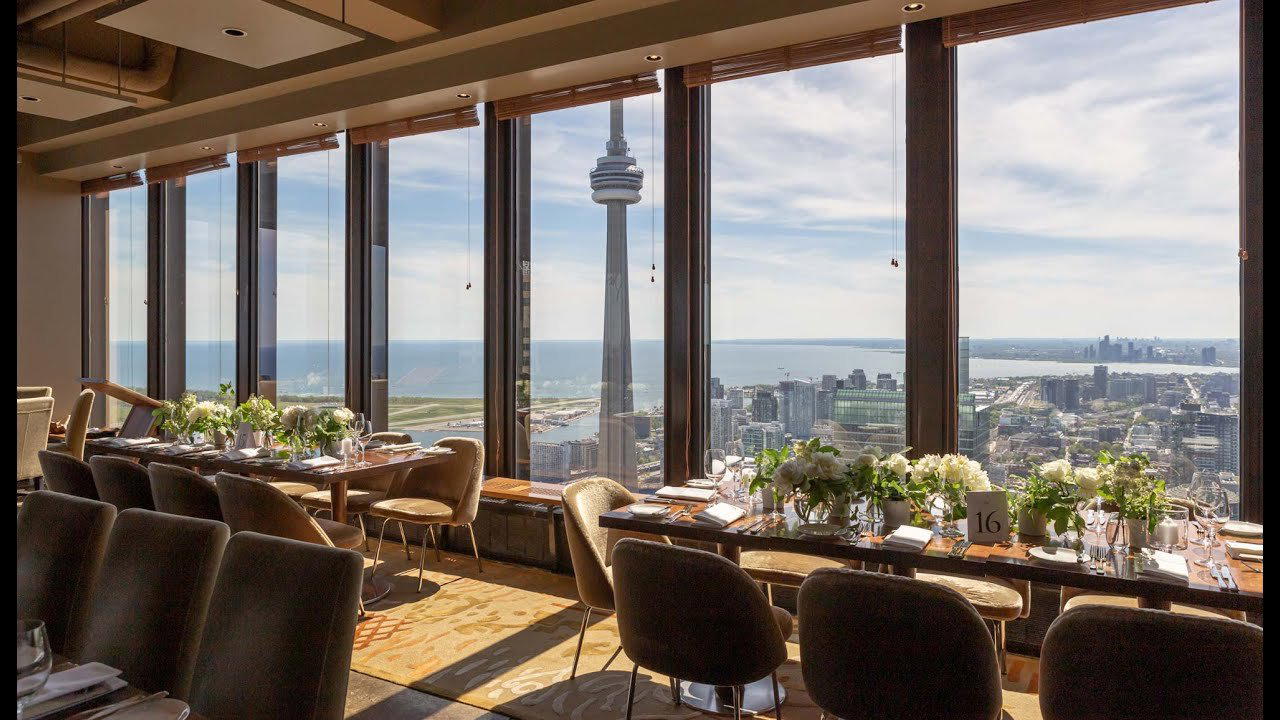
Bars in Toronto
Browse all →
Hotels in Toronto
Browse all →

At a Glance
- Modern
- Elegant
- Sophisticated
- Date Night
- Business Dinner
- Special Occasion
- Open Kitchen
- Private Dining
- Historic Building
- Sake Program
- Local Sourcing
Current opening hours
- Monday
- 11:30 AM–12 AM
- Tuesday
- 11:30 AM–12 AM
- Wednesday
- 11:30 AM–12 AM
- Thursday
- 11:30 AM–2 AM
- Friday
- 11:30 AM–2 AM
- Saturday
- 4 PM–2 AM
- Sunday
- 4–10 PM
Hours can change for holidays and private events. Last verified .
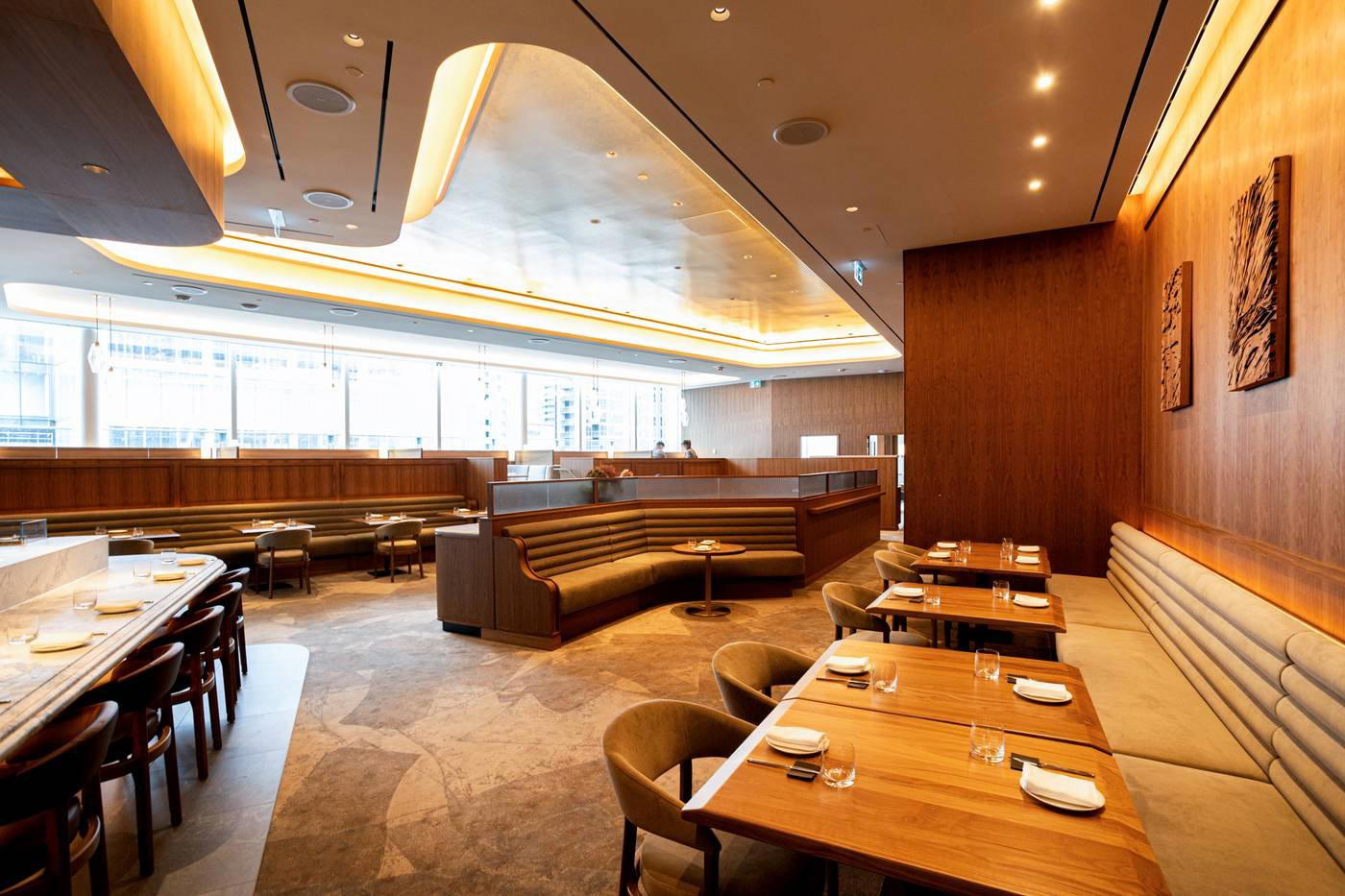
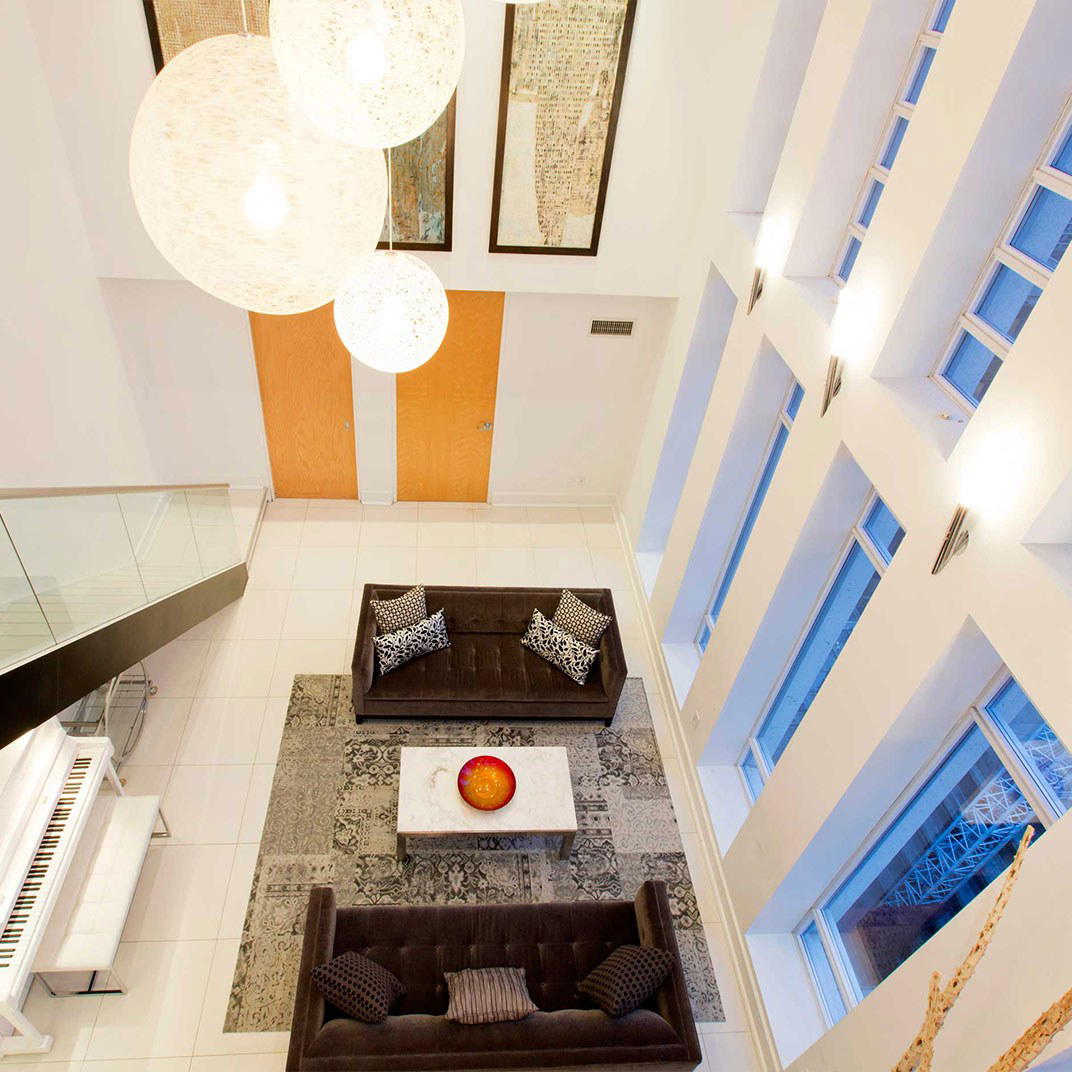
Modern yet inviting with stylish décor, ambient lighting, warm colors, luxurious leathers, and historic architectural charm creating an energetic upscale atmosphere.